Solar vs Generator: Real Cost Numbers for Nigerian Businesses 2026
📅 Originally published: November 21, 2025 | Updated: April 30, 2026
Solar vs Generator: Real Numbers for Nigerian Businesses in 2026 — Full Cost Breakdown
Welcome to Daily Reality NG — where we cut through the noise and give you practical, honest insights on issues that shape Nigerian business life. Today we tackle the question thousands of Nigerian business owners are asking right now: is solar genuinely cheaper than a generator, and what do the real naira numbers actually look like? Not the polished numbers solar vendors quote. The actual figures. Read how Daily Reality NG approaches honest financial analysis here.
🔍 Why this analysis is grounded in Nigerian reality: Every figure in this article is sourced from verified April 2026 Nigerian market data — including live petrol prices from verified April 2026 fuel price reports, BusinessDay's February 2026 solar installation cost report, and GlobalPetrolPrices.com's April 27, 2026 data showing petrol at ₦1,217.75 per litre. No estimates. No 2024 figures dressed up as 2026. If a number is in this article, it comes from a source you can verify.
⏱️ Do This Before Reading Further — Takes 2 Minutes
Before reading this comparison, write down two numbers from your own business: (1) How many litres of petrol your generator consumes per day, and (2) How many hours per day you currently run it. If you don't know these figures, check your fuel purchase records from the last two weeks and calculate the daily average. You need these two numbers to properly apply any calculation in this article to your specific situation. Without them, you'll be reading a general comparison. With them, you'll be doing your own personal ROI calculation in real time as you read.
Takes 2 minutes to find. Makes this entire article worth 10x more to your specific business.
September 2025. Emeka runs a small printing and business centre in Enugu. Eight computers, two printers, a laminator, a photocopier. He runs his generator 10 hours a day because NEPA has become essentially decorative in his area — showing up for 2 hours in the morning if you're lucky, then vanishing until the next day.
His generator consumes 4 litres of petrol per hour. At 10 hours daily, that's 40 litres per day. When petrol was ₦600 per litre, his fuel bill was ₦24,000 per day. He barely thought about it. It was just the cost of doing business in Nigeria.
But by April 2026, petrol is ₦1,235 per litre in Warri and ₦1,210–₦1,295 per litre across most major cities. That same 40-litre daily consumption is now costing him ₦48,600–₦49,400 per day. Not per month. Per day. That is ₦1,458,000–₦1,482,000 per month. Just fuel. Before maintenance. Before oil changes. Before the ₦80,000 repair bill that showed up last month when the alternator gave out.
A solar vendor visited Emeka in August 2025 and quoted him ₦3.2 million for a complete 5kVA solar system. Emeka sent him packing. "₦3.2 million? That's almost 3 months of my revenue." He didn't do the calculation of what 3 months of fuel actually cost.
I'm going to do that calculation for you in this article. And not just for Emeka's printing centre — for different Nigerian business sizes and power needs. Because the question of solar vs generator in 2026 is ultimately a mathematics question, not an energy preference question. And once you see the numbers clearly, the answer stops being complicated.
⚡ Quick Answer: Solar vs Generator for Nigerian Businesses in 2026
For any Nigerian business running a generator more than 6 hours daily at April 2026 petrol prices (₦1,210–₦1,360/litre depending on location), solar delivers a lower total cost within 12–24 months and dramatically lower costs from year 2 onward — with zero fuel spend and near-zero maintenance cost. The challenge is the upfront capital: a complete 5kVA solar system runs ₦2.5 million–₦4.5 million installed in 2026, versus a comparable generator at ₦350,000–₦800,000. But the generator costs you more than its purchase price every single month in fuel. The solar system costs you almost nothing after installation. The breakeven point — the moment solar becomes cheaper in total — is typically month 12–18 for heavy generator users. Already know your usage? Jump to the Breakeven Calculator section or go directly to the Verdict by Business Type.
🎯 Find Your Answer in 10 Seconds — Which Situation Are You?
Your generator usage level determines everything about this comparison. Find your situation.
✅ Running generator 8+ hours daily
Solar almost certainly pays back within 12–18 months at current petrol prices. Go to Heavy User calculations.
🔄 Running generator 4–7 hours daily
Solar pays back in 18–30 months. See the Medium User section for your specific numbers.
⚠️ Running generator under 4 hours daily
Solar payback stretches to 3–5 years. Read the Light User analysis before deciding.
💰 Don't have upfront solar capital
See the Solar Financing section — loans, lease-to-own, and CBN-backed programs exist.
🏪 Want the bottom-line verdict by business type
Jump directly to Verdict by Business Type for the specific recommendation for your business.
📍 Find Your Starting Point
| Your Situation | Monthly Generator Fuel Cost (Apr 2026) | Solar ROI Window | Start Here |
|---|---|---|---|
| Printing, barbing, phone repair — 8–12 hrs/day generator | ₦1.2M–₦1.8M/month | 10–14 months | Heavy User Section |
| Office, small retail — 5–7 hrs/day generator | ₦600k–₦900k/month | 16–24 months | Medium User Section |
| Home office, side hustle — 2–4 hrs/day generator | ₦180k–₦360k/month | 30–48 months | Light User Section |
| Cannot afford ₦2.5M+ upfront but want to switch | Financing changes the calculation entirely | Financing Section | |
| 💡 Fuel cost calculations based on petrol at ₦1,235/litre (Warri April 2026) and generator consumption of 1.5–4 litres/hour depending on generator size. Source: Legit.ng fuel price report, April 24, 2026 | |||
⛽ Current Petrol & Diesel Prices in Nigeria — April 2026 Live Data
Before any solar vs generator calculation can be meaningful, you need the current fuel prices. Here are the verified April 2026 figures from live sources.
| City / Location | Petrol (PMS) Per Litre | Diesel (AGO) Per Litre | Trend vs Jan 2026 | Source |
|---|---|---|---|---|
| Lagos (lowest, depot proximity) | ₦1,210–₦1,212 | ₦1,450–₦1,600 | → Slightly reduced | Legit.ng April 24, 2026 |
| Abuja (federal capital) | ₦1,260–₦1,295 | ₦1,500–₦1,700 | → Reduced from ₦1,330 | Legit.ng April 24, 2026 |
| Warri, Delta State | ₦1,235 | ₦1,480–₦1,600 | → Stable | Legit.ng April 24, 2026 |
| Calabar, Cross River | ₦1,228 | ₦1,500+ | ▲ Slight increase | Legit.ng April 24, 2026 |
| Northern states (Kano, Kaduna) | ₦1,350–₦1,380+ | ₦1,700–₦1,900 | ▲ Higher due to supply chain | Angle360ng April 2026 |
| National average (GlobalPetrolPrices) | ₦1,217.75 | ₦1,500 est. | → Relatively stable | GlobalPetrolPrices.com April 27, 2026 |
| ⚠️ Fuel prices are verified as of April 24–30, 2026. They fluctuate based on global crude oil prices (Brent crude at approximately $105/barrel as of April 2026) and local market dynamics. Check Legit.ng Energy section or Angle360ng for the most current prices before making any financial decision. | ||||
💡 Did You Know?
Nigeria's domestic petrol prices dropped by ₦35 per litre in Abuja in April 2026 — partly due to competition among downstream marketers. But despite this reduction, prices remain historically very high compared to pre-subsidy-removal levels of ₦257/litre in January 2023. The average Nigerian generator user is paying nearly five times more for fuel than they were just three years ago. *(Source: Legit.ng, April 24, 2026)*
📎 Brent crude: ~$105/barrel as of April 2026, influenced by Strait of Hormuz geopolitical pressures
🔌 The True Monthly Cost of Running a Generator in Nigeria — 2026 Real Numbers
Most Nigerian business owners know their fuel cost. Few have calculated their total generator cost — including the six hidden expenses that generators accumulate continuously. Here is the complete picture.
📊 Generator Purchase Prices in Nigeria — April 2026
| Generator Type & Size | Brand Examples | Purchase Price (2026) | Fuel Consumption | Best For |
|---|---|---|---|---|
| Small petrol — 1–2kVA | Firman, Elepaq, Lutian | ₦135,000–₦250,000 | 1–1.5 litres/hr | Home office, phone charging, 2–3 lights |
| Medium petrol — 3–4kVA | Thermocool, Sumec Firman, Honda | ₦280,000–₦550,000 | 2–3 litres/hr | Small shop, salon, 4–6 appliances |
| Heavy petrol — 5–7kVA | Honda, Yamaha, Elemax | ₦550,000–₦900,000 | 3–4 litres/hr | Printing, office, restaurant kitchen |
| Industrial diesel — 10–20kVA | Perkins, Mikano, Cummins | ₦1,600,000–₦5,000,000+ | 3–7 litres/hr | Factory, large office, multi-floor building |
| Soundproof diesel — 10kVA | Kipor, Hyundai | ₦1,600,000–₦2,950,000 | 3–5 litres/hr | Businesses needing quiet operation |
| ⚠️ Prices from NaijaTechGuide 2026 generator price list. Prices vary by brand, model, and dealer location. Lagos prices are typically 5–10% lower than northern states due to transport costs. Source: NaijaTechGuide — Generator Prices Nigeria 2026 | ||||
💸 True Monthly Generator Operating Cost at April 2026 Fuel Prices
These are monthly operating costs at ₦1,235/litre (Warri average) — the most common hidden reality for Nigerian business owners.
| Generator Use Pattern | Daily Fuel Consumed | Daily Fuel Cost | Monthly Fuel Only | Monthly + Maintenance | Annual Total |
|---|---|---|---|---|---|
| Light — 3 hrs/day, 1.5L/hr (1–2kVA) | 4.5 litres | ₦5,558 | ₦166,725 | ₦185,000–₦200,000 | ₦2.2M–₦2.4M |
| Medium — 6 hrs/day, 2.5L/hr (3–4kVA) | 15 litres | ₦18,525 | ₦555,750 | ₦600,000–₦650,000 | ₦7.2M–₦7.8M |
| Heavy — 10 hrs/day, 4L/hr (5–7kVA) | 40 litres | ₦49,400 | ₦1,482,000 | ₦1,550,000–₦1,650,000 | ₦18.6M–₦19.8M |
| Industrial — 12 hrs/day, 5L/hr diesel (10kVA) | 60 litres diesel | ₦87,000–₦96,000 | ₦2,610,000–₦2,880,000 | ₦2,750,000–₦3,050,000 | ₦33M–₦36.6M |
| ⚠️ Monthly maintenance includes average oil changes (₦8,000–₦20,000/month), filter replacements, minor repairs. Major annual repairs (alternator, carburetor) average ₦50,000–₦200,000 and are NOT included in these monthly figures. Diesel at ₦1,500–₦1,700/litre for the industrial calculation. These are conservative estimates — actual costs in many businesses are higher. | |||||
The number that should stop every Nigerian business owner reading this: a heavy generator user in 2026 is spending ₦18–20 million naira annually on fuel alone. Over 5 years, that is ₦90–100 million naira — an amount that would have funded multiple complete solar installations with significant money left over.
☀️ How Much a Solar System Actually Costs in Nigeria in 2026
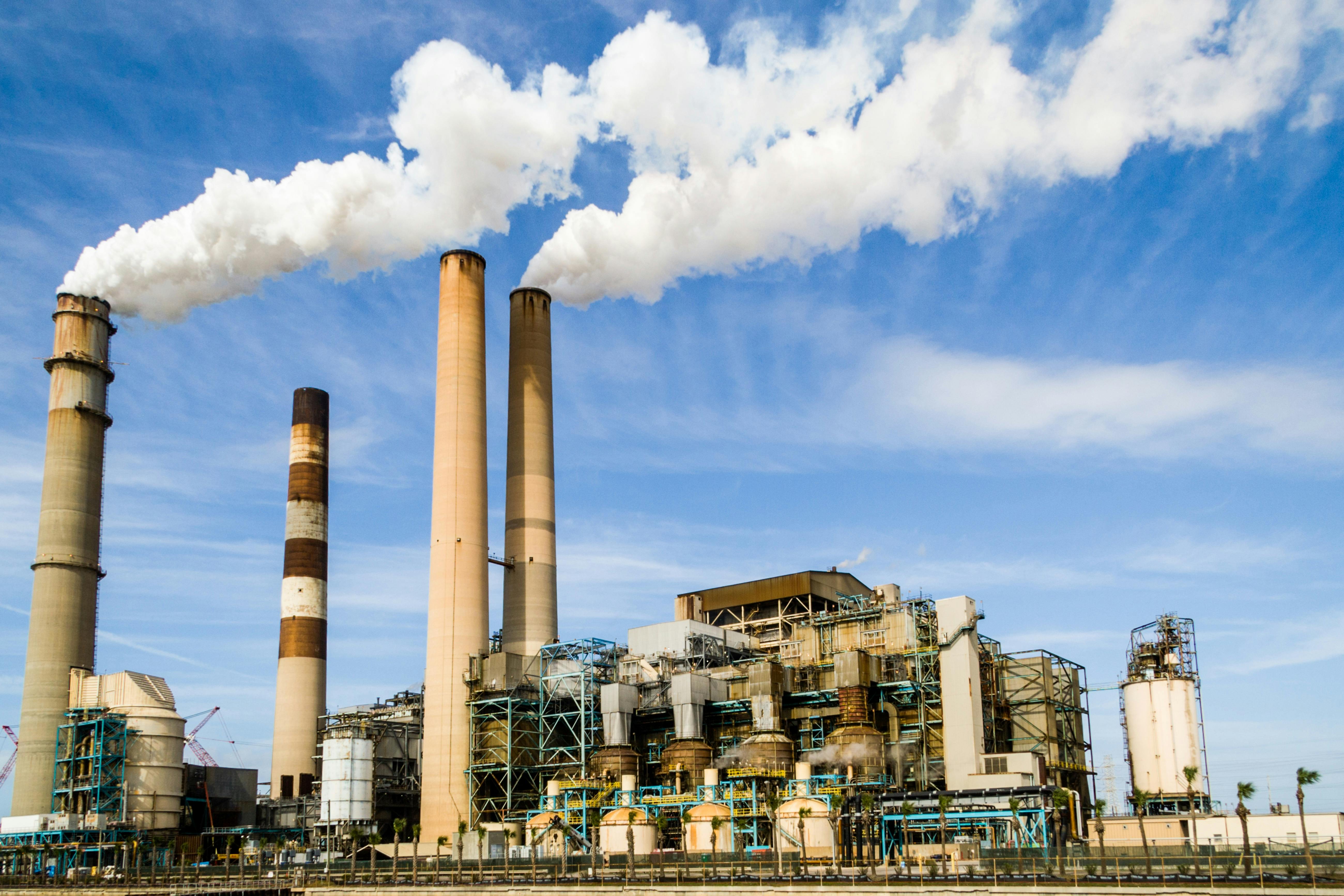
Nigeria installed 803 megawatts of new solar capacity in 2025 — a 141% rise from 2024 — making it Africa's second-largest solar market behind South Africa, according to the Global Solar Council's Africa Market Outlook published in February 2026. *(Source: BusinessDay — Solar Installation Costs Nigeria, February 2026)*
The solar market in Nigeria has matured significantly. Here is what systems actually cost by size in 2026.
📊 Complete Solar System Installation Costs — Nigeria April 2026
| System Size | What It Powers | Total Installed Cost | Battery Type | Expected Lifespan | Best For |
|---|---|---|---|---|---|
| 1–2kVA Entry System | Lights, fans, TV, phone charging, laptop | ₦850,000–₦1,200,000 | Lead-acid or small lithium | 3–5 yrs (lead-acid) | Home office, micro-business |
| 2.5–3kVA Mid System | Above + small fridge, additional computers | ₦1,200,000–₦2,000,000 | Tubular or entry lithium | 4–7 yrs | Small salon, shop, office |
| 5kVA Standard Business | AC (1), multiple computers, appliances, lighting | ₦2,500,000–₦3,500,000 | Lithium LiFePO4 recommended | 8–12 yrs (lithium) | Printing, restaurant, office |
| 5kVA Premium (LiFePO4) | Full business operations, multiple ACs | ₦3,500,000–₦4,500,000 | LiFePO4 lithium — best for Nigeria's heat | 10–15 yrs | Any business wanting 10+ yr ROI |
| 10kVA Industrial | Factory, large office building, multi-AC facility | ₦6,000,000–₦12,000,000 | Multiple lithium battery banks | 10–15 yrs | Medium-scale manufacturing, supermarket |
| ⚠️ Installation costs from BusinessDay Nigeria (February 2026), Basscomm Nigeria, and Nigeria Housing Market 2026 solar guide. Battery storage accounts for 35–45% of total cost. Lithium LiFePO4 batteries cost significantly more upfront but last 3x longer than lead-acid in Nigerian heat conditions — making them the better investment despite higher initial cost. Source: BusinessDay — Solar Costs Nigeria 2026 | |||||
🔧 Solar System Component Cost Breakdown — Where Your Money Goes
Understanding what each component costs helps you verify installer quotes and avoid overcharging.
| Component | Price Range (2026) | % of Total Cost | Top Nigerian Market Brands | Key Consideration |
|---|---|---|---|---|
| Solar Panels (per 500W panel) | ₦100,000–₦150,000 | 15–25% | Jinko, Canadian Solar, Trina, LonGi | N-Type TOPCon panels are 2026 standard — 30% better in heat |
| Hybrid Inverter (5kVA) | ₦350,000–₦750,000 | 20–25% | Growatt, SMA, Fronius, Luminous | Most critical single component — don't cheap out |
| Lithium LiFePO4 Battery Bank | ₦1,150,000–₦6,000,000 | 35–45% | Cworth, PYLONTECH, BYD | LiFePO4 essential for Nigeria's heat — superior stability in hot climates |
| Lead-acid batteries (alternative) | ₦180,000–₦600,000 | 15–25% | Luminous, Felicity, Narada | Cheaper upfront, lasts only 3–5 years — poor value long-term |
| Installation & Wiring | ₦80,000–₦250,000 | 5–10% | Licensed solar installers in your city | Always use certified installer — incorrect wiring voids warranty |
| 💡 95% of solar panels sold in Nigeria are imported from China — naira devaluation can spike prices by 10–20% almost overnight. Battery storage is the largest cost driver. Source: Nigeria Housing Market Solar Guide 2026 | BusinessDay February 2026 | ||||
⚖️ Head-to-Head Cost Comparison — Solar vs Generator for Nigerian Businesses
| Cost Category | Generator (5kVA, 10hrs/day) | Solar (5kVA, LiFePO4) | Winner | Difference |
|---|---|---|---|---|
| Initial purchase/installation | ₦550,000–₦900,000 | ₦2,500,000–₦4,500,000 | ✅ Generator | Generator ₦2–3.6M cheaper upfront |
| Monthly fuel cost (Apr 2026) | ₦1,482,000–₦1,650,000 | ₦0 | ✅ Solar | Solar saves ₦1.48M–₦1.65M monthly |
| Monthly maintenance | ₦15,000–₦50,000 | ₦2,000–₦5,000 (panel cleaning) | ✅ Solar | Solar saves ₦13k–₦45k monthly |
| Noise & disruption | High — affects customer experience | Silent | ✅ Solar | Unquantifiable but significant for customer-facing businesses |
| Year 1 total cost | ₦18,250,000–₦20,200,000 | ₦2,500,000–₦4,500,000 (installation only) | ✅ Solar | Solar saves ₦13.7M–₦15.7M in Year 1 |
| Year 2 total cost | ₦18,600,000+ (fuel up or down) | ₦24,000–₦60,000 (maintenance only) | ✅ Solar — massively | Solar saves ₦18.5M+ in Year 2 |
| 5-year total cost | ₦92,000,000–₦101,000,000 | ₦2,800,000–₦4,800,000 (install + maintenance) | ✅ Solar definitively | Solar saves ₦89M–₦96M over 5 years |
| Power per kWh equivalent cost | ₦98–₦118 per kWh (petrol generator) | ₦15.5 per kWh (solar) | ✅ Solar — 6–8x cheaper per kWh | Source: Wavelength Power Systems CEO, Lagos |
| Risk of price increases | High — tied to global oil prices | None — sun doesn't have a OPEC price | ✅ Solar | Generator costs rise with every fuel price increase |
| ⚠️ Calculations based on: petrol at ₦1,235/litre (Warri April 2026), 40 litres/day consumption (5kVA at 10hrs), ₦15.5/kWh solar cost from Wavelength Power Systems, ₦98/kWh diesel and ₦118/kWh petrol generator comparison from Solarplaza Nigeria research. 5-year generator fuel assumes conservative 5% annual fuel price increase. | ||||
📐 Breakeven Calculator — When Does Solar Pay for Itself?
The breakeven point is the month when your cumulative solar savings equal the cost of solar installation. After breakeven, every single month is pure savings — solar costs you nothing meaningful while generators keep charging you.
The formula: Breakeven months = Solar installation cost ÷ Monthly fuel savings
| Business Profile | Generator Monthly Fuel Cost | Solar Install Cost | Monthly Saving | Breakeven Month | 5-Year Net Saving |
|---|---|---|---|---|---|
| Heavy User — Printing, restaurant, workshop (10hrs/day, 40L) | ₦1,482,000 | ₦3,000,000 | ₦1,482,000 | Month 2–3 | ₦85,920,000 |
| Medium User — Office, pharmacy, salon (6hrs/day, 15L) | ₦555,750 | ₦2,500,000 | ₦555,750 | Month 4–5 | ₦30,945,000 |
| Medium-Heavy — Supermarket, clinic (8hrs/day, 24L) | ₦889,200 | ₦3,500,000 | ₦889,200 | Month 4 | ₦49,852,000 |
| Light User — Home office, phone shop (3hrs/day, 4.5L) | ₦166,725 | ₦1,200,000 | ₦166,725 | Month 7–8 | ₦8,803,500 |
| Very Light User — 2hrs/day only (3L) | ₦111,150 | ₦1,000,000 | ₦111,150 | Month 9 | ₦5,669,000 |
| ⚠️ Breakeven calculation = (Solar install cost) ÷ (Monthly generator fuel cost saved). Does not include maintenance savings (which make the real breakeven even faster) or fuel price increases (which also accelerate breakeven). Petrol at ₦1,235/litre (Warri April 2026). 5-year savings assume month-60 calculation: (60 × monthly saving) minus solar installation cost. These are conservative estimates because fuel prices have historically risen over time in Nigeria. | |||||
🎯 The Key Breakeven Insight
At April 2026 petrol prices, even a light generator user running just 3 hours daily recovers their entire solar investment within 7–8 months. A heavy user running 10 hours daily recovers the investment within 2–3 months. These numbers are so compelling that the main remaining barrier is not the ROI calculation — it is the upfront capital requirement. The financing section below addresses this directly.

⚠️ Solar Limitations in Nigeria — The Honest Side
This is the section that most solar vendors skip. I'm including it because honest analysis serves you better than sales material. Solar has genuine limitations in Nigerian conditions that you need to understand before investing.
☁️ Limitation 1 — Weather Dependency
Nigeria has two seasons — wet and dry. During the rainy season (April–October in the south), extended cloudy periods reduce solar generation by 20–50%. A properly sized system with adequate battery storage handles this. An undersized system — which cheaper installations tend to be — will leave you without power during heavy rains.
Mitigation: Size your system for worst-case cloudy days, not best-case sunny days. This means buying slightly larger battery capacity than you think you need.
💰 Limitation 2 — The Upfront Capital Barrier
The most honest limitation. ₦2.5–₦4.5 million is genuinely inaccessible for many Nigerian SMEs operating on thin margins or with limited credit access. The ROI mathematics is excellent — but mathematics doesn't pay installers' invoices. This is the primary reason businesses that should be on solar are still running generators.
Mitigation: See the financing section below — several legitimate options have emerged in Nigeria in 2025–2026 that reduce or eliminate the upfront capital requirement.
🔋 Limitation 3 — Battery Replacement Costs
Lead-acid batteries last 3–5 years in Nigerian heat. When they die, replacement costs ₦180,000–₦600,000. If you bought a cheap solar system with lead-acid batteries, your "free" solar power stops being free every 3–4 years when you need to replace the batteries. This dramatically changes the economics of budget solar installations.
Mitigation: Invest in LiFePO4 batteries upfront. They cost more — ₦1.15M–₦6M depending on capacity — but last 10–15 years in Nigerian conditions and have far superior heat tolerance. The total cost of ownership is significantly lower despite the higher upfront price.
⚡ Limitation 4 — High-Power Appliances Are Challenging
Electric welding machines, industrial air compressors, large electric ovens, and heavy industrial motors draw power loads that require very large solar systems costing ₦10–₦30 million to support properly. For these specific applications, a generator may remain the more practical primary power source with solar as a supplement.
Mitigation: A hybrid approach works well here — solar for lighting, computers, refrigeration, and standard appliances; generator on standby for high-draw industrial equipment only.

💳 Solar Financing Options for Nigerian Businesses in 2026
The upfront capital barrier is the single biggest reason Nigerian businesses that should be on solar are still burning petrol. Here are the legitimate financing options available in Nigeria as of April 2026.
Nigeria Electrification Project (NEP) Subsidies
The Rural Electrification Agency's Nigeria Electrification Project offers subsidies that can reduce solar installation costs by up to 15% for qualifying businesses and households. Check eligibility at the Rural Electrification Agency Nigeria website. Geographic and business-size eligibility requirements apply. *(Source: Nigeria Housing Market Solar Guide 2026)*
CBN Solar Energy Loan Programs
The Central Bank of Nigeria has supported renewable energy financing programs through development finance initiatives. Check the CBN website for current loan facilities targeting renewable energy adoption. Interest rates and eligibility change periodically — verify the current program before applying. Development Finance Institutions like BOI (Bank of Industry) have also offered solar-specific credit lines.
Lease-to-Own Models from Solar Vendors
Many Nigerian solar companies now offer lease-to-own arrangements — a relatively small initial outlay (₦200,000–₦500,000) followed by monthly payments that are typically lower than your current monthly fuel bill. After 24–36 months of payments, you own the system outright. This model is specifically designed for the Nigerian market where outright purchase is inaccessible for most consumers. *(Source: Solarplaza Nigeria — Wavelength Power Systems model)*
Commercial Bank Solar Loans
Several Nigerian commercial banks, including Sterling Bank (known for renewable energy focus) and some microfinance banks, offer dedicated solar loans with interest rates ranging from 9% to 22% per annum. At ₦3 million financed over 24 months at 15%, your monthly loan repayment is approximately ₦145,000–₦160,000 — significantly less than your ₦555,000–₦1,482,000 monthly fuel savings depending on your usage. The loan pays for itself while you make the repayments.
Business Partner or Cooperative Group Financing
A specifically Nigerian approach that works: 3–5 businesses in close proximity pool their capital to install shared solar infrastructure, splitting the cost and sharing the power output. Common in market areas and office buildings. ₦3 million shared by 4 businesses = ₦750,000 per business — a much more accessible entry point than the full system cost. Requires clear legal agreements, but has been done successfully across multiple Nigerian cities.
🏆 Final Verdict by Business Type — Specific Recommendations
| Business Type | Typical Daily Generator Use | Monthly Fuel Cost | Recommended Solar Size | Est. Install Cost | Verdict |
|---|---|---|---|---|---|
| Printing / Business Centre | 8–12 hrs | ₦1.2M–₦1.8M | 5–7kVA with LiFePO4 | ₦3M–₦5M | ✅ Switch immediately — payback in 2–3 months |
| Restaurant / Canteen | 10–14 hrs | ₦1.5M–₦2.5M | 7–10kVA hybrid | ₦4.5M–₦8M | ✅ Switch immediately — payback in 2–4 months |
| Pharmacy / Medical clinic | 8–10 hrs | ₦900k–₦1.5M | 5kVA LiFePO4 | ₦3M–₦4.5M | ✅ Switch immediately — critical equipment benefits from stable power |
| Hair salon / Barbershop | 6–10 hrs | ₦500k–₦1M | 3–5kVA | ₦1.5M–₦3M | ✅ Switch — payback 3–5 months. Silent operation also improves customer experience |
| Supermarket / Large retail | 10–14 hrs | ₦1.5M–₦3M | 10–15kVA commercial | ₦6M–₦15M | ✅ Strong case — payback 3–5 months. Prioritise fridge/freezer load sizing |
| Small office (3–5 computers) | 5–8 hrs | ₦400k–₦900k | 3–5kVA | ₦1.5M–₦3M | ✅ Good case — payback 3–6 months |
| Phone charging / Accessories kiosk | 2–4 hrs | ₦100k–₦200k | 1–2kVA entry system | ₦850k–₦1.2M | ⚠️ Good case — payback 5–8 months. Budget system may suffice |
| Welding / Metal fabrication | 6–10 hrs | ₦700k–₦1.3M | Hybrid: Solar for non-weld load + small genset for weld | ₦2M–₦4M (solar part) | ⚠️ Partial switch — use solar for most load, keep small generator for welding only |
| Industrial manufacturing | 12+ hrs | ₦2.5M–₦6M+ | 20kVA+ commercial solar | ₦15M–₦40M+ | ⚠️ Viable but requires industrial assessment — contact certified solar engineer |
| 💡 All verdicts based on April 2026 petrol prices at ₦1,210–₦1,360/litre depending on location. Payback periods are conservative estimates based on fuel savings only — maintenance savings accelerate actual payback. "Switch immediately" recommendations assume access to financing if upfront capital is unavailable. | |||||
🔄 April 2026 Update — What Changed Since November 2025
This article was originally published November 21, 2025. Here's what has changed by April 30, 2026 that materially affects the solar vs generator calculation:
- Petrol prices are 15–18% higher than November 2025 levels, driven by global crude oil price increases (Brent crude at ~$105/barrel in April 2026, influenced by Strait of Hormuz tensions). This has made solar's financial case even stronger. *(Source: Legit.ng April 24, 2026)*
- Nigeria is now Africa's second-largest solar market. Solar capacity grew 141% in 2025, reaching 1.19GW cumulative installed capacity. This has increased installer competition in major Nigerian cities, slightly improving installation pricing and quality benchmarks. *(Source: Global Solar Council Africa Market Outlook, February 2026)*
- N-Type TOPCon solar panels are now the market standard in Nigeria, replacing older monocrystalline panels. They cost about 20% more but produce 30% more energy in hot Nigerian conditions — a meaningful efficiency improvement that improves ROI for new installations. *(Source: Nigeria Housing Market Solar Guide 2026)*
- Battery storage in Nigeria grew 305% in 2025, from ~10MWh to 40.6MWh. This shows businesses are prioritising night-time power, not just daytime solar — indicating more complete adoption rather than partial installations. *(Source: BusinessDay February 2026)*
- The Climate Home News report from Port Harcourt (April 1, 2026) confirmed that Nigerian solar traders are seeing faster-than-ever sales, with many customers transitioning both home and business simultaneously. Multiple customers documented as spending over ₦20,000/day on petrol — consistent with the heavy user calculations in this article. *(Source: Climate Home News, April 1, 2026)*
⚡ What This Solar vs Generator Decision Actually Means for Your Business, Wallet, and Future
💰 The Wallet Impact
The mathematics is now so clear it is almost uncomfortable to write out: a medium Nigerian business running a 5kVA generator for 6 hours daily at April 2026 petrol prices is spending ₦6.67 million per year on fuel. That same business installs a 5kVA solar system for ₦2.5–₦3 million and spends approximately ₦60,000 per year on maintenance from year 2 onward. The 5-year difference is approximately ₦30 million naira. Not a projection. Not an estimate from a solar vendor trying to make a sale. A mathematical fact computable from publicly available Nigerian fuel prices.
🗓️ The Daily Life Impact
Chioma runs a pharmacy in Owerri. In January 2026, after doing the fuel cost calculation for the first time with her accountant, she financed a ₦2.8 million 5kVA solar system through a 24-month bank loan. Her monthly loan repayment is ₦152,000. Her previous monthly fuel bill was ₦670,000. Her net monthly saving after loan repayment: ₦518,000. Every month. From month one. The loan paid for itself from the first statement. By month 24 when the loan clears, she owns the system and saves the full ₦670,000 monthly — forever, or until fuel prices make her remember what running a generator used to feel like.
🏪 The Business Competitiveness Impact
There's a competitive dimension to this that Nigerian business owners are beginning to notice. The businesses that have already switched to solar are operating at lower effective cost per unit of production because their energy cost is near zero. In price-sensitive Nigerian markets, this cost advantage translates directly into either lower prices (competitive advantage) or higher margins (financial sustainability). The businesses still running generators are funding their competitors' solar upgrades one fuel purchase at a time.
🌍 The Systemic Impact
Nigeria's solar capacity grew 141% in 2025. Battery storage grew 305%. The Nigerian Renewable Energy Market is projected to grow from 4.51 gigawatts in 2026 to 14.07 gigawatts by 2031. *(Source: Mordor Intelligence via BusinessDay 2026)* This isn't a niche early-adopter phenomenon anymore. It is a mainstream economic shift driven by very simple arithmetic: solar costs ₦15.5/kWh. Generators cost ₦98–₦118/kWh. In a country where electricity supply from NEPA remains chronically inadequate, the off-grid solar market is filling a structural national infrastructure gap — one business at a time.
✅ Your 24-Hour Action
Your specific action today: calculate your actual monthly generator fuel cost using your last 30 days of fuel receipts. Multiply by 12. Compare that annual figure to the solar installation costs in the table above. If the numbers tell you what they tell almost every Nigerian heavy generator user — they will tell you to call three solar installers for quotes this week.
Use the Stera Power Solar vs Generator Cost Comparison Tool to input your specific numbers and get a personalized calculation. Free to use. No registration required.
📢 Disclosure: This article contains no affiliate relationships with any solar company, generator brand, or energy product. All figures are sourced from publicly verifiable Nigerian sources as of April 2026. Solar companies mentioned (Arnergy, Wavelength Power Systems, Stera Power, Solarlify) are cited for data purposes only — not as recommendations. Always get multiple installation quotes and verify installer certification before purchasing.
⚠️ Disclaimer: All cost calculations in this article are estimates based on April 2026 fuel prices and market data. Actual costs vary by generator size, usage pattern, location, and supplier. Solar installation costs depend on component quality, installer, and system configuration. This article provides informational guidance only and does not constitute financial or engineering advice. Always consult a certified solar engineer before making installation decisions.
✅ Key Takeaways — Solar vs Generator Nigeria 2026
- Petrol is ₦1,210–₦1,380/litre in Nigeria as of April 2026 (Lagos to northern states) — roughly 5x higher than pre-subsidy removal 2023 levels of ₦257/litre
- Solar costs ₦15.5/kWh to generate. Petrol generators cost ₦118/kWh. Diesel generators cost ₦98/kWh. Solar is 6–8x cheaper per unit of electricity once installed
- A 5kVA petrol generator running 10 hours daily at April 2026 prices costs ₦1,482,000 in fuel alone per month — ₦17.8 million per year, before maintenance and repairs
- A complete 5kVA solar system with LiFePO4 batteries costs ₦2.5–₦4.5 million installed in 2026. It pays for itself in 2–3 months for heavy users, 4–8 months for medium users
- Nigeria's solar market grew 141% in 2025 — the business community has already done this calculation. The ones who haven't switched yet are the ones still paying the fuel bills
- The biggest solar limitation is upfront capital — but lease-to-own, CBN-backed loans, and bank solar financing in Nigeria make it accessible at monthly payments lower than current fuel bills
- LiFePO4 batteries are essential in Nigeria's hot climate — lead-acid batteries last only 3–5 years and their replacement cost undermines cheap solar system economics dramatically
- Businesses with heaviest generator use (restaurants, printing centres, pharmacies, salons) have the fastest payback — often under 4 months at current fuel prices
- Hybrid approach (solar for most load, small generator for high-power industrial equipment only) is the right solution for welding shops, fabrication, and heavy industrial users
- Your action: calculate your actual last 30 days of fuel spend, annualize it, compare to solar installation cost — the numbers will tell you what to do next
📚 Continue Building Your Nigerian Business Knowledge
- How I Built Daily Reality NG — 426 Posts, 150 Days: The Full Story
- Personal Growth Plan for Nigerian Business Owners in 2026
- How to Build Wealth Slowly and Sustainably in Nigeria
- Practical Ways Nigerian Business Owners Can Manage Cash Flow
- Skills That Pay More Than Degrees for Nigerian Entrepreneurs
- 7 Daily Habits of Highly Successful Nigerian Entrepreneurs
- Still Struggling in Your Business? Real Advice for Nigerian Entrepreneurs
- Financial Habits That Are Quietly Killing Nigerian Businesses
📰 Related Articles
❓ Frequently Asked Questions
Is solar really cheaper than a generator for Nigerian businesses in 2026?
Yes — definitively, at current April 2026 petrol prices. Solar generates electricity at approximately ₦15.5/kWh once installed. Petrol generators produce electricity at ₦118/kWh. That's a 7.6x cost difference per unit of electricity. For any business running a generator more than 3 hours daily, solar's payback period at 2026 prices is 2–8 months depending on usage. From month 9 or earlier, solar generates net savings every single month with no fuel cost. *(Source: Wavelength Power Systems CEO data, Solarplaza Nigeria; BusinessDay February 2026)*
How much does a 5kVA solar system cost in Nigeria in 2026?
A complete 5kVA solar system — panels, hybrid inverter, batteries, wiring, and installation — costs ₦2.5–₦3.5 million for a standard system with tubular batteries, or ₦3.5–₦4.5 million with premium LiFePO4 lithium batteries. The LiFePO4 version is recommended for Nigerian conditions because the batteries last 10–15 years in heat versus 3–5 years for lead-acid — making total cost of ownership significantly lower despite higher upfront price. *(Source: BusinessDay Nigeria Solar Installation Cost Report, February 2026; Basscomm Nigeria 2026)*
What is the current petrol price in Nigeria for generator users in April 2026?
As of April 24–30, 2026: Lagos ₦1,210–₦1,212/litre, Warri ₦1,235/litre, Abuja ₦1,260–₦1,295/litre, Calabar ₦1,228/litre, northern states ₦1,350–₦1,380+/litre. The national average from GlobalPetrolPrices.com dated April 27, 2026 is ₦1,217.75/litre. These prices are influenced by global crude oil at approximately $105/barrel (Brent) driven by Strait of Hormuz geopolitical tensions. *(Source: Legit.ng April 24, 2026)*
How long does it take for solar to pay back its cost in Nigeria?
At April 2026 petrol prices: heavy users (8–12hrs/day generator) recover their solar investment in 2–4 months from fuel savings alone. Medium users (5–7hrs/day) recover in 4–5 months. Light users (2–4hrs/day) recover in 7–9 months. These are the fastest payback periods in Nigerian solar history — driven by the combination of higher fuel prices and declining solar installation costs. After payback, solar effectively runs for free for the remaining 8–13 years of system life.
What solar battery is best for Nigeria's hot climate?
LiFePO4 (Lithium Iron Phosphate) batteries are the clear recommendation for Nigerian conditions. They use a phosphate-based cathode that provides superior stability in heat — Nigeria's climate is harsh on standard lithium-ion batteries. LiFePO4 batteries last 10–15 years with thousands of charging cycles; lead-acid batteries last only 3–5 years in Nigerian heat with far fewer cycles. Despite costing ₦1.15M–₦6M depending on capacity versus ₦180k–₦600k for lead-acid, LiFePO4's total cost of ownership is significantly lower. Top brands available in Nigeria: Cworth, PYLONTECH, BYD. *(Source: Solarlify Nigeria; Nigeria Housing Market 2026 Solar Guide)*
Can I get financing for solar installation in Nigeria without paying full amount upfront?
Yes — multiple options exist in 2026. Lease-to-own from solar vendors requires ₦200,000–₦500,000 initial deposit and monthly payments lower than your current fuel bill. Commercial bank solar loans (Sterling Bank, some microfinance banks) offer financing at 9–22% annual interest. The CBN and Bank of Industry have development finance programs for renewable energy. The Rural Electrification Agency's Nigeria Electrification Project offers subsidies of up to 15% for qualifying installations. Check REA Nigeria for current program eligibility.
How many solar panels does a Nigerian business need to replace a generator?
It depends on your power load. A small office or salon requiring 3kVA typically needs 6–8 pieces of 400W panels. A medium business requiring 5kVA needs 8–12 pieces of 400–500W panels. A 5kVA hybrid inverter requires between 8–13 solar panels rated at 300–400 watts each. Critical: a proper load assessment by a certified solar engineer should always precede any system design. Undersized systems will underperform, especially during cloudy periods. *(Source: Lento India 5kVA inverter guide; Nigeria Housing Market 2026 — 3-bedroom flat requires 6–10 panels of 550W for similar load)*
Is solar power reliable during Nigerian rainy season?
Partially — it depends on system sizing and battery capacity. Solar panels still generate power during cloudy weather, though at 20–50% lower efficiency than clear sunny conditions. A properly sized system with adequate battery storage (sized for worst-case cloudy days, not best-case) handles extended rainy periods adequately. The common mistake Nigerian buyers make is accepting undersized battery capacity to reduce upfront cost — this creates exactly the reliability failure during rain that sellers don't mention. LiFePO4 batteries also perform significantly better in humidity than lead-acid alternatives.
What is the difference between solar and generator cost per kWh in Nigeria?
Solar rooftop generates electricity at approximately ₦15.5/kWh. Diesel generators produce electricity at approximately ₦98/kWh. Petrol generators produce electricity at approximately ₦118/kWh. This is a 6–8x cost difference in favour of solar per unit of electricity. Over 10 years of operation, this gap compounds enormously. The data comes from Wavelength Power Systems CEO Oneal Lajuwomi, interviewed by Solarplaza Nigeria — one of the most frequently cited industry benchmarks in Nigerian renewable energy analysis.
Should I switch completely to solar or keep a backup generator?
For most Nigerian businesses running on petrol generators, a complete switch to solar makes financial sense at 2026 prices. The exception is businesses with very high-power industrial loads — welding shops, heavy metalwork, large electric motors — where a hybrid approach works better: solar handles 80–90% of load (all lights, computers, small appliances, moderate AC) and a small generator stays for the specific high-draw equipment only. This hybrid strategy dramatically reduces fuel consumption (and cost) while avoiding the need for an industrial-scale solar system.
How much does generator maintenance cost Nigerian businesses annually?
On top of fuel, generator maintenance costs for a medium Nigerian business running 6–8 hours daily include: monthly oil changes ₦8,000–₦25,000, quarterly filter changes ₦5,000–₦15,000, annual servicing ₦30,000–₦80,000, plus unexpected repairs averaging ₦50,000–₦200,000 per year. Total annual maintenance (excluding fuel): ₦150,000–₦400,000 for a medium generator. Heavy industrial generators cost significantly more. Solar system annual maintenance: ₦24,000–₦60,000 (primarily panel cleaning and inverter check). The difference is ₦100,000–₦340,000 annually that also favours solar beyond the fuel savings.
Which solar brands are best for Nigerian businesses in 2026?
Solar panels: Jinko (most popular in Nigeria for low-light efficiency), Canadian Solar, Trina, LonGi — all with 25-year performance warranties. In 2026, N-Type TOPCon panels are the standard, producing 30% more energy in heat than older monocrystalline models. Inverters: Growatt (most widely used in Nigeria), SMA, Fronius. Batteries: Cworth, PYLONTECH, BYD for LiFePO4. *(Source: BusinessDay February 2026; Nigeria Housing Market Solar Guide 2026; Solarlify.com.ng)* Always verify installer certification and after-sales support availability in your specific Nigerian city.
Is solar a good investment for a small Nigerian barbing salon in 2026?
Yes — one of the best investment decisions a Nigerian salon owner can make at 2026 prices. A salon running on a 3kVA generator for 8 hours daily spends approximately ₦1.5–₦2 million annually on fuel. A 3kVA solar system costs ₦1.2–₦2 million installed. Payback is 8–12 months. From year 2, the salon saves ₦1.5–₦2 million annually in fuel costs — which on a typical small salon's revenue margin is transformative. Additionally, silent solar operation improves customer experience significantly compared to generator noise during haircuts.
What happens to solar panels after 25 years in Nigeria?
Quality solar panels from major brands (Jinko, Canadian Solar, Trina, LonGi) carry 25-year performance warranties guaranteeing at least 80–85% of original output at year 25. After 25 years, panels typically still function — they just produce slightly less power. Replacement panel costs will be significantly lower in 2040–2050 than today due to global manufacturing expansion. The inverter is the component most likely to need replacement within the system's life — typically after 10–15 years — at a cost of ₦350,000–₦750,000. This is a minor cost compared to the fuel savings generated over the same period.
How do I find a reliable solar installer in Nigeria?
Three verification steps for any Nigerian solar installer: (1) Check certification with the Rural Electrification Agency or Nigerian Electricity Regulatory Commission (NERC) — legitimate installers are registered. (2) Ask for at least three completed installation references in your city or state that you can visit and verify are working. (3) Get written quotations from three different installers before committing — comparing quotes reveals significantly different pricing for equivalent systems, which helps you identify both overpricing and dangerously underpriced (and therefore quality-compromised) bids. Never pay the full amount before installation begins.

📧 Get Weekly Honest Nigerian Business Insights
Join thousands of Nigerians navigating business, money, and daily life with real numbers and honest analysis. No corporate fluff — just what actually matters.
Subscribe to the Newsletter →💬 Your Turn — Real Questions for Nigerian Business Owners
- When you calculated your actual monthly fuel spend after reading this article — was the number higher or lower than you expected? What was the figure?
- What is the single biggest reason you haven't switched to solar yet — is it the upfront capital, the reliability concern, lack of information, or something else?
- If you've already switched to solar: how long did it take to pay back, and what do you wish someone had told you before you installed?
- For the businesses using diesel industrial generators — do you think the mathematics in this article changes when you factor in diesel at ₦1,500+ per litre, or does the scale of capital required make it different?
- Has the noise from a competitor's silent solar-powered business ever made you notice the competitive disadvantage of your generator? What happened?
- Would you trust a solar vendor's installation quote without getting two additional quotes for comparison — and if not, what specifically would make you trust a single quote?
- At what petrol price per litre — if prices somehow came back down dramatically — would the solar economics in this article no longer hold? What number would change your calculation?
Share your actual numbers and experiences in the comments — real Nigerian business data from readers is more valuable than any analyst report.
Emeka in Enugu eventually did the calculation. In January 2026, three months after the visit from the solar vendor he dismissed, he called back. The same ₦3.2 million quote that had seemed outrageous in August 2025 now represented two months of fuel. He got it financed through a 18-month bank loan. His monthly loan repayment is ₦205,000. His previous monthly fuel bill was ₦1,482,000. His net monthly saving from month one: ₦1,277,000.
He told me the only thing he regretted was the eight months of fuel money he spent while thinking about it.
— Samson Ese | Founder, Daily Reality NG, Warri, Delta State, April 30, 2026
© 2025–2026 Daily Reality NG — Empowering Everyday Nigerians | All content independently written and fact-checked by Samson Ese, Warri, Delta State.


Comments
Post a Comment