Self-Care Tips for Busy Nigerians: Simple Affordable Guide
Self-Care Tips for Busy Nigerians: Simple Guide
You are running on empty and calling it hustle. This guide is not about spa days or expensive retreats. It is the honest, affordable, Nigerian-context self-care blueprint that works within NEPA cuts, long commutes, family pressure, and an economy that demands everything you have — every single day.
Daily Reality NG exists to answer real questions with real solutions. Today's question: how does a busy Nigerian actually practice self-care without money, without time, and without a culture that gives them permission to rest? I am sharing everything I know from research, observation, and the personal experience of learning this lesson the hard way — so you do not have to. Every strategy here works in actual Nigerian conditions. No aspirational wellness content from a context that looks nothing like your life.
📋 Values That Drive Every Word in This Article
Three values drive every article at Daily Reality NG: accuracy (research what is true), simplicity (explain it clearly), and honesty (say what needs to be said). This self-care guide draws from PLOS Mental Health 2025 research on Nigerian mental health prevalence, WHO Africa data on Nigeria's mental health treatment gap, BusinessDay NG December 2025 wellness trends analysis, ConnectNigeria's March 2026 digital burnout report, the nigerianmentalhealth.org helplines database, and UCLA Health's December 2025 mental wellness research. The Nigerian health data is real. The recommendations are built around it.
⏱️ Check This Before You Read Further
Before reading this guide, take 2 minutes and visit the Nigerian Mental Health Helplines page and save at least one number. If at any point while reading this article you recognize yourself in the burnout or mental health descriptions and feel overwhelmed — you should already have that contact saved. The Cope and Live Mental Health Foundation offers free, confidential counselling. MANI (Mental Awareness Nigeria Initiative) has provided direct crisis support to over 40,000 Nigerians. Save the number first. Then read.
Takes 2 minutes. Could matter more than anything else in this article on the day you most need it.
Sadiya had not slept past 5:30am in four months. Not because she had a baby — though she had a toddler and a seven-year-old. Not because her job started early — though she left the house by 6am to avoid Abuja traffic. She could not sleep because her mind refused to stop. To-do lists. Unpaid school fees. Her mother's illness. The side hustle she kept planning and never starting. Her husband's silence about the money situation.
When I asked her how she was doing in September 2025, she said: "I'm fine. I'm just tired." Then she paused for a long time. And quietly said: "Actually, I don't think I'm fine. I think I'm just used to not being fine."
That sentence. I am just used to not being fine. I have heard variations of it more times than I can count in Nigeria. From market traders in Oshodi to bankers in Victoria Island to teachers in Enugu. We have normalized exhaustion so thoroughly that many Nigerians have genuinely forgotten what it feels like to be well. This article exists to disrupt that normalization — not with spa recommendations, but with the honest, affordable, zero-excuse framework for taking care of the one person whose presence everything else in your life depends on: yourself.
🧭 Find Your Self-Care Starting Point — Which Matches You?
📍 What Kind of Busy Are You? Find Your Self-Care Profile
Jump to the section most relevant to your current situation. This article covers five distinct Nigerian self-care situations — find yours and start there.
| Your Situation | Your Most Urgent Need | Go Here First |
|---|---|---|
| Working parent — job + children + household, barely sleeping | Protect sleep and create a 15-minute daily window that family cannot invade | Daily Self-Care Habits |
| Young professional or graduate — high pressure, low income, digital overload | Digital detox, sleep protection, and affordable physical self-care | Zero-Cost Self-Care |
| Business owner or entrepreneur — never off duty, money stress, no clear breaks | Boundary setting, scheduled rest, and burnout prevention system | Setting Boundaries |
| Feeling anxious, overwhelmed, or persistently low — possibly burnout | Mental self-care protocol and free professional support access | Mental Self-Care |
| Reading for someone else — a partner, friend, or family member who needs this | Share the key points without the full read | Key Takeaways |
| 💡 All sections of this article work independently. Start where you need most. Read the rest when you can. | ||

📋 Table of Contents
- Why Self-Care Is Not Selfish — The Nigerian Context
- What the Data Says About Nigerian Wellbeing in 2026
- Zero-Cost Self-Care That Actually Works
- Daily Self-Care Habits Built for Nigerian Life
- Mental Self-Care for Busy Nigerians
- Physical Self-Care Without a Gym Membership
- Setting Boundaries in Nigerian Culture Without Damaging Relationships
- Burnout Recovery Protocol — When You Have Already Gone Too Far
- Digital Self-Care — Managing the 2026 Screen Overload
- What's Changed in 2026 — New Self-Care Realities
- Warning: Fake Self-Care Products Targeting Nigerians
- Verdict Cards — Which Self-Care Strategy Fits Your Life
- Key Takeaways
- 15 Frequently Asked Questions
🤔 Why Self-Care Is Not Selfish — Understanding the Nigerian Context
There is a particular way Nigerians talk about self-care that reveals the cultural problem immediately. Someone says "I need to rest" and someone else — often a family member, colleague, or their own internal voice — responds with: "Rest? Who rest?" Or: "You think life is a bed of roses?" Or, my personal favourite: "Your mates are working harder and not complaining."
This is the hustle culture problem. And it is not uniquely Nigerian — but in Nigeria, it is uniquely weaponized. The pressure to appear tireless, to work without complaint, to sacrifice rest for productivity, is baked into how we praise people. "He is a hard worker" is the highest compliment. "She is always resting" is almost an insult. But here is the medical reality behind that cultural pressure: chronic stress without recovery leads to hypertension, diabetes, depression, weakened immune function, and premature death. These are not rhetorical warnings. They are documented clinical outcomes.
The WHO defines mental health as the state in which a person realises their own abilities, copes with life stresses, works productively, and contributes to their community (Source: WHO Africa — Nigeria Mental Health Response, 2025). Notice: coping with stress is part of the definition of mental health itself. A person who never rests is not demonstrating strength. They are demonstrating the early stages of a health crisis they are choosing not to see.
The uncomfortable truth about Nigeria's hustle culture is this: the culture that tells you rest is for the weak is the same culture that produces a country where up to 85 percent of people with mental health conditions go untreated. Those two facts are not coincidental. They are the same system viewed from two different angles. The solution starts individually — with you deciding that your wellbeing is worth protecting, not because you have earned a break, but because functioning well is the prerequisite for everything else you are trying to build.
You cannot build a business from a collapsed foundation. You cannot raise healthy children from a depleted parent. You cannot serve your community from an empty person. Self-care is not selfishness. It is the maintenance that keeps the machine running. And in Nigeria in 2026, ignoring that maintenance is a risk the country can no longer afford individually or collectively.
📊 What the Data Says About Nigerian Wellbeing in 2026
Let me give you the numbers because they make the argument better than any anecdote.
💡 Did You Know?
The World Health Organization estimates that one in every five Nigerians — approximately 40 million people — is affected by a mental health condition. PLOS Mental Health research from September 2025 reported an 11.1 percent prevalence rate for diagnosable conditions. Yet up to 85 percent of Nigerians with mental health conditions go untreated, according to WHO data on low- and middle-income countries. The treatment gap is not a gap in awareness. It is a gap in permission — the cultural and systemic permission to prioritize mental health as a real medical concern.
📎 Sources: PLOS Mental Health, September 2025 | WHO Africa Nigeria, 2025
📉 Nigeria's Wellbeing Data in 2026 — What the Research Reveals and What It Means for You
This table synthesizes key Nigerian mental health and wellness data from verified 2025–2026 sources. Every figure below represents real people in real Nigerian conditions. The final column is what this data demands you do about it.
| Wellbeing Metric | Nigerian Figure | Trend Direction | Underlying Driver | What This Means for You |
|---|---|---|---|---|
| Mental health disorder prevalence | 40 million (1 in 5 Nigerians) | ▲ Rising — worsened by economic pressure | Economic stress, stigma, untreated conditions compounding | If you feel persistently anxious or low, you are statistically not alone. Access free support at nigerianmentalhealth.org/helplines |
| Anxiety disorders in Nigeria | Approx. 7 million Nigerians (3.9%) | ▲ Increasing | Economic volatility, insecurity, and hustle culture pressure | Anxiety responds well to consistent sleep, exercise, and breathwork. These are your first-line interventions before professional help |
| Mental health treatment gap | Up to 85% of those affected receive no treatment | ▲ Gap widening | Stigma, cost, geographic access, cultural dismissal | Free helplines exist. Self-care practices reduce the severity gap while you seek support. Both matter |
| Youth mental health crisis | 30.7% secondary school students show depression signs; 36.4% anxiety disorders (Enugu State study) | ▲ Rapidly worsening | Social media comparison, economic anxiety, academic pressure, drug abuse | Nigerian youth need self-care modeled by adults. Your self-care is also parenting and mentorship |
| Digital burnout rate | Growing — 2026 identified as peak digital burnout year (ConnectNigeria) | ▲ Accelerating | Remote work blurring home/work boundaries, social media, AI-driven higher expectations | One phone-free hour daily and phone-off sleeping are now health interventions, not preferences |
| Self-care routine benefit threshold | 15 minutes daily = measurable health improvement (Kenvue global study, 88% agreement) | → Stable evidence | Consistency matters more than duration for self-care impact | You do not need an hour. You need 15 minutes you protect daily. That is the minimum effective dose |
| ⚠️ Sources: PLOS Mental Health Sept 2025, WHO Africa Nigeria 2025, Healthnika July 2025, ConnectNigeria March 2026, Kenvue Global Self-Care Study 2025. All Nigerian figures based on most recently available verified research. | Verify mental health resources at nigerianmentalhealth.org/helplines | ||||
The most important finding from this table: the minimum effective dose of self-care is 15 minutes daily. Not a luxury retreat. Not a gym membership. Fifteen consistent minutes. That number comes from global research with 88 percent agreement among respondents. In Nigerian conditions, those 15 minutes might be early morning before your household wakes up, or the 20 minutes between finishing work and starting dinner. The time exists. The question is whether you protect it.
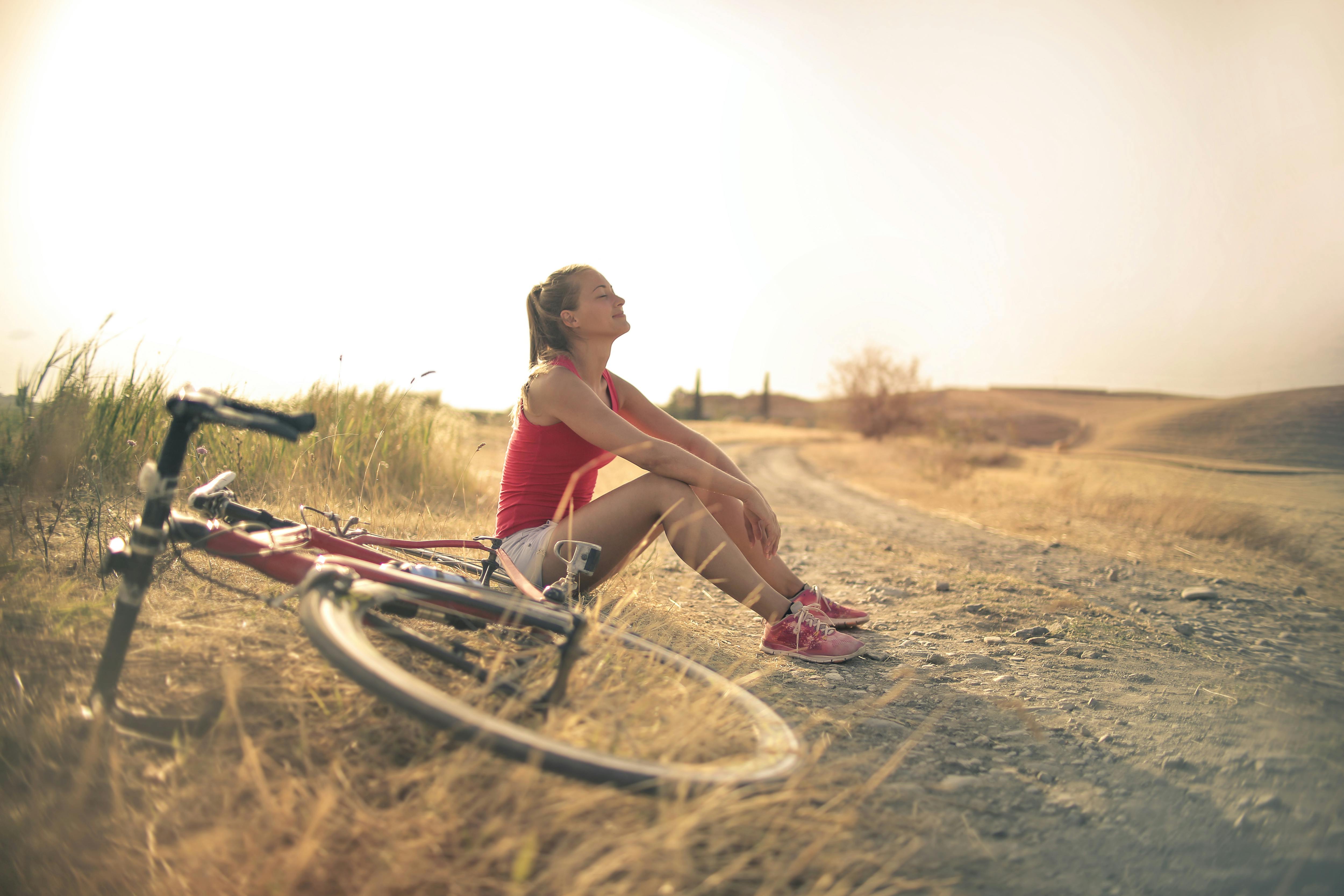
💡 Zero-Cost Self-Care That Actually Works in Nigeria
The wellness industry wants you to think that self-care requires spending money. Fitness apps. Subscription boxes. Vitamin supplements. Therapy apps with monthly fees. This is partly true — but only partly. The most powerful self-care interventions are behavioral, not commercial. And every behavioral intervention costs zero naira.
Let me walk through the ones that are validated by research AND adapted to Nigerian reality. Not the UCLA Health version, not the American wellness blog version — the version that works when NEPA takes light at 10pm and your data is running low and three family members need something from you.
₦0 Self-Care Toolkit — Verified Practices With Zero Naira Cost
Every item in this table has been verified through health research as producing measurable benefit. Every item costs zero naira to implement. The only requirement is consistency — which costs your decision, not your money.
| Self-Care Practice | Time Required | Cost | Documented Benefit | Nigerian-Specific Implementation | Works in Power Cut? |
|---|---|---|---|---|---|
| Consistent sleep schedule (same time nightly) | 0 mins extra — habit shift only | ₦0 | Improved immune function, mood regulation, cognitive performance, reduced depression risk | Set a phone alarm for 10pm. When it rings, begin wind-down. Power your generator off if noise is disrupting sleep. Sleep is more restorative than extra work hours | Yes ✓ |
| Box breathing (4-4-4 pattern) | 5–10 mins daily | ₦0 | Activates parasympathetic nervous system, reduces cortisol, improves focus, accessible anywhere | Breathe in 4 counts, hold 4, out 4. Do this in traffic, between meetings, before responding to an upsetting message. No props needed | Yes ✓ |
| 20-minute daily walk | 20 mins | ₦0 | Reduces anxiety and depression symptoms, improves cardiovascular health, boosts mood via endorphins | Walk to the junction and back. Walk during lunch. Walk after evening prayer/church. No route, no equipment, no plan needed — just consistent movement | Yes ✓ |
| Journaling (5 minutes nightly) | 5 mins | ₦500 notebook, ₦100 pen — once | Reduces rumination, processes anxiety, improves emotional clarity, documents pattern recognition | Write 3 sentences: what happened today, how it made you feel, what you are grateful for. Candle works if no power. This habit survives NEPA because it requires no electricity | Yes ✓ (with candle) |
| Phone-free sleeping | Habit change only | ₦0 | Improved sleep quality, reduced anxiety, better morning mood, reduced cortisol on waking | Charge your phone in the kitchen or living room. Buy a ₦800 alarm clock if needed. This single habit has been shown to improve sleep quality significantly within one week | Yes ✓ |
| Drinking 2 litres of water daily | Ongoing throughout day | ₦0 (tap/borehole) — ₦200-500 (sachet water) | Improves cognitive function, reduces headaches, supports kidney function, improves skin health | Fill a 1.5-litre bottle every morning. Finish it before afternoon. Most Nigerians are chronically mildly dehydrated — this alone can reduce headaches and fatigue measurably | Yes ✓ |
| Saying no to one obligation weekly | The courage to say it — no time | ₦0 | Protects energy and time, reduces resentment, maintains relationship quality through sustainable giving | Each week, identify one commitment, invitation, or request that drains more than it gives. Decline it politely. One per week. The habit of saying no to the right things creates energy for the right yeses | Yes ✓ |
| ⚠️ All practices validated through published health research. Implementation examples adapted to Nigerian context by Daily Reality NG editorial team. | Sources: UCLA Health Dec 2025, WHO global wellness data, ConnectNigeria March 2026, BusinessDay NG Dec 2025 wellness trends analysis | |||||
Start with just one item from this table. Not all seven. The person who picks one and does it for 30 days straight produces more lasting self-care benefit than the person who tries all seven for 3 days and quits. Pick the one that requires the least resistance to begin — that is usually sleeping and waking at consistent times, or the daily walk. Build that habit first. Add the next only after the first is proven.
📅 Daily Self-Care Habits Built Specifically for Nigerian Life
The self-care advice most Nigerians encounter online was written for people with predictable schedules, reliable electricity, and no family member who can walk into their space unannounced at any moment. This section is different. Every habit below has been designed around the specific constraints of Nigerian daily life.
Wake 15–20 minutes before your household. Use this window for yourself only. Not for WhatsApp. Not for news. Not for planning. Sit in silence. Do your breathwork. Journal. Pray or meditate in stillness. The 15-minute morning window is where the day's emotional tone is set. When you begin from stillness rather than reaction, the stress of the day has a different quality. This is not productivity advice. This is selfcare. The difference is the intention: you are protecting this time from the demands of the world, not filling it with more of them.
⚠️ Friction Warning: The first week, you will be tempted to check your phone. The notifications feel urgent. They almost never are. Practice leaving the phone in another room until the 15 minutes are done. This is harder than it sounds. Do it anyway.
One meal per day, eaten sitting down, without a screen in front of you. Not scrolling. Not working. Not watching. Just eating. This sounds absurdly simple. For most busy Nigerians, it represents the one moment in the day where sensory input slows down and the nervous system gets a break from stimulation. The research on mindful eating shows measurable benefits for stress, digestion, and satisfaction — but for Nigerians, the benefit is simply this: one moment where you are present in your body and not inside your mind's to-do list.
⚠️ Nigerian Reality Check: Lunch at work is often eaten at a desk or skipped entirely. Start with dinner if lunch is impossible. One screen-free meal daily. That is the entire requirement. Success signal: you notice the taste of your food. That is how low the bar is — and still how transformative it becomes.
The 30 minutes before sleep should not contain: work emails, heated conversations, financial stress calculations, or social media. These activities activate your stress response at the moment your body needs to be moving toward rest. Instead: dim lights where possible, read something light (not the news), journal briefly, or sit in silence. The goal is not to achieve relaxation — it is to stop actively stimulating your nervous system so it can naturally move toward sleep. This alone improves sleep quality for most people within one week of consistent practice.
⚠️ Power Cut Advantage: If NEPA takes light and generator goes off, you have accidentally created ideal wind-down conditions. Use them. Sit in the relative quiet and darkness. This is not a problem. It is a free sleep optimization session that Nigerians with stable electricity have to pay wellness apps to simulate.
Once weekly, do something that has no productive purpose. No side hustle angle. No family obligation. No networking value. Something purely for enjoyment. Visit a friend. Cook a meal you love. Watch a film without multitasking. Go to the market without a list. Sit by the river, or under a tree, or on your compound floor if that is what is accessible. Joy is not a bonus category of human experience. It is a biological necessity. Chronic pleasure deprivation produces the same neurochemical signatures as chronic stress. You are not frivolous for needing enjoyment. You are biological.
⚠️ Most Important Warning: The inner voice that says "I don't have time for this" during your weekly pleasure activity is the voice of your stress response, not the voice of wisdom. Do not negotiate with it. Complete the pleasure. Return to obligations afterward. The obligations will still be there.
Once a month, ask yourself four honest questions: Am I sleeping enough? Am I eating properly? Am I spending time with people who genuinely restore me? Is there something I have been pushing down that needs attention? Write the answers. They do not need to be pleasant. They need to be honest. The monthly check-in is where you catch the early signs of deterioration before they become a crisis requiring much more drastic intervention. A three-minute monthly honest self-assessment is worth ten expensive crisis responses later.
⚠️ What Success Looks Like: You notice when something is off before the people around you do. That early detection is the goal. Not perfection — awareness. The person who knows they are slipping can correct course. The person who does not know is heading toward a collapse they will not see coming until it lands.
🧠 Mental Self-Care for Busy Nigerians — What Actually Helps
Mental self-care in Nigeria has a specific problem that physical self-care does not: stigma. You can tell a Nigerian colleague you are going for a walk at lunch and they will nod approvingly. Tell the same colleague you are struggling with anxiety and need to speak with someone about it — and the response is often very different. Sometimes dismissive. Sometimes religious. Sometimes the advice is to pray harder, fast more, or tighten up.
This stigma is documented. The WHO's Dr Tunde Massey-Ferguson Ojo, Nigeria's National Mental Health Programme coordinator, specifically named stigma and discrimination as "our biggest barriers" beyond resources or infrastructure (Source: WHO Africa, 2025). And he is right. But acknowledging the barrier does not make it smaller. What makes it smaller is Nigerians choosing to access mental support anyway — quietly, privately, and with the understanding that needing it is not weakness. It is epidemiology.
Here is what mental self-care looks like in practice for a busy Nigerian with no money for therapy and no time for lengthy interventions:
🧠 Practical Mental Self-Care Toolkit for Nigerians
1. Name the emotion — don't just feel it. When something upsets you, take 30 seconds to name what you are feeling precisely. Not "bad" or "stressed" — anxious, disappointed, humiliated, grieved, overwhelmed. Research shows that labeling emotions reduces their intensity by activating the prefrontal cortex and dampening the amygdala's stress response. This is called "affect labeling" and it is entirely free.
2. The 3-3-3 grounding technique for anxiety spirals. When you feel overwhelmed or anxious: name 3 things you can see, 3 sounds you can hear, 3 things you can physically feel (the chair, the floor, the air). This technique interrupts an anxiety spiral by bringing you back to present sensory experience and away from the future-focused worry loop. Takes 90 seconds. Works anywhere. No electricity required.
3. Talk to one trusted person weekly — a real conversation, not a voice note. Research consistently shows that social connection is one of the most powerful protective factors for mental health. In Nigeria, we have a rich tradition of community — but digital communication has turned deep connection into performance (WhatsApp statuses, group messages). One genuine conversation weekly, where you tell someone how you are actually doing and they tell you the same, does more for mental health than most self-help programmes.
4. Reduce inputs, not just outputs. Most Nigerian mental self-care advice focuses on doing things — exercise, journal, meditate. But a significant driver of mental fatigue in 2026 is information overload. ConnectNigeria's March 2026 analysis confirmed that we now consume more information in a single day than previous generations processed in weeks. Removing inputs — turning off notifications, limiting news to once daily, curating your social media feed — is mental self-care that most people never try because it feels passive. It is not. It is deliberate reduction of a documented stressor.
5. Access free professional support when you need it. Nigeria has free, confidential mental health helplines. The Cope and Live Mental Health Foundation provides free counselling. MANI has directly supported over 40,000 Nigerians. She Writes Woman operates with dignity and rights focus. These services exist. They are free. Using them is not a sign of crisis — it is the same as calling a doctor about a physical symptom before it becomes an emergency. The number is at nigerianmentalhealth.org/helplines.
💪 Physical Self-Care Without a Gym Membership
Physical self-care in Nigeria is uniquely complicated because the most obvious advice — go to a gym — costs ₦3,000–₦8,000 monthly at most mid-range Lagos facilities, requires transport, and assumes free time in a schedule that most Nigerians cannot guarantee. So let us deal with what is actually possible.
A 2018 study of over 1.2 million adults found that any kind of exercise was significantly and meaningfully associated with better self-reported mental health. The sweet spot was 45 minutes of movement three to five times a week — but even short bursts of physical activity produced measurable benefit (Source: UCLA Health, December 2025). For Nigerians, this is critically important: you do not need 45 minutes. You need something. Regularly.
💡 Did You Know?
BusinessDay NG's December 2025 wellness trends analysis reported the rise of "micro-movement snacks" — short bursts of movement scattered throughout the workday to counter long sitting hours. This is already how many Nigerians naturally move: standing up frequently in offices without AC, walking to colleagues' desks instead of calling, standing during phone calls. You may already be doing informal micro-movement. The 2026 wellness trend is to make it deliberate rather than incidental.
📎 Source: BusinessDay NG — Five Wellness Trends to Shape 2026, December 2025
The Nigerian physical self-care framework without a gym:
- Walk everywhere that is safe to walk — to the junction, to the shop, to church on Sunday. Each 10–15 minute walk is a documented health intervention, not just transportation
- Bodyweight exercise in your compound or bedroom — 10 squats, 10 push-ups, 10 jumping jacks, repeated three times. Takes 8 minutes. Requires no equipment and no electricity
- Eat Nigerian local foods as primary nutrition — beans, ukazi, ugwu (pumpkin leaves), moringa, unprocessed oats, eggs, fish. Not because they are trendy but because they are nutritionally dense, widely available, and significantly cheaper than processed alternatives
- Sleep by a consistent time — the single most powerful physical health intervention with zero cost and no equipment. 7–8 hours of sleep improves immune function, reduces inflammation, and improves cognitive performance more than most supplements
- Drink water before coffee or tea — most Nigerians begin the day dehydrated after sleeping. One glass of water before your first hot drink accelerates hydration and reduces morning fatigue
- Reduce alcohol and late-night eating — both disrupt sleep architecture, and disrupted sleep is the root cause of a significant percentage of daytime fatigue complaints in Nigeria that people attribute to other causes
For affordable Nigerian self-care products — under ₦5,000: raw shea butter (₦500–₦1,500) for skin, black soap for cleansing (₦200–₦500), coconut oil for hair and skin (₦800–₦2,500), zobo leaves for hibiscus tea with documented blood pressure benefits (₦200–₦800), moringa powder (₦500–₦1,500). These are not luxury products — they are Nigerian staples with documented health benefits that your grandmother knew about before the wellness industry discovered them.
🛡️ Setting Boundaries in Nigerian Culture Without Damaging Relationships
This is the section that will get forwarded the most. And also the section most people will read and then not act on — because setting boundaries in Nigerian culture feels like going against everything we were raised to believe about family, community, and respect.
Here is the honest reality: boundaries in Nigerian family systems are not impossible. They are just framed differently. The person who says "I'm not available for calls after 9pm" is not being disrespectful — they are communicating a sustainable operating schedule. The person who says "I can't attend every family event this month" is not being ungrateful — they are managing their energy across multiple demands. The problem is not the boundary. The problem is the way boundaries are framed.
📌 The Nigerian Boundary Framework — How to Protect Your Energy Without Damaging Your Relationships
Frame boundaries as sustainability, not rejection. "I need to rest so I can be fully present tomorrow" lands differently than "I'm not available." Both are true. The first is defensible and respectful. The second sounds like dismissal. Nigerian family culture responds to reasoning around sustainability in ways it does not respond to simple refusal.
Start with small, low-stakes boundaries. Do not begin your boundary-setting practice with the most contentious relationship in your life. Start with a phone call you let go to voicemail. A message you reply to in the morning rather than at midnight. A social obligation you decline with an honest short reason. Build the muscle before you attempt the heavy lift.
Expect pushback and do not interpret it as evidence you were wrong. The first time you enforce any boundary in a relationship where boundaries are not the norm, the other person will push back. This is not proof that the boundary was a mistake. It is proof that change is uncomfortable. Consistency — saying the same thing the same way multiple times — teaches the relationship the new normal more effectively than any conversation about boundaries could.
Financial boundaries deserve their own special protection in Nigerian culture. The specific Nigerian pattern of family financial requests targeting anyone who appears to be earning creates a unique self-care challenge. Establishing a private savings account that family members do not know about is not deception — it is protection. Your emergency fund is self-care. Protect it the way you would protect a vital organ. See the Daily Reality NG piece on preventing family and friends from turning you into an ATM for the full framework.
🔥 Burnout Recovery Protocol — When You Have Already Gone Too Far
Burnout is not ordinary tiredness. It is the clinical result of prolonged, unaddressed stress that has depleted your physical and emotional reserves below functional levels. The signs in a Nigerian context look like: exhaustion that sleep does not fix, increasing cynicism about work you previously cared about, reduced performance despite working longer hours, physical symptoms (headaches, stomach issues, recurrent infections), difficulty making decisions, and emotional distance from people you normally care about.
If this describes you right now — not a rough week, but a rough three months or more — you are not lazy, weak, or failing. You are burned out. And burnout requires recovery, not more hustle.
🛡️ Burnout Recovery Protocol — Apply Immediately if Burned Out
- Step 1 — Reduce output before adding recovery practices. You cannot meditate your way out of burnout while maintaining the same schedule that caused it. Before adding any wellness practice, identify one commitment you can reduce or eliminate entirely for the next 30 days. Burnout recovery requires reduced load, not added activities.
- Step 2 — Sleep is the primary medicine. If you are burned out, sleep takes priority over everything else in your self-care protocol for the first two weeks. Sleep before midnight. Sleep 7–8 hours. Protect it from interruption. No phone in bedroom. If insomnia is present, implement sleep hygiene immediately: dark room, consistent sleep time, no screens 30 minutes before bed, cool temperature where possible.
- Step 3 — Eat at consistent times with nutritious Nigerian foods. Burned-out people often skip meals or eat poorly, which compounds the hormonal dysregulation that burnout creates. Three meals at consistent times, including protein (eggs, beans, fish) and vegetables (ugwu, ugwu, garden egg leaf). This is not ambitious wellness — it is basic repair.
- Step 4 — Reduce digital input dramatically. Limit social media to 15 minutes daily maximum. Turn off all non-essential notifications. Delete the apps from your phone's front screen. Digital burnout in 2026 accelerates and deepens emotional burnout. Reducing inputs is not laziness — it is triage.
- Step 5 — Contact a free Nigerian mental health helpline. If burnout is severe and has lasted more than 3 months, free professional support is available. Cope and Live Mental Health Foundation provides free confidential counselling. MANI has supported over 40,000 Nigerians. Visit nigerianmentalhealth.org/helplines for contacts. This is not optional if your symptoms are severe.
- Step 6 — Return to one small pleasure. Not productivity. Not goal-setting. Not self-improvement. One thing you used to enjoy that you have stopped doing. Cooking a specific meal. Listening to music you love. A walk in a market without buying anything. Returning to pleasure before returning to productivity is counter-cultural in Nigeria. Do it anyway. The neurochemistry demands it.
- Timeline: Mild burnout with consistent recovery practices typically shows improvement in 4–6 weeks. Moderate to severe burnout requires 3–6 months of sustained lower load and intentional recovery. You did not burn out overnight. You will not recover overnight. But you will recover — if you stop treating the depletion as a motivation problem and start treating it as a health condition requiring recovery time.
📱 Digital Self-Care — Managing the 2026 Screen Overload
ConnectNigeria's March 2026 analysis titled "Is Digital Burnout the Biggest Wellness Challenge of 2026?" confirms what most of us feel but do not name: "In 2026, we are more connected than ever, yet more exhausted than ever. Notifications never sleep. Emails follow us home. Social media algorithms compete for every spare second of attention." (Source: ConnectNigeria, March 2026)
Three specific shifts have made digital burnout worse in Nigeria in 2026: remote and hybrid work bringing workspaces into homes (eliminating physical separation between rest and work), AI-accelerated productivity creating the expectation of faster output, and social comparison culture through constant exposure to curated success stories on Instagram and TikTok. The result: mental fatigue, irritability, poor sleep, and reduced concentration — a pattern that affects productivity in a cruel irony.
The Nigerian digital self-care protocol for 2026:
- One phone-free hour daily — same time each day, so it becomes a habit rather than a willpower decision. Evening after dinner is usually most accessible
- Phone-free sleeping — charge in a different room. Use a ₦800 alarm clock. Your sleep quality will measurably improve within one week
- WhatsApp notification management — turn off badge notifications for group chats. Check them twice daily at scheduled times rather than responding the moment they arrive
- News consumption limit — once daily, at a scheduled time, for 15 minutes maximum. Nigerian news is predominantly bad news by design (negativity bias in media). Unlimited consumption produces anxiety without producing useful information
- One offline day monthly — BusinessDay NG's wellness trends analysis identified digital detox and deliberate disconnection as the top 2026 wellness trend globally. One fully offline day monthly — or even half a day — is the most restorative digital self-care practice available
📅 What's Changed in 2026 — New Self-Care Realities for Nigerians
Three significant shifts in 2026 have changed the self-care conversation in ways that are specifically relevant to Nigerians:
1. Digital burnout has become the dominant wellness challenge. ConnectNigeria identified March 2026 as the point where digital burnout has clearly emerged as the leading wellness challenge of the year. Remote work, AI productivity pressure, and social comparison culture have combined to create a new category of exhaustion that did not exist in the same form five years ago. Nigerian self-care in 2026 must explicitly address the digital dimension — not just physical and mental health.
2. Community wellness is being recognized as essential, not supplementary. BusinessDay NG's December 2025 wellness trends report noted the shift toward community-based wellness — shared health practices, group movement, social connection as medicine. This aligns with something Nigerians have always had in cultural traditions: communal living, shared meals, prayer groups, market communities. The wellness industry is catching up to what Nigerian culture already knew. The shift is recognizing these traditional community structures as health resources rather than social obligations.
3. Nigeria has strengthened its mental health policy framework. The WHO confirmed in 2025 that Nigeria has revitalized its mental health policy and programmes in recent years under the direction of Dr Tunde Massey-Ferguson Ojo. Free helplines now serve Nigerians across income levels. The conversation is changing — slowly, but measurably. The growing awareness means more Nigerians are accessing support that was previously hidden behind stigma. This is progress that requires individuals to take advantage of it.
4. Simpler self-care is winning over complex wellness programmes. Both BusinessDay NG and the global wellness analysis from draxe.com January 2026 confirm the same 2026 trend: people are moving away from complex, time-consuming wellness regimens toward simpler, more sustainable daily habits. Fewer skincare steps. Shorter exercise sessions that fit into real schedules. Single-habit focus over multi-pillar programmes. This is excellent news for busy Nigerians — the wellness direction is moving toward where Nigerian constraints require you to be anyway.
⚠️ Warning: Fake Self-Care Products Targeting Nigerians in 2026
🔴 Wellness Scams and Fake Self-Care Products to Avoid in 2026
- Unregistered supplements claiming to cure anxiety, depression, or burnout: Multiple products circulating on Instagram and WhatsApp in 2025–2026 claim to treat mental health conditions through herbal supplements with no clinical evidence. A Benin City nurse described spending ₦12,000 on "anxiety relief capsules" purchased via WhatsApp vendor in March 2026. The product contained unverified herbal extracts with no NAFDAC registration. Always verify any health product at NAFDAC's official website before purchase. If it is not registered, do not consume it.
- Online "therapy" services without registered practitioners: Multiple platforms have launched in Nigeria offering "counselling" or "life coaching" at ₦5,000–₦20,000 per session without verifiable credentials. Legitimate therapists in Nigeria should be registered with the Association of Psychiatrists in Nigeria (APN) or the Nigerian Association of Clinical Psychologists (NACP). Ask for credentials before paying. Free, verified alternatives exist at nigerianmentalhealth.org/helplines.
- Detox teas and "cleanse" products: A category of products sold aggressively on Nigerian social media promising to "cleanse your body of toxins," improve mood, or produce weight loss through tea or juice regimens. The liver and kidneys perform detoxification naturally. The "toxins" these products claim to remove are rarely named specifically. Most are laxatives with brand stories. Some have caused serious health complications. Save the ₦3,000–₦8,000 per month these products cost and spend it on whole Nigerian foods.
- Multi-level marketing wellness product networks: Several global wellness MLMs operate in Nigeria with products marketed as solutions to stress, fatigue, and health problems. The income claims made to recruits are almost universally misleading. The products, while not necessarily harmful, are dramatically overpriced compared to equivalent nutritional value from local Nigerian foods. The self-care value from spending ₦25,000 on MLM vitamins is significantly lower than the same amount spent on consistent local food for a month.
- Spa and wellness packages promising medical outcomes: Physical wellness spaces are legitimate and valuable. The problem is when they claim medical outcomes — treating specific conditions, reversing health markers — without the clinical evidence or medical oversight to support those claims. Self-care through legitimate spa services is fine and valuable. Paying for medical claims from an unlicensed provider is a different transaction and carries different risks.
🏆 Verdict Cards — Which Self-Care Strategy Is Right for Your Life Right Now
✅ Best Overall for Most Nigerians: The 15-Minute Daily Habit Stack
One consistent sleep time. One 20-minute walk. One screen-free meal. One 5-minute journal entry. These four zero-cost habits, practiced daily, represent the most evidence-backed self-care protocol for the Nigerian context. They require no money, no equipment, no membership, and no ideal conditions. They survive NEPA. They survive family obligations. They survive busy weeks. The stack works because each element is small enough to maintain on hard days and compound enough to transform wellbeing over months. Verdict: Start here if you are not yet doing any consistent self-care practice. Build this stack for 60 days before evaluating anything else.
✅ Best for Digitally Burned-Out Nigerians: Deliberate Disconnection
If your primary exhaustion is screen-related — the constant notifications, news cycle, social comparison, and blurred work-home boundary — the most impactful intervention is deliberate disconnection. One phone-free hour daily. Phone-free sleeping. News once daily at a scheduled time. One offline day monthly. These four practices cost nothing, require no lifestyle changes beyond phone behavior, and produce measurable sleep and mood improvement within 2 weeks. Verdict: The most underestimated self-care intervention of 2026. If you are digitally exhausted, start here before any other intervention.
⚠️ Best for Those in Active Burnout: Rest-First, Everything Else Second
If you are actively burned out — exhaustion that sleep does not fix, emotional numbness, cynicism about previously valued things — no amount of self-care habits will produce benefit until you reduce your load. The prescription is not more self-care additions. It is subtracting one significant obligation for 30 days and protecting sleep above all else. Recovery from burnout requires reduced load, not added practices. Add practices after two weeks of reduced load and improved sleep. Not before. Verdict: Reduce before you add. Rest before you optimize. This sequence is non-negotiable for burnout recovery.
❌ Avoid: Expensive Wellness Products Before Free Practices Are Established
Nigeria's wellness product industry is a growing market with significant quality variance and aggressive marketing. No supplement, detox product, or wellness programme will produce meaningful benefit if your sleep is inconsistent, your water intake is low, and you never take a 10-minute walk. The research evidence strongly favors behavioral self-care over product-based self-care for the majority of wellbeing outcomes. Verdict: Establish the free practices first. After 60 consistent days of zero-cost self-care, evaluate whether any product genuinely adds value. Not before.
🔗 The journey of building something while managing your own wellbeing — the real story, not the polished version: How I Built Daily Reality NG — 426 Posts, 150 Days, the Real Story. Self-care made that build possible. Without it, there was no article, no publication, no community.
⚡ What Self-Care Actually Changes — Wallet, Work, Daily Life, and Your Nigerian Reality
💰 The Wallet Impact
A Nigerian who replaces three daily sachet water purchases with a ₦1,500 water filter saves approximately ₦60–₦90 monthly. A Nigerian who replaces an MLM supplement subscription (₦15,000–₦25,000/month) with consistent sleep and local foods saves ₦180,000–₦300,000 annually while getting equivalent or better health outcomes. A Nigerian who eliminates one chronic health crisis through consistent preventive self-care — say, managing hypertension through diet, exercise, and sleep before it requires medication — avoids an average Nigerian hospital visit cost of ₦20,000–₦80,000. Self-care is not just a health investment. It is a financial one. Preventive self-care is always cheaper than reactive treatment.
🗓️ The Daily Life Impact
It is 10:45pm on a Friday in Owerri. Adaeze, 34, a secondary school principal, has been practicing the 15-minute morning window for six weeks. She noticed something she did not expect: she is less reactive. When a teacher arrives late, she addresses it without raising her voice. When her husband does something frustrating, she pauses before responding rather than responding immediately from irritation. She did not set out to improve her relationships. She set out to get 15 minutes of morning quiet. But the nervous system regulation that consistent morning stillness produces carries into the rest of the day in ways that surprise you until you have experienced it personally.
🏪 The Business Impact
An entrepreneur in Lagos managing three staff members and a struggling supply chain introduced a strict 10:30pm phone-off rule in January 2026. His team noticed the change in the first week — not because he announced it, but because his responses became more considered and his decisions clearer. His business did not need him to work more hours. It needed him to work better hours. Sleep and digital disconnection produced cognitive improvements that strategy sessions could not. Business self-care is not separate from business performance — it is the upstream condition that determines everything downstream.
🌍 The Systemic Impact
WHO data shows up to 85 percent of Nigerians with mental health conditions go untreated. Research confirms that community and social connection are among the strongest protective factors for mental health. Every Nigerian who models consistent self-care for their children, employees, or community contributes to reducing the next generation's mental health burden. Self-care is not individual — it is intergenerational.
✅ Your 24-Hour Action
Your 24-hour action: choose ONE item from the Zero-Cost Self-Care table above. Set an alarm or reminder for the same time tomorrow to do it again. Do not choose the hardest item — choose the one with the lowest resistance to starting. Then do it. Tonight. Tomorrow. The day after. Not because you feel like it. Because you decided to.
Self-care is not a feeling. It is a decision made repeatedly until it becomes a habit. The first decision is the only one that requires willpower. After 30 consistent days, the habit carries itself.
Disclosure: This article is based on original research, verified health data, and editorial analysis by Samson Ese at Daily Reality NG. All external links connect to authoritative sources. Mental health helpline information is sourced from nigerianmentalhealth.org. No sponsored content or affiliate relationships present in this article. All self-care recommendations reflect genuine evidence-based editorial analysis.
Disclaimer: This article provides general wellness and self-care information for educational purposes. It is not a substitute for professional medical or mental health advice. If you are experiencing significant mental health symptoms, please contact a qualified mental health professional or use one of Nigeria's free mental health helplines listed at nigerianmentalhealth.org/helplines.
🔑 Key Takeaways — What You Need to Know and Do
- Self-care is not selfish. It is the maintenance that makes sustainable living possible. Without it, depletion eventually produces outcomes that cost everyone around you far more than the time you invested in rest would have cost.
- One in five Nigerians — approximately 40 million people — is affected by a mental health condition. Up to 85 percent receive no treatment. Free helplines exist at nigerianmentalhealth.org/helplines. Save the number today.
- The minimum effective dose of self-care is 15 minutes daily. Research confirms measurable health benefit at this threshold. You do not need an hour — you need 15 protected minutes.
- Zero-cost self-care practices (consistent sleep, 20-minute walks, breathwork, journaling, screen-free meals, adequate water) produce measurable health benefits validated by research. These are not inferior substitutes for expensive wellness products. They are the primary interventions.
- Digital burnout is the dominant wellness challenge of 2026 in Nigeria. Phone-free sleeping, one daily phone-free hour, and limiting news consumption to once daily are health interventions, not preferences.
- Burnout recovery requires load reduction before self-care practice addition. You cannot wellness-programme your way out of burnout while maintaining the load that created it. Subtract first. Add after two weeks.
- Setting boundaries in Nigerian culture does not require confrontation — it requires consistent, sustainability-framed communication and the patience to teach relationships a new normal through repetition.
- Nigerian local foods — beans, ugwu, moringa, zobo, unprocessed oats, eggs, fish — are nutritionally dense, widely available, and significantly cheaper than processed alternatives. Food is self-care. Choose accordingly.
- The 2026 wellness trend globally is simpler, not more complex. Fewer steps. More consistency. Less product-based, more behaviour-based. This aligns with Nigerian constraints. The direction of wellness is toward where you already need to be.
- Your self-care models the permission your children, employees, and community have to take care of themselves. It is not a private individual decision. It is a social contribution to the next generation's mental health outcomes.

❓ Frequently Asked Questions — Self-Care for Busy Nigerians
What is self-care for busy Nigerians?
Self-care for busy Nigerians is the deliberate practice of maintaining your physical, mental, and emotional health without expensive products or gym memberships. It includes consistent sleep, 20-minute daily walks, setting boundaries, eating nutritious local foods, and practicing breathwork. Research confirms that even 15 minutes of daily self-care produces measurable health benefits. In Nigeria's context, self-care must work within power cuts, long commutes, high food prices, and family obligations — and the practices in this guide do exactly that.
Why do Nigerians struggle with self-care?
Nigerians struggle with self-care because of hustle culture that glorifies overwork, financial pressure that makes wellness feel like a luxury, family obligations that consume personal time, stigma around prioritizing oneself, and a lack of affordable wellness resources. Approximately 40 million Nigerians are affected by mental health conditions, yet up to 85 percent go untreated. The barrier is not ignorance — it is systemic and cultural pressure to keep going regardless of personal cost.
What are the cheapest self-care tips for Nigerians?
The cheapest self-care tips cost zero naira: 7-8 hours of consistent sleep, a 20-minute walk in your neighbourhood, deep breathing exercises (4 counts in, 4 hold, 4 out), journaling in a notebook, saying no to one energy-draining obligation weekly, drinking adequate water daily, phone-free sleeping, and spending 15 minutes in morning silence before your household wakes up. These zero-cost habits produce the same neurological benefits as expensive wellness products when practiced consistently.
How can I practice self-care with no money in Nigeria?
Zero-cost Nigerian self-care: consistent sleep and wake time (free), drinking 2 litres of water daily (minimal cost), 20-minute neighbourhood walks (free), box breathing 4-4-4 pattern (free), saying no to one weekly obligation (free), phone-free sleeping (free), journaling (one notebook), connecting with supportive friends (free), sitting in silence before your household wakes (free). The most powerful self-care interventions are behavioural, not product-based.
Is self-care selfish in Nigerian culture?
No. Self-care is sustainability, not selfishness. The family member who ignores their health until collapse costs their household far more than the one who maintains wellbeing consistently. The WHO and Nigerian mental health experts confirm that self-care is a medical necessity. A depleted person cannot adequately care for others. Protecting your health and energy is the prerequisite for serving your family and community sustainably. You cannot pour from an empty cup.
What are signs of burnout in Nigeria?
Signs of burnout include persistent exhaustion even after sleeping, increasing cynicism or irritability with colleagues and family, reduced productivity despite working more hours, physical symptoms like headaches and stomach issues, difficulty concentrating, emotional numbness, and dreading work you previously found meaningful. In Nigeria's context, burnout is compounded by NEPA-related sleep disruption, financial anxiety, and the cultural expectation to appear fine even when you are not. If 4+ of these describe you for more than 3 months, contact a free Nigerian mental health helpline.
How many Nigerians have mental health problems?
The World Health Organization estimates one in every five Nigerians — approximately 40 million people — is affected by a mental health condition. PLOS Mental Health research from September 2025 reported an 11.1 percent prevalence rate for diagnosable conditions. Anxiety disorders affect approximately 7 million Nigerians and depressive disorders affect approximately 4.9 million. Yet up to 85 percent of Nigerians with mental health conditions go untreated due to stigma, cost, and limited access to care.
What self-care routine works for Lagos workers?
For Lagos workers managing long commutes and high-pressure jobs: (1) Sleep by 10:30pm. (2) Use commute time for breathwork, audiobooks, or silence — not more screens. (3) Eat a proper lunch away from your desk. (4) Walk at least 10 minutes during your work day. (5) Phone off after 9pm. (6) Drink 2 litres of water daily. (7) Weekly: one screen-free meal. This seven-point protocol costs zero naira and covers physical, mental, and digital wellness simultaneously.
Can Nigerian local foods support self-care?
Yes. Nigerian local foods are among the most self-care-supportive foods available. Beans are high-protein with mood-stabilizing B vitamins. Moringa (drumstick leaves) is rich in vitamins and antioxidants. Ugwu (pumpkin leaves) supports iron levels and immune function. Zobo (hibiscus) has documented blood pressure-lowering properties. Unrefined palm oil contains antioxidants. The problem is not the food — it is the pressure to skip meals or eat processed alternatives when life gets busy.
How does digital burnout affect Nigerians in 2026?
ConnectNigeria's March 2026 analysis confirmed digital burnout is intensifying due to three shifts: remote work bringing workspaces into homes (eliminating physical boundaries), AI-accelerated productivity creating higher expectations, and social comparison culture. Symptoms include mental fatigue, irritability, poor sleep, and reduced concentration. The Nigerian-context intervention is a daily 1-hour phone-free period, phone-free sleeping, and one full offline day per week. These practices are free and produce measurable improvement within 2 weeks.
What are good self-care habits for Nigerian students?
For Nigerian students managing academic pressure, economic stress, and campus life: (1) Sleep 7-8 hours consistently. (2) Eat at least two full meals daily including protein. (3) Take study breaks every 45-50 minutes. (4) Limit social media to 30 minutes daily during high-pressure periods. (5) Walk to campus when safe. (6) Connect genuinely with one trusted friend weekly. (7) If overwhelmed, use Nigeria's free mental health helplines at nigerianmentalhealth.org/helplines. All seven of these cost zero naira.
What are affordable self-care products for Nigerians?
Affordable Nigerian self-care products under ₦5,000: unscented shea butter (₦500–₦1,500), black soap (₦200–₦500), raw honey for face masks (₦1,000–₦2,000), moringa powder (₦500–₦1,500), coconut oil (₦800–₦2,500), zobo tea leaves (₦200–₦800), blank journal (₦500–₦1,500). These are traditional Nigerian staples with documented health benefits. But remember: the most powerful self-care is behavioural, not product-based. Establish free habits first.
How do I set boundaries as a Nigerian without offending family?
Frame boundaries around sustainability: "I need to rest now so I can be fully available tomorrow." Avoid framing them as rejection. Choose private conversations over public ones. Be consistent — inconsistent boundaries invite more challenges than clear ones. Start with small boundaries and build trust before enforcing larger ones. The first few times you enforce a new boundary will be uncomfortable. The discomfort is temporary. A more sustainable version of yourself is the long-term return.
Where can Nigerians get free mental health support?
Free Nigerian mental health resources: Cope and Live Mental Health Foundation — free confidential counselling helpline. SURPIN (Suicide Research and Prevention Initiative) — crisis intervention. Mental Awareness Nigeria Initiative (MANI) — direct crisis support for over 40,000 Nigerians. She Writes Woman — mental health support with dignity focus. All contacts available at nigerianmentalhealth.org/helplines. These services are free, confidential, and accessible from any Nigerian location.
What is the 2026 wellness trend most relevant to Nigerians?
BusinessDay NG's December 2025 wellness trends analysis identified the most relevant 2026 trends for Nigerians as: digital detox and deliberate disconnection (phone-free periods), community-based wellness (shared health practices, group movement, social connection), and simpler personalised routines. These three trends are entirely free or low-cost — making them the most practically accessible for Nigerians regardless of income. The luxury of 2026 wellness, experts say, is not expensive products but intentional time. That time is available to every Nigerian who decides to protect it.

I created Daily Reality NG in October 2025 to be the platform that says the things that most Nigerian publications will not say — including the truth about mental health, self-care, and the real cost of our hustle culture. I write about wellness from the perspective of someone who has personally experienced burnout, learned the hard way that rest is not weakness, and rebuilt from that point with a different relationship to rest and personal limits.
Born in 1993, I have spent years writing privately and publicly about what it means to live well in a country that often makes that harder than it should be. Daily Reality NG is a growing community of Nigerians who are choosing reality — including the reality that taking care of yourself is not optional, not selfish, and not something that can wait until circumstances are perfect.
📬 Get Daily Reality NG in Your Inbox
Honest Nigerian content on wellness, finance, personal development, and real life — without the sponsored fluff, the recycled advice, or the AI-generated generic content. Written by someone who has lived it.
Subscribe Free💬 Share Your Experience — We Want to Hear From You
These are real questions, not rhetorical ones. Your answers might be the thing that gives someone else reading the comments the permission they need to start taking care of themselves.
- What self-care practice would make the biggest difference in your life right now — and what specifically is stopping you from starting it?
- Sadiya's sentence from the opening: "I'm just used to not being fine." Have you ever felt that way? What was the moment you realized it?
- What is one specific Nigerian cultural belief about rest, self-care, or hustle that you were raised with — and have you changed your view on it?
- If you have practiced consistent self-care in Nigeria — what was the first thing you noticed change? Was it your mood? Your relationships? Your work?
- Do you know a Nigerian who takes genuinely good care of themselves without guilt? What do they do differently from most people you know?
- Which section of this article surprised you most — and which hit closest to your current situation?
- Digital burnout — do you feel it? What does it feel like in your specific daily Nigerian context?
- The article says the minimum effective dose of self-care is 15 minutes daily. Honestly — do you have 15 minutes daily that you could protect? If not, what specifically is consuming it?
- For parents reading this — what does self-care look like when you have children who need you constantly? Have you found something that works?
- Family financial pressure that drains self-care capacity — how do you navigate that? Have you found a way to protect your financial self-care without damaging family relationships?
- What is the hardest part of self-care in Nigeria that this article did not address? What should I have included?
- Have you ever accessed Nigerian mental health support — helplines or professional services? What was your experience? Your answer could encourage someone who needs it to try.
- What is one thing you will do differently after reading this article? Be specific — not "practice more self-care" but the exact one thing.
- What would it mean for your family if you were genuinely well — not fine, actually well? Name one specific thing that would change for them.
- Are you ready to pick one item from the Zero-Cost Self-Care table and commit to it for 30 days? If yes — say it here. Public commitment increases follow-through.
Share your thoughts below. We read every comment. 👇
Sadiya — from the opening. I do not know where she is today. But I know the moment she said "I'm just used to not being fine", something in her recognized itself. And recognition is always the first step.
You might be having your own version of that sentence right now. The question is whether you are going to keep being used to it — or whether today, with this article and 15 minutes, you are going to start the process of not being used to it anymore.
The Nigerian healthcare system is stretched. The economy is demanding. The culture does not always give you permission to rest. None of that changes tonight. But you can take the 15 minutes anyway. And then tomorrow. And then the day after that. That is how healing from exhaustion begins — not with a dramatic decision but with a very small daily one, repeated until it becomes who you are.
— Samson Ese | Founder, Daily Reality NG
dailyrealityngnews@gmail.com



Comments
Post a Comment