Best Solar Panels Nigeria 2026: Real Testing Results
Editorial note: This piece was researched independently by Daily Reality NG using current 2026 Nigerian retail pricing, manufacturer specifications, and federal regulatory reporting from the Ministry of Science and Technology, NEMSA, REA, and the Guardian Nigeria. It is not sponsored by any solar brand or installer named here.
Technology & Energy · Updated August 23, 2026 · 19-minute read
Best Solar Panels Nigeria 2026: Real Testing Results | Tested
You're reading Daily Reality NG, where we break down real-life Nigerian decisions with honesty and clarity. Solar has stopped being optional for most Nigerian households — it's now a financial necessity as generator fuel costs keep climbing. This article gives you real 2026 market prices, which brands actually hold up in Nigerian heat, and how to avoid the fake panels flooding the market right now.
I'm Samson Ese, founder of Daily Reality NG, based in Warri. Research for this piece pulled from current Nigerian retail pricing across multiple verified sources, NEMSA and REA regulatory reporting, the Guardian Nigeria, Business Day, and manufacturer specifications — cross-checked so you're getting real market data, not one seller's sales pitch.
⏱️ Check This Before You Read Further
Before buying anything, confirm CBN's Bank of Industry solar loan scheme is still accepting applications at the current single-digit interest structure — see our full CBN/BOI solar loan breakdown. This can change what size system you can actually afford.
Takes 5 minutes. Could change your entire budget for this project.
📍 Find Your Answer in 10 Seconds
- Just want current prices? Jump to the pricing table.
- Want to know which brand to actually buy? Jump to "The Brands That Actually Hold Up."
- Worried about buying fake panels? Jump to "How to Avoid Fake Solar Panels."
- Confused about the import ban rumors? Jump to "Is Nigeria Really Banning Solar Imports?"
- Ready to size a full system? Jump to "How to Size Your System."
📍 Which Situation Matches You?
| Your Situation | Your Priority | Start Here |
|---|---|---|
| Budget under ₦300,000, just need lights and phone charging | Cheapest reliable entry-level setup | Budget section |
| Powering a full 3-bedroom home with fridge and TV | Mid-range Tier-1 system sizing | Sizing section |
| Running a business that can't afford downtime | Premium panels with lowest degradation | Brands table |
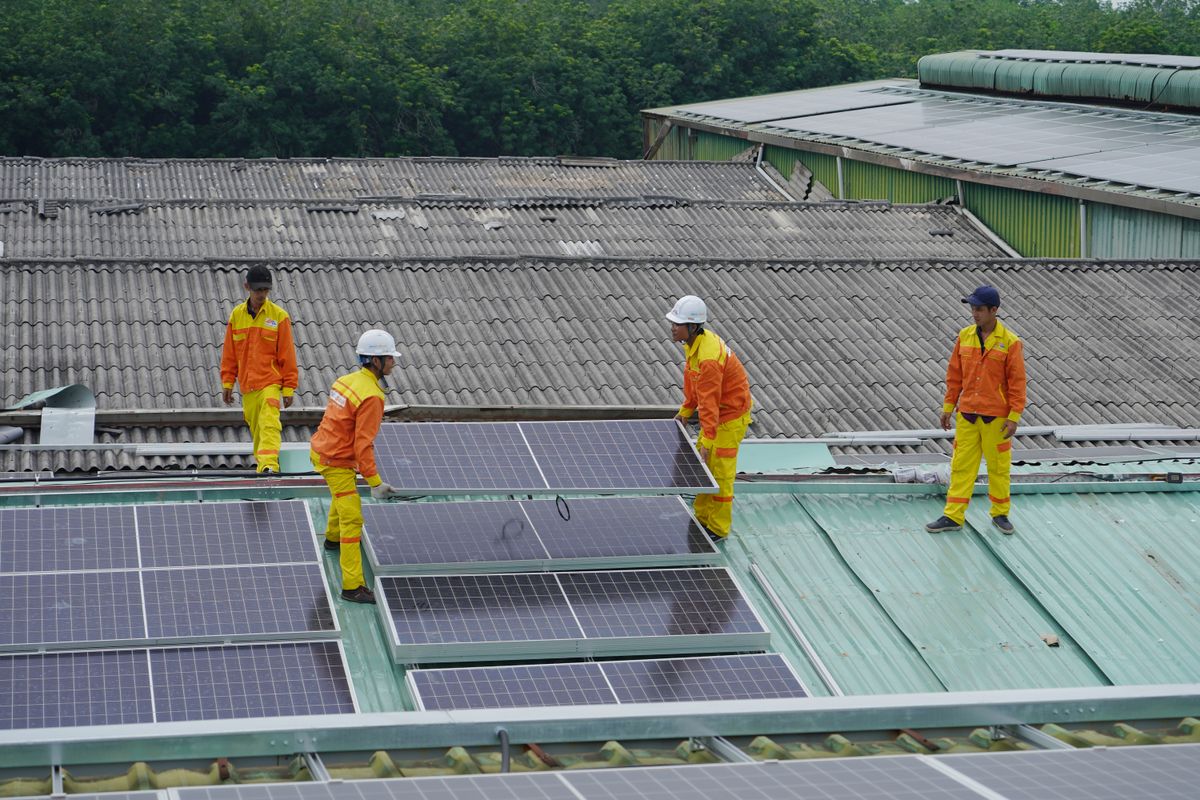
Chidinma had already been burned once. Her first "solar system" — bought from a roadside vendor in Ogba for what felt like a bargain ₦180,000 — stopped charging properly after four months. No certification sticker anywhere on the panel. No warranty paperwork. Just a man who took her money and a phone number that stopped connecting. When she finally saved up again eighteen months later, she went in with a completely different approach: research first, certification second, price last.
That order matters more in 2026 than it ever has. Nigeria's solar market has grown fast enough that fake and substandard equipment is now a documented federal government concern — and genuine Tier-1 panels have gotten cheaper even as counterfeit versions have gotten more convincing. This article exists so you don't have to learn Chidinma's lesson the expensive way.
Real 2026 Solar Panel Prices in Nigeria
Solar panel prices in Nigeria move with the naira-to-dollar exchange rate because most panels used here, genuine or otherwise, are still imported. As of 2026, here's what the market actually looks like across verified Nigerian retail sources.
Prices reflect the range seen across multiple Nigerian solar retailers as of mid-2026. Individual seller pricing varies by location, stock availability, and exchange rate at time of purchase.
| Panel Type | Wattage | Price Range (₦) | Best For |
|---|---|---|---|
| Polycrystalline | 100W-200W | ₦20,000 - ₦60,000 | Lighting, phone charging, small appliances |
| Polycrystalline | 300W-400W | ₦60,000 - ₦120,000 | Small home backup, budget-conscious buyers |
| Monocrystalline | 350W-450W | ₦90,000 - ₦150,000 | Standard residential systems |
| Monocrystalline (Tier-1) | 550W | ₦115,000 - ₦180,000 | Premium residential, small business |
| TOPCon/N-Type | 550W-650W | ₦130,000 - ₦200,000+ | Commercial installations, harmattan-heavy regions |
⚠️ Source: Connectnigeria, SolarEnergySupplyStores, TeezaBaz, and Kara.com.ng retail pricing data, 2026. Prices fluctuate with naira-dollar exchange rate; verify current pricing before purchase.
🔍 Daily Reality NG Analysis
What most solar buying guides don't tell you is that TOPCon panels — the newer technology costing roughly 20% more than standard monocrystalline — aren't just a premium upsell. In Nigeria's climate specifically, they produce around 30% more energy than standard panels because they handle heat and hazy harmattan light better. If you're buying for a business location that genuinely cannot afford underperformance, that 20% premium pays for itself faster than the sticker price suggests.
Monocrystalline vs Polycrystalline: What Actually Matters
The technical difference is straightforward: monocrystalline panels are cut from a single silicon crystal, giving them higher efficiency (typically 20-22%) and noticeably better performance in heat. Polycrystalline panels are made from multiple silicon fragments melted together — cheaper to produce, but they run around 16-18% efficiency and degrade faster under sustained high temperatures.
In most global markets, that difference is a nice-to-have. In Nigeria, where panels sit on hot rooftops under direct equatorial sun for most of the year, it's closer to a practical requirement. The consistent verdict across current Nigerian solar retailers in 2026 is unambiguous: monocrystalline is now the standard for new installations, and polycrystalline is being gradually phased out in favor of it, kept mainly as a budget entry point rather than a long-term recommendation.
Quick Answer: If your budget allows it, buy monocrystalline. The roughly 20% price premium over polycrystalline pays back through better heat performance and longer effective lifespan in Nigerian conditions. Polycrystalline still makes sense only for very tight budgets or supplementary small-load setups.
The Brands That Actually Hold Up
These are the brands consistently listed across Nigerian solar retailer guides, installer recommendations, and market availability data as of 2026 — with an honest read on what each is actually good for.
| Brand | Panel Type | Strength | Best For | Verdict |
|---|---|---|---|---|
| Jinko Solar (Tiger Neo) | N-Type Monocrystalline | Performs well in hazy/harmattan light; ~87% output guaranteed after 30 years | Most residential and small commercial buyers | Current market leader for good reason |
| Canadian Solar (BiHiKu) | Bifacial Monocrystalline | Strong heat tolerance, reliable output | Large rooftops, commercial installations | Excellent for scale |
| LONGi | Monocrystalline | Recognized global reputation, strong hot-climate performance | Homes and offices wanting brand assurance | Solid but priced higher |
| LG Solar | Premium Monocrystalline | Superior power output, lowest degradation rates | Luxury homes, businesses that cannot afford interruptions | Worth it only if budget allows |
| JA Solar (Deep Blue) | Half-Cut Cell Monocrystalline | Increased energy output per panel, strong value for large arrays | Factories, estates, cost-effective large installations | Best value at scale |
| Felicity Solar | Mixed range | Strong Nigerian presence, local support centers, full ecosystem (panels, inverters, batteries) | Buyers wanting local backup and easy support access | Practical, widely available |
| LPV Technologies | Locally manufactured, TÜV-certified | IEC-standard, made in Lagos, eliminates import delays | Buyers wanting to support domestic manufacturing without sacrificing certification | Genuinely credible local option |
⚠️ Source: Earthbond, EnergyMall, Outbrand Consulting, AllAfrica (LPV Technologies), 2025-2026.
How to Avoid Fake Solar Panels
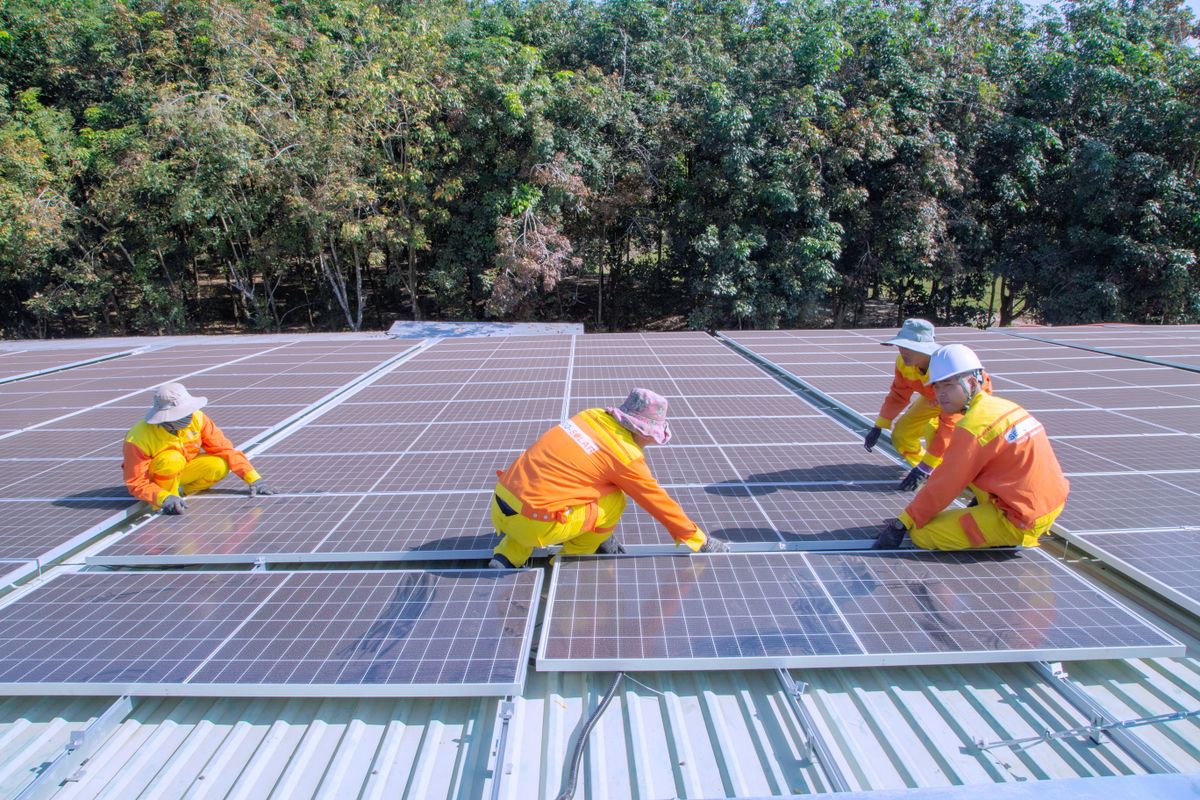
This is the section that would have saved Chidinma ₦180,000. As of mid-2025, the Federal Government publicly raised alarm over a continued influx of substandard and used solar equipment flooding Nigeria — serious enough that the Rural Electrification Agency commissioned the country's first Mini-Grid Testing and Simulation Centre in Abuja specifically to certify solar components before deployment.
⚠️ Watch Out For This
Energy experts warn that counterfeit solar products expose Nigerians to real fire hazards and equipment failure, not just wasted money. The Standards Organization of Nigeria has been urged to strengthen import inspections and enforce tamper-proof certification stickers, but until that enforcement fully catches up, the responsibility sits with buyers.
🔒 Safety & Trust Checklist
- Check for IEC 61215/61730 certification — this is the actual PV module qualification standard NEMSA references for equipment type approval. A genuine sticker is tamper-resistant, not printed paper glued on.
- Verify the seller is an authorized distributor — contact the brand directly (most have Nigerian contact info) and confirm the vendor is on their approved list.
- Be suspicious of prices significantly below market rate — if a 550W panel is priced at ₦60,000 when the market range is ₦115,000-₦180,000, that's not a bargain, that's a red flag.
- Ask about warranty paperwork before paying — genuine Tier-1 panels carry 25-year performance and 10-12 year product warranties. No paperwork means no protection if it fails.
- Buy from certified installers where possible — Solar Systems Installation Manager Segun Ajayi of Pure Volt Power Ltd specifically advises buyers to confirm certification, warranties, and after-sales support before committing.
Is Nigeria Really Banning Solar Imports?
Let's address the rumor directly because it keeps resurfacing on social media: as of 2026, solar panel importation has not been banned in Nigeria. What happened is more nuanced, and the nuance actually matters for your buying decision.
In March 2025, the Minister of Science and Technology, Uche Nnaji, announced a proposed policy to eventually restrict solar panel imports and push domestic manufacturing, citing Presidential Executive Order No. 5. This triggered immediate pushback. The Centre for the Promotion of Private Enterprise (CPPE) warned the country wasn't ready given "glaringly inadequate domestic production capacity," and industry analysis projected a potential 150% price surge on solar installations if an immediate ban were implemented — a genuinely alarming figure given how many Nigerian households and businesses now depend on solar for basic power access.
🔍 Daily Reality NG Analysis
What most coverage of this story misses is the middle ground actually forming. This isn't purely a standoff between "ban now" and "never ban" — companies like Oando, Shell-backed Auxano Solar, LPV Technologies, and NASENI are actively building assembly capacity, with plans for roughly 1,531 megawatts of domestic panel assembly across Lagos, Enugu, and Nasarawa. The realistic trajectory looks like a gradual, capacity-linked transition rather than an overnight cutoff — but "gradual" isn't a guarantee, and if you're planning a large installation, watch this policy space rather than assuming today's import-friendly pricing holds indefinitely.
How to Size Your System
Sizing depends entirely on your actual appliance load — not guesswork. Here's a realistic starting framework for common Nigerian household needs.
| System Size | Panels Needed | Typical Load | Estimated Total Cost (₦) |
|---|---|---|---|
| 1-2kVA | 2-4 panels (300-400W) | Lighting, fans, phone charging, small TV | ₦450,000 - ₦900,000 |
| 3-5kVA | 6-10 panels (400-550W) | Fridge, TV, lighting, small appliances | ₦1.8M - ₦3.5M |
| 7.5kVA+ | 12-20 panels (550W) | Full home + AC unit or small business load | ₦4.5M - ₦8M+ |
⚠️ Total cost includes panels, hybrid inverter, lithium battery storage, and standard installation labor. Battery storage alone can account for 40-60% of total system cost. Get a professional load assessment before committing to any size.
Budget Options That Won't Disappoint You
Not everyone needs — or can afford — a full home system on day one. If you're starting small, here's what genuinely works without wasting money.
⚡ Real-World Implications: What This Means for Your Budget
💰 The Wallet Impact: An entry-level 100W polycrystalline panel starts around ₦20,000 and can comfortably run LED lighting and charge small devices throughout the day — a realistic starting point for someone earning ₦80,000-₦150,000 monthly who needs immediate relief from NEPA outages without committing to a full system.
🗓️ The Daily Life Impact: Emeka, a shop owner in Owerri, started with exactly this — one 200W panel and a small battery, enough to keep his phone charging station and a fan running through afternoon outages. Eighteen months later, after saving from reduced generator fuel spend, he expanded to a full 3kVA system.
🏪 Pay-as-you-go alternative: Lumos, partnered with MTN Nigeria, offers solar home systems requiring roughly $50 down plus about $0.50/day via mobile money, with ownership transferring after 3-5 years — a genuinely accessible entry point for rural and semi-urban households without large upfront capital.
✅ Your takeaway: Start with what your current budget genuinely supports, not what looks impressive. A working 200W setup beats an aspirational 5kVA system you can't actually afford to install correctly.
What's Changed Since November 2025
When this article was first published in November 2025, the solar import ban proposal was still fresh controversy with no clear resolution timeline. Updating this in August 2026, the picture is clearer: the ban remains unimplemented, domestic manufacturing capacity is genuinely expanding through LPV Technologies and Auxano Solar, and NEMSA formalized its 17-point rooftop safety guidelines in April 2026 — a meaningful regulatory tightening that wasn't in place when this piece first went live. Prices have also adjusted with exchange rate movement, reflected in the updated pricing table above.
💡 Did You Know?
Lagos residents alone are estimated to spend around ₦15 trillion annually on generator running costs — covering fuel, maintenance, and replacement — a figure that frames solar not as an environmental preference but as a structured financial decision that typically delivers measurable savings within two to three years.
📎 Source: NaijaHomesResource industry analysis, 2026
💡 Did You Know?
NEMSA issued 17-point rooftop safety guidelines in April 2026 covering DC wiring routing, string protection, earthing, and inverter siting — the most significant tightening of residential solar installation standards in Nigeria to date, meaning installations done before this date may not meet current best-practice safety requirements.
📎 Source: SurgePV Nigeria Solar Regulations Guide, April 2026
💡 Did You Know?
Planned domestic solar panel assembly capacity across Lagos, Enugu, and Nasarawa states totals roughly 1,531 megawatts, led by companies including Oando, Shell-backed Auxano Solar, LPV Technologies, and NASENI — though stakeholders have separately warned this concentration of manufacturing capacity in a handful of players raises risks of an eventual pricing cartel if import competition is removed too quickly.
📎 Source: The Guardian Nigeria, April 2025
Key Takeaways
- A genuine 550W Tier-1 monocrystalline panel costs ₦115,000-₦180,000 in 2026; prices below that range on the same specs are a red flag, not a bargain.
- Monocrystalline is now the standard recommendation for Nigerian installations — polycrystalline is being phased out except as a budget entry point.
- Jinko Solar's Tiger Neo N-Type series currently leads the Nigerian market, particularly for harmattan-season low-light performance.
- Fake and substandard solar equipment is a documented federal government concern as of 2025-2026 — always verify IEC 61215/61730 certification and dealer authorization before buying.
- Nigeria has NOT banned solar imports as of 2026, despite persistent social media claims — the proposed restriction remains under debate.
- Domestic manufacturing is genuinely expanding through LPV Technologies, Auxano Solar, and others, offering credible certified local alternatives to imports.
- Battery storage typically accounts for 40-60% of total system cost — budget for it separately, not as an afterthought.
- Your 24-hour action: Before buying anything, call the brand's official Nigerian contact line and confirm your specific seller is an authorized distributor. Takes 15 minutes. Changes: eliminates the single biggest risk of losing money to counterfeit equipment.
📢 Found This Helpful? Share It
Daily Reality NG grows through real Nigerians sharing real research. If this saved you from a bad solar purchase, someone in your family group chat needs it too.
Related Articles
- CBN/BOI Solar Loan 2025: 9% Interest Full Guide
- Hidden Generator Costs Every Nigerian Should Know
- Best Inverter Batteries 2025 Nigeria
- How to Start a Solar Installation Business
- Solar vs Generator: Real Numbers for Nigerian Homes
- Best Solar Systems for Small Business
- How to Spot a Scam Before It Spots You
- Nigeria Energy Report 2025: Power, Oil, and What's Next
- NITDA Pioneer Status 2025: Full Guide
- How Small Businesses Are Beating Power Outages
- Nigeria's Infrastructure Report
- Nigeria Government Trust Crisis: 2025 Data
- Nigerian Economy Update: What You Need to Know
- How to Spot a Scam Before It Spots You
- Why Your AI Blog Posts Aren't Ranking on Google
Frequently Asked Questions
What is the best solar panel brand in Nigeria in 2026?
No single universal best — Jinko Solar's Tiger Neo N-Type series is currently the most popular Tier-1 brand for efficiency in low-light and hazy conditions. Canadian Solar and LONGi excel in heat tolerance; LG Solar sits at the premium end; Felicity Solar and LPV Technologies offer strong budget-to-mid options.
How much does a solar panel cost in Nigeria in 2026?
Small 100W-200W polycrystalline panels: ₦20,000-₦60,000. Mid-range 300W-400W: ₦60,000-₦120,000. A 550W Tier-1 monocrystalline panel: ₦115,000-₦180,000. Prices move with the naira-dollar exchange rate.
What is the difference between monocrystalline and polycrystalline solar panels?
Monocrystalline offers higher efficiency (20-22%) and better heat performance from a single silicon crystal. Polycrystalline is cheaper but less efficient (16-18%) and degrades faster in heat. Monocrystalline is now the Nigerian market standard.
Is Nigeria banning solar panel imports in 2026?
No — despite persistent social media claims, imports have not been banned. A phased restriction was proposed in March 2025 but faces strong pushback over inadequate domestic production capacity, with warnings of up to a 150% price surge if implemented immediately.
How do I know if a solar panel is fake or substandard in Nigeria?
Check for genuine tamper-proof IEC 61215/61730 certification, buy only from authorized/SON-registered dealers, verify distributor status directly with the brand, and be suspicious of prices well below market rate.
What size solar system do I need for a Nigerian home?
Depends on load: 1-2kVA (2-4 panels) for lighting/fans/phones; 3-5kVA (6-10 panels) for fridge/TV/lighting; 7.5kVA+ for full home plus AC or small business. Get a professional load assessment.
How long do solar panels last in Nigeria's climate?
Tier-1 monocrystalline panels carry 25-year performance warranties and guarantee around 87% output after 30 years. Real-world lifespan depends heavily on installation quality and whether the panel is genuine — fake panels can fail within 1-3 years.
Do solar panels work during Nigeria's harmattan season?
Yes, though output drops due to dust and haze. N-Type panels like Jinko's Tiger Neo perform better in low-light harmattan conditions. Regular cleaning during harmattan is essential to maintain output.
What certifications should I look for on a solar panel in Nigeria?
IEC 61215 and IEC 61730 for the PV module, IEC 62109 for inverters — all referenced by NEMSA for equipment type approval. NEMSA's April 2026 17-point rooftop safety guidelines also apply to installation.
Can I finance solar panels in Nigeria?
Yes — CBN/Bank of Industry solar loans at single-digit interest for qualifying applicants, the Rural Electrification Fund/Solar Power Naija initiative, and pay-as-you-go models like Lumos (partnered with MTN) requiring small down payments plus daily mobile money installments.
Are locally manufactured solar panels reliable in Nigeria?
Increasingly yes — LPV Technologies now produces TÜV-certified, IEC-standard panels in Lagos, and Shell-backed Auxano Solar is expanding domestic assembly capacity, offering credible certified alternatives to imports.
What is the REA Mini-Grid Testing and Simulation Centre?
Nigeria's first facility for certifying solar components before deployment, commissioned by the Rural Electrification Agency in Abuja in 2025 in direct response to substandard equipment flooding the market.
How much can I save switching from a generator to solar in Nigeria?
Lagos residents collectively spend an estimated ₦15 trillion annually on generator costs. Businesses that switched report up to 65% cost reductions within 6 months, though solar requires larger upfront investment with typical payback in 2-3 years.
What's the difference between an off-grid and hybrid solar inverter?
Off-grid inverters suit locations with no grid access at all, relying entirely on solar/battery/generator. Hybrid inverters let homes with intermittent grid access switch automatically between grid, solar, and battery — better suited to most urban Nigerian homes.
Where can I buy genuine solar panels in Nigeria?
Buy only from authorized brand distributors or certified installers who can produce documentation. Verify any seller's authorization status directly with the brand before paying, especially in open markets where genuine and counterfeit stock mix.

Samson Ese
Founder & Editor-in-Chief, Daily Reality NG
I started Daily Reality NG in October 2025 to write honestly about the decisions that actually affect Nigerian households — including the expensive lessons people learn buying solar equipment without proper research. This bio appears on every article for AdSense transparency and so you always know who's behind what you're reading.
Thank you for reading this to the end. If there's one thing I want you to walk away with, it's that in solar, cheap and fake often wear the same price tag as cheap and genuine — the only way to tell them apart is the certification paperwork most buyers never ask for. Ask for it. Every time.
— Samson Ese | Founder, Daily Reality NG
Disclaimer: This article is for general informational purposes based on market pricing and regulatory information current as of publication. Prices, brand availability, and policy status can change. Always get a professional load assessment and verify current certification requirements before making a purchase decision. This is not a substitute for a licensed installer's site-specific recommendation.
© 2025-2026 Daily Reality NG — Empowering Everyday Nigerians | All posts are independently written and fact-checked by Samson Ese based on real experience and verified sources.
How I Built Daily Reality NG: 426 Posts, 150 Days — The Real Story


Comments
Post a Comment