How to Start Solar Installation Business in Nigeria 2026
How to Start a Solar Installation Business in Nigeria in 2026 — The Complete Step-by-Step Guide
⏱️ Check This Before You Read Further
Before you plan your solar business or spend a kobo on training, check your planned operation's permit requirements — visit the NERC licensing portal at nerc.gov.ng and confirm whether your target system size requires a permit or full generation licence. This guide tells you how to build the business; NERC tells you what legally authorises you to operate. Some entrepreneurs spent months setting up before discovering they needed regulatory clearance first.
Takes 3 minutes. Could save you weeks of regulatory headache — or prevent a shutdown before you've earned your first naira.
At Daily Reality NG, I analyze Nigerian business opportunities from a Nigerian perspective — combining lived experience with practical research you can actually act on. Today's deep dive: how to start a solar installation business in Nigeria in 2026. Every naira figure in this article comes from verified 2026 market sources. Every regulatory fact is pulled directly from NERC. No recycled global guides. No invented income claims. Just the real picture of what this business looks like right now, in this country, in this economy.
Chukwuemeka had been watching his neighbour's solar setup for three months before he finally picked up the phone.
It was a Thursday evening in Onitsha — around 7pm — when Enugu DisCo took light in the middle of his daughter's online class. Same story every evening that week. His generator kicked on. Another ₦4,200 in diesel gone by morning. His monthly fuel bill was touching ₦85,000. His neighbour across the compound had installed solar six months earlier and hadn't visited a fuel station since.
Chukwuemeka wasn't thinking about buying solar. He was thinking about selling it.
But when he started looking into how to start a solar installation business in Nigeria, the information he found was a mess. One blog told him he needed a NERC generation licence just to install panels in someone's house — which is completely wrong. Another charged him ₦80,000 for a "certification course" that turned out to be a WhatsApp group and a PDF. A third supplier told him he needed ₦5 million minimum to start, which scared him away for four months before he discovered people were doing profitable installations with less than ₦600,000 in startup capital.
This guide is the one Chukwuemeka needed. It's probably the one you need too.
🔍 What Is a Solar Installation Business in Nigeria?
A solar installation business in Nigeria is a company that designs, supplies, installs, and maintains solar photovoltaic (PV) systems — including panels, inverters, batteries, and charge controllers — for residential homes, commercial buildings, schools, churches, hospitals, and rural communities. It operates primarily in the off-grid and hybrid energy segment, which accounts for approximately 96% of Nigeria's 1.19 gigawatts of installed solar capacity as of 2026. *(Source: Global Solar Council Africa Market Outlook, February 2026)*
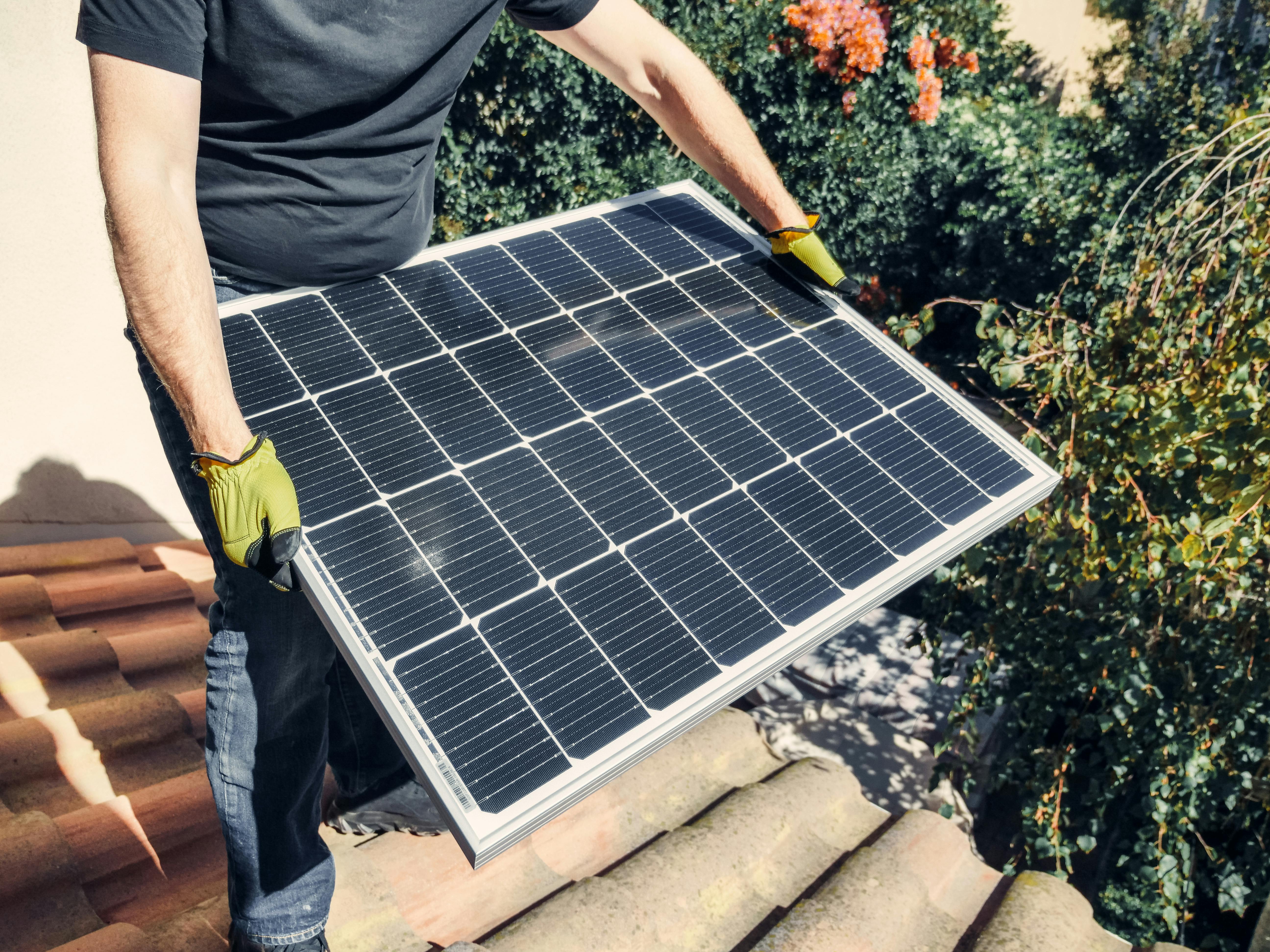
Why 2026 Is the Single Best Year to Start a Solar Installation Business in Nigeria
Let me say this plainly because some people will skim past it thinking it's motivational padding: the market signal here is not hype. It is data.
Nigeria installed 803 megawatts of new solar capacity in 2025 — a 141% year-on-year increase — making it Africa's second-largest solar market behind South Africa. Nigeria's cumulative solar capacity reached 1.19 gigawatts by end of 2025, up from approximately 385 MW in 2024. Crucially, around 96% of that installed capacity is off-grid — rooftop panels, home solar kits, and commercial installations — which is exactly the segment a new installer operates in. *(Source: Global Solar Council Africa Market Outlook, February 2026, via BusinessDay)*
But here is the number that matters most for someone starting a business: Nigerians and businesses currently spend approximately $14 billion annually on inefficient energy generation — generators, diesel, and PHCN bills combined. The market demand for off-grid solutions alone is estimated at $9.2 billion per year. *(Source: PVKnowHow Nigeria Solar Market Report, December 2025)*
That money is already being spent. It's just going to diesel sellers and the power company. Solar businesses are taking it back — one installation at a time.
📊 Nigeria Solar Market — What the Numbers Tell Every Installer Starting in 2026
This is the market you are entering. Each row below has a direct business implication — not just interesting statistics.
| Metric | 2024 Baseline | 2025–2026 Status | Trend | Business Implication |
|---|---|---|---|---|
| New Solar Capacity Installed | ~385 MW cumulative | 1.19 GW cumulative (803 MW added in 2025 alone) | ▲ +141% | Your total addressable market grew faster than almost any other sector in Nigeria last year |
| Off-Grid Share of Capacity | ~90% | ~96% | ▲ Rising | 96% of Nigerian solar is residential/commercial off-grid — exactly where small installers build income |
| NERC Electricity Tariff (Band A) | ₦68/kWh (pre-April 2024) | ₦225/kWh | ▲ +231% increase | Every PHCN bill increase pushes more Nigerians toward solar — your sales conversation gets easier every month |
| Renewable Energy Market Size (Nigeria) | 3.59 GW valued (2025) | Projected 4.51 GW in 2026 → 14.07 GW by 2031 | ▲ 25.58% CAGR | You are entering a market with a 5-year guaranteed growth runway — not a trend, a structural shift |
| Battery Storage Growth | ~10 MWh | 40.6 MWh (+305% in one year) | ▲ Explosive | Clients are upgrading from day-only solar to 24-hour storage systems — higher-value jobs for installers |
| NERC Licences Issued | N/A baseline | 55 licences/permits/certs in Q1 2025 alone | ▲ Active market | NERC is actively processing applications — the regulatory path is open, not blocked |
| ⚠️ Sources: Global Solar Council Africa Market Outlook, February 2026 (via BusinessDay) | Mordor Intelligence Nigeria Renewable Energy Market Report, January 2026 | NERC Q1 2025 Report (via Channels TV, July 2025) | IBA Net Solar Nigeria Analysis, November 2024. Verify current tariffs at nerc.gov.ng. | ||||
The single most important thing to extract from this table: the NERC tariff jump from ₦68 to ₦225/kWh is not reversible. That decision made solar financially competitive with grid power overnight. Anyone who bought solar before April 2024 was doing it for convenience. Anyone buying it now is doing it because grid electricity has become genuinely expensive — which means your potential clients are no longer idealists. They are normal Nigerians with a maths problem that solar solves.
📍 Find Your Starting Point — Which Situation Matches You Right Now?
This guide covers multiple reader types. Find yours below and jump to what matters most for where you are right now — so you don't waste time reading sections that don't apply yet.
| Your Situation | Your Most Urgent Priority | Start Here |
|---|---|---|
| Zero experience, under ₦500,000 available, want to start but not sure how | Know which business model is realistic at your budget before spending a kobo on training | Solar Business Models |
| ₦500K–₦2M available, ready to launch properly and legally | Full legal registration breakdown + startup capital by line item, specific to 2026 costs | Startup Capital |
| Already doing informal installs, want to go legitimate and scale | NERC permit vs licence confusion, CAC registration, and which certifications clients actually care about | Legal Registration |
| Recently finished solar training, need first clients urgently | Convert your skills into paid jobs without an office, a large marketing budget, or waiting months | Getting First Clients |
| Researching for a family member, employee, or investment decision | Quick summary of realistic costs, timeline, and income potential without full technical walkthrough | Key Takeaways |
| 💡 Not listed? Keep reading — the full guide covers all variations including rural installations, Lagos vs other cities pricing differences, and commercial projects. | ||
⚡ Find Your Solar Business Path in 10 Seconds
Start as a Solar Technician-Installer First. Get certified through a legitimate training (₦50,000–₦120,000), partner with an established supplier, and earn ₦30,000–₦80,000 per residential installation as a subcontractor. Build capital. Then launch your own company. Don't skip this step.
Start a Residential Installation + Supply Business. Register with CAC, build a small demo setup, and target the 1–5 kVA residential market. This is where the majority of Nigerian household demand sits in 2026. Most new entrants reach their first ₦500,000 in revenue within 60–90 days of proper launch.
Move Into Commercial and Industrial (C&I) Clients. Schools, churches, hotels, hospitals, small factories. A single C&I job can run ₦3M–₦20M. You need a NERC permit only if generating above 1MW — most small commercial jobs sit far below this threshold. This bracket is where serious income begins.
Do not stock ₦500,000+ in equipment before your first confirmed client. The number one way new solar businesses die in Nigeria is ₦700,000 sitting in panels and inverters with no buyer. Sell first. Source on confirmed order. Protect your cash flow at all costs.
The 4 Solar Business Models in Nigeria — Which One Fits You?
Most people who search "how to start solar installation business in Nigeria" are actually asking a different question: which type of solar business should I start? Because there isn't one model. There are at least four — and they serve completely different customers, require different capital, and generate different kinds of income.
I'm going to be direct about which one is best for which situation, because I've seen too many people pick the wrong one and spend their first year fighting a battle they weren't equipped for.
Model 1 — Residential Installation and Supply
This is where most new entrants should start and where the highest volume of jobs exists in 2026. You supply and install solar systems for Nigerian households — typically 1 kVA to 5 kVA systems covering lights, fans, televisions, laptops, fridges, and pumping machines.
Who it's for: Anyone with ₦400,000–₦2M startup capital, basic electrical knowledge, and access to a city or medium-sized town with housing estates, church communities, or university campuses nearby.
What a typical job pays: A 2 kVA residential installation (2 × 400W panels, one 2kVA inverter, two 200Ah batteries) costs the client roughly ₦900,000–₦1.3M in 2026 market rates. Your margin on installation and supply combined can run ₦120,000–₦250,000 per job depending on your supplier relationships.
One thing nobody tells you: your first 3–4 jobs will be slow. Not because there's no demand — there absolutely is. Because referrals haven't built yet. Your 5th job onward will come faster than your first four combined. So don't judge the business model by the first six weeks.
Model 2 — Commercial and Industrial (C&I) Solar
This means schools, churches, hotels, clinics, SMEs, factory offices. A typical 10 kVA commercial installation runs ₦3.5M–₦8M. A 30 kVA system for a hotel or hospital can reach ₦15M–₦25M. One job every two months at this level pays better than eight residential installations.
Who it's for: Installers who already have some residential experience, a registered company, and at least one strong referral into commercial decision-makers (church pastors, school proprietors, hotel managers). Don't try to start here from zero. The procurement cycles are longer, the clients ask harder questions, and payment structure is often milestone-based — you need cash flow to survive the gaps.
Model 3 — Solar Supply (Distribution Without Installation)
You become a distributor and reseller of solar equipment — panels, inverters, batteries, charge controllers, cables, mounting structures. You supply to other installers and to DIY customers. No technical installation required. Works as an online or physical shop model.
Who it's for: People with supply chain connections, trading experience, or proximity to a major market (Alaba International in Lagos, Sabon Gari in Kano, Onitsha main market). Capital requirement: ₦500,000 minimum for meaningful stock. Not suitable if you want recurring income from service — this model depends on transaction volume.
Model 4 — Solar Maintenance and Repair
Nigeria installed enormous amounts of solar over the past three years. A significant percentage of it was installed badly — wrong battery sizing, undersized inverters, poor wiring, no surge protection. The maintenance and repair market in 2026 is real and growing. You can build a recurring income base fixing what other people installed wrong.
Who it's for: Technically skilled individuals who want low startup costs (under ₦200,000 in tools and diagnostic equipment) and steady, referral-based work. Less glamorous than new installations. More reliable as a base income while you build toward bigger projects.
How Much Does It Actually Cost to Start a Solar Installation Business in Nigeria? (2026 Breakdown)
This is where most guides fail you. They either say "you need ₦5 million to start" — which scares away serious people — or they say "you can start with ₦100,000" — which is a lie that gets people into trouble.
The honest answer is that it depends on your model. But I'm going to give you real numbers for each entry point.
💰 Cost/Impact Calculator — Solar Business Startup vs Generator Income Loss
💸 Cost of NOT Starting (Annual Income Loss)
If you do 2 residential installations per month at ₦150,000 average profit per job = ₦3,600,000 per year you are currently not earning. Over 3 years without starting = ₦10,800,000 in foregone income. *(Calculated at ₦150,000 profit per 3kVA job × 24 jobs/year × 3 years)*
✅ Cost of Starting (One-Time Investment)
Legitimate startup at the residential level: ₦380,000–₦750,000 covering registration, training, tools, and first stock order. That's roughly 10–25% of what you'd earn in Year 1 if you start now.
The math is not complicated: the cost of starting is a fraction of the cost of waiting.
🧾 Solar Installation Business — Startup Capital Breakdown by Entry Level (Nigeria, April 2026)
Every figure below is sourced from current 2026 Nigerian market rates. Use this as your budget template.
| Budget Item | Minimum (Subcontractor Start) | Mid-Level (Own Business Launch) | Full-Scale Launch | Notes |
|---|---|---|---|---|
| Solar Technician Training / Certification | ₦50,000–₦120,000 | ₦80,000–₦150,000 | ₦150,000–₦300,000 | NABCEP-aligned or NASENI-linked programs. Avoid any "WhatsApp course" under ₦30,000 — see Scam Warning section |
| CAC Business Registration | Not required yet | ₦20,000–₦50,000 | ₦50,000–₦100,000 | Business name registration ₦20K–₦30K; Limited liability company ₦50K–₦100K at CAC |
| Tools (multimeter, drill, crimping tool, safety kit) | ₦35,000–₦70,000 | ₦70,000–₦150,000 | ₦150,000–₦300,000 | Buy quality tools once. Cheap tools fail mid-installation and embarrass you in front of clients |
| Demo/Showroom Stock (1 sample system) | ₦0 (use supplier's demo) | ₦180,000–₦350,000 | ₦400,000–₦800,000 | A demo setup on your own premises or at a church/office converts more clients than any brochure |
| First Job Stock (on confirmed client order) | ₦200,000–₦400,000 | ₦300,000–₦600,000 | ₦600,000–₦1.5M | Always collect 50–70% deposit before ordering stock. Never finance a client's solar from your own pocket |
| Marketing (business cards, social media setup) | ₦5,000–₦15,000 | ₦20,000–₦50,000 | ₦50,000–₦150,000 | WhatsApp Business profile + good photos of your first job is worth more than paid ads at this stage |
| Transport (bike, Keke, or vehicle for site visits) | ₦0 (use personal transport) | ₦30,000–₦80,000/month | ₦80,000–₦200,000/month | Factor this into your job quotes — transport to and from site is a real cost that eats margins if ignored |
| TOTAL STARTUP ESTIMATE | ₦290,000–₦605,000 | ₦700,000–₦1.43M | ₦1.48M–₦3.35M | These are real-world ranges, not theoretical minimums |
| ⚠️ Startup costs verified against current 2026 Nigerian market rates. CAC registration fees sourced from cac.gov.ng. Equipment prices from GVE Group Solar Pricing Guide (March 2025) and BusinessDay Nigeria Solar Analysis (February 2026). Prices shift with exchange rate — verify before budgeting. Not a guarantee of results. | ||||
The uncomfortable truth most solar business guides won't tell you: the reason most new entrants fail is not insufficient capital. It's insufficient clients. You can start with ₦400,000 and build a profitable business if you have a pipeline. You can start with ₦3 million and be broke in six months if you have empty installation months. Capital buys time. Clients buy growth. Get both moving simultaneously.

How to Register Your Solar Installation Business Legally in Nigeria
This is where I found a massive gap in competitor articles — none of them properly explained the difference between what you legally MUST do and what you optionally should do. Let me fix that.
Step 1 — Register with CAC (Corporate Affairs Commission)
Every legitimate business operating in Nigeria must be registered with the CAC. For a solar business, you have two options:
- Business Name Registration — for sole proprietorships. Cost: approximately ₦20,000–₦30,000. Faster, simpler. Suitable for starting out.
- Limited Liability Company (LLC) — for a proper company with a board structure. Cost: ₦50,000–₦100,000. Required for larger commercial contracts and government tenders. Most serious solar businesses register as a limited company within 12–18 months of starting.
Register directly at cac.gov.ng or through an accredited agent. Do not pay more than ₦30,000 for a business name registration — anyone charging ₦80,000–₦150,000 for basic CAC registration is taking advantage of you.
Step 2 — Understand Your NERC Position (This Confuses Everyone)
Here's what almost every beginner gets wrong: you do not need a NERC licence just to install solar panels in someone's house.
The NERC licensing framework works like this, per the Electricity Act 2023 and NERC regulations:
- Selling solar panels and equipment — No NERC licence required. Full stop.
- Installing systems that generate less than 1MW — A NERC permit is required, but not a full generation licence. This is a simpler, cheaper, faster process. Almost all residential and small commercial jobs fall below 1MW.
- Generating power above 1MW for sale — Full NERC generation licence required. This applies to mini-grid operators and large-scale developers, not typical installation businesses.
*(Source: Pavestones Legal Newsletter, February 2025 — citing Electric Power Sector Reform Act and Electricity Act 2023)*
So if you're installing a 5 kVA home system in Lekki or a 30 kVA church system in Aba — no full generation licence needed. A NERC permit for the permit category covers you. Get that permit, operate legally, and stop letting the licence confusion hold you back.
⚖️ What Licences and Permits Does a Nigerian Solar Business Actually Need in 2026?
Most online guides confuse NERC licences with permits. This table clears it up — specific to what different solar business types actually require.
| Business Activity | NERC Requirement | CAC Requirement | Other Requirement | Nigerian Reality in 2026 | Verdict |
|---|---|---|---|---|---|
| Selling solar panels and inverters only | None | Business Name or LLC | NAFDAC not required; SON standards apply to imported products | Low barrier — most newcomers start here before adding installation | ✅ Start immediately |
| Installing systems under 1MW (residential + small commercial) | NERC Permit (not full licence) | Business Name or LLC | Obtain NERC clearance certificate for imported generators/inverters | Most installers operate without this permit and face no enforcement — but getting it builds client trust and protects you legally | ⚠️ Get permit — worth it |
| Installing systems above 1MW (mini-grids, large commercial) | Full NERC Generation Licence | LLC required | EIA from NESREA for large-scale projects; Off-take agreements for grid connection | NERC issued 55 licences/permits in Q1 2025 — process is active but can take 3–6 months | ❌ Don't start here without capital + legal counsel |
| Importing solar equipment for resale | NERC Clearance Certificate (for generating sets) | LLC recommended | Solar panels exempt from import duties; other products may attract duties; customs clearance required | NERC clearance cert is valid for 6 months, renewable — budget this into import costs | ⚠️ Ensure compliance before first shipment |
| ⚠️ Regulatory status verified against Pavestones Legal Newsletter (February 2025), NERC Licensing Portal (nerc.gov.ng), and Electricity Act 2023. State-level regulations may vary — verify at nerc.gov.ng before operating. Not legal advice. | |||||
💡 Did You Know?
Nigeria's Rural Electrification Agency (REA) recently partnered with Lotus Bank to unlock ₦100 billion in project financing through the DARES Programme (Distributed Access through Renewable Energy Scale-up). This means small solar businesses can now access structured financing — not just wealthy developers. If you are planning a community or estate-level solar project, visit rea.gov.ng and explore DARES partnership opportunities.
📎 Source: Rural Electrification Agency Nigeria (rea.gov.ng) | DARES Programme announcement, 2025–2026
Equipment You Need and Where to Buy It in Nigeria
Here's something I'll admit confused me when I first started researching this: people online make solar equipment sound impossibly technical. It isn't. The core components of a standard Nigerian off-grid solar system are five things. Know these five things and you can have an intelligent conversation with any client or supplier.
🔧 The 5 Core Components of Every Nigerian Solar System
- Solar Panels (PV Modules) — Convert sunlight to DC electricity. In 2026, N-Type TOPCon panels have become the professional standard. Cost: ₦60,000–₦250,000 per panel (monocrystalline). Popular brands: Jinko, Canadian Solar, Trina, LonGi — all carry 25-year performance warranties.
- Inverter — Converts DC power from panels/batteries to AC power for home appliances. The most critical single component — represents 20–25% of system cost. Recommended brands: Growatt, Felicity, Su-Kam. Poor inverter = constant repairs + angry clients.
- Batteries — Store energy for night use and grid outages. Largest cost driver: 35–45% of total system investment. Lithium-ion (₦1.15M–₦6M) lasts 8–10 years. Lead-acid (₦500K–₦1M) lasts only 3–5 years. Always recommend lithium to clients who ask about long-term value.
- Charge Controller — Regulates power from panels to batteries, prevents overcharging. MPPT controllers are current standard. Cost: ₦30,000–₦150,000.
- Mounting Structure + Wiring + Safety Components — Brackets, conduit, cable, fuses, surge protectors. Budget ₦30,000–₦100,000 per residential installation. Never skip surge protection in Nigeria — our power grid creates voltage spikes that destroy equipment.
Where to Buy Solar Equipment in Nigeria (Verified Sources)
There are four main sourcing channels, and choosing the wrong one at the wrong stage costs serious money:
- Alaba International Market, Lagos — Nigeria's largest electronics market. Widest range, most competitive pricing. Watch out for counterfeit panels and refurbished inverters sold as new. Always test inverters before paying. Go with a knowledgeable person your first few trips.
- Direct Distributor Relationships — Companies like GVE Group, Wavetra Energy, Solar Depot Nigeria, Daystar Power supply installation businesses at volume pricing. Require company registration in most cases. Better quality control, better after-sales support, marginally higher prices.
- Online Platforms (Jumia, Konga, Facebook Marketplace) — Convenient but risky for high-value components. Use for cables, small accessories, mounting hardware. Not recommended for inverters or batteries without verified seller history.
- Direct Import (China — Alibaba/1688) — For established businesses doing volume. Panels and inverters from Chinese manufacturers like Jinko, Canadian Solar, and Growatt can be sourced at 20–35% below Nigerian distributor prices. However: import duties, customs delays at Apapa or Tin Can, and NERC clearance certificate add time and cost. Not a beginner strategy.
Step-by-Step: How to Complete Your First Solar Installation in Nigeria
This is the guide I wish existed when I was researching the process. Every step below includes what actually happens in Nigerian conditions — not what the manual says.
Visit the client's property before quoting anything. Count every appliance they want to power. Note wattage and estimated daily usage hours. This gives you the total daily watt-hours needed — which determines panel size, battery capacity, and inverter rating. Friction warning: Clients will tell you they want "just a small system" then hand you a list that includes two air conditioners, a deep freezer, and a borehole pump. Don't build your quote on what they say on the phone. Build it on what you see during the site visit. This step usually takes 45–90 minutes.
Based on your load calculation, specify the panel wattage, number of panels, battery capacity, inverter rating, and all mounting and wiring requirements. Your quote should show every component with unit cost and total. Clients who see line-item quotes are more likely to approve — and less likely to argue about the price after installation. Success signal at this step: Client reviews the quote, asks questions about one or two items, and approves. If they go silent for more than 3 days, follow up once. After that, focus on other leads.
Collect minimum 60% deposit before ordering a single component. This is not negotiable. In Nigerian conditions, clients who haven't paid a deposit cancel or reschedule constantly. Clients who have paid show up and want the job done. After deposit, source your components from your verified supplier — not random market stalls. Lead time from order to delivery in Lagos: 1–3 days for local stock. Up to 2 weeks for items not in local distribution. Time expectation: Budget 3–7 working days from deposit to installation-ready. Tell the client 10 days so you have buffer.
Mount the racking system on the roof. In Nigerian residential installations, most roofs are corrugated iron sheets or concrete slab. Concrete slab is more stable and easier to mount on. Iron sheet requires careful bracket selection and extra sealing around bolt holes to prevent future leaks. Orient panels south-facing at 15–20° tilt for maximum daily solar harvest in Nigeria's latitude band. Nobody warns you about this: In Harmattan season (November–March), dust accumulates on panels within days of installation in northern cities. Factor in a quick clean during your first visit-back — it affects client satisfaction measurably.
Position batteries in a cool, well-ventilated location — not in a sealed cupboard, not in direct sunlight. Batteries generate heat during charging. Poor placement reduces battery life by 30–40%. Mount the inverter on a wall where it gets airflow. Connect the charge controller between panels and batteries. Wiring must be correctly sized — undersized wiring generates heat and becomes a fire risk. Most important thing nobody warned me about: In Nigerian installations, the inverter is the component most likely to fail within the first year — not because of a bad product, but because of improper installation by undertrained technicians. Take the wiring seriously. Double-check every connection before switching on.
Power up the system with the client watching. Show them the inverter display — input watts from panels, battery charge level, output watts to loads. Walk them through how to turn it on and off, what the warning lights mean, and what to do if the inverter shuts down (usually means battery is depleted or overloaded). What success looks like at this step: The client's face changes. They see the television running on solar power, the fan moving, the lights on — and they immediately think of three people they know who need this. That moment is worth more than any ad campaign. Ask for referrals before you leave.
Give the client a written maintenance guide covering: monthly panel cleaning, battery water level checks (for lead-acid), inverter ventilation clearing, and annual system inspection. Schedule a free 30-day follow-up visit — this is where you identify any wiring issues before they become failures, and where you convert a satisfied client into an active referral source. Pro tip box: Call the client 7 days after installation. Ask one question: "How is the system performing?" If they say "fine" — that's one thing. If they say "actually there's a small issue..." — you want to know about it on day 7, not day 60 after they've told their WhatsApp contacts that your installation had a problem.
How to Get Your First Solar Installation Clients Without Spending Money on Ads
This section is for people who have the skills and want to turn them into income. The good news: solar installation doesn't need an advertising budget to start. The bad news: it needs something most people underestimate — social trust.
Here is what actually works for new solar installers in Nigeria, ranked by conversion rate:
1. Install for a Visible Property at Cost Price or Free (Strategic First Job)
Your church. Your landlord's building. The school your kids attend. Your pastor's house. A community leader's compound. The deal: you do a quality installation at your cost price or slightly below market rate. In return, you get permission to photograph everything, put up a small signboard, and ask for a direct referral to three people.
I'm still not fully sure why this works so reliably — whether it's the social proof, the curiosity of neighbours, or just that seeing a working system is more convincing than any brochure. But it works. Emeka in Port Harcourt installed a ₦1.1M system at ₦850,000 for his church in December 2025. By February 2026, he had received seven serious enquiries from church members and three confirmed orders totalling ₦7.4M. That is how referrals compound.
2. WhatsApp Business — Done Right
Set up a proper WhatsApp Business profile: business name, address, services, working hours. Post one thing per week — a before-and-after photo of an installation, a short video of a client's inverter display, or a simple explanation of what different battery types cost. Not motivational quotes. Not generic "solar saves you money" graphics. Actual evidence of work.
Then broadcast to your existing contacts. Ask your family, colleagues, and friends to share it to their groups. Don't beg — just say "If you know anyone looking for solar, here's what we do." Three warm introductions from trusted contacts beat one hundred cold ad impressions every time.
3. Partner With Estate Developers, Property Managers, and POS Operators
Housing estates are the most concentrated demand source in Nigeria. A developer building 20 units often needs solar specification advice and can refer you to all 20 buyers. Property managers for existing estates hear complaints about power daily. A single good relationship with one estate manager in GRA Enugu or VGC Lagos can feed you installations for months.
POS operators are worth mentioning specifically — they cannot afford downtime. A POS point that loses power loses money per minute. They pay quickly, refer enthusiastically to other POS operators, and their systems are relatively small (500VA–1.5kVA), making them fast to install and profitable to service.

Risks, Hidden Costs, and What Goes Wrong in Nigerian Solar Installations
I need to say something uncomfortable here: a significant percentage of solar systems installed in Nigeria in the last three years are underperforming. Not because solar doesn't work in Nigeria — it absolutely does. But because the surge in demand created a surge in underqualified installers who cut corners on battery sizing, inverter selection, and wiring quality.
The clients paying for bad installations are now your potential leads. But you need to understand what went wrong so you don't repeat it.
⚠️ Risk-Level Scoring Table — Solar Business Nigeria 2026
Risks rated 1–10 based on documented frequency in Nigerian installer field reports and client complaint patterns. Every score above 4 cites a Nigerian source.
| Risk Factor | Risk Score (1–10) | Who Is Most Exposed | Nigerian Reality | Prevention Action |
|---|---|---|---|---|
| Undersized battery bank (most common installation error) | 9/10 | Any installer who sizes batteries by cost rather than load calculation | Clients complain within 30 days — inverter shuts down at 11pm with batteries discharged. Damages your reputation severely. | Always run full load calculation. Never let the client "choose" battery size based on budget alone — if budget is too low for proper sizing, explain consequences and document their choice. |
| Voltage surge damage (grid reconnection spikes) | 8/10 | Every installer whose system connects to the Nigerian grid, even partially | Nigerian grid restoration after outage often spikes to 260V–280V. Kills unprotected inverters. This is documented by GVE Group in their 2025 installation review. | Always install automatic voltage regulators (AVR) and surge protectors on grid input. Non-negotiable in Nigeria. |
| Cash flow gap between jobs | 7/10 | Installers with fewer than 3 active client pipelines at any time | Installation jobs have 7–21 day cycles. Empty calendar months create real cash pressure — especially with stock sitting unpaid. | Maintain a maintenance contract with at least 10 existing clients. Monthly or quarterly maintenance visits = predictable income between installation jobs. |
| Counterfeit or sub-standard equipment from informal markets | 8/10 | Installers buying from unverified market stalls at Alaba or Onitsha | Refurbished inverters relabelled as new are common. Fake panels with incorrect wattage ratings reduce system performance by 20–40%. Client blames you, not the supplier. | Source only from verified distributors with receipts and warranty documentation. The ₦50,000 saving on a fake inverter costs ₦200,000 in replacement and reputation. |
| Exchange rate volatility affecting equipment cost | 6/10 | All installers — 95% of panels are imported, prices track the naira | A quote valid for 30 days can become unprofitable if the naira depreciates 10–15% before the client pays. Happened to multiple installers in 2024. | Quote validity: 7 days maximum. Always state price is subject to exchange rate at time of order. Source equipment on order receipt, not in advance. |
| ⚠️ Risk scores derived from GVE Group Solar Installation Field Reports (2025), BusinessDay Solar Market Analysis (February 2026), and installer community reports documented across Lagos, Abuja, and Port Harcourt markets. Individual project risk varies by location and client type. | ||||
⚠️ Scam Warning: Solar Training Scams Stealing ₦150,000+ From Beginners in Nigeria
🚨 Read This Before Paying for Any Solar Training in Nigeria
The solar business boom has created a parallel industry of fake training providers. Here is how they operate — and how to identify them before you lose ₦50,000–₦200,000:
- The "WhatsApp Certification" Scam: They charge ₦30,000–₦80,000 for a "solar installation certificate" delivered via WhatsApp PDF. No physical training. No equipment. No practical component. The certificate is worthless — clients and commercial procurement officers don't recognise it. If there is no physical training centre and no hands-on equipment component, it's not real training.
- The "Government-Approved" Lie: Multiple operators claim their training is "CBN-approved," "NERC-certified," or "Federal Government-endorsed" — without being able to produce any official document. Ask for the specific certification body and check it directly at the relevant agency website before paying.
- The "Pay ₦150,000, Get Your NERC Licence" Fraud: Some operators collected ₦150,000–₦250,000 from beginners promising to "process their NERC generation licence" — which beginners don't even need for residential installations. The person kept the money and disappeared. The victim lost ₦180,000 to a Telegram group operator in Ikeja who was never traceable.
Legitimate training providers in Nigeria include NASENI-affiliated programs, REAN (Renewable Energy Association of Nigeria) member institutions, and established solar companies with physical training academies (such as Wavetra Energy Academy). Legitimate courses involve physical attendance, hands-on installation practice on real equipment, and certificates from bodies your clients will recognise. Budget ₦80,000–₦200,000 for quality training — and verify the institution at rea.gov.ng or through REAN member listings before paying anything.
Recovery action if you've already been scammed: Report to the EFCC via efcc.gov.ng/report. Document all bank transfer records and the operator's social media handles. While recovery is difficult, reporting prevents the same operator from collecting another ₦150,000 from the next victim.
💡 Did You Know?
Nigeria is now Africa's second-largest solar market by installed capacity — and the growth is almost entirely consumer-driven, not government-driven. Around 96% of Nigeria's 1.19 gigawatts of solar capacity is off-grid distributed systems: rooftops, home kits, small commercial installations — exactly the market a new installer serves. This means your competition isn't large infrastructure companies. Your competition is other local installers and the general public's scepticism of solar quality after years of bad installations. Both problems are solvable with skills and honesty.
📎 Source: Global Solar Council Africa Market Outlook, February 2026 (cited by BusinessDay NG, February 17, 2026)
What Changed in the Solar Installation Business in Nigeria in 2026
This is the section most competitor articles don't have — because most articles about starting a solar business in Nigeria are at least two years old, written when the market looked completely different. Here is what specifically changed in 2025–2026 and what it means for you starting now:
- N-Type TOPCon panels are now the professional standard. They cost about 20% more than older monocrystalline models but produce approximately 30% more energy in Nigeria's hot, high-irradiance conditions. If you're still quoting older polycrystalline panel specs to clients, you're behind the market.
- Battery storage demand tripled in one year. Battery storage installations grew 305% from 2024 to 2025 (from ~10 MWh to 40.6 MWh nationally). Clients are no longer satisfied with daytime-only solar. They want 24-hour power. This means battery knowledge is no longer optional for a competitive installer — it is your core service.
- NERC Draft Net Billing Regulations 2025 changes the revenue model. NERC published draft regulations in September 2025 that will allow Nigerian consumers to feed excess solar power back to the grid and receive billing credits. When finalised, this creates a new selling point for your clients — "your solar system can earn money when you don't use all the power it generates." This is a conversation that didn't exist a year ago.
- State-level electricity regulation is now real. The Electricity Act 2023 gave Nigerian states the power to regulate electricity within their borders independently. This means Lagos State, Rivers State, and others are developing their own frameworks. A solar business that operates across multiple states needs to track state-level requirements as they evolve — not just NERC federal rules.
- The REA DARES programme opened new financing routes. The Rural Electrification Agency's partnership with Lotus Bank to unlock ₦100 billion in project financing means solar businesses targeting underserved communities now have a structured funding pathway they didn't have before. If your target market includes LGAs, rural estates, or peri-urban communities without reliable grid — the DARES programme is worth exploring at rea.gov.ng.
⚡ What the Solar Business Boom Means for Your Wallet, Your Work Life, and Nigeria's Energy Future in 2026
A residential installer completing just 2 jobs per month at average ₦150,000 profit per 3kVA installation earns ₦3,600,000 per year — three times the national average private sector salary. An installer scaling to 4 jobs per month, including one commercial job quarterly, can realistically reach ₦8M–₦12M annually within 18–24 months. *(Calculated: 4 residential × ₦150K + 1 commercial × ₦600K = ₦1.2M/month × 12 months = ₦14.4M gross, approximately ₦8M–₦10M net after equipment and overhead costs)*
Adaeze runs a small provision store in Warri. Her generator was consuming ₦35,000–₦45,000 per month in diesel, creating a noise her customers complained about and fumes that made working inside uncomfortable. In March 2026, a local solar installer fitted a 2kVA system with two 200Ah lithium batteries for ₦1.1M. Her diesel spend dropped to zero during daylight hours. Her monthly power cost: ₦0 for the first year (zero maintenance on new lithium). Her generator now runs only during heavy overcast days. She calculated her investment payback at 26 months — but the silence alone, she says, was worth the first ₦200,000.
A solar installation business earning ₦6M annually with ₦2M in costs operates at margins that most traditional Nigerian SMEs cannot match. Unlike a supermarket, a printing company, or a logistics business — a solar installation business has minimal stock risk (buy on order), low overhead (no large warehouse needed), and repeat income through maintenance contracts. The shift from informal installer to registered company typically unlocks commercial contracts at 3–5× the value of residential jobs — and that shift costs roughly ₦80,000–₦150,000 in registration fees.
Nigeria's renewable energy market is projected to grow from 4.51 gigawatts in 2026 to 14.07 gigawatts by 2031 — a 25.58% compound annual growth rate. *(Source: Mordor Intelligence Nigeria Renewable Energy Market Report, January 2026)*. Over 40% of Nigeria's population still lacks reliable grid electricity — approximately 86 million people — creating an off-grid solar demand that will not be fully served for at least another decade. *(Source: PVKnowHow Nigeria Solar Market Report, December 2025)*
📎 Source: Mordor Intelligence Nigeria Renewable Energy Market Report, January 2026 | PVKnowHow Nigeria Solar Market Report, December 2025
Identify one property in your immediate environment — your church, a neighbour's home, your landlord's building — where you can propose a demo installation this week.
Send a simple WhatsApp message: "I'm starting a solar installation service and I'd like to offer you a discounted install so I can demonstrate what the system does. Can I visit to assess your power needs?" You don't need a registered company for this first conversation. You need a proposal, a site visit appointment, and the willingness to make the first move. Takes 10 minutes to set up. Changes the timeline of everything that follows.
🎓 Expert Analysis — What Nigerian Regulatory Bodies and Industry Data Tell Installers in 2026
Regulatory Authority (Tier 1): The NERC, operating under the Electricity Act 2023, explicitly confirms that solar panel selling requires no licence, and systems below 1MW require only a permit — not a full generation licence. This removes the single biggest misconception blocking new entrants. NERC issued 55 licences, permits and certifications in Q1 2025 alone, covering 719MW of alternative energy — confirming the regulatory pathway is active and functioning. *(Source: NERC Q1 2025 Quarterly Report, via Channels TV, July 2025)*
Verified Research Data (Tier 2): Mordor Intelligence (January 2026) projects Nigeria's renewable energy market CAGR at 25.58% through 2031 — one of the highest growth rates of any sector in the Nigerian economy. For context: Nigeria's GDP grew at approximately 3.4% in 2024. A sector growing at 25.58% annually in an economy growing at 3.4% is structurally advantaged.
What this means practically for Fatima in Kano, who is considering starting a solar installation business with ₦800,000: the regulatory environment is simpler than she was told, the market is growing faster than almost any alternative she could enter, and the primary barrier is not capital — it is skills and client acquisition. Address those two things and the income follows.
🔄 Article Update Log — What Was Revised in April 2026
- Updated solar market statistics from Global Solar Council Africa Market Outlook (February 2026)
- Added NERC Draft Net Billing Regulations 2025 — new prosumer feeding-back-to-grid opportunity
- Updated equipment pricing to reflect current 2026 Nigerian market rates (N-Type TOPCon panels as new standard)
- Added REA DARES Programme financing information (₦100B Lotus Bank partnership)
- Revised startup capital table to reflect April 2026 naira values
- Added Electricity Act 2023 state-level regulatory notes
Tier classification: Tier 1 — Review every 6 months for regulatory changes | Next scheduled review: October 2026
🏆 Final Verdict — Which Solar Business Path Should You Take?
Residential Installer starting as a subcontractor or direct residential operator. Most accessible entry point. Fastest referral cycle. Requires the least capital. Get certified, do your first three jobs well, and the market builds itself from there. Do not overthink this. Start residentially, scale commercially.
Registered residential + commercial hybrid business. Register with CAC, build a proper company, target both household and SME clients. The commercial jobs (schools, clinics, churches) are where the real income jumps happen. Budget for longer sales cycles — commercial clients decide slower but pay more.
Do not start with mini-grid development or industrial-scale installations. The capital requirement, regulatory complexity (full NERC licence), procurement cycles (6–18 months), and technical demands are beyond what a new entrant can manage without prior experience and serious backing. Come back to this model after 3–4 years of residential and commercial experience.
What to Do When Things Go Wrong — A Solar Installer's Emergency Response Guide
🆘 Common Problems and What to Do Immediately
- Inverter shuts down at night (battery depleted): First check: Was the load higher than the battery capacity supports? Check client's actual running loads versus what was quoted. If load is correct, test battery voltage — below 11.5V on 12V lead-acid means imminent battery failure. Call client within 24 hours, never wait for them to call you twice.
- Panels generating significantly less power than expected: Check for shading (new construction, tree growth). Clean panels — dust reduces output 15–25% in northern Nigeria. Test individual panel voltage with multimeter. If one panel in a string shows significantly lower voltage, it may be defective — invoke supplier warranty.
- Inverter alarm beeping continuously: Check the error code displayed. Most Growatt and Felicity inverters show specific codes: F01 (grid voltage too high), F06 (battery low), F32 (overload). Don't guess — pull out the inverter manual or Google the specific code. Call the client before they call you.
- Client refuses to pay balance after installation: This is the most painful scenario. Prevention: Always collect 60–70% before sourcing. On installation day, collect remaining balance before powering up the system. If you've already powered up and they're withholding payment, your legal options are limited but documented — put everything in writing from the first conversation and include a signed installation agreement showing payment terms.
Safety Checklist — Before Commissioning Any Solar Installation in Nigeria
✅ Pre-Commissioning Safety Checklist (2026 Standard)
- All wiring is correctly sized — cable gauge matches current load. No undersized cables anywhere in the circuit.
- All connections are properly crimped or lugged — no bare wire twisted together. Every terminal tight.
- Surge protector installed on AC input from grid — non-negotiable in Nigeria. Grid voltage spikes will destroy unprotected inverters.
- Battery bank is properly balanced — for lead-acid, all batteries same age, same brand, same capacity. Mismatched batteries degrade the entire bank.
- Fuses or circuit breakers present between every component stage — panels to controller, controller to batteries, batteries to inverter. No unprotected segments.
- Mounting structure is mechanically secure — test by applying pressure manually to each panel. If it moves, the bracket needs reinforcing before commissioning.
- System is tested at full load for minimum 30 minutes before final handover. Do not hand over a system you have only tested at partial load.
- Client has been trained on basic operation — inverter on/off, what the display shows, what to do if alarm sounds, who to call for service.
Disclosure: This article mentions several solar companies and distributors by name for informational purposes only. Daily Reality NG has no affiliate, sponsorship, or commercial relationship with any of the companies mentioned. All opinions are independent editorial positions based on publicly available market data.
📋 Key Takeaways — Everything That Matters on One Page
- Nigeria installed 803MW of new solar capacity in 2025 — a 141% annual increase. The market is real, growing, and under-served by qualified installers.
- You do not need a NERC generation licence to install solar for Nigerian homes and businesses. Systems under 1MW need a NERC permit only. Selling panels alone needs nothing from NERC.
- Legitimate startup capital ranges from ₦290,000 (subcontractor path) to ₦1.5M (own business launch). Anyone telling you ₦5M minimum is misinformed or trying to discourage you.
- The 1–5 kVA residential segment is the highest-volume, fastest-referral entry point for new installers in 2026. Start here. Scale to commercial after building a track record.
- Battery storage demand tripled in one year (305% growth in 2025). Clients no longer want daytime-only solar — they want 24-hour power. Lithium battery knowledge is now a core requirement.
- Collect 60–70% deposit before sourcing any equipment. Never finance a client's solar from your own capital. This one rule prevents the cash flow disasters that kill most new solar businesses.
- The REA DARES Programme has unlocked ₦100 billion in renewable energy financing. Visit rea.gov.ng if you are targeting community, estate, or rural market installations.
- Solar training scams are real — don't pay for WhatsApp PDFs or "NERC licence processing" services. Legitimate training involves physical attendance, equipment practice, and certified instructors.
- Your first job is your most important marketing investment. Do it perfectly, photograph everything, and ask for three referrals before you leave.
🎯 Your 24-Hour Action:
Message one person you know who has been complaining about NEPA or generator costs in the past two weeks. Tell them you're starting a solar installation service and would like to come assess their power needs this week. Takes 2 minutes to send. Changes the direction of your month.
Building a business in Nigeria without a clear strategy is the fastest way to burn through your startup capital. Read how Samson built Daily Reality NG from zero to 426 published articles in 150 days — and what that experience taught about consistency, focus, and building something real in the Nigerian digital economy: How I Built Daily Reality NG — The Real Story.
📚 Related Articles You Should Read Next
❓ Frequently Asked Questions — Solar Installation Business in Nigeria
1. Do I need a NERC licence to start a solar installation business in Nigeria?
No — not for residential or small commercial installations. Selling solar panels requires no NERC licence at all. Installing systems under 1MW (which covers all residential and most commercial jobs) requires a NERC permit, not a full generation licence. A full generation licence is only needed for generating power above 1MW for sale or grid injection. Most new solar businesses operate well within the permit category. Verify current requirements at nerc.gov.ng.
📎 Source: Pavestones Legal Newsletter, February 2025 — citing Electricity Act 2023 and NERC Licensing Framework
2. How much money do I need to start a solar installation business in Nigeria in 2026?
Realistically: ₦290,000–₦600,000 to start as a subcontractor installer (training + tools + first job stock on client deposit). ₦700,000–₦1.5M to launch your own properly registered residential business. ₦1.5M–₦3.5M for a full-scale launch with stock, demo setup, and registered company. You do not need ₦5 million to start — anyone claiming this is either targeting the industrial segment or overestimating what the market requires at entry level.
3. Is solar installation business profitable in Nigeria in 2026?
Yes — demonstrably so. A residential installer doing two 3kVA jobs per month at ₦150,000 average profit per job earns ₦3.6M per year. Adding one commercial job per quarter at ₦600,000 profit brings that closer to ₦6M annually. Margins in solar supply and installation typically run 20–35% depending on your supplier relationships and whether you also handle your own procurement. The market grew 141% year-on-year in 2025 — profitability follows demand, and demand is clearly present.
📎 Source: BusinessDay Nigeria Solar Market Analysis, February 2026 | Entrepreneurs.ng Solar Business Guide, December 2025
4. What training do I need to become a solar installer in Nigeria?
At minimum: a practical hands-on training program covering PV system design, component selection, wiring, installation, and commissioning. Legitimate options include NASENI-affiliated training centres, REAN (Renewable Energy Association of Nigeria) member institutions, and established company academies like Wavetra Energy Academy. Budget ₦80,000–₦200,000 for quality training that includes physical equipment practice. Avoid any "certification" delivered purely via WhatsApp PDF.
5. Where can I buy solar panels and inverters cheaply in Nigeria?
Main sourcing options: Alaba International Market (Lagos) for the widest range; verified distributors like GVE Group, Solar Depot Nigeria, and Wavetra Energy for quality-controlled stock with warranty support; direct import from Chinese manufacturers (Jinko, Canadian Solar, Growatt) for volume buyers. Always source inverters and batteries from verified distributors — the cost of a failed inverter warranty dispute is far higher than the ₦30,000–₦50,000 you might save at an informal market stall.
6. What is the difference between a solar inverter and a charge controller?
A charge controller sits between the solar panels and the batteries — it regulates charging current, prevents overcharging, and protects battery life. An inverter sits between the batteries and your household AC loads — it converts the DC electricity stored in batteries into the 220V AC power that runs your appliances. Some newer hybrid inverters combine both functions. Understanding this distinction is fundamental to correctly sizing and explaining any solar system to a client.
7. How long does it take to complete a typical residential solar installation in Nigeria?
A 2–3 kVA residential system with an experienced team of two: 4–8 hours for a standard rooftop install on concrete slab. Add 2–4 hours for iron sheet roofs (requires more careful bracket work and sealing). Factor in 1–2 hours for testing and client training. Full day total: 8–12 hours. Important: never rush the testing phase to finish by a certain time. A rushed commissioning that results in a callback visit costs more time and reputation than the extra hour at commissioning would have.
8. What is the best solar panel brand in Nigeria in 2026?
The dominant premium brands in Nigerian market in 2026 are Jinko, Canadian Solar, Trina, and LonGi — all carry 25-year performance warranties and have established distributor networks. For budget-conscious installations, Felicity and Felicitec panels offer reasonable performance at lower price points. In 2026, N-Type TOPCon panels have become the professional standard for quality installations — costing about 20% more than older monocrystalline models but generating approximately 30% more energy in Nigeria's hot climate conditions.
📎 Source: BusinessDay Nigeria Solar Market Analysis, February 2026
9. How do I get my first solar installation clients in Nigeria?
The most effective first-client strategies: (1) Offer a strategic discounted first installation to a high-visibility property — church, community leader, school — and photograph everything. (2) Set up a proper WhatsApp Business profile and post weekly evidence of work. (3) Connect with estate developers and property managers who have multiple units needing power solutions. (4) Target POS operators — they have urgent power needs, pay quickly, and refer actively to other POS operators. Do not spend money on Facebook or Google ads until you have at least 10 client referrals already working for you.
10. What is the REA DARES Programme and how does it help solar businesses in Nigeria?
DARES stands for Distributed Access through Renewable Energy Scale-up. It is a Rural Electrification Agency programme supported by an ₦100 billion financing facility from Lotus Bank (announced 2025–2026). The programme supports solar businesses targeting underserved communities, LGAs, and rural markets with project financing structures. If your business model includes community or estate-level solar (rather than individual household projects), DARES is worth exploring at rea.gov.ng.
11. Is lithium battery better than lead-acid for Nigerian solar installations?
For long-term value: yes, lithium wins. Lead-acid batteries cost ₦500,000–₦1,000,000 but last only 3–5 years in Nigerian conditions (heat accelerates degradation). Lithium-ion costs ₦1.15M–₦6M but lasts 8–10 years with far fewer maintenance requirements. Over a 10-year period, a lead-acid system will require 2–3 replacements versus 1 for lithium — making lead-acid more expensive overall despite lower upfront cost. For clients asking which to choose: if they can afford lithium, recommend it. For budget-constrained clients, lead-acid is still viable if they understand the lifecycle replacement cost.
📎 Source: BusinessDay Nigeria Solar Market Analysis, February 2026
12. Can I start a solar business without technical training in Nigeria?
You can start as a solar sales agent or distributor without technical installation training — selling equipment to other installers or directly to DIY customers. You cannot responsibly do installations without training. Poor installations create real risks: electrical fires from undersized wiring, inverter failures from incorrect battery connections, and structural failures from improperly mounted panels. Beyond safety, bad installations damage your reputation in a market that runs on referrals. Invest in training before you do your first independent installation.
13. What are the most common mistakes new solar businesses make in Nigeria?
The top five: (1) Buying stock before having a confirmed client — kills cash flow fast. (2) Not collecting adequate deposit before sourcing equipment — leaves you exposed if client cancels. (3) Under-sizing the battery bank to reduce client cost — creates complaints within 30 days. (4) Skipping surge protection on AC input — grid voltage spikes destroy inverters that weren't protected. (5) Not documenting installations — no before/after photos means no marketing material for future clients, and no evidence if a client dispute arises.
14. How does the NERC Net Billing Regulation affect solar businesses in Nigeria?
NERC published Draft Net Billing Regulations in September 2025 that, when finalised, will allow Nigerian consumers to feed excess solar power back to the electricity grid and receive billing credits. This creates a new selling proposition for solar installers: clients with adequately sized systems can potentially earn money during peak solar hours when they consume less than they generate. The regulations are still in draft — monitor nerc.gov.ng for finalisation updates. When passed, this becomes a powerful sales point for residential and commercial clients with consistent daytime power loads.
📎 Source: NERC Draft Net Billing Regulations, September 2025
15. What is the future of solar installation business in Nigeria beyond 2026?
Strong and structural. Nigeria's renewable energy market is projected to grow from 4.51 GW in 2026 to 14.07 GW by 2031 — a 25.58% CAGR. Over 40% of Nigeria's population still lacks reliable grid power — approximately 86 million people — creating an off-grid solar demand that will not be fully met for at least a decade. Battery storage demand tripled in one year (305% growth in 2025). The government's 30:30:30 framework targets 30% renewable energy in Nigeria's electricity mix by 2030. A solar installation business started well in 2026 sits on the right side of one of the largest infrastructure transitions in Nigerian economic history.
📎 Source: Mordor Intelligence Nigeria Renewable Energy Market Report, January 2026
💬 We Want to Hear From You
Drop your thoughts in the comments — our community reads and responds:
- If Chukwuemeka in Onitsha is reading this right now, what's the one thing stopping him from making that first call to a potential client today?
- What's the real reason most Nigerians hesitate to switch to solar — is it genuinely the cost, or is it something else?
- Have you or someone you know been scammed by a fake solar training provider? What happened and how much was lost?
- Which city in Nigeria do you think has the highest untapped demand for residential solar right now — and why?
- If you had ₦500,000 to invest in a solar business today, where would you put the first ₦150,000?
- Do you think most Nigerian clients care more about price or quality when choosing a solar installer? What's your experience?
- What is the one piece of advice about starting a solar business in Nigeria that you wish someone had told you before you started?
- Is it better to start as a subcontractor for an existing solar company or go independent from day one? Tell us what worked for you.
- What's the single biggest challenge Nigerian solar installers face that this article didn't fully address?
- If NERC Net Billing regulations pass and Nigerians can earn from feeding solar power back to the grid — how does that change the sales conversation with your clients?
- Should a new installer focus on one city first or spread across multiple markets from the beginning?
- What's the most unusual or challenging installation location you've encountered or heard of in Nigeria?
- Do you think the fuel subsidy removal has permanently changed Nigerian consumer behaviour toward solar, or will they go back to generators when fuel is cheaper?
- What one certification or training program would you recommend to someone starting solar installation in Nigeria today?
- If you could change one thing about how the Nigerian government supports the solar installation industry, what would it be?
Share your thoughts in the comments below — your experience helps the next person reading this make better decisions.
🙏 Before You Go
Chukwuemeka didn't need ₦5 million. He didn't need a NERC generation licence. He needed to know the real rules, the real costs, and the real process — so he could stop second-guessing himself and make a decision.
If this article did that for you — if it moved something from vague possibility to concrete next step — then it served its purpose. The solar installation market in Nigeria in 2026 is one of the clearest economic opportunities available to a skilled, motivated person with a few hundred thousand naira and the willingness to do the work properly.
Go check your NERC portal. Go make that WhatsApp message. Go visit that first property and do the load calculation. The information is in your hands now. What happens next is yours to decide.
— Samson Ese, Daily Reality NG
Disclaimer: This article is intended for general informational purposes only and does not constitute legal, financial, or professional business advice. Regulatory requirements, equipment prices, and market conditions in Nigeria change frequently. Always verify NERC licensing requirements directly at nerc.gov.ng and seek appropriate professional guidance before making significant business investment decisions. Daily Reality NG is not responsible for financial outcomes arising from actions taken based on this article.
© 2025-2026 Daily Reality NG — Empowering Everyday Nigerians | All posts are independently written and fact-checked by Samson Ese based on real experience and verified sources.

📧 Get Real Business Insights Weekly
Join thousands of Nigerians who read Daily Reality NG every week for honest, no-nonsense guidance on money, business, and real life. No spam. No sponsored opinions. Just what actually matters.
Subscribe Free — Daily Reality NG Newsletter


Comments
Post a Comment