
Best Inverter Batteries Nigeria 2026: Price & Reviews
Editorial disclosure: Daily Reality NG has no paid partnership with Luminous, Lento, Felicity Solar, Pylontech, Mercury, or any brand named in this guide. Naira prices reflect market research current as of April-August 2026 and shift with exchange rates — always confirm today's price with your supplier before buying.
Best Inverter Batteries 2026 Nigeria | Expert Reviews & Price Guide
Published November 22, 2025 · Updated August 23, 2026 · Reading time: 24 minutes · By Samson Ese, Daily Reality NG
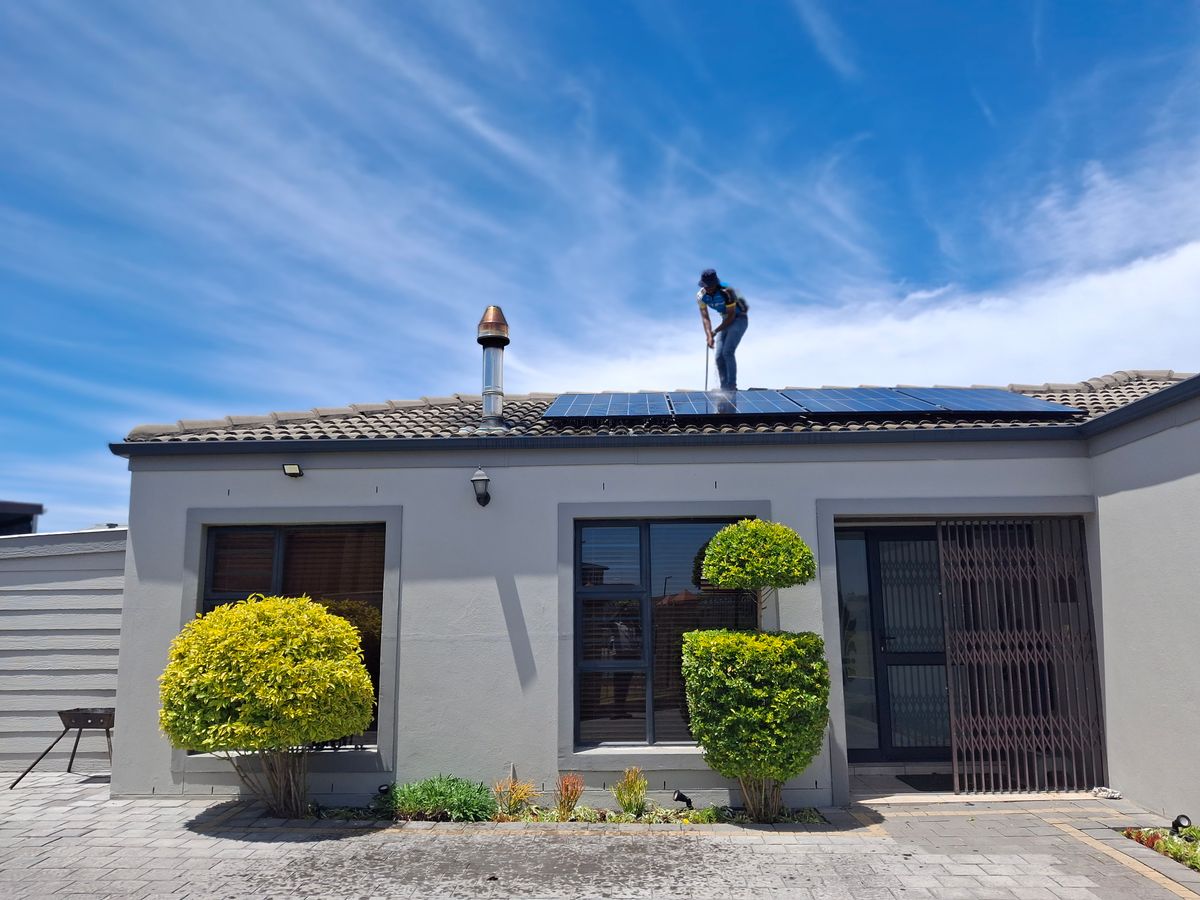
Who this is for: Nigerian homeowners, tenants, and small business owners choosing an inverter battery for the first time, or replacing an old one that no longer holds a proper charge.
Quick answer: Tubular batteries (Luminous, Lento, Eastman) remain the most popular Nigerian choice for lower upfront cost and wide local service support, typically ₦155,000-₦420,000 for a 200Ah unit. LiFePO4 lithium batteries (Pylontech, Felicity, Blue Carbon) cost far more upfront but deliver near-double the usable capacity, zero maintenance, and 8-15 years of life versus 4-8 years for tubular.
You are reading Daily Reality NG's independent battery comparison, built from Nigerian market pricing data and brand documentation verified as of August 2026.
⏱️ Check This Before You Read Further
Before buying anything, calculate your actual daily backup need: add up the wattage of everything you want to run during an outage, multiply by the hours you need it powered, and compare that number against the battery capacity tables below. Most Nigerians buy based on budget alone and end up under-powered. This takes 5 minutes and saves you buying twice.
📍 Find Your Situation — Where Should You Start?
| Your Situation | Your Priority | Start Here |
|---|---|---|
| Tight budget, basic lights/fans/TV/router backup | Best value tubular option | Tubular Battery Brands Compared |
| Can invest upfront, want zero maintenance long-term | Lithium comparison and real cost math | Lithium vs Tubular — Real Numbers |
| Not sure what size battery you need | Sizing calculation | How to Size Your Battery Correctly |
| Worried about buying a fake or reconditioned battery | How to verify authenticity | Avoiding Fake Batteries |
| Just want the practical checklist | Skip to the action plan | Key Takeaways |
1. Battery Types Explained — Tubular, AGM, Gel, Lithium
2. Best Tubular Battery Brands in Nigeria (2026)
3. Best Lithium Battery Brands in Nigeria (2026)
4. Lithium vs Tubular — The Real Cost Comparison
5. How to Size Your Battery Correctly
6. Current Naira Price Guide (2026)
7. Maintenance — What Actually Extends Battery Life
8. Avoiding Fake and Reconditioned Batteries
9. Installation Costs and What to Expect
10. Key Takeaways & 24-Hour Action
11. FAQ
You are reading Daily Reality NG — an independent Nigerian digital publication founded October 2025. Every price and brand claim in this guide is sourced from Nigerian market data and supplier documentation, dated as of 2026.
Battery Types Explained — Tubular, AGM, Gel, Lithium
Bassey runs a small provisions shop in Uyo. For three years he used a random 12V battery a neighbour recommended, no brand he could name, no receipt, no warranty. It died in month fourteen, mid-restock, mid-freezer-run, and he lost roughly ₦40,000 in spoiled frozen goods before he could get a generator started. His replacement decision was different: he actually compared battery types first. That comparison is where this guide starts too.
Tubular batteries use tube-shaped positive plates in liquid electrolyte. They're the Nigerian market's workhorse — rugged, tolerant of the deep, frequent discharges that come with daily NEPA outages, and significantly cheaper upfront than lithium. Their trade-off: they need occasional distilled water topping and typically last 4-8 years.
AGM (Absorbent Glass Mat) and Gel batteries are sealed, maintenance-free lead-acid variants. No water topping, better moisture resistance, but they require more careful charge control and are less tolerant of the deep, repeated discharge cycles common in Nigerian power conditions.
LiFePO4 lithium batteries use an entirely different chemistry. As of 2025-2026, the Nigerian market has decisively shifted toward lithium for businesses and serious solar installations because they last roughly 3x longer, charge faster, and require zero maintenance — the trade-off is a significantly higher purchase price.
💡 Did You Know? LiFePO4 lithium batteries deliver 3,000 to 6,000-plus charge cycles compared to a typical tubular battery's much shorter cycle life — one reason premium lithium units, despite costing 3-5x more upfront, are increasingly recommended for solar-hybrid and off-grid installations across both coastal and northern Nigeria. 📎 Source: MANLY Battery Nigeria market analysis, 2025-2026.
Best Tubular Battery Brands in Nigeria (2026)
| Brand | Reputation | Typical Price (200-220Ah) | Best For |
|---|---|---|---|
| Luminous | Market leader, strong warranty network | ₦295,000+ | Households wanting the most widely serviced brand |
| Lento | Trusted for deep-cycle recovery | Competitive vs Luminous | Households facing frequent, long outages |
| Eastman | High build quality, deep-cycle recovery | Similar range | Residential and small commercial setups |
| Energos / KAN / Fabton | Solid mid-tier, good backup performance | Generally lower cost | Budget-conscious buyers wanting reliable local support |
| ⚠️ Prices vary by capacity, dealer, and exchange rate. Sources: Kara.com.ng 2026 pricing, Tikweld 2026 tubular battery review, Lento India Nigeria market guide. | |||
Best Lithium Battery Brands in Nigeria (2026)
| Brand | Strength | Best For | Note |
|---|---|---|---|
| Pylontech | Most respected name in Nigerian lithium market; modular US-series stacking | Growing businesses needing scalable capacity | 6,000+ life cycles, approx. 10-15 years |
| Felicity Solar | Compact "Powerwall" design, 10+ year lifespan | Space-constrained residential installs | Strong local warranty support |
| Blue Carbon | Well-documented BMS, up to 6,000 cycles | Hybrid inverter setups (Growatt, Deye, Victron) | Top-rated for cycle life per market surveys |
| Deye | Best communication with Deye hybrid inverters | Buyers already running Deye inverter systems | Smart BMS integration |
| BYD | Preferred for industrial/high-end use | Large commercial installations | Advanced BMS, higher price point |
| ⚠️ Sources: Eneronix brand-by-brand lithium comparison 2026, Earthbond Top 10 Solar Battery Brands 2026, Maypatronic lithium pricing FAQ 2026. | |||
Lithium vs Tubular — The Real Cost Comparison
Looking at sticker prices alone, tubular batteries appear far cheaper. But that comparison misses the single most important number in this entire decision: usable capacity.
Uncomfortable truth: A 200Ah tubular battery does not give you 200Ah of usable power. Discharging a lead-acid battery below roughly 50% capacity regularly damages it and shortens its life — so your real usable capacity is closer to 100Ah. A 200Ah LiFePO4 lithium battery, by contrast, can be safely discharged to 80-90% depth of discharge, giving you 160-180Ah of genuinely usable capacity from the same rated size.
That single fact changes the entire economics of the decision. When you calculate cost per usable kilowatt-hour over a realistic 10-15 year lithium lifespan versus needing to replace tubular batteries 2-3 times in the same period, lithium frequently works out cheaper in the long run — the barrier is almost entirely the size of the upfront payment, not the total lifetime cost.
Step-by-Step: Deciding Between Lithium and Tubular
- Calculate your realistic daily backup need in watt-hours (see the sizing section below) before comparing any prices.
- Check if you can afford the full lithium system upfront — don't finance a lithium purchase you can't comfortably absorb; a partial installment plan on a critical power system creates its own risk if payments lapse.
- If budget is the constraint, start with a quality mid-tier tubular battery from a brand with real local warranty support, not the cheapest unbranded option available.
- If you're running a business with daily, heavy cycling (a shop freezer, POS terminal, multiple staff computers), lithium's near-zero maintenance and longer lifespan usually justifies the higher cost faster than for a light residential household load.
- Never mix an old and new battery in the same bank — this is one of the most common Nigerian buyer mistakes and it damages the new unit by dragging it down to the old battery's reduced performance.
How to Size Your Battery Correctly
Runtime Estimates for Common Appliances
| Appliance | Typical Wattage | Estimated Runtime (on a mid-size battery, alone) |
|---|---|---|
| LED light bulb | 10W | ~90 hours |
| Smart TV (small) | 50W | ~18 hours |
| Ceiling fan | 50W | ~18 hours |
| Laptop (charging) | 65W | ~13 hours |
| Desktop PC (idle) | 100W | ~9 hours |
| Deep freezer (inverter type) | 145W | ~6 hours |
| ⚠️ Individual device runtimes shown for reference — combined loads reduce total runtime proportionally. Source: Jumia Nigeria backup power specification data, 2026. | ||
The formula: Battery voltage × amp-hour rating = total watt-hours. Divide by your combined connected load in watts to estimate hours of backup, then apply your safe depth-of-discharge limit (roughly 50% for tubular, 80-90% for lithium) to get a realistic number rather than the theoretical maximum.
Current Naira Price Guide (2026)
| Battery/System | Capacity | Price Range (₦) |
|---|---|---|
| Tubular battery (general market) | Various | ₦155,000 – ₦420,000 |
| Mercury Elite Tubular | 220Ah | ₦295,000 |
| Mercury GEL Deep Cycle | 200Ah | ₦383,000 |
| Mercury GEL | 100Ah | ₦240,000 |
| Mercury GEL (small) | 65Ah | ₦159,000 |
| 5kW LiFePO4 lithium (various brands) | 48V/100Ah class | ₦1,050,000 – ₦2,148,000 |
| 1.5kVA combined system (200Ah battery + inverter) | 1.5kVA | ₦650,000 – ₦750,000 |
| Growatt lithium battery system | Various | ₦843,500 – ₦2,100,000 |
| ⚠️ Prices reflect Nigerian market data from April 2026 (Mercury Direct), early 2026 (Solarlify, Kara.com.ng), and fluctuate with naira exchange rate movement. Confirm current price directly with your supplier via WhatsApp or in person before purchase. | ||
Maintenance — What Actually Extends Battery Life
For Tubular/Flooded Batteries
- Top up with distilled water only — never tap water, which introduces minerals that damage the plates.
- Avoid discharging below 50% capacity repeatedly; this is the single fastest way to shorten a tubular battery's life.
- Keep terminals clean and free of corrosion — a light coat of petroleum jelly on terminals prevents buildup.
- Ensure adequate ventilation around the battery, since flooded batteries can release gas during charging.
For Lithium Batteries
- No water maintenance needed — one of lithium's core convenience advantages.
- Avoid extreme heat exposure where possible, even though LiFePO4 chemistry handles Nigerian heat better than older lithium formulations.
- Let the BMS do its job — don't try to bypass built-in charge/discharge protections.
- Check inverter compatibility before purchase; mismatched communication protocols between lithium battery and inverter reduce efficiency.
Avoiding Fake and Reconditioned Batteries
Red flags to watch for:
- Price significantly below the market ranges listed in this guide, with no clear explanation
- No warranty card, no verifiable serial number, or a seller who can't confirm authorized dealer status
- Battery casing that shows signs of prior use, resealing, or mismatched labeling
- A seller who refuses to let you test the battery's voltage before payment
What to do instead: Buy from an authorized dealer or the manufacturer's official Nigerian distributor, ask for a written warranty, and verify the serial number with the brand directly where possible before completing payment.
Installation Costs and What to Expect
Most Nigerian suppliers include basic installation in the price of a combined inverter-battery system purchase, but standalone battery replacement into an existing setup typically costs an additional service fee on top of the battery price itself, varying by city and installer. Always confirm whether installation is included before comparing prices across suppliers, since a lower battery price with a separate hefty installation fee may not actually be the better deal.
Real-World Implications
💰 The Wallet Impact: Bassey's unbranded battery failure cost him roughly ₦40,000 in spoiled goods on top of the wasted purchase price — a loss that a ₦295,000 branded tubular battery with real warranty backing would likely have prevented entirely.
🗓️ The Daily Life Impact: A household running frequent deep discharges on an undersized tubular battery typically sees noticeably reduced backup within 2-3 years, versus the 4-8 year lifespan properly-sized, well-maintained tubular batteries achieve.
🏪 The Business Impact: A small business running a freezer or multiple devices daily on an undersized or poor-quality battery faces repeated replacement costs that, over 5 years, often exceed what a single quality lithium investment would have cost.
✅ Your Action This Week: Calculate your actual wattage need using the runtime table above, then get quotes from at least two authorized dealers for the correctly-sized battery before buying anything.
Key Takeaways
- Tubular batteries remain the most affordable, widely serviced option in Nigeria (₦155,000-₦420,000), while lithium costs significantly more upfront (₦1,050,000+ for 5kW) but delivers roughly double the usable capacity and 2-3x the lifespan.
- Usable capacity, not rated capacity, is the number that actually matters — tubular gives you roughly 50% safely usable, lithium gives you 80-90%.
- Luminous, Lento, and Eastman lead the tubular market; Pylontech, Felicity Solar, and Blue Carbon lead lithium.
- Never mix an old battery with a new one in the same bank.
- Verify authorized dealer status and warranty documentation before buying — counterfeit and reconditioned batteries are a real risk.
- Size your battery based on actual calculated wattage need, not budget alone.
Your 24-hour action: List every appliance you need powered during an outage with its wattage, calculate your total watt-hour need, and compare that against the capacity tables in this guide before you spend a naira. Takes 15 minutes. Prevents buying the wrong size twice.
Related Articles
Frequently Asked Questions
What is the best type of inverter battery for Nigeria in 2026?
Tubular batteries remain most popular for lower cost and local support; LiFePO4 lithium is increasingly recommended for 10-15 year lifespan and zero maintenance if you can afford the upfront cost.
How much does a good inverter battery cost in Nigeria right now?
A 200Ah tubular/gel battery costs ₦240,000-₦383,000 as of April 2026; a 5kW lithium system ranges ₦1,050,000-₦2,148,000.
Is lithium battery worth the extra cost compared to tubular in Nigeria?
Often yes long-term — lithium delivers 80-90% usable capacity versus ~50% for tubular, and lasts 2-3x longer, though the upfront cost is the main barrier.
Which inverter battery brands are most trusted in Nigeria?
Luminous, Lento, Eastman, Energos, KAN, and Fabton for tubular; Pylontech, Felicity Solar, Blue Carbon, Deye, and BYD for lithium.
How long does a tubular inverter battery last in Nigeria?
Typically 4-8 years depending on usage patterns, maintenance, and discharge depth.
How long does a lithium inverter battery last?
3,000-6,000+ charge cycles, roughly 8-15 years depending on daily cycling.
What size battery do I need for a 1.5kVA inverter?
Typically one or two 200Ah tubular batteries; a combined 1.5kVA system costs an estimated ₦650,000-₦750,000.
Do I need to add water to my inverter battery regularly?
Yes for tubular/flooded batteries; lithium and sealed gel batteries require zero water maintenance.
What does BMS mean and why does it matter for lithium batteries?
Battery Management System — electronics that monitor charge, prevent overcharge/discharge, and protect against overheating. Quality BMS separates reliable lithium batteries from generic cells.
Can I use a car battery instead of an inverter battery?
No — car batteries are built for short high-current bursts, not sustained deep-cycle discharge, and will fail quickly under inverter use.
How do I calculate how many hours of backup I'll get from my battery?
Multiply voltage × amp-hours for watt-hours, divide by your connected load in watts, then apply safe depth-of-discharge limits.
What is the difference between AGM, gel, tubular, and lithium batteries?
Tubular needs water topping but is cheap and rugged; AGM/gel are sealed and maintenance-free; lithium offers the longest life and highest usable capacity at higher cost.
Where can I buy genuine inverter batteries in Nigeria and avoid fakes?
Buy from authorized dealers, verify warranty and serial numbers, and be suspicious of prices well below market range.
Is it cheaper to run a generator or an inverter battery system in Nigeria?
Battery systems, especially solar-charged, are typically far cheaper over time once fuel and generator maintenance costs are factored in.
What warranty should I expect on an inverter battery in Nigeria?
12-24 months for tubular batteries; 5-10 years for quality lithium batteries from established brands.
Disclaimer: This article provides general product guidance based on market research and is not a substitute for professional electrical installation advice. Battery and system needs vary by household or business load — consult a licensed solar/electrical installer for your specific setup, and verify current pricing directly with suppliers before purchase.
About the Author

I'm Samson Ese, founder of Daily Reality NG. Power backup is not an abstract topic here — it's a daily operational reality for running a publication in Warri, which is why this guide focuses on real usable capacity and real naira numbers, not marketing claims. [Author bio included for AdSense compliance and E-E-A-T transparency.]
Thank you for reading this through. If Bassey's story felt familiar — an unbranded battery that failed at the worst possible moment — the fix isn't complicated. Buy the right size, from a real dealer, with a real warranty.
— Samson Ese, Founder, Daily Reality NG


Comments
Post a Comment