2026 Money Mindset: How Nigerians Can Spend, Save and Invest Wisely
My 2026 Money Mindset: A Nigerian Plan for Spending, Saving and Investing Wisely
2026 does not require me to become obsessed with money. It requires me to become more deliberate about it.
That distinction is the foundation of this entire article.
Before making an investment decision, check the relevant regulator rather than relying on a social-media recommendation. The Securities and Exchange Commission provides a public register for verifying capital-market operators.
Check the SEC Nigeria Registered Operator Directory
If the money is held as a bank deposit, also understand the applicable NDIC deposit-insurance limit. Deposit insurance is not the same thing as protection against investment losses.
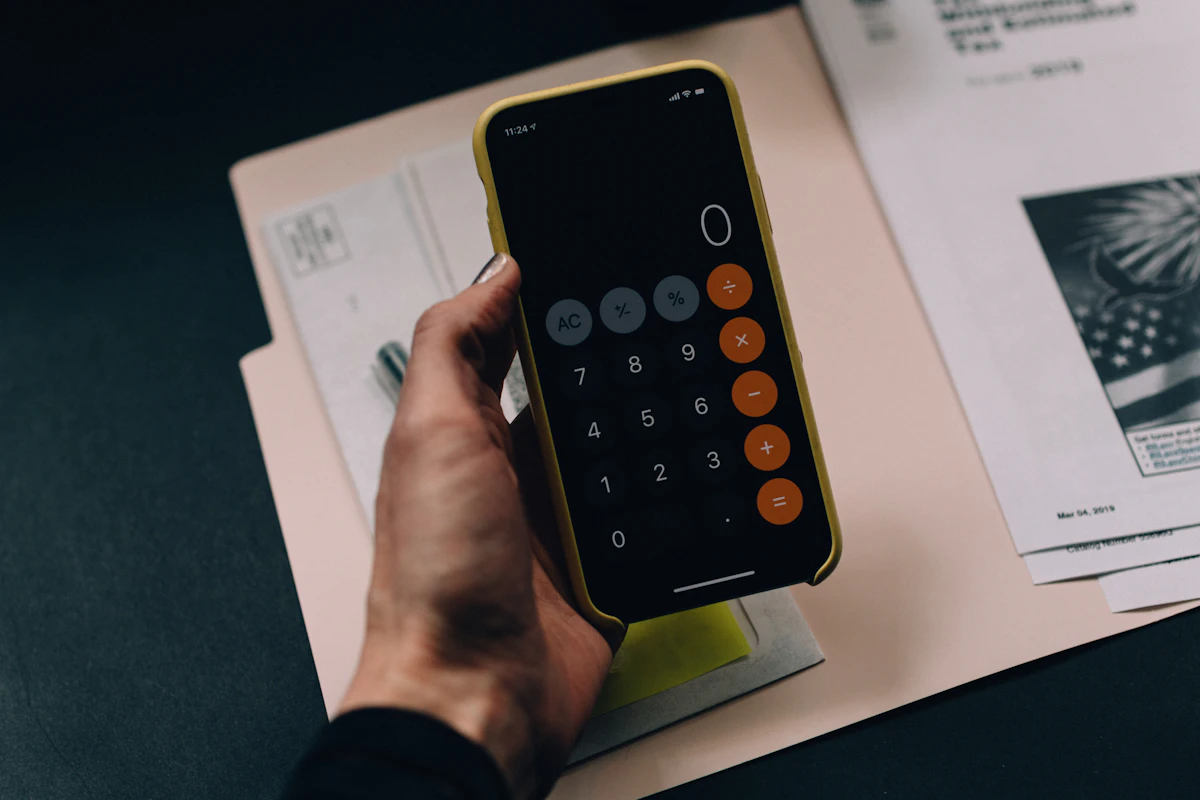
A good money mindset is less about earning a perfect income and more about giving the money you already have a clear job.
Reality: Nigerian households are making financial decisions in an environment where prices, interest rates, exchange rates and household obligations can change quickly.
Warning: A bigger income does not automatically produce financial security. Without a system, higher income can simply create more expensive habits.
Insight: My 2026 money mindset is therefore built around five questions: What must I spend? What must I protect? What should I save? What can I invest? And what am I willing to stop buying?
Quick Answer: What Should a Smart Money Mindset Look Like in 2026?
A smart money mindset in 2026 is not “save everything.”
It is not “invest everything.”
It is not “never enjoy your money.”
And it certainly is not “look rich so people know you are progressing.”
It is a decision system.
I will spend according to priorities, save according to purpose, invest according to risk and time horizon, borrow only when the mathematics makes sense, and protect my money from avoidable mistakes.
That sounds simple. In practice, it requires discipline because many financial decisions are emotional decisions disguised as ordinary purchases.
Table of Contents
- Why 2026 Requires a Different Money Mindset
- What a Money Mindset Really Means
- The Five Jobs Every Naira Should Have
- How I Will Spend Money Wisely
- The Nigerian Spending Leaks I Need to Watch
- My Practical 2026 Budget System
- How I Will Save
- How I Will Build an Emergency Fund
- How I Will Handle Debt
- How I Will Invest Wisely
- Why Inflation Changes the Investment Conversation
- Naira or Dollar: How I Will Decide
- How I Will Protect My Money From Scams
- How I Will Handle Family and Social Pressure
- How I Will Avoid Lifestyle Inflation
- My 20 Money Rules for 2026
- My 30-Day Money Reset
- The 60-Second Money Decision Framework
- Your 24-Hour Action
- Key Takeaways
- 15 Frequently Asked Questions
- Related Daily Reality NG Resources
- About the Author
Why 2026 Requires a Different Money Mindset
The Nigerian financial environment does not allow us to treat money exactly the way we did several years ago.
Prices have changed. Interest rates have changed. Digital financial products have multiplied. More Nigerians are earning money through online work, small businesses, freelance services and multiple income streams. At the same time, the cost of making ordinary mistakes has become more obvious.
As of the July 2026 Monetary Policy Committee meeting, the Central Bank of Nigeria retained the Monetary Policy Rate at 26.5%. That rate is not the same thing as a bank savings rate, but it tells us something important: Nigeria remains in a relatively high-interest-rate environment. Borrowing, saving and investing decisions therefore deserve more attention than simply leaving money wherever it has always been.
The lesson is not that everyone should immediately move money into an investment.
The lesson is that default behaviour is no longer good enough.
If prices rise, I want a reserve.
If my income falls, I want liquidity.
If investment markets fall, I want enough time horizon not to panic.
If my income increases, I want my lifestyle to rise more slowly than my financial capacity.
That is what resilience looks like.
What a Money Mindset Really Means
People often talk about a money mindset as though it means “thinking positively about money.”
That is too shallow.
A money mindset is the internal rulebook behind financial behaviour.
It determines what happens when you receive ₦100,000 unexpectedly.
Do you immediately spend it?
Do you send a portion to family?
Do you save everything?
Do you invest before paying an urgent bill?
Do you buy something because you genuinely need it, or because other people now expect you to have it?
Those decisions reveal your money mindset much more clearly than motivational quotes.
Four Money Mindsets I Want to Avoid
1. The “Money Must Be Spent” Mindset
Some people experience money as temporary. Once it arrives, the psychological question becomes, “What can I buy?”
The solution is to ask a different question:
2. The “I Deserve It” Mindset
You can deserve enjoyment and still decide not to buy something today.
Rest, enjoyment and reasonable spending are not financial failures. But using emotional exhaustion as a permanent justification for spending can quietly destroy financial progress.
3. The “Everyone Is Doing It” Mindset
Social media makes other people's spending visible without showing their debt, savings balance, family obligations, business losses or financial anxiety.
Comparing your private finances with somebody else's public lifestyle is a terrible financial calculation.
4. The “I Will Start When I Earn More” Mindset
Higher income helps, but it does not automatically create discipline.
If someone cannot control ₦100,000, receiving ₦500,000 does not guarantee control. It may simply create larger versions of the same problems.
The Five Jobs Every Naira Should Have
One of the most useful changes I can make is to stop treating money as one large pile.
Money becomes easier to manage when I give different portions different jobs.
| Money Job | Purpose | Question to Ask |
|---|---|---|
| Living | Food, transport, housing, utilities, data and necessary bills. | Do I actually need this to function? |
| Safety | Emergency reserves and protection against unexpected expenses. | Could I survive an income interruption? |
| Goals | Rent, education, equipment, business needs, planned purchases and other known future expenses. | What am I deliberately preparing for? |
| Growth | Long-term investments and productive assets. | Can this money remain invested long enough? |
| Joy & Giving | Entertainment, generosity, celebrations and discretionary spending. | Can I afford this without damaging another priority? |
The percentages are not fixed laws.
Someone paying rent in Lagos will have a different structure from someone living with family in a smaller city. A freelancer with irregular income will need a different safety buffer from someone with stable monthly employment.
The framework matters more than the exact percentages.
How I Will Spend Money Wisely
Spending wisely does not mean becoming miserable.
It means making sure that the things I buy do not quietly destroy the things I say I value.
Rule One: I Will Separate Needs From Wants
A need is an expense required for a basic obligation or clearly defined responsibility.
A want can still be worthwhile, but it is optional.
The important point is that “want” does not mean “bad.”
Entertainment can be a legitimate part of a healthy budget. Eating out can be legitimate. Buying clothes can be legitimate. Upgrading a phone can be legitimate.
The problem begins when optional spending is disguised as necessity.
Rule Two: I Will Delay Expensive Emotional Purchases
For a major non-essential purchase, I want a waiting period.
The larger the purchase, the longer the pause should be.
- Small discretionary purchase: pause if I am buying emotionally.
- Moderate purchase: wait at least 24 hours.
- Large purchase: compare alternatives, total cost and opportunity cost before paying.
- Major financial commitment: never decide under pressure from a salesperson, friend or online promoter.
Rule Three: I Will Calculate Total Cost, Not Sticker Price
A ₦200,000 purchase may not actually cost ₦200,000.
There may be transport, maintenance, data, accessories, repairs, subscriptions, delivery or financing charges.
The correct question is:
Rule Four: I Will Stop Calling Convenience Free
Convenience has a price.
Food delivery, repeated ride-hailing, impulse subscriptions, unnecessary transfers, frequent upgrades and small digital purchases may each feel insignificant.
But recurring small expenses are dangerous precisely because they do not feel dangerous.
The Nigerian Spending Leaks I Need to Watch
A budget can fail even when the major expenses are reasonable.
The problem may be the leaks between them.
- Unplanned data purchases caused by excessive streaming or downloads.
- Frequent transport upgrades that are treated as necessities.
- Daily snacks and drinks that were never included in the budget.
- Subscription services that are rarely used.
- Repeated small transfers to friends without tracking the total.
- Social events that become expensive because saying “no” feels embarrassing.
- Buying clothes or gadgets because of social pressure.
- Online shopping triggered by discounts rather than genuine need.
- Borrowing to fund consumption and then paying interest on yesterday's enjoyment.
- Emergency spending caused by failing to maintain basic household supplies.
The solution is not to eliminate every enjoyable expense.
The solution is to identify the expenses that happen repeatedly without being consciously chosen.
My Practical 2026 Budget System
I do not need a complicated spreadsheet to control my money.
I need a system I can repeat.
The Five-Bucket Method
Essentials
Housing, food, transport, utilities, communication, school obligations and other genuine necessities come first.
Safety
A portion goes toward building or maintaining an emergency reserve until the target is reached.
Goals
Planned expenses receive their own allocation so that they do not become emergencies later.
Growth
Long-term investments receive money only after the short-term financial foundation is strong enough.
Joy and Giving
Enjoyment and generosity are planned rather than allowed to consume whatever remains.
Example: A Hypothetical ₦300,000 Monthly Income
The following is an illustration, not a universal prescription.
| Bucket | Illustrative Amount | Purpose |
|---|---|---|
| Essentials | ₦180,000 | Core living costs |
| Safety | ₦45,000 | Emergency reserve |
| Goals | ₦30,000 | Planned future expense |
| Growth | ₦30,000 | Long-term investment after financial foundations |
| Joy/Giving | ₦15,000 | Discretionary spending and generosity |
The point is not that these exact numbers are “the Nigerian formula.”
The point is that the entire ₦300,000 receives a job before it starts disappearing.

A budget is not a punishment. It is a plan for deciding what your income should accomplish.
How I Will Save
Saving becomes easier when the purpose is clear.
“I want to save money” is weaker than:
- I am saving for rent.
- I am saving for an emergency fund.
- I am saving for professional equipment.
- I am saving for education.
- I am saving for a planned business expense.
Purpose reduces the temptation to spend because the money already has an identity.
I Will Separate Savings From Spending Money
If savings sit in the same place as everyday spending money, the account balance can create a false sense of wealth.
Seeing ₦500,000 in an account can make someone feel able to spend ₦100,000.
But if ₦350,000 is actually reserved for rent, the spendable balance was never ₦500,000.
I Will Automate What Can Be Automated
Discipline is useful. Automation is better when it is available.
If a savings transfer can happen shortly after income arrives, I do not have to rely entirely on what remains at the end of the month.
This is particularly important because spending expands to fill available money surprisingly quickly.
How I Will Build an Emergency Fund
An emergency fund is not an investment contest.
Its job is to protect me from being forced into bad financial decisions when life becomes inconvenient.
A broken phone may affect income.
A medical bill may arrive.
A client may delay payment.
A job may disappear.
A family responsibility may suddenly become urgent.
The emergency fund exists so that every unexpected problem does not automatically become debt.
My Emergency-Fund Sequence
Start with a small emergency reserve. The first goal is psychological and practical: prove that I can keep money untouched for emergencies.
Calculate essential monthly expenses. Do not calculate based only on salary. Calculate what I actually need to keep functioning.
Build toward three months. This creates a meaningful buffer for many households.
Consider six months or more where appropriate. Irregular income, dependants and unstable work may justify a larger reserve.
The emergency fund should prioritise liquidity and safety. It should not be placed in an instrument where I may be unable to access the money when the emergency actually happens.
How I Will Handle Debt
Debt is not automatically evil.
But debt should have a reason, a cost and an exit plan.
Three Questions Before Borrowing
- What exactly am I borrowing for?
- What is the total amount I will repay?
- What income will repay it?
The third question is often ignored.
A person may ask whether they can receive a ₦100,000 loan without asking how the monthly repayment will affect food, transport, rent and other obligations.
Approval is not the same thing as affordability.
Consumption Debt Deserves Extra Caution
Borrowing for something that disappears quickly can leave the repayment behind after the enjoyment is gone.
That is why I want to be particularly careful about borrowing for parties, fashion, entertainment, impulse purchases and lifestyle upgrades.
When I Already Have Debt
I will list every debt, its outstanding balance, repayment amount, interest or fees and due date.
Then I will stop treating debt as one large emotional problem and turn it into a sequence of numbers.
How I Will Invest Wisely
Investing is where a money mindset becomes particularly important because investment products can make people impatient.
Someone sees another person claim to have doubled money and suddenly wants the same result.
That is exactly when discipline becomes more valuable than excitement.
My Investment Order of Operations
- Understand my financial position.
- Protect urgent needs.
- Build appropriate emergency liquidity.
- Deal with expensive debt.
- Define the investment time horizon.
- Understand the product.
- Verify the operator.
- Invest only money I can leave invested for the required period.
I Will Match Investment Risk to Time Horizon
| Goal Horizon | Primary Concern | General Approach |
|---|---|---|
| Very short term | Access and preservation | Prioritise liquidity rather than chasing return. |
| Short to medium term | Balance between access, safety and return | Consider suitable savings/fixed-income options after understanding terms. |
| Long term | Growth and inflation protection | Consider diversified investments appropriate to risk capacity. |
| Speculative | Potential for substantial loss | Only money that can genuinely withstand loss should even be considered. |
What the SEC Says About Investment Products
The Securities and Exchange Commission explains that stocks represent ownership interests, while bonds represent debt. It also explains that collective investment schemes can pool investors' money and use professional management, with different structures and risks.
This matters because “investment” is not one single product.
A money-market fund, bond, stock, REIT or other collective investment product has a different risk profile and purpose.
I therefore will not ask, “What is the best investment?”
I will ask:

Investment decisions should begin with purpose, time horizon and risk—not with whichever return figure is trending online.
Why Inflation Changes the Investment Conversation
A savings balance can increase while purchasing power decreases.
This is one of the hardest concepts in personal finance because the bank statement may show growth while everyday life feels more expensive.
Suppose, purely as an illustration, that ₦1,000,000 earns 18% over a year and inflation over the same period is 15.43%.
The account balance becomes approximately ₦1,180,000 before taxes, fees or other adjustments.
But the real return is not simply 18% minus 15.43%.
A more precise approximation uses:
Using the illustration above: (1.18 ÷ 1.1543) − 1 ≈ 2.23%.
The example is not a promise that a particular Nigerian product will earn 18%, nor is it a forecast of future inflation. It simply demonstrates why the number printed on an investment statement is not the whole story.
The NBS is Nigeria's official statistical authority for CPI measurement, and its CPI methodology has undergone rebasing. Current inflation figures should therefore always be checked against the latest available NBS release rather than copied indefinitely from an old article.
Naira or Dollar: How I Will Decide
The question “Should I save in dollars?” is often asked as though the dollar is automatically superior.
That is too simplistic.
Currency should follow the future obligation.
| Future Need | Currency Logic | Reason |
|---|---|---|
| Rent payable in naira | Naira | The future obligation is in naira. |
| Local food and transport | Naira | These expenses are normally settled domestically. |
| Foreign tuition or legitimate overseas expense | Consider foreign-currency exposure | The future liability itself is currency-sensitive. |
| Imported equipment priced in dollars | Consider currency matching | Currency mismatch can create a funding gap. |
This is why currency diversification should not become another form of speculation.
I do not want to buy dollars simply because someone online predicts a particular exchange rate.
I want to understand what future expense or portfolio purpose the foreign currency serves.
How I Will Protect My Money From Scams
A strong money mindset is incomplete if it only teaches people how to grow money.
It must also teach them how not to lose it unnecessarily.
In May 2026, the SEC publicly warned Nigerians about unregistered online investment schemes and specifically cautioned against platforms promising unrealistic or guaranteed returns.
That warning is important because the most dangerous scam is not always the one that looks obviously fake.
Sometimes it looks professional.
It may have a website, logo, social-media account, testimonials and people confidently explaining the “opportunity.”
None of those things replaces regulatory verification.
My Six-Point Investment Scam Test
Who regulates it? Identify the relevant regulator.
Can I verify the operator independently? Use the regulator's official register rather than a screenshot supplied by the promoter.
Where does the return come from? If nobody can explain the underlying economic activity clearly, stop.
Is the return guaranteed? Be extremely cautious about claims of guaranteed high returns.
Am I being rushed? Urgency is not proof of legitimacy.
Can I afford to lose or lock the money? If the answer is no, the investment may be inappropriate even if legitimate.

Financial security is part of money management. Protecting an account can be just as important as choosing where to save.
How I Will Handle Family and Social Pressure
Nigerian personal finance cannot be discussed honestly without discussing family.
Many people have responsibilities beyond themselves.
Parents may need support. Younger relatives may ask for help. Weddings, funerals, naming ceremonies and other social obligations can create genuine financial demands.
The answer is not to become selfish.
The answer is to make generosity sustainable.
I Will Create a Giving Budget
If I know that family support is part of my financial life, I should plan for it.
This creates a boundary between generosity and financial self-destruction.
A person who sends ₦20,000 every week without planning may discover at the end of the month that they cannot pay an essential bill.
A person who allocates a defined amount to family support knows what they can comfortably give.
I Will Distinguish Emergencies From Expectations
Not every request has the same urgency.
A medical emergency is different from an invitation to finance somebody's lifestyle.
A genuine crisis may justify changing the budget.
A repeated pattern of dependency may require a conversation instead.
How I Will Avoid Lifestyle Inflation
Lifestyle inflation happens when income rises and expenses quietly rise with it.
Someone moves from a modest phone to an expensive phone.
Then from public transport to more frequent ride-hailing.
Then from occasional eating out to regular restaurant spending.
Then subscriptions, clothing, rent, gadgets and social expectations all rise together.
Eventually, the person's income has increased significantly but their financial freedom has barely improved.
My Income-Increase Rule
Whenever income rises, I want part of the increase to improve my financial position before the entire increase becomes a new recurring expense.
| Income Increase | First Question | Better Use |
|---|---|---|
| Small raise | What financial weakness needs attention? | Emergency fund, debt or essential goal. |
| Large increase | What portion should become permanent lifestyle? | Upgrade deliberately; save/invest the rest according to plan. |
| Windfall | Is this recurring or one-time money? | Treat one-time income differently from salary. |
My 20 Money Rules for 2026
- I will know how much money comes in.
- I will know where the money goes.
- I will not confuse account balance with spendable money.
- I will budget before spending, not after.
- I will save for known future expenses before they become emergencies.
- I will build an emergency reserve.
- I will treat debt as a commitment, not free money.
- I will calculate total borrowing cost before accepting a loan.
- I will not invest emergency money simply to chase a return.
- I will match investment risk to time horizon.
- I will verify investment operators through the appropriate regulator.
- I will not believe guaranteed high-return promises without independent verification.
- I will not give financial passwords, PINs or OTPs to anyone.
- I will not buy things simply because other people appear to own them.
- I will create room for enjoyment without pretending that every want is a need.
- I will make generosity sustainable.
- I will review my finances every week.
- I will review my financial goals every quarter.
- I will increase my savings or investment capacity when income grows.
- I will measure financial progress by resilience and net worth, not appearance.
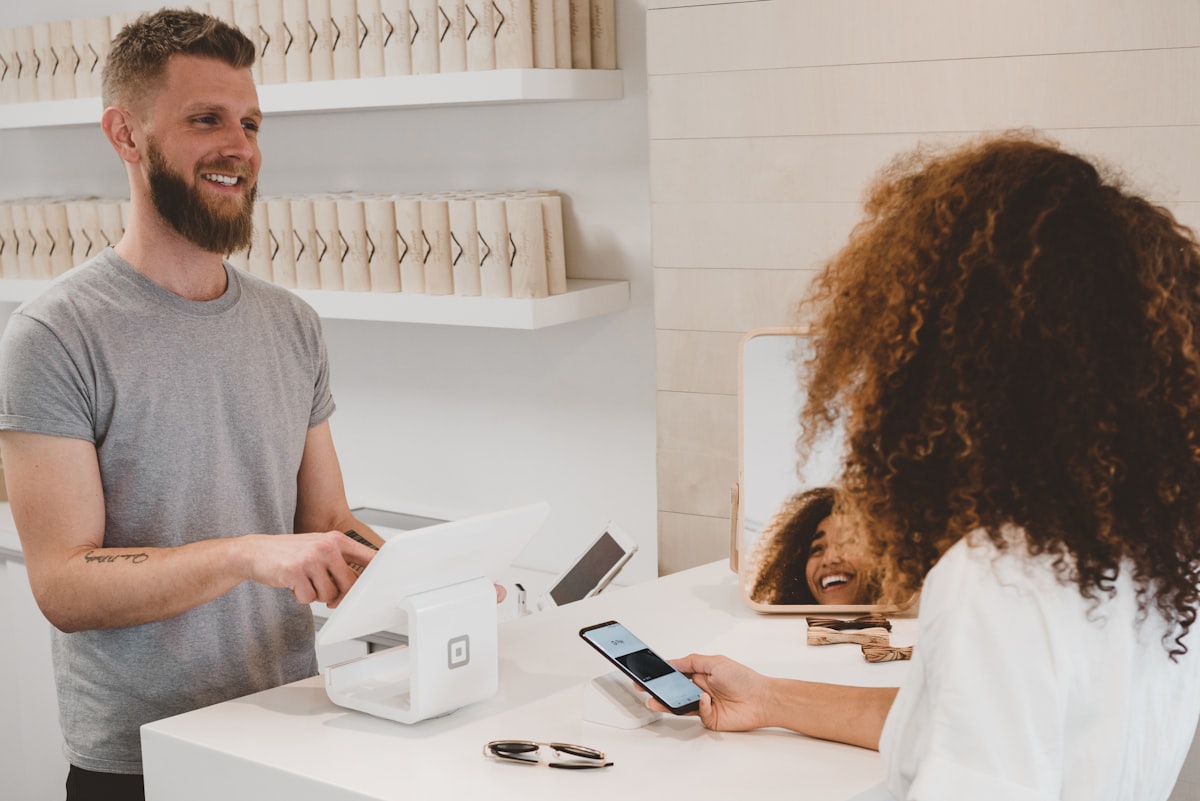
Digital finance makes it easier to move money, but convenience should never replace financial awareness.
My 30-Day Money Reset
If my financial situation is messy today, I do not need to solve my entire life in one weekend.
I can rebuild the system one week at a time.
Week One — Discover
- Record every expense.
- List every source of income.
- List all debts.
- Identify subscriptions.
- Calculate essential monthly expenses.
Week Two — Stop the Leaks
- Cancel unnecessary recurring expenses.
- Reduce impulse purchases.
- Set spending limits.
- Stop borrowing for avoidable consumption.
Week Three — Build Safety
- Start or strengthen the emergency fund.
- Separate goal money from spending money.
- Choose appropriate places for liquid savings.
Week Four — Build the Future
- Define long-term financial goals.
- Research suitable investments.
- Verify regulated operators.
- Decide how much can be invested consistently.
- Write down the reason for every investment.
The 60-Second Money Decision Framework
Before spending, borrowing or investing, I can ask six questions.
Purpose: What am I trying to accomplish?
Urgency: Does this decision actually need to happen now?
Affordability: Can I pay without damaging essentials or safety?
Opportunity cost: What else could this money accomplish?
Risk: What can go wrong?
Exit: If this decision goes badly, how will I recover?
If I cannot answer those questions, I do not necessarily need to reject the decision.
I need to slow down.
What Financial Safety Looks Like in Nigeria
Money management is also about understanding the institutions involved.
Bank Deposits and NDIC Protection
NDIC currently states that the maximum insured amount is ₦5 million for each depositor in an insured Deposit Money Bank and Primary Mortgage Bank, while the stated limit for Microfinance Banks is ₦2 million, subject to the applicable rules and aggregation provisions.
This is important because “my money is in an account” does not automatically mean every naira is covered without limit.
The specific institution, type of account and ownership capacity matter.
Capital-Market Investments Are Different
NDIC deposit insurance should not be confused with protection against losses in stocks, bonds, funds or other investments.
The SEC regulates Nigeria's capital market and provides investor information and operator-verification tools.
SEC registration is useful evidence of regulatory status, but it does not mean an investment cannot lose value.
What If My Bank Complaint Is Not Resolved?
The CBN's consumer-protection guidance says customers should first lodge complaints with their financial institution. Where the matter is not resolved within the applicable timeline, the complaint can be escalated to the CBN's Consumer Protection Department.
This is another part of financial literacy that people often overlook: knowing what to do when something goes wrong.
Your 24-Hour Action
Do not finish this article and immediately start searching for the next investment opportunity.
Do something much more useful.
Write down every source of income you currently have.
Write down your essential monthly expenses.
Check your last 30 days of spending and identify your five biggest leaks.
Calculate your emergency-fund balance.
List every outstanding debt and its total repayment cost.
Choose one spending habit to stop for the next seven days.
Choose one savings habit to automate or strengthen.
Write one sentence describing what you want your money to accomplish before December 31, 2026.
One Decision to Make Today
Open your banking records and find one expense that you have been paying for without consciously deciding whether it still deserves your money.
Decide whether it stays.
If it goes, redirect the money toward a defined financial goal.
Key Takeaways
- A money mindset is a decision system, not positive thinking.
- Higher income does not automatically create financial discipline.
- Every naira should have a job before it is spent.
- Needs, goals, emergency reserves, investments and enjoyment should not all come from one undefined pool.
- Emergency money should prioritise access and safety.
- Debt should always be evaluated by total repayment cost and affordability.
- Investing should follow purpose, time horizon and risk capacity.
- Inflation means nominal account growth is not necessarily real wealth growth.
- Naira-versus-dollar decisions should follow the future obligation rather than social-media predictions.
- Regulatory verification is a basic investment-safety habit.
- Generosity is easier to sustain when it is budgeted.
- Lifestyle inflation can consume income increases before they create financial security.
- The goal of a 2026 money mindset is not perfection. It is deliberate progress.
15 Frequently Asked Questions About Money Mindset in Nigeria
1. What is a money mindset?
A money mindset is the collection of beliefs, habits and decision rules that influence how you earn, spend, save, borrow, invest and give. It determines what happens when unexpected money arrives, when income rises or falls and when social pressure encourages spending. A strong money mindset turns financial behaviour into a deliberate system rather than a series of emotional reactions.
2. How can I spend money wisely in Nigeria in 2026?
Start by separating essential spending from discretionary spending and identifying recurring expenses that do not genuinely improve your financial position. Include Nigerian realities such as transport, food, rent, electricity, data, family obligations and irregular expenses. Before large purchases, calculate the total cost and ask what the money could accomplish elsewhere. Wise spending is about priorities, not refusing to enjoy life.
3. How much money should I save every month?
There is no universal percentage that fits every Nigerian income level and household. Someone with high rent and several dependants may have a smaller initial saving capacity than someone with low fixed costs. A better starting point is to establish a sustainable amount, automate it when possible and increase it when income grows. Consistency is more useful than selecting a percentage that repeatedly fails.
4. Should I save or invest first?
Basic financial safety should generally come before substantial investment risk. If you have no emergency reserve and you may need the money soon, investing it in a volatile or inaccessible product can create problems. Build liquidity for emergencies, address expensive debt and then invest money that genuinely has a suitable time horizon. Saving and investing are complementary rather than competing concepts.
5. How much should an emergency fund be in Nigeria?
A useful target for many households is approximately three to six months of essential expenses, but the appropriate amount depends on income stability, dependants and how easily you could replace lost income. Someone with irregular freelance earnings may need a larger reserve than someone with highly predictable income. Start with a smaller emergency fund if necessary and build it progressively rather than waiting until you can afford the perfect amount.
6. Is keeping all my money in a bank savings account a good strategy?
A bank account can be useful for payments, liquidity and short-term needs, but it may not be appropriate for every financial objective. Consider what the money is for, how quickly you need it, the interest earned, inflation, fees, applicable deposit protection and the risks associated with alternatives. The strongest financial system usually assigns different jobs to different portions of money instead of treating one account as the solution to everything.
7. Is investing the same as saving?
No. Saving generally prioritises accessibility and preservation for future spending, while investing accepts some level of risk in pursuit of longer-term growth or income. A person saving rent money for next month has a very different objective from someone investing retirement money for decades. Using the same product for both purposes can create liquidity or risk problems, so the purpose of the money should come first.
8. How can I avoid investment scams in Nigeria?
Verify the operator independently through the relevant regulator, understand what the investment actually owns or does, read the terms and be suspicious of guaranteed or unusually high returns. The SEC has specifically warned the public about unregistered online investment schemes. Never transfer money because a WhatsApp or social-media promoter creates urgency. Never disclose passwords, PINs or OTPs to someone claiming to be helping with an investment.
9. Should Nigerians save in naira or dollars?
The appropriate currency depends on the future obligation. If your upcoming expenses are in naira, keeping the relevant funds in naira reduces unnecessary conversion risk. If you have a genuine future foreign-currency obligation, foreign-currency savings or investments may provide a better currency match. The decision should not be based solely on fear that the naira will weaken or on predictions made by people online.
10. What should I do before investing in stocks or funds?
Identify your objective and time horizon first. Then research the investment's risk, fees, liquidity, underlying assets and potential for loss. Verify the operator through the relevant regulator, particularly for Nigerian capital-market activities. Remember that regulatory registration does not turn an investment into a guaranteed product. You still need to understand what you are buying and whether you can tolerate the outcome if the market moves against you.
11. How do I stop lifestyle inflation?
Decide in advance how income increases will be divided. Instead of allowing every additional naira to become a permanent expense, use part of the increase to strengthen emergency savings, reduce debt, fund important goals or build long-term assets. You can still improve your lifestyle, but make upgrades deliberate. The objective is to make financial security grow faster than recurring lifestyle commitments.
12. How can I manage family financial pressure?
Recognise family support as a real part of your financial life and create a defined amount for it. Separate genuine emergencies from recurring expectations and avoid borrowing merely to maintain an image of generosity. A sustainable helping system is better than repeatedly giving money you cannot afford and then becoming financially dependent yourself. Clear boundaries can protect both your finances and your relationships.
13. What is the best money habit to start in 2026?
Give your money a job before it arrives or immediately after receiving it. A weekly money review can show what was spent, what remains, what needs to be saved and what needs attention. Combine that review with automatic saving and written goals. The habit is powerful because it replaces vague intentions such as “I should save more” with a repeatable process that can be measured.
14. Can I start investing with a small amount of money?
Small amounts can be useful for learning and developing consistency, but the amount should come from money that is genuinely available for investment. Do not divert money needed for food, rent, emergencies or essential debt repayments merely to create the appearance of being an investor. The first objective is to establish a sound financial foundation. Investment contributions can then grow as income and financial capacity improve.
15. What should my 2026 money plan look like?
A practical plan should cover essential living expenses, emergency safety, defined short-term goals, long-term wealth building and controlled discretionary spending or giving. The proportions should reflect your actual income and obligations rather than an internet formula. Review the plan regularly because income, prices, family responsibilities and financial goals change. The best plan is one that you can maintain through both good months and difficult ones.
Editorial Verification and Source Notes
This article uses primary Nigerian institutional sources for regulatory claims wherever possible.
- Central Bank of Nigeria: Monetary-policy information and consumer-protection guidance.
- Securities and Exchange Commission Nigeria: Investor guidance, registered-operator verification and warnings concerning unregistered online investment schemes.
- Nigeria Deposit Insurance Corporation: Deposit-insurance limits and depositor-protection information.
- National Bureau of Statistics: Official Nigerian CPI and inflation statistics.
Financial rates, investment returns, platform fees, exchange rates and product conditions can change. Readers should verify current figures directly with the relevant institution before making a financial decision.
The Real 2026 Money Mindset: Build a System, Not a Fantasy
I do not need to become a financial expert overnight.
I need to stop making important financial decisions casually.
That is the heart of the 2026 money mindset.
I will spend, but I will know why.
I will save, but I will give my savings a purpose.
I will invest, but I will understand the risk before chasing the return.
I will help family, but I will not pretend that my resources are unlimited.
I will enjoy money, but I will not allow temporary enjoyment to consume long-term security.
I will watch inflation, interest rates and the wider Nigerian economy, but I will not build my entire financial life around predicting what happens next.
Most importantly, I will measure progress differently.
That is the mindset I want to carry through 2026.
About the Author
 Samson Ese
Founder & Editor-in-Chief, Daily Reality NG
Samson Ese is the founder and editor of Daily Reality NG, an independent Nigerian digital publication covering personal finance, fintech, business, technology, law and everyday Nigerian realities.
Daily Reality NG's financial articles are designed to combine Nigerian context, practical decision-making and primary-source verification rather than simply repeat generic financial advice.
Financial disclaimer: This article is for general educational and informational purposes. It is not personalised financial, investment, tax or legal advice. Investment values can rise or fall, financial products can change, and individual circumstances differ. Verify current terms, rates, fees, regulatory status and product conditions directly with the relevant institution before committing money.
Official Sources
- Central Bank of Nigeria
- CBN Consumer Complaint Lodgment
- Securities and Exchange Commission Nigeria
- SEC Registered Operator Directory
- SEC Public Notice on Unregistered Online Investment Schemes
- SEC Investor FAQs
- SEC Collective Investment Scheme FAQs
- NDIC Frequently Asked Questions
- National Bureau of Statistics


Comments
Post a Comment