Politics 2026, Power Shifts & Public Sentiments in Nigeria
Politics 2026: Power Shifts & Public Sentiments in Nigeria
Welcome to Daily Reality NG, where we break down real-life issues with honesty and clarity. If you've been watching Nigerian politics in 2026 and trying to make sense of what's actually happening — beyond the press releases, the party propaganda, and the social media noise — then this is for you. We're looking at the real power shifts, the changing public mood, and what it all means for everyday Nigerians who just want good governance and a better country.
I'm Samson Ese, the founder of Daily Reality NG. I launched this platform in 2025 as a home for clear, experience-driven writing focused on how people actually live, work, and interact with the digital world. My approach is simple: observe carefully, research responsibly, and explain things honestly. Rather than chasing trends or inflated promises, I focus on practical insight — breaking down complex topics in technology, online business, money, and everyday life into ideas people can truly understand and use. Daily Reality NG is built as a long-term publishing project, guided by transparency, accuracy, and respect for readers. Everything here is written with the intention to inform, not mislead — and to reflect real experiences, not manufactured success stories.
The Conversation at Ojuelegba Bus Stop (Where Politics Gets Real)
January 2026. I'm standing at Ojuelegba waiting for a bus to CMS, and there are about fifteen people around me — traders, office workers, students, artisans. Someone's phone is playing news about the latest cabinet reshuffling. And that's when the argument started.
"This government dey try sha," one man said. "At least fuel subsidy removal go save money for long term."
"Save money ke?" another person shot back. "Me wey dey spend ₦60,000 on transport every month now, you dey tell me make I wait for long term? I wan survive this short term first!"
A woman selling oranges joined in: "All of una dey talk politics like say e concern the politicians whether we suffer or not. Dem go do wetin dem wan do. Our own na to survive."
That fifteen-minute bus stop conversation captured what's happening in Nigerian politics in 2026 better than any news analysis I've read. The divisions. The frustrations. The fatigue. The hope that keeps fighting cynicism. The sense that something is shifting, even if nobody's quite sure what or how.
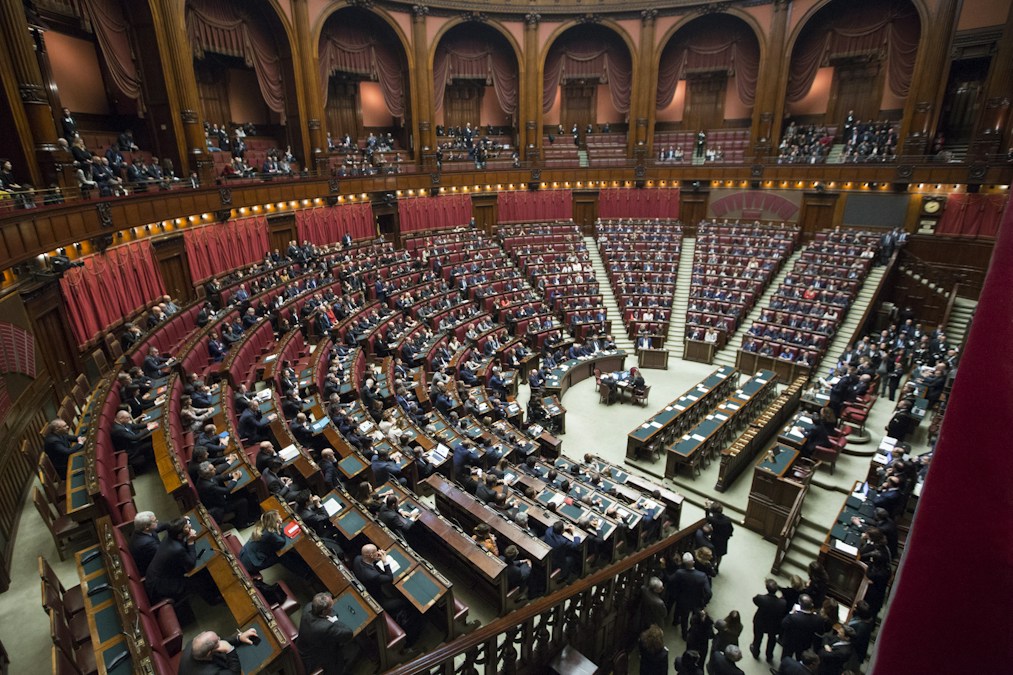
Before I go deeper, let me say this clearly: I'm not a card-carrying member of any political party. I didn't vote for Tinubu. I also didn't vote against him. My job here isn't to defend or attack any administration. It's to observe what's actually happening, separate signal from noise, and help you understand the political landscape as it truly exists — not as we wish it were.
Quick Navigation
- Tinubu's Administration: The Reality Beyond Party Lines
- Power Dynamics: Who's Actually Winning and Losing
- The Public Mood: What Nigerians Actually Think
- Opposition Politics: Noise vs. Substance
- The Youth Factor: From #EndSARS to Political Apathy
- State-Level Politics: Where Real Power Often Lives
- Looking Ahead: 2027 and Beyond
- Key Takeaways
- Frequently Asked Questions
Tinubu's Administration: The Reality Beyond Party Lines
Let's start with what we can actually verify, not what political operatives want us to believe.
President Bola Tinubu took office on May 29, 2023. We're now over two and a half years into this administration. According to Vanguard News analysis and official government data, here's what has actually happened — the good, the bad, and the complicated.
The Bold Moves That Shaped Everything
On his inauguration day, Tinubu announced fuel subsidy removal. Not next month. Not next year. Immediately. "Subsidy is gone," he said. Those three words changed Nigerian economics overnight.
Within weeks, he also floated the naira, ending the multiple exchange rate system that had created massive arbitrage opportunities for connected elites while strangling legitimate businesses.
These weren't popular decisions. They couldn't be. Removing subsidy meant petrol prices jumping from ₦185 to over ₦600 per liter within months. Floating the naira meant exchange rates hitting ₦1,500 to $1 at various points. Regular Nigerians felt immediate pain.
💡 Example 1: The Economic Reform Trade-Off
Government's Argument: Nigeria was spending ₦6.5 trillion annually on subsidies (more than health and education combined). This was unsustainable. The money saved would go to infrastructure, education, healthcare. Short-term pain for long-term gain.
Citizens' Reality: Transport costs doubled or tripled. Food prices surged. Cost of living became unbearable for many. The promised palliatives were insufficient or poorly distributed. People needed to survive today, not wait for long-term benefits that felt theoretical.
This is the central tension in Nigerian politics right now. Are these reforms necessary medicine that will eventually heal the economy? Or are they ideologically driven policies that ignore the human cost?
Honest answer? It's probably both. And that's what makes evaluating this administration so complicated.
What's Actually Working (According to Verifiable Data)
Let's look at what can be objectively measured:
- **Foreign investment:** Nigeria attracted $6.8 billion in foreign direct investment in Q3 2025, highest in four years (Source: National Bureau of Statistics)
- **Revenue:** Federal government revenue increased by 42% year-on-year in 2025, partly from subsidy removal savings
- **Crude oil production:** Increased to 1.7 million barrels per day by end of 2025, up from 1.2 million in mid-2023
- **Forex reserves:** Grew from $33 billion in May 2023 to over $40 billion by January 2026
These are real improvements. They matter for macroeconomic stability.

What's Not Working (The Elephant in Every Room)
But here's the other side, equally important:
- **Inflation:** Hit 28.2% by December 2025, making life significantly harder for average Nigerians
- **Unemployment:** Youth unemployment remains above 40% officially, likely higher unofficially
- **Purchasing power:** Minimum wage increase to ₦70,000 was quickly eroded by inflation; real wages are down
- **Insecurity:** Banditry, kidnapping, and insurgency persist in multiple regions despite military operations
- **Power supply:** Still abysmal; most Nigerians don't have reliable electricity despite promises
⚠️ The Disconnect That Matters: Macroeconomic indicators improving while microeconomic reality worsens for most people creates a credibility problem. When government officials cite GDP growth or increased foreign investment, and people respond "but I can't afford to eat three meals a day anymore," there's a fundamental disconnect. Both things can be true simultaneously. And that's the political challenge — how do you govern for long-term economic health while people are suffering short-term? This administration hasn't figured that out yet.
Power Dynamics: Who's Actually Winning and Losing in 2026
Nigerian politics has always been about power — who has it, who wants it, who's losing it. Let's look at the current landscape honestly.
APC: Dominant But Internally Fractured
The All Progressives Congress controls the presidency, majority in National Assembly, and most governorships. On paper, they're Nigeria's dominant political force.
In reality? The party is a coalition of competing interests barely held together. You have:
- The "Lagos bloc" (Tinubu loyalists who feel they should dominate)
- The "Buhari legacy group" (who resent being sidelined)
- Regional power brokers (who'll support whoever protects their interests)
- Opportunists (who joined APC only to access power, no real ideology)
This internal friction shows in policy delays, contradictory statements from different party leaders, and occasional public spats that get quickly managed but never truly resolved.
PDP: Struggling to Find Relevance
The People's Democratic Party, which ruled Nigeria for 16 years (1999-2015), is in serious crisis. They lost 2015. Lost 2019. Lost 2023. That's three consecutive presidential elections.
Currently, PDP's main problem isn't policy — it's identity. What do they stand for besides "we're not APC"? Ask ten PDP members and you'll get ten different answers.
They control some key states (Rivers, Bayelsa, Adamawa, etc.), but there's constant infighting over leadership, strategy, and who speaks for the party. As of February 2026, they still haven't fully resolved their internal leadership disputes.
💡 Example 2: The Opposition's Effectiveness Problem
When fuel subsidy was removed in May 2023, PDP issued strong statements condemning the policy. But when pressed for their alternative solution, responses were vague. "Gradual removal." "Better management." "Refineries first."
The problem? PDP had been in power for 16 years and never removed subsidy either, despite knowing it was unsustainable. Their criticism rings hollow because they lacked the political will to make the same tough decision when they had the chance. This is the credibility gap Nigerian opposition parties face.
Labour Party: The "Third Force" Fading Fast
Peter Obi's Labour Party energized millions in 2023, especially young Nigerians tired of the "big two" parties. The "Obidient" movement felt like something genuinely new.
Fast forward to 2026, and the energy has dissipated significantly. Why?
- Court cases challenging 2023 election results went nowhere (as most Nigerians expected)
- Internal party squabbles over structure and leadership emerged
- No clear opposition strategy beyond criticism
- Many "Obidients" have returned to political apathy or focused on personal survival
The harsh truth about Nigerian politics: enthusiasm alone doesn't sustain political movements. You need organization, resources, strategy, and time. Labour Party had the first. They're still working on the rest.
The Real Power: The "Deep State" (For Lack of Better Term)
Beyond party politics, Nigeria has entrenched interests that influence governance regardless of who's president:
- **Business elite:** The handful of families/individuals who control significant sectors of the economy
- **Security apparatus:** Military and intelligence leadership with their own institutional interests
- **Traditional rulers:** Still wield significant influence in many regions
- **Religious leaders:** Can mobilize millions, politicians ignore them at their peril
- **International actors:** IMF, World Bank, foreign governments with their own agendas
Understanding Nigerian power dynamics in 2026 means recognizing that elected officials operate within constraints set by these various power centers. It's more complex than "president makes decision, country follows."
🔍 Did You Know?
According to research by the Nigerian Political Science Association, voter turnout in Nigeria has been declining steadily: 53.7% in 1999, 43.65% in 2015, 36.7% in 2019, and just 29% in 2023. This represents one of the lowest voter participation rates in democratic Africa. The trend suggests growing political disengagement — people don't believe their votes matter enough to participate. This creates a governance legitimacy crisis where leaders govern populations that largely didn't vote for them and feel increasingly disconnected from the political process.
The Public Mood: What Nigerians Actually Think (Beyond Twitter Noise)
Social media gives us one picture of public sentiment. Ground reality often tells a different story. Let's separate signal from noise.
The Sentiment Divide: Class and Geography Matter
How Nigerians feel about current politics depends heavily on where they are and what their life looks like:
💡 Example 3: Three Nigerians, Three Political Realities
Chinedu (Investment Banker, Lagos): "The naira float is painful short-term, but it's necessary. We can't keep running multiple exchange rates. Foreign investors are coming back. I see deals happening again. Government is finally making tough decisions."
Amina (Teacher, Kaduna): "I don't care about macroeconomic policy. My salary was ₦80,000 before, now it's ₦100,000. Sounds good until you realize my monthly expenses went from ₦70,000 to ₦140,000. I'm poorer than I was two years ago. The government has failed us."
Emeka (Okada Rider, Asaba): "All these politicians na the same. APC, PDP, Labour — dem all dey thief. My concern na to survive today. Politics no concern me again. Make dem do wetin dem wan do."
These aren't made-up characters. These are composite representations of actual conversations I've had across Nigeria over the past year. The sentiment divide is real and growing.

Cynicism vs. Hope: The Emotional Tug-of-War
There's a fascinating tension in Nigerian public sentiment right now. People are simultaneously:
- **Deeply cynical** about politicians' motives and ability to change anything
- **Desperately hopeful** that somehow, some way, things will get better
- **Exhausted** from years of economic pressure and political disappointment
- **Resilient** in finding ways to survive and even thrive despite everything
Walk through any Nigerian market, motor park, or office and you'll hear these contradictions in the same conversation, sometimes from the same person.
"This country is finished" followed minutes later by "but we go make am" — that's the Nigerian emotional reality in 2026.
The Social Media Echo Chamber vs. Ground Reality
If you only followed Nigerian Twitter (X), you'd think the entire country is ready to revolt tomorrow. Rage tweets get thousands of retweets. Every government policy is "the worst thing ever." Opposition figures are heroes fighting tyranny.
Step offline, and the picture is more nuanced. Most Nigerians aren't on Twitter. Many don't even have regular internet access. Their concerns are more immediate: "How do I pay school fees? Where can I buy cheaper rice? Is the road to my village passable?"
This doesn't mean social media sentiment doesn't matter — it does, especially among urban youth and educated demographics. But it's a mistake to confuse Twitter trends with nationwide public opinion.
💚 The Silver Lining: Despite economic hardship and political disappointment, Nigerian civic consciousness is actually growing. More people understand their rights. More people question authority. More people know that "this is how things are" is not an acceptable answer. The #EndSARS movement in 2020 fundamentally shifted how young Nigerians view power. That shift hasn't reversed, even if it hasn't yet translated into electoral success. Seeds of deeper democratic culture are being planted, even as we struggle with governance failures.
Opposition Politics: Noise vs. Substance
Let's talk about what opposition actually means in Nigerian politics right now.
The Critique Problem: What Are You Actually Proposing?
Nigerian opposition parties are great at pointing out problems. This government is doing X wrong. That policy is failing. These appointees are incompetent.
Fair enough — that's opposition's job. But here's where it breaks down: when you ask "okay, what would you do instead?" the answers are usually vague platitudes.
"Better governance." "True federalism." "Restructuring." "Accountability."
These aren't policies. They're slogans. Voters need to know: if you were in power tomorrow, what specific things would you do differently? With what resources? At what timeline? What trade-offs are you willing to make?
Until Nigerian opposition moves from critique to credible alternative policy platforms, they'll struggle to win power nationally.
💡 Example 4: The Subsidy Debate Shows the Opposition's Weakness
Every opposition party condemned subsidy removal. Fair — it hurt Nigerians badly. But when journalists asked opposition leaders "would you restore subsidy if you came to power?", watch how they dodge:
"We would manage it better."
"We would remove it gradually."
"We would fix refineries first."
"We would ensure adequate palliatives."
Notice what's missing? A yes or no answer. Because they know subsidy was unsustainable. They know it had to go eventually. But admitting that would mean agreeing with the government, which opposition can't do. So they criticize execution while avoiding taking a clear stance on the policy itself. This is why many Nigerians see opposition as unserious.
Coalition Building: Still a Struggle
Nigeria's fragmented opposition keeps talking about "coalitions" and "mergers" to challenge APC. Sounds good in theory.
In practice? Ego clashes, regional distrust, and "who will be the presidential candidate" arguments kill these efforts before they begin.
As of February 2026, there's talk of PDP and Labour Party exploring cooperation for 2027. But similar talk happened in 2022 ahead of 2023 elections, and nothing materialized. Until opposition leaders prove they can put collective interest above personal ambition, these coalition talks remain just that — talk.
The Youth Factor: From #EndSARS to Political Apathy (And Maybe Back Again?)
October 2020. #EndSARS protests. Millions of young Nigerians took to the streets demanding police reform and better governance. It felt like a political awakening.
February 2026. Where's that energy now?
Honest answer: mostly dissipated. But not entirely gone.
Why Youth Political Engagement Collapsed
- **Lekki Toll Gate shooting** (October 20, 2020) traumatized a generation and sent a message: protest at your peril
- **2023 election disappointment:** Many young people voted for first time, believed their votes counted, then watched results they didn't trust get declared
- **Economic survival:** When you're struggling to afford rent and food, political activism becomes a luxury
- **Japa movement:** Thousands of young, educated, politically aware Nigerians have left the country, taking their civic energy with them

But here's what people miss: political consciousness, once awakened, doesn't fully sleep again. Young Nigerians who protested in 2020, who voted in 2023, who've been following politics closely — they're not the same people they were before.
The energy might be dormant now. But it can be reignited. The question is what will trigger it.
💡 Example 5: The Student Loan Scheme — Hope or Hype?
Government launched the Student Loan Scheme in 2024, promising to help Nigerian students access higher education without upfront payment. This could be genuinely transformative.
As of early 2026, implementation has been slow. Many students report difficulty accessing loans. Requirements are complex. Disbursement is limited.
This is a microcosm of Nigerian governance: good policy ideas poorly executed. If government gets this right and thousands of students actually benefit, it could rebuild some youth trust in government. If it becomes another unfulfilled promise, it deepens cynicism. As of now, we're still waiting to see which way it goes.
State-Level Politics: Where Real Power Often Lives
Everyone focuses on Abuja. But for most Nigerians, state governments affect daily life more directly than federal government.
Your child's public school? State government. The road to your house? Likely state government. Healthcare center in your community? State government. Local security? Increasingly state-driven (Amotekun in Southwest, Ebubeagu in Southeast, etc.).
The Governance Variation Across States
Nigeria essentially has 36 different political realities. Some governors are performing, some are coasting, some are outright failing. And party affiliation doesn't predict performance.
APC governors in some states are delivering infrastructure and services. In other states, they're invisible except during elections. Same with PDP governors. Labour Party's few governors are still too new to judge definitively.
What matters more than party? Individual governor's competence, genuine commitment to service, and ability to manage limited resources effectively.
2027 Gubernatorial Elections: The Real Battleground
While everyone talks about 2027 presidential elections, the gubernatorial races might be more consequential for everyday Nigerian life in 2026 and beyond.
Several current governors are term-limited. New leadership could mean real change — for better or worse — in how states are governed. And unlike presidential elections where rigging is harder to execute completely, state elections can be heavily manipulated by incumbents.
That's why strong, independent state electoral processes matter. Nigeria doesn't have them yet. INEC (Independent National Electoral Commission) is nominally independent but effectively controlled by whoever's in power federally.
Looking Ahead: 2027 and Beyond
Let's be realistic about what we can expect politically in the next 12-18 months.
What Will Likely Happen
- **Tinubu will likely run again:** Despite health concerns speculation, incumbency advantage is huge in Nigeria
- **Opposition fragmentation continues:** Unless something dramatic changes, PDP and Labour Party won't merge effectively
- **Economic policies stay mostly unchanged:** Whether we like them or not, the reform direction is set
- **Insecurity persists:** No quick fixes available; this is a long-term challenge
- **Voter apathy remains high:** Unless something dramatically mobilizes voters, turnout will likely stay low
What Could Change Everything
But politics is unpredictable. Events that could shift the entire landscape:
- **Major economic breakthrough:** If inflation genuinely drops and people feel relief, political dynamics shift
- **Security deterioration:** If insecurity spreads to previously safe areas, all bets are off
- **Unexpected political realignment:** A genuine coalition or major defection could create real competition
- **Youth remobilization:** Another catalyst event could bring young voters back to politics in force
- **International pressure:** Economic sanctions or major foreign policy shifts could force domestic changes
Nigerian politics in 2026 is a story still being written. The ending isn't predetermined.
🔑 Key Takeaways
- Tinubu's administration shows mixed results: macroeconomic indicators improving (foreign investment up, reserves growing) while microeconomic reality worsens for average Nigerians (inflation high, purchasing power down).
- Power dynamics show APC dominant but internally fractured, PDP struggling for relevance and identity, and Labour Party's momentum from 2023 significantly faded by 2026.
- Public sentiment is divided by class and geography — business elites see necessary reforms, middle class feels squeezed, lower income groups focus on daily survival over political ideology.
- Opposition parties effective at critique but weak on proposing credible alternative policies with specific implementation plans, timelines, and acknowledged trade-offs.
- Youth political engagement collapsed after 2020 EndSARS trauma and 2023 election disappointment, but underlying political consciousness remains and could be reignited by right catalyst.
- State-level governance varies dramatically regardless of party affiliation — individual governor competence matters more than party platform for actual service delivery.
- 2027 elections likely to see incumbent advantage, continued opposition fragmentation, and low voter turnout unless unexpected events shift political dynamics significantly.
📚 Encouraging Words from the Writer
1. Political awareness isn't weakness — it's the first step to demanding better. Even when you feel powerless, understanding power dynamics helps you make smarter personal and collective decisions.
2. Your vote matters even when it feels like it doesn't. Low turnout is exactly what bad leaders want — it makes manipulation easier. Every vote withheld is a vote for the status quo.
3. Political change in Nigeria will be gradual, frustrating, and nonlinear. But it's happening. Compare governance discourse now to 20 years ago — citizens are more demanding, media is more assertive, accountability expectations are higher.
4. Don't let political disappointment blind you to progress where it exists. Some states are genuinely better governed than others. Some policies actually work. Acknowledge improvements while demanding more.
5. Your political education is your power. Read beyond headlines. Question narratives. Seek multiple perspectives. Informed citizens are harder to manipulate.
6. State and local politics matter as much as federal. Who's your state assemblyman? Your local government chairman? These people affect your daily life directly. Hold them accountable.
7. Nigeria's political future depends on ordinary citizens refusing to accept "this is how things are" as an answer. Every generation that demands better makes it slightly harder for bad leadership to thrive.
💬 Motivational Quotes from Daily Reality NG
"Political cynicism is understandable, but permanent political apathy is self-defeating. The gap between the two is where citizenship lives." — Samson Ese
"The best time to start demanding better governance was yesterday. The second best time is today. Waiting for perfect conditions means waiting forever." — Daily Reality NG
"Understanding power doesn't give you power instantly. But ignorance of power guarantees you'll never have it. Knowledge is the prerequisite for change." — Samson Ese
"Nigerian politics will frustrate you, exhaust you, sometimes break your heart. But disengaging completely means surrendering your future to people who don't have your interests at heart." — Daily Reality NG
"The political elite bet on your exhaustion, your cynicism, your belief that nothing will change. Prove them wrong by staying engaged, informed, and demanding." — Samson Ese
🌟 Inspirational Quotes from Daily Reality NG
"Every democratic breakthrough in human history came from ordinary people who refused to accept that 'this is just how things are.' You're part of that lineage whether you know it or not." — Daily Reality NG
"The EndSARS generation hasn't disappeared. They're working, building, surviving. But the consciousness awakened in October 2020 doesn't sleep forever. It's waiting for the right moment." — Samson Ese
"Nigerian resilience isn't just about surviving bad governance. It's about maintaining enough hope to keep pushing for better, even when progress feels impossibly slow." — Daily Reality NG
"The leaders we deserve aren't the leaders we elect through rigged systems. They're the leaders we'll get when enough of us refuse to accept the status quo." — Samson Ese
"Political change isn't a switch you flip. It's a muscle you build through consistent engagement, informed voting, and refusal to let disappointment become permanent apathy." — Daily Reality NG
Frequently Asked Questions (FAQ)
Is Tinubu's economic reform strategy working or failing?
The honest answer is both, depending on what metrics you use. Macroeconomic indicators like foreign investment, forex reserves, and government revenue show improvement. Microeconomic reality for average citizens shows deterioration through high inflation, reduced purchasing power, and increased cost of living. The reforms may position Nigeria better long-term, but short to medium-term pain is severe and unevenly distributed. Whether you view this as success or failure often depends on your economic position and whether you can afford to wait for long-term benefits.
Why is voter turnout so low in Nigeria if people are unhappy with governance?
Multiple factors drive low turnout: widespread belief that elections are rigged regardless of votes cast, economic survival taking priority over political participation, disappointment from previous elections where votes seemed not to matter, security concerns in some regions making voting dangerous, and general exhaustion from years of unfulfilled political promises. Additionally, many Nigerians don't believe changing leaders will fundamentally change governance because they see the same elite circulating through different parties. This creates a self-fulfilling prophecy where low turnout actually makes manipulation easier.
Can opposition parties realistically defeat APC in 2027?
Possible but unlikely under current conditions. Opposition would need several things to happen: genuine merger or coalition reducing vote splitting, credible alternative policy platform beyond just criticism, massive voter mobilization reversing apathy trend, and either significantly improved electoral integrity or ability to protect votes despite manipulation attempts. As of early 2026, none of these conditions are met. Opposition parties remain fragmented, focused more on attacking government than proposing alternatives, and haven't demonstrated ability to mobilize voters at scale. Incumbency advantage in Nigeria is substantial, especially with state apparatus available for use during elections.
What happened to the political energy from the EndSARS movement?
The energy dissipated but the consciousness shift remains. Lekki Toll Gate shooting traumatized participants and sent chilling message about protest consequences. Many young activists faced harassment, some lost jobs, others left Nigeria entirely through Japa movement. 2023 election disappointment when many voted for first time but felt results were manipulated further dampened enthusiasm. Economic pressure forced survival focus over political activism. However, the fundamental shift in how young Nigerians view authority and their rights hasn't reversed. The movement proved mass mobilization is possible and showed government vulnerability to sustained pressure. That knowledge remains even as active participation decreased. The energy could reignite with right catalyst or issue that affects enough people simultaneously.
Does party affiliation matter more than individual politician competence in Nigerian governance?
Evidence suggests individual competence matters more than party platform, especially at state level. Some APC governors deliver excellent governance while others are invisible. Same pattern exists in PDP-controlled states. What distinguishes performing states from failing ones is usually governor's genuine commitment to service, management competence, and ability to prioritize limited resources effectively. Party manifestos rarely translate to actual governance differences because most politicians switch parties based on convenience rather than ideology. Nigerian politics remains more personality-driven than policy-driven, which is both a weakness in terms of institutional development and a reality voters should account for when making choices.

⚖️ Disclosure
I want to be completely transparent with you about this article. Everything written here comes from my observations of Nigerian politics, conversations with people across different states and economic backgrounds, publicly available data from sources like the National Bureau of Statistics and credible Nigerian news organizations, and my commitment to presenting political realities as they exist rather than as any party wants them portrayed. I have no financial relationship with any political party, candidate, or organization mentioned in this piece. My only agenda is helping you understand the political landscape clearly enough to make your own informed judgments. When I cite statistics or claims, I've verified them against reliable sources. Where I offer opinions, I've labeled them as such. Your trust matters more to me than any potential benefit from political bias.
⚠️ Disclaimer
This article provides general political analysis and civic education based on publicly available information, personal observation, and documented events as of February 2026. Political situations evolve rapidly, and some details may change after publication. This content is for informational purposes only and should not be construed as political endorsement, legal advice, or professional consultation on electoral matters. Individual political decisions should be made based on your own research, values, and circumstances. For specific legal questions about voting rights, electoral processes, or political participation, consult appropriate legal experts or official electoral bodies like INEC. Always verify political claims independently and consider multiple perspectives before forming conclusions.
Stay Informed About Nigerian Politics and Life
Get honest, practical insights on politics, economy, business, and everyday Nigerian life. No hype, no party propaganda — just real analysis from someone who lives this reality with you.
Subscribe to Our Newsletter💭 We'd Love to Hear From You!
Your perspective matters. Whether you agree, disagree, or have additional insights to share, the conversation continues in the comments. Here are some questions to get you thinking:
- Do you think Tinubu's economic reforms will eventually benefit average Nigerians, or are they fundamentally flawed policies that only benefit the elite? What would you need to see to change your mind either way?
- If you've become politically disengaged since 2020 or 2023, what would it take to get you re-engaged? Is there a specific issue, candidate, or guarantee of electoral integrity that could bring you back?
- Looking at your state government specifically, do you feel party affiliation matters or is individual governor competence more important? Can you point to concrete examples of governance success or failure regardless of party?
- Do you believe Nigerian elections can ever be truly free and fair, or is some level of manipulation inevitable? If you believe change is possible, what specific reforms would make the difference?
- Between now and 2027, what single political development would most impact your life — presidential election outcome, state governor change, specific policy shift, or something else entirely? Why does that particular thing matter most to you?
Share your thoughts in the comments below — we love hearing from our readers and learning from your experiences across Nigeria!
Thank you for reading this entire analysis on Nigerian politics in 2026. I know it was long, but these issues deserve depth rather than soundbites. If you made it this far, you're exactly the kind of informed, engaged citizen Nigeria needs more of.
Politics affects everything — your purchasing power, your children's education, your business environment, your safety, your future opportunities. Understanding power dynamics doesn't instantly give you power, but ignorance guarantees you'll never have it. Keep asking questions. Keep demanding better. Keep engaging even when it feels futile.
The Nigeria we want won't build itself. It starts with citizens like you choosing to stay informed and involved.
— Samson Ese | Founder, Daily Reality NG
© 2026 Daily Reality NG — Empowering Everyday Nigerians | All posts are independently written and fact-checked by Samson Ese based on real experience and verified sources.


Comments
Post a Comment