The Hidden Costs of Owning a Small Generator (Fuel, Oil, and Health)
📅 January 27, 2026 | ⏱️ 12 min read | ✍️ Samson Ese
The Hidden Costs of Owning a Small Generator (Fuel, Oil, and Health)
Why that "I-better-pass-my-neighbor" generator is quietly draining your wallet and your wellbeing — a reality check every Nigerian family needs to read
Welcome to Daily Reality NG, where we break down real-life issues with honesty and clarity.
I'm Samson Ese, the founder of Daily Reality NG. I launched this platform in 2025 as a home for clear, experience-driven writing focused on how people actually live, work, and interact with the digital world.
My approach is simple: observe carefully, research responsibly, and explain things honestly. Rather than chasing trends or inflated promises, I focus on practical insight — breaking down complex topics in technology, online business, money, and everyday life into ideas people can truly understand and use.
Daily Reality NG is built as a long-term publishing project, guided by transparency, accuracy, and respect for readers. Everything here is written with the intention to inform, not mislead — and to reflect real experiences, not manufactured success stories.
🔋 That Afternoon NEPA Took Light... Again
August 2024. My neighbor Chinedu for Warri, Delta State just bought his third "I-better-pass-my-neighbor" generator in two years. I watched him from my window as he carried the small blue machine from the electronics shop, smiling like he just solved all his problems.
Three months later? That same Chinedu was sitting outside his shop, calculator in hand, looking at receipts. The small generator was still running. But his profits? They were running away faster than NEPA takes light during World Cup final.
I remember asking him, "Guy, wetin happen? I thought that gen go save you money?" He just looked at me, shook his head, and said something I'll never forget: "Samson, this small gen don chop more money than my rent. I swear."
That conversation changed how I looked at generators completely. Because Chinedu wasn't just talking about fuel. He was talking about oil changes every two weeks. Filter replacements. The headache tablets he was buying because of the noise. The cough syrup for his daughter wey dey sleep near where the generator dey run.
And you know wetin pain me pass? Most Nigerians don't know these costs exist until after they don buy the generator. The seller no go tell you. The manual wey you no go read sef no fit prepare you for the real financial and health wahala wey dey come.
So make I break am down for you — the actual, real-life costs of owning that small generator. Not the advertised price. Not the dream the sales guy sold you. The REAL cost that will show for your bank account, your health, and your peace of mind.
📑 Table of Contents (Jump to Any Section)
- 💰 The Fuel Trap: Why Your Generator Drinks More Than You Think
- 🛢️ Engine Oil & Maintenance: The Silent Budget Killer
- ⚠️ Health Costs Nobody Talks About (Carbon Monoxide & Noise)
- 📊 Real Math: What You're ACTUALLY Spending Monthly
- ✅ Smarter, Cheaper Alternatives for Nigerian Homes
- ❓ Frequently Asked Questions
💰 The Fuel Trap: Why Your Generator Drinks More Than You Think
Look, let me tell you something wey go shock you. That small 950W "I-better-pass-my-neighbor" generator? The one wey dem sell for ₦45,000 to ₦65,000? E dey consume fuel pass some bigger generators. Why? Because small generators dey inefficient as hell.
I ran an experiment with my friend Olumide for Ibadan, Oyo State last November. We filled his Tiger generator (950W) to the brim — 4 liters of fuel. We ran only a ceiling fan, one bulb, and his phone charger. You know how long the fuel lasted? Three hours and 40 minutes. Not even four hours!
Let's do the math together. As of January 2026, petrol dey around ₦750 to ₦900 per liter for most Nigerian cities (some black market places don reach ₦1,000 sef). If you dey use 4 liters for 3.5 hours, that's roughly 1.14 liters per hour.
📌 Example 1: Fuel Cost Reality for a Small Shop in Lagos
Scenario: Ada runs a small provision shop for Ikorodu, Lagos. NEPA brings light maybe 6 hours daily. She needs her freezer running, so she runs her generator 10 hours per day.
Generator: 950W I-better-pass-my-neighbor (₦55,000)
Daily fuel consumption: 10 hours × 1.14 liters = 11.4 liters
Daily fuel cost: 11.4 liters × ₦850 = ₦9,690
Monthly fuel cost: ₦9,690 × 30 days = ₦290,700
Ada is spending almost ₦300,000 monthly on fuel alone. For a ₦55,000 generator. Let that sink in.
But wait. E never finish. Because that fuel cost na just the beginning. Most small generators no dey last more than 18 months if you dey run am hard like this. So you go still dey add replacement cost on top.
My guy Ibrahim for Kano, Kano State bought four Tiger generators in three years. Four! Each time, e go spoil after 8-12 months. You know wetin him total spending come to? Over ₦220,000 for generators alone. Plus the fuel wey him don burn? Them no fit even calculate am again.
"The problem with small generators is that they make you feel like you're saving money upfront. But fuel is where they quietly rob you blind — ₦10,000 here, ₦15,000 there, until you realize you've spent ₦200,000 in three months on a machine you bought for ₦50,000."
— Samson Ese, Daily Reality NG

💡 Did You Know? (Nigerian Generator Stats)
According to a 2024 survey by the Nigerian Electricity Regulatory Commission (NERC), over 68% of Nigerian households rely on generators for at least 8 hours daily due to inconsistent power supply.
The same report estimated that the average Nigerian family spends between ₦150,000 to ₦350,000 annually on generator fuel alone — money that could fund a decent solar setup within two years. Yet most people don't realize this until they've already spent the money.
🛢️ Engine Oil & Maintenance: The Silent Budget Killer
Okay, so you don think say fuel na the only wahala. I go shock you again. Engine oil and maintenance go finish you if you no careful.
Most small generators need oil changes every 50-100 hours of runtime. If you dey run your gen 10 hours daily, that's 5-10 days before you need fresh oil. Every. Single. Week.
I met Funke for Benin City, Edo State around December last year. She bought a fairly used 1.2KVA generator for ₦35,000. Thought she was smart, avoiding the expensive new ones. But nobody told her about oil changes. For three months, she never changed the oil. Not once.
You know wetin happen? The engine seized. Completely. The mechanic said the repair go cost ₦28,000. She just bought another generator instead. Wasted ₦35,000. All because she didn't know she was supposed to service the thing regularly.
📌 Example 2: Monthly Maintenance Costs Breakdown
Engine oil change (every 7-10 days): ₦1,500 per change × 3 changes = ₦4,500/month
Spark plug replacement (every 2 months): ₦800 = ₦400/month
Air filter cleaning/replacement (monthly): ₦600/month
Mechanic servicing (quarterly average): ₦3,000 ÷ 3 = ₦1,000/month
Total monthly maintenance: ₦6,500
This one no include if something spoil unexpectedly — carburetor, starter rope, fuel line. Those ones fit add another ₦5,000-₦15,000 when dem show.
And let me tell you something else. Most Nigerians dey use the wrong oil. I see people pouring car engine oil inside generator. Some dey use palm oil sef (I swear, I don see am with my own eyes for one village). The generator go run... but e go die faster.
The correct oil — SAE 10W-30 or 15W-40 for most small generators — costs between ₦1,200 to ₦2,500 per liter depending on brand. Cheap ones exist, but them no dey protect your engine well. You know the saying: "Buy cheap, buy twice."
"Your generator is not your enemy. Poor maintenance is. If you can't afford to maintain something properly, you can't afford to own it. That's the harsh truth nobody wants to hear — but it's the truth that will save you money in the long run."
— Samson Ese, Daily Reality NG
If you wan know whether your generator maintenance dey on point, check the complete breakdown of generator running costs I wrote last year. E get full maintenance schedule inside.
⚠️ Health Costs Nobody Talks About (Carbon Monoxide & Noise)
This one pain me die because nobody dey take am serious until something bad happen.
October 2023. A family of five for Kaduna, Kaduna State died in their sleep. Carbon monoxide poisoning from their generator wey dem put for corridor near their bedroom window. The generator was running outside. But the fumes entered through the window. By morning, all of them don go.
I no dey try scare you. But this thing dey happen. Carbon monoxide (CO) na silent killer. E no get smell. E no get color. E go just dey enter your body, replace the oxygen for your blood, and you go dey die slowly without even knowing.
According to the World Health Organization (WHO), household air pollution from generators and similar devices contributes to respiratory infections, heart disease, and lung cancer — especially in poorly ventilated areas common in many Nigerian homes.
📌 Example 3: Real Health Impact on a Lagos Family
Family: Babatunde, his wife, and two children (ages 4 and 7) living in a face-me-I-face-you compound for Mushin, Lagos.
Generator placement: In the corridor, about 2 meters from their room window.
Symptoms after 6 months:
- Persistent headaches (all family members)
- Dizziness and fatigue, especially in the mornings
- Chronic cough for the children
- Frequent visits to chemist for "malaria" treatment (₦3,500 monthly)
Medical costs in 6 months: ₦21,000
It took a doctor's warning before Babatunde moved the generator to the far end of the compound. Within two weeks, the headaches reduced. The children's cough cleared up.
The "small" generator was literally poisoning his family.

Now let's talk about noise pollution. You think say na small thing? Ask people wey dey live near where generator dey run 12 hours daily.
Small generators typically produce 65-85 decibels of noise. To put that in perspective, normal conversation na about 60 decibels. Heavy traffic na 85 decibels. Prolonged exposure to sounds above 70 decibels fit cause hearing damage over time.
I know one woman, Zainab, for Maiduguri, Borno State. She runs a salon. Her generator dey beside her shop — running from 8am to 8pm daily. After two years, she started having hearing problems. E reach where she couldn't hear customers properly unless they shouted. The ear specialist said e go cost ₦45,000 for treatment. And the hearing loss? E no fit completely reverse.
But noise wahala no be only hearing loss. E dey cause:
- Sleep disturbance (especially if your neighbor dey run am for night)
- Increased stress and irritability
- High blood pressure over time
- Reduced concentration for children trying to study
- Constant headaches and fatigue
These health costs no dey show for calculator. But them real. Very real. And them dey add up for hospital bills, medication, and quality of life wey don reduce.
"We focus so much on the money we're spending that we forget to count what we're losing — our health, our peace, our children's wellbeing. That generator noise you've gotten used to? Your body hasn't. It's just suffering quietly."
— Samson Ese, Daily Reality NG
If you're running a generator in your compound, please check out this guide on safer energy alternatives for Nigerian homes. Your lungs will thank you.
📊 Real Math: What You're ACTUALLY Spending Monthly
Okay, make we stop talking theory. Let's do the actual math. Real numbers. Real scenarios. Real Nigerian life.
📌 Example 4: Total Monthly Cost (Family Home Scenario)
Location: Enugu, Enugu State
Generator: 2KVA Firman generator (₦120,000)
Daily runtime: 8 hours (NEPA brings light about 4-6 hours daily)
Load: 2 ceiling fans, 4 LED bulbs, TV, decoder, phone charging
Monthly Breakdown:
Fuel: 8 hours × 1.5 liters/hour = 12 liters daily
12 liters × ₦850 = ₦10,200 daily
₦10,200 × 30 days = ₦306,000/month
Engine oil changes: ₦2,000 × 3 = ₦6,000/month
Maintenance (spark plug, filter, etc.): ₦3,500/month
Unexpected repairs (averaged): ₦4,000/month
TOTAL MONTHLY COST: ₦319,500
Annual cost: ₦319,500 × 12 = ₦3,834,000
Now, this family could install a basic 1.5KVA solar system for around ₦450,000 - ₦650,000. That system would pay for itself in just 2-3 months based on what they're spending on generator costs. But them no know. Or maybe them know, but the upfront cost dey scare them.
You see the wahala now? That "cheap" generator na the most expensive thing for your house. E no be the purchase price wey go kill you. Na the running cost.
Let me show you another scenario — small business edition.
📌 Example 5: Barbing Salon in Port Harcourt
Owner: Godspower (Port Harcourt, Rivers State)
Generator: 1.2KVA Sumec Firman (₦85,000)
Daily runtime: 12 hours (9am - 9pm)
Load: 2 clippers, wall fan, music system, phone charging station
Daily fuel consumption: 13.5 liters (12 hours × 1.12 liters/hour)
Daily fuel cost: 13.5 × ₦870 = ₦11,745
Monthly fuel: ₦11,745 × 26 working days = ₦305,370
Oil changes: ₦1,800 × 4 = ₦7,200/month
Maintenance: ₦5,500/month
Generator replacement fund: ₦85,000 ÷ 18 months = ₦4,722/month (because e no go last pass 18 months)
TOTAL MONTHLY COST: ₦322,792
Godspower makes about ₦18,000 - ₦25,000 weekly from the salon (roughly ₦80,000/month). Almost 40% of his income dey go to generator costs. Forty percent!
When I showed him this calculation, the guy just hold head. He said, "Samson, I don dey work for this gen. The gen no dey work for me."
And this na the reality for millions of Nigerians. The generator wey suppose help you dey stress you financially. You don become slave to am.
"Running the numbers hurts. I know. But you know what hurts more? Spending three years complaining about being broke while your generator quietly eats ₦300,000 every month. Knowledge is painful, but ignorance is expensive."
— Samson Ese, Daily Reality NG
For more detailed cost comparisons, check this breakdown on solar vs generator costs in Nigeria. The numbers go shock you.

✅ Smarter, Cheaper Alternatives for Nigerian Homes
Okay, so wetin we go do now? Make we just dey suffer? No be so.
Look, I no be solar salesman. I no dey sell inverter. But after years of watching Nigerians waste money on generators, I don see better alternatives wey fit actually save you money long-term. Make I break am down.
1. Solar Power Systems (The Real Game Changer)
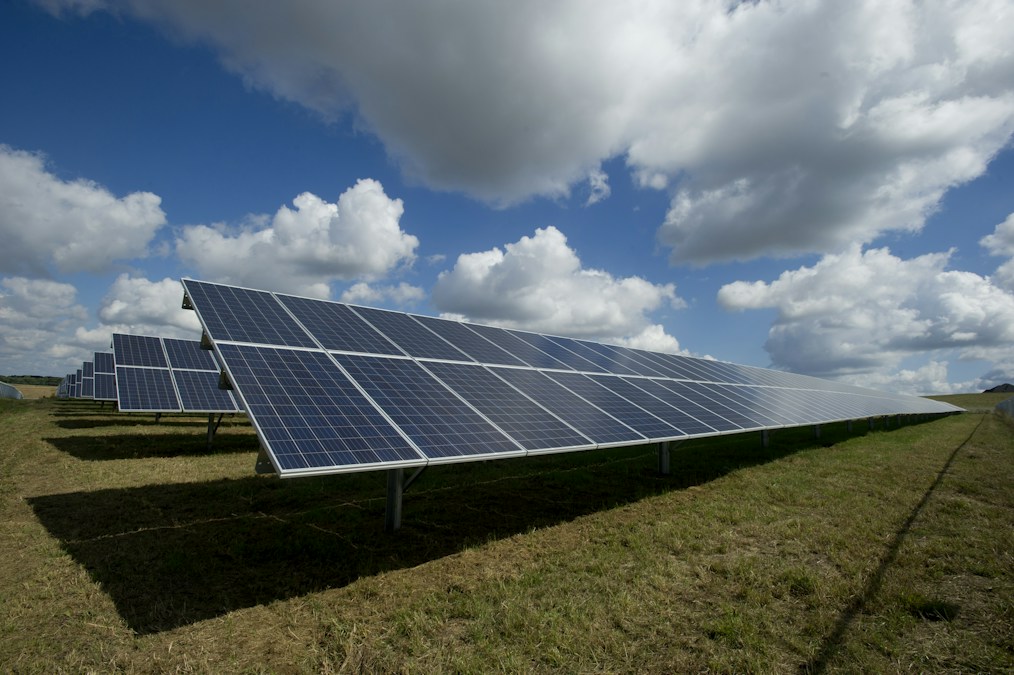
I know wetin you dey think: "Solar na for rich people." Wrong. That thinking na 2018. As of 2026, solar don become cheaper. Way cheaper.
A basic 1KVA solar system (enough for small home — fans, bulbs, TV, phone charging) now costs between ₦380,000 to ₦550,000 depending on quality and location. Yes, e sound expensive. But make we do small math:
- Generator monthly cost: ₦320,000 (from our calculations above)
- Solar monthly cost: ₦0 (after installation)
- Solar pays for itself in: ₦450,000 ÷ ₦320,000 = 1.4 months
Less than two months, your solar don pay for itself! And after that? Free electricity for the next 10-15 years (na how long good solar panels dey last).
Plus, the Central Bank of Nigeria (CBN) and Bank of Industry (BOI) get loan programs for solar installation. Some dey charge as low as 9% annual interest with 2-3 years repayment. Check this guide on CBN/BOI solar loans if you wan know more.
2. Inverter + Battery Setup (Budget-Friendly Middle Ground)
If solar still dey too much for you right now, consider inverter system. E cheaper than solar, but still better than generator long-term.
Basic setup:
- 1.5KVA inverter: ₦65,000 - ₦95,000
- 200Ah battery (deep cycle): ₦150,000 - ₦180,000
- Installation: ₦15,000 - ₦25,000
- Total: ₦230,000 - ₦300,000
The inverter charges when NEPA brings light, then powers your home when light goes. No fuel. No noise. No fumes. Battery fit last 3-5 years if you maintain am well.
My friend Damilola for Abeokuta, Ogun State switched to inverter last year. Him say e don save over ₦180,000 in just 4 months compared to when him dey use generator. And him sleep better because no noise dey disturb am for night.
3. Hybrid Approach (Generator + Solar/Inverter Backup)
Some people no fit completely abandon generator — especially if you dey run heavy equipment like welding machine, industrial freezer, or printing press. I understand.
For una, the hybrid approach dey work:
- Use solar/inverter for everyday light load (fans, bulbs, TV, charging)
- Only run generator for heavy equipment or emergency backup
- Your fuel consumption go drop by 60-80%
This way, you still get power for heavy work, but you no dey waste fuel for small things wey solar fit handle.
🎯 Key Takeaways
- Small generators look cheap upfront (₦45,000-₦120,000), but monthly running costs can reach ₦300,000-₦350,000 for families and small businesses
- Fuel is the biggest expense — expect to spend 5-6 times the generator's purchase price annually on fuel alone
- Maintenance costs (oil, spark plugs, filters, repairs) add ₦6,000-₦10,000 monthly that most people forget to budget for
- Health costs are real but invisible: carbon monoxide poisoning, hearing damage, respiratory issues, and stress-related illnesses from noise pollution
- Solar systems (₦380,000-₦550,000) pay for themselves in 1-2 months compared to generator costs, then provide free electricity for 10-15 years
- Inverter + battery setups (₦230,000-₦300,000) offer a middle-ground solution with zero fuel costs and lower upfront investment than solar
- CBN/BOI solar loans at 9% interest make renewable energy accessible for those who can't afford upfront payment
For detailed comparisons of solar brands and installation costs across Nigerian cities, check our comprehensive solar panel buying guide.
"The best time to switch from generator to solar was five years ago. The second best time is today. Every month you delay is another ₦300,000 you're throwing away. Don't let the upfront cost blind you to the long-term savings."
— Samson Ese, Daily Reality NG
💬 7 Encouraging Words from the Writer
Look, I know this article don show you some painful truths about your generator costs. And maybe you're sitting there now thinking, "Kai, I don waste money."
But here's what I want you to understand: Awareness na the first step to change. You can't fix what you don't know is broken. Now wey you know, you fit make better decisions.
You no need to rush and buy solar tomorrow. Start small. Maybe begin by reducing how many hours you dey run the generator. Turn am off when you no really need am. Calculate your actual monthly costs. Research solar options. Apply for that CBN loan. Take one step.
Progress no dey happen overnight. But e dey happen when you make intentional choices based on real information, not assumptions.
Your financial freedom matters. Your health matters. Your family's wellbeing matters. And sometimes, the hardest part of making a change is simply admitting that what you've been doing isn't working anymore.
You're not stuck. You just need better information and the courage to act on it. And that's exactly why I wrote this.
Keep pushing forward. The future you will thank the present you for making this decision today.
📚 5 Daily Reality NG Original Quotes on Generator Costs
"A ₦50,000 generator that costs ₦300,000 monthly to run isn't an investment — it's a subscription to poverty."
— Samson Ese, Daily Reality NG
"The loudest sound in Nigeria isn't the generator noise — it's the silence of people who know they're wasting money but feel powerless to stop."
— Samson Ese, Daily Reality NG
"You can't afford solar? Brother, you can't afford NOT to switch. Every month you stay on generator is another month your money is burning faster than the fuel."
— Samson Ese, Daily Reality NG
"Carbon monoxide doesn't warn you before it kills. Neither does financial ruin from generator costs. Both are silent killers hidden in plain sight."
— Samson Ese, Daily Reality NG
"The day you calculate your real generator costs is the day you stop calling it 'small generator' and start calling it what it truly is — an expensive mistake."
— Samson Ese, Daily Reality NG
💪 5 Motivational Quotes on Smart Energy Choices
"Your willingness to invest in better solutions today determines whether you'll still be complaining about the same problems five years from now."
— Samson Ese, Daily Reality NG
"Financial intelligence isn't about making more money — it's about stopping the leaks. And your generator is the biggest leak in your budget right now."
— Samson Ese, Daily Reality NG
"Every ₦300,000 you spend on generator fuel this year is ₦300,000 you're NOT investing in your children's education, your business growth, or your financial future. Choose wisely."
— Samson Ese, Daily Reality NG
"The courage to make a smart decision today will save you from a thousand regrets tomorrow. Your future self is begging you: please, switch to solar."
— Samson Ese, Daily Reality NG
"Breaking free from generator dependency isn't just about saving money — it's about reclaiming your peace, protecting your health, and taking control of your financial destiny."
— Samson Ese, Daily Reality NG
❓ Frequently Asked Questions (FAQ)
How much fuel does a small generator really consume per hour?
Most small generators (950W to 2KVA) consume between 0.8 to 1.5 liters of fuel per hour depending on the load. Under full load, expect 1.2-1.5 liters per hour. Light loads might use 0.8-1 liter per hour. This means running a small generator for 10 hours daily can consume 10-15 liters, costing ₦8,500 to ₦13,500 per day at current fuel prices.
Is solar power really cheaper than generators in Nigeria?
Yes, but only when you look at total cost of ownership over time, not just purchase price. A basic 1KVA solar system costs ₦380,000 to ₦550,000 upfront but has zero fuel costs. A generator costs ₦45,000 to ₦120,000 upfront but can cost ₦250,000 to ₦350,000 monthly in fuel and maintenance. Solar pays for itself in 1 to 3 months and then provides free electricity for 10 to 15 years. The math is clear: solar is far cheaper long-term.
How often should I change my generator engine oil?
Most small generators require oil changes every 50 to 100 hours of runtime. If you run your generator 10 hours daily, that is every 5 to 10 days. For occasional use (2 to 3 hours daily), change oil every 2 to 3 weeks. Always use the correct grade (SAE 10W-30 or 15W-40 for most models). Skipping oil changes is the fastest way to destroy your generator engine permanently.
Can carbon monoxide from generators really kill me?
Yes, absolutely. Carbon monoxide is a colorless, odorless gas that kills by replacing oxygen in your blood. According to the World Health Organization, generator fumes cause thousands of preventable deaths annually in Nigeria. Never run a generator indoors, in enclosed spaces, or near windows and doors. Keep it at least 3 to 5 meters away from living areas. Early warning signs include headaches, dizziness, nausea, and fatigue. If you experience these symptoms while your generator is running, get fresh air immediately and seek medical attention.
What is the cheapest alternative to a generator for a small Nigerian home?
An inverter plus battery setup is the most affordable alternative, costing ₦230,000 to ₦300,000 for a basic system (1.5KVA inverter plus 200Ah battery). This charges when NEPA brings light and powers your home during outages. Zero fuel costs, no noise, no fumes. For homes with very light loads (just fans and bulbs), small solar kits starting from ₦120,000 are available, though they won't power heavy appliances like fridges or air conditioners.
How can I get a loan to buy a solar system in Nigeria?
The Central Bank of Nigeria and Bank of Industry offer solar loans at 9 percent annual interest with 2 to 3 year repayment terms. You can apply through participating commercial banks and solar installation companies. Requirements typically include: BVN, valid ID, proof of address, and proof of income or business registration. Some solar companies also offer in-house payment plans with monthly installments. Check with reputable solar installers in your area for available financing options.
⚠️ Disclaimer
This article is for informational and educational purposes only. While we've provided real cost calculations and health information based on available research and real-life experiences, individual circumstances vary. Generator costs depend on usage patterns, fuel prices in your area, and maintenance practices. Health risks from carbon monoxide and noise pollution are real, but individual sensitivity varies. Before making any major purchase decisions regarding solar systems, inverters, or generators, please consult with qualified professionals and conduct your own research. This content should not be taken as professional financial, medical, or technical advice. Always prioritize safety when operating generators and follow manufacturer guidelines.
📚 Related Articles You Should Read
→ Best Solar Panels Nigeria 2025: Real Reviews & Prices
Complete buying guide with actual prices across Nigerian cities
→ Solar vs Generator: Real Numbers for Nigerian Homes
Side-by-side cost comparison with 5-year projections
→ CBN/BOI Solar Loan 2025: 9% Interest Guide
How to get government-backed solar financing in Nigeria
→ Best Inverter Batteries 2025: Nigeria Buying Guide
Top battery brands, lifespan, and real user reviews
→ How to Start Solar Installation Business in Nigeria
Turn the solar boom into a profitable business opportunity
→ How Small Businesses Are Beating High Energy Costs
Real strategies Nigerian entrepreneurs are using to survive
→ Best Solar Systems for Small Business Owners
Business-grade solar setups that actually pay for themselves
→ Why Financial Stress Is Quietly Destroying Nigerian Families
The hidden mental health cost of money problems
→ Smart Financial Tips for Young Adults in Nigeria
Money lessons that will save you from costly mistakes
→ How to Build Wealth Slowly and Sustainably
No get-rich-quick schemes. Just real wealth-building strategies

🚀 Ready to Stop Wasting Money on Generator Fuel?
Join over 50,000 Nigerians who receive our weekly newsletter with practical money-saving tips, real-life case studies, and honest reviews — no hype, just reality.
Subscribe to Daily Reality NG NewsletterNo spam. No sales. Just real advice that actually helps. Unsubscribe anytime.
💬 We'd Love to Hear From You!
Your experience matters. Your story could help thousands of other Nigerians make better decisions. Please share your thoughts in the comments:
- How much are you currently spending on generator fuel monthly?
- Have you calculated your total generator costs before reading this article?
- Are you considering switching to solar or inverter? What's holding you back?
- Have you or anyone you know experienced health issues from generator fumes?
- What other hidden costs of generator ownership should we talk about?
Drop a comment below. Share this article with someone who needs to see these numbers. Let's help each other make smarter choices.


Comments
Post a Comment