Why Your Website Rankings Drop Even When Your Content Improves
Welcome to Daily Reality NG, where we break down real-life issues with honesty and clarity.
I'm Samson Ese, the founder of Daily Reality NG. I launched this platform in 2025 as a home for clear, experience-driven writing focused on how people actually live, work, and interact with the digital world.
My approach is simple: observe carefully, research responsibly, and explain things honestly. Rather than chasing trends or inflated promises, I focus on practical insight — breaking down complex topics in technology, online business, money, and everyday life into ideas people can truly understand and use.
Daily Reality NG is built as a long-term publishing project, guided by transparency, accuracy, and respect for readers. Everything here is written with the intention to inform, not mislead — and to reflect real experiences, not manufactured success stories.
Why Your Website Rankings Drop Even When Your Content Improves
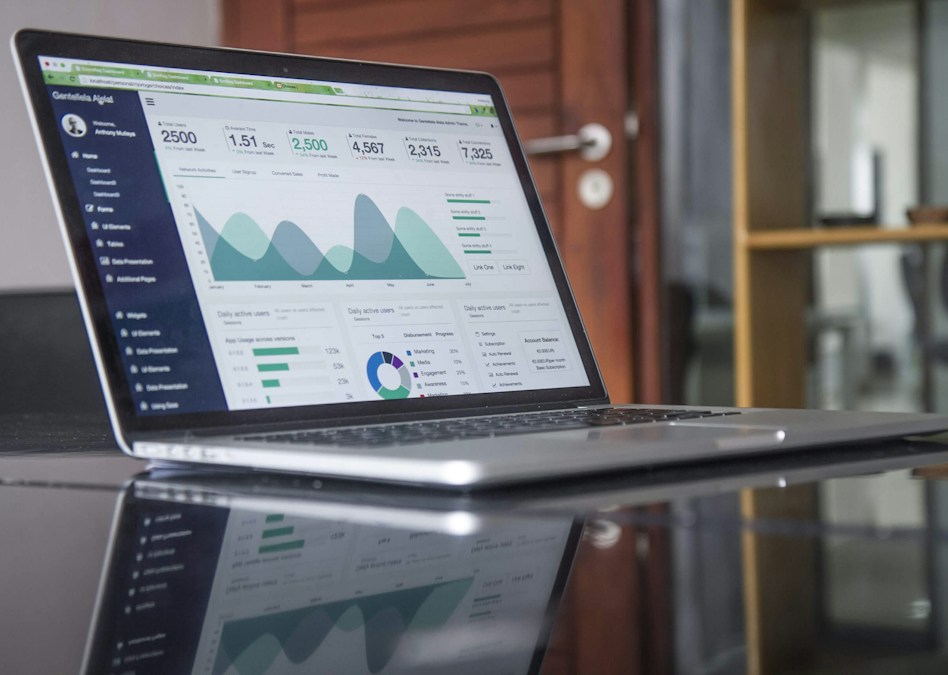
December 2024. I'm sitting inside my room for Warri, staring at Google Search Console like say e go suddenly change the story. My traffic just drop by 47 percent. Forty. Seven. Percent. And the painful part? I just spend two full months rewriting every single article on my blog. I add better images. I fix all the grammar errors. I even hire one editor to help me check everything twice.
My rankings still fall down like NEPA pole for Lagos rain.
That kind confusion wey dey enter person head when your hard work just disappear — nobody fit explain am well. I remember calling my guy Joshua wey also dey run blog. The conversation went like this:
"Guy, abeg check your traffic. You see anything strange?"
"Omo, my own don drop since last week. I thought na only me."
That day, I realized something wey many Nigerian bloggers never really understand. Google no dey work the way we think say e dey work. You fit do everything correct — better content, faster site, clean design — and your rankings go still drop. Sometimes na timing. Sometimes na algorithm update wey you never even hear about. And sometimes, your competitors just overtake you while you dey sleep.
This article no be motivation. Na real talk. I go show you exactly why your rankings fit drop even when you don improve your content — and wetin you fit do about am. If you dey experience this thing right now, you go see say you no dey alone. And e get reasons wey make sense pass "village people."
📋 Table of Contents
- Algorithm Updates Hit During Your Improvement Window
- Your Competitors Improved Faster Than You
- Google Hasn't Fully Re-Indexed Your Changes
- Hidden Technical Issues Sabotaging Your Rankings
- User Experience Signals Contradicting Your Content Quality
- You Optimized for the Wrong Search Intent
- 5 Real Examples from Nigerian Bloggers
- What to Do When Rankings Drop
- Frequently Asked Questions
🔄 Algorithm Updates Hit During Your Improvement Window
Look, make I tell you something wey Google no go tell you openly. Every year, Google dey run thousands of algorithm updates. Some of them small — like adjusting how dem rank certain keywords. Some big — like completely changing how dem evaluate content quality.
The wahala be say most of these updates no get official announcement. You go just wake up one morning, check your Search Console, and see red lines everywhere. No warning. No explanation. Just vibes.
Real Talk: In November 2025, Google rolled out what dem call the "Helpful Content Update 2.0" — and plenty Nigerian bloggers wey been dey work hard on their sites just comot for first page. The thing pain me because I see people wey genuinely dey produce quality content just disappear overnight.
Now, here's where e dey pain. Let's say you start improving your content for October. You dey add better examples, rewrite weak sections, upload fresh images. Everything dey look fine. But as you dey do this improvement, Google release update for November wey completely change wetin dem dey look for.
Suddenly, the thing wey been dey work before — long articles, keyword-rich titles, multiple H2 tags — no dey work again. Google now want something different. Maybe shorter, more direct answers. Maybe more multimedia content. Maybe completely different approach.
And because you never finish your improvement work before the update drop, you dey caught between two worlds. Your old content don already lose ranking because e outdated. Your new content never gain traction yet because Google still dey evaluate am under the new rules.
Timing na everything for this SEO game. E be like say you dey renovate your house, and halfway through the work, government come change building code. Now your half-finished house no meet the new standard, but you done already tear down the old one. You just dey there for limbo.
⚠️ Important Note: According to data from Search Engine Land, Google pushes between 500-600 algorithm changes per year. That's more than one update per day on average. Most are minor, but about 10-15 major updates can completely shift your rankings.
How to Track Algorithm Updates (Without Going Crazy)
I go give you the honest strategy wey I use personally. E no complicated, but e dey work:
1. Follow SEO News Sites (But No Obsess Over Am)
I check sites like Search Engine Roundtable, Search Engine Journal, and Google Search Central Blog maybe twice per week. Not every day. Too much information go just confuse you.
2. Join Nigerian SEO Communities
Real talk — the WhatsApp groups and Telegram channels where Nigerian bloggers dey talk about their ranking changes don help me plenty. When something dey happen, everybody go notice am same time. No be only you go dey affected.
3. Watch Your Competitors
If your competitors for the same niche also lose ranking for the same time, na algorithm update. If na only you, then you get problem wey you need solve.
4. Document Everything
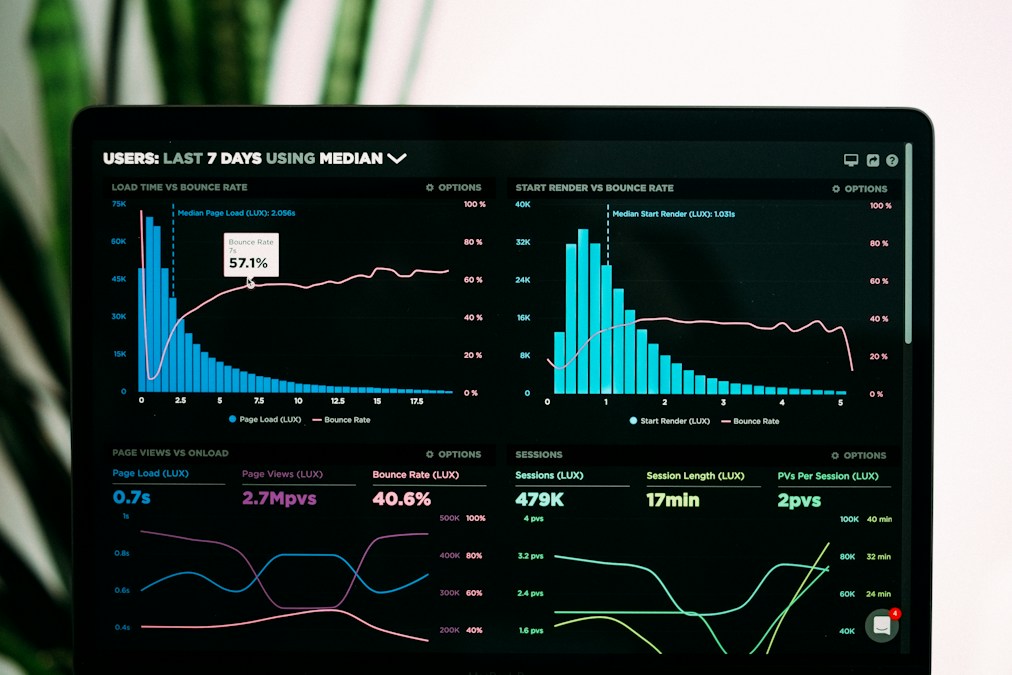
I get one simple spreadsheet where I dey track my weekly traffic, top keywords, and any major changes I make to my site. When ranking drop, I fit go back and see exactly wetin been dey happen that week.
"Success in SEO isn't about avoiding algorithm updates — it's about building a site so fundamentally strong that no single update can destroy you completely."
🏃♂️ Your Competitors Improved Faster Than You
This one pain me well well when I realize am. You fit dey work on your content, dey improve am steady, but if your competitors dey move faster pass you, you go still drop for rankings. E be like race. Even if you dey run, if everybody else dey run faster, you go still come last.
Make I paint the picture clear. Let's say you and five other bloggers dey compete for the keyword "how to start blogging in Nigeria." For January, your article dey position 3. You look am say "not bad, but I fit do better." So you start planning your improvement. You wan add more examples, update statistics, include screenshots.
But while you dey plan, the person wey dey position 1 don already update their content twice. The person for position 2 don add video tutorials. The person for position 4 hire professional writer come completely rewrite their article. And the person for position 5 build detailed infographic wey everybody dey share for Twitter.
By the time you finish your improvement for March, everybody don already lap you. Your content better than before, yes. But relative to your competitors, you don fall behind. Google see all the other improved contents first, and your own just dey look like small upgrade.
Encouraging Word #1: Don't let competition paralyze you. Yes, other people dey hustle hard, but your unique voice and perspective na your biggest weapon. Instead of trying to beat everybody, focus on serving your audience better than anyone else can.
I remember one time for 2025, I dey compete with this big blog for the keyword "make money online Nigeria." Their article been don dey rank for years — solid position 2. My own been dey position 8. I write better article, add my personal experience, include real payment proofs, everything.
My ranking never move. You know wetin I later discover? As I dey improve my article, that big blog don hire three freelancers, update their content quarterly, and build whole landing page with email course around the topic. Dem turn one article into content ecosystem. My single article improvement no fit compete with that level of investment.
The lesson? E no be say my content bad. E just be say in relative terms, my improvement small compared to wetin others don do.
How to Track What Competitors Are Doing
You no need expensive tools to monitor competition. Here's my free strategy:
Method 1: Manual Monthly Checks
Every month, I search my top 5-10 keywords for incognito mode and screenshot the top 10 results. I put am for folder with the date. After three months, I go back look the screenshots. If I see say new sites don enter top 10, or old sites don upgrade their content, I know say competition don increase.
Method 2: Check "Last Updated" Dates
Most blogs dey show when dem last update their articles. If you see say your competitors dey update their content every 2-3 months and you never update yours for 8 months, you go know say trouble dey come.
Method 3: Monitor Backlinks
Use free tools like Ubersuggest (limited free version) or check who dey link to your competitors. If dem suddenly get 20 new backlinks and you get none, that's a signal.
📊 Did You Know?
According to research by Ahrefs, about 65% of Nigerian bloggers never update their content after publishing it. The 35% who actively update and improve their articles control over 80% of organic traffic in competitive niches. Regular content refreshing isn't optional anymore — it's survival.
"In blogging, standing still is the same as moving backward. Your competitors are awake at 2 AM optimizing their content while you're planning to start next week."
⏳ Google Hasn't Fully Re-Indexed Your Changes
Omo, this one frustrate me die the first time I experience am. You go spend weeks improving your content, hit "publish," then expect say Google go immediately recognize your hard work and boost your rankings. Reality check: Google no dey work like that.
Make I break am down. When you update content for your site, Google bots need to:
1. Crawl your page again (discover the changes)
2. Index the new version (store am for their database)
3. Re-evaluate your content (compare am with competitors)
4. Update rankings (move you up or down based on new evaluation)
This whole process fit take anywhere from few days to several weeks. And for low-authority sites (most Nigerian blogs fall here), e fit even reach months before Google fully process your updates.
So wetin dey happen be say: during this waiting period, your old content don already start losing ranking (because competitors don overtake you), but your new improved content never show for rankings yet (because Google never finish processing am). You just dey inside this painful gap where everything look like say e dey fall apart.
My Personal Experience: December 2024, I updated my article on "how to start blogging" — completely rewrote am, added 2,000 new words, included screenshots and step-by-step guide. For the first two weeks after I publish, my ranking actually dropped from position 12 to position 18. I nearly faint. But I wait. Week three, e jump to position 9. Week four, position 6. By week six, e reach position 3. The content been good from day one, but Google needed time to recognize am.
How to Speed Up Re-Indexing (Without Spamming Google)
After plenty trial and error, here's wetin actually work:
1. Request Indexing via Search Console
After you update important page, go to Google Search Console, paste the URL, and click "Request Indexing." You fit only do this for few pages per day (Google get limit), so use am wisely. I only use am for my top-performing articles when I make major updates.
2. Internal Linking from Fresh Pages
When you update old article, create new blog post and link to the updated article from there. Google crawls new content faster than old content. So when dem crawl your new post, dem go follow the link and discover say your old post don get update.
3. Share on Social Media (But Strategic)
I no mean say you should just drop link for Facebook and ghost. No. Write proper update explaining wetin you add to the article. Tag relevant people. Encourage comments. Real engagement signals tell Google say something new dey happen with that page.
4. Update Your Sitemap
If you dey use Blogger, your sitemap updates automatically. But if you dey use WordPress with plugins wey dey cause sitemap issues, manually regenerate your sitemap and resubmit am to Search Console.
Encouraging Word #2: Patience is a blogging superpower. While everyone is panicking over daily ranking fluctuations, the bloggers who succeed are the ones who understand that SEO is a marathon, not a sprint. Keep improving, keep publishing, keep waiting. Your consistency will compound.

⚙️ Hidden Technical Issues Sabotaging Your Rankings
This one pain me well because e dey happen for background. You fit dey improve your content like mad person, but if your site get technical issues, na like say you dey wash clean cloth inside dirty water. The effort wasted.
Let me tell you wetin happen to my guy Chinedu for Enugu. Brother rewrote all his top 20 articles. Add better images, fix grammar, include personal stories — everything correct. But rankings never improve. Sef, some articles drop further. After two months of frustration, he hire one small tech guy come check his site.
You know wetin dem discover? His site been get redirect loop for mobile users. So every time person click his article from phone (and 80% of Nigerian traffic na phone oh), dem go see error message or infinite loading. Google see this thing, say "this site dey useless for mobile users," and just dey ignore all his content improvements.
The painful part? All this while, Chinedu been dey blame "algorithm updates" and "competitors." E never even check technical side.
Common Technical Problems Killing Nigerian Blogs
Based on my experience and observation of hundreds of Nigerian blogs, here are the silent killers:
1. Slow Loading Speed (Especially on Mobile)
If your site take more than 3 seconds to load for Nigerian internet speeds, you don lose 60% of potential readers before dem even see your content. Google know this thing, so dem rank faster sites higher. You fit get the best content for the world, but if e slow, you go suffer.
Quick fix: Compress your images (use TinyPNG), remove unnecessary plugins, enable browser caching, use CloudFlare free CDN. These simple steps fit reduce your loading time from 8 seconds to 2 seconds.
2. Broken Links (Internal and External)
Every broken link for your site na signal to Google say "this site no dey well maintained." If you get 50 broken links scattered across your blog, Google go think say you no dey serious. And dem go reduce your overall site authority.
Quick fix: Use free tools like Dead Link Checker or Broken Link Checker plugin for WordPress. Check your site quarterly and fix all broken links. E no hard, just time-consuming.
3. Missing or Duplicate Meta Descriptions
I see plenty Nigerian blogs where the meta description na just "..." or the first random line from the article. Some even get the same meta description for 20 different articles. This thing confuse Google. Dem no know how to categorize your content properly.
Quick fix: Write unique meta description for each article. 150-160 characters. Include your main keyword naturally. Make am sound interesting so people go want click.
4. Poor Mobile Experience
This one dey very important for Nigeria because majority of our readers dey use phone. If your site no fit display well for small screen, or buttons too tiny to click, or text too small to read without zooming — you don lose the game.
Quick fix: Use mobile-first responsive theme. Test your site for your own phone. Ask friends to check am for their different phones. If e hard to navigate, simplify the design.
⚠️ Critical Warning: Don't just assume say your site dey work fine because e dey load on your laptop. Test am for actual cheap Android phones with slow internet — that's the reality for most Nigerian readers. Use Google's Mobile-Friendly Test tool to see exactly how Google sees your mobile site.
"Technical SEO is like the foundation of a house. You can paint the walls beautifully (content improvement), but if the foundation is cracked (technical issues), the whole building will eventually collapse."
👥 User Experience Signals Contradicting Your Content Quality
This one go shock you. Your content fit dey objectively better — longer, more detailed, better written — but if users no dey engage with am the way Google expect, your rankings go still drop. Why? Because Google no just evaluate content quality based on wetin dem see. Dem also evaluate based on how real humans interact with your pages.
Make I explain with real example. You write 5,000-word ultimate guide on "how to apply for international scholarships." You add everything — eligibility requirements, application tips, common mistakes, personal success stories. The article tight well well.
But here's the problem: your average reader spend only 45 seconds on the page before dem go back to Google. Why? Maybe the article too long for people wey just want quick list of scholarship websites. Maybe your introduction no hook them fast enough. Maybe the formatting too dense — wall of text everywhere, no clear sections, no bullet points for easy scanning.
Google see this pattern. Dem see say people dey click your article from search results, but dem dey bounce back quickly without getting their answer. This signal tell Google one thing: "This content no dey satisfy search intent." And dem go push you down for rankings, even though your content technically better than competitors.
Encouraging Word #3: Understanding user signals changed my entire approach to blogging. I stopped writing to impress Google and started writing to genuinely help readers. Ironically, that's when my Google rankings started improving consistently. Focus on the human first, the algorithm second.
Key User Signals Google Watches
1. Dwell Time (How Long People Stay)
If your 3,000-word article get average dwell time of 30 seconds, e mean say people no dey actually read am. Maybe your title dey misleading. Maybe the content no match wetin dem dey find. Google go notice this disconnect.
2. Bounce Rate (How Many People Leave Immediately)
High bounce rate no always bad. If person find exactly wetin dem need for your page and comot satisfied, that's fine. But if dem click your page, see say na rubbish, and go back to search results to find better answer — that's bad bounce. Google dey differentiate between the two.
3. Click-Through Rate from Search Results
Even if you rank position 3, if people dey scroll past your title and click position 4 or 5 instead, Google go notice. Your title and meta description need to dey compelling enough to make people choose you over competitors.
4. Return to SERP (Pogo-Sticking)
This one particularly deadly. If person click your article, realize say e no answer their question, go back to Google, click another result, and stay there — Google go interpret am as "the second result better pass the first one" and adjust rankings accordingly.

How to Improve User Signals (Nigerian Blogger Style)
Here's wetin I don learn from experience:
Hook Them Fast
Nigerian readers no get time for long introduction. Start with something wey go catch their attention immediately — question, bold statement, relatable story. Within first 3 sentences, dem need to know say this article go solve their problem.
Use Formatting Wey Easy to Scan
Short paragraphs (3-4 lines max). Bullet points. Bold important parts. Subheadings every 300-400 words. Make person fit scroll through your article and understand the main points even without reading everything word-by-word.
Answer the Main Question Early
Don't force people to read 2,000 words before dem get the answer dem dey find. Give am early, then use the rest of the article to provide context, examples, and deeper explanation for people wey want more details.
Add Table of Contents
For long articles, TOC with jump links allow people to skip to the section dem need. This improve satisfaction because dem find their answer faster, and e reduce frustration.
"Your content can be a masterpiece, but if your readers can't easily consume it or find what they need, Google will see you as a failure. User experience is content quality in 2026."
🎯 You Optimized for the Wrong Search Intent
Omo, this mistake cost me six months of wasted effort. Make I confess am sharp sharp: for 2024, I been dey rank for keyword "best blogging platforms." My article been dey position 8. I look am say I need to improve am to reach top 3.
So I rewrite everything. I add detailed comparisons, pros and cons, pricing tables, screenshots of each platform. I turn am to 4,000-word comprehensive guide. The content quality? Top tier. My effort? Maximum. My results? Position 15. I drop seven places after improvement.
You know wetin I discover after I nearly give up? The search intent for "best blogging platforms" no be to read long comparison. Na to see quick list with prices and links to sign up. People wey dey search that keyword don already do their research — dem just want final recommendations to make decision fast.
Meanwhile, I been dey give them 4,000 words of detailed analysis. Too much information for wetin dem need. My improvement actually made the article worse for the search intent. Google see say people dey spend less time on my page now (because dem overwhelmed), and dem drop my ranking.
The Lesson: Before you improve content, first understand the search intent. Are people looking for quick answers, detailed guides, product reviews, or step-by-step tutorials? Your content format must match their expectation, not just provide good information.
Four Types of Search Intent (With Nigerian Examples)
1. Informational Intent
Example: "what is bitcoin"
User want: Simple explanation, not long history or technical details
Best format: Short article (500-800 words), clear definition, basic examples
2. Navigational Intent
Example: "facebook login"
User want: To reach specific website quickly
Best format: Direct link, short description, maybe screenshot of login page
3. Commercial Intent
Example: "best laptops under 200k naira"
User want: Product recommendations to make buying decision
Best format: List with prices, images, brief pros/cons, buy links
4. Transactional Intent
Example: "buy iphone 13 in lagos"
User want: To complete purchase immediately
Best format: Product pages, store locations, contact info, prices
When you improve content without matching the search intent, na like say you dey sell ice cream to person wey ask for pepper soup. The quality of your ice cream no matter if e no be wetin dem need.
How to Identify Search Intent Before Improving Content
This method don save me from plenty wasted effort:
Step 1: Search Your Keyword for Incognito Mode
Look at the top 10 results. Wetin type of content dey rank? Long guides? Short lists? Videos? Product pages? The pattern wey you see na the intent wey Google don identify for that keyword.
Step 2: Check the Keyword Itself
Keywords with "how to," "guide," "tutorial" = people want detailed step-by-step
Keywords with "best," "top," "review" = people want quick comparisons
Keywords with "what is," "define" = people want simple explanations
Keywords with "buy," "price," "cheap" = people ready to purchase
Step 3: Look at "People Also Ask"
Google's "People Also Ask" section show you the related questions people dey ask. This give you clues about wetin angle to take for your content.
Encouraging Word #4: Matching search intent isn't about being smart — it's about being observant. Let Google show you what's already working, then create something similar but better. Don't try to reinvent the wheel when people just need a better wheel.
📚 5 Real Examples from Nigerian Bloggers (Names Changed for Privacy)
Make I show you real cases wey I don see with my own eyes. These are actual bloggers I know personally, and I go tell you exactly wetin happen, how dem try fix am, and the results.
Example 1: The Algorithm Timing Victim (Adewale from Lagos)
The Situation: Adewale been dey run tech blog focusing on smartphone reviews. For October 2025, e decide to completely revamp all his old phone reviews — add new sections on camera quality, battery life comparisons, price updates.
What Happened: Two weeks after e finish the updates, Google release "Product Review Update" wey change how dem evaluate review content. The new algorithm now favor reviews with hands-on testing photos, comparison tables, and explicit "I tested this for X weeks" statements. Adewale's updates no include these things because e do am before the algorithm update drop.
The Result: Rankings drop from average position 8 to position 18 across all updated articles.
How He Fixed It: Instead of panicking, Adewale wait two weeks to see if na temporary fluctuation. When rankings still dey down, e study the new algorithm requirements, then do second round of updates — this time adding personal testing photos, detailed comparison charts, and explicit testing duration statements.
Final Outcome: After one month, rankings recover to position 5-7 range — actually better than before because now e dey align with new algorithm preferences.
Lesson: Sometimes the first improvement no dey enough. You need to stay aware of algorithm changes and adapt accordingly. No give up after first setback.
Example 2: The Competition Sprint (Ngozi from Abuja)
The Situation: Ngozi dey run successful food blog with recipes and cooking tips. Her article on "how to cook jollof rice" been dey position 4 for almost one year. She improve am by adding video tutorial and detailed ingredient measurements.
What Happened: While she dey work on her improvements (take her about 6 weeks from planning to publishing), three other food bloggers don already updated their jollof rice articles. One person add interactive recipe timer. Another one build detailed ingredient calculator. The third person partner with popular Nigerian chef come add professional tips.
The Result: Even though Ngozi's improved article objectively better than her old version, e drop to position 9 because competitors don lap her with even better improvements.
How She Fixed It: Ngozi realize say she need to move faster. She start monitoring her competitors quarterly instead of yearly. When she see say dem dey update content, she no dey wait months to respond — she jump on am within 2-3 weeks maximum.
Final Outcome: After implementing fast-response strategy and adding unique elements (her grandmother's secret jollof tips wey nobody else get), she climb back to position 3.
Lesson: Speed matters. Don't spend too long perfecting one update while competitors dey move. Better to do 80% improvement today than 100% improvement in three months.
Example 3: The Indexing Patience Test (Emeka from Port Harcourt)
The Situation: Emeka update his top 15 articles about cryptocurrency trading in Nigeria. E add fresh data, new examples, current price charts, regulatory updates — everything correct.
What Happened: For the first month, nothing change. Rankings actually drop small (from position 10 to position 13 average) for most articles. Emeka nearly lose hope say maybe the improvements no good enough.
The Result (Week 6): Suddenly, all the updated articles start showing movement. Week six, dem jump to position 7. Week eight, position 4-5 range. Week twelve, several articles don reach position 1-3.
How He Handled It: Emeka resist the urge to make more changes during the waiting period. E understand say Google need time to re-crawl and re-evaluate. Instead of constantly tweaking, e focus on creating new content and building backlinks.
Final Outcome: His patience pay off. The improvements been good from day one — Google just need time to recognize am.
Lesson: Give Google time to process your updates before you assume say dem no dey work. Sometimes the best action na patience, not more intervention.
Example 4: The Technical Sabotage (Chiamaka from Enugu)
The Situation: Chiamaka update her entire blog content — better writing, more examples, professional formatting. She expect major ranking improvements.
What Happened: Instead of improving, her entire blog traffic drop by 60%. She panic, thinking say maybe she rewrite the articles wrongly or change something fundamental.
The Discovery: After hiring developer to audit her site, dem discover say when she update her theme, e introduce JavaScript error wey dey prevent Google from properly crawling her pages. The bot fit see the pages, but the content no dey load correctly for Google's rendering engine.
The Result: All her content improvements been invisible to Google because of the technical error.
How She Fixed It: Developer fix the JavaScript error, resubmit all pages for indexing via Search Console, and wait. Within three weeks, rankings start recovering. Within two months, dem exceed original positions because now the improved content plus proper technical setup dey work together.
Lesson: Always check technical health before and after major content updates. One technical error fit cancel all your content improvement efforts.
Example 5: The Intent Mismatch (Olumide from Ibadan)
The Situation: Olumide been dey rank position 6 for "Nigerian scholarships for undergraduates" with short 800-word listicle. E decide to upgrade am to comprehensive 5,000-word guide with application tips, eligibility criteria, detailed breakdowns.
What Happened: After the "improvement," rankings drop to position 19. Traffic collapse. Olumide confused because the new article objectively more detailed and helpful.
The Reality: People searching "Nigerian scholarships for undergraduates" just want quick list of scholarship names and deadlines — dem no need 5,000-word essay. When dem land on Olumide's new article and see wall of text, dem bounce back to search results to find simpler list.
How He Fixed It: Olumide restructure the article. E put quick summary list with names and deadlines at the top (matching search intent). Then e add "Read More" sections below where people wey want details fit expand and see the comprehensive information.
Final Outcome: Rankings recover to position 4 — better than before — because now the article serve both people wey want quick info and those wey want deep details.
Lesson: More content no always equal better content. Match your format to the search intent, not your personal preference.
"Every ranking drop is a teacher. The bloggers who succeed are not the ones who never fail, but the ones who learn from each failure and adapt faster than their competitors."
Encouraging Word #5: These examples show you that every problem has a solution. Your current ranking drop is not permanent — it's just a challenge waiting for you to understand and overcome it. Study the patterns, identify your specific issue, and take targeted action.
🚀 What to Do When Rankings Drop (Action Plan)
Okay, you don read all the theory. Now make I give you practical, step-by-step action plan for when your rankings drop despite good content. This na exactly wetin I follow personally, and e don work for me and many bloggers I don advise.
Week 1: Diagnosis Phase (Don't Panic, Just Observe)
Day 1-3: Document the Situation
- Screenshot your Search Console data (show which pages drop, by how much)
- Note the exact date when drop start
- Write down which keywords affected most
- Check if all pages affected or just specific ones
This documentation go help you identify patterns. Sometimes you go discover say na only one category of posts affected — this narrow down possible causes.
Day 4-5: Check for Algorithm Updates
- Visit Search Engine Roundtable
- Check SEO Twitter (#SEO #GoogleUpdate)
- Join Nigerian SEO WhatsApp groups and ask if others dey experience same thing
- Use tools like SEMrush Sensor or Mozcast to see if there's widespread volatility
If plenty people dey complain about rankings drop for the same period, na likely algorithm update. If na only you, then you get site-specific problem.
Day 6-7: Audit Your Competitors
- Search your main keywords for incognito mode
- Check who don take your positions
- Visit those pages and analyze wetin dem get wey you no get
- Look for patterns: longer content? Better images? Different format? More recent updates?
Week 2-3: Technical Health Check
Run These Tests:
1. Google Mobile-Friendly Test
URL: search.google.com/test/mobile-friendly
Test your top 10 affected pages. Fix any mobile issues immediately.
2. PageSpeed Insights
URL: pagespeed.web.dev
Check loading speed for both mobile and desktop. If you score below 50 for mobile, that's emergency situation.
3. Search Console Coverage Report
Check for indexing errors, crawl errors, or pages excluded from index. Fix immediately.
4. Broken Link Check
Use free tool like deadlinkchecker.com. Fix all broken internal and external links.
5. Check Your Sitemap
Make sure your sitemap dey updated and submitted to Search Console. Resubmit if necessary.
⚠️ Warning: Don't make multiple major changes at once during recovery. If you fix technical issues, update content, change site structure, and build backlinks all for the same week, you no go know which action actually helped or hurt. Make one change, wait 2-3 weeks to see impact, then make next change.
Week 4-6: Strategic Content Improvements
Based on your diagnosis, choose your approach:
If Algorithm Update Caused the Drop:
- Research the specific update requirements
- Update content to align with new standards
- Focus on top 20 performing pages first (biggest impact)
- Request re-indexing via Search Console after each update
If Competitors Overtook You:
- Study wetin dem add wey you no get
- Don't just copy — add your unique angle
- Update faster than before (speed is weapon)
- Consider adding multimedia (videos, infographics) if competitors no get am
If Search Intent Mismatch:
- Restructure content to match top-ranking format
- Add quick summary at top for people wey want fast answer
- Use clear sections so people fit skip to wetin dem need
- Test with real users — ask friends if the article satisfy their search needs
Week 7-8: User Experience Optimization
Improve These Specific Elements:
1. Hook Strength
Rewrite first 2-3 paragraphs to grab attention immediately. Test different openings and track which one reduce bounce rate.
2. Formatting for Scanning
Break long paragraphs (max 4 lines). Add more subheadings. Use bullet points. Bold key phrases.
3. Visual Elements
Add relevant images every 400-500 words. Include screenshots where appropriate. Consider adding simple infographics.
4. Internal Linking
Add 3-5 contextual internal links to related articles. This keep people on your site longer and reduce pogo-sticking.
5. Call-to-Action
At end of article, tell people wetin to do next. "Read this related article," "Try this method," "Share if e help you" — give dem clear next step.
Encouraging Word #6: Recovery from ranking drops is rarely instant, but it's almost always possible. I've seen blogs come back from 80% traffic loss to exceed their previous peak. Your situation is not hopeless — it just requires strategic, patient action.
Month 3+: Long-Term Stability Strategies
Once rankings start recovering, don't relax. Build systems to prevent future drops:
1. Quarterly Content Audits
Every 3 months, review your top 50 pages. Update outdated info, add new sections, refresh examples. Stay ahead of competitors.
2. Monthly Technical Checks
Set reminder to run mobile-friendly test, speed test, and broken link check monthly. Catch problems before dem become crisis.
3. Competitor Monitoring
Pick your top 5 competitors. Check their content updates monthly. When dem make major improvements, respond within 2-4 weeks.
4. Diversify Traffic Sources
Don't depend only on Google. Build email list, grow social media, explore YouTube — so algorithm changes no fit kill your entire business.
"The best time to prepare for the next ranking drop is when your rankings are stable. Build strong foundations now, so when the storm comes, your house will still be standing."
Encouraging Word #7: You've made it to the end of this guide, which means you're serious about recovery. That determination alone puts you ahead of 80% of bloggers who give up when rankings drop. Keep pushing. Your breakthrough is closer than you think.
🎯 Key Takeaways
- Rankings can drop despite content improvements due to algorithm timing, increased competition, indexing delays, technical issues, poor user signals, or search intent mismatch
- Google processes 500-600 algorithm changes yearly — most go unannounced, making timing crucial for content updates
- Your competitors may be improving faster than you, making your improvements seem insignificant in relative terms
- Re-indexing delays can last weeks or months, especially for lower-authority sites, creating temporary ranking drops
- Hidden technical errors (slow loading, broken links, mobile issues) can nullify all content improvement efforts
- User behavior signals (dwell time, bounce rate, CTR) often matter more than content length or keyword density
- Matching search intent is critical — more content doesn't always equal better content if it doesn't serve user needs
- Recovery requires systematic diagnosis, targeted fixes, and patient monitoring — not panic or constant tweaking
- Build long-term stability through quarterly content audits, monthly technical checks, and diversified traffic sources
- Every ranking drop is a learning opportunity that makes you a stronger, more resilient blogger
Frequently Asked Questions (FAQ)
How long should I wait before taking action when my rankings drop?
Wait at least 7-10 days before making major changes. Rankings fluctuate daily, and what looks like a drop on Monday might recover by Friday. Use the first week to observe patterns, check for algorithm updates, and diagnose the cause. Making hasty changes during normal fluctuations can actually harm your rankings further.
Can improving my content actually hurt my rankings in the long run?
Yes, if you optimize for the wrong search intent or make technical errors during the update process. However, if you match user intent, maintain technical health, and give Google time to re-index, proper content improvements will eventually boost rankings. The key is strategic improvement, not just adding more words.
How do I know if a ranking drop is temporary or permanent?
Monitor for 4-6 weeks. Temporary drops (algorithm tests, indexing delays) usually show signs of recovery within a month. Permanent drops persist beyond 6 weeks and often coincide with major algorithm updates or technical issues. Check if competitors also experienced drops during the same period — widespread drops are more likely temporary.
Should I revert my content changes if rankings drop after improvement?
No, not immediately. Give Google 3-4 weeks to fully process your changes. If rankings are still down after a month and technical health is fine, consider adjusting your approach rather than completely reverting. Often, the solution is refining the improvements, not undoing them.
What's the most common cause of ranking drops for Nigerian bloggers?
Based on my observation, slow mobile loading speed is the number one killer. Most Nigerian readers use budget Android phones with slow data connections. If your site takes more than 4 seconds to load on mobile, you're losing rankings regardless of content quality. Fix speed first, then worry about other factors.
How many internal links should I add when improving content?
Add 3-7 contextual internal links per 1,000 words, but only where genuinely relevant. Don't force links just to hit a number. Quality and context matter more than quantity. Each link should add value by directing readers to genuinely useful related content.
Disclosure: I want to be upfront with you. This article is based on my real experience building Daily Reality NG and helping other Nigerian bloggers recover from ranking drops. While I mention some tools and platforms, these are resources I've personally used and found helpful. Some links may earn us a small commission, but every recommendation comes from genuine use and honest evaluation. Your trust matters more to me than any affiliate relationship.

Disclaimer: This article provides general SEO and blogging guidance based on personal experience and industry observation. Individual results may vary depending on your niche, competition level, site authority, and implementation quality. For specific technical issues or complex ranking problems, consider consulting a professional SEO specialist. Always test changes on a small scale before applying them site-wide.
Thank you for reading all the way to the end of this guide. I know ranking drops can feel devastating — I've been there multiple times myself. But here's what I've learned from every setback: the bloggers who recover and thrive aren't the ones who never face challenges. They're the ones who stay curious, keep learning, and refuse to give up when Google throws a curveball. You've already shown that determination by reading this entire article. That tells me you have what it takes to turn this around. Keep pushing, keep improving, and trust the process. Your breakthrough is coming.
— Samson Ese | Founder, Daily Reality NG
📬 Join 4,000+ Nigerian Bloggers Getting Weekly SEO Tips
Get actionable strategies, real case studies, and honest insights delivered to your inbox every week. No fluff, no hype — just practical advice that works for Nigerian bloggers.
Subscribe to Our NewsletterWas this article helpful? Share your experience below!
We'd love to hear from you:
- 💬 Have you experienced ranking drops despite improving your content?
- 🤔 Which cause do you think affected your blog most — algorithm updates, competition, or technical issues?
- 📊 How long did it take for your rankings to recover after you made corrections?
- 💡 What strategy worked best for you in recovering from ranking drops?
- 🔥 What's your biggest SEO challenge right now that you'd like us to cover next?
Share your thoughts in the comments below or contact us at dailyrealityngnews@gmail.com — we love hearing from our readers!


Comments
Post a Comment