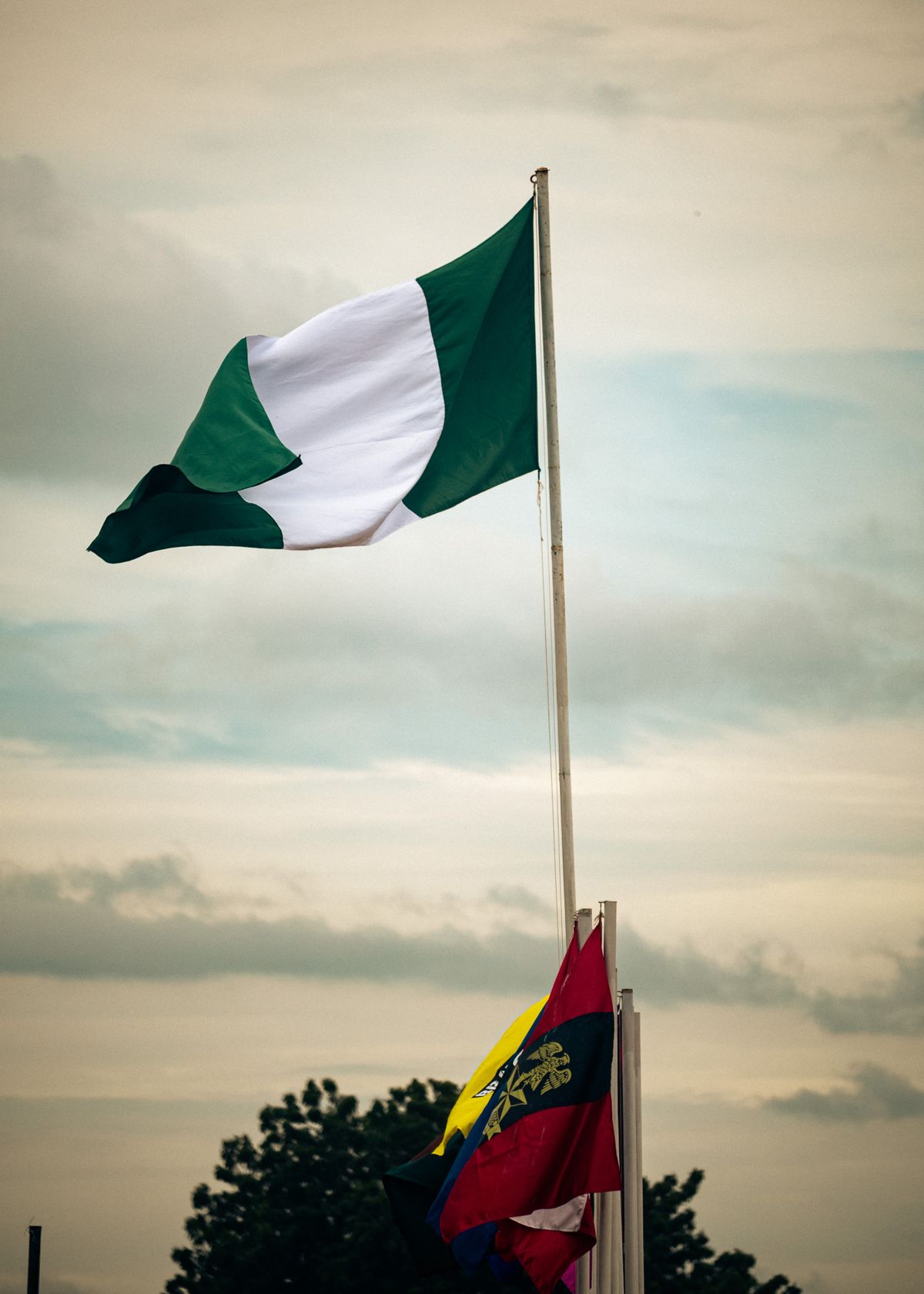
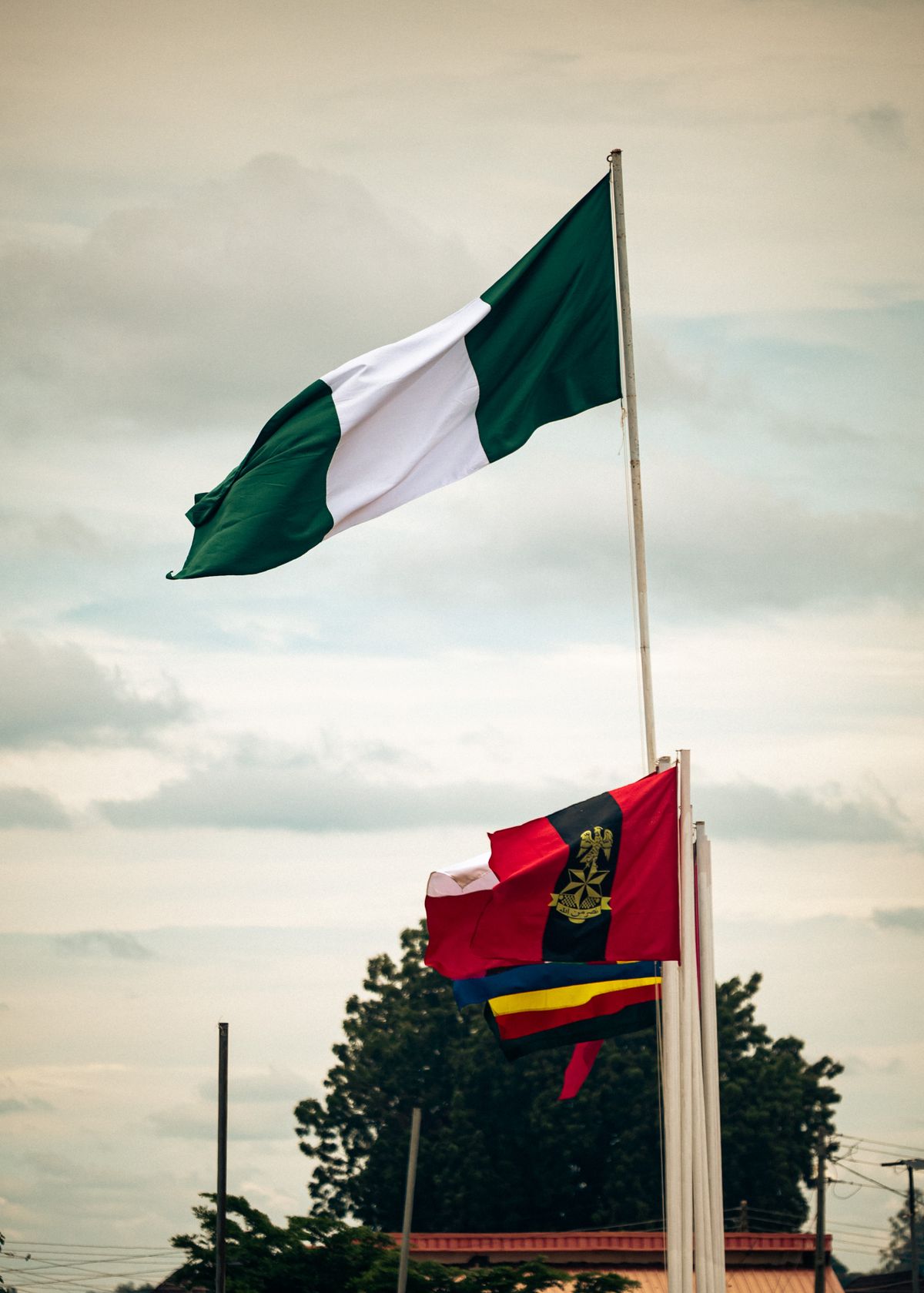
What Happens During a Military Coup (And Why Nigeria Feared One Recently)
Today, we're talking about something that should never be taken lightly in any democracy — military coups. And why, recently, many Nigerians found themselves worrying about one.
July 2023, Lagos
I was in Yaba, sitting at a local joint with a few friends. We were discussing the usual — economy, fuel prices, naira depreciation. Then someone's phone buzzed. Then another. Within minutes, everyone was on Twitter, reading the same thing: a cryptic statement from some military officers in Niger Republic announcing they'd taken over government.
You could feel the tension shift. Niger isn't far from Nigeria. Same region. Similar political climate. And just months earlier, there'd been coups in Mali, Burkina Faso, and Guinea. West Africa was experiencing what some people were calling a "coup epidemic."
One of my friends — Emeka — said something that stuck with me. He said, "Abeg, make them no try am for Naija o. We never recover from the last military boys wey rule us." And everyone agreed. Because Nigerians who lived through military rule still remember. The fear. The suppression. The way dissent got you into serious trouble.
But younger Nigerians — those born in the late 90s or 2000s — they don't have that memory. Some of them, frustrated with how democracy seems to be failing, even started making jokes online. "Maybe military go do better sef." And that's when I realized: we've forgotten. Or we never truly understood what a military coup actually is and what it does to a country.
So today, I'm breaking it down. What is a military coup? How does it happen? What are the stages? Why does it destroy more than it fixes? And why should every democracy-conscious Nigerian understand this threat — not just as history, but as something that could still happen if we're not careful.
Table of Contents
What Is a Military Coup? Understanding the Basics
Let me start simple. A military coup — also called a coup d'Γ©tat (French for "blow to the state") — is when the armed forces of a country illegally seize power from the elected or sitting government.
Notice the word "illegally." This is not a peaceful transfer of power. This is not an election. This is not a constitutional process. It's a forced takeover. Usually violent. Always unconstitutional. And almost always justified by the coup plotters with claims like "the government has failed" or "we're saving the nation from collapse."
But here's the thing: no matter how badly a democratic government is performing, a military coup is not the solution. It's a destruction of the democratic process itself. And once you normalize military intervention in politics, you create a dangerous precedent that's hard to reverse.
Think of it this way: If you don't like your president or governor, you vote them out in the next election. That's democracy. But if soldiers storm the government house, arrest the president, suspend the constitution, and announce they're now in charge — that's a coup. And it robs you of your power to choose your leaders.
Military coups usually happen quickly. One day, you wake up and there's an announcement on radio or TV — sometimes by a nervous-looking officer reading from a script — saying "the government has been dissolved" and "power has been seized in the national interest."
Streets get filled with tanks. Soldiers patrol major roads. Curfews are imposed. Opposition voices are silenced. And just like that, democracy ends.
According to research by the Armed Conflict Location & Event Data Project (ACLED), Africa has experienced over 200 coup attempts since 1950, with more than 100 successful military takeovers. West Africa alone has seen at least 40 successful coups since independence.
Nigeria has had its share. Between 1966 and 1999, Nigeria was under military rule for 29 out of 33 years. Think about that. Almost three decades of our history wiped out by men in uniform who decided they knew better than the people.
How Military Coups Actually Happen: The Real Process
Most people think coups are spontaneous. Like soldiers just wake up one morning and decide to take over. But that's not how it works. Military coups are planned. Sometimes for months. Sometimes for years.
Here's how it typically goes down:
Step 1: Building Discontent
Coups don't happen in a vacuum. They happen when there's widespread dissatisfaction with the government. Economic crisis. Corruption scandals. Ethnic tensions. Political instability. Security threats. Any combination of these creates an environment where people start losing faith in democracy.
And when civilians are frustrated enough, some start saying things like "anything is better than this government." That's when the military starts getting ideas.
Step 2: Conspiracy Among Officers
A small group of military officers — usually mid-ranking to senior — start plotting in secret. They identify allies within the armed forces. They assess which units are loyal to them and which ones might resist. They plan logistics: which government buildings to seize, which officials to arrest, how to control the media.
This is extremely risky. If anyone leaks the plan, they all face execution or life imprisonment for treason. So they keep the circle small. Tight. Trustworthy.
Step 3: The Execution
Coups usually happen at night or early morning. Why? Because that's when government officials are at home, not in their offices. When security is lighter. When most people are asleep and won't immediately realize what's happening.
The coup plotters move quickly. They seize strategic locations: the presidential residence, parliament, state television and radio stations, telecommunications infrastructure, airports, and military barracks.
They arrest the president, vice president, and key ministers. Sometimes there's violence. Sometimes there's bloodshed. Sometimes the president escapes or resists, leading to firefights.
Step 4: The Announcement
Once they control the major institutions, they make a public announcement. Usually on state TV or radio. The message is always similar:
"Fellow citizens, the armed forces have been forced to intervene to save the nation from total collapse. The previous government has failed. We have suspended the constitution. All political activities are banned. A curfew is in effect. Remain calm. We will restore order."
And just like that, democracy is gone.
Important: Not all coup attempts succeed. If the president escapes, if loyal military units resist, if international pressure is strong enough — the coup can fail. And failed coup plotters usually face severe punishment. This is why successful coups move with brutal speed and precision.
Step 5: Consolidation of Power
After the takeover, the military junta (that's what the ruling military group is called) works to solidify control. They dissolve parliament. They suspend political parties. They impose media censorship. They arrest anyone who might challenge them — politicians, activists, journalists.
They promise to hand over power "as soon as the nation is stabilized." But history shows us: once soldiers taste power, they rarely want to leave. Nigeria's military rulers promised to hand over for decades. It took mass protests and international pressure to finally force them out in 1999.
π‘ Did You Know?
Nigeria experienced its first military coup on January 15, 1966, led by Major Chukwuma Nzeogwu and other young officers. The coup, though initially unsuccessful in fully taking power, marked the beginning of three decades of military dominance in Nigerian politics.
Between 1966 and 1999, Nigeria had eight successful military coups and several failed attempts. The longest-serving military ruler, General Ibrahim Babangida, ruled for 8 years (1985-1993), while the shortest was General Aguiyi-Ironsi, who lasted only 6 months before being overthrown and killed in a counter-coup.
According to a 2024 report by Vanguard Newspapers, West Africa has experienced at least 9 successful military coups since 2020, reigniting fears across the region about democratic backsliding.
The Stages of a Military Takeover: What Citizens Experience
Let me walk you through what actually happens when a coup succeeds. Not from the military's perspective, but from an ordinary citizen's point of view.
Stage 1: Confusion and Fear (First 24-48 Hours)
You wake up to unusual military movement. Tanks on the streets. Soldiers at checkpoints. Roads blocked. You check your phone — WhatsApp groups are buzzing with rumors. "Military don take over." "President don run." "Curfew from 6pm." Nobody knows what's really happening.
The official announcement comes. State TV shows an officer in full military regalia reading a prepared statement. Your elected president is either in custody, in hiding, or dead. The constitution has been suspended. All borders are closed. A state of emergency is declared.
Fear sets in. Nobody goes to work. Markets close. Banks shut down. People stay indoors. The streets belong to soldiers now.
Stage 2: Suppression of Dissent (First Week to First Month)
The military junta moves to eliminate any opposition. Political leaders are arrested. Activists disappear. Journalists critical of the takeover face detention. Social media gets restricted or monitored heavily. Protests are banned. Anyone who demonstrates gets beaten, arrested, or worse.
Civil rights? Gone. Freedom of speech? Gone. Due process? Gone. You can be detained without trial just for criticizing the new rulers.
Stage 3: Military Rule Normalization (First Few Months)
Gradually, life starts to return to a distorted version of normal. The junta appoints military governors for all states. They create a ruling council made up of senior officers. They promise reform, anti-corruption measures, and economic recovery.
Some people — especially those who were frustrated with the previous government — start to believe maybe this is better. The military is "disciplined." They're "not corrupt like politicians." They "get things done."
But here's what people don't see: behind the scenes, military officers are enriching themselves. Contracts are awarded to loyalists. State resources are looted. Dissent is crushed quietly. And democracy? It's not coming back anytime soon.
Stage 4: Broken Promises and Extended Rule (Years)
The military promised to hand over power within a year. Then it becomes two years. Then "when the nation is ready." Then indefinitely.
They create fake transition programs. They write new constitutions that give them immunity from prosecution. They manipulate elections to install civilian puppets while retaining real power.
Economic growth stalls. Infrastructure decays. Corruption becomes systemic. But criticism is dangerous, so people suffer in silence.
Stage 5: Eventual Collapse or Transition (Decades Later)
Eventually, one of three things happens: the military ruler dies, international pressure forces them out, or mass protests become too big to suppress.
But by then, the damage is done. Democratic institutions are weak. Civil society is traumatized. The economy is broken. And the country has to start rebuilding from scratch.
This is what Nigeria went through. And this is why older Nigerians will tell you: no matter how bad democracy gets, it's still better than military rule.
Why Military Coups Destroy More Than They Fix
Some people — especially younger Nigerians who've never experienced military rule — think maybe a coup wouldn't be so bad. "At least soldiers are disciplined," they say. "Politicians are too corrupt. We need strong leadership."
Let me explain why this thinking is dangerous.
1. Military Rulers Are Not Accountable to Anyone
In a democracy, no matter how flawed, you can vote out a bad leader. You can protest. You can criticize. You can organize opposition. You have recourse.
Under military rule? You have nothing. The ruler answers to no one. There are no elections. No opposition parties. No independent judiciary. No free press. Just absolute power concentrated in the hands of people who took it by force.
2. Military Regimes Breed Corruption
Here's something people forget: military officers are human. They're not immune to greed, power-lust, or corruption. In fact, military regimes often become even more corrupt than the civilian governments they replaced.
Why? Because there's no oversight. No transparency. No accountability. State resources become the personal property of the ruling junta. And anyone who questions it disappears.
Nigeria's military rulers looted billions. General Abacha alone allegedly stole over $5 billion — money that Nigeria is still trying to recover decades later.
3. Human Rights Violations Become Normalized
Under military rule, dissent is treason. Criticism is sedition. Protests are riots. And all of them are met with violence.
Nigerians who lived through Abacha's regime remember. Journalists were killed. Activists were imprisoned without trial. Ken Saro-Wiwa and eight other Ogoni activists were executed in 1995 for speaking against environmental destruction and government complicity.
This isn't hypothetical. This is what military rule does. It turns the government into an oppressor that citizens fear rather than a servant that citizens control.
4. Economic Development Stagnates
Military rulers promise economic miracles. They talk about discipline, fighting corruption, fixing infrastructure. But the reality is different.
Investors avoid countries under military rule. International sanctions often follow coups. Economic policies are made by people with no economic expertise. And because there's no political competition, there's no pressure to perform.
Nigeria's economy stagnated under military rule. Debt ballooned. Currency collapsed. Poverty increased. And when democracy finally returned in 1999, the country had to spend years just recovering from the damage.
5. Democratic Institutions Are Weakened for Generations
Every year under military rule is a year democracy doesn't develop. Political parties don't form. Civil society doesn't grow. Democratic culture doesn't take root.
This is why Nigeria's democracy is still weak even now. We lost three decades to military rule. We're still recovering. Still learning how democracy works. Still building institutions that should have been built in the 1960s and 70s.
Bottom line: Military coups don't fix problems. They replace one set of problems with worse ones. They trade imperfect democracy for perfect tyranny. And once you go down that road, it's very hard to come back.
Nigeria's History with Military Coups: A Timeline of Pain
Nigeria's relationship with military coups is long and painful. Let me give you a quick history — not with boring academic language, but in a way that shows the real human cost.
January 15, 1966: Nigeria's first coup. Young officers led by Major Nzeogwwu overthrew the civilian government, killing the Prime Minister and regional premiers. The coup was bloody and created ethnic tensions that Nigeria still struggles with today.
July 29, 1966: Counter-coup. Northern officers overthrew the military government that came from the first coup. More killings. More ethnic division. This directly led to the Nigerian Civil War (1967-1970) which killed over a million people.
July 29, 1975: General Gowon overthrown in a bloodless coup led by General Murtala Mohammed. Murtala promised reform but was assassinated in a failed coup attempt in 1976.
December 31, 1983: General Buhari overthrew the civilian Second Republic government. Promised discipline and anti-corruption. Implemented harsh policies that violated human rights.
August 27, 1985: General Babangida overthrew Buhari. Ruled for 8 years. Annulled the June 12, 1993 presidential election — widely regarded as Nigeria's freest and fairest election ever. This decision nearly tore Nigeria apart.
November 17, 1993: General Abacha seized power. His regime was the darkest period of Nigerian history. Brutal crackdowns. Widespread killings. International isolation. Massive looting of treasury.
May 29, 1999: Finally, democracy returned. Not because the military wanted to leave, but because Abacha died suddenly and international pressure was unbearable. Nigeria has been under civilian rule since then — 27 years and counting.
This history isn't just dates and names. It's decades of lost opportunities. Generations traumatized. Economies destroyed. Lives ruined. And democracy delayed.
Anyone who lived through it will tell you: never again.
Why Nigerians Feared a Coup Recently: The Warning Signs
So why, in 2023 and into 2024, did Nigerians start worrying about another military coup? Let me break down the factors that made people nervous.
1. The West African Coup Wave
Between 2020 and 2023, West Africa saw multiple successful coups: Mali (twice), Guinea, Burkina Faso (twice), Niger. All of them followed a similar pattern — frustration with civilian governments, economic crisis, security threats, then military takeover.
Nigeria shares borders with Niger. We have similar challenges — insecurity, corruption, poverty, weak institutions. If it could happen there, people thought, why not here?
2. Economic Hardship
Fuel subsidy removal in 2023 crashed the naira and sent inflation skyrocketing. Cost of living became unbearable for millions. People were angry. Frustrated. Some started saying "this government has failed" — the exact kind of sentiment that precedes coups.
3. Security Crises
Boko Haram in the Northeast. Banditry in the Northwest. Kidnapping everywhere. The government seemed unable to protect citizens. And when civilian governments fail on security, that's when militaries start feeling they need to "intervene."
4. Erosion of Democratic Norms
Election rigging. Judicial manipulation. Suppression of protests. When democracy itself becomes a sham, people lose faith. And when people lose faith in democracy, they become more open to anti-democratic alternatives — including military rule.
5. Social Media Romanticization of Military Rule
Younger Nigerians who never experienced military rule started posting things like "we need Buhari's 1984 style discipline" or "military government go fear God pass these politicians."
This kind of talk — even if it's just venting frustration — creates an environment where coups become thinkable again. And that's dangerous.
Important reminder: As of 2026, Nigeria remains under democratic civilian rule. No coup has happened. But the factors that make coups possible are still present. Which is why understanding this threat matters.
The good news? Nigerian civil society, international partners, and most of the military leadership itself remain committed to democracy. ECOWAS (Economic Community of West African States) has been firm in condemning coups in the region.
But we can't be complacent. Democracy requires constant defense. It requires citizens who understand its value. Who refuse to normalize military intervention. Who demand better from their elected leaders without abandoning the democratic process itself.
5 Real Examples of Military Coups in Africa (What Actually Happened)
Let me give you five recent examples of military coups in Africa so you can see the pattern and the consequences.
Example 1: Sudan (April 2019)
Omar al-Bashir ruled Sudan as a dictator for 30 years. Mass protests forced him out. But instead of transitioning to full civilian democracy, the military seized power. They promised a transition. Instead, in October 2021, they staged another coup, arresting the civilian government and consolidating military rule.
Result: Sudan is now in civil war. Hundreds of thousands dead or displaced. Economy collapsed. Democracy is dead. This is what happens when you let the military "temporarily" take over.
Example 2: Mali (August 2020 and May 2021)
Mali experienced two coups in nine months. The first removed an elected president accused of corruption. The second removed the transitional government. Both times, the military promised to hand over power quickly.
Result: As of 2026, Mali is still under military rule. Elections keep getting postponed. International sanctions are in place. Jihadist insurgency is worsening. The country is worse off than before the coups.
Example 3: Guinea (September 2021)
Special forces led by Colonel Mamady Doumbouya overthrew President Alpha CondΓ©, who had changed the constitution to stay in power beyond term limits. The military accused CondΓ© of mismanagement and corruption.
Result: Military junta in power. Transition timeline keeps extending. Political repression continues. Guinea remains isolated internationally. The problems that supposedly justified the coup are still there.
Example 4: Burkina Faso (January 2022 and September 2022)
Burkina Faso had two military coups in 2022. The first removed President Roch KaborΓ© over failure to handle jihadist insurgency. The second removed the military leader who took over in the first coup.
Result: Chaos. Instability. Jihadist attacks actually increased under military rule. Thousands more dead. Democracy destroyed. And the security problems used to justify the coups are worse than ever.
Example 5: Niger (July 2023)
Presidential Guard soldiers detained President Mohamed Bazoum and declared themselves in charge. They cited bad governance and insecurity. ECOWAS threatened military intervention to restore democracy but didn't follow through.
Result: As of 2026, Niger remains under military rule. The junta has aligned with Russia, cut ties with France and the West, and suspended all democratic institutions. The country is more unstable and isolated than before.
Notice a pattern? Every single coup promises stability, security, and eventual democracy. Every single one fails to deliver. Instead, they create more instability, more violence, more repression, and longer delays before democracy can return.
This is why Nigerians who understand history are terrified of coups. Because we know how this story ends. And it never ends well.
"A bad democracy is still better than a good dictatorship. Because in democracy, you can change the bad leader. In dictatorship, the bad leader changes you."
"Military coups don't fix corruption. They just replace elected thieves with armed ones who can't be voted out."
"Every Nigerian who romanticizes military rule should spend one hour talking to someone who lived through Abacha's regime. One hour. Their perspective will change forever."
"Democracy is messy, slow, and frustrating. But it's the only system where power ultimately belongs to the people. Military rule takes that power away and never gives it back willingly."
"The day Nigerians stop defending democracy — even when democracy disappoints them — is the day we invite tyranny back into our house."
7 Encouraging Words from Me to You:
1. Understand history. Know what military rule did to Nigeria. Never forget.
2. Defend democracy even when it's frustrating. The alternative is worse.
3. Don't romanticize military intervention on social media. Words have power.
4. Hold elected leaders accountable through democratic means — protests, votes, advocacy.
5. Strengthen democratic institutions by participating in them, not destroying them.
6. Educate younger Nigerians about why coups are never the answer.
7. Support civil society, free press, and independent judiciary — they're democracy's immune system.
Key Takeaways
- A military coup is an illegal, unconstitutional seizure of power by armed forces, usually justified with claims of "saving the nation" but resulting in the destruction of democratic institutions and civil liberties
- Coups are planned operations that involve securing strategic locations (presidential residence, media stations, airports), arresting government officials, and making public announcements to consolidate power quickly before resistance can organize
- Nigeria experienced military rule for 29 out of 33 years between 1966 and 1999, with eight successful coups and multiple failed attempts that resulted in massive human rights violations, economic stagnation, and institutional decay
- Military regimes promise discipline and reform but historically deliver corruption, human rights abuses, and prolonged dictatorship — Nigerian military rulers like General Abacha allegedly looted over 5 billion dollars while suppressing opposition violently
- West Africa experienced at least 9 successful military coups between 2020 and 2023, creating regional instability and reigniting fears in Nigeria about democratic backsliding
- Warning signs of coup vulnerability include economic crisis, security failures, erosion of democratic norms, widespread government distrust, and social normalization of military intervention as a solution
- Under military rule, citizens lose all democratic rights — no elections, no free press, no independent judiciary, no opposition parties, and no legal recourse against government abuse
- Recent African coups in Mali, Guinea, Burkina Faso, Sudan, and Niger demonstrate that military takeovers worsen the problems they claim to solve, leading to prolonged instability, international isolation, and delayed democracy
- Military rulers rarely voluntarily return power despite promises — Nigeria's transition to democracy in 1999 only happened because of General Abacha's sudden death and intense international pressure
- Economic development stagnates under military rule due to investor flight, international sanctions, poor policy decisions by non-experts, and systemic corruption without accountability mechanisms
- Younger Nigerians who never experienced military rule sometimes romanticize it on social media, creating dangerous normalization of anti-democratic alternatives when frustrated with civilian government performance
- Defending democracy requires active citizenship — holding leaders accountable through democratic means (protests, voting, advocacy) rather than abandoning the democratic process when it disappoints
Frequently Asked Questions (FAQ)
What exactly is a military coup and how does it happen?
A military coup is an illegal seizure of government power by armed forces. It happens when military officers plan and execute the overthrow of civilian leadership, typically by securing strategic locations like the presidential residence, parliament, media stations, and airports, arresting government officials, suspending the constitution, and announcing military control. Coups are usually conducted swiftly at night or early morning to minimize resistance and are almost always justified by claims that the previous government failed or that the nation is in crisis.
Why are military coups considered bad for democracy?
Military coups destroy democracy because they remove citizens' power to choose and remove their leaders through elections. Under military rule, there are no opposition parties, no free press, no independent judiciary, and no accountability mechanisms. Citizens cannot vote out bad military rulers, cannot protest without facing violent crackdowns, and have no legal recourse against government abuse. History shows military regimes become corrupt, violate human rights systematically, and rarely return power voluntarily despite promises to do so.
How many military coups has Nigeria experienced?
Nigeria experienced eight successful military coups between 1966 and 1993, plus several failed attempts. The country was under military rule for 29 out of 33 years from 1966 to 1999. Major coups include the January 1966 coup that killed the Prime Minister, the July 1966 counter-coup, the 1975 overthrow of Gowon, the 1983 Buhari coup, the 1985 Babangida takeover, and the 1993 Abacha seizure. Democracy was restored in 1999 and has continued since then despite ongoing challenges.
What were the warning signs that made Nigerians fear a coup recently?
Several factors created coup anxiety in Nigeria between 2023 and 2024: the wave of successful coups in neighboring West African countries (Mali, Guinea, Burkina Faso, Niger), severe economic hardship following fuel subsidy removal and naira devaluation, ongoing security crises with Boko Haram and banditry, erosion of democratic norms through election rigging and protest suppression, and concerning social media discourse romanticizing military rule among younger Nigerians who never experienced it. While no coup occurred, these conditions mirror those that preceded coups elsewhere in the region.
Can military coups ever be justified if civilian governments are corrupt?
No. While frustration with corrupt civilian governments is understandable, military coups are never the solution. Historical evidence from Nigeria and across Africa shows that military regimes become even more corrupt than the civilian governments they overthrow because they lack accountability mechanisms. Military rulers cannot be voted out, face no electoral consequences, control the judiciary, and suppress any opposition or criticism. The correct response to bad governance is strengthening democratic institutions, supporting free press and civil society, holding leaders accountable through legal means, and voting out poor performers in elections.
How can Nigerians prevent future military coups?
Preventing coups requires strengthening democratic culture and institutions. Citizens must defend democracy even when frustrated, never normalize military intervention rhetoric, hold elected leaders accountable through democratic means like protests and voting, support independent media and judiciary, participate actively in civil society, educate younger generations about military rule's actual consequences, maintain strong civil-military relations that respect civilian authority, and work with regional bodies like ECOWAS that oppose unconstitutional government changes. Democracy survives when citizens actively protect it, not just when they're satisfied with current leaders.
Stay Updated with Daily Reality NG
Get practical insights on money, business, technology, and real-life experiences delivered to your inbox.
Subscribe to Newsletter Join WhatsApp ChannelDisclaimer: This article provides historical and political analysis of military coups based on documented events, scholarly research, and public records. Information is presented for educational purposes to help citizens understand threats to democratic governance. Individual political situations vary, and this content should not be interpreted as advocacy for or against any specific government or political action. For legal questions about constitutional matters, consult qualified legal professionals. This is informational content only.
Thank you for reading this deep dive into a topic that too many people take lightly until it's too late. Understanding what military coups are, how they happen, and why they devastate democracy isn't just academic knowledge — it's survival knowledge for any citizen who values freedom.
I wrote this because I've noticed younger Nigerians romanticizing military rule out of frustration with democracy's failures. I get the frustration. I feel it too. But trading imperfect democracy for perfect dictatorship is not the answer. It never has been. Our parents and grandparents learned that lesson the hard way. We don't need to repeat their pain.
Democracy is worth defending — not because it's perfect, but because it's the only system where citizens retain the power to demand change without violence. Every time we vote, protest peacefully, hold leaders accountable, or support free press and independent institutions, we're choosing democracy over dictatorship. And that choice matters more than we realize.
© 2026 Daily Reality NG — Empowering Everyday Nigerians | All posts are independently written and fact-checked by Samson Ese based on real experience and verified sources.
Comments
Post a Comment