Why Nigerians Overspend & How to Stop in 2026
Why Nigerians Overspend & How to Stop in 2026
The uncomfortable truth: You can earn more money this year and still become financially weaker if your spending rises faster than your income.
That is why the question is not simply, “How do I stop spending money?” The better question is: Why does my money keep becoming unavailable before my responsibilities are finished?
For many Nigerians in 2026, the answer is more complicated than poor discipline. Food prices, transport, housing, family obligations, irregular income, convenience spending, social pressure and instant digital payments can all push a household into a cycle where income arrives, disappears and is replaced by borrowing.
Open your bank statement or transaction history for the last 30 days.
Do not judge yourself yet. Do not delete anything. Do not round figures up or down.
Write down three numbers:
- How much money actually came in.
- How much went to essential expenses.
- How much went to everything else.
That third number is where this article begins.
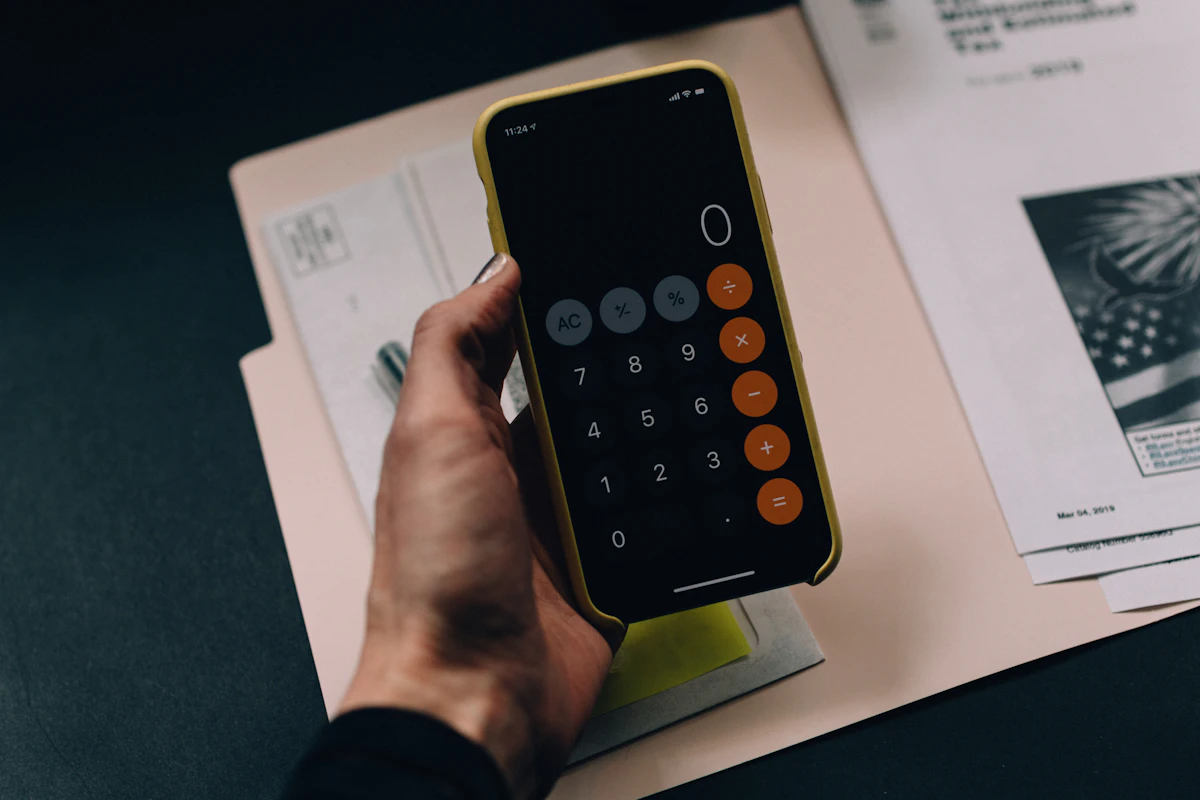
The Real Nigerian Overspending Problem
Imagine a Nigerian worker receiving salary on Friday.
By Saturday, the money has already started disappearing.
Food. Transport. Airtime. Data. A transfer to someone at home. A contribution for an event. A quick purchase. A meal outside because there was no time to cook. A subscription that renewed automatically. A small loan repayment. Another transfer.
Nothing looks catastrophic by itself.
Then the worker checks the account on the 20th of the month and wonders where the money went.
This is the part of personal finance that generic advice often misses.
Overspending is rarely one giant transaction. It is usually a system of repeated decisions.
And in Nigeria, that system operates inside a difficult environment.
The National Bureau of Statistics reported that headline inflation fell to 15.43% in July 2026 from 15.91% in June. That sounds encouraging until you look at food: food inflation rose to 20.31% year-on-year, while monthly food inflation accelerated to 5.56%. :contentReference[oaicite:2]{index=2}
In plain English, the overall rate at which prices were rising slowed, but the cost of feeding a household remained under heavy pressure.
So when somebody says, “I used to spend ₦50,000 on food and now I spend ₦80,000,” that does not automatically mean the person has become wasteful.
But if the same person also increased restaurant meals, impulse shopping, entertainment and unnecessary subscriptions because income increased, there may be a second problem.
The first skill is learning to separate the two.
What the 2026 Numbers Tell Us
Nigeria's financial-health problem is larger than individual spending habits.
EFInA's 2023 Access to Financial Services survey, discussed again by the organisation in June 2026, found that the share of financially healthy Nigerian adults fell from 28% in 2020 to 16% in 2023. The same research found that 84% of adults ran out of money at least once in 2023, while 78% could not raise emergency funds within a week. :contentReference[oaicite:3]{index=3}
That is important because it changes the conversation.
If a large number of people are repeatedly running out of money, the solution cannot simply be a motivational speech about discipline.
There are at least four different financial situations hiding under the sentence “I spend too much.”
| Situation | What is actually happening | First response |
|---|---|---|
| Behavioural overspending | Income is enough, but unnecessary spending consumes the margin. | Track and restrict discretionary spending. |
| Cost-of-living pressure | Essential prices have risen faster than expected. | Rebuild the budget around current prices. |
| Income insufficiency | Essential expenses already exceed reliable income. | Reduce structural costs and increase income. |
| Financial fragility | One emergency destroys the month's budget. | Build an accessible emergency buffer. |
You cannot fix all four problems with the same instruction.
When Higher Spending Is Not Overspending
This distinction deserves its own section because it prevents people from blaming themselves for an economic problem.
Suppose your food bill rises from ₦60,000 to ₦75,000 because the prices of the things you actually buy have increased.
Your spending increased by ₦15,000.
But your consumption may not have increased at all.
That is not lifestyle inflation.
Now suppose the same person receives a higher income and starts ordering food several times a week, upgrading transport unnecessarily and buying things simply because the extra money is available.
That additional spending is a different problem.
If your spending increased because the same basket of essentials became more expensive, investigate inflation and income pressure.
If your spending increased because you bought more, upgraded more or became less deliberate, investigate lifestyle inflation.
If both happened, you need both an expense strategy and an income strategy.
NBS's July 2026 figures demonstrate why this matters. Headline inflation was lower than a year earlier, but food prices remained a major pressure point. The CPI itself increased from 143.0 in June to 145.3 in July, meaning the slowing inflation rate did not mean prices suddenly returned to old levels. :contentReference[oaicite:4]{index=4}
Lower inflation is not the same thing as lower prices.
It means prices are increasing more slowly.
That single distinction can make a Nigerian household budget much more realistic.
10 Reasons Nigerians Overspend
1. Treating available money as spendable money
If ₦300,000 enters your account, it is tempting to think you have ₦300,000 to spend.
You do not.
Part of it may already belong to rent. Another part may belong to food. Another part may belong to transport. Another part may belong to debt repayment or an emergency reserve.
The bank balance tells you what is available.
Your financial plan tells you what is actually spendable.
2. Spending heavily immediately after payday
Payday creates a psychological feeling of abundance.
That feeling can be dangerous.
A person who has struggled through the final week of the previous month may feel entitled to “enjoy small” when the new salary arrives.
There is nothing wrong with enjoyment.
The problem is allowing payday emotion to make decisions for the entire month.
3. Not knowing where small money goes
₦1,500 does not feel like a financial emergency.
Neither does ₦2,500.
Neither does another ₦3,000.
But repeated spending creates a different calculation.
| Repeated expense | Monthly frequency | Approximate monthly total |
|---|---|---|
| ₦2,000 convenience purchase | 10 times | ₦20,000 |
| ₦3,000 impulse purchase | 8 times | ₦24,000 |
| ₦2,500 unnecessary upgrade | 6 times | ₦15,000 |
Individually, none of those transactions looks dramatic.
Together, they represent ₦59,000.
That is why “small money” deserves attention.
4. Social comparison
Social media has turned other people's spending into a permanent background noise.
You see someone's new phone.
Someone else is eating at a restaurant.
Someone posts a hotel.
Another person buys a car.
You do not see the complete financial arrangement behind the photograph.
You do not know whether the item was paid for with savings, debt, family money, business income or an entirely different salary.
Comparing your financial reality to somebody else's display is one of the fastest ways to make irrational spending decisions.
5. Family pressure without a spending boundary
Family support is part of Nigerian life.
The mistake is not helping people.
The mistake is helping without knowing what you can safely afford.
When every request becomes an emergency, your own budget becomes permanently unstable.
6. Convenience spending
Convenience is not free.
Paying more because you are tired, rushing, hungry or unprepared can become expensive when repeated.
One takeaway meal is not the problem.
Using takeaway meals as your default food system is the problem.
7. Irregular income creating false confidence
A trader can have a very good week and feel financially comfortable.
A freelancer can receive a large client payment and immediately upgrade their lifestyle.
A business owner can have a strong month and assume the next month will look the same.
Then income falls.
Budgeting must therefore be based on sustainable income, not the best month you have experienced.
8. Borrowing to maintain consumption
If every month ends with a loan, the problem is no longer just spending.
It is cash-flow architecture.
Borrowing can solve a temporary timing problem. It cannot permanently repair a lifestyle that costs more than reliable income.
9. No emergency buffer
Without a buffer, every unexpected event becomes a borrowing event.
A broken phone.
A medical expense.
A sudden trip.
A business interruption.
A delayed salary.
Even when the original budget was reasonable, one emergency can destroy it.
10. No system for deciding before spending
This is the deepest cause.
If every purchase requires a fresh emotional decision, you will eventually make bad decisions.
The solution is to make more decisions in advance.
The Payday Spending Trap
One of the simplest anti-overspending changes is to stop treating payday as one large spending event.
Instead, treat income as an allocation event.
When money arrives, divide it according to purpose before discretionary spending begins.
| First question | What you should identify |
|---|---|
| What must be paid? | Rent provision, utilities, debt, school, essential bills. |
| What must be consumed? | Food, transport, communication and household needs. |
| What must be protected? | Emergency reserve and future obligations. |
| What can be enjoyed? | Entertainment and discretionary purchases. |
The order matters.
Enjoyment should not consume money that already has another job.
Why Small Expenses Become Big Problems
The human brain is bad at feeling the cumulative weight of repeated small payments.
If you spend ₦2,000 on something unnecessary today, you may not care.
But if you repeat it 20 times, the total becomes ₦40,000.
That is the principle behind what I call the frequency multiplier.
Cost per purchase × number of repetitions = real monthly cost.
Consider a person who spends an additional ₦2,500 three times every week.
₦2,500 × 3 = ₦7,500 weekly.
Over four weeks:
₦7,500 × 4 = ₦30,000.
The question is no longer “Is ₦2,500 expensive?”
The better question is:
“Would I willingly spend ₦30,000 every month on this habit?”
If the answer is no, the frequency needs to change.
How Digital Payments Change Spending Behaviour
Digital payments have made Nigerian commerce dramatically more convenient.
That is a benefit.
But convenience also reduces friction.
When paying required physically counting cash, the transaction had a visible stopping point.
Today, a transfer can take seconds.
That means the time between wanting something and buying it can also be seconds.
You do not need to abandon digital payments.
You need to introduce deliberate friction.
- Use a 24-hour waiting rule for non-essential purchases.
- Keep essential money separate from everyday spending money.
- Remove unnecessary saved payment methods from shopping platforms.
The objective is not inconvenience for its own sake.
The objective is to give your brain enough time to ask whether the purchase deserves the money.
Why Irregular Income Makes Overspending Worse
Traditional budgeting assumes predictable monthly income.
Many Nigerians do not live that way.
Freelancers may receive several payments.
Traders may have strong and weak market days.
Commission earners may have excellent months followed by poor months.
Small-business owners may receive business revenue that should never have been treated as personal income in the first place.
The solution is to create a baseline income.
Suppose your recent monthly income looked like this:
| Month | Income |
|---|---|
| January | ₦210,000 |
| February | ₦290,000 |
| March | ₦180,000 |
| April | ₦320,000 |
| May | ₦230,000 |
The average is ₦246,000.
But budgeting your essential lifestyle around ₦246,000 may still be aggressive.
A safer planning number might be closer to the lower end of your reliable income range, depending on the stability of the business.
Then the stronger months can perform a different job: rebuilding reserves, funding known future expenses, repaying expensive debt or investing in the business.
Your best month should not automatically become your new normal.
The 7-Sign Overspending Test
You may have an overspending problem if several of these statements are regularly true:
- You frequently reach the final week of the month with almost no money.
- You transfer money out of savings to fund normal spending.
- You regularly borrow for food, transport or ordinary bills.
- You cannot explain a significant portion of your monthly expenditure.
- You buy things immediately after receiving income.
- Your lifestyle has expanded every time your income increased.
- You repeatedly tell yourself, “I don't know where the money went.”
One sign does not automatically mean you are financially irresponsible.
A repeated pattern deserves investigation.
How to Build a Budget That Matches Nigerian Reality
A budget is not a punishment document.
It is a map.
And a map that does not reflect the actual road is useless.
If transport now costs more than it did six months ago, update the transport line.
If food costs have changed, update food.
If your income has fallen, update income.
If a new family obligation has become permanent, include it.
The biggest budgeting mistake is protecting an old budget while reality has changed.
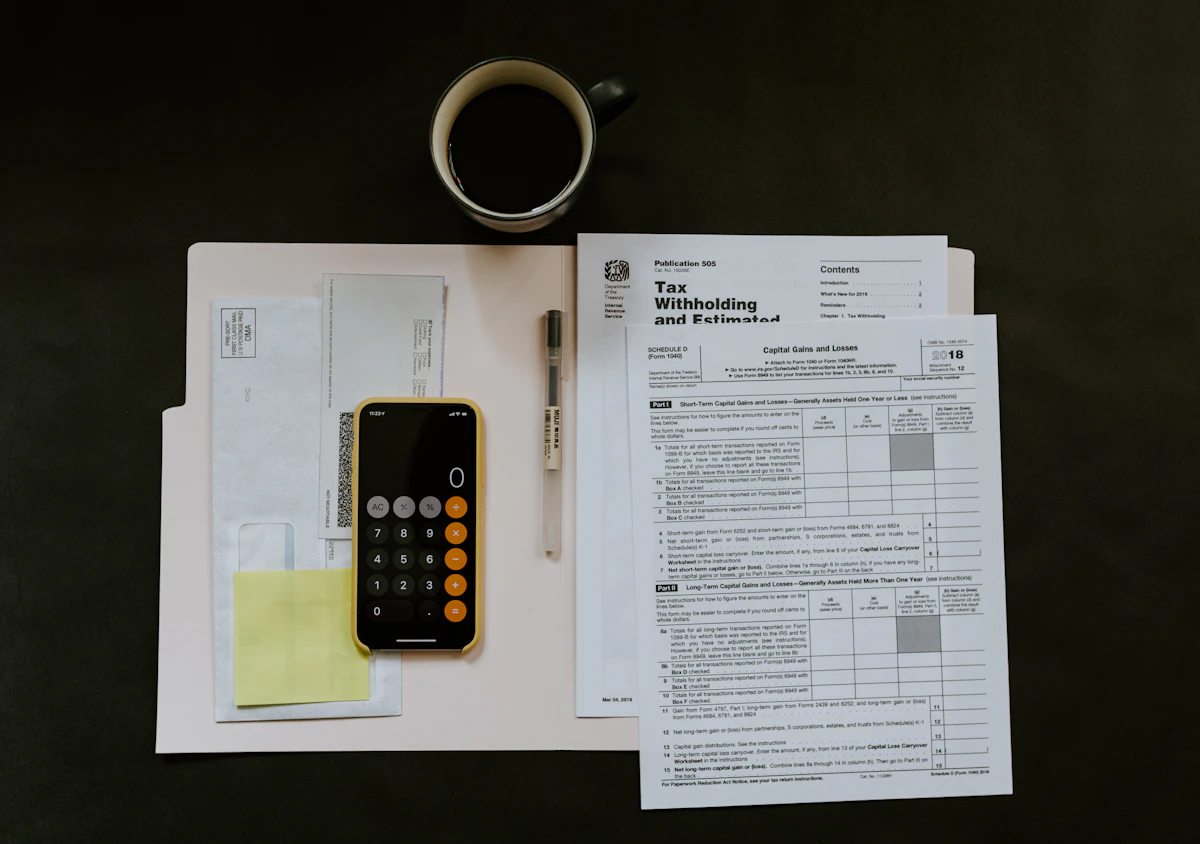
The four questions every Nigerian budget must answer
- What does it cost me to remain functional?
- What obligations cannot be ignored?
- What amount can I protect for the future?
- How much can I spend freely without damaging the first three?
If your budget cannot answer those questions, it is probably too complicated or too unrealistic.
The Four-Bucket Money System
One practical way to make budgeting easier is to divide money into four broad buckets.
| Bucket | Purpose | Typical expenses |
|---|---|---|
| Survival | Keep life and work functioning. | Food, housing, transport, electricity, basic communication. |
| Obligations | Known responsibilities. | Debt, school, family support, planned bills. |
| Protection | Prevent future financial emergencies. | Emergency savings and other appropriate reserves. |
| Freedom | Controlled discretionary spending. | Entertainment, eating out, shopping and personal treats. |
Notice that there is no universal percentage here.
That is deliberate.
A Nigerian earning ₦150,000 cannot automatically use the same percentages as somebody earning ₦1 million.
Rent, family responsibilities, location, transport and income stability all change the mathematics.
The principle is more important than the percentage: money needs jobs before it becomes available for impulse decisions.
Why Weekly Budgeting Can Work Better
Monthly budgets can create a dangerous illusion.
If you have ₦60,000 available for flexible spending this month, ₦60,000 feels like a large amount at the beginning.
But if you mentally divide it into four weeks, the picture changes.
₦60,000 ÷ 4 = ₦15,000 per week.
That is much easier to understand.
Now suppose you spend ₦10,000 during the first two days.
You immediately know that ₦5,000 of your weekly flexible budget has already been used.
Weekly limits create earlier warning signals.
If you spend less than your weekly discretionary limit, do not automatically spend the difference the following week. Allow part of it to roll into your future or emergency bucket.
This turns underspending into a reward rather than an invitation to spend more.
The 72-Hour Spending Reset
If your spending has become chaotic, do not immediately create a complicated budget.
Start with a reset.
For the next 72 hours:
- Buy only essentials.
- Do not make unnecessary online purchases.
- Do not upgrade functioning devices.
- Do not borrow for discretionary spending.
- Record every transaction.
- Do not make major purchases simply because money is available.
This is not a starvation exercise.
It is a diagnostic period.
You are trying to discover how often you spend because something is genuinely necessary and how often you spend because the opportunity to spend is available.
The 30-Day Anti-Overspending Plan
Days 1–3: Observe
Record every transaction without attempting to become perfect. Your objective is evidence.
Days 4–7: Categorise
Separate spending into survival, obligations, protection and freedom. Identify where your money is actually going.
Week 2: Attack the largest leak
Do not cut ten things at once. Identify the biggest avoidable category and change it first.
Week 3: Add friction
Introduce a waiting period for non-essential purchases, separate essential money and reduce easy access to discretionary funds.
Week 4: Rebuild the budget
Use actual spending data from the first three weeks to create a budget based on reality rather than guesses.
Day 30: Calculate your new margin
Compare income with essential spending and discretionary spending. Your goal is to know exactly how much financial margin exists.
The 30-day goal is not perfection.
The goal is visibility and control.
Building an Emergency Buffer
Overspending becomes especially dangerous when you have no financial buffer.
EFInA's 2023 data found that 78% of Nigerian adults reported that raising emergency funds within a week was very difficult. :contentReference[oaicite:5]{index=5}
That tells us something important.
For many households, the first financial goal should not be chasing the highest possible investment return.
It may be creating enough accessible cash to prevent a normal emergency from becoming a debt emergency.
Build the buffer in stages
| Stage | Example target | Purpose |
|---|---|---|
| Stage 1 | ₦20,000–₦50,000 | Handle small unexpected expenses. |
| Stage 2 | One month's essential expenses | Protect against short-term disruption. |
| Stage 3 | Several months of essentials | Stronger protection against income interruption. |
The correct target depends on income stability, dependants, health needs, employment and other circumstances.
Do not wait until you can save a huge amount before starting.
A small accessible reserve is better than having no reserve at all.
When Overspending Becomes a Debt Problem
There is a major difference between borrowing for a planned purpose and borrowing because the monthly budget repeatedly fails.
If you borrow ₦20,000 this month to cover a temporary gap and repay it comfortably, that is one situation.
If you borrow ₦20,000 this month, ₦30,000 next month and ₦25,000 the month after because normal expenses exceed income, you have a structural problem.
The new loan is no longer solving the old problem.
It is becoming part of the problem.
If repaying last month's borrowing makes you borrow again this month, stop and calculate your complete monthly cash flow before taking another loan.
Never judge a loan only by how much you receive.
Look at the total repayment, fees, due date and what the repayment will do to next month's essential expenses.
For regulated financial services, always verify the relevant provider's current regulatory status through the appropriate Nigerian regulator before committing money or personal information.
How to Handle Family Requests Without Going Broke
This is one of the hardest parts of personal finance in Nigeria because financial decisions are rarely completely individual.
A relative may genuinely need help.
The answer is not to pretend that family does not matter.
Instead, create a helping capacity.
For example:
If your monthly income is ₦300,000 and you decide that ₦20,000 is the amount you can normally devote to voluntary support, you now have a boundary.
When a request arrives, you ask:
- Is it within my support allocation?
- Is it a genuine emergency?
- Can I help partially rather than fully?
- Will helping create a more serious problem for my household?
- Can I contribute another form of help instead of cash?
That last question is important.
Sometimes the most responsible help is not money.
It may be information, transport, practical assistance, a referral, or helping someone find a solution that does not require you to create debt.
When Cutting Spending Is No Longer Enough
This is where personal-finance advice often becomes dishonest.
There is a limit to how much you can cut.
If your essential monthly expenses are ₦220,000 and your reliable income is ₦180,000, you have a ₦40,000 structural deficit.
Removing one streaming subscription will not solve it.
Skipping every social outing will not solve it permanently.
You need an income response.
| If the problem is... | Consider... |
|---|---|
| One expensive habit | Cut or replace the habit. |
| Several recurring leaks | Redesign the spending system. |
| High essential costs | Renegotiate, restructure or reduce the structural expense. |
| Debt repayments | Build a debt-reduction plan and stop creating new consumption debt. |
| Income too low | Develop additional reliable income or improve earning capacity. |
The best financial plan often combines defence and offence.
Defence means stopping avoidable leakage.
Offence means increasing the amount of money available to build a stable life.
The Daily Reality 5-Question Spending Test
Before making a non-essential purchase, ask these five questions:
Do I need it now?
Separate urgency from desire.
Did I budget for it?
If it was not planned, ask what other financial goal will give way.
Can I pay without borrowing?
If the answer is no, the purchase deserves much more scrutiny.
What will this purchase delay?
Every naira spent has an opportunity cost. It may delay savings, debt repayment or another priority.
Would I still buy it after 24 hours?
If the desire disappears after the waiting period, it was probably impulse rather than need.
This is deliberately simple.
A decision system that you actually use is more valuable than a sophisticated spreadsheet you abandon after three days.
A ₦300,000 Nigerian Budget Example
Consider a fictional Nigerian worker earning ₦300,000 monthly.
This is not a universal recommendation. It is a demonstration of how to assign money jobs.
| Category | Example allocation | Purpose |
|---|---|---|
| Housing provision | ₦60,000 | Build toward rent/housing costs. |
| Food | ₦65,000 | Groceries and essential meals. |
| Transport | ₦35,000 | Work and necessary movement. |
| Utilities & communication | ₦25,000 | Electricity, data and communication. |
| Family/social support | ₦20,000 | Planned assistance and social obligations. |
| Emergency/future | ₦35,000 | Financial protection. |
| Flexible spending | ₦25,000 | Controlled enjoyment. |
| Buffer | ₦35,000 | Unexpected or irregular costs. |
| Total | ₦300,000 | Every naira assigned. |
The strength of this example is not the percentages.
The strength is that flexible spending is visible.
That means enjoyment does not have to be eliminated.
It simply cannot quietly consume money already assigned to food, housing or emergencies.
Now compare two months
Person A: earns ₦300,000 and spends ₦285,000.
Monthly margin = ₦15,000.
Person B: earns ₦300,000 and spends ₦330,000.
Monthly deficit = ₦30,000.
If Person B repeats that deficit for six months:
₦30,000 × 6 = ₦180,000.
That is why the phrase “I only spend a little extra each month” can be misleading.
A small monthly deficit becomes a large annual problem.
Budgeting Mistakes to Avoid
Mistake 1: Copying someone else's budget percentages
Your rent, transport, family responsibilities and income may be completely different.
Mistake 2: Creating a budget from old prices
Prices change. Review the budget using current local prices.
Mistake 3: Budgeting from your best income month
Strong months should strengthen your finances, not automatically increase your lifestyle.
Mistake 4: Treating savings as leftover money
If savings receive whatever survives spending, they may receive nothing.
Mistake 5: Ignoring irregular expenses
Rent, school costs, repairs, celebrations and annual obligations should be anticipated where possible.
Mistake 6: Making the budget too complicated
You do not need 47 categories if five useful categories can accurately control your money.
Mistake 7: Calling every purchase a necessity
Convenience is valuable, but convenience is not the same thing as necessity.
Mistake 8: Cutting everything enjoyable
A budget that makes life miserable may be difficult to maintain. Controlled enjoyment is part of sustainable financial planning.
Frequently Asked Questions
1. Why do Nigerians overspend even when they know they should save?
Knowing what to do and having a system that makes it easy to do are different things. Overspending can be driven by irregular income, social pressure, inflation, convenience, digital payments and emotional decisions. A practical system reduces the number of decisions you must make in the moment.
2. Is overspending always caused by poor financial discipline?
No. A household may be spending more because essential prices have increased or because reliable income is insufficient. The first step is to determine whether the problem is discretionary spending, structural costs, income or financial fragility.
3. Why does my money finish quickly after payday?
Payday can create a temporary feeling of financial abundance. If money is not assigned to obligations and future needs immediately, discretionary spending can consume too much before the rest of the month arrives.
4. How can I stop impulse buying?
Create a delay between wanting and purchasing. A 24-hour rule for non-essential purchases can help. For expensive items, use a longer waiting period and compare the purchase against your financial goals.
5. Should I use cash to control spending?
Cash can help some people become more aware of spending, but it is not the only solution. Separate digital accounts, spending limits and transaction tracking can provide similar friction while retaining the convenience of electronic payments.
6. How much should a Nigerian save every month?
There is no single percentage suitable for everyone. Begin with an amount you can sustain after essential obligations and gradually increase it as your financial margin improves.
7. What if my salary is too small to save?
Budget anyway. A budget will reveal whether the problem is avoidable spending or an income shortage. If essentials already exceed reliable income, expense control should be combined with an income-improvement strategy.
8. How can I budget when my income changes every month?
Use a conservative income baseline rather than your best month. Build essential commitments around income you can reasonably expect, then use stronger months to strengthen reserves and handle future obligations.
9. How can I stop spending money because of social pressure?
Create a planned social-support amount. When a request arrives, compare it with that allocation and your current obligations. You can also offer non-cash assistance where appropriate.
10. Is borrowing always bad?
No. Borrowing can be appropriate in some circumstances. The key questions are the purpose, total repayment cost, repayment capacity and whether the borrowing solves a temporary problem or hides a recurring budget deficit.
11. Why do small purchases affect my finances so much?
Frequency compounds their impact. A ₦2,500 expense repeated three times weekly can become roughly ₦30,000 over four weeks. Always evaluate repeated expenses by their monthly total.
12. Should I stop eating out completely to save money?
Not necessarily. The objective is to make eating out fit within your discretionary budget. The problem is when convenience food repeatedly consumes money needed for essential expenses or savings.
13. How often should I review my Nigerian budget?
Review it monthly. If your income or major costs change frequently, review it more often. Current prices should be reflected in the plan.
14. What should I do first if I keep running out of money?
Do not immediately look for another loan. First examine your last 30 days of transactions, identify the essential and discretionary totals, calculate your monthly deficit or surplus and then determine what needs to change.
15. What is the fastest way to stop overspending?
Start with visibility. Record every transaction for seven days, identify your three largest avoidable spending leaks, introduce a waiting rule for non-essential purchases and create separate allocations for essential expenses and future needs.
Research Sources and Data Notes
This article was updated using current Nigerian economic and financial-health information rather than relying only on the original February 2026 publication.
- National Bureau of Statistics: Consumer Price Index and Inflation database . The database includes the July 2026 CPI release. NBS's July figures show headline inflation at 15.43%.
- EFInA: Financial Health and Resilience in Nigeria . The June 2026 publication discusses the 2023 A2F financial-health findings.
- EFInA: The State of Financial Health in Nigeria . The underlying research provides the financial-health indicators discussed in this article.
- Central Bank of Nigeria: CBN Data and Statistics . Use the CBN's current statistics and publications when evaluating regulated financial products and changing monetary conditions.
Data note: Inflation measures the rate of change in prices; a fall in the inflation rate does not mean that prices have returned to their previous levels.
Final Takeaway: Your Goal Is Not to Spend Nothing
The purpose of financial discipline is not to make your life miserable.
It is to stop your money from making decisions for you.
You should be able to buy food without wondering whether you can afford transport next week.
You should be able to help family without immediately creating a crisis in your own household.
You should be able to enjoy yourself without using money that already belongs to another obligation.
You should be able to receive a higher income without automatically converting the increase into a higher lifestyle.
And you should be able to face a small emergency without immediately reaching for another loan.
The 2026 Nigerian economy makes that discipline more important, not less.
The latest NBS figures show that headline inflation has moderated, but food inflation has remained a significant pressure point. :contentReference[oaicite:6]{index=6} EFInA's financial-health findings show why household resilience matters: access to financial services alone does not guarantee financial health. :contentReference[oaicite:7]{index=7}
So do not leave this article with a vague promise to “save more.”
Within the next 24 hours, download or review your last 30 days of transactions.
Calculate:
Total income − essential expenses − obligations − discretionary spending = your real monthly margin.
Then identify the three largest avoidable leaks.
Do not attempt to fix everything at once.
Fix the largest leak first.
If your income is enough but your spending is uncontrolled, build a stronger system.
If your essential costs are too high, redesign the household economics.
If your income is too low, work on earning capacity alongside spending control.
If one emergency can destroy your entire month, build a buffer.
And if debt is repeatedly financing normal life, stop treating the symptom and examine the underlying cash-flow deficit.
The objective is simple: know where your money is going before it goes there.
That is how you stop overspending in 2026.
About the Author

Samson Ese is the Founder, Editor-in-Chief and Lead Writer of Daily Reality NG, an independent Nigerian digital publication focused on making complex financial, legal, digital and everyday systems understandable and actionable for Nigerian readers.
I writes from Warri, Delta State, with a Nigerian-context-first approach that combines primary-source research, practical examples and plain-language explanation. Daily Reality NG identifies every published article with a named author and maintains a focus on Nigerian-specific evidence rather than generic international templates.


Comments
Post a Comment