Daily Reality NG — Nigeria's independent guide to fintech, business tools, health insurance, and corporate law. Researched breakdowns for people making serious financial and business decisions.
The Hidden Cost of Being Broke: What Poverty Charges Daily
Get link
Facebook
X
Pinterest
Email
Other Apps
-
📅 Published: February 6, 2026 | ✍️ By: Samson Ese | ⏱️ 28 min read | 📂 Money & Business
The Hidden Cost of Being Broke: What Poverty Actually Charges You Daily
Today, we're exposing something most Nigerians feel but rarely talk about—the invisible tax poverty charges every single day.
December 2023. Thursday morning around 8:47am. I'm standing at Fadeyi bus stop for Lagos, watching danfo after danfo pass me by because I only get ₦150 cash. The conductor dey shout "Yaba! Yaba! ₦200!" And I dey there, knowing say if I get money for POS withdrawal (wey be another ₦100 charge), I for don enter motor since. My phone battery don reach 12 percent. I no fit charge am because the small kiosk wey dey charge phone dey collect ₦100 per hour, and that money fit buy me sachet water for afternoon.
That morning, standing there under the hot sun with sweat soaking my back, my stomach growling because I skip breakfast to save ₦300, something click for my head. I been dey broke for years. But that day, I realize say being broke no be just about not having money. E be say poverty dey charge you extra for EVERYTHING. Transport, food, banking, even the air you dey breathe inside hot room because you no fit buy fan.
I finally enter motor after waiting 45 minutes. The conductor collect my ₦150 with serious face, like say I just rob am. By the time I reach my destination, I don late for the interview. I no get the job. And the cycle continues. That day cost me ₦150 in transport, 45 minutes of my time, one job opportunity, and my entire sense of hope. All because I been broke.
This article no be motivational speech. This na real mathematics of poverty for Nigeria—the hidden charges wey dey choke person silently, the premium wey poor people dey pay just to survive, the expensive trap wey poverty be. If you don ever calculate how much e cost you to be broke, you go shock. Make we break am down, figure by figure, trap by trap, until the full picture clear.
Photo by Towfiqu barbhuiya on Unsplash - Representing the daily financial struggles many Nigerians face
🚌 The Transport Trap: Why Broke People Pay More to Move
Let me tell you something wey go pain you. The richer you be, the cheaper your transport. The broker you be, the more you dey pay. Sounds backwards abi? But na mathematics.
Person wey get car dey pay maybe ₦5,000 fuel weekly to move around Lagos. That's ₦20,000 monthly. Sounds like plenty money, right?
But wait. Make we calculate wetin broke person dey pay for same Lagos movement:
Real Transport Math for Broke Nigerians (2026):
Morning danfo from Ikeja to CMS: ₦300
Afternoon keke from CMS to Obalende: ₦200
Evening danfo from Obalende back to Ikeja: ₦400 (because night time prices don increase) Daily total: ₦900 Monthly total (22 working days): ₦19,800
You see am? Person without car dey pay almost the same amount as person wey get car. But the wahala never end there. That calculation never include:
The extra ₦100 wey you go pay POS agent to withdraw cash because danfo no dey collect transfer. The ₦50 "change" wey conductor go claim say e no get. The transport wey you go pay when LASTMA block road and everybody come dey find alternative route wey cost ₦500 instead of ₦300. The days wey rain fall and transport price just double because "na rainy season." The times wey you go trek 20 minutes in hot sun because the ₦100 for your pocket no reach the ₦200 wey conductor dey call.
And here's the real kicker—person wey get car fit sleep extra 30 minutes for morning because e no dey wait for bus. E go reach office fresh. E go fit attend evening meeting without checking if transport go dey. Meanwhile, you don wake up 5:30am, don trek, don wait for bus for hot sun, don enter bus wey conductor dey press you like sardine, and you don reach office by 9am already tired like say you do night shift.
⚠️ Did You Know? According to research from the Vanguard Nigeria Transport Analysis 2025, low-income Nigerians spend an average of 35 percent of their monthly income on transportation, compared to just 12 percent for middle-income earners. That's almost THREE TIMES more of their income just to move around.
But e get something wey pain me pass. The opportunity cost. How many times interview don schedule for 10am, but you know say if you leave house by 7am, you fit still late because of traffic and bus wahala? How many business meetings you don miss because you no sure say transport go dey? How many side hustles you no fit do because e require you to move around, and transport money go chop all your profit?
I remember one time for 2024, around June. Emmanuel, my guy wey dey stay for Ajah, get opportunity to do photography gig for Lekki. The client go pay ₦15,000. But Emmanuel calculate say to move from Ajah to Lekki with all him equipment go cost ₦2,500 for transport (going and coming). Plus the ₦1,000 wey e go use buy lunch because the shoot go last 6 hours. Plus the stress of moving heavy camera bag inside public transport where thief plenty.
In the end, Emmanuel reject the job. ₦15,000 minus ₦3,500 (transport and food) equals ₦11,500. E no worth the stress and risk. But you know wetin pain me? That client don dey use person wey get car now. That person dey collect ₦25,000 for same job, and e no dey pay transport because e just drive there. Na so poverty dey lock you out of opportunities while you dey watch.
"Poverty isn't just about having less money. It's about paying more for everything while earning less. Transport, housing, food, health—being broke comes with a premium that keeps you broker." — Samson Ese, Daily Reality NG
The transport trap no be small thing. E dey drain your pocket, your time, your energy, and your opportunities. And the system designed am that way. Public transport for Nigeria no be organized or subsidized like for other countries. Na pure capitalism. You wan move? Pay. You no get money? Walk. Simple.
🏦 Banking While Broke: The ₦50,000 Annual Penalty
This one go shock you well well. Nigerian banks dey punish poor people. No be speculation. Na straight facts with receipts.
If you get money for your account, banks go dey beg you. Dem go give you free debit card, free SMS alerts, relationship manager wey go dey call you "sir" or "ma." But if your account balance dey struggle to reach ₦10,000 every month? You don enter punishment mode.
Let me show you the real numbers for 2026:
Banking Charges for Broke Account (Monthly Breakdown):
Card maintenance fee: ₦50/month = ₦600/year
SMS alert charges: ₦4 per alert × 30 alerts = ₦120/month = ₦1,440/year
ATM withdrawal charges (after 3rd withdrawal): ₦35 × 8 withdrawals = ₦280/month = ₦3,360/year
POS withdrawal charges: ₦100 × 4 times = ₦400/month = ₦4,800/year
Stamp duty (any transaction above ₦10,000): ₦50 × 4 = ₦200/month = ₦2,400/year
Account maintenance fee (if balance below minimum): ₦100/month = ₦1,200/year
Transfer charges (to other banks): ₦26.88 × 10 transfers = ₦269/month = ₦3,228/year
Failed transaction reversal delay (you go dey wait 7-10 days while your money dey stuck) Total annual penalty for being broke: ₦17,028+
But wait. That's just the direct charges. Make we add the indirect costs:
You need to withdraw ₦5,000 urgently, but the ATM near your house no get money. You go trekk to POS. POS agent go charge you ₦200 for ₦5,000 withdrawal. That's FOUR PERCENT charge! If you do this 10 times a year, na ₦2,000 wey you don throw away.
Your bank app dey misbehave. Customer care line dey charge you ₦50 per minute after the first 3 minutes. You go spend 10 minutes to resolve simple issue = ₦350 gone.
You need to do transfer on weekend, but you no get data. You go rush to buy ₦100 data. Transaction fail. You call customer care (another ₦50 airtime). Dem say make you wait 3-5 working days for reversal. Meanwhile, the person wey you suppose pay don dey vex, and you don lose that business opportunity.
Photo by Towfiqu barbhuiya on Unsplash - Banking while broke comes with hidden charges most people don't track
Now compare this to person wey get money. If your average account balance na ₦500,000 or more, most Nigerian banks go:
Waive your card maintenance fee. Give you free SMS alerts. Give you higher withdrawal limits so you no go pay multiple ATM charges. Give you dedicated customer service wey go pick your call sharp sharp. Sometimes even refund your stamp duty charges if you complain.
You see the wickedness? The less money you get, the more the bank dey charge you. Meanwhile, person wey get money dey enjoy free services. I swear, sometimes I dey feel say Nigerian banks dey use poor people money subsidize rich people enjoyment.
💡 Real Example: My friend Ngozi wey dey stay for Enugu, she get small provision business. Her average monthly sales na around ₦80,000. But because she dey withdraw small small (₦2,000 here, ₦3,000 there) to buy stock and pay suppliers, she dey pay almost ₦1,500 monthly just for ATM and POS charges. That's ₦18,000 yearly. Money wey fit buy her extra stock or pay one month rent. All that money just dey go to bank charges because she broke.
And I never even talk about the psychological cost. You know how e dey pain to check your account balance and see ₦8,745, then two days later you check again and na ₦8,495 because of "maintenance charge"? That ₦250 fit buy you breakfast for two days. But bank just chook hand collect am. No notification. No apology. Just gone.
I remember one time for December 2024, I been get interview for Victoria Island. I save ₦3,500 for transport and lunch. The day before the interview, I check my account—₦3,150. I con dey wonder wetin happen to the remaining ₦350. I check transaction history, I see: "SMS Alert Charge - ₦120", "Card Maintenance - ₦50", "ATM Withdrawal Charge - ₦105", "Stamp Duty - ₦75". Total: ₦350.
I just weak. That ₦350 wey dem deduct na my lunch money for the interview. I con go the interview hungry, e affect my performance, I no get the job. All because bank just decide say my money too small, make dem charge me extra.
"Nigerian banks treat poverty like a crime. The less you have, the more they charge. It's a system designed to keep the poor poorer while the rich enjoy free services. That's not banking—that's punishment." — Samson Ese, Daily Reality NG
For person wey dey earn ₦50,000 monthly, losing ₦1,500 to bank charges na THREE PERCENT of their income. Three percent! That's more than some people dey save sef. Meanwhile, person wey dey earn ₦500,000 monthly dey pay maybe ₦200 in charges (because most of their charges don dey waived). That's 0.04 percent of their income.
The banking system for Nigeria no dey designed to help poor people rise. E dey designed to milk them dry. And if you complain, dem go tell you say "na standard charges." Standard for who? Certainly not for person wey dey hustle ₦1,000 daily just to chop.
If you wan know more about how to manage your finances better and calculate when side hustles make sense despite these banking costs, that article go give you practical steps.
🍚 The Food Premium: Why Eating Cheap Costs More
This one go sound crazy, but I go prove am with mathematics and real life examples. Poor people dey pay more for food. Not because dem dey eat better food—NO. Because dem dey buy small small.
Make I paint you one scenario wey dey happen every day for Lagos, Abuja, Port Harcourt, everywhere.
Example 1: Rice Purchase Comparison (2026 Market Prices)
Rich Person Method:
Buy 50kg bag of rice at wholesale price: ₦85,000
Cost per kg: ₦1,700
Broke Person Method:
Buy 1 milk tin of rice daily (approximately 400g): ₦800
Cost per kg: ₦2,000
Extra cost for being broke: ₦300 per kg = ₦15,000 extra if you consume 50kg over time
You see the trap? The person wey no get ₦85,000 at once go end up paying ₦100,000 for the same quantity of rice. That's ₦15,000 penalty for being broke. Fifteen thousand naira! That money fit pay one month rent for some places for Nigeria.
But the rice example na just one product. Make we check other common food items wey poor people dey pay premium for:
**Groundnut oil:**
- Big bottle (5 liters) at market: ₦12,000 = ₦2,400/liter
- Small sachet (50ml) at kiosk: ₦150 = ₦3,000/liter
- **Poverty premium: ₦600 per liter**
**Detergent:**
- Big pack (900g) at market: ₦1,500
- Small sachet (50g) at kiosk: ₦100 = ₦1,800 if you buy equivalent of big pack
- **Poverty premium: ₦300**
**Pure water:**
- Big bag (20 sachets) at wholesale: ₦200 = ₦10 per sachet
- Buying one by one from hawker: ₦30 per sachet
- **Poverty premium: ₦20 per sachet = ₦400 per bag**
Now, imagine say you dey buy small small for everything—rice, beans, oil, detergent, soap, water, salt, seasoning, matches, everything. At the end of the month, you don pay premium of maybe ₦8,000 to ₦12,000 just because you no get bulk money upfront.
⚠️ Health Cost Nobody Talks About: When you dey buy small small, you also dey exposed to more health risks. Those small sachets of oil, salt, and seasoning—some of them no get proper packaging or expiry dates. You fit dey consume expired or contaminated products without knowing. Then when sickness come, you go spend the money wey you been save on buying small small, plus extra, on hospital bills.
I remember clearly, November 2024, around the middle of the month. I been dey stay for one face-me-I-face-you for Surulere. My neighbor, her name na Ada, she get three pikin. Every evening around 6pm, I go dey see her send her first daughter, about 9 years old, go buy provisions.
₦50 for salt. ₦100 for oil. ₦200 for rice. ₦150 for Maggi. ₦100 for tomato paste. ₦300 for onions and pepper. Total: ₦900 for one day cooking.
One day, I just calculate am for Ada. I tell am say "Sister Ada, if you fit save small money, like ₦5,000, buy big quantities for market once a month, you go save at least ₦3,000 monthly on those same items."
You know wetin she tell me? She just laugh one kind tired laugh and she say, "Samson, you think say I no know? But where I wan see ₦5,000 keep? By the time I pay rent, pay light bill, pay children school fees balance, pay water, the money wey remain na only for daily feeding. If I try keep ₦5,000 aside, we no go chop for three days."
That response pain me die. Because na true she talk. When you dey live day by day, hand to mouth, you no get luxury to "invest" in bulk purchase. You no fit think long term because short term dey choke you.
And e get another angle wey people no dey talk about. When you dey broke, you no fit take advantage of sales and promotions. Shoprite go do "buy 2 get 1 free" for big bag of rice. But you no get money to buy even one, talk less of two. So you go dey watch rich people load their trolley with discounted items while you dey kiosk front dey pay full price for small sachet.
💡 Example 2: The Bulk Buying Trap
December sales period. Jumia dey do 50 percent off for big pack of provisions. Person wey get money go buy ₦50,000 worth of provisions at ₦25,000. That same ₦25,000 wey broke person get? E go use am buy small small throughout January, and by February, the provisions wey e buy no go even reach half of wetin rich person buy. Meanwhile, both of them spend ₦25,000. But one person get value, the other one get premium poverty tax.
"The cruelest irony of poverty: the less money you have, the more everything costs. Bulk buying saves money, but you need money first to access those savings. It's a locked door where money is the key to saving money." — Samson Ese, Daily Reality NG
The food premium no be just about price per kg or liter. E dey extend to where you dey buy food sef. When you get money, you fit go market on Saturday morning when everything fresh and price dey lowest. You fit even form shakara, price down goods, compare prices between different sellers.
But when you broke? You go dey buy from that kiosk wey dey your street corner. The seller know say you no get choice. You no fit trekk to market. You no get transport money. So e go sell ₦50 onion to you for ₦80, and you go buy am because you need am urgently.
Me sef, I been experience this thing firsthand. There was one time, 2023 December, I been dey prepare for Christmas. I get exactly ₦3,000. I know say if I trekk go Oke-Arin market for Lagos early morning, that ₦3,000 fit buy me enough provisions to last two weeks. But trekking go take me almost 2 hours one way. That's 4 hours total. My phone battery low, I no sure say e go last the journey. Plus, if rain fall while I dey market, I go soak and maybe catch cold.
So I just say make I buy from nearby shop. That same ₦3,000 buy me provisions wey finish in 5 days. I calculate later, I discover say I pay almost 40 percent more just because I buy for neighborhood instead of trekking to proper market.
Poverty na cage wey get many bars. Food premium na one of the strongest bars.
If you dey interested in practical ways to eat well on a tight budget despite these challenges, check that guide for real strategies.
🏠 Housing Hell: The Rent-to-Income Death Spiral
Make I just tell you straight—if you think say transport and food premium dey heavy, wait until you calculate the housing trap. This one go make you cry real tears.
For countries like America or UK, dem get what dem dey call "30 percent rule." E mean say your rent no suppose pass 30 percent of your monthly income. Affordable housing. Sensible.
For Nigeria? Broke people dey pay 60-80 percent of their monthly income on rent ALONE. Sixty to eighty percent! And that's not even counting the upfront payment wahala.
Example 3: The Rent Payment Penalty
Let's say you wan rent self-contain for Ikorodu, Lagos. Basic place. Nothing fancy.
If you get money upfront:
Annual rent: ₦300,000
Monthly equivalent: ₦25,000
If you broke and you dey beg landlord for monthly payment:
Monthly rent: ₦35,000 (landlords dey add premium because dem no trust you)
Annual total: ₦420,000
Poverty premium for same apartment: ₦120,000 per year
Plus, most landlords no go even gree monthly payment. Na annual or nothing. So if you no get the ₦300,000 at once, you go remain for that mosquito-infested face-me-I-face-you wey you dey pay ₦60,000 yearly for. And that place no even get toilet inside, you dey share with 6 other people.
But the wickedness no end there. Make we add agent fee, agreement fee, and "caution fee":
Photo by Digital Buggu on Unsplash - Many Nigerians are trapped in substandard housing due to upfront payment requirements
Annual rent: ₦300,000
Agent fee (usually 10 percent): ₦30,000
Agreement fee (lawyer): ₦20,000
Caution fee (refundable, dem go claim): ₦50,000
**Total upfront payment: ₦400,000**
Now, if you dey earn ₦60,000 monthly as hustling Nigerian, how you wan raise ₦400,000 at once? You go need save for almost 7 months WITHOUT spending a kobo on anything else. No food. No transport. No clothes. No phone credit. Nothing. Just pure savings.
Obviously, that's impossible. So wetin you go do? You go remain for that place wey rent na ₦60,000 per year. But wait—that place get problems. No light. No water. Toilet far. Mosquito plenty. Roof dey leak when rain fall. Landlord no dey maintain anything.
So you go dey spend extra money patching problems:
- ₦5,000 monthly for fuel to run small generator (because no light)
- ₦3,000 monthly for pure water (because no pipe water)
- ₦2,000 monthly for mosquito coil and insecticide
- ₦1,000 monthly for extra security because the area no too safe
That's ₦11,000 monthly extra cost = ₦132,000 yearly.
Now add am to your ₦60,000 rent. Total housing cost: ₦192,000 yearly.
But if you been get ₦400,000 upfront to rent better place with light, water, and security, your total housing cost for the year na just ₦300,000. You for save ₦92,000!
You see the madness? You dey pay ₦192,000 for substandard housing because you no get ₦300,000 for better housing. Poverty dey tax you ₦92,000 just for being broke.
⚠️ Did You Know? Research published by the Centre for Affordable Housing Finance Africa shows that over 70 percent of Nigerian renters in low-income brackets spend more than half their income on housing and housing-related costs. This makes Nigeria one of the most expensive countries in Africa for poor people to find shelter.
I fit relate to this one personally because I don experience am. 2022, I been dey stay for one face-me-I-face-you for Ajah. Rent na ₦50,000 per year. Sounds cheap abi? But make I show you the true cost:
The room small. Like prison cell size. E no get window, just one small opening wey dem call ventilation. NEPA light no dey come, so I dey run generator every evening. Fuel cost me around ₦6,000 monthly. Water? We get only one tap for the whole compound of 12 rooms. The tap go run maybe 2 hours per day, and na fight everybody go dey fight to fetch water. So I been dey buy pure water bag daily: ₦200 × 30 days = ₦6,000 monthly.
Toilet na communal. Me and 11 other people dey share am. E dey smell, e dey dirty, and sometimes e go block for days before landlord send plumber. I con dey pay ₦500 weekly to use my friend toilet for another compound. That's ₦2,000 monthly.
Add everything:
- Rent: ₦50,000 yearly = ₦4,167 monthly
- Generator fuel: ₦6,000 monthly
- Water: ₦6,000 monthly
- External toilet access: ₦2,000 monthly
- **Total monthly housing cost: ₦18,167**
Meanwhile, my coworker Damilola wey dey earn almost the same salary as me (we both been dey collect ₦70,000 monthly that time) been rent self-contain for Ikorodu. Annual rent: ₦280,000 upfront. But the place get constant NEPA light, borehole water, and private toilet.
Her monthly housing cost? ₦280,000 ÷ 12 = ₦23,333. No extra fuel. No water wahala. No toilet drama.
I dey pay ₦18,167. She dey pay ₦23,333. Difference na only ₦5,166 monthly. But the quality of life? Light and darkness comparison. She dey sleep well. I dey fight mosquito. She dey bath with clean borehole water. I dey buy sachet water to bath. She get peace of mind. I dey stress every day.
And the worst part? I no fit save the ₦280,000 wey go allow me move to better place because after paying my ₦18,167 housing cost and other bills, I no get enough left to save meaningful amount.
"Housing in Nigeria is designed for people who already have money. The upfront payment system locks poor people into terrible living conditions where they pay MORE for LESS, and the cycle never ends until something drastic changes." — Samson Ese, Daily Reality NG
The housing trap get another evil layer—location. Because you no fit afford good area, you go rent for cheaper areas far from opportunities. This go increase your transport cost (remember the transport trap we discuss before?). You go spend extra 2-3 hours daily commuting. You go tire before you even start work. Your productivity go drop. Your health go suffer. Your opportunities go reduce.
I know person, her name na Jessica, she been dey work for bank for Marina, Lagos. But she fit only afford rent for Iyana Ipaja, far far for mainland. Every morning, she go wake up 4:30am. By 5:15am, she don dey bus stop. By 6am, she enter bus. Sometimes the bus go break down for road. Sometimes LASTMA go catch the bus. Sometimes traffic go just dey mad. She go reach office 9am, sometimes 10am, already exhausted.
One day, her manager call her, say dem get opportunity for promotion. But the role require someone wey fit stay back sometimes for evening meetings, someone wey fit come office early for urgent situations. Jessica know say with where she dey stay, that level of flexibility impossible. She turn down the promotion. Not because she no qualify. Not because she no want am. But because poverty don lock her in one location wey make career growth difficult.
That promotion been include salary increase from ₦150,000 to ₦220,000 monthly. The extra ₦70,000 for fit help her rent better place closer to work. But she no fit access the promotion because she never get better house. E be like chicken and egg problem. You need money to afford better house. You need better house to make more money. You no get either, so you stuck.
For more insight on how to save money despite high housing costs using modern fintech solutions, that article get practical tips.
Na so housing dey trap millions of Nigerians in poverty cycle wey hard to break.
⚡ Energy Poverty: Paying Triple for Light and Power
Listen. If you never calculate how much being broke cost you for energy (light and power), you go shock when you see the numbers. Poor Nigerians dey pay almost THREE TIMES what middle-class Nigerians dey pay for the same amount of electricity consumption. How? Make I break am down.
Example 4: Monthly Energy Cost Comparison (2026)
Middle-Class Person with Prepaid Meter:
Monthly NEPA bill: ₦8,000
Small generator backup fuel (used occasionally): ₦2,000 Total monthly energy cost: ₦10,000
Broke Person Without Prepaid Meter:
Monthly estimated billing from NEPA: ₦15,000 (even though actual consumption lower)
Generator fuel (constant use because NEPA light no dey): ₦12,000
Candles and rechargeable lamp: ₦1,500
Charging phone at kiosk: ₦3,000 (₦100 × 30 days) Total monthly energy cost: ₦31,500
Quarter million naira extra cost per year just for light and power! You think say I dey exaggerate? Make we do the detailed breakdown.
If you get money, you go buy solar panel. One decent solar setup wey go power your essentials (lights, fan, TV, phone charging) go cost you around ₦350,000 currently for 2026. After you pay that once, your energy cost drop to almost zero. Maybe just small maintenance once a year.
But if you broke, wetin you go do? You no fit raise ₦350,000 at once. So you stuck with daily fuel purchase for generator. Let's calculate:
Small "I better pass my neighbor" generator dey consume about 0.7 liters of fuel per hour. If you run am for 4 hours daily (evening time only, because you wan manage), that's:
- 0.7 liters × 4 hours = 2.8 liters daily
- Fuel price as of February 2026: approximately ₦950 per liter
- Daily fuel cost: 2.8 × ₦950 = ₦2,660
- Monthly fuel cost: ₦2,660 × 30 = ₦79,800
Omo! You see? Almost ₦80,000 monthly on fuel alone. And that's for just 4 hours of power daily. Meanwhile, person wey get solar dey enjoy 24-hour power for free (after the initial investment).
💡 The Math No Make Sense: If you dey spend ₦79,800 monthly on fuel, that's ₦957,600 yearly. Meanwhile, good solar setup cost ₦350,000. In less than 5 months, the solar don pay for itself! But because you no get that ₦350,000 upfront, you go continue to spend ₦957,600 every year. That's the poverty trap in raw mathematics.
I remember one evening for 2024, I been dey gist with Uche, my neighbor for that Ajah face-me-I-face-you. Uche na okada rider. E dey make maybe ₦2,500 daily on average after fuel cost and agbero payment. That's about ₦75,000 monthly if we count 30 days (though some days e no go make complete ₦2,500).
Uche been dey run small generator for him room every evening from 6pm to 10pm. That's 4 hours. I ask am one day, "Uche, you know say if you buy solar, you go save all this fuel money?"
E just laugh and say, "Bros Samson, I know. But where I wan see ₦350,000? I never even see ₦50,000 for my hand at once since I born." Then e calculate for me: "See ehn, after I pay house rent, I buy fuel for my okada, I give my mama money for village, I buy food, I settle agbero boys, wetin remain sef no dey enough to save ₦5,000 monthly. How I go raise ₦350,000?"
That conversation pain me because e make sense. Uche go continue to pay ₦2,500 daily for generator fuel (almost ₦75,000 monthly) because e no get the ₦350,000 wey go free am from that expense forever.
And e get another angle wey people no dey talk. NEPA estimated billing. If you no get prepaid meter, NEPA go just dey estimate your bill based on... nobody know wetin dem dey use calculate am sef. Most times, the estimated bill go higher pass what you actually use.
⚠️ Real Data: According to the Nigerian Electricity Regulatory Commission (NERC) 2025 Report, customers on estimated billing pay an average of 47 percent more than customers with prepaid meters for similar consumption levels. That's almost HALF MORE just because you no get prepaid meter.
Getting prepaid meter suppose solve the problem abi? Yes, but there's wahala there too. Currently for 2026, prepaid meter cost between ₦80,000 to ₦150,000 depending on the type and your location. If you broke, where you wan see that kind money?
NEPA go tell you say dem get free meter program. You go register. Dem go tell you "we go install within 3 months." 3 months go turn 6 months. 6 months go turn 1 year. 1 year go turn 2 years. For that 2 years wey you dey wait for free meter, you don pay extra ₦200,000+ for estimated billing wey high pass your actual consumption.
Meanwhile, person wey get money go just pay the ₦150,000, install the meter sharp sharp, and start dey enjoy accurate billing. Another poverty tax.
"Energy poverty is real in Nigeria. Poor people pay triple what rich people pay for the same electricity, trapped in a cycle of daily fuel purchases that prevent them from ever affording the solar panels or prepaid meters that would free them. It's systematic oppression disguised as economics." — Samson Ese, Daily Reality NG
And I never even mentioned the quality of life impact. When you dey use generator 4 hours daily, wetin about the other 20 hours? You dey sit for darkness or you dey use candle. Candle wey go melt everywhere, wey fit even cause fire. Your children go find am hard to read their books for night. You no fit work from home for evening time. You no fit preserve food well for fridge (if you even get fridge sef). The heat go dey unbearable because you no fit run fan throughout the night.
Compare that to person wey get solar or constant NEPA light. Dem dey work comfortably from home, dem dey sleep under fan or AC, their children dey read well for night, their food dey fresh for fridge. Quality of life difference dey clear.
People wey don check out the complete cost breakdown of solar versus generator power dey understand the mathematics better.
The energy poverty trap for Nigeria na serious matter wey government need address urgently.
💊 The Health Cost: When Sickness Becomes Bankruptcy
This one... this one pain me pass all the other poverty taxes. Because when person wey get money fall sick, na small inconvenience. But when broke person fall sick, e fit wipe out everything e get and send am deeper into poverty. One sickness fit reset your entire financial progress to zero.
Make I tell you something wey happened to somebody I know very well. December 2023. Sadiq, my former colleague, e been dey work as security guard for one estate for Lekki. Monthly salary: ₦45,000. E no get health insurance. E been dey manage like that.
One Saturday evening, Sadiq dey complain say im stomach dey pain am. We all think say na ordinary bellyache, maybe e chop something wey no good. By Sunday morning, the pain increase. By Sunday afternoon, e no fit stand well well. Dem rush am go general hospital.
Na appendicitis. The doctors say dem need do surgery sharp sharp before e burst. The bill:
- Scan and diagnosis: ₦25,000
- Surgery: ₦120,000
- Medications: ₦35,000
- Hospital bed for 3 days: ₦15,000
- **Total: ₦195,000**
Sadiq monthly salary na ₦45,000. E no get savings (because after rent, food, and transport, wetin remain?). Where e wan see ₦195,000?
Photo by Martha Dominguez de Gouveia on Unsplash - One medical emergency can wipe out everything a poor person has worked for
What Sadiq do? E borrow from family, friends, colleagues. E sell im phone. E even collect loan from one shylock wey dey charge 20 percent interest monthly. After everything, e manage raise ₦200,000. Dem do the surgery. E survive.
But here's the real cost:
The ₦100,000 loan from shylock with 20 percent monthly interest mean say Sadiq go dey pay ₦20,000 interest every month PLUS the principal. E take am almost 10 months to clear that debt. For those 10 months, e been dey live on less than ₦25,000 monthly (after paying ₦20,000 loan repayment). E lost weight. E look sick. E no fit save any money. E fall behind on rent payment.
All this because e no get health insurance.
Now compare that to person wey get comprehensive health insurance (either through employer or self-purchased). That same appendicitis surgery? The insurance go cover am. The person go pay maybe ₦5,000 excess, and that's all. No debt. No borrowing. No selling phone. No financial devastation.
Example 5: Health Insurance Mathematics
Basic HMO health insurance for one person: ₦25,000 - ₦40,000 annually Coverage includes: Consultation, basic surgery, medications, hospital admission (up to certain limit)
For someone earning ₦45,000 monthly like Sadiq, ₦40,000 annual insurance premium na almost one month salary. E dey hard to pay upfront when you dey struggle day to day.
But the irony: If Sadiq been get that ₦40,000 insurance, e for save ₦195,000 for that surgery. That's almost 5 TIMES the insurance cost. Plus, e no go dey owe anybody. E no go sell phone. E no go suffer financial setback wey affect am for 10 months.
Poverty premium: ₦155,000 for that single medical emergency
But e get another angle wey even worse. Preventive healthcare. When you broke, you no dey go hospital until condition don serious. You go dey manage headache with paracetamol until e turn migraine. You go dey manage cough until e turn pneumonia. You go dey ignore that small lump until e grow big.
Why? Because just to see doctor for private hospital cost ₦5,000 - ₦10,000 for consultation alone. If you earning ₦2,000 daily, ₦10,000 consultation fee na 5 days work! You no go waste am on "small headache."
So you go wait. You go manage. You go pray. Until the sickness don serious to the point wey ordinary paracetamol no fit handle am again. By that time, the treatment cost don multiply by 10.
💡 Real Talk: Simple malaria wey you fit treat with ₦3,000 if you catch am early? If you allow am progress to severe malaria because you dey manage am with agbo and prayer, the treatment fit reach ₦50,000 - ₦80,000 with hospital admission. That's the poverty premium on health—you pay MORE because you tried to save SMALL.
I remember Chiamaka, one girl wey been dey live for my compound for 2023. She dey complain of stomach pain for like 2 months. Everybody dey tell am make she go hospital, but she say she no get money. Na ₦8,000 for scan and consultation dey worry her.
She dey use hot water dey press her stomach. She dey drink agbo. She dey pray. Until one day, the pain come serious to the point wey she faint. Dem rush am go hospital. Na ulcer wey don perforate. She spend almost ₦250,000 for treatment and hospital admission for 2 weeks.
If she been go hospital when the pain start, simple medication of maybe ₦15,000 for fit handle am. But because she no get that ₦8,000 for early consultation, she end up paying ₦250,000 plus the physical pain and trauma of emergency surgery.
"In Nigeria, being poor means betting your life on prayer instead of preventive healthcare. Not because you don't believe in medicine, but because you can't afford to catch sickness early. By the time you're forced to go to hospital, the bill has multiplied ten times. That's the deadliest poverty tax." — Samson Ese, Daily Reality NG
And e get class difference for hospital treatment sef. If you go general hospital (government hospital), you go spend less money, but you go queue for hours, sometimes days. The service go slow. Some doctors go treat you anyhow because dem know say you no fit afford private hospital. Drugs fit no dey available; dem go tell you make you go buy for pharmacy outside.
But if you get money and you go private hospital, you go see doctor within 30 minutes. Dem go treat you with respect. All drugs available. Clean environment. Comfortable bed. Fast service.
Same country. Same sickness. Different class. Different treatment.
The health poverty trap don kill many Nigerians wey for fit survive if dem been get money for early treatment or health insurance. E no be say dem no want live. Na say poverty no let dem access the healthcare wey for save their life.
For more details on how to navigate health insurance options in Nigeria despite limited income, check that comprehensive guide.
This health cost matter na life and death issue wey government need take serious.
⏰ The Time Tax: How Poverty Steals Your Hours
Money no be the only thing poverty dey tax. E dey tax your TIME. And time na one resource wey everybody—rich or poor—get equal 24 hours daily. But how you spend those 24 hours? That's where poverty show im real wickedness.
Let me paint picture for you with two people: Abraham (broke) and Bolaji (middle class). Both of dem work for Lagos. Both of dem need do similar tasks every week. Make we see how dem spend their time:
**Monday Morning: Buying Food**
**Abraham:** Wake up 5:30am. Trek 20 minutes to bus stop. Wait 30 minutes for bus. Enter bus 6:20am, reach Mile 2 market 7:45am (traffic + multiple bus changes). Shop for foodstuffs (because supermarket dey expensive). Bargain prices with 5 different sellers to get best prices. Carry heavy load. Trek find bus back home. Reach house 11:15am.
**Total time spent: 5 hours 45 minutes**
**Bolaji:** Wake up 8am, fresh. Drive to Shoprite 9am, arrive 9:20am. Pick everything from shelf. Pay with card. Drive back home. Arrive 10:30am.
**Total time spent: 1 hour 30 minutes**
**Difference: 4 hours 15 minutes.** Abraham lose over 4 hours just to buy food. That's half of a working day! What Bolaji fit use those extra 4 hours do? Learn new skill. Work on side hustle. Rest. Spend time with family. But Abraham? Im extra 4 hours don go into just surviving.
Weekly Time Tax for Basic Tasks (Broke vs Middle Class)
Broke Person (Abraham):
- Food shopping: 5.75 hours
- Commuting to work (5 days): 20 hours
- Fetching water (compound no get constant supply): 3.5 hours
- Queuing at bank for deposit (no online banking): 2 hours
- Walking to pay electricity bill (no online payment): 1.5 hours
- Going to pharmacy to buy basic drugs: 1.5 hours Total weekly time spent on basics: 34.25 hours
Middle Class Person (Bolaji):
- Food shopping: 1.5 hours
- Commuting to work (5 days): 7.5 hours
- Water: 0 hours (constant supply at home)
- Bank transactions: 0.5 hours (mostly online)
- Electricity bill: 0 hours (automated payment)
- Pharmacy: 0.5 hours (orders online, gets delivery) Total weekly time spent on basics: 10 hours
That's 1,164 hours Abraham lose every year just because e broke. That's equivalent to 145 full 8-hour working days. Almost FIVE MONTHS of full-time work hours! Gone. Just like that. Lost to poverty.
You see the wickedness? Abraham dey work harder, spend more time on basic survival tasks, yet e still dey broke. Meanwhile Bolaji get extra 24 hours every week to invest in personal development, side business, family time, or even just rest.
And this time tax dey compound. Because Abraham always tired from all the trekking, queuing, and stress, e no get energy to learn new skills for evening. E no fit attend that free online course wey fit upgrade im earning potential. E no fit work on side hustle. By the time e reach house after all the daily wahala, all e fit do na eat small food and sleep.
I experienced this thing personally for years before things begin improve small for me. 2022, I been dey work as graphic designer for one small company for Ikeja. Monthly salary: ₦55,000. I been dey stay for Agege.
My daily routine been be like this:
5:00am - Wake up
5:30am - Begin journey to bus stop (25 minutes walk because I dey save the ₦100 keke money)
6:00am - Reach bus stop, begin wait for bus
6:45am - Enter bus to Ikeja (after waiting for bus wey no too full, because standing for bus dey tire me)
7:50am - Reach Ikeja, trek to office (15 minutes)
8:05am - Reach office
Evening time:
5:00pm - Close from work
5:15pm - Begin journey back
5:30pm - Enter bus
6:45pm - Reach Agege area
7:10pm - Reach house (after trekking and stopping to buy food items small small)
7:30pm - Bath, eat
8:30pm - Attempt to work on personal projects or learn new design skills
9:15pm - Don dey sleep on my laptop because tiredness don overwhelm me
10:00pm - Give up, go sleep
**Total daily commute: 3 hours 10 minutes**
**Total daily time outside house (including work): 14 hours**
Now, my colleague wey been get car? E dey leave house 7:30am, reach office 8:00am. Evening time, e close 5pm, reach house 5:45pm. Im daily commute na just 1 hour total. E get extra 2 hours 10 minutes EVERY DAY.
For one month, that's 65 extra hours (assuming 30 working days). What that person fit do with 65 extra hours monthly? E fit learn new software. E fit do freelance projects. E fit rest well. E fit spend quality time with family.
Me? I dey drag myself daily, always tired, no extra time for anything wey fit improve my situation.
💡 The Vicious Cycle: Time poverty creates money poverty. When you no get time to learn new skills or work on side business because all your time don go into surviving, you go remain stuck at your current income level. Which mean you go continue dey broke. Which mean you go continue dey waste time on basic tasks. Which mean you no go get time to improve your situation. Na cycle wey hard to break.
And e get other time taxes wey people no dey notice:
**Queuing for everything:** If you broke for Nigeria, you go dey queue plenty. Queue for bank. Queue for government office to process documents. Queue for hospital. Queue for market stall to price goods. Queue for public toilet sef. All those queuing hours—dem dey add up. Meanwhile, person wey get money go pay someone to queue for am, or e go use connections skip the queue entirely, or e go use online services avoid queue totally.
**Manual labor to save money:** You no get money to pay plumber? You go spend 3 hours watching YouTube tutorials and trying fix the pipe yourself. You no get money for barbing salon? You go use 1 hour+ cut your own hair (and e no go even fine). You no get money for laundry service? You go spend 4 hours every Saturday washing clothes by hand. Person wey get money? E go pay N2,000, the work go finish in 1 hour by professional, and e go use the saved time rest or make more money.
I remember one Saturday for 2023, my ceiling fan spoil. To call electrician na ₦3,000 for repairs. I no get the money. So I watch YouTube video, buy tools for ₦800, spend entire Saturday afternoon (5 hours) trying fix am. After all the wahala, I still no fix am well—e dey make noise now. I con still call electrician on Monday. E charge me ₦3,500 (more expensive because I don damage am further with my amateur work).
Total cost: ₦800 (tools) + ₦3,500 (electrician) + 5 hours (wasted Saturday) = ₦4,300 and 5 hours. If I been just call electrician from start, na ₦3,000 and 1 hour. I pay extra ₦1,300 PLUS waste 4 extra hours because I try save money.
"Time is money, they say. But for poor people in Nigeria, time is MORE than money. It's the resource poverty steals most viciously—hours that could change your life, wasted on survival tasks that the rich automate or outsource. You can't get rich working 80 hours a week just to stay poor." — Samson Ese, Daily Reality NG
The time tax get one more wicked angle—opportunity cost. How many business ideas you get wey you no fit execute because you no get time? How many networking events you miss because you dey commute? How many online courses you start but no fit finish because tiredness dey kill you every evening?
I know person, her name na Amina, she dey stay for Kubwa, Abuja. She been get brilliant business idea—online tutoring for secondary school students. She even create Instagram page, begin advertise. But Amina dey work as shop attendant for Wuse from 8am to 7pm, six days a week. By the time she close, reach house around 9pm, she don too tired to do anything. Sunday na the only free day, and she need use am do house chores, rest, and prepare for new week.
She try manage like that for 3 months, but the tutoring business no grow because she no get consistent time to attend to students, create content, or market properly. She give up. That business idea wey fit turn to ₦200,000 monthly income? Dead. Because time poverty kill am.
Meanwhile, I know another person wey get similar business idea, but e get flexible job wey allow am work from home, e get car wey reduce im commute time, e no dey worry about fetching water or queuing for anything. That person get TIME to build the tutoring business properly. Today, e dey make over ₦350,000 monthly from am.
Same idea. Different time availability. Different results.
The time tax for poverty na silent killer wey nobody dey talk about. But e dey real. E dey trap people for cycle wey hard to break. Because to make more money, you need time to learn, to network, to build. But poverty don thief all your time for survival tasks.
For insights on how successful people manage their time despite busy schedules, that article get practical tips wey fit help.
🚪 Opportunity Cost: The Dreams You Can't Afford
This one pain me the most because e no dey show for bank statement or receipt. Na the invisible cost—all the opportunities wey pass you by because you no get the upfront money to grab am. The business you no fit start. The course you no fit buy. The connection you no fit make. The investment you no fit enter.
Make I give you real examples wey go make you understand wetin I dey talk:
**Example: Online Course Opportunity**
January 2024. My friend Ifeanyi see one digital marketing course online. The course cost ₦45,000. But if you buy am before end of January, e get 50 percent discount—₦22,500. The course include certificate, lifetime access, and job placement support. People wey don do the course dey testify say after finishing, dem dey see freelance gigs wey dey pay ₦50,000 - ₦150,000 monthly.
Ifeanyi salary that time na ₦65,000 monthly. After rent (₦25,000 monthly payment wey im landlord accept), transport (₦12,000), food (₦18,000), and other bills, e remain with about ₦10,000. Where e wan see extra ₦22,500 at once, even with discount?
E try beg family for loan. Nobody get. E try save from the ₦10,000 remaining. But before e fit save ₦22,500, January don finish. The discount expire. Now the course na ₦45,000. E no fit afford am again. E give up on that opportunity.
Fast forward to December 2024. I see Ifeanyi, e still dey the same job, same salary, same struggle. Meanwhile, another person wey buy that course for ₦22,500 dey do freelance gigs now, dey make extra ₦100,000+ monthly.
**Opportunity cost for Ifeanyi:** Potential ₦100,000 monthly income × 11 months = ₦1,100,000 lost. All because e no fit raise ₦22,500 in January.
⚠️ The Cruel Math: Sometimes, not having ₦20,000 TODAY can cost you ₦1,000,000 TOMORROW. Poverty no just stop you from buying things. E stop you from accessing opportunities wey fit transform your life. And most of those opportunities get deadline—once dem pass, dem pass. You no fit recover am.
Let me give you another example wey common for Nigeria currently:
**Example: Bulk Purchase Business Opportunity**
My neighbor Prosper, e been wan start small provision business. E see opportunity for December 2023—suppliers dey sell goods for bulk at 40 percent discount because dem wan clear stock before new year. If Prosper buy ₦100,000 worth of provisions at that discount rate, e fit resell dem for ₦140,000 in January when demand high and prices don increase.
Na free ₦40,000 profit for just waiting one month!
But Prosper no get ₦100,000. E only get ₦30,000 for hand. E go bank try collect loan—dem say e no qualify because im salary too small and e no get collateral. E try borrow from family—nobody get big money like that. E even try reach out to one microfinance bank wey advertise "quick loans." Dem approve ₦70,000 for am, but the interest rate na 15 percent monthly.
Prosper calculate: If e borrow ₦70,000 at 15 percent monthly interest for one month, that's ₦10,500 interest. Plus im own ₦30,000 = ₦100,000. E go buy goods, resell for ₦140,000. Profit = ₦40,000. Minus ₦10,500 interest = ₦29,500 net profit.
E still make sense, right? Wrong. Because when Prosper go pay back the loan in January, the microfinance add "processing fee" (₦5,000), "insurance" (₦3,000), and "administrative charges" (₦2,000). Total extra charges: ₦10,000.
Now, Prosper profit: ₦40,000 - ₦10,500 (interest) - ₦10,000 (hidden charges) = ₦19,500.
E still profitable sha. But wait—e never add the TIME e spend running around for that one month, the STRESS of worrying whether customers go buy all the goods, the RISK say some provisions fit spoil if dem no sell quick.
In the end, Prosper make ₦19,500 for all that wahala. Meanwhile, person wey get ₦100,000 cash from start make ₦40,000 profit without any stress or hidden charges.
**Poverty premium:** ₦20,500 (₦40,000 profit - ₦19,500 Prosper take home). Plus wahala. Plus stress. Plus risk.
And here's the painful part—because Prosper profit small (₦19,500), e no get enough capital to do bigger business next time. E remain stuck at small scale. Meanwhile, person wey make ₦40,000 go use am add to capital, do bigger business next round, make even more profit. The gap dey widen.
Real Life Scenarios Where Poverty Cost Nigerians Opportunities:
1. Job Opportunity: Interview scheduled for VI, Lagos. Transport go cost ₦1,500. You only get ₦800. You miss the interview. The job been dey pay ₦120,000 monthly. Opportunity cost: ₦1,440,000 yearly (if you been work there for one year).
2. Network Event: Professional conference holding for Abuja. Registration: ₦15,000. You no fit afford. Person wey attend meet investor wey fund im business idea with ₦5,000,000. Opportunity cost: Priceless.
3. Land Purchase: Cheap land selling for Epe, Lagos. ₦500,000 per plot. Five years later, same land na ₦3,500,000. Opportunity cost: ₦3,000,000 profit lost.
4. Stock Investment: 2020, when COVID crash markets, you been fit buy blue chip stocks cheap cheap. But you no get ₦50,000 to invest. By 2024, those stocks don multiply 5 times. Opportunity cost: ₦200,000+ profit.
5. Tools Purchase: You dey do photography but you no get professional camera. You dey rent camera at ₦5,000 per gig. If you get ₦200,000 buy your own camera, you for save ₦60,000 yearly on rental costs. Plus, you for fit do more gigs. Opportunity cost: ₦100,000+ yearly.
I remember one particular opportunity wey pain me personally. 2021, just before the crypto boom, one my guy wey sabi about these things tell me say make I put ₦20,000 buy Bitcoin. E say e see pattern say Bitcoin go rise well well.
That time, I get ₦20,000 for my account. But na the money wey I don plan use pay my data subscription (₦5,000 monthly for 3 months upfront to get discount), buy small provisions (₦8,000), and keep ₦7,000 for emergencies.
I reason am well. I tell myself: "Wetin I know about Bitcoin? Wetin if e crash? This ₦20,000 I get na real money wey I fit use for real needs. Make I no gamble am."
I no buy the Bitcoin. I use the money for my immediate needs.
Six months later, that same amount of Bitcoin wey been worth ₦20,000 in 2021? E don worth over ₦180,000. If I been buy am, sell am at the right time, I for make ₦160,000 profit! That money for change my situation that year. E for pay my rent. E for give me breathing space to think properly about my life.
But I no fit take the risk because I been too broke to gamble ₦20,000 on something uncertain. Meanwhile, my guy wey tell me about the Bitcoin, e get spare money wey e fit afford to lose. E buy. E make profit. E use the profit invest in more opportunities.
"The poverty trap isn't just that you don't have money. It's that every opportunity to make money REQUIRES money you don't have. You see the door. You know the code. But you can't afford the key. And while you're figuring out how to get the key, someone with spare keys walks right through and locks the door behind them." — Samson Ese, Daily Reality NG
Opportunity cost affect poor people for many areas:
**Education:** You bright, you sabi book, but you no fit afford university. The scholarship require you get computer for online test. You no get computer. Opportunity lost.
**Business:** You get brilliant idea, but you no get ₦50,000 seed capital. By the time you dey find money, three other people don start similar business. Market don saturate. Opportunity lost.
**Investment:** Land, stocks, crypto, commodities—all require upfront money. The best time to invest na when prices low. But that's exactly when you dey broke. When you finally get small money to invest, prices don high already. Opportunity cost: massive.
**Network:** "Your network is your net worth," dem dey talk. But to build quality network, you need attend events, join associations, travel for conferences. All these require money. If you broke, you remain isolated, your network remain small, your opportunities remain limited.
I meet one guy, im name na Musa, for one bus stop for Abuja, 2023. We enter gist as we dey wait for bus. Musa na software developer, very talented. E show me apps wey e build for im phone. Quality work, I swear.
I ask am, "Why you never dey work for big tech company? This your skill na hot cake for Lagos and Abuja tech scene."
E smile small. E say, "Bros, to work for those tech companies, you need laptop. Good laptop. At least ₦300,000. I get desktop for house wey I manage dey use. But dem no go employ you if you no get laptop wey you fit bring come work. Plus, most of those jobs dey require say you attend their physical office for interview with your work samples. I no get money for transport from Kubwa to that their office for Maitama. And even if I reach there, my appearance..." E gesture to im faded shirt and worn-out shoes. "You know how these things dey work for Nigeria."
I weak. This guy get skill wey fit earn am ₦250,000 monthly or more. But because e no get ₦300,000 for laptop and another ₦20,000 for proper clothes and interview transport, e stuck dey do small freelance jobs wey dey pay ₦30,000 - ₦50,000 monthly.
**Opportunity cost:** ₦200,000 monthly difference = ₦2,400,000 yearly. All because of one-time ₦320,000 barrier.
The opportunity cost of poverty no get price tag. E no dey appear for any bill. But e dey real pass all the other costs. Because na the future wey poverty dey thief. Na your potential wey e dey lock inside cage.
People wey wan understand how to access investment opportunities even with limited capital fit find useful strategies for that article.
💪 Breaking the Cycle: Real Solutions That Work
After all these heavy talk about poverty taxes, you fit dey ask: "Samson, na so we go just dey suffer? No solution at all?"
No. E get solutions. But I no go lie to you with fake motivational talk. The solutions no easy. Some of them require time. Some require small initial sacrifice. Some require changing how you think about money. But dem dey work. I know because I don use some of them personally climb small from where I been dey.
Let me give you REAL strategies, not theory:
💡 Strategy 1: The Cooperative/Contribution Method (Ajo/Esusu)
This na old Nigerian wisdom wey still dey work till today. Find 10 trusted people. Everybody contribute ₦10,000 monthly. Every month, one person collect the full ₦100,000. By the time your turn reach, you get lump sum wey fit break some of these poverty traps.
Use that ₦100,000 smart smart: Buy bulk provisions (save ₦15,000+ yearly). Get prepaid meter (save ₦10,000+ yearly on estimated billing). Buy small solar setup (save ₦40,000+ yearly on fuel). Register for affordable health insurance (save ₦100,000+ if emergency happen).
Real talk: I use this method save my first ₦150,000 for 2023. Na 15 of us contribute ₦10,000 each monthly. When my turn reach, I use ₦100,000 buy laptop wey I dey use work till today (that laptop don help me make over ₦800,000 from freelance jobs). I use remaining ₦50,000 buy bulk foodstuffs. That single lump sum changed my life trajectory.
**Strategy 2: Location Arbitrage (Move Closer or Move Cheaper)**
I know say moving house no easy. But calculate am well. If transport dey cost you ₦20,000 monthly and 3 hours daily, while moving closer to your work go add ₦15,000 to your rent but save you ₦18,000 in transport and give you back 3 hours daily (90 hours monthly), na better deal.
Those 90 hours wey you gain? Use am learn skill online, do side hustle, or just rest well so your productivity go improve for your main job (which fit lead to promotion).
Alternatively, if your job allow remote work some days, move to cheaper area entirely. Instead of paying ₦300,000 yearly for one room for Lekki, pay ₦180,000 for better apartment for Ikorodu. Save ₦120,000 yearly wey you fit invest.
**Strategy 3: The Skills-Before-Money Approach**
You no get capital for business? Get skills first. Plenty free courses online (YouTube, Coursera free courses with financial aid, Alison, Khan Academy). Pick ONE skill wey dey pay well currently for Nigeria: Graphic design, digital marketing, web development, video editing, copywriting, data entry.
Dedicate 2 hours daily (yes, I know say you dey tire after work, but this na sacrifice wey fit change your life). For 3-6 months, focus on learning that ONE skill well. Then start offering services on Fiverr, Upwork, or local Nigerian platforms like Asuqu.
First few gigs go pay small—maybe ₦3,000, ₦5,000. But as you build portfolio and reviews, prices go increase. Within one year, you fit dey make extra ₦30,000 - ₦80,000 monthly from side gigs. Use that money break the poverty traps one by one.
Personal Example: 2022, I no get money at all. I been dey earn ₦55,000 as graphics designer. I use my tiredness and frustration, spend 2 hours every evening for 4 months learning web design (HTML, CSS, basic JavaScript) on YouTube—FREE. By month 5, I don build 3 sample websites for imaginary clients just to get portfolio.
I post the websites on my Facebook and WhatsApp status with caption "Web Design Services - ₦15,000 for basic site." One of my secondary school classmate reach out say im cousin need simple website for im business. I collect the job for ₦12,000 (I reduce am because na first paying client). The website no perfect, but e work. The client refer me to two other people.
By December 2022, I been do 8 websites, make total of ₦95,000 extra income. That money help me upgrade my laptop RAM, renew my data subscription for 6 months upfront (with discount), and save small money wey I use enter that contribution I mention earlier. Today, web design side hustle don help me make over ₦1.2 million total. All from free YouTube tutorials and sacrifice of 2 hours daily for 4 months.
**Strategy 4: The "Anti-Poverty" Bank Account Method**
Open TWO bank accounts (or use digital banks like Kuda, Opay, Palmpay wey no get wahala charges):
**Account 1:** Your main salary account. This one go experience all the bank charges, estimated billing deductions, everything.
**Account 2:** Your "anti-poverty" account. The day your salary enter Account 1, IMMEDIATELY transfer specific amounts to Account 2 for:
- ₦3,000 for emergency medical fund
- ₦5,000 for bulk purchase fund (when e reach ₦20,000, use am buy provisions in bulk)
- ₦2,000 for skills development (when e reach ₦10,000, buy course or tool)
Don't touch this Account 2 money except for the specified purposes. Even if you dey hungry, even if NEPA bill come. This na your future, no be your today.
Why this works: When the money dey same account with your daily expenses, you go chop am. But when e separate and you get mental accounting say "this money na for medical emergency ONLY," you go think twice before touching am.
"Breaking the poverty cycle isn't about one big miracle. It's about small, consistent actions that compound over time. Save ₦3,000 monthly for 8 months, you get ₦24,000 that can buy you bulk food or basic health insurance. Save 2 hours daily for 6 months learning a skill, you can earn ₦50,000 extra monthly. The trap is designed to keep you stuck, but you can crack it—slowly, strategically, relentlessly." — Samson Ese, Daily Reality NG
**Strategy 5: Community Solutions (Form or Join Self-Help Groups)**
Poverty strong when you dey face am alone. But when you join forces with other people wey dey face the same struggles, solutions dey easier:
- **Bulk buying groups:** 10 people contribute money, buy bulk rice, oil, provisions from wholesalers, share according to contribution. Everybody save 20-30 percent.
- **Skills sharing:** You sabi tailoring, your neighbor sabi plumbing, another neighbor sabi hairdressing. Exchange services instead of paying cash. You sew dress for plumber daughter, e fix your tap for free.
- **Childcare cooperative:** If you and 3 other mothers dey pay ₦8,000 monthly for daycare each (total ₦32,000), why not take turns watching all 4 children at home? Each person watch for one week per month. Save ₦24,000 monthly = ₦288,000 yearly. Use the money for something more important.
- **Tool sharing:** You need ladder twice a year for gutter cleaning. Your neighbor need am for painting. Another neighbor need am for building. Instead of three people buying three ladders (₦15,000 each = ₦45,000 total), contribute ₦5,000 each, buy one quality ladder (₦15,000), keep am for one person house, everybody use am when needed.
I know one street for Surulere where dem do this community solution thing well well. Dem get "street cooperative" where all the 45 households contribute ₦500 monthly. That money (₦22,500 monthly) dem dey use:
- Buy transformer for their street when NEPA transformer spoil (instead of waiting 2 years for NEPA)
- Employ one security guy for the street
- Fix street potholes when government no gree do am
- Organize free skill training for youths (dem dey invite people to come teach tailoring, phone repairs, etc. for free)
This kind organized community fit make poverty less wicked for everybody. Instead of 45 people suffering separately, dem dey help each other.
**Strategy 6: Negotiate Everything (Yes, Including Rent)**
Most Nigerians dey afraid to negotiate because we feel say na disrespect or na only poor people dey price things down. Wrong. Rich people dey negotiate pass poor people sef—na how dem remain rich!
Examples of what you fit negotiate:
- **Rent:** Instead of landlord collecting ₦300,000 once, ask am if e go accept ₦100,000 every 4 months (₦100k × 3 = ₦300k, same total, but easier for you). Some landlords go gree if you been dey good tenant before.
- **Market prices:** Don't just pay the first price seller call. Price down small. Even if you save ₦50 on each item, if you buy 10 items weekly, that's ₦500 weekly = ₦2,000 monthly = ₦24,000 yearly saved.
- **Bank charges:** Call your bank customer service. Tell them you wan close account because charges too much. Sometimes, dem go offer waive some charges to retain you. E no go work for all banks, but e dey work sometimes.
- **Utility bills:** If your NEPA estimated bill dey unreasonably high, go their office, complain formally. Bring your old bills, show them the pattern no make sense. Some people been get their bills reduced after persistent complaint.
The psychology behind negotiation: Most sellers and service providers build in some "negotiation room" into their prices. If you no negotiate, you dey overpay. If you negotiate respectfully but firmly, you go save money.
💡 Strategy 7: The "One Thing at a Time" Approach
Don't try tackle all the poverty traps at once—you go overwhelm yourself and give up. Pick ONE trap, focus all your energy to break am first, then move to the next.
For example: Month 1-3: Focus on reducing transport cost. Maybe move closer, or find carpool partner, or switch to early morning buses wey cheaper. Month 4-6: Use the money you saved from reduced transport, add small contribution, buy bulk provisions. Start saving on food premium. Month 7-9: Use money saved from transport + food, join contribution/cooperative to raise lump sum. Month 10-12: Use lump sum from contribution to pay for health insurance or buy prepaid meter or start small business.
This way, each victory build on top of the previous one. By end of year, you don break 3-4 poverty traps instead of trying break all at once and breaking none.
**Strategy 8: Use Free Government and NGO Programs (Dem Dey, You Just Need Find Dem)**
Real talk—Nigeria get plenty programs wey fit help poor people, but most people no dey hear about dem. Use your network, ask around, search online:
- **NYSC skill acquisition programs:** If you be corps member or recent graduate, many states get free vocational training. Use am!
- **Microfinance banks and NGO loans:** Some NGOs like LAPO, Accion, Grooming Centre dey give loans to small business people at lower interest than commercial banks. Research which ones dey your area.
- **Free health programs:** Some states get free maternal health programs, free eye screening, free vaccinations. Use them before sickness expensive you.
- **Free digital skills training:** Google Digital Skills for Africa, Andela Learning Community (ALC), nHub Foundation—dem all get free tech training with certificate. Use am, upgrade your skill.
The thing be say, you need actively LOOK for these opportunities. Dem no go come meet you for house.
**Strategy 9: Protect Your Mental Health Through All of This**
This one important pass all the financial strategies. Poverty fit destroy your mind if you allow am. Depression, anxiety, feeling of worthlessness—all these things dey attack person wey dey struggle financially.
Some ways to protect yourself:
- Talk to people. Don't suffer in silence. Find one or two trusted friends wey you fit dey honest with about your struggles.
- Celebrate small wins. You save ₦1,000 this week? Celebrate am! You no dey celebrate only when you make ₦1,000,000. Every step forward na progress.
- Don't compare your Chapter 1 to another person Chapter 20. That person wey dey drive big car for your street? You no know im full story. Focus on your own progress.
- Find free ways to rest and enjoy life. Na free to sit for beach (if you near water). Na free to read library book. Na free to gist with friend. Poverty hard, but make e no steal your joy entirely.
I remember the darkest period of my poverty, 2021-2022. Some nights I no fit sleep because I dey think about bills, about how I go survive next month. My mind been dey tell me say I be failure, say I no go ever amount to anything.
Wetin save me? My small group of friends wey been dey struggle like me. We go meet every Sunday for one free church program (na excuse to commot from house), then after service, we go sit for one viewing center, order one bottle of Coke to share (₦200 total), and just dey gist, laugh, support each other. That small community kept me sane.
Mental health important. No neglect am.
"You can't fight poverty effectively if poverty has already won the war in your mind. Protect your mental health, celebrate your small victories, build community, and remember—being broke right now doesn't mean you're broken forever. I've been there. I've climbed small. And if I fit do am, you fit too." — Samson Ese, Daily Reality NG
**Final Real Talk on Solutions:**
I no go lie to you say these strategies go make you rich overnight. Dem no go. Some of them go take months or even years to show results. But dem WILL show results if you stay consistent.
The poverty trap designed to make you feel hopeless, to make you think say nothing go work, to keep you stuck. But once you start cracking even one small part of the trap, e dey give you hope, energy, and momentum to crack the next part.
Me, I never "arrive." I still dey struggle with some things. But I no longer dey that pit wey I been dey for 2021-2022. And that progress—small as e be—na proof say the trap fit break.
For more detailed strategies on building wealth step by step even with limited income, check out that comprehensive guide.
You fit do this. One step at a time. One trap at a time. One small victory at a time.
🎯 Key Takeaways
✓ Poverty in Nigeria charges a premium—poor people pay MORE for transport, food, housing, energy, healthcare, and everything else, not less
✓ The transport trap costs broke Nigerians ₦19,800+ monthly while people with cars pay similar amounts but get better service and time savings
✓ Banking while broke costs ₦17,000+ yearly in charges, while rich people with high balances get most fees waived for free
✓ Buying food in small quantities (because you can't afford bulk) adds ₦8,000-₦12,000 monthly in poverty premiums across all food items
✓ Housing in Nigeria punishes the poor—without ₦300,000+ upfront for annual rent, you're stuck in terrible conditions that actually cost MORE when you add fuel, water, and repair expenses
✓ Energy poverty is real—broke Nigerians pay ₦258,000+ yearly for fuel and estimated billing while people with solar or prepaid meters pay fraction of that cost
✓ Medical emergencies without insurance can bankrupt a poor family overnight—one appendicitis surgery costs ₦195,000 and triggers debt spirals that last months
✓ Time poverty steals 1,164+ hours yearly from broke people—hours that could be used learning skills or building businesses are lost to queuing, trekking, and survival tasks
✓ Opportunity cost is the invisible killer—missing a ₦22,500 course discount because you can't raise the money can cost you ₦1,000,000+ in lost income over 12 months
✓ Solutions exist but require strategic action—contribution groups (ajo), skills development, bulk buying cooperatives, location arbitrage, and community solutions can break the poverty traps one by one
✓ The poverty cycle CAN be broken—not overnight, not easily, but consistently through small strategic actions that compound over time
💬 7 Encouraging Words From Me To You
If you've read this far, you're already different from most people. You're seeking knowledge, understanding the system, learning how poverty works so you can outsmart it. That mindset alone puts you ahead.
I've been where you are—counting ₦150 for transport, skipping meals to save money, sleeping in hot rooms because I couldn't afford fuel. But I climbed small. And you will too.
Don't let anyone shame you for being broke right now. Poverty isn't failure—giving up is. Every small step you take matters. Every ₦1,000 you save matters. Every skill you learn matters.
Build your community. Find people who understand your struggle. Help each other. Share resources. Nigerian poverty can't be defeated alone, but together, we're stronger.
Protect your mental health through this journey. Being broke is temporary, but if you let it damage your mind, that damage lasts longer. Celebrate small wins. Rest when you need to. Ask for help when you need it.
Your current financial situation doesn't define your worth as a human being. You're valuable. You matter. You deserve better. And you're working toward better—that's what counts.
I believe in you. Not in a motivational speaker way, but in a real way. Because I've seen everyday Nigerians break these chains. I've broken some myself. It's possible. You got this. One day at a time. One trap at a time. Keep going.
Motivational Quote 1: "The trap of poverty feels permanent, but it's not. Every wealthy person in Nigeria today was once broke or knew someone who was. The difference? They understood the rules of the game early enough to start playing strategically instead of just surviving emotionally."
Motivational Quote 2: "Your sacrifice today is an investment in tomorrow's freedom. That ₦3,000 you saved instead of spending feels small now, but compound it over 12 months, add it to what you learn in those 2 hours daily, and you're looking at transformation, not just survival."
Motivational Quote 3: "Don't underestimate the power of community in beating poverty. Ten people contributing ₦10,000 monthly creates ₦100,000 opportunities for each person. That's the mathematics of collective strength—multiply your impact by helping each other."
Motivational Quote 4: "Knowledge is the first weapon against poverty. Understanding why you're paying more than rich people for the same services puts you in position to make smarter choices. Ignorance keeps you trapped; awareness opens doors."
Motivational Quote 5: "The beautiful thing about skills is they cost time, not money. Nobody can repo your knowledge. Nobody can charge you monthly fees for what's in your head. Invest 6 months learning a valuable skill, and you've armed yourself for life."
Inspirational Quote 1: "I've sat in rooms where my account balance was ₦840 and rent was due in 3 days. I've trekked for hours to save ₦100 transport fare. I've skipped meals so my phone battery could last longer. If you're in that place now, hear this: it gets better. Not by magic, but by strategy, persistence, and refusing to accept poverty as your permanent address."
Inspirational Quote 2: "Every successful Nigerian entrepreneur I know has a poverty story. Every tech bro, every business owner, every comfortable person you see—they've either been broke themselves or watched their parents struggle. The difference between those who escaped and those still trapped? Action. They moved. They tried. They failed. They tried again. They moved again. And slowly, the chains broke."
Inspirational Quote 3: "Your children won't be broke if you make smart moves today. Break these poverty traps now, teach them what you learned, give them the ₦300,000 laptop you never had, send them to the ₦22,500 course you couldn't afford. Generational poverty ends when one generation decides 'enough.' Let that generation be yours."
Inspirational Quote 4: "The system is rigged against poor people—that's a fact. But knowing the system is rigged gives you power. You can see the tricks, avoid the traps, find the loopholes, build the networks, and eventually, redesign your own game. You're not helpless. You're informed. And informed people move different."
Inspirational Quote 5: "Five years from now, you'll look back at this moment—the moment you truly understood how poverty works—and you'll either thank yourself for taking action or regret that you understood but did nothing. Choose gratitude. Choose action. Choose progress. Even if it's slow. Even if it's small. Just move. The trap only wins when you stop moving."
❓ Frequently Asked Questions (FAQ)
Why do poor people pay more for the same things in Nigeria?
Poor people pay more because the system requires upfront capital to access savings. Bulk buying is cheaper but requires ₦50,000-₦100,000 at once. Monthly rent payments cost more than annual payments. Without capital for solar panels, you're stuck paying fuel daily at triple the cost. Banks charge more fees on low-balance accounts while waiving fees for wealthy customers. Poverty prevents you from accessing the economies of scale and volume discounts that make things cheaper for those with money.
How much does being broke actually cost Nigerians annually?
Based on real calculations, being broke in Nigeria can cost you an extra ₦400,000 to ₦700,000 yearly through various poverty premiums: transport (₦40,000+ extra), banking fees (₦17,000+), food premiums (₦96,000+), housing inefficiencies (₦90,000+), energy costs (₦258,000+), and health expenses (variable but potentially ₦100,000+). This doesn't include opportunity costs like missed jobs, business ideas you couldn't execute, or skills you couldn't afford to learn, which can easily exceed ₦1,000,000 in lost potential income.
Can I really break the poverty cycle earning ₦50,000 monthly?
Yes, but it requires extreme discipline and strategic action. Start with contribution groups (ajo) to access lump sums. Use free online resources to learn high-income skills like web design or digital marketing over 4-6 months. Relocate to reduce transport costs if possible. Join or form bulk-buying cooperatives to save on food. The key is breaking ONE trap at a time rather than trying to solve everything at once. Many Nigerians have climbed from ₦50,000 monthly to ₦200,000+ within 18-24 months through consistent skill development and side hustles. It's hard, not impossible.
What's the fastest way to stop paying poverty tax on everyday items?
Form or join a bulk-buying cooperative with 5-10 trusted people. Pool money monthly to buy rice, oil, and provisions in bulk from wholesalers, then share proportionally. This immediately cuts your food costs by 20-35 percent. Second fastest: open a zero-fee digital bank account (Kuda, Opay, Palmpay) to avoid traditional bank charges. Third: if your workplace has colleagues living nearby, organize carpooling or group transport to split costs. These three actions alone can save ₦10,000-₦15,000 monthly without requiring significant upfront capital.
Is health insurance worth it if I'm earning below ₦60,000 monthly?
Absolutely yes, because one medical emergency without insurance can wipe out 6-12 months of your income. Basic HMO insurance costs ₦25,000-₦40,000 yearly but covers consultations, basic surgeries, medications, and hospital admissions up to certain limits. A single appendicitis surgery costs ₦195,000 without insurance. Malaria requiring admission: ₦50,000-₦80,000. Childbirth complications: ₦200,000-₦500,000. Even if you struggle to pay the premium, try joining cooperative health insurance schemes or government subsidized programs like NHIS, which cost less. The question isn't whether you can afford insurance—it's whether you can afford NOT to have it when emergency strikes.
How do I save money when I'm living paycheck to paycheck?
Use the two-account method: The day your salary hits, IMMEDIATELY transfer specific small amounts to a separate account (even ₦2,000 for medical emergency, ₦3,000 for bulk purchase fund, ₦2,000 for skills development). Make the transfer automatic so you don't have time to spend it. Also, commit to one "no-spend day" weekly where you don't buy anything except absolute emergencies. Those saved days can add up to ₦5,000-₦8,000 monthly. Finally, track EVERY expense for one month to see where money is leaking—most people discover they're spending ₦10,000+ monthly on things they don't even remember buying. Plug those leaks first.
I'm Samson Ese, the founder of Daily Reality NG. I launched this platform in 2025 with a clear mission: to help everyday Nigerians navigate the complexities of life, business, and tech without the usual hype. Since then, I've had the privilege of reaching thousands of readers across Africa, sharing practical strategies and honest insights people need to succeed in today's digital world. I've been exactly where you are—counting transport fare, calculating rent, wondering how to break free. This article comes from that real place.
📌 Disclaimer
This article provides general financial and life guidance based on personal experience, observation, and research. It is intended for informational and educational purposes only and should not be taken as professional financial advice, legal counsel, or personalized economic planning. Individual financial situations vary significantly. What worked for me or others mentioned in this article may not work identically for you. For specific financial decisions, investment choices, or legal matters, please consult qualified professionals such as certified financial planners, accountants, or legal advisors. The poverty premiums and costs mentioned are based on 2025-2026 market conditions in Nigeria and may change. Always verify current prices and regulations before making financial decisions.
💬 Thank You For Reading This Far
If you've made it to this point, you've invested almost 30 minutes understanding the hidden costs of poverty in Nigeria. That's not casual reading—that's commitment to changing your situation.
This article wasn't easy to write. It brought back memories of standing at bus stops with ₦150, skipping meals to save transport fare, and watching opportunities pass because I couldn't afford the entry fee. But I wrote it because somebody needed to say these truths out loud.
The poverty traps are real. The premiums are calculated. The system is rigged against those without capital. But armed with knowledge, community, and strategic action, you can crack these traps one by one.
You're not alone in this fight. Thousands of Nigerians are navigating these same challenges. Share this article with someone who needs to understand why being broke costs so much. Join our community. Ask questions. Share your own strategies.
Your journey from survival to stability starts with understanding the game. Now that you understand it, play smarter. Move strategically. And remember—I'm rooting for you.
— Samson Ese | Founder, Daily Reality NG
📬 Don't Miss Future Articles Like This
Get practical Nigerian money wisdom, real-life strategies, and honest insights delivered to your inbox. No hype. No scams. Just real talk from someone who's been there.
All articles are independently written and fact-checked by Samson Ese based on real experience, observation, and verified sources. We exist to provide honest, practical guidance to Nigerians navigating money, business, technology, and real life.
How to Start Freelancing in Nigeria: Complete Guide 2025 💼 Breaking Free: Your Complete Guide to Starting Freelancing in Nigeria 📅 December 6, 2025 ✍️ Samson Ese ⏱️ 18 min read 📂 Make Money Online Welcome to Daily Reality NG, where we break down real-life issues with honesty and clarity. Today, we're talking about somethi...
↑ 📅 Published: February 26, 2026 ✍️ Samson Ese ⏱ ~14 min read 🏷️ Finance | Fintech | NDIC Is Your Opay or Palmpay Money Insured? The NDIC Question Every Nigerian Should Ask At Daily Reality NG, I analyze Nigerian financial realities from a ground-level perspective — combining lived experience with practical research so you can make informed decisions, not guesses. Today's topic sits right at the intersection of daily financial life and serious systemic risk. If you keep money in Opay, Palmpay, Kuda, or any other fintech app in Nigeria, you need this. No fluff. Just the honest answers most fintech apps hope you never ask about. 📋 Why Trust This Article: This article is the result of direct research into CBN licensing frameworks, NDIC deposit insurance rules, fintech operating structures in Nigeria, and real user experiences tracked across multiple platforms through 2025 and into February 2026. I have personally used...
↑ 💸 Carbon vs FairMoney vs Renmoney — Which Loan App Charges You Less in Nigeria? 📅 February 20, 2026 ✍️ Samson Ese ⏱️ 12 min read 🏷️ Finance · Loan Apps Home › Finance › Loan App Comparison Nigeria 2026 You're reading Daily Reality NG — your source for honest, no-nonsense guidance on money and financial decisions in Nigeria. This article breaks down the real cost of borrowing from Carbon, FairMoney, and Renmoney, so you stop guessing and start choosing with clarity. Everything here comes from real analysis, not internet theory. 🔍 Editorial Note: This comparison is based on publicly available rate information from each platform's app and website, verified against user-reported experiences in Nigeria. Samson Ese has personally tested digital financial products and covered Nigerian fintech since 2025. No sponsored arrangement influences this review. 📋 Table of ...
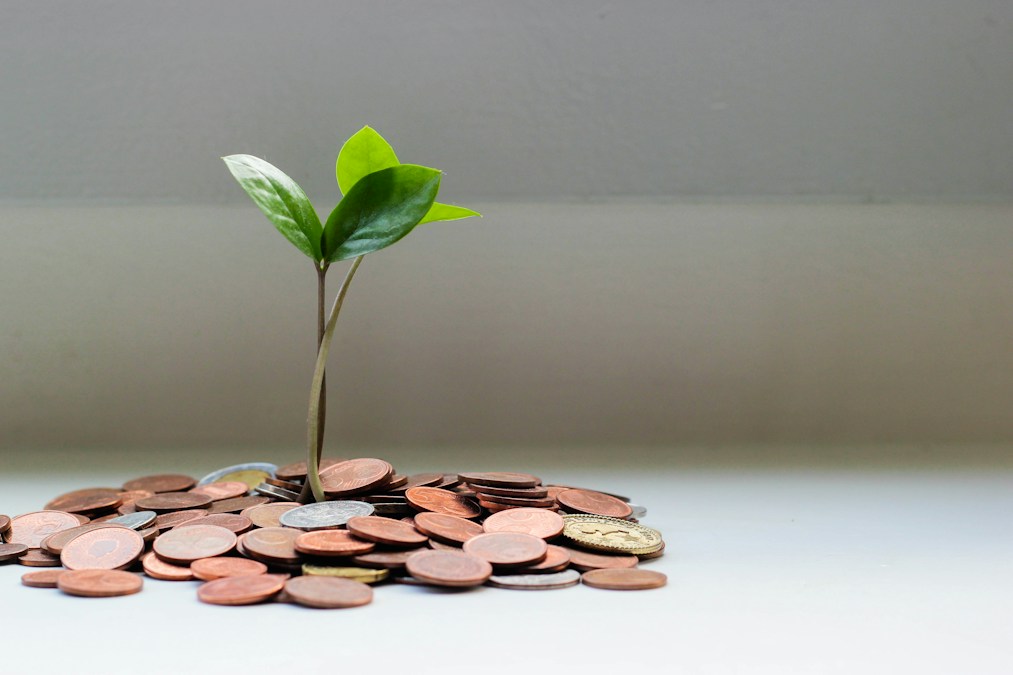





Comments
Post a Comment