CBN Rate vs Black Market: Nigeria's FX Reality Explained 2026
CBN Rate vs Black Market Rate: The Real Truth About Nigeria's Dollar Problem in 2026
Welcome. I'm Samson Ese, founder of Daily Reality NG, and I write to help everyday Nigerians navigate money, policy, and economic reality with clarity and confidence. In this article, I'm breaking down one of the most misunderstood aspects of Nigerian financial life — why there are two completely different dollar rates, who controls each one, and what the gap between them really means for you. No economics lecture. No government PR. Just honest explanation of what's actually happening.
Why this matters and why trust it: I've personally navigated Nigeria's FX market as a content creator receiving foreign income, converting at BDC rates, dealing with naira depreciation that ate into my earnings in real time, and watching the NAFEM rate diverge from the street while bank FX queues stretched around blocks in Lagos. This analysis draws on CBN policy documents, World Bank data, and lived experience — not surface-level summaries. I've also linked to relevant Daily Reality NG deep-dives throughout for fuller context.
⚡ Which Rate Affects You? Find Out in 10 Seconds
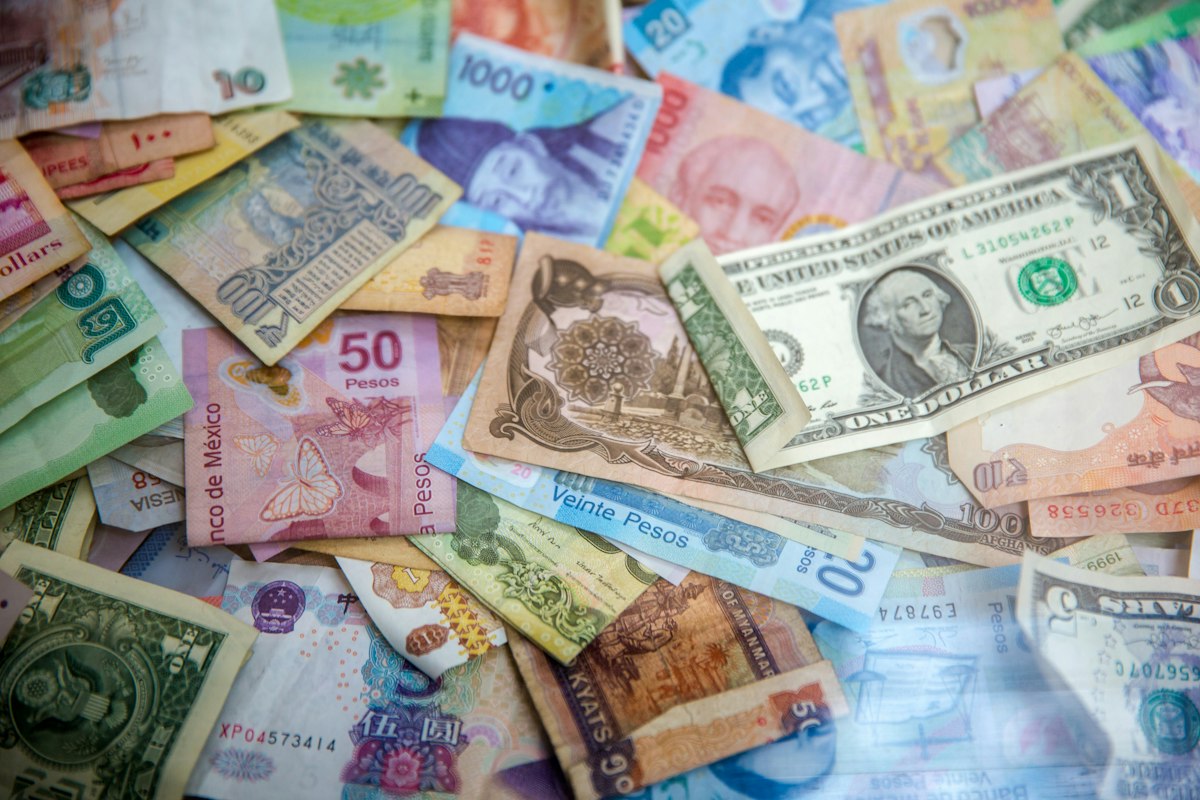
October 2024. Afternoon, around 2pm. I'm standing outside a BDC shop on a side street off Sapele Road in Benin City, watching a man argue loudly with the operator inside. He'd come with ₦800,000 expecting to buy dollars at something close to the CBN official rate he'd seen that morning — somewhere around ₦1,580 to the dollar. The BDC guy was quoting ₦1,670. The customer was furious.
"Is it not the government that set the rate?" the man said, genuinely confused. "Why are you charging me differently?"
The BDC operator gave him a look that was somewhere between exasperation and sympathy. "My brother," he said, "that CBN rate na for bank-to-bank. Na here wey you dey now." He gestured around. "This na market."
That exchange captures something that millions of Nigerians live with but never fully understand. There's the rate the government announces. There's the rate your bank might offer (if they even have FX at all). There's the BDC rate. And then there's the full-blown parallel market street rate that buzzes quietly in corners of Wuse Market in Abuja, Balogun in Lagos, and Aba in Abia State. Four versions of the "dollar rate" — and none of them identical.
This isn't confusion. It's the result of decades of monetary policy decisions, external shocks, structural imbalances in Nigeria's economy, and the fundamental tension between what a government wants the naira to be worth and what the market says it's actually worth. Let me break all of it down — properly, honestly, without the government PR language or the conspiracy theory edge.
📋 Table of Contents — Jump Anywhere
- Why Nigeria Has Two Different Dollar Rates at All
- What is NAFEM — Nigeria's Official FX Window Explained
- The Parallel Market — How the Street Rate Actually Works
- The Gap: Why They're Never the Same
- Who the FX Gap Hurts Most in Nigeria
- A Brief History of Nigeria's Exchange Rate Disasters
- BDC Reality — What Actually Happens When You Try to Buy Dollars
- What Ordinary Nigerians Can Do About It
- FX Scams and Red Flags Every Nigerian Must Know
- FAQ
💡 Why Nigeria Has Two Different Dollar Rates at All
Every country that uses a non-dollar currency has some version of an exchange rate — the price at which your local currency trades against foreign currencies. In most countries with free-floating exchange rate systems (the US, UK, Japan, South Africa), this rate is set entirely by market forces. Supply and demand. No government says "the naira is worth this today." The market decides.
Nigeria has historically done something different. The CBN — Central Bank of Nigeria — has at various points managed the exchange rate. This means the CBN intervenes in the foreign exchange market to keep the naira within a certain range or at a target price, rather than letting it float freely. This intervention creates the first version of the "official" rate.
But here's the core problem. When the government sets the rate at, say, ₦1,500 per dollar, and the actual market — based on supply, demand, inflation, oil revenue, capital flows, and confidence in the economy — says the naira should be at ₦1,700 per dollar, you've created a gap. People who can access dollars at ₦1,500 can immediately sell them for ₦1,700. That profit incentive is the engine that drives the parallel market into existence and keeps it alive no matter how many times the government tries to shut it down.
📐 The Simple Economics Behind the Gap
Think of it this way. Imagine the government fixes the price of petrol at ₦300 per litre. But the real cost to produce and distribute it is ₦500. What happens? A black market for petrol emerges. People with access to ₦300 petrol start reselling at ₦450 to make profit. Nigerians know this story intimately — we lived it for years with petrol subsidies.
Foreign exchange works the same way. When the official rate is artificially lower than what the market says the naira is worth, access to that official rate becomes a privilege — and anyone with that access can arbitrage. The parallel market is just Nigerians responding rationally to an artificially managed price system.
This is not a moral failing. It's basic economics. The parallel market exists precisely because the official market is restricted and under-supplied.
🏦 What is NAFEM — Nigeria's Official FX Window Explained
In June 2023, the CBN under Governor Yemi Cardoso's predecessor announced a significant policy shift — the unification of Nigeria's multiple exchange rate windows into a single market. Before that, Nigeria had the I&E Window (Investors and Exporters Window), the BDC window, the interbank rate, and various other official rates that coexisted in a confusing maze. The unification created what is now called NAFEM — the Nigeria Autonomous Foreign Exchange Market.
NAFEM is supposed to be a "willing buyer, willing seller" market where banks and large financial institutions trade foreign exchange based on real supply and demand. The CBN publishes a daily NAFEM rate based on actual transactions that occurred in this interbank market. This is what you see when you Google "dollar rate Nigeria today" and get a figure from the CBN or Reuters.
Here's the critical nuance most Nigerians miss. The NAFEM rate is reported, not available. It reflects what large banks and institutional players traded dollars for with each other. You, walking into GTBank branch in Enugu asking to buy $500 for travel? You're not accessing NAFEM. You're accessing the bank's retail FX window — which has its own pricing, its own availability constraints, and is often linked to whether that bank has sufficient dollar liquidity to sell at all.
📊 As of February 2026 — The Rate Landscape in Nigeria
These figures represent approximate ranges as this article goes to publication. Exchange rates shift daily — always verify current rates through your bank or CBN's official portal before making decisions.
Gap between official and parallel: approximately ₦80–₦150 per dollar. On $1,000, that's a ₦80,000–₦150,000 difference depending on which rate you access.
🌆 The Parallel Market — How the Street Rate Actually Works
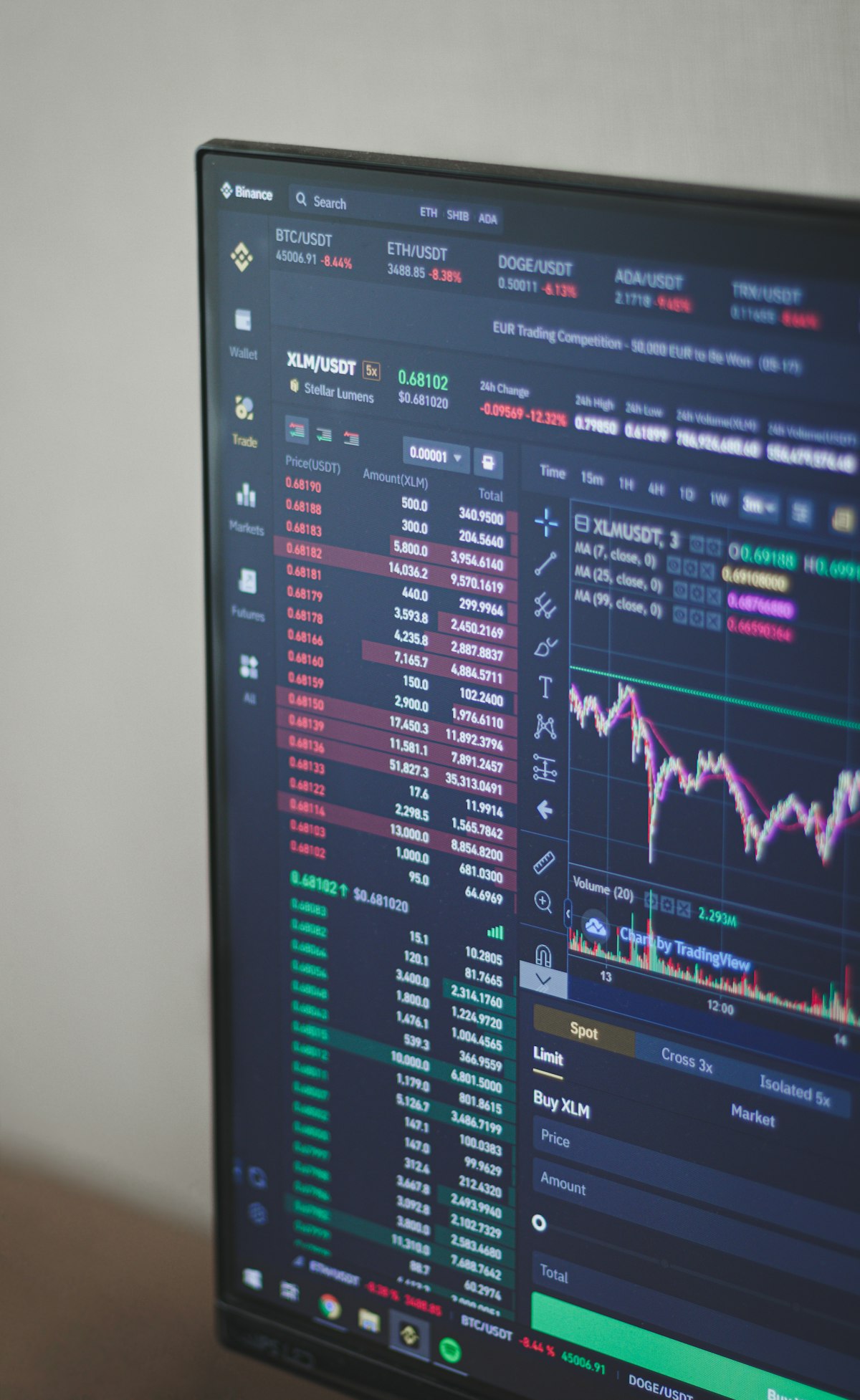
The "black market" — more accurately called the parallel market — isn't some shadowy criminal enterprise in the way many people imagine. In most Nigerian cities, it operates relatively openly. In Lagos, the main hubs are around Marina, Balogun Market, and certain areas of Ikeja. In Abuja, Wuse Zone 4 and Garki. In Port Harcourt, around Mile One Market. These are not secret locations — taxi drivers, bank staff, and market traders all know where they are.
Who operates the parallel market? It's a complex ecosystem. Unlicensed forex traders (the street changers you physically hand cash to) are one tier. Above them are semi-organized informal networks that source FX from importers who have excess, diaspora returnees who bring physical cash, and sometimes from licensed BDCs or their associates who operate with a margin above the official rate. There are also digital parallel market channels — some operating on WhatsApp groups, some through peer-to-peer apps.
The street rate is set by pure supply and demand with no regulatory anchor. If there's high demand for dollars — say, during import season, during school fees payment periods (many Nigerian parents paying abroad for children in UK or US universities), or during times of economic uncertainty — the rate climbs. When oil revenue is strong and dollar inflows are high, it eases. The street rate is therefore a real-time barometer of FX demand pressure in the economy, arguably more honest than the managed NAFEM rate.
📌 What Drives the Street Rate Up or Down — Right Now in 2026
- Oil price fluctuations: Nigeria earns over 85 percent of its foreign exchange from crude oil exports. When oil prices drop, dollar inflows to the government drop, pressure builds on the naira, and the street rate climbs.
- Import demand cycles: School fees season (July–September), festive import periods (October–December), and election spending periods all create temporary demand spikes.
- CBN intervention volume: When the CBN sells dollars directly to banks or BDCs (using the country's foreign reserves), it increases supply and temporarily cools the parallel market rate.
- Diaspora remittance flows: Major remittance peaks (Christmas, Sallah, school resumption) inject dollars into the informal market from families receiving cash from abroad.
- Speculative positioning: When Nigerians expect the naira to weaken further, they rush to buy and hold dollars — increasing demand and accelerating the depreciation they feared. A self-fulfilling cycle.
🇳🇬 Did You Know?
According to the CBN's own data and reports from the World Bank, Nigeria's foreign exchange reserves stood at approximately $38–$40 billion entering 2026 — enough to cover roughly 7–8 months of imports. While this sounds substantial, analysts at Stanbic IBTC and Coronation Research have noted that a significant portion of these reserves may be tied up in forward contracts and swaps, meaning the "usable" portion is lower than the headline figure suggests. This affects how much the CBN can realistically intervene to close the rate gap.
📐 The Gap: Why They're Never the Same
Even after the June 2023 exchange rate unification — which was supposed to eliminate the parallel market premium by letting the naira find its "true" market value — a gap stubbornly persisted. Why? Because unification addresses policy structure, not underlying fundamentals. And Nigeria's underlying FX fundamentals remain structurally challenged.
| Root Cause | What It Means | Impact on Gap |
|---|---|---|
| Dollar supply concentration | Most FX comes from oil exports controlled by NNPCL and government. Private sector earns far less FX than it demands. | Gap widens when oil is weak |
| Import dependence | Nigeria imports food, fuel, machinery, electronics, and raw materials. Every import creates dollar demand. | Permanent upward pressure on demand |
| Low export diversification | Non-oil exports (agriculture, manufacturing, services) contribute less than 15 percent of FX earnings. | Supply side structurally weak |
| Capital flight | Wealthy Nigerians and businesses hold dollar assets abroad as a hedge against naira depreciation. | Reduces domestic dollar supply |
| Inflation differential | Nigeria's inflation is significantly higher than US inflation — this naturally weakens purchasing power of naira over time. | Structural naira depreciation pressure |
| CBN interventions | When CBN sells reserves to support naira, it temporarily narrows the gap — but doesn't eliminate root causes. | Temporarily narrows gap |
The honest truth? As long as Nigeria's economy depends on oil for the majority of its dollar earnings, imports more than it exports in non-oil sectors, and experiences inflation significantly higher than its major trading partners, the naira will face structural depreciation pressure. The parallel market gap is a symptom of these deeper structural issues — not the cause of them.
This is also why you should be deeply skeptical of anyone — politician, economist, or pundit — who promises they can "fix the exchange rate" without addressing these structural fundamentals. You cannot sustainably fix a symptom while ignoring the underlying disease.

👥 Who the FX Gap Hurts Most in Nigeria
Not everyone feels the FX gap equally. The people with political connections or banking relationships who can access FX at or near the official rate experience a completely different Nigeria from the small business owner who has to buy at parallel market rates to source imported raw materials.
❌ Who Bears the Heaviest Cost of the Rate Gap
Small and Medium Importers
A trader in Aba sourcing shoes from China doesn't have a bank relationship that gives her access to official NAFEM rate FX. She buys from the parallel market. At ₦1,700 per dollar versus the official ₦1,600, importing $10,000 worth of shoes costs her an extra ₦1,000,000. That extra cost gets passed to consumers. This is one reason why imported goods prices in Nigerian markets often seem to move ahead of the official rate — traders price in the real cost of FX access, not the imaginary official rate.
Nigerian Students Studying Abroad
Families paying school fees to UK, US, or Canadian universities face the full weight of the rate gap. Banks may offer FX for tuition but often at limited amounts, with documentation requirements that can take weeks. Many families end up buying from BDCs or the parallel market for the balance. The cost difference on annual school fees of £20,000 at ₦100 worse rate per pound is ₦2,000,000 extra per year. That's life-changing money for a middle-class Nigerian family.
Low-Income Naira Earners
The person earning ₦80,000 per month doesn't think much about exchange rates — until the FX gap drives up the price of everything they buy. Imported rice, cooking oil, manufactured goods, pharmaceutical products — all priced using the real cost of FX access, not the official rate. The FX gap is an invisible inflation tax that hits lowest-income Nigerians hardest because they spend the highest proportion of income on goods affected by import prices.
Manufacturers Using Imported Inputs
Nigeria's manufacturing sector is heavily dependent on imported machinery, spare parts, and raw materials. When FX is expensive or unavailable at official rates, production costs rise. Some factories have shut down or reduced production specifically because they couldn't access FX to import the inputs they need. The CBN's own surveys have consistently identified FX access as one of the top constraints on Nigerian manufacturing growth.
📅 A Brief History of Nigeria's Exchange Rate Disasters
You cannot understand 2026 without understanding what came before. Nigeria's exchange rate history is essentially a story of oil booms, policy mistakes, and painful corrections repeated in cycles.
🕰️ Key Moments That Shaped Nigeria's FX Reality
The Babangida government devalued the naira dramatically under IMF pressure, moving from an artificially strong rate of roughly ₦1.5/$1 to market rates. The resulting inflation wiped out middle-class savings overnight. Nigerians who had naira savings lost wealth in real terms. This trauma planted deep distrust of naira-holding that persists today — explaining why Nigerians rush to convert naira to dollars at any sign of trouble.
When oil prices collapsed in 2014–2015, the CBN under Emefiele tried to defend the naira by pegging it at around ₦197/$1. With FX earnings down and defending the peg depleting reserves, the CBN restricted FX access severely. A huge parallel market emerged with rates 40–60 percent above the official rate. Manufacturers, importers, and airlines screamed. Foreign investors pulled out. The policy ended in 2016 with a painful devaluation to ₦305, but the damage to confidence and reserves took years to repair.
During COVID's economic shock, the CBN operated multiple official windows simultaneously — the I&E Window, the SME Window, the Retail Window — each at slightly different rates. This created enormous arbitrage opportunities. People with access to the lowest-rate windows could immediately profit by reselling. The complexity served to obscure the true state of the naira. By 2022, the official I&E rate was around ₦450 while street rates hovered at ₦700–₦750.
The Tinubu administration abolished the multiple windows and allowed the naira to float more freely — the "unification" policy. The naira immediately crashed from around ₦460 to ₦750, then continued weakening through 2023 and 2024. By late 2024, the naira had crossed ₦1,500 per dollar in official markets, with parallel rates above ₦1,700. The intention was correct — fix the structural distortion — but the execution caused severe short-term pain for ordinary Nigerians whose purchasing power evaporated faster than wages could adjust.
📊 Did You Know?
The naira has lost more than 70 percent of its value against the US dollar between January 2023 and February 2026. A Nigerian earning ₦500,000 per month in January 2023 was earning approximately $1,087 at the official rate of ₦460/$. By February 2026 at ₦1,600/$, the same ₦500,000 monthly salary is worth approximately $313. Their naira income didn't change — but in dollar terms, their purchasing power for imported goods, foreign education, or international services was more than halved in three years.
🏪 BDC Reality — What Actually Happens When You Try to Buy Dollars
Bureau de Change operators are the formal-but-not-bank layer of Nigeria's FX market. They're licensed by the CBN to buy and sell foreign currency. In theory, they're supposed to bridge the gap between banks (who have large FX positions) and ordinary retail customers. In practice, their role is more complicated.
The CBN at various points has tried to use BDCs as a distribution channel for official-rate FX, selling dollars directly to licensed BDCs at near-official rates with the expectation they'd pass savings to consumers. The problem? Many BDCs took the cheap CBN dollars and sold them at parallel market rates anyway, pocketing the spread as pure profit. This is why the CBN under Emefiele eventually suspended BDC dollar sales in 2021 — frustrated at BDCs profiting from arbitrage rather than serving retail customers.
⚠️ What You Should Know Before Walking Into a BDC
- BDC rates vary significantly between operators — even on the same street, two BDCs may quote you rates ₦20–₦50 apart. Always check multiple operators before transacting.
- Ask to see the operator's CBN license — legitimate BDCs should have their license displayed. Unlicensed operators have no regulatory accountability if something goes wrong with your transaction.
- Count your money in front of them — every time — BDC fraud involving short-counting physical cash is still reported regularly, especially for first-time customers. Count twice before leaving.
- Get a receipt for significant amounts — a licensed BDC should provide a receipt showing the transaction amount, rate, and date. Keep this for records especially for large purchases.
- The rate quoted verbally is the rate — confirm before handing over naira — some operators verbally quote one rate then complete the transaction at a slightly different one, claiming the market "moved" in the minute you were deciding.

🛡️ What Ordinary Nigerians Can Do About It
You cannot single-handedly fix Nigeria's FX problem. But you can make smarter individual decisions that protect your purchasing power, reduce your exposure to the worst rates, and position you to benefit from any eventual stabilization.
✅ Practical Steps to Protect Yourself From the Rate Gap
If your skills, business, or services can serve international clients, pricing in dollars or euros fundamentally changes your exposure to naira depreciation. You're no longer just a naira earner watching your purchasing power erode. This is not a luxury option anymore — it's a survival strategy for Nigerian professionals in 2026. Read our guide on How to Earn Dollars from Nigeria for practical starting points.
A domiciliary account lets you receive and hold foreign currency in a Nigerian bank without being forced to convert immediately. When the naira rate is temporarily weak, hold dollars. Convert when the rate improves. This simple timing strategy can recover ₦50,000–₦200,000 or more on significant dollar amounts compared to converting immediately at the worst moment.
When converting foreign income to naira, platforms like Grey, Geegpay, and Chipper Cash often offer naira rates closer to the NAFEM rate than traditional banks do. On $1,000 conversion, a ₦50 per dollar improvement is ₦50,000 more in your pocket. Check our comparison of Grey vs Chipper vs Geegpay for which platform currently offers the best naira conversion rates.
Treasury bills, money market funds, and certain equity positions have at times offered returns that partially offset naira depreciation. Our detailed breakdown on High-Yield Savings vs Fintech Apps covers which naira instruments currently offer the strongest real returns.
This sounds simplistic but it's genuinely powerful at the personal level. Substituting locally produced alternatives for imported goods — where quality is comparable — directly removes yourself from the import-cost chain that the FX gap inflates. Local rice, local fabrics, locally produced skincare — every naira spent on locally made goods is a naira that isn't exposed to the FX premium.
🚨 FX Scams and Red Flags Every Nigerian Must Know
🔴 Active FX Fraud Patterns Targeting Nigerians in 2026
- WhatsApp FX groups promising "CBN rate" access: You're added to a group where someone claims to sell dollars at official CBN rates for individuals. They collect your naira and disappear. The CBN does not sell retail FX through WhatsApp. Nobody can give you CBN interbank rates without being a licensed financial institution.
- Fake domiciliary account offers: Fraudsters contact Nigerians on social media offering to "help set up" domiciliary accounts that can "receive FX at official rates." They collect a setup fee and personal documents, then vanish. Only your bank can open your domiciliary account — go in person.
- Online crypto-to-naira FX arbitrage schemes: You're told you can buy USDT (crypto dollar) at one rate and convert to naira at a higher rate for guaranteed profit. Some of these are legitimate P2P platforms. Many are Ponzi structures where early participants get paid using new entrants' funds until the scheme collapses.
- Fake BDC operators with no license: They set up a desk or table, quote attractive rates, and disappear with your naira. Always verify CBN BDC licensure before any significant transaction.
- "Dollar investment" schemes paying in naira: "Invest $100, we pay you ₦250,000 per month guaranteed." Nobody can guarantee FX returns like that sustainably. These are Ponzi schemes using the naira depreciation narrative to appear plausible. People have lost millions this way.
If you've been defrauded: Report to the EFCC (efcc.gov.ng), your bank's fraud desk, and the CBN Consumer Protection Department immediately. Also check our guide on Fake Investment Platforms Nigeria — Ponzi Red Flags to understand the patterns used by fraudsters targeting Nigerian investors.
💡 Seven Things to Keep in Mind About Nigeria's FX Gap
- The NAFEM rate you see online is not available to you at a bank counter — it's an interbank benchmark, not a retail price.
- The gap between official and parallel rates is a symptom of structural economic imbalances — not a problem that can be solved by more CBN circulars alone.
- Earning even partial foreign currency income is the single most effective personal hedge against naira depreciation for an individual Nigerian.
- Anyone promising access to the CBN official rate as a retail individual is either lying or operating in a way that has regulatory risk for you.
- BDC rates are legal but variable — always compare multiple licensed operators before transacting above ₦100,000 equivalent.
- The parallel market, while technically operating outside formal channels, is a real price signal of dollar demand pressure in the Nigerian economy.
- Nigeria's FX situation will improve meaningfully only when non-oil FX earnings grow significantly — through manufacturing exports, digital services, tourism, or agricultural exports. Everything else is symptomatic relief.
For the bigger picture on how Nigeria's borrowing behaviour connects to this FX pressure, our article on Why Nigeria Keeps Borrowing Money provides important context. And if you're navigating this as a business owner trying to manage costs, see our piece on Small Business Survival Tips for Nigerian Entrepreneurs.
The larger story of how I've built a platform that earns cross-border income and navigates these exact FX realities is at How I Built Daily Reality NG: 426 Posts in 150 Days.
Disclosure: This article is purely analytical and educational. No financial products are promoted or sold here. References to specific platforms like Grey or Geegpay are for informational purposes based on real usage experience, not sponsored content. Exchange rate figures cited reflect approximate market conditions as of February 2026 — always verify current rates through official sources before making financial decisions.
Disclaimer: This article provides general economic and financial education for informational purposes only. It does not constitute investment, financial, or legal advice. Exchange rates fluctuate constantly. Consult a licensed financial advisor or your bank directly before making significant foreign exchange transactions.
📌 Key Takeaways
- Nigeria has multiple versions of the dollar rate — NAFEM interbank, BDC, and parallel market — each serving different users at different prices.
- The NAFEM rate published by the CBN is an interbank benchmark, not a retail rate available to ordinary Nigerians at bank counters.
- The gap between official and parallel market rates exists because dollar supply is concentrated in oil revenues while demand is broad and structural.
- The parallel market is not primarily a criminal enterprise — it's a rational market response to official rate restrictions and FX supply shortfalls.
- The 2023 exchange rate unification narrowed but did not eliminate the parallel market premium because structural imbalances remain.
- Nigeria's FX crisis has historical roots in oil dependence, import substitution failure, and repeated cycles of artificial rate defense followed by painful devaluation.
- Earning foreign currency income is the most powerful personal hedge against naira depreciation for individual Nigerians.
- BDCs are legal but variable — always compare rates and verify CBN licensure before transacting.
- Multiple active FX scams target Nigerians through WhatsApp groups, fake CBN rate access offers, and fake investment schemes — know the patterns.
- Sustainable FX improvement requires growing Nigeria's non-oil FX earnings — not just better CBN management of existing dollar supply.

❓ Frequently Asked Questions
Why can't I get the CBN exchange rate when I go to my bank to buy dollars?
The rate the CBN publishes is the NAFEM interbank rate — the price at which large banks and financial institutions trade foreign exchange with each other in bulk. When you walk into a retail bank branch to buy dollars, you're accessing a completely different tier of the FX market. Banks apply their own retail markup above the interbank rate, and more importantly, most Nigerian banks simply don't have sufficient retail FX liquidity to sell to every customer who wants to buy dollars. Priority typically goes to corporate clients with documented import needs, not walk-in retail customers.
Is it illegal to buy dollars from the parallel market in Nigeria?
The legal situation is nuanced. The CBN's Foreign Exchange Act and related regulations require that foreign exchange transactions go through licensed institutions — banks, licensed BDCs, and authorized IMTOs. Transacting with unlicensed parallel market operators is technically outside the formal regulatory framework and exposes you to risk including fraud and, in theory, regulatory penalties. In practice, millions of Nigerians transact in the parallel market daily with little enforcement consequence. The risk is more practical (fraud, short-changing) than legal for typical small retail transactions. For significant amounts, always use licensed BDCs.
Will the gap between the official CBN rate and the parallel market ever close in Nigeria?
The gap can narrow significantly under the right conditions — strong oil prices, increased non-oil FX inflows, CBN reserve accumulation, investor confidence, and reduced import dependence. The 2023 unification policy was designed to collapse the gap by removing artificial rate controls. It narrowed the gap but did not eliminate it because underlying structural imbalances remain. A sustainable closure of the gap requires diversification of Nigeria's FX earning base — more manufacturing exports, digital services exports, and agricultural exports — not just better CBN policy management.
What is the NAFEM rate and where can I check it daily?
NAFEM stands for Nigeria Autonomous Foreign Exchange Market. It is the official interbank FX window where banks trade foreign exchange. The CBN publishes daily NAFEM rates on its official website at cbn.gov.ng under the statistics or exchange rate sections. Financial data platforms like Reuters, Bloomberg, and local services like BusinessDay and Nairametrics also publish daily NAFEM rates. Note that this rate is a daily weighted average of actual interbank transactions — it moves with market conditions and is not a fixed official price.

📊 Stay Ahead of Nigeria's Financial Reality
Economic conditions in Nigeria shift constantly. Exchange rates move. CBN policies change. Join our newsletter for plain-language explanations of every major financial development that affects everyday Nigerians — delivered directly to you.
Join the Newsletter →💬 Your Turn — Share Your Experience
- Have you ever tried to buy dollars at a Nigerian bank and been turned away or given a rate very different from the CBN official rate? What was your experience?
- Do you think the gap between the official CBN rate and the parallel market will significantly narrow in the next two years — and what would need to happen for that?
- Have you personally been affected by naira depreciation in a way that changed a major life decision — school fees, travel plans, business costs? Share your story below.
- What strategy are you currently using to protect yourself from naira depreciation — dollar savings, investments, earning in foreign currency? What's working for you?
- Do you think the parallel market should be legalized and regulated as a formal FX tier in Nigeria, or should the government focus entirely on strengthening the official market? What's your view?
Drop your thoughts in the comments — these conversations help build a more informed Nigerian financial community.
The dollar rate is one of those things that affects every single Nigerian — whether you're aware of it or not. The food you eat, the medicine you take, the phone in your hand, the fuel in the generator — almost everything connects back to the FX market through import costs. Understanding how the system actually works doesn't fix the problem, but it stops you from being confused, misled, or defrauded by people who profit from that confusion.
That's why I wrote this. Not to explain economics for its own sake, but because informed Nigerians make better decisions and are harder to take advantage of. If this helped you see the FX reality more clearly — share it with someone who needs to understand it too.
— Samson Ese | Founder, Daily Reality NG


Comments
Post a Comment