Herbal Medicine Nigeria: When It Helps and When It Kills
⚕️ Medical Research Notice: This article is for public health education only and does not constitute medical advice. All claims are sourced from named, peer-reviewed or institutional publications including NAFDAC, The Guardian Nigeria, Pulse Nigeria, NCBI, and Healthtracka. If you have kidney disease, liver disease, diabetes, hypertension, or are pregnant, consult a qualified medical doctor before taking any herbal preparation. Updated: May 29, 2026.
Herbal Medicine Nigeria:
When It Helps and When It Kills
The agbo your grandmother drinks every morning is not the same risk level as the one hawked on the expressway. This article draws the line — with NAFDAC evidence, medical expert testimony, and specific named herbs — so you can make an informed decision, not a blind one.

You Are Reading Daily Reality NG — Nigeria's Independent Research Publication
This article was built from peer-reviewed NCBI publications, official statements from NAFDAC, testimony from named medical specialists published in The Guardian Nigeria and Pulse Nigeria, and research from the University of Uyo Teaching Hospital and the National Institute for Pharmaceutical Research and Development (NIPRD), Abuja. Every claim is sourced. Every source is named. Contact: dailyrealityng@gmail.com
You Take Herbal Medicine. You Think It's Natural, So It Can't Be That Bad. But You Have Never Actually Verified That.
Maybe your family has used agbo for decades. Maybe you take it every Monday morning to "clean your system." Maybe you gave it to your child last month because the hospital bill was too high and the agbo seller at the junction has been there for fifteen years without anyone dying — that you know of. You believe it is safe because no one you love has visibly fallen sick from it. But kidney damage and liver toxicity do not announce themselves. They build silently over months and years. By the time the symptoms arrive, the damage is often irreversible and the bills are worse than the hospital visit you were avoiding.
Quick Answer — The Honest Summary You Were Not Given Before
Some Nigerian herbs genuinely help — moringa, bitter leaf, ginger, garlic, scent leaf, and neem have documented scientific properties. Used individually, at food-level doses, from reputable sources, they carry low risk for most healthy adults. The danger is unregulated agbo — mixed concoctions of unknown herbs, unknown doses, prepared without hygiene standards, often contaminated with heavy metals, naphthalene, pesticides, and unlisted pharmaceutical drugs. These have been directly linked to kidney failure, liver damage, and death by medical specialists at Nigerian teaching hospitals. NAFDAC confirms only about 1% of herbal medicines sold in Nigeria are registered. The rest are unverified. This article tells you which is which — specifically and honestly.
☑️ PRECHECK — Read This Before You Proceed
This article is not anti-herbal-medicine. It is pro-information. It distinguishes between single herbs with scientific backing and unregulated mixed concoctions sold with no labelling. If you are currently managing kidney disease, liver disease, diabetes, hypertension, or heart disease — or if you are pregnant — read every section before making any decision, and consult your doctor with the information here. The risk categories described in this article are not theoretical. They are documented in Nigerian hospital records and peer-reviewed international journals. The goal is not to make you fear plants. It is to help you use them intelligently.
🔑 Decisions This Article Will Help You Make
Which herbs to keep using safely
Single, identifiable herbs with documented properties and low risk at food doses.
Which concoctions to stop immediately
Specific agbo types linked to kidney and liver damage by named Nigerian doctors.
Who should never take herbal medicine
Conditions, medications, and life stages that make herbal medicine categorically dangerous.
How to check if a herbal product is NAFDAC-listed
The exact approval categories, what NAFDAC numbers mean, and how to verify at nafdac.gov.ng.
What warning signs to watch for
Organ damage symptoms that require immediate hospital evaluation after herbal use.
What to tell your doctor
Every herb-drug interaction risk and why hiding herbal use from your doctor is dangerous.
📋 Reader Situation Snapshot — Where Do You Stand?
| Your Situation | Risk Level | What This Means | Action |
|---|---|---|---|
| Healthy adult using ginger/moringa/garlic in food | Low Risk | Culinary use of single herbs is generally safe for healthy adults | Continue — no major concern at food doses |
| Taking unregistered street agbo weekly | HIGH RISK | Unknown composition, possible heavy metal contamination, no dosage standard | Stop. Request kidney and liver function tests from your doctor. |
| Taking agbo alongside prescription drugs | VERY HIGH RISK | Herb-drug interactions can cause internal bleeding, kidney failure, heart complications | Stop immediately. Tell your doctor what you've been taking. |
| Giving agbo to children | HIGH RISK | Children's organs are more vulnerable; Nigerian hospitals have recorded paediatric kidney failure from agbo | Stop. Use hospital-prescribed medications for children's illness. |
| Pregnant and using herbal medicine | VERY HIGH RISK | Multiple herbs stimulate uterine contractions; linked to miscarriage and premature birth | Stop everything. Discuss with your obstetrician before resuming any herb. |
| Using NAFDAC-listed packaged herbal product | Moderate | Passed toxicology testing but may lack full clinical trial evidence of efficacy | Acceptable risk for healthy adults — follow label dosage exactly |
| Have kidney or liver disease — taking any agbo | CRITICAL RISK | Damaged organs cannot process herbal compounds; risk of complete organ failure | Stop immediately. Never take agbo with compromised organs. |
| Taking agbo jedi jedi for haemorrhoids | HIGH RISK | Directly linked to acute kidney failure and liver failure in December 2025 Pulse Nigeria report | Stop. See a gastroenterologist or general physician for proper diagnosis. |
| Sources: Dr Olusina Ajidahun (The Guardian Nigeria, May 2024) · Healthtracka April 2025 · NCBI University of Uyo Teaching Hospital · Pulse Nigeria December 2025 · NIPRD Abuja 2025 | |||
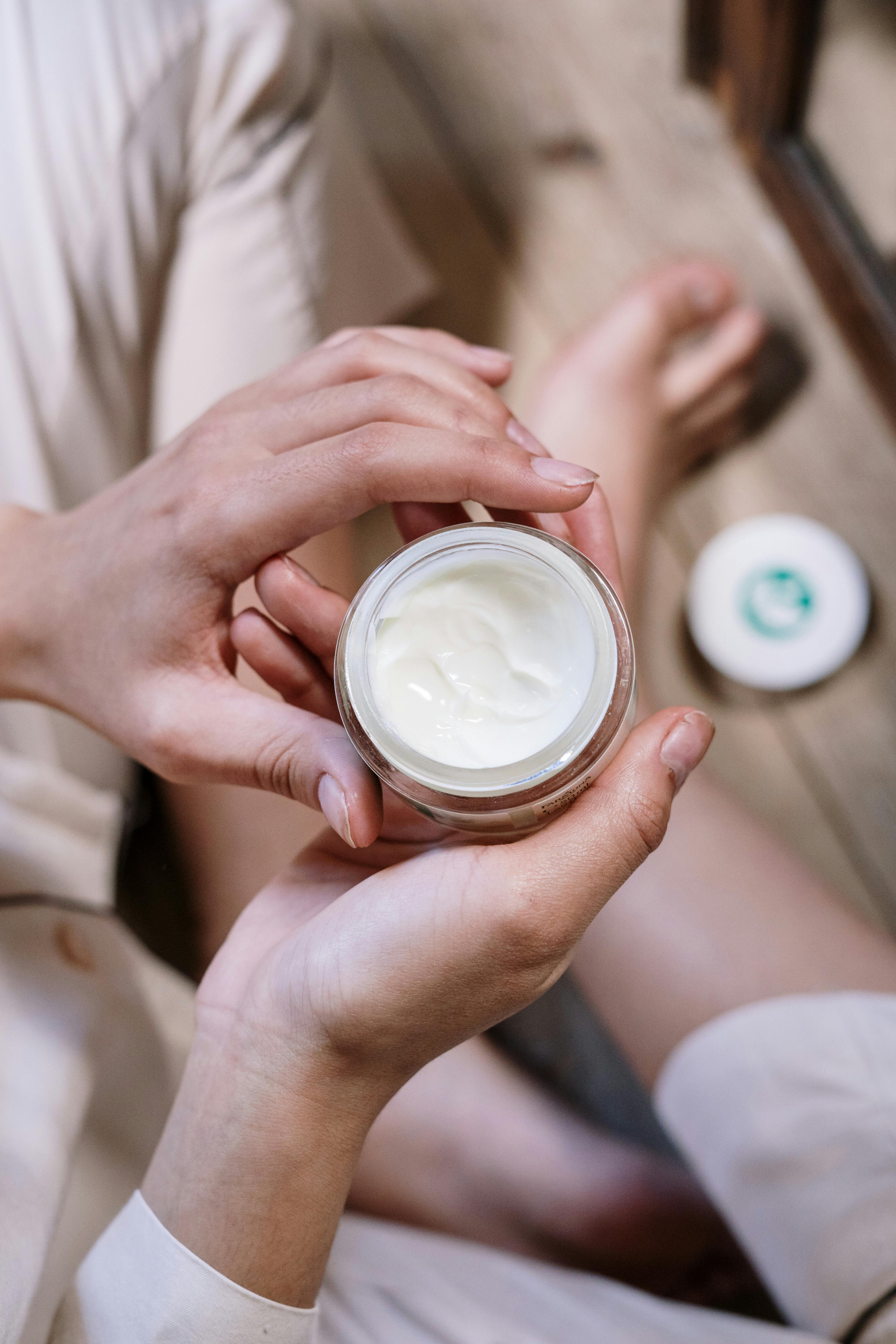
Adaobi was 38 years old when her legs began to swell. She thought it was stress — the small business, the school fees, the heat. Her mother told her to take agbo, the same mixture the family had used for years. Warm, bitter, prepared in a recycled bottle by a woman at Oshodi who had been doing this for decades.
The swelling did not go down. Eight weeks later, Adaobi was in a Lagos hospital, a nephrologist looking at her test results with the expression that every patient dreads. Serum creatinine: 4.8 mg/dL. eGFR: 14 ml/min/1.73m². Chronic kidney disease, Stage 4. Ninety percent of the time, the first question is the same one the nephrologist asked Adaobi that morning: "How long have you been taking the agbo?"
She had been taking it every day for two years. Nobody told her it could do this. The woman at Oshodi certainly did not. Her mother did not. The church friends who recommended it did not. Nobody knew — or nobody wanted to say it clearly enough for it to be heard.
This article says it clearly. For Adaobi. For her family. For every Nigerian who deserves to know what is actually in what they are drinking.
⚠️ Did You Know — The Kidney Failure Statistic Nobody Broadcasts
Herbal remedies account for approximately 30–35% of all cases of acute kidney failure in Africa, according to a peer-reviewed study published on NCBI by researchers from the University of Uyo Teaching Hospital, Nigeria (Akpan EE, Ekrikpo UE, 2015, NCBI PMC4496464). Dr Olusina Ajidahun, an internal medicine specialist, told The Guardian Nigeria in May 2024: "This drink has slowly found its way to a prominent cause of kidney damage in Nigerians." This is not a fringe medical opinion. It is the documented clinical experience of doctors treating kidney failure patients in Nigerian hospitals every week.
🌿 Part One: The Nigerian Herbs That Have Genuine Scientific Evidence Behind Them
These are not miracle cures. They are plants with documented biological activity — confirmed in laboratory and clinical research — that can provide real health benefits when used correctly. The critical conditions: single herb, identified dose, food-level quantities, not mixed with unknown compounds or prescription medication without medical advice.
Moringa Oleifera (Moringa / Drum Stick Tree)
Widely cultivated across Nigeria — leaves, seeds, and pods used traditionally
Vernonia amygdalina (Bitter Leaf / Onugbu)
Used across Nigeria — common in Igbo, Yoruba, and Edo traditional medicine
Zingiber officinale (Ginger)
Globally studied — one of the most evidence-backed culinary herbs in existence
Allium sativum (Garlic)
Used across all Nigerian cuisine — documented cardiovascular and antimicrobial benefits
Azadirachta indica (Neem / Dogoyaro)
Widely used in Nigeria — antimalarial compounds researched in multiple studies
Ocimum gratissimum (Scent Leaf / Efirin)
Common in Nigerian cooking — antimicrobial properties researched
💡 Did You Know — NAFDAC Has Two Types of Approval and Most People Know Neither
NAFDAC Director-General Prof. Mojisola Adeyeye explained in October 2025 (BusinessDay, Punch, Guardian Nigeria) that there are two approval tiers: Listing (L) approval — granted after satisfactory toxicology safety tests, valid two years, the NAFDAC number ends in "L". Full registration — granted only after clinical trials proving efficacy, valid five years. She stated clearly: "Natural does not always mean safe." The vast majority of agbo sold on Nigerian streets, in buses, at junctions, and by hawkers carries neither. Source: BusinessDay October 12, 2025; Punch October 13, 2025.

⚠️ Part Two: The Agbo Concoctions That Nigerian Doctors Say Are Destroying Kidneys
The specific danger is not any single herb — it is the unregulated, unidentified mixture. The following concoction categories have been directly named in Nigerian medical literature and clinical testimony as drivers of kidney and liver damage.
Street Agbo (Roadside Concoctions)
Sold in reused bottles at bus stops, junction stalls, on buses — unknown composition
Agbo Jedi Jedi
Concoction targeting haemorrhoids and rectal conditions — named in 2025 Pulse Nigeria report
Agbo Sold in Aluminium Pots (Open Market)
Fermented herbal mixes sold openly — laboratory analysis found cancer-linked chemicals
Agbo Mixed with Local Gin (Ogogoro)
Alcohol-base increases bioavailability of herbal compounds — amplifies both effect and toxicity
Packaged "Herbal" Products with No Visible NAFDAC Number
Products that look professional but carry no verifiable regulatory certification
Unregulated Chinese Herbal Preparations in Nigeria
Imported herbal products sold without NAFDAC registration — documented in NCBI research

🚫 Part Three: Who Should Never Take Unregulated Herbal Medicine in Nigeria — Under Any Circumstances
For certain people, unregulated herbal concoctions are not a moderate risk — they are a critical danger. If you fall into any of the following categories, the information below may be the most important thing you read today.
⚠️ Absolute High-Risk Categories — Avoid All Unregistered Herbal Concoctions: Anyone with kidney disease (CKD, any stage) · Anyone with liver disease, hepatitis B, or elevated liver enzymes · Anyone on dialysis · People with hypertension taking antihypertensive medication · People with type 2 diabetes on insulin or oral antidiabetic drugs (additive blood-sugar lowering risk) · Pregnant women (multiple herbs stimulate uterine contractions; linked to miscarriage — NCBI PMC9854176) · Breastfeeding mothers · Children under 12 · Elderly people with reduced organ function · Anyone taking warfarin, digoxin, antiretrovirals, immunosuppressants, or antiepileptic drugs.
⚠️ Reason — Why These Groups Face Amplified Risk: Damaged kidneys and livers cannot metabolise herbal compounds at normal rates. When detoxification is compromised, compounds accumulate to toxic levels faster. Drug interactions can cause dangerous bleeding, cardiac events, or sudden organ failure. For people in these categories, the statement "I've been taking it for years without any problem" is not reassurance — it is a warning sign that damage may already be occurring silently.
💊 Herb-Drug Interactions Every Nigerian Patient Must Know
| Herb / Concoction | Drug Interacting With | Dangerous Interaction | Risk Level | Action |
|---|---|---|---|---|
| Agbo (any) / Ginger high-dose | Warfarin (blood thinner) | Enhanced anticoagulation — dangerous bleeding risk or paradoxical clotting | CRITICAL | Never combine without explicit haematologist or cardiologist approval |
| Agbo (any mixed) | Digoxin (heart medication) | Unpredictable cardiac effects — dangerous heart rhythm changes | CRITICAL | Never combine. Tell your cardiologist every herbal product you take. |
| Bitter leaf (high medicinal dose) | Metformin, insulin, or any antidiabetic | Additive blood sugar lowering — hypoglycaemia risk, dangerous especially alone at home | HIGH | Discuss with your endocrinologist. Monitor blood sugar closely. |
| Moringa (high-dose extract) | Thyroid medication (levothyroxine) | Moringa may affect thyroid hormone levels — alters medication effectiveness | MODERATE | Inform your doctor. Avoid medicinal-dose moringa if on thyroid medication. |
| Neem extract (high dose) | Immunosuppressants (e.g., post-transplant) | Unpredictable immune system effects — may reduce drug efficacy | HIGH | Avoid completely if on immunosuppressant therapy. |
| Any agbo | Antiretrovirals (ARVs for HIV) | Many herbal compounds affect Cytochrome P450 enzymes — alters ARV blood levels | CRITICAL | Never take agbo if on ARV treatment. Speak to your HIV specialist. |
| Agbo with alcohol base | Any medication processed by the liver | Alcohol + herbs overwhelm liver enzyme systems — hepatotoxicity risk elevated | HIGH | Avoid all alcohol-base herbal preparations when on any medication. |
| Sources: Amaeze O et al., Current Drug Metabolism 2021;22(14) — evaluation of Nigerian medicinal plant extracts on P-glycoprotein and Cytochrome P450 · Healthtracka April 2025 · Guardian Nigeria May 2024. This table is educational, not exhaustive. Always tell your doctor every herbal product you take. | ||||
💡 Did You Know — Only 1% of Herbal Medicines in Nigeria Are NAFDAC-Registered
A research compilation cited in the ResearchGate database and confirmed by multiple sources on NAFDAC's regulatory history states: only approximately 1% of the finished herbal medicines sold in Nigeria are listed with NAFDAC. This means 99% of what Nigerians consume as herbal medicine has undergone no mandatory safety testing, no contamination screening, no dosage verification, and no shelf-life evaluation. NAFDAC's DG Prof. Adeyeye stated in October 2025 that the agency approves herbal medicines daily and is working toward a national formulary — but the compliance gap remains enormous. The first and most important safety question to ask about any herbal product is not "does it work?" — it is "does it have a NAFDAC number?" Source: ResearchGate NAFDAC regulatory review; BusinessDay October 12, 2025.
🆘 Warning Signs That Herbal Medicine Is Damaging Your Organs — Seek Emergency Care Immediately
Do not ignore these symptoms after starting herbal medicine. Do not wait to see if they pass. Do not take more herbal medicine hoping it will fix the problem. These are indicators of serious organ distress that require hospital evaluation.
🚨 Kidney Damage Warning Signs: Swollen legs, ankles, or face · Decreased urination or no urination · Blood in urine or dark tea-coloured urine · Severe back pain below the ribs · Persistent nausea or vomiting without fever · Confusion or difficulty concentrating · Unusual fatigue not explained by activity level
🚨 Liver Damage Warning Signs: Yellow eyes or yellow skin (jaundice) · Severe abdominal pain, especially upper right area · Very dark urine (cola-coloured) · Pale or clay-coloured stools · Severe unexplained itching of the skin · Severe nausea and loss of appetite for more than 48 hours · Confusion or extreme drowsiness
🚨 Heart / Allergic Reaction Warning Signs: Irregular heartbeat or rapid pounding heart after taking a concoction · Difficulty breathing · Skin rash or hives · Swelling of throat, lips, or tongue · Dizziness or loss of consciousness. Call emergency services or go to the nearest hospital immediately if these occur.

Real-World Impact — What This Information Means in Naira and Nigerian Life
This is not an academic discussion. These numbers represent what happens when the warnings on this page are not heard early enough.
Dialysis Cost in Nigeria
₦30,000–₦80,000 per session · 3 sessions per week · Most kidney failure patients who reach dialysis need it for life. Agbo costs ₦200. Prevention costs nothing.
Early Detection Cost
Serum creatinine + eGFR test: ₦5,000–₦15,000 at most private diagnostic labs. If you have taken agbo weekly for over a year — this test is the most important ₦10,000 you can spend.
Children at Risk
Nigerian paediatric hospitals have recorded acute kidney failure in children given agbo. Children's organs are more vulnerable. One episode of kidney injury in a child can cause lifelong organ damage.
Pregnancy Risk
Herbal medicine use during pregnancy associated with adverse outcomes in Nigerian cross-sectional study (NCBI PMC9854176). Uterine stimulant herbs can cause miscarriage. No herb is safe in pregnancy without OB-GYN approval.
30–35% Statistic
Herbal remedies cause 30–35% of all acute kidney failure in Africa — University of Uyo Teaching Hospital research (NCBI PMC4496464). In a country with limited dialysis capacity, this percentage represents thousands of preventable deaths per year.
⚡ 24-Hour Action — What to Do With This Information Before Tomorrow
- 1Look at every herbal product in your home right now. Check each one for a NAFDAC number. If there is no NAFDAC number — set it aside and do not take it until you have verified it at nafdac.gov.ng.
- 2If you have been taking agbo weekly or daily for more than 12 months — book a kidney function test (serum creatinine, eGFR) at your nearest private diagnostic lab. This costs ₦5,000–₦15,000 and takes one day. The result may change everything.
- 3Tell your doctor every herbal product you are currently taking — at your next visit or in a quick call. Doctors in Nigeria routinely miss drug-herb interactions because patients do not disclose herbal use. Hiding this information from your doctor is one of the most dangerous medical decisions you can make.
- 4If you have children who are given agbo — stop giving it until you speak with a paediatrician. Bring this article and ask your child's doctor directly about kidney and liver risk.
- 5Share this article with one person in your family who is a regular agbo user. Not to shame them — to give them the information that their agbo seller will never voluntarily provide.
- 6For herbs you want to continue using safely: moringa, ginger, garlic, bitter leaf, and scent leaf in food-level cooking quantities are low risk for healthy adults. Continue them in your kitchen — not from a street bottle.
📖 This article is part of Daily Reality NG's commitment to publishing verified, primary-source Nigerian health and lifestyle information. Read how I built this publication from zero — the story behind Daily Reality NG.
🔗 Related Health & Lifestyle Guides on Daily Reality NG
❓ Frequently Asked Questions — Herbal Medicine Nigeria 2026
Is herbal medicine safe in Nigeria?
Not all herbal medicine in Nigeria is safe. Specific herbs like moringa, bitter leaf, and ginger used in food quantities carry low risk for most healthy adults. Unregulated agbo concoctions sold on streets are directly linked to kidney failure, liver damage, and death. Research from the University of Uyo Teaching Hospital and NCBI shows herbal remedies cause 30–35% of acute kidney failure in Africa. The key distinction is between single, identifiable herbs at food doses versus mixed concoctions of unknown composition. Only approximately 1% of herbal medicines sold in Nigeria are NAFDAC-listed. Source: NCBI PMC4496464; Guardian Nigeria May 2024; BusinessDay October 2025.
Can agbo damage the kidney?
Yes — this is medically established in Nigeria. Dr Olusina Ajidahun (internal medicine specialist) told The Guardian Nigeria in May 2024: agbo has become "a prominent cause of kidney damage in Nigerians." Research links agbo to chronic kidney disease, acute tubulointerstitial nephritis, acute kidney injury, and hypertension through both direct nephrotoxicity and contamination with heavy metals, pesticides, and unlisted pharmaceutical drugs. Kidney damage from agbo is often irreversible. Source: The Guardian Nigeria May 2024; Healthtracka April 2025.
What herbs are safe to use in Nigeria?
Single herbs with scientific backing include moringa (blood sugar support, antioxidant), bitter leaf (antimicrobial, blood glucose regulation — NIPRD Abuja 2025), ginger (anti-nausea, anti-inflammatory), garlic (cardiovascular, antimicrobial), and scent leaf (antimicrobial). Safety conditions: use individual herbs, not mixed concoctions; food-level quantities in cooking; purchase from reputable sources; verify NAFDAC registration. Never use at medicinal doses alongside prescription drugs without medical supervision. Source: NCBI PMC7528132; PLOS ONE PMC12132952.
What does NAFDAC say about herbal medicine?
NAFDAC currently has two approval tiers: listing approval (NAFDAC number ending in L) after satisfactory toxicology testing, valid two years; and full registration after clinical trials proving efficacy, valid five years. DG Prof. Mojisola Adeyeye stated in October 2025: herbal medicines will not receive full approval without clinical trials, and "natural does not always mean safe." NAFDAC is collaborating with NNMDA to develop scientifically proven herbal medicines meeting global standards. Only approximately 1% of herbal medicines sold in Nigeria are currently listed. Source: Guardian Nigeria, Punch, BusinessDay — October 2025.
Can herbal medicine interact with prescription drugs?
Yes — herb-drug interactions are serious and underreported. A 2021 study in Current Drug Metabolism evaluated Nigerian medicinal plant extracts on P-glycoprotein and Cytochrome P450 enzymes and found significant interaction potential. Key risks: agbo with warfarin (bleeding/clotting), agbo with digoxin (cardiac arrhythmia), bitter leaf with antidiabetic drugs (hypoglycaemia), moringa with thyroid medication, neem with immunosuppressants, any agbo with antiretrovirals. Always tell your doctor every herbal product you take. Hiding herbal use from your doctor is medically dangerous. Source: Amaeze O et al., Current Drug Metabolism 2021;22(14).
What are the warning signs that herbal medicine is damaging your organs?
Kidney damage warning signs: swollen legs or face, decreased urination, dark tea-coloured urine, severe back pain below the ribs, persistent nausea, confusion, unusual fatigue. Liver damage warning signs: yellow eyes or skin (jaundice), severe upper-right abdominal pain, very dark urine, pale stools, severe itching, unexplained appetite loss for more than 48 hours. Heart/allergic signs: irregular heartbeat, difficulty breathing, skin rash, throat swelling. Any of these symptoms after taking herbal medicine require immediate hospital evaluation. Source: Healthtracka April 2025.
Can pregnant women take herbal medicine in Nigeria?
No — without explicit medical supervision. A cross-sectional Nigerian study (NCBI PMC9854176) found herbal medicine use during pregnancy associated with adverse outcomes. Multiple herbs stimulate uterine contractions and may cause miscarriage or premature labour. Bitter leaf, neem, and many traditional herbs are not cleared for pregnancy safety. No herb should be used during pregnancy without explicit OB-GYN approval. Source: NCBI PMC9854176 — Prevalence study, University of Ibadan.
How do you verify if a herbal medicine has NAFDAC approval?
Check nafdac.gov.ng — NAFDAC maintains a product registration database. Products with listing approval have numbers ending in L on the label; fully registered products have standard five-digit numbers. Red flags for unregistered products: no label, sold in reused bottles or plastic bags, no ingredient list, no dosage instructions, no manufacturer name or address, no expiry date. If the NAFDAC number cannot be verified on nafdac.gov.ng — do not consume the product. Source: NAFDAC.gov.ng; Frontiers in Pharmacology November 2025.
Who should never take agbo under any circumstances?
High-risk groups that should avoid all unregistered agbo: anyone with kidney disease (any stage); anyone with liver disease or hepatitis B; people on dialysis; people with hypertension on medication; people with diabetes on antidiabetic drugs; pregnant women; breastfeeding mothers; children under 12; elderly people with reduced organ function; anyone taking warfarin, digoxin, antiretrovirals, immunosuppressants, or antiepileptic drugs. For these groups, unregulated herbal medicine can accelerate organ failure within weeks. Source: Multiple cited medical sources throughout this article.
What is agbo jedi jedi and is it safe?
Agbo jedi jedi is a traditional concoction used for haemorrhoids and rectal conditions. A December 2025 Pulse Nigeria report directly linked unregulated agbo jedi jedi to acute renal kidney failure and liver failure. Preparations have been found to contain heavy metals, unlisted pharmaceutical drugs, and harmful microbes. NAFDAC recommends all such preparations be in refined, processed, clearly labelled form — most street-sold versions are not. The safe alternative for haemorrhoids is hospital-based diagnosis and treatment with a gastroenterologist. Source: Pulse Nigeria December 2025.
Can children take herbal medicine in Nigeria?
No — this is a high-risk practice. Nigerian paediatric hospitals have recorded acute kidney failure in children given agbo. Children's organs are smaller and more vulnerable; their detoxification capacity is significantly lower than adults. There is no established safe dose for most agbo preparations in children because the composition is unknown and unstandardised. For childhood illness — fever, malaria, infections — hospital-prescribed medications with verified dosages are the appropriate response. Source: Dr Nkem Achor (NAN) quoted in multiple Nigerian medical publications.
Are there legitimate herbal medicines in Nigeria that work?
Yes — NAFDAC is actively registering herbal medicines and the agency approves products daily. For a product to be considered legitimate, it should have a NAFDAC listing number (ending in L) after satisfactory toxicology testing, clear labelling with ingredients and dosage, a manufacturer name and address, an expiry date, and be stored in sanitary conditions. NAFDAC's DG stated the agency aims to create a national formulary of clinically proven herbal medicines. The existence of legitimate products does not validate the 99% that are unregistered. Source: BusinessDay October 2025; nafdac.gov.ng/herbal-guidelines.
Why do so many Nigerians still use agbo despite the risks?
Multiple documented factors: extreme cost of orthodox healthcare (hospital consultation fees, drug costs); limited access to hospitals in rural and peri-urban Nigeria; deep generational cultural trust in traditional medicine practices; aggressive promotion by sellers and traditional healers; the widespread belief that natural equals safe; and the real reality that many Nigerians cannot afford alternatives. NAFDAC research confirms economic hardship increases herbal medicine use as orthodox drugs become less affordable. Addressing this problem requires both better public health information (which this article provides) and improved healthcare access — not judgment of the people making these choices under real financial pressure. Source: ScienceDirect NAFDAC regulation study; multiple cited sources.
What tests should I request if I have been taking agbo regularly?
Request the following blood and urine tests at a diagnostic lab or hospital: serum creatinine (kidney function marker), estimated GFR or eGFR (kidney filtration rate), blood urea nitrogen (BUN), alanine aminotransferase (ALT) and aspartate aminotransferase (AST) for liver function, urinalysis (check for protein and blood in urine), full blood count (FBC). These tests cost between ₦5,000 and ₦20,000 at most Nigerian diagnostic labs. Early detection of kidney or liver stress — before symptoms appear — dramatically improves treatment outcomes. If you have taken agbo daily or weekly for more than one year, these tests should be done immediately. Source: Dr Chinedu Odum (Nephrologist), Guardian Nigeria 2019; Dr Olusina Ajidahun, Guardian Nigeria May 2024.
Should I stop taking herbal medicine completely?
Not necessarily — the decision depends specifically on what you are taking. Single culinary herbs (ginger, garlic, scent leaf, moringa, bitter leaf) used in normal cooking quantities are low risk for most healthy adults and can continue. What should stop immediately: all unregistered street agbo concoctions; any herbal product without a NAFDAC number; any herb taken concurrently with prescription drugs without medical advice; any herbal preparation given to children. If you are unsure about a specific product, bring it to your doctor or check the NAFDAC number at nafdac.gov.ng. The goal is not zero herbs — it is informed, verified, appropriate use.
Where can I get more information about herbal medicine safety in Nigeria?
Reliable Nigerian sources: NAFDAC at nafdac.gov.ng for registered products and guidelines; NIPRD (National Institute for Pharmaceutical Research and Development) in Abuja for traditional medicine research; Nigerian teaching hospital nephrology and hepatology departments; and peer-reviewed research on NCBI (pubmed.ncbi.nlm.nih.gov) searching "Nigeria herbal medicine kidney" or "agbo nephrotoxicity." For testing, most private diagnostic laboratories in Nigeria offer kidney and liver function panels. Healthtracka (healthtracka.com) offers home sample collection and digital results in many Nigerian cities. Source: NAFDAC.gov.ng; NCBI; Healthtracka April 2025.
📚 Related Articles — Read These Next
Medical Disclaimer: This article is for public health education and information purposes only. It does not constitute medical advice, diagnosis, or treatment recommendations. Always consult a qualified medical doctor, nephrologist, hepatologist, or other appropriate specialist before starting, stopping, or changing any health practice — including herbal medicine use. The information about specific herbs and organ damage risk is based on published medical research and named clinical testimony, accurate as of May 29, 2026. Medical knowledge evolves — verify with your healthcare provider. Daily Reality NG earns zero revenue from any health product or pharmaceutical company. This article has zero affiliate links and zero commercial influence.


Comments
Post a Comment