Medical Conditions & Treatments: Understanding Your Health Nigeria 2026
⚕️ Important Medical Disclaimer — Read Before Continuing
This article is for general health education and information purposes only. It does not constitute medical advice, diagnosis, or treatment. The information here is not a substitute for professional medical consultation. Always consult a qualified, licensed Nigerian healthcare professional — a doctor, pharmacist, or specialist — before making any health decision, starting any medication, or changing any treatment. If you are experiencing a medical emergency, go to your nearest hospital or call emergency services immediately. Do not use this article to self-diagnose or self-medicate.
Medical Conditions and Treatments: Understanding Your Health Better in Nigeria 2026
At Daily Reality NG, I cover the realities that affect everyday Nigerians — and nothing affects Nigerian life more fundamentally than health. This article was written because the gap between what most Nigerians know about the conditions they are most likely to face, and what they need to know to make better health decisions, is costing lives. Not through lack of hospitals, though healthcare access is genuinely difficult. But through lack of information — arriving at hospitals too late, self-medicating with the wrong drugs, not recognising warning signs that a doctor would act on immediately. This article exists to close that gap, one condition at a time. It does not replace your doctor. Nothing replaces your doctor. But it gives you the knowledge to work better with your doctor — and to know when going to one cannot wait.
This health education article draws from: World Health Organization (WHO) Nigeria health profiles and treatment guidelines; Federal Ministry of Health Nigeria (FMOH) official clinical guidelines; MassLife Healthcare Nigeria July 2025 health conditions analysis; TheFitNutritionist Health January 2026 Nigerian health issues documentation; Emergency Response Africa documented health emergency data; PMC (National Institutes of Health) peer-reviewed Nigerian health research; Hypertension Treatment in Nigeria 2.0 Program Protocol (January 2026, 21,897 participants, 60 sites); Blog Nigeriana April 2026 current Nigerian health alerts. All clinical information is attributed to authoritative medical sources. This article was fact-checked against WHO and FMOH guidelines active as of May 2026.
⏱️ Before You Read — Three Health Questions Every Nigerian Should Answer Honestly Right Now
Answer these three questions honestly: (1) When did you last have your blood pressure checked by a healthcare professional? If it has been more than 12 months — you need to go. Hypertension affects up to 40% of Nigerian adults and most do not know they have it. (2) When did you last have a malaria test before taking malaria medication? If you took malaria medication based on symptoms without testing — this article will explain exactly why that is dangerous. (3) Do you know your blood sugar level? If you have never been tested — over 50% of Nigerian diabetics are unaware they have the condition. These three tests are available at most Nigerian primary healthcare centres and private clinics. They are the starting point for protecting your health in 2026. The Nigeria Primary Health Care Development Agency provides primary healthcare services at nphcda.gov.ng. Find your nearest facility and go this month. Not next year. This month.
⚕️ This is health education, not diagnosis. All three tests require a trained healthcare professional to interpret correctly.
🎯 Find Your Starting Point — What Health Question Brought You Here Today?
Start at The 7 Conditions section. The seven most common medical conditions in Nigeria — what they are, what they do to your body, and what the treatment path looks like.
Read the Warning Signs Table immediately. It maps specific symptoms to conditions — but remember: this is educational, not diagnostic. Go to a doctor.
Go directly to The Self-Medication Danger section. This is the most important section in the article for Nigerian health outcomes.
Read Healthcare Access in Nigeria section. NHIA, primary healthcare, what costs what, and the free services most Nigerians do not know they are entitled to.
Start at Prevention That Works in Nigeria section. The five evidence-based actions that prevent or delay most of Nigeria's leading health conditions — calibrated to Nigerian conditions and cost.
📍 Which Nigerian Health Situation Are You In? Find Your Most Relevant Section
This article covers multiple Nigerian health contexts. Find yours below and jump to the most relevant section first. All health information directs you to qualified professionals — this table helps you navigate the article, not navigate your diagnosis.
| Your Situation | Most Relevant Condition | Most Important Warning Sign | Jump To |
|---|---|---|---|
| You or family member has recurring fever, body pain, weakness | Malaria — accounts for 60–70% of all Nigerian outpatient consultations | High fever with chills and sweating — do NOT self-medicate without a malaria test first | Malaria Section |
| You are over 35, have not had a blood pressure check recently | Hypertension — affects 20–40% of Nigerian adults, most unaware | No symptoms in most cases — that is exactly the danger. "Silent killer." | Hypertension Section |
| Family history of diabetes, overweight, frequent urination or thirst | Diabetes — over 5 million Nigerians affected, 50%+ unaware they have it | Excessive thirst, frequent urination, unexplained weight loss, slow wound healing | Diabetes Section |
| Concerns about herbal remedies or roadside medications in your community | Self-medication danger — one of Nigeria's most preventable health crises | Unverified herbal products may cause liver and kidney damage with no visible symptoms until damage is advanced | Self-Medication Section |
| Sudden severe headache, one-sided weakness or numbness in someone near you | Stroke — most common medical emergency in Nigerian hospitals; 200,000+ cases annually | FAST: Face drooping, Arm weakness, Speech difficulty, Time to call for help — this is a medical emergency. Go to hospital NOW. | Stroke Section |
| ⚕️ MEDICAL NOTICE: This table is for educational navigation only — not clinical triage. Any serious or worsening symptoms require immediate professional medical evaluation. Do not use this table to decide whether to seek care — when in doubt, seek care. 📎 Sources: WHO Nigeria | FMOH Nigeria | MassLife Healthcare July 2025 | Emergency Response Africa | |||
Mama Chidera was 52 years old when she collapsed in her kitchen in Onitsha on a Tuesday morning in March 2025. She had been having headaches on and off for three months. She had not mentioned them to anyone because in her mind — and in the shared understanding of many Nigerian adults — headaches were normal. You took paracetamol. You rested. You carried on.
What her headaches were actually signalling was a blood pressure that had been dangerously elevated for probably two years. She had no idea. She had never had her blood pressure checked as a routine matter — only once or twice when she visited a clinic for something else, and she had not been told to worry about the reading. By the time she collapsed, she had suffered a stroke.
Mama Chidera survived. But she lost partial use of her left hand. She spent six months in rehabilitation. Her family spent money they did not have. And the whole tragedy — every single part of it — was preventable with a blood pressure reading, a diagnosis, and a medication that costs less than ₦3,000 per month at most Nigerian pharmacies.
Her story is not rare. It is the pattern — repeated across Nigeria every day — of conditions that are manageable when caught early and devastating when ignored. This article is about understanding those conditions before they reach the crisis point. Because the most powerful medical intervention in Nigeria is not a hospital. It is knowing what to do before you need one.
📋 Table of Contents — Jump to Any Section
- Nigeria's Health Burden in 2026 — The Honest Picture
- Understanding the 7 Most Common Nigerian Medical Conditions
- Malaria — Nigeria's Most Common Medical Condition, Still Widely Mismanaged
- Hypertension — The Silent Killer Affecting 40% of Nigerian Adults
- Diabetes — Over 5 Million Nigerians Affected, Half Don't Know It
- Stroke — Nigeria's Most Common Medical Emergency
- Typhoid and Waterborne Diseases — Still Preventable, Still Killing
- Warning Signs Table — Symptoms That Require Immediate Medical Attention
- The Self-Medication Danger — What Most Nigerians Get Fatally Wrong
- Healthcare Access in Nigeria 2026 — What You Are Entitled To and What It Costs
- 5 Prevention Actions That Actually Work in Nigerian Conditions
- Key Takeaways
- 15 Frequently Asked Questions

📊 Nigeria's Health Burden in 2026 — The Honest Picture
Nigeria faces what health researchers call a "dual disease burden" — the country simultaneously deals with high rates of infectious diseases (malaria, typhoid, tuberculosis, HIV) and a rapidly rising tide of non-communicable diseases (hypertension, diabetes, heart disease, stroke) driven by urbanisation, dietary change, and sedentary lifestyles. Most countries at Nigeria's development stage have largely transitioned from the first to the second category. Nigeria has not — it carries both burdens simultaneously, at massive scale, with a healthcare system under severe resource pressure.
Understanding this context matters for every Nigerian reading this — because it means that the health threats you face are both the traditional ones your parents' generation knew (malaria, typhoid) and new ones that their generation largely did not live long enough to encounter at scale (hypertension causing strokes at 52, diabetes complications, heart attacks). Knowing which threats you face personally, at your age and in your specific lifestyle context, is the starting point for protecting your health.
📊 Nigeria's Most Prevalent Health Conditions — Scale and Impact Data 2025–2026
⚕️ All figures are population-level epidemiological estimates from authoritative sources. These are not individual risk predictions. Individual risk depends on personal medical history, age, lifestyle, and location. Consult a healthcare professional for personal health assessment. 📎 Sources: WHO Nigeria | MassLife Healthcare Nigeria July 2025 | TheFitNutritionist Health January 2026 | PMC peer-reviewed Nigerian research | Emergency Response Africa
📊 Chart Takeaway: Nigeria faces a double burden — infectious diseases and chronic conditions simultaneously. The most striking pattern: hypertension drives Nigeria's most common medical emergency (stroke), yet it is almost entirely preventable and manageable with early detection and basic treatment. The deaths and disabilities from hypertension-related stroke are not inevitable — they are the result of undetected, untreated blood pressure that most Nigerians never have checked until a crisis occurs. ⚕️ These are population statistics — not individual predictions. Consult a healthcare professional for personal risk assessment.
🏥 Understanding the 7 Most Common Nigerian Medical Conditions
The seven conditions below account for the majority of Nigerian healthcare encounters, hospitalisations, disability, and preventable death. For each one, this article provides: what it is, what it does to the body, the warning signs every Nigerian should recognise, what treatment looks like at a Nigerian healthcare facility, and what you can do to prevent it or catch it early. All clinical information is drawn from WHO Nigeria and FMOH guidelines.
The descriptions below are for health education only. They help you understand these conditions so you can have better conversations with your healthcare provider, recognise warning signs, and make informed decisions about seeking care. They are NOT a substitute for professional diagnosis or treatment. Symptoms described may match multiple conditions — only a trained healthcare professional with clinical examination and tests can diagnose accurately. If you recognise symptoms in yourself or someone you know, the appropriate response is to see a doctor — not to self-treat based on this article.
🦟 Malaria — Nigeria's Most Common Medical Condition, Still Widely Mismanaged
What it is: Malaria is a life-threatening disease caused by Plasmodium parasites transmitted through the bite of infected female Anopheles mosquitoes. In Nigeria, Plasmodium falciparum is responsible for the most severe cases. The parasite enters the bloodstream through a mosquito bite, travels to the liver to mature, then re-enters the bloodstream where it attacks and destroys red blood cells.
Why proper diagnosis matters critically: Many common Nigerian illnesses — including typhoid, viral infections, and other bacterial infections — produce symptoms that closely resemble malaria. Blog Nigeriana's April 2026 health alert confirms that doctors actively warn against self-medication without proper testing. Taking artemisinin-based combination therapy (ACT) for a condition that is not malaria is both harmful (unnecessary drug exposure) and dangerous (leaving the actual condition untreated). Always test before treating. 📎 Source: Blog Nigeriana April 2026 | WHO Nigeria Malaria Treatment Guidelines
- High fever — often cyclical, coming in waves with chills and shivering
- Sweating, particularly after the fever breaks
- Severe headache and body aches
- Nausea, vomiting, and loss of appetite
- Fatigue and weakness — sometimes extreme
- In children: rapid breathing, severe anaemia, impaired consciousness — these are signs of severe malaria requiring IMMEDIATE hospital emergency care
- Yellowing of eyes or skin (jaundice) — sign of severe malaria complications
💡 DID YOU KNOW?
According to WHO-aligned research on Nigerian malaria treatment, artemisinin-based combination therapy (ACT) is used to treat only 40% of under-five malaria cases in Nigeria — despite being up to 20 times more effective than older treatments. The primary barrier is cost: ACT is significantly more expensive than widely available but less effective alternatives. Yet ACT is available through many Nigerian health facilities at subsidised prices for children under 5. If your child has confirmed malaria, ask specifically at your health facility about subsidised ACT treatment for children — your child's right to effective treatment should not be limited by price at facilities participating in Nigeria's malaria subsidy programmes. 📎 Source: PMC ACT Access Research Nigeria | FMOH Malaria Programme
💔 Hypertension — The Silent Killer Affecting Up to 40% of Nigerian Adults
What it is: Hypertension means persistently elevated blood pressure — specifically, systolic pressure at or above 140 mmHg and/or diastolic pressure at or above 90 mmHg, measured on two separate occasions. Blood pressure is the force your blood exerts on artery walls as your heart pumps. When this pressure is chronically high, it damages blood vessels throughout the body — in the brain (causing strokes), in the heart (causing heart attacks), in the kidneys (causing kidney failure), and in the eyes (causing vision loss).
Why "silent killer" is the most important phrase in Nigerian healthcare: The Hypertension Treatment in Nigeria 2.0 Program — which enrolled 21,897 adults across 60 Nigerian sites and was formally documented in January 2026 — found that hypertension control improved from 22% to 56% with systematic management. That number — 22% — means that before systematic intervention, only 22% of people with diagnosed hypertension had it under control. For the undiagnosed majority, the number is 0%. This is Mama Chidera's story. You feel fine. You are not fine. The damage is accumulating silently until a stroke, heart attack, or kidney failure announces what the blood pressure had been building for years. 📎 Source: Hypertension Treatment in Nigeria 2.0 Protocol January 2026
- Most people with hypertension have NO symptoms at all — this is what makes it dangerous
- Some people experience headaches, particularly at the back of the head — but headaches alone are not a reliable indicator
- Dizziness, visual disturbances, or nosebleeds occasionally — but these are not consistent or specific
- The ONLY reliable way to know if you have hypertension is to have your blood pressure measured by a healthcare professional — this is why routine checking is critical
- If you experience sudden severe headache, vision changes, chest pain, difficulty breathing, or sudden weakness — seek emergency care IMMEDIATELY. These may indicate hypertensive crisis or stroke.

🩸 Diabetes — Over 5 Million Nigerians Affected, More Than Half Don't Know It
What it is: Diabetes is a chronic condition characterised by persistently high blood sugar (glucose) levels. In Type 1 diabetes, the immune system destroys the insulin-producing cells in the pancreas — requiring lifelong insulin therapy. In Type 2 diabetes (most common in Nigeria), the body either doesn't produce enough insulin or doesn't use it effectively — the body's cells become resistant to insulin's signal to absorb glucose. Uncontrolled, high blood glucose damages blood vessels and nerves throughout the body, leading to complications including blindness, kidney failure, nerve damage, heart disease, and non-healing wounds that can require amputation.
The 50% awareness gap: Emergency Response Africa's documentation confirms that over 50% of Nigerians with diabetes are completely unaware they have the condition. This is especially dangerous because Type 2 diabetes damages organs silently — often for years before the condition is discovered through either a routine test or a serious complication. MassLife Healthcare's July 2025 analysis attributes rising Nigerian diabetes prevalence to urbanisation, changing dietary patterns (increased processed food consumption), and sedentary lifestyles — all of which are modifiable risk factors. 📎 Source: MassLife Healthcare July 2025 | Emergency Response Africa
- Excessive thirst (polydipsia) — drinking much more than usual and still feeling thirsty
- Frequent urination, especially at night — the kidneys trying to filter excess glucose
- Unexplained weight loss — despite eating normally or more than usual
- Extreme fatigue and weakness
- Blurred vision — high blood sugar affecting lens shape
- Slow-healing cuts, wounds, or infections — damaged blood vessels impairing immune response
- Numbness or tingling in hands or feet — nerve damage from chronic high glucose
- Recurring infections — urinary tract infections, skin infections, fungal infections
🧠 Stroke — Nigeria's Most Common Medical Emergency
What it is: A stroke occurs when blood supply to part of the brain is suddenly interrupted — either by a blocked artery (ischaemic stroke, most common) or by a ruptured blood vessel (haemorrhagic stroke). Brain cells begin dying within minutes of oxygen deprivation. The faster treatment begins, the less permanent damage occurs — this is why stroke is a medical emergency that requires immediate hospital care, not home management, not "wait and see," not herbal remedies. Every minute of delay allows more brain tissue to die.
The Nigerian stroke crisis context: Emergency Response Africa documents that stroke accounts for up to 8 out of 10 neurological hospital admissions in Nigeria, with at least 200,000 cases occurring every year. The case fatality rate is very high, and there is significant risk of moderate to severe neurological disability among survivors. The major predisposing factor remains uncontrolled hypertension — the same condition that could have been detected with a ₦200 blood pressure check at any pharmacy or health clinic. Mama Chidera's story at the opening of this article is this statistic in human form. 📎 Source: Emergency Response Africa | TheFitNutritionist Health January 2026
- F — Face Drooping: One side of the face droops or is numb. Ask the person to smile — is the smile uneven?
- A — Arm Weakness: One arm is weak or numb. Ask the person to raise both arms — does one drift downward?
- S — Speech Difficulty: Speech is slurred, strange, or the person cannot speak or understand speech
- T — Time to Call for Emergency Help: If ANY of these signs appear — GO TO HOSPITAL IMMEDIATELY. Do not wait. Do not give herbal remedies. Do not "see if it passes." Go now.
- Additional signs: Sudden severe headache with no known cause (often described as "the worst headache of my life"), sudden vision problems, sudden difficulty walking or loss of balance
💧 Typhoid and Waterborne Diseases — Still Preventable, Still Killing
What it is: Typhoid fever is caused by Salmonella typhi bacteria, transmitted through contaminated food and water. It remains highly prevalent in Nigeria due to challenges with water quality, sanitation infrastructure, and food handling practices. The Blog Nigeriana April 2026 health alert specifically notes that poor hygiene increases spread of typhoid, cholera, and diarrhoea "especially during periods of intense heat" — confirming current relevance. Cholera, diarrhoeal diseases, and hepatitis A are in the same waterborne disease category, with overlapping prevention measures.
The misdiagnosis problem: Typhoid and malaria share significant symptom overlap — fever, headache, body pain, weakness. This creates a dangerous pattern in Nigerian communities: someone presents with these symptoms, assumes malaria, self-medicates with antimalarials, the actual typhoid infection progresses untreated, and serious complications (intestinal perforation, sepsis) develop. Only a Widal test or typhoid rapid diagnostic test can distinguish typhoid from malaria with reasonable certainty — reinforcing why testing before treating matters critically for both conditions. 📎 Source: Blog Nigeriana April 2026 | WHO Nigeria
- Sustained high fever (39–40°C) that may rise gradually over days
- Severe headache and body aches — similar to malaria but typically more sustained
- Constipation or diarrhoea — either may occur depending on disease stage
- Abdominal pain, particularly central abdominal discomfort
- Weakness and profound fatigue
- Loss of appetite
- Rose-coloured spots on trunk — uncommon but specific to typhoid
- Worsening symptoms after initial mild improvement may indicate complications — seek emergency care
⚠️ Warning Signs Table — Symptoms That Require Immediate or Urgent Medical Attention
⚕️ This table is for educational purposes only. It is NOT a diagnostic tool. Many symptoms overlap between conditions — only a trained healthcare professional with clinical examination and appropriate tests can diagnose accurately. Use this table to understand the urgency of seeking care — not to diagnose yourself or others.
Common Symptoms and Their Possible Conditions — Educational Reference Only
| Symptom or Sign | Possible Conditions (Educational — Not Diagnostic) | Urgency Level | Action to Take | Do NOT Do This |
|---|---|---|---|---|
| Sudden face drooping + arm weakness + speech difficulty | Stroke — medical emergency | 🚨 EMERGENCY — Act in minutes | Go to hospital emergency immediately — do not wait for improvement | Do NOT give herbal remedies. Do NOT wait at home. Do NOT assume it will pass. |
| High fever + chills + body pain + headache | Malaria, typhoid fever, viral fever, other infections | ⚠️ Urgent — See a healthcare provider today or within 24 hours | Go to a clinic or hospital for testing before any medication. Request malaria RDT. | Do NOT take antimalarials or antibiotics without a confirmed test result |
| Severe headache (worst of your life) + stiff neck + light sensitivity | Meningitis, hypertensive crisis, subarachnoid haemorrhage | 🚨 EMERGENCY — Act immediately | Go to hospital emergency immediately | Do NOT treat at home with any medication |
| Excessive thirst + frequent urination + unexplained weight loss | Diabetes mellitus (Type 1 or Type 2) | ⚠️ Urgent — See a healthcare provider within a few days | Visit a clinic for fasting blood sugar test and professional assessment | Do NOT attempt to manage suspected diabetes with diet changes alone without professional guidance |
| Chest pain or pressure, especially with left arm pain, sweating, breathlessness | Heart attack (myocardial infarction) — medical emergency | 🚨 EMERGENCY — Act in minutes | Go to hospital emergency immediately — do not drive yourself if possible | Do NOT wait to see if it passes. Do NOT assume it is indigestion. |
| Slow-healing wound + numbness in feet + recurring infections | Undiagnosed or poorly controlled diabetes | ⚠️ Important — See a healthcare provider within days | Visit a clinic for blood sugar testing and wound assessment | Do NOT apply traditional remedies to diabetic wounds — risk of worsening infection and amputation |
| Prolonged headaches (weeks/months) in someone over 35 | May include hypertension — among other possibilities | ⚠️ Important — Blood pressure check soon | Have blood pressure measured by a healthcare professional as a priority step | Do NOT only take paracetamol and wait. Do NOT assume headaches are "normal stress." |
| Child with fever + fast breathing + impaired consciousness | Severe malaria — paediatric emergency | 🚨 EMERGENCY — Children can deteriorate rapidly | Go to hospital emergency with the child immediately | Do NOT give adult antimalarial doses to children. Do NOT manage severe malaria at home. |
| ⚕️ CRITICAL MEDICAL DISCLAIMER: This table is for educational reference ONLY. It is not a clinical triage tool. Symptoms listed can have causes not listed here. Only a trained, licensed healthcare professional with clinical examination and diagnostic tests can provide accurate diagnosis. When in doubt about ANY symptom — seek professional care. 📎 Sources: WHO Nigeria Clinical Guidelines | FMOH Nigeria | Emergency Response Africa | MassLife Healthcare July 2025 | ||||
💊 The Self-Medication Danger — What Most Nigerians Get Fatally Wrong
This is the most important section in this article for Nigerian health outcomes in 2026. Not because the other conditions are less serious — but because self-medication is the single most widespread and most preventable behaviour that worsens health outcomes across every condition covered in this article.
🚨 The Self-Medication Crisis in Nigeria — What Health Authorities Are Warning About in 2026
Blog Nigeriana's April 2026 health alert issued a specific public warning: "Health authorities continue to warn Nigerians against the excessive use of unverified herbal mixtures and roadside medications. Some products sold openly may contain dangerous substances capable of damaging the liver, kidneys, or other organs." This is not a theoretical warning. It is an active public health alert from healthcare professionals in Nigeria in 2026.
The specific dangerous patterns of self-medication in Nigeria include:
- Taking antimalarial drugs (including ACTs) without a confirmed malaria diagnosis — exposing yourself to drug side effects while leaving the actual illness untreated
- Taking antibiotics purchased over the counter without a prescription — contributing to antibiotic resistance while potentially not treating the actual cause of illness
- Using unverified herbal mixtures purchased from roadside vendors — products with no quality control, no verified ingredient list, and no dosing standard. Some have been documented to cause acute liver failure and kidney damage.
- Taking "blood boosters" and "liver tonics" sold without medical verification — many contain undisclosed pharmacological compounds
- Assuming that because a treatment worked for a previous similar illness, it will work for the current one — ignoring that the same symptoms can have completely different causes
- Stopping prescribed medications early because symptoms improve — particularly dangerous for tuberculosis, hypertension, and diabetes, where incomplete treatment either fails to cure or loses effectiveness
The bottom line on self-medication: The risk is not theoretical. It is the documented pattern that turns manageable conditions into medical emergencies in Nigeria every day. Seeing a healthcare professional before taking medication — especially for recurring, worsening, or unusual symptoms — is not a luxury. It is the minimum standard of care that your health deserves. 📎 Source: Blog Nigeriana April 2026 | WHO Nigeria Self-Medication Guidance
🏥 Healthcare Access in Nigeria 2026 — What You Are Entitled To and What It Costs
I want to address something honestly that most health education content ignores: for many Nigerians, the barrier to proper healthcare is not only knowledge — it is cost and access. 77% of Nigerian healthcare spending is out-of-pocket according to WHO data. This is a real structural barrier. But it is not absolute — there are healthcare access options that many Nigerians either do not know about or underutilise.
Nigerian Healthcare Access Options 2026 — What Exists, What It Costs, and Who It Serves
⚕️ Healthcare costs and programme coverage change. Verify current pricing and eligibility directly with the facility or programme before relying on these figures for planning. This table provides a general orientation to options available as of May 2026.
| Healthcare Option | What It Covers | Approximate Cost | Who Can Access | How to Access | Honest Limitation |
|---|---|---|---|---|---|
| Primary Healthcare Centre (PHC) | Basic consultations, malaria testing and treatment, blood pressure checks, vaccinations, basic maternal care, some medicines | Low cost — fees vary by state; some services free (malaria treatment for under-5s in some programmes) | All Nigerians — located in communities across all LGAs | Find your nearest at nphcda.gov.ng | Variable quality and drug availability by location; staff shortages in some areas; longer wait times |
| National Health Insurance Authority (NHIA) | Comprehensive care at registered facilities for enrolled members — consultations, investigations, medications, hospital admissions | Contributory scheme — employer/employee contributions or individual enrollment available | Formal sector workers through employer enrollment; self-employed and informal sector can enroll individually | nhia.gov.ng for enrollment information | Coverage remains significantly below population need; many facilities not yet NHIA-accredited; claims processes can be complex |
| Private Clinic | Consultations, diagnostic tests, basic treatment for most common conditions | ₦3,000–₦15,000+ per consultation depending on location and clinic type | Anyone — most widely available in urban and semi-urban areas | Walk-in at most — verify MDCN registration of doctor before consultation | Quality varies significantly; always verify that the doctor is licensed with MDCN (mdcn.gov.ng) |
| General Hospital (State/Federal) | Comprehensive care including specialist consultations, major investigations, surgery, emergency care | Subsidised but variable — ₦5,000–₦50,000+ depending on services needed | All Nigerians — usually requires referral from primary or secondary level for specialist care | Present to outpatient department — carry all previous medical records | Long waiting times, drug stock-outs occasional, specialist appointment delays common in many facilities |
| Pharmacy (Community) | Dispensing of prescribed medications, basic health advice, blood pressure and blood sugar checks at some registered pharmacies | Generally accessible — medication prices vary by generic vs brand | All Nigerians | Ensure pharmacy is registered with PCN (Pharmacists Council of Nigeria) | Pharmacists dispense — they do not diagnose. For diagnosis, see a doctor first. |
| ⚕️ Healthcare costs and programme availability change. Verify current fees directly with facilities. For NHIA enrollment: nhia.gov.ng. For NPHCDA primary healthcare locations: nphcda.gov.ng. For MDCN doctor verification: mdcn.gov.ng. For PCN pharmacy verification: pcnng.com 📎 Sources: NPHCDA | NHIA Nigeria | WHO Nigeria | FMOH Nigeria | |||||
🛡️ 5 Prevention Actions That Actually Work in Nigerian Conditions
Prevention is not aspirational advice in Nigerian healthcare. It is the most cost-effective health intervention available — and in the context of a healthcare system under pressure and 77% out-of-pocket spending, it is the most financially rational health action most Nigerians can take. Here are five evidence-based prevention actions calibrated to Nigerian conditions and resources.
If you are over 30, get your blood pressure measured by a healthcare professional at least once per year. If you are over 40, once every six months. If you have been told you have hypertension, follow your doctor's monitoring schedule precisely. Blood pressure checks are available at most Nigerian pharmacies (some for free), primary healthcare centres, and private clinics. Knowing your number is the only way to detect hypertension before it causes a stroke or heart attack. The Hypertension Treatment in Nigeria 2.0 program showed that systematic BP measurement and management moved hypertension control from 22% to 56% — meaning the intervention itself works. The barrier is not the medicine. It is the measurement. 📎 Source: HTNNG 2.0 Protocol January 2026
Insecticide-treated bed nets (ITNs) are the single most effective intervention against malaria in Nigeria. They are distributed free by state and federal health programmes in many areas — check with your local government health office or LLIN programme. If yours needs replacement or was not distributed in your area, they are available at pharmacies and health centres. WHO data confirms ITNs reduce malaria transmission significantly when used consistently. The mistake many Nigerian adults make: prioritising the net for children and sleeping without one themselves. Adults carry and spread malaria too. Every person in your household sleeping under an ITN reduces the household's malaria burden. 📎 Source: WHO Nigeria Malaria Prevention | FMOH LLIN Programme
The April 2026 Nigerian health alert specifically warns that poor water intake and poor hygiene are leading health challenges affecting Nigerians. Typhoid, cholera, and diarrhoeal diseases — all preventable — remain significant because of contaminated water. The accessible prevention: boiling water for drinking and cooking, using water purification tablets (available at pharmacies for very low cost), proper handwashing before food preparation and eating and after toilet use. These actions cost very little. Their impact on reducing waterborne disease burden in a household is dramatic. Blog Nigeriana April 2026 confirmed these as current, active health recommendations from Nigerian healthcare professionals. 📎 Source: Blog Nigeriana April 2026 | WHO Nigeria
Risk factors that warrant a diabetes screening test: family history of diabetes, being overweight or obese, being over 40, having high blood pressure, and living an inactive lifestyle — all of which are common across significant portions of the Nigerian adult population. A fasting blood glucose test costs ₦500–₦1,500 at most Nigerian laboratories and primary health centres. The fact that over 50% of Nigerian diabetics are unaware of their condition means that for every diagnosed diabetic, there is likely a second undiagnosed one living with ongoing organ damage. Know your number. 📎 Source: MassLife Healthcare July 2025 | Emergency Response Africa | WHO Diabetes Prevention Guidelines
Blog Nigeriana's April 2026 health alert from Nigerian nutrition experts is direct: "reducing excessive consumption of junk food, oily snacks, and heavily processed meals may contribute to high blood pressure, obesity, and diabetes. Simple local foods such as beans, sweet potatoes, garden eggs, okra, and pap can still provide important nutrients when properly prepared." This is not generic wellness advice — it is specific guidance from Nigerian healthcare professionals responding to 2026 Nigerian dietary patterns. The foods named are affordable, widely available, and evidence-supported for cardiovascular health. Combining dietary improvements with 30 minutes of brisk walking five days per week addresses the primary modifiable risk factors for hypertension, diabetes, and heart disease simultaneously. These changes cost nothing except intention. 📎 Source: Blog Nigeriana April 2026 | WHO Lifestyle Disease Prevention
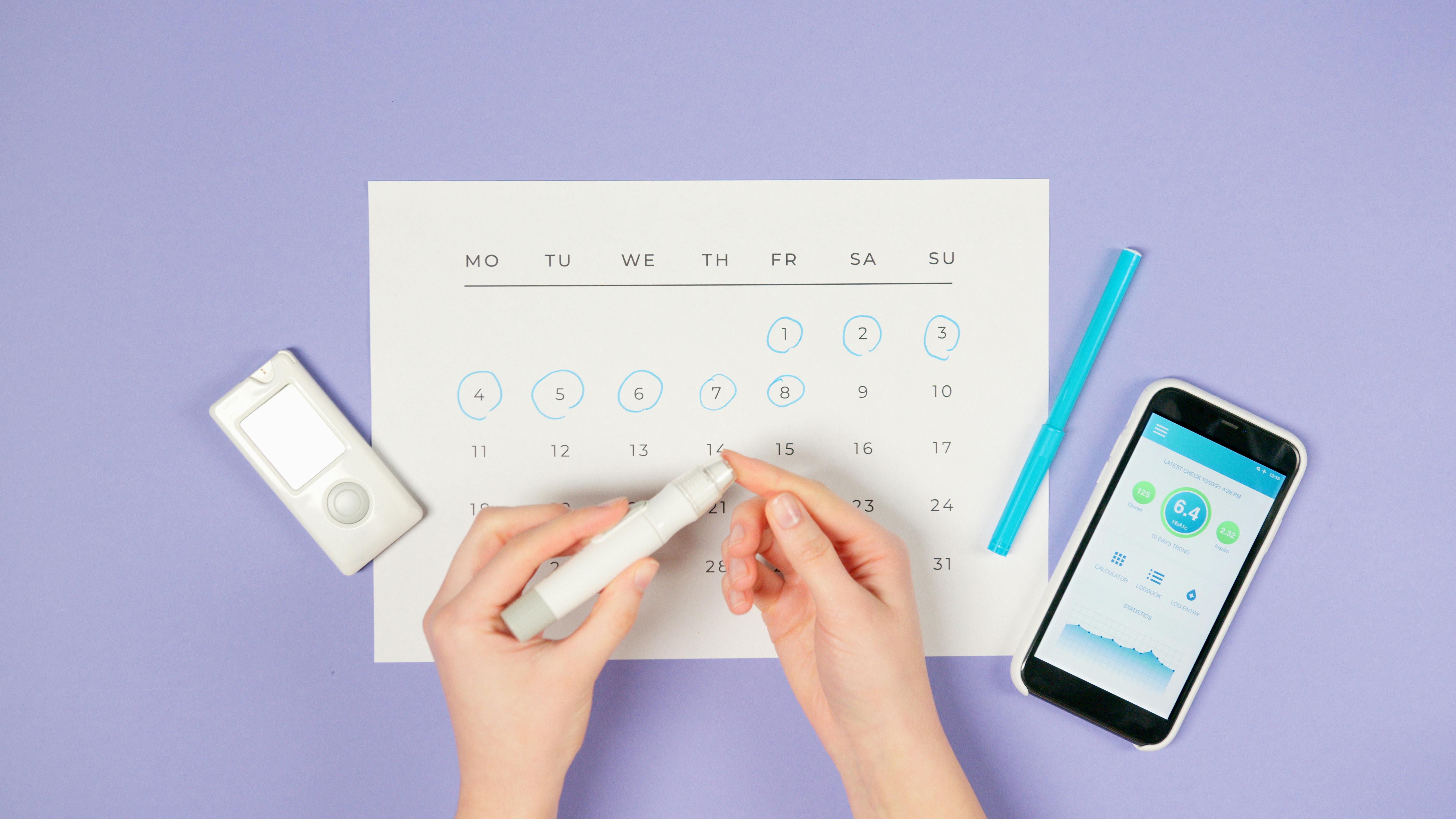
🔍 Understanding Nigeria's Healthcare Reality in 2026 — What the Data Shows and What Working in Health Reveals
The Dual Burden Context
TheFitNutritionist Health's January 2026 analysis of Nigerian health conditions states plainly: "Nigeria faces a dual disease burden where infectious diseases persist while chronic non-communicable diseases multiply. Cardiovascular disease represents the emerging threat that the health system is least prepared to handle. Treatment requires expensive long-term medications, specialized interventions, and lifestyle modifications that many Nigerians struggle to maintain." This structural analysis matters for every Nigerian trying to understand their health risks — because the illnesses that killed your grandparents' generation and the ones that are increasingly killing your parents' generation are not the same, and the strategies for addressing them are also different. Prevention of chronic diseases requires sustained lifestyle change and monitoring. Prevention of infectious diseases requires hygiene, vector control, and prompt testing. Both require access to a healthcare system — which remains the fundamental challenge. 📎 Source: TheFitNutritionist Health January 2026
The January 2026 Hypertension Breakthrough
The Hypertension Treatment in Nigeria 2.0 program, whose protocol was documented in January 2026, represents the most significant recent evidence that systematic intervention works in Nigerian conditions. Enrolling 21,897 adults across 60 sites, the program demonstrated that hypertension control (blood pressure brought below 140/90 mmHg) improved from 22% to 56% — and sustained that improvement for nearly 2 years. This was achieved using the WHO HEARTS package, adapted for Nigerian primary care settings. The implication for every Nigerian: the barrier to hypertension control is not primarily medical technology or drug availability. It is systematic measurement, diagnosis, and follow-up. The medication exists. The evidence works. The gap is between knowing you have hypertension and being managed for it. 📎 Source: Hypertension Treatment in Nigeria 2.0 Protocol January 2026 — clinicaltrials.gov
💡 What Healthcare Workers Know That General Health Articles Often Miss
What experienced Nigerian healthcare providers consistently observe and what rarely makes it into standard health education content: the most common barriers to timely care in Nigeria are not primarily financial — they are attitudinal and informational. People wait too long because they assume the symptom will pass. People self-medicate because they are confident in what worked before. People avoid routine checks because they fear bad news. These psychological barriers kill more Nigerians than the diseases themselves, in many cases — because every serious condition covered in this article is more treatable when found early. The shift that most changes outcomes is not a new hospital or a new medication. It is a cultural shift toward early presentation, routine testing, and trust in the healthcare system — supported by better health literacy, which is exactly what this article is trying to contribute.
📡 What to Watch in Nigerian Healthcare Through 2027
Three healthcare signals worth following: The Hypertension Treatment in Nigeria 2.0 program (January 2026 protocol) is designed to scale from its FCT pilot to a national model — if successful, it represents the most ambitious Nigerian hypertension control infrastructure expansion in history. The National Health Insurance Authority's expansion efforts continue — increased coverage would be transformative for Nigerians' ability to access consistent care without catastrophic out-of-pocket costs. And the ongoing effort to reduce antibiotic resistance in Nigeria — antibiotic misuse through self-medication is creating a documented public health threat of "superbugs" that resist standard treatment, a problem that the next generation will face if current self-medication patterns continue. 📎 Source: HTNNG 2.0 | NHIA Nigeria | Blog Nigeriana April 2026
⚡ What These Medical Conditions Actually Cost Nigerian Families — The Human and Financial Reality
A Nigerian family whose member suffers a stroke due to undetected hypertension faces an immediate financial crisis: emergency hospital admission (₦50,000–₦500,000+ depending on complications and facility), CT scan (₦30,000–₦80,000 at private facilities), specialist neurology consultations, rehabilitation therapy (physiotherapy, speech therapy) running for months, and ongoing medication for the remainder of the person's life. Compared to: a blood pressure check (₦200–₦500 at a pharmacy), antihypertensive medication if needed (₦1,500–₦5,000 per month at generic prices), and annual doctor visits. The financial logic of prevention is overwhelming. The tragedy of Mama Chidera's story is partly that her family spent money they did not have on care that prevented further damage from a condition that ₦3,000 per month in medication would have managed for years. ⚕️ These are illustrative cost ranges — actual costs vary by facility, location, and severity.
It is a Wednesday afternoon in Benin City. Emeka is at the pharmacy to refill his father's blood pressure medication — a routine that started after his father's hypertension was discovered at a free community health screening event in 2024. The medication costs ₦4,500 for a month's supply. His father's blood pressure is controlled. He has had no strokes, no emergency hospitalisations, no disability. Emeka knows that two of his father's friends — who also had hypertension but did not continue their medication because they felt fine — have both had strokes in the past two years. One recovered with mild disability. One did not recover. Emeka pays ₦4,500 per month without complaint. ⚕️ This scenario is illustrative of documented Nigerian patterns — medication names and specific dosages require healthcare provider determination.
When a community's knowledge of health warning signs improves, health-seeking behaviour changes — and health outcomes change. The Hypertension Treatment in Nigeria 2.0 program's documented improvement from 22% to 56% hypertension control at its intervention sites demonstrates this at scale: the same community, the same healthcare facilities, the same medications — but with systematic measurement and follow-up — produced dramatically better outcomes. This programme's evidence matters to every Nigerian community because it proves that the tools for better health outcomes already exist in Nigeria. The gap is systematic measurement, awareness, and follow-through — not technology. 📎 Source: HTNNG 2.0 January 2026
77% of Nigerian healthcare spending is out-of-pocket (WHO data). This means that health emergencies are simultaneously medical crises and financial crises for Nigerian families — pushing them deeper into poverty at the most vulnerable moment. The only structural solution to this is expanded health insurance coverage (NHIA) and robust primary healthcare that catches conditions before they become emergencies. The current political and policy direction in Nigeria — expanding NHIA coverage and strengthening primary healthcare infrastructure — represents the systemic response to what this article describes at the individual and condition level. Every Nigerian who advocates for healthcare access in their community, uses available primary healthcare services, and accesses NHIA coverage where available is participating in building the systemic response this country needs. 📎 Source: WHO Nigeria | NHIA Nigeria | NPHCDA
Book or attend one of these three tests this week: (1) Blood pressure measurement — at a pharmacy or health centre; (2) Fasting blood sugar test — at a laboratory or clinic; (3) Malaria rapid diagnostic test — if you have fever symptoms, before taking any medication.
⚕️ These tests require interpretation by a trained healthcare professional. Do not self-interpret results without professional guidance. The action is to get tested and get professional interpretation — not to manage results on your own.
🎯 Health Action Priorities — What Matters Most for Everyday Nigerians in 2026
⚕️ These are general health priority recommendations for the Nigerian population based on documented disease burden data. Individual priorities depend on personal medical history, age, and risk factors. Always discuss personal health priorities with a qualified healthcare professional.
Blood Pressure Check — If Over 30 and Not Done Recently
20–40% of Nigerian adults have hypertension. Most don't know it. It drives Nigeria's most common medical emergency. A 2-minute check at a pharmacy can detect the most preventable cause of death and disability in Nigeria. Do this this week.
Malaria RDT Before Any Antimalarial Medication
60–70% of Nigerian outpatient visits are malaria. But malaria shares symptoms with typhoid and other conditions. ACT without confirmed diagnosis wastes medication, causes side effects, and leaves real illness untreated. Test first. Always.
Diabetes Screening — If You Have Risk Factors
5M+ Nigerians affected, half unaware. Risk factors: family history, overweight, over 40, sedentary lifestyle, high blood pressure. A fasting blood sugar test is affordable and widely available. Know your number before complications announce it for you.
Self-Medicating With Unverified Herbal Mixtures or OTC Antibiotics
Active April 2026 warning from Nigerian health authorities: unverified roadside herbal products may damage liver and kidneys. Self-prescribed antibiotics contribute to resistance. These actions cause harm even when people believe they are helping themselves.

✅ Key Takeaways — Health Knowledge That Could Change Your Outcome
- Malaria accounts for 60–70% of all Nigerian outpatient consultations. Always test with a malaria RDT or blood film before taking any antimalarial medication — symptoms alone cannot distinguish malaria from typhoid or other infections. ⚕️ Testing and treatment require a healthcare professional.
- Hypertension affects 20–40% of Nigerian adults — most with no symptoms until crisis. The January 2026 HTNNG 2.0 program proved that systematic blood pressure management moves control from 22% to 56%. Get your blood pressure checked by a professional. This month.
- Over 5 million Nigerians have diabetes — more than 50% are unaware. Nigeria is Africa's most affected country. Test for blood sugar especially if you have risk factors: family history, overweight, over 40, sedentary lifestyle.
- Stroke causes 200,000+ Nigerian hospital emergencies annually — 8 out of 10 neurological admissions. The primary cause is uncontrolled hypertension. FAST (Face, Arms, Speech, Time) is the emergency recognition tool every Nigerian must know.
- Self-medication with unverified herbal mixtures and over-the-counter antibiotics without diagnosis is an active, documented danger — April 2026 Nigerian health authorities warn of liver and kidney damage from roadside herbal products.
- 77% of Nigerian healthcare is paid out-of-pocket — but primary healthcare centres, NHIA coverage, and targeted malaria/vaccination programmes offer access pathways that many Nigerians underutilise. NHIA enrollment is available at nhia.gov.ng.
- Traditional Nigerian foods — beans, okra, garden eggs, sweet potatoes, pap — are specifically recommended by Nigerian nutrition experts in 2026 as protection against hypertension and diabetes. What your grandmother ate may be protecting you in ways your current diet is not.
- The most powerful health action available to most Nigerians costs almost nothing: get your blood pressure and blood sugar checked by a professional. These two numbers could tell you about conditions silently damaging your body right now.

❓ Frequently Asked Questions — Medical Conditions and Health in Nigeria 2026 (15 Questions)
What are the most common medical conditions in Nigeria in 2026?
⚕️ This is general health education — consult a healthcare professional for personal health assessment. Based on documented Nigerian health data: Malaria is the most frequently diagnosed illness, accounting for 60–70% of all outpatient consultations nationwide. Hypertension affects 20–40% of Nigerian adults and is the primary driver of stroke. Diabetes affects over 5 million Nigerians with more than 50% unaware they have it. Stroke causes 200,000+ hospital emergency cases annually. Typhoid fever and waterborne diseases remain common particularly in areas with limited clean water access. Heart disease is a growing cause of death — ischemic heart disease accounts for approximately 56,400 deaths annually. 📎 Source: MassLife Healthcare July 2025 | TheFitNutritionist Health January 2026 | Emergency Response Africa
What is the first-line treatment for malaria in Nigeria?
⚕️ This is educational information — specific drug selection and dosing must be determined by a licensed healthcare professional. According to WHO Nigeria and FMOH guidelines, artemisinin-based combination therapy (ACT) — most commonly artemisinin-lumefantrine (Coartem) — is the recommended first-line treatment for uncomplicated malaria in Nigeria. PMC research confirms ACT is 98% effective for uncomplicated malaria when properly administered. Severe malaria requires injectable treatment (artesunate or artemether) in a hospital setting. Critically: you must have a confirmed malaria diagnosis through a rapid diagnostic test (RDT) or blood microscopy before starting treatment — not all fevers are malaria. 📎 Source: WHO Malaria Treatment Guidelines | PMC ACT Efficacy Research | FMOH Nigeria
What are the warning signs of hypertension in Nigeria?
⚕️ This is health education — consult a healthcare professional for diagnosis. Hypertension is called the "silent killer" because most people with it have NO symptoms at all. This is exactly what makes it dangerous. Some people occasionally experience headaches (particularly at the back of the head), dizziness, or nosebleeds — but these are not reliable or consistent indicators. The only reliable way to know if you have hypertension is to have your blood pressure measured by a healthcare professional. If you experience sudden severe headache, sudden vision changes, chest pain, difficulty breathing, or sudden weakness — seek emergency care immediately, as these may indicate hypertensive crisis or stroke. Get your blood pressure checked regularly — at minimum once per year if over 30, more frequently if you have risk factors. 📎 Source: HTNNG 2.0 January 2026 | WHO Hypertension Guidelines
What are the early signs of diabetes in Nigeria?
⚕️ This is health education — only a healthcare professional with blood tests can diagnose diabetes. Warning signs that may indicate diabetes and warrant professional testing include: excessive thirst (polydipsia), frequent urination especially at night, unexplained weight loss, extreme fatigue, blurred vision, slow-healing wounds or infections, numbness or tingling in hands or feet, and recurring urinary or skin infections. Over 50% of Nigerians with diabetes are completely unaware they have it. If you have these symptoms, or have risk factors (family history, overweight, over 40, sedentary lifestyle), see a healthcare professional for a fasting blood sugar test. This test is affordable (₦500–₦1,500) at most Nigerian clinics and laboratories. 📎 Source: MassLife Healthcare July 2025 | Emergency Response Africa | WHO Diabetes
What does FAST mean for stroke recognition in Nigeria?
FAST is the emergency stroke recognition tool that every Nigerian must know — because the speed of response to a stroke determines how much brain tissue survives. F = Face drooping: one side of the face droops or is numb — ask the person to smile and check if the smile is uneven. A = Arm weakness: one arm is weak or numb — ask the person to raise both arms and check if one drifts downward. S = Speech difficulty: speech is slurred, strange, or the person cannot speak or understand you. T = Time to act: if ANY of these signs appear — go to a hospital emergency department IMMEDIATELY. Stroke is the most common medical emergency in Nigerian hospitals with 200,000+ cases annually. The primary cause is uncontrolled hypertension. The primary prevention is regular blood pressure management. ⚕️ Stroke is a medical emergency requiring immediate hospital care — not home management. 📎 Source: Emergency Response Africa | WHO Stroke Recognition
Is it safe to self-medicate for malaria in Nigeria?
⚕️ All treatment decisions should be made by a licensed healthcare professional. Healthcare professionals in Nigeria actively warn against self-medicating for malaria without a confirmed diagnosis. The specific concerns: malaria shares symptoms with typhoid, viral infections, and other bacterial conditions — taking antimalarial drugs for a non-malaria illness exposes you to drug side effects without treating the actual condition. Artemisinin-based combination therapy (ACT) specifically should only be used when malaria is confirmed through a rapid diagnostic test (RDT) or blood microscopy. Additionally, stopping antimalarial treatment early even when feeling better can contribute to treatment failure. Blog Nigeriana's April 2026 health alert confirmed that healthcare professionals are actively warning against self-medication with unverified products. 📎 Source: Blog Nigeriana April 2026 | WHO Nigeria Malaria Guidelines | FMOH
What are the dangers of herbal medicine and roadside medications in Nigeria?
⚕️ This is health education — consult a healthcare professional about safe treatment options. Blog Nigeriana's April 2026 health alert from Nigerian healthcare professionals specifically warns that "some products sold openly may contain dangerous substances capable of damaging the liver, kidneys, or other organs." Specific documented concerns include: unverified herbal mixtures with no ingredient declaration, undisclosed pharmacological compounds in commercial herbal products, and inconsistent dosing with no quality control. Liver failure and kidney damage have been documented in cases linked to certain herbal product use in Nigeria. This does not mean all traditional medicine is harmful — but it does mean that products without quality verification, clear ingredients, and dosing guidelines pose a real and documented risk. Always discuss any supplement or herbal remedy with a healthcare professional before using it. 📎 Source: Blog Nigeriana April 2026
How can Nigerians access affordable healthcare in 2026?
Several options exist for accessing affordable healthcare in Nigeria: (1) Primary Healthcare Centres (PHCs) — available in most communities, low-cost, offers basic consultations, malaria testing, blood pressure checks, and vaccinations. Find yours at nphcda.gov.ng. (2) National Health Insurance Authority (NHIA) — enroll at nhia.gov.ng for subsidised care at registered facilities. Both employed (through employer) and self-employed Nigerians can enroll. (3) Community health outreach programmes — free screenings including blood pressure and blood sugar checks are regularly organised by NGOs, state health ministries, and private sector health initiatives. (4) Government general hospitals — subsidised specialist care, though with longer wait times. (5) Free services for specific conditions: in some states, free malaria treatment for children under 5 and free malaria rapid tests at PHCs. ⚕️ Verify current service availability and costs directly with facilities. 📎 Source: NPHCDA | NHIA Nigeria | FMOH
What is the difference between Type 1 and Type 2 diabetes?
⚕️ This is health education — diabetes diagnosis and management require a qualified healthcare professional. Type 1 diabetes occurs when the immune system attacks and destroys the insulin-producing cells in the pancreas. It typically develops in childhood or young adulthood and requires lifelong insulin injections or pump therapy. Type 2 diabetes (most common in Nigeria) develops when the body either doesn't produce enough insulin or doesn't respond effectively to insulin it produces. It is strongly associated with obesity, physical inactivity, unhealthy diet, family history, and age over 40. Type 2 diabetes can often be prevented or delayed with lifestyle changes — healthy diet, regular physical activity, and weight management. Over 5 million Nigerians are estimated to have diabetes, with Nigeria being Africa's most affected country. Both types are serious and both require professional medical management. 📎 Source: MassLife Healthcare July 2025 | WHO Diabetes Classification
What foods should Nigerians eat to reduce risk of hypertension and diabetes?
⚕️ This is general nutritional education — consult a healthcare professional or registered dietitian for personalised dietary advice. Nigerian nutrition experts advising in April 2026 specifically recommended reducing excessive consumption of junk food, oily snacks, and heavily processed meals, and prioritising traditional Nigerian foods including: beans (high in fibre and plant protein), sweet potatoes (complex carbohydrate with good nutritional profile), garden eggs (low-calorie, high-fibre, good for blood sugar management), okra (contains soluble fibre beneficial for blood sugar and cholesterol), and pap (a traditional Nigerian food that can be nutrient-dense when prepared properly). Reducing table salt and processed food salt intake is specifically important for blood pressure management. These recommendations come directly from Nigerian healthcare professionals addressing Nigerian dietary patterns in 2026. 📎 Source: Blog Nigeriana April 2026 | WHO Cardiovascular Disease Prevention Guidelines
How can stroke be prevented in Nigeria?
⚕️ This is health education — consult a healthcare professional for personal stroke prevention strategy. Emergency Response Africa confirms the major predisposing factor for stroke in Nigeria is uncontrolled hypertension. Stroke prevention therefore primarily involves: (1) Getting blood pressure checked regularly by a healthcare professional; (2) If hypertension is diagnosed, following prescribed treatment consistently — even when feeling fine; (3) Not stopping antihypertensive medication without medical advice; (4) Managing diabetes if present; (5) Not smoking; (6) Maintaining healthy weight through diet and exercise; (7) Reducing salt intake. The Hypertension Treatment in Nigeria 2.0 program demonstrated that systematic hypertension management (blood pressure measurement, medication, follow-up) moved hypertension control from 22% to 56% — directly translating to stroke prevention at population scale. 📎 Source: Emergency Response Africa | HTNNG 2.0 January 2026
What is the NHIA and how do Nigerians enroll?
The National Health Insurance Authority (NHIA) is Nigeria's government health insurance scheme designed to reduce out-of-pocket healthcare costs for Nigerians. It was established under the National Health Insurance Authority Act 2022. Enrolled members access healthcare at registered facilities with significantly reduced out-of-pocket costs. Enrollment options: (1) Formal sector employees — through employer-facilitated enrollment; (2) Informal sector and self-employed — through the Vulnerable Group Scheme and other community-based options. For current enrollment information, benefits, and registered facility lists, visit the official NHIA website at nhia.gov.ng. Coverage remains below population need as of 2026, and not all healthcare facilities are yet NHIA-accredited, but enrollment where available provides significant financial protection for healthcare costs. ⚕️ Verify current NHIA coverage and eligibility directly at nhia.gov.ng as programmes evolve. 📎 Source: NHIA Nigeria | FMOH
What should Nigerians do to prevent typhoid fever?
⚕️ This is health education — consult a healthcare professional for diagnosis and treatment of suspected typhoid. Typhoid fever is preventable through: (1) Safe drinking water — boiling water for drinking and cooking, using verified water purification methods; (2) Proper hand hygiene — thorough handwashing with soap before eating, before food preparation, and after toilet use; (3) Safe food handling — thorough cooking of food, avoiding raw vegetables washed in unverified water, caution with street food from unhygienic vendors; (4) Typhoid vaccination — available in Nigeria and recommended in high-risk areas; discuss with your healthcare provider. If you have symptoms (sustained fever, severe headache, abdominal pain), see a healthcare professional for testing — typhoid shares symptoms with malaria and other conditions. A Widal test or typhoid rapid diagnostic test can help distinguish. ⚕️ Antibiotic treatment must be prescribed by a healthcare professional due to resistance concerns. 📎 Source: WHO Typhoid Guidelines | Blog Nigeriana April 2026
How do I find a registered hospital or doctor in Nigeria?
To verify and find legitimate registered healthcare providers in Nigeria: (1) Medical and Dental Council of Nigeria (MDCN) — verifies doctor registration at mdcn.gov.ng; (2) Nigeria Primary Health Care Development Agency (NPHCDA) — lists government primary healthcare centres at nphcda.gov.ng; (3) Pharmacists Council of Nigeria (PCN) — verifies registered pharmacies at pcnng.com; (4) Your state Ministry of Health — maintains lists of registered healthcare facilities in your state; (5) Federal Ministry of Health at health.gov.ng — publishes registered health facility information. Always verify that any doctor treating you is registered with MDCN. Registered medical practitioners have an MDCN identification number that can be verified. This verification protects you from unqualified practitioners. ⚕️ When in doubt about a healthcare provider's credentials — ask to see their registration certificate or verify at mdcn.gov.ng. 📎 Source: MDCN Nigeria | NPHCDA | PCN Nigeria
What are the warning signs that require emergency hospital care in Nigeria?
⚕️ If you see any of these signs — go to the nearest hospital emergency department immediately. Do not attempt to manage them at home. Emergency warning signs: (1) FAST stroke signs — Face drooping, Arm weakness, Speech difficulty — act within minutes; (2) Sudden severe chest pain or pressure, especially with left arm pain, sweating, and breathlessness — possible heart attack; (3) Severe headache described as "the worst headache of your life" with stiff neck — possible meningitis or brain bleed; (4) Child with fever plus rapid breathing plus altered consciousness — possible severe malaria; (5) Difficulty breathing or severe shortness of breath; (6) Sudden loss of consciousness; (7) Seizures in someone who has not had them before; (8) Severe abdominal pain; (9) Signs of severe dehydration (no urine for many hours, dry mouth, sunken eyes) — especially in children. For a medical emergency in Nigeria: go directly to the nearest hospital emergency department. 📎 Source: Emergency Response Africa | WHO Emergency Care Guidelines
💬 Your Health Experiences Matter — Share Them (Responsibly)
⚕️ Please do not share personal medical diagnoses or treatment advice in the comments. Share your experience with healthcare access, health education, and the barriers you have navigated — your story helps others. If you are seeking medical advice, please consult a qualified Nigerian healthcare professional.
- Mama Chidera's story opens this article — a preventable stroke from undetected hypertension. Have you known someone whose health crisis was discovered too late to prevent serious damage? How did that experience change your family's approach to health?
- The article says most Nigerians take malaria medication without testing first. Was that something you recognised in your own household? Have you started testing before treating since learning why it matters?
- The self-medication section describes herbal mixtures and roadside medications as an active, documented 2026 health danger. How common is this in your community? What would make people change this behaviour?
- 77% of Nigerian healthcare is out-of-pocket. What has been your most difficult experience navigating healthcare costs in Nigeria — and what helped most when the cost became a barrier?
- The article confirms that traditional Nigerian foods — beans, okra, garden eggs, sweet potatoes — are specifically recommended by Nigerian health professionals for preventing hypertension and diabetes. Has your family moved away from these foods? What made that happen?
- For those who have ever had a blood pressure or blood sugar check as a routine matter (not because you were sick) — what motivated you to do it? What did you discover?
- The FAST stroke recognition tool is something every Nigerian should know. Before reading this article, did you know it? Who taught you health emergency responses — or were you never taught them?
- The January 2026 Hypertension Treatment in Nigeria 2.0 program moved hypertension control from 22% to 56% with systematic management at 60 sites. Does this kind of data change how you see the Nigerian healthcare system's potential?
- For healthcare workers reading this — what is the most common health mistake you see Nigerian patients make that this article addresses? What do you wish people understood before arriving at your facility?
- For parents — what health education have you given your children that you wish you had received earlier? What would you add to the school curriculum if you could?
- The article says stroke kills more Nigerians annually than most people realise — 200,000+ cases, 8 out of 10 neurological admissions. Did that number surprise you? What does it change about how you talk about blood pressure in your household?
- Do you know where your nearest primary healthcare centre is? Have you used it? What was your experience — good, bad, or mixed?
- Over 50% of Nigerian diabetics are unaware they have the condition. If you found out you had Type 2 diabetes today — what do you think would be the hardest part of managing it in your current life situation?
- The NHIA exists but is underused. Have you enrolled? What stopped you if you haven't? What would make you more likely to?
- Share this article with one Nigerian family member or friend who has not had their blood pressure or blood sugar checked recently. Their health — and your peace of mind about their health — may depend on what they learn from reading it. Who are you sending it to?
⚕️ Share your experience with healthcare access and health education — not personal medical details or advice. For medical questions, consult a qualified Nigerian healthcare professional.
 ✓ Verified
🔔 Stay Informed About Nigerian Health and Life Realities
Daily Reality NG covers what Nigerian life actually looks like — including health realities that affect you and your family. Subscribe for honest, independently-researched articles. No sponsored softening. No health product advertisements. Just information you can use.
📧 Subscribe Free 📣 Join WA ChannelMama Chidera survived her stroke. Her recovery was long and partial. But when I think about the ending that was most preventable — not just for her but for the hundreds of thousands of Nigerians who face the same outcome every year — it is this: someone should have told her, years before that Tuesday morning in Onitsha, that headaches in middle age deserve a blood pressure check, that hypertension has no symptoms until it has catastrophic ones, and that a medication that costs ₦3,000 per month could have changed the next decade of her life and her family's.
I could not tell her. But I can tell you. And you can tell someone else.
Get your blood pressure checked. Get your blood sugar tested. Use a net. Test before treating. See a doctor before self-medicating. These five actions are not expensive. They are not complicated. They are the difference between the Nigerian health story that keeps happening and the one that doesn't have to.
— Samson Ese | Founder, Daily Reality NG | May 8, 2026
⚕️ Final Medical Disclaimer
This article is for general health education and information purposes only. It does not constitute medical advice, diagnosis, or treatment. Never use this article to self-diagnose, self-medicate, or make decisions about your health without consulting a qualified, licensed Nigerian healthcare professional. All drug names mentioned are for educational awareness only — specific drug selection, dosage, and treatment must be determined by a healthcare professional. If you are experiencing a medical emergency, go to the nearest hospital emergency department immediately. The author is a journalist, not a medical professional. All clinical information is sourced from WHO Nigeria, FMOH Nigeria, and peer-reviewed Nigerian health research as of May 2026.


Comments
Post a Comment