Home Improvement Nigeria 2026 — Transform Your Space on Any Budget
Home Improvement & Interior Design — Transform Your Space with Style and Purpose
Your home should work for you — not drain you. This is the honest Nigerian guide to transforming your space with real naira budgets, 2026 design trends, contractor red flags, room-by-room strategies, and DIY changes that cost almost nothing but change everything.
⏱️ Check This Before You Read Further
If you are planning to hire an interior designer or contractor in Nigeria, verify any company's CAC registration status at the CAC name search portal before paying any deposit. Unregistered contractors have no legal accountability — your ₦500,000 deposit can vanish with zero recourse. Also, if you plan to use the Federal Mortgage Bank of Nigeria's Home Renovation Loan (up to ₦1,000,000 at 6–8% interest for NHF contributors), verify your NHF contribution status at fmbn.gov.ng before beginning any project. Takes 5 minutes. Could save you from two of the most common renovation disasters in Nigeria.
Takes 5 minutes. Could protect hundreds of thousands of naira in renovation spending.
You're reading Daily Reality NG — Nigeria's independent guide to real-life decisions covered with honesty and zero filter. This home improvement guide is built for the Nigerian reality: rented apartments where you can't knock walls, homes with NEPA realities that affect lighting choices, budgets that range from ₦50,000 to ₦5,000,000, and the specific design trends reshaping Nigerian homes in 2026. Whether you own or rent, whether you have ₦80,000 or ₦8,000,000 — this guide has a path for you.
📖 The Living Room That Embarrassed Her Every Time Someone Visited
Ngozi had lived in her three-bedroom flat in Asaba for four years. The flat was decent — good size, reasonable rent, solid structure. But the living room was a problem she kept pushing to "later." The curtains were the same ones that came with the apartment. The sofa had two broken springs. The walls were a shade of institutional cream that hadn't been touched since the landlord painted it in 2019. There was a bookshelf with no books — just random items that had accumulated over four years with nowhere else to go.
Every time visitors came, she felt a small pang of embarrassment that she couldn't name properly. It wasn't shame about money — she had a good job. It was the feeling that her space didn't reflect her. It looked like nobody particularly lived there. Or rather, that nobody had bothered to.
In October 2025, she spent ₦87,000 total — new curtains, a can of warm terracotta paint for one accent wall, two throw pillows, and a decent floor lamp she found at Trade Fair in Lagos during a work trip. She did most of it herself over two weekends. The result wasn't a magazine feature. But it was unmistakably hers. People started commenting. One colleague asked her for her interior designer's number. There was no designer.
This article is about what Ngozi discovered — and what every Nigerian homeowner or renter needs to know before spending a single naira on their space.
⚡ Find Your Starting Point in 10 Seconds
📍 Which Home Situation Are You In Right Now?
Find your situation and go directly to the section that matters most for your budget, ownership status, and goal.
| Your Situation | Your Most Urgent Priority | Start Here |
|---|---|---|
| Renting, under ₦100K budget, want visible improvement fast | Get the maximum visual impact without touching the structure | High-Impact Low-Cost section |
| Own your home, ₦500K–₦2M budget, planning full renovation | Understand real Nigerian renovation costs before committing to anything | Budget Reality section |
| Want to follow 2026 interior design trends in your Nigerian home | Know which trends actually work in Nigerian homes vs which are purely aspirational | 2026 Trends section |
| About to hire a contractor or interior designer | Know every red flag and every verification step before paying a deposit | Contractor Warning section |
| Want to improve one specific room first (living room, bedroom, kitchen) | Get the room-by-room guide with ROI ranking per naira spent | Room-by-Room Guide |
| Considering a renovation loan or FMBN facility | Understand all financing options available to Nigerians before choosing one | Renovation Financing section |
| 💡 Whether you rent or own, whether your budget is ₦50,000 or ₦5,000,000 — this guide has a specific, honest path for your situation. | ||
📋 What You'll Find in This Guide
- 2026 Interior Design Trends Actually Working in Nigerian Homes
- The Real Cost of Home Improvement in Nigeria (Honest Naira Numbers)
- High-Impact Low-Cost Changes Under ₦100,000
- Room-by-Room Transformation Guide: Which Room First?
- The Renter's Interior Design Playbook (No-Damage Strategies)
- Contractor and Designer Warning: What Goes Wrong in Nigeria
- Home Renovation Financing Options in Nigeria 2026
- What's Changed in 2026 for Nigerian Home Design
- Key Takeaways and Your 24-Hour Action
- 15 Frequently Asked Questions
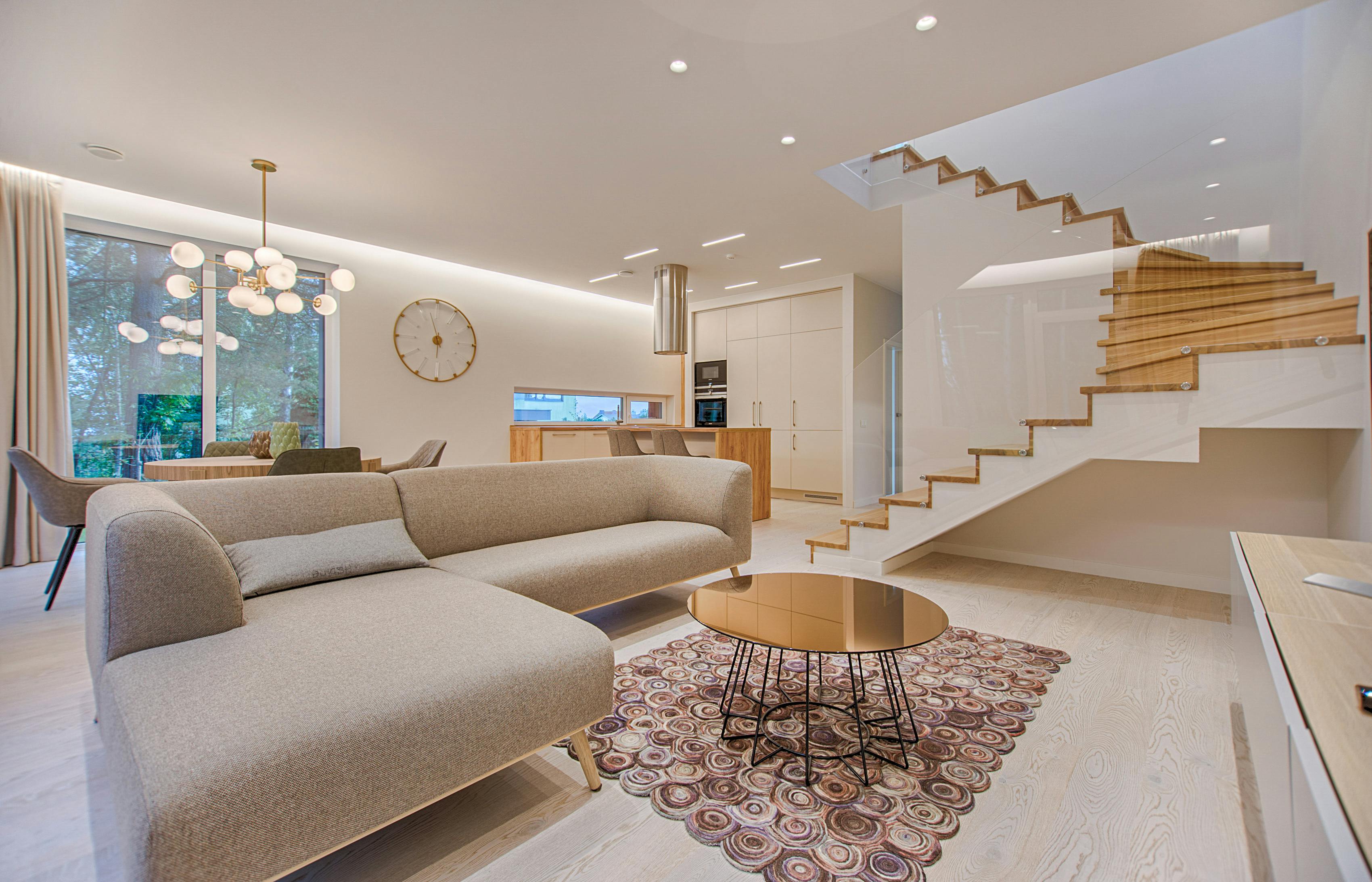
🎨 2026 Interior Design Trends Actually Working in Nigerian Homes
Let me tell you what is actually happening in Nigerian homes in 2026 — not what Pinterest says is trendy globally, but what Nigerian homeowners and interior designers are genuinely implementing in Lagos, Abuja, Warri, Port Harcourt, and Enugu right now.
The all-white minimalist era is ending. According to Leezworld, one of Nigeria's established interior design platforms, the "all-white minimalist" look is officially taking a backseat in 2026. Homeowners are shifting toward spaces that feel lived-in, soulful, and nurturing — with demand surging for pieces that combine luxury with calm. [Nairacompare](https://nairacompare.ng/blogs/the-complete-personal-finance-guide-for-nigerian-freelancers-remote-workers-2026-edition?claude-citation-f296a262-eacc-473c-a668-218054921c6d=95f6baa7-f694-42f7-a35d-9ddf44c2fd73) In practical Nigerian terms, this is great news. White walls in a Nigerian home with dust, humidity, children, and irregular cleaning schedules are a maintenance nightmare. Warmer tones require less upkeep and age more gracefully.
🏠 Top 2026 Interior Design Trends for Nigerian Homes — Practical Feasibility Assessment
Not all global trends work in Nigerian conditions. This table rates each trend honestly for Nigerian climate, budget, and lifestyle realities.
| 2026 Trend | What It Looks Like | Nigerian Feasibility | Estimated Cost (Naira) | Works in Rented Apartments? | Verdict |
|---|---|---|---|---|---|
| Warm Earthy Tones (Mocha, Terracotta, Caramel) | Replace grey/white walls with warm brown-based colours. Terracotta accent walls, caramel upholstery | Excellent — hides dust, suits Nigerian light | ₦15,000–₦45,000 (paint + labour) | Partial — accent wall only for renters | ✅ Highly Recommended |
| Integrated Nature / Biophilic Design | Large indoor plants, botanical art, natural wood surfaces, stone accents | Excellent — Nigeria's climate helps plants thrive | ₦8,000–₦80,000 depending on scale | ✅ Yes — entirely movable | ✅ Perfect for Nigerian renters |
| Layered Warm Lighting | Dimmable lamps, warm-toned bulbs, multiple light sources per room replacing single ceiling bulb | Good — but NEPA dependency limits dimmers | ₦25,000–₦120,000 for quality lamps | ✅ Yes — floor lamps and table lamps are movable | ✅ Recommended with backup power in mind |
| Rounded, Voluminous Furniture Shapes | Curved sofas, rounded coffee tables replacing sharp-edged furniture | Moderate — limited local availability | ₦180,000–₦800,000 for quality pieces | ⚠️ Possible but expensive investment in rented space | ⚠️ Only for homeowners with medium-high budget |
| African Aesthetic & Locally Sourced Decor | Adire fabric cushions, carved wood accents, Nigerian art, ankara throw pillows, local pottery | Excellent — widely available, affordable | ₦5,000–₦60,000 for a full curated set | ✅ Perfect for renters | ✅ Most Nigerian-authentic trend of 2026 |
| Ceiling Treatment (Decorated Ceilings) | False ceilings with recessed lighting, ceiling patterns, painted ceiling accents | Poor for renters — structural change required | ₦300,000–₦1,500,000+ for false ceiling | ❌ No — permanent structural modification | ⚠️ Homeowners only, significant investment |
| Tactile Textures (Raw Stone, Brushed Brass, Reclaimed Wood) | Feature walls with textured finishes, brass fixtures, natural material accents | Moderate — sourcing can be challenging outside Lagos/Abuja | ₦40,000–₦400,000 depending on scale | ⚠️ Partial — decorative pieces yes, wall texture no | ⚠️ Best for homeowners, limited for renters |
| ⚠️ Cost estimates based on Lagos/Abuja market survey, May 2026. Prices vary significantly by city — Warri and Enugu typically 15–25% lower than Lagos for the same materials. Source: Leezworld Interior Design Trends 2026 | Beveledge Designs, February 2026. Verify current material costs at your local building materials market before budgeting. | |||||
The verdict for most Nigerian renters is clear: warm earthy tones, biophilic elements, warm lighting, and African aesthetic accessories give you the most 2026-aligned transformation per naira spent — with zero damage to rented property. The structural trends (false ceilings, wall textures, rounded furniture) are for homeowners with meaningful renovation budgets.
💡 Did You Know?
According to Leezworld, Nigeria's 2026 interior design trend explicitly moves away from grey toward brown — with mocha, terracotta, and deep caramel described as colours that provide a "hug" for the room, making large spaces feel intimate. [Nairacompare](https://nairacompare.ng/blogs/the-complete-personal-finance-guide-for-nigerian-freelancers-remote-workers-2026-edition?claude-citation-f296a262-eacc-473c-a668-218054921c6d=a70a1dd8-d78f-48aa-bb54-9341024fd257) For Nigerian homeowners specifically, this shift is practical beyond aesthetics: warm brown tones conceal everyday dust accumulation far better than grey or white, reducing the visual impact of harmattan dust on your walls between painting cycles. A terracotta accent wall that looks slightly dusty still looks warm. A white wall with the same dust level looks neglected.
📎 Source: Leezworld 10 Interior Design Trends 2026 for Nigerian Homes | Beveledge Designs Modern Living Room Trends, February 2026
💰 The Real Cost of Home Improvement in Nigeria (Honest Naira Numbers)
This is the section most home improvement articles skip — or get spectacularly wrong. Let me give you the real numbers, sourced from Nigerian interior designers and renovation companies, not converted from dollar figures.
Interior designers in Nigeria typically charge in one of three ways: an hourly rate ranging from ₦5,000 to ₦15,000 per hour depending on experience; a flat project fee starting from ₦50,000 for single-room redesigns up to ₦500,000 for larger projects; or a percentage of total project cost, typically 10–30%. For a total project budget of ₦2,000,000, the designer's fee alone could reach ₦200,000 to ₦600,000. [Clickstartng](https://www.clickstartng.com.ng/receive-dollars-nigeria?claude-citation-f296a262-eacc-473c-a668-218054921c6d=53823bf4-3747-4974-b6a1-9748d3640f9f)
For a well-executed full interior design that reflects both modern trends and functionality, JECCL Interiors estimates a minimum budget of ₦10,000,000 to ₦20,000,000 for residential or commercial spaces in Nigeria in 2025–2026. [TRADING ECONOMICS](https://tradingeconomics.com/nigeria/youth-unemployment-rate?claude-citation-f296a262-eacc-473c-a668-218054921c6d=ca0acd37-b777-4b59-b611-3e3e1c119f70) That number shocks people. But it's real for a full professionally executed renovation. What most Nigerians actually need — and what most home improvement articles never talk about — is the middle ground between ₦0 and ₦20,000,000.
💵 Honest Nigerian Home Improvement Cost Tiers — What Each Budget Actually Gets You in 2026
These ranges reflect real Lagos/Abuja market pricing as of May 2026. Results vary by location, scope, and contractor quality.
| Budget Tier | What It Realistically Covers | Quality Level | Who It's Really For | Main Limitation | Worth It? |
|---|---|---|---|---|---|
| Budget ₦20,000–₦100,000 |
New curtains, paint one accent wall, throw pillows, floor lamp, wall art, plants, organising storage. No structural changes. | Visual refresh — not renovation | Renters, students, first apartments, quick refreshes before events | No structural or furniture improvements. Impact is cosmetic only. | ✅ Yes — best ROI per naira at this tier |
| Mid-Range ₦100,000–₦600,000 |
Full room repaint, quality curtains, new sofa or upholstery, quality lighting, one statement furniture piece, professional wall finishing | Visible room transformation | Homeowners targeting one or two rooms, renters with longer-term leases | Cannot cover full home. Prioritise the living room first for maximum social impact. | ✅ Best combination of result and budget |
| Significant ₦600,000–₦3,000,000 |
Multiple room renovation, kitchen upgrade, bathroom retiling, false ceiling in living room, custom furniture, professional interior designer | Full room suite transformation | Homeowners with established income, people preparing property for sale or rent | Contractor risk at this tier is significant — vetting is mandatory before spending | ⚠️ Yes — only with verified, referenced contractor |
| Full Renovation ₦3,000,000–₦20,000,000+ |
Complete home interior overhaul, structural changes, custom-built furniture throughout, professional interior designer, smart home elements | Magazine-quality transformation | Property owners doing long-term value investment, Lekki/Maitama-tier properties | Project can overshoot budget by 40–60% without experienced PM oversight. Contingency fund is mandatory. | ⚠️ Only with experienced project manager and legal contract |
| ⚠️ Cost ranges sourced from Coohom Nigeria interior design cost guide | JECCL minimum budget analysis | Renovation cost documentation, January 2026. Prices shift with exchange rate and material inflation. Always get three quotes before committing. Contingency fund of at least 15–20% is mandatory at every tier above ₦100,000. | |||||
The most important finding in this table: The Budget tier (₦20,000–₦100,000) delivers the best ROI per naira spent — because it focuses exclusively on visual impact without structural complexity. Nigerian renovation experts consistently warn that a project initially budgeted at ₦2.5 million can end up costing ₦13 million over four years due to unforeseen issues. [TRADING ECONOMICS](https://tradingeconomics.com/nigeria/unemployment-rate?claude-citation-f296a262-eacc-473c-a668-218054921c6d=29c2ca9f-4226-4ee9-b1df-463872742f69) The safest approach: start small, measure results, expand deliberately.
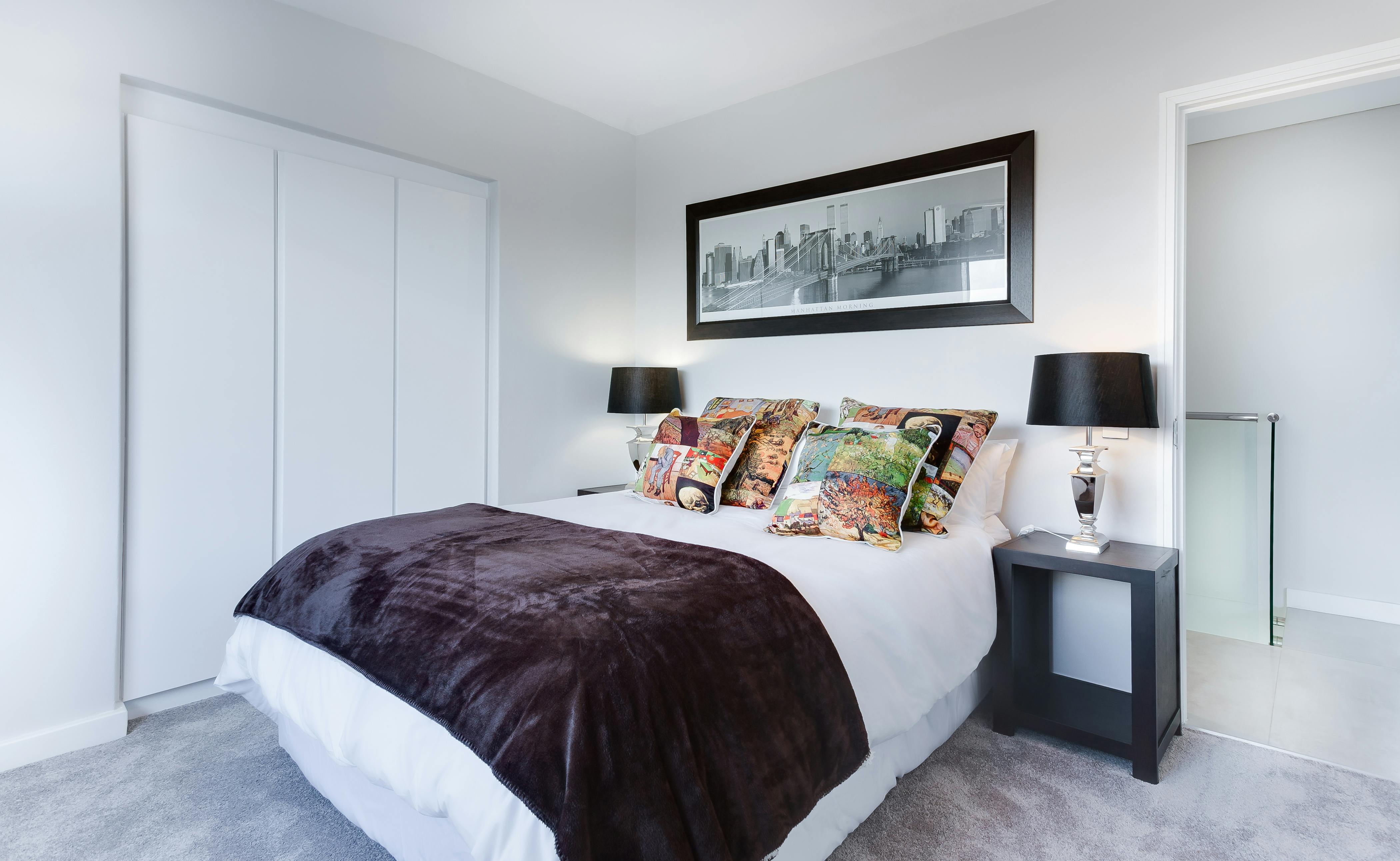
✨ High-Impact Low-Cost Changes Under ₦100,000
This section is for the majority of Nigerians — the ones who want a real, noticeable improvement but aren't in a position to spend millions. The good news is that the highest-impact changes per naira spent are almost entirely in this budget range. Here's exactly what to do and in what order.
✅ The ₦100,000 Transformation Sequence — Do This in This Exact Order
No design improvement is visible in a cluttered space. Before spending a naira, spend one weekend removing every item from your living room that hasn't been deliberately placed. Relocate or discard. This alone changes the perception of your space by 30%. I know people who spent ₦200,000 on décor in a cluttered room and wondered why it still didn't look good. The clutter was the problem, not the absence of décor.
Friction warning: decluttering in a Nigerian household is emotionally hard because of the "it might be useful later" culture. Be ruthless. If it hasn't been used in 12 months and has no sentimental value, it goes.
Old curtains are the single most visible sign that a space hasn't been tended to. Heavy blockout curtains in warm tones — terracotta, mustard, deep olive — cost ₦5,000–₦12,000 per panel at Balogun Market in Lagos or Wuse Market in Abuja. For most living rooms, four panels is sufficient. This change takes two hours and visitors will notice it before they notice anything else.
Do not buy the cheapest curtains available. ₦2,500 per panel curtains look cheap and confirm the impression you're trying to change. Spend the ₦8,000–₦12,000 per panel. The difference is visible from across the room.
Pick the wall your sofa faces — or the wall furthest from the entrance. One wall. A warm terracotta, deep forest green, or warm charcoal. Not all four walls. One. The contrast between one warm accent wall and three plain walls creates depth that four painted walls cannot replicate. Buy quality paint — Dulux or Berger is worth the premium over local alternatives on this wall specifically. One tin of quality paint covers approximately 12–15 square metres.
Time expectation: a skilled painter takes one day for one accent wall including prep and two coats. If someone quotes you three days for one wall, find another painter.
Nigerian homes are chronically over-lit with cold white fluorescent lighting. Replace every ceiling bulb with warm white LED (2700K–3000K colour temperature — ask for "warm white" at any electrical shop). Cost: ₦1,500–₦3,500 per bulb. Add one quality floor lamp with a warm shade — this creates the "layered lighting" effect that makes rooms feel curated. Jiji.ng and Jumia regularly list decent floor lamps at ₦18,000–₦40,000.
NEPA reality: a floor lamp on an inverter or rechargeable battery pack means your beautiful lighting continues during power cuts. Budget ₦8,000–₦15,000 extra for a rechargeable lamp option if NEPA is unreliable in your area.
Four to six throw pillows in two or three coordinated colours (not all different) on your sofa. Ankara print cushion covers cost ₦2,500–₦5,000 each at fabric markets and are among the most distinctively Nigerian design elements available. Two to three indoor plants — Peace Lily, Snake Plant, or Pothos — are heat and shade tolerant and thrive in Nigerian conditions without air conditioning. Cost: ₦1,500–₦5,000 per plant at Ikeja or Wuse Market nurseries.
💡 The ₦100,000 result if you follow this sequence: A living room that looks intentionally designed. Not expensively designed — intentionally. That's actually what people respond to. Not money — intention. And with this sequence, the intention costs under ₦100,000 and two weekends of your time.
🏡 Room-by-Room Transformation Guide: Which Room Should You Do First?
The biggest mistake people make with home improvement budgets is spreading them too thin across every room simultaneously. Nothing gets properly done. Every room looks halfway finished. The correct approach is total transformation of one room before touching the next.
The priority order for most Nigerian homes:
| Priority | Room | Why This Order | Minimum Budget | Key Changes for Maximum Impact | ROI |
|---|---|---|---|---|---|
| 1st | Living Room | First impression for all visitors. Most photographed room. Social signal of intentionality. | ₦50,000 | Accent wall + curtains + floor lamp + throw pillows. Do these four first. | Highest — affects perception immediately |
| 2nd | Master Bedroom | Personal wellbeing impact is highest here. You spend 6–8 hours daily in this room. Quality of sleep affects productivity. | ₦40,000 | Warm paint, quality bedding, blackout curtains, bedside lamp. Remove everything from under the bed. | Highest personal wellbeing ROI |
| 3rd | Kitchen | Functionality directly affects daily life quality. Clean, organised kitchen reduces daily friction significantly. | ₦30,000 | New cabinet handles, contact paper on surfaces, proper storage containers, adequate lighting. Not a full remodel. | Medium — functionality-focused |
| 4th | Bathroom | Often most neglected. A clean, pleasant bathroom elevates perception of entire home disproportionately. | ₦20,000 | Quality hand towels, coordinated accessories, a plant (Peace Lily tolerates low light), good lighting, clean grout. | Medium — surprise impact on guests |
| 5th | Dining Area | Social space, but used less frequently than living room in most Nigerian homes. Improve after primary spaces are done. | ₦35,000 | A centrepiece on the table, quality placemats, one pendant light or statement lamp, wall art. | High social impact when entertaining |
| ⚠️ Priority order assumes a standard Nigerian 3-bedroom apartment. Adjust based on which room you and your family actually use most. For a home-based business, the workspace ranks higher than the dining area. Always improve the room you inhabit most frequently first. | |||||
🔑 The Renter's Interior Design Playbook (No-Damage Strategies)
Most Nigerians rent. And most rental agreements in Nigeria prohibit structural modifications — drilling into walls, painting without permission, or changing fixtures. This creates a real tension between wanting a beautiful space and not wanting to lose your deposit or violate your lease.
The honest answer is: you can do far more than you think without touching the walls in a way that damages them. Here is the complete no-damage playbook.
🔑 Complete No-Damage Interior Design Guide for Nigerian Renters
- Removable wallpaper and peel-and-stick tiles: Available on Jumia and Jiji for ₦5,000–₦25,000 per pack. Creates feature wall effect without paint. Peels off cleanly when you move. Works on smooth plaster walls common in Nigerian apartments.
- Command strips for wall art and shelves: 3M Command strips hold up to 7.5kg without drilling. Available at Game, Shoprite, and online. Hang frames, mirrors, and lightweight shelves without a single nail hole. Available from ₦2,500 per pack.
- Floor rugs to define zones and add warmth: A quality area rug (2m × 3m) costs ₦25,000–₦80,000 and immediately makes a living room feel designed rather than furnished. Rugs are the fastest way to introduce colour and texture in a rented space.
- Furniture arrangement — the free transformation: Most people never rearrange their furniture from the original position when they moved in. Experiment with pulling the sofa away from the wall, angling chairs, and creating a conversational grouping rather than a television-facing lineup. This costs nothing and can be reversed in 30 minutes.
- Statement plants in decorative pots: A large fiddle-leaf fig or Bird of Paradise in a terracotta pot costs ₦8,000–₦25,000 total and creates a focal point in any corner without touching any surface permanently.
- Temporary curtain rods with tension mechanisms: For renters forbidden from drilling for curtain rails, tension rods fit between walls in smaller openings, or use over-door curtain rod brackets (no drilling) for larger windows. Available on Jiji from ₦3,500.
- Table lamps, floor lamps, and string lights: Every lamp you bring into a rented space improves the ambiance and leaves with you when you go. This is the most portable investment in any rental home.
💡 Did You Know?
Nigerian renovation and home improvement experts recommend adopting a minimalist approach that leverages natural light, textures through wood and textiles, and local artworks to create elegant interiors that age well — without requiring reinvestment every two years. [TRADING ECONOMICS](https://tradingeconomics.com/nigeria/unemployment-rate?claude-citation-f296a262-eacc-473c-a668-218054921c6d=04cd0002-7c90-4619-b5b8-81cad9ecbe1b) For Nigerian renters specifically, this principle is powerful: a space designed around natural light, movable furniture, quality textiles, and local art requires zero structural modification and can be transported completely intact to your next home. You're not investing in the walls — you're investing in movable beauty.
📎 Source: Complete Guide to Renovating a House in Nigeria, January 2026
⚠️ Contractor and Designer Warning — What Goes Wrong in Nigeria (and How to Protect Yourself)
This is the section that could save you hundreds of thousands of naira. Renovation fraud and contractor failure are among the most consistently reported home improvement disasters in Nigeria. Here are the specific warning signs and verification steps — before you pay anyone anything.
Five specific red flags that a Nigerian contractor or designer is a problem:
- They ask for more than 30% upfront before work begins. Standard Nigerian construction practice is 30% mobilisation fee, with milestone payments as work progresses. Anyone demanding 50%–100% upfront before a single tile is laid is a high-risk contractor. Obinna, 35, in Port Harcourt, lost ₦480,000 to a contractor who took 70% upfront for a bathroom renovation and was unreachable by week three. There was no contract. There was no recourse.
- They cannot show you three completed projects with contactable references. Ask for three completed project addresses and call the property owners independently — not with the contractor present. If they hesitate or provide references you cannot independently verify, walk away. An experienced contractor has a portfolio. An inexperienced or dishonest one has excuses.
- They are not CAC-registered. Check at pre.cac.gov.ng before signing anything. Unregistered contractors have zero legal accountability. Your only protection after fraud is the EFCC — and recovering renovation funds through EFCC takes 12–36 months if it happens at all.
- There is no written contract. Every renovation above ₦100,000 needs a written agreement stating scope of work, materials to be used, payment schedule tied to milestones, completion timeline, and penalty clause for delays. If a contractor refuses to sign a contract, they are telling you exactly what kind of project experience you're about to have.
- They consistently underquote compared to three other quotes. If three contractors quote ₦800,000–₦1,200,000 for a kitchen renovation and one quotes ₦300,000 — the low quote is not a deal. It's a setup for materials substitution, incomplete work, or disappearance after mobilisation payment.
If a contractor has already disappeared with your money: File a report with the Economic and Financial Crimes Commission at efcc.gov.ng. File a consumer complaint with the Federal Competition and Consumer Protection Commission at fccpc.gov.ng. If the contractor is a registered company, file a CAC complaint. Recovery is not guaranteed but reporting prevents the same contractor from doing this to others in your area.
🏦 Home Renovation Financing Options in Nigeria 2026
If your renovation budget exceeds your current savings, Nigeria actually has more financing options than most people realise. Here is the honest comparison.
| Financing Option | Maximum Amount | Interest Rate | Eligibility | Realistic Timeline | Best For |
|---|---|---|---|---|---|
| FMBN Home Renovation Loan | Up to ₦1,000,000 | 6% (state civil servants) / 8% (federal civil servants) | NHF contributor for minimum 6 months, civil servant. Maximum 4-year repayment via salary deduction. | 4–8 weeks for approval | Civil servants with NHF contributions needing kitchen, bathroom, or roof repairs |
| Personal Bank Loan (Commercial Bank) | ₦500,000–₦5,000,000 | 25–35% p.a. at current MPR | Formal employment or business income, 3-6 months bank statement, salary account | 1–2 weeks for approval | Employed Nigerians who need quick access and can service monthly repayments |
| Salary Advance Apps (FairMoney, Carbon) | ₦50,000–₦500,000 | 30–40% effective annual rate | Regular income into a Nigerian bank account | Same day to 24 hours | Small urgent improvements only — expensive for large projects |
| Personal Savings (Phased Approach) | As much as saved | Zero interest | Anyone — save ₦20,000–₦50,000 monthly in a locked platform like PiggyVest | 3–12 months depending on target | Anyone with non-emergency renovation needs. Best financial approach overall. |
| ⚠️ Interest rates verified against CBN Monetary Policy Rate position, May 2026. FMBN loan details from fmbn.gov.ng. Bank rates vary by institution. At current Nigerian inflation of ~24%, any loan rate below inflation represents a real borrowing advantage — the FMBN rate of 6–8% is exceptional for NHF-eligible borrowers. Verify your NHF contribution status before applying. | |||||
My honest recommendation on renovation financing: the phased savings approach wins for non-emergency improvements. Use a locked savings account on PiggyVest or Cowrywise specifically for your renovation target. Name it "Living Room Project" or "Kitchen Upgrade 2026" — the named goal creates psychological commitment. At ₦30,000 per month, you have ₦360,000 saved in 12 months with zero interest cost and zero debt risk. For emergency structural repairs (leaking roof, damaged flooring), the FMBN loan is the most cost-effective financing option for eligible civil servants.
🔄 What's Changed in 2026 for Nigerian Home Design
- Material costs have risen 30–50% since 2024 due to naira depreciation and import dependency. Over 90% of materials used in Nigerian construction are imported, which weighs heavily on costs. [TRADING ECONOMICS](https://tradingeconomics.com/nigeria/unemployment-rate?claude-citation-f296a262-eacc-473c-a668-218054921c6d=0b44f197-d536-4c94-bddf-c5cd06026a51) Local and ecological alternatives — compressed earth blocks, locally woven fabrics, Nigerian-made furniture — are increasingly attractive on cost grounds, not just aesthetics.
- The African aesthetic trend is now mainstream, not niche. Leezworld confirms that biophilic design and locally sourced décor are among the top 10 trends reshaping Nigerian interiors in 2026 [Nairacompare](https://nairacompare.ng/blogs/the-complete-personal-finance-guide-for-nigerian-freelancers-remote-workers-2026-edition?claude-citation-f296a262-eacc-473c-a668-218054921c6d=46337ff0-2c6f-415f-9041-9bdb45f98c48) — a shift from three years ago when Western minimalism dominated aspirational Nigerian design.
- Smart home technology is growing but unevenly accessible. Smart home technology integration costs ₦1,500,000 to ₦5,000,000 in Nigerian homes. [MacroTrends](https://www.macrotrends.net/global-metrics/countries/nga/nigeria/unemployment-rate?claude-citation-f296a262-eacc-473c-a668-218054921c6d=a2feaf58-6509-4b0b-93d7-090e460b0130) NEPA realities make full smart home systems challenging without reliable power backup — assess your power situation before investing in smart lighting or climate control systems.
- Online marketplaces expanding material access outside Lagos. Jumia, Jiji, and increasingly Paystack-powered design stores are delivering furniture and décor to secondary cities — Warri, Benin, Owerri, Jos — that previously had very limited design retail access. Price comparison is now possible nationwide without travelling to Balogun or Trade Fair.
⚡ What Home Improvement Actually Means for Your Real Nigerian Life in 2026
💰 The Wallet Impact
A Nigerian homeowner who completes a living room refresh (₦85,000 total: curtains + accent wall + floor lamp + throw pillows + plants) and a bedroom refresh (₦45,000: quality bedding + lamp + paint) for a total of ₦130,000 creates a home that photographs significantly better for short-let rental listings on Airbnb or Airbnb alternatives. Lagos short-let properties with styled photography consistently rent for ₦15,000–₦30,000 more per night than unstyled equivalents in the same building. A styled ₦130,000 investment can recover its cost in 5–9 additional nights of short-let bookings.
🗓️ The Daily Life Impact
It is a Sunday morning in Warri. Adaeze, 31, wakes up in a bedroom she genuinely likes. The curtains block enough light to sleep in. The lamp beside the bed is warm and doesn't require walking to the switch. The plants on the dresser are alive and green — she waters them Thursdays. The room doesn't feel like somewhere she's staying temporarily. It feels like where she lives. That's what ₦45,000 and two Saturday afternoons actually changes — not just aesthetics, but the daily psychological experience of being home.
🌍 The Systemic Impact
Nigeria's real estate and home improvement market contributes significantly to GDP, but most of the design spend flows to imported materials — tiles from China, furniture from Malaysia, lighting fixtures from Europe. Local and ecological alternatives are beginning to gain ground [TRADING ECONOMICS](https://tradingeconomics.com/nigeria/unemployment-rate?claude-citation-f296a262-eacc-473c-a668-218054921c6d=a4d5daae-cf5a-4d1a-8aa1-bb4f094c6d66) — locally produced furniture, Nigerian fabric for décor, compressed earth materials — creating income for Nigerian artisans and reducing import dependency. Every Nigerian who deliberately chooses locally made furniture over imported equivalents contributes fractionally to that shift.
✅ Your 24-Hour Action
Tonight: walk into your living room and identify the single thing that bothers you most about it. Write it down. Tomorrow: price what it would cost to fix that one thing specifically. Start there — not with a full redesign plan, not with a contractor call, not with a Pinterest board. Fix the one thing that bothers you most. That's the habit of home improvement. One problem at a time.
Verify any contractor on CAC at pre.cac.gov.ng. Browse Nigerian-made furniture on Jiji.ng. Check renovation loan eligibility at fmbn.gov.ng.
📋 What Nigerian Interior Design Experts Say About Smart Home Improvement in 2026
Industry Position — Cost Reality
According to BuildingPractice.biz, a comprehensive duplex interior redesign in Nigeria can cost between ₦15,000,000 and ₦50,000,000 depending on scope and materials, with smart home technology adding ₦1,500,000 to ₦5,000,000 on top of base renovation costs. [MacroTrends](https://www.macrotrends.net/global-metrics/countries/nga/nigeria/unemployment-rate?claude-citation-f296a262-eacc-473c-a668-218054921c6d=acc6d8f9-bf0b-4129-bbaf-72e77b1d502a) These numbers reflect high-end full-property projects — not the room-by-room improvements accessible to most Nigerians at every budget level.
📎 Source: BuildingPractice.biz — Interior Design Ideas for Duplexes in Nigeria
Design Expert Guidance — Material Strategy
Renovation experts advise that simple layouts, clean lines, and neutral colour palettes with a few stronger accent colours represent the smartest aesthetic choice in Nigerian renovation — because every complex false ceiling, decorative molding, or curved shape adds thousands of naira in a market where materials are expensive. [TRADING ECONOMICS](https://tradingeconomics.com/nigeria/unemployment-rate?claude-citation-f296a262-eacc-473c-a668-218054921c6d=c4ef6715-9be8-42fb-a886-6c517a842f01) The principle: simplicity is not compromise in Nigerian home improvement. In a high-cost materials environment, simplicity is strategic intelligence.
📎 Source: Complete Guide to Renovating a House in Nigeria, January 2026
Daily Reality NG Analysis
What this means practically for a market trader in Owerri managing a 2-bedroom rented apartment: the highest-value home improvement available to them is not a renovation — it's a styled refresh. Paint one warm wall. Replace the curtains. Add a quality floor lamp. The difference between a renovated apartment and a styled apartment is almost invisible to visitors — but the cost difference is ₦80,000 versus ₦2,000,000. The Nigerian reality: styling is renovation for people who don't own their walls. And styling done well is indistinguishable from renovation at conversational distance.
📌 Key Takeaways — Everything That Matters on One Screen
- The 2026 trend direction in Nigerian homes is clear: warm earthy tones (terracotta, mocha, caramel), biophilic elements (plants, natural materials), warm layered lighting, and African-inspired décor. Away from cold white minimalism.
- Highest ROI home improvements per naira spent: Repainting (9/10), lighting upgrade (8/10), curtain replacement (8/10). These three changes under ₦100,000 produce more visual transformation than ₦500,000 in new furniture in a poorly lit, unpainted room.
- Nigerian renters have more options than they think: Removable wallpaper, Command strip wall art, floor rugs, statement plants, floor lamps, furniture rearrangement — zero wall damage, fully transportable, genuinely effective.
- The room priority order: Living room first (social signal), master bedroom second (personal wellbeing), kitchen third (daily functionality), bathroom fourth, dining area fifth.
- Contractor red flags to act on: More than 30% upfront demand, no written contract, no verifiable CAC registration, no independently contactable references, suspiciously low quotes. Any one of these alone warrants walking away.
- FMBN Home Renovation Loan (up to ₦1,000,000 at 6–8% for NHF-contributing civil servants) is the most affordable formal renovation financing available in Nigeria. Check eligibility at fmbn.gov.ng.
- Material costs have risen 30–50% since 2024 due to import dependency and naira movement. Always get three quotes and add a 15–20% contingency to any renovation budget above ₦100,000.
- Locally made Nigerian furniture and décor is increasingly cost-competitive with imports AND contributes to Nigerian artisan economy. Prioritise local sourcing through Jiji.ng, artisan markets, and local furniture workshops.
🔗 Related Articles You Will Find Useful

❓ Frequently Asked Questions
What is the minimum budget for a visible home improvement in Nigeria in 2026?
₦20,000–₦50,000 is sufficient for a visible single-room refresh. This covers new curtains (₦15,000–₦30,000), four throw pillows (₦8,000–₦15,000), and two to three plants (₦3,000–₦8,000). The result is not a renovation — but it is an unmistakably improved space that visitors will notice. Paint is the next most impactful addition at ₦15,000–₦35,000 for a single accent wall including labour.
Can I make significant interior design changes in a rented apartment in Nigeria?
Yes — more than most people realise. Removable wallpaper, 3M Command strips for wall art, floor rugs, floor lamps and table lamps, large potted plants, and furniture rearrangement all produce significant visual change without damaging the property. The key principle: invest in movable beauty rather than fixed modifications. Everything listed above leaves with you when your tenancy ends.
What are the top interior design trends for Nigerian homes in 2026?
The top five trends working in Nigerian homes in 2026 are: warm earthy tones (terracotta, mocha, caramel) replacing grey and white; biophilic design with large indoor plants and natural materials; layered warm lighting replacing single cold ceiling bulbs; African-inspired décor using local fabrics, wood, and art; and maximalist-lite — curated, intentional display rather than empty minimalism. The all-white minimalist look is definitively out in 2026 Nigerian design circles. Source: Leezworld, 2026 | Beveledge Designs, February 2026.
How much do interior designers charge in Nigeria in 2026?
Interior designers in Nigeria charge in three ways: hourly rates of ₦5,000–₦15,000 per hour; flat project fees of ₦50,000–₦500,000 for defined projects; or 10–30% of total project cost. For a ₦2,000,000 renovation budget, the designer's fee alone could reach ₦200,000–₦600,000. Designers in Lagos and Abuja typically charge 20–30% more than those in smaller cities for equivalent work. Always clarify the fee structure in writing before starting. Source: Coohom Nigeria, verified May 2026.
Which paints are best for Nigerian homes in 2026?
Dulux and Berger are the two most recommended premium paint brands consistently available in Nigeria. Dulux's water-based emulsions are particularly suited to Nigerian humidity and are wipeable — useful for households with children. Crown Paints is a strong mid-range option. For accent walls where you want rich colour depth, spend the premium (₦8,000–₦15,000 per 5-litre tin) rather than using cheap local alternatives that fade within 12 months and require repainting. Always buy slightly more than calculated — one extra tin prevents colour matching problems if you need touch-up work.
How do I find reliable contractors for home improvement in Nigeria?
The most reliable method is referral from someone whose completed project you have physically visited. Request three names from trusted contacts, visit each reference property independently, and speak with the property owner without the contractor present. Verify CAC registration at pre.cac.gov.ng. Request a written contract with milestone-based payment schedule before work begins. Never pay more than 30% upfront. Platforms like Handywork.ng and Workman.ng offer contractor listings with reviews — useful as a starting point for independent verification.
What are the best plants for Nigerian homes in 2026?
The top five plants for Nigerian home conditions are: Peace Lily (thrives in low light, tolerates inconsistent watering — perfect for Nigerian apartments); Snake Plant/Sansevieria (nearly indestructible, handles NEPA-related heat fluctuations); Pothos (grows fast, trails beautifully, tolerates low light); ZZ Plant (drought-tolerant, glossy leaves, very low maintenance); Fiddle Leaf Fig (statement plant for bright indirect light, Lagos and Abuja apartments work well for this). All five are widely available at nurseries in Ikeja, Wuse, Garki, and major markets across Nigeria for ₦1,500–₦6,000 per plant.
Is the FMBN Home Renovation Loan available to private sector employees?
The FMBN Home Renovation Loan (up to ₦1,000,000 at 6–8% interest) is specifically available to Nigerian civil servants (federal and state) who have contributed to the National Housing Fund (NHF) for a minimum of six months. Private sector employees can access NHF through employer registration with FMBN — some private sector employers are registered NHF contributors. Check your NHF status and employer registration at fmbn.gov.ng before applying. The loan repayment is via salary deduction over a maximum of 4 years. Source: FMBN official documentation, May 2026.
How much does it cost to retile a bathroom in Nigeria in 2026?
Bathroom retiling in Nigeria typically costs ₦150,000–₦600,000 depending on tile quality, bathroom size, and labour. Basic tiles start at ₦4,000–₦8,000 per square metre. Mid-range tiles (Italian import alternatives from China) cost ₦12,000–₦25,000 per square metre. Labour for tiling: ₦3,000–₦8,000 per square metre depending on complexity. A standard Nigerian bathroom of 4–6 square metres costs ₦80,000–₦200,000 in tiles alone. Always add 10% extra tiles for cuts and breakage. Budget at least 15% contingency for plumbing complications uncovered during tiling work.
What is the best colour for a small Nigerian apartment to make it look bigger?
Light warm neutrals — warm white, soft cream, or light sand — make small rooms feel larger by reflecting natural light. In Nigerian conditions, avoid pure white (shows dust and marks quickly) in favour of slightly warm off-white tones. Consistent flooring colour across rooms reduces visual interruption and adds perceived space. Mirrors on at least one wall — even a single large mirror — effectively double the visual depth of a small room for ₦8,000–₦30,000 at Lagos or Abuja furniture markets. Vertical lines (tall curtains from ceiling to floor rather than window-height curtains) make ceiling height feel greater.
Is it worth hiring an interior designer for a small Nigerian apartment?
For apartments under 80 square metres with a budget under ₦500,000, a professional interior designer's fee (₦50,000–₦200,000 for consultation and design plan) may consume too large a percentage of the total budget. Use the fee money on actual improvements instead. What a designer genuinely adds is vendor relationships, access to trade pricing, and execution management — valuable for projects above ₦1,000,000 where those advantages recover their cost. For small-budget projects, this guide, strong Pinterest/Houzz research, and one weekend of decisive implementation delivers similar results without the professional fee.
How long does a typical home renovation take in Nigeria?
In Nigerian conditions, add 40–60% to any timeline a contractor quotes you. A kitchen renovation quoted at 3 weeks typically takes 5–8 weeks when accounting for material sourcing delays, intermittent contractor availability, and unexpected structural discoveries. A full home renovation quoted at 3 months realistically takes 4–6 months. This is not dishonesty — it is the reality of the Nigerian construction supply chain. Build this buffer into your planning timeline, your temporary accommodation budget if you need to vacate, and your financial contingency. The contractors who consistently finish on time are the ones worth paying premium rates to keep.
What are the best places to buy affordable home décor in Nigeria?
For Lagos: Balogun Market (fabrics, curtains, general décor), Trade Fair Complex (furniture, large items at wholesale prices), Ikeja Along (lighting and electrical fixtures), Computer Village area shops (small appliances and gadgets). For Abuja: Wuse Market (fabrics and general décor), Garki Market (materials), Jabi Lake Mall area shops. Nationwide: Jiji.ng (best for second-hand furniture and local seller deals), Jumia (new items delivered nationwide), and Instagram-based Nigerian home décor vendors who often offer better prices than marketplaces due to lower overhead costs. Searching "Nigerian home décor" on Instagram surfaces hundreds of small local vendors in every major city.
Should I renovate before or after selling my Nigerian property?
The evidence for renovation before sale in Nigeria is mixed. Focus on: fixing visible damage (cracked walls, broken fixtures, leaky taps) — these reduce perceived value significantly and cost relatively little to fix. Avoid: expensive full renovations based on your personal taste — buyers have different preferences and will likely change what you've done. The highest ROI pre-sale improvements are fresh neutral-tone painting (₦80,000–₦200,000), functioning plumbing and electrical systems, and clean tiled floors. Buyers in Nigeria factor renovation costs into their offers — a property priced fairly with clear renovation needs often sells faster than one with completed renovations priced to recover renovation cost.
How do I manage NEPA challenges when designing my home's lighting?
Design your lighting system with three layers: primary lighting (ceiling fixtures on mains), secondary lighting (rechargeable lamps and LED strip lights on inverter or battery), and emergency lighting (quality rechargeable emergency lights). Invest in at least two quality rechargeable floor or table lamps — Sokoni and similar brands at ₦12,000–₦35,000 provide 4–8 hours of warm light on a full charge. This means your carefully designed warm-lighting ambiance continues during power cuts rather than reverting to harsh emergency bulb lighting. Warm-toned rechargeable lamp + candles = a surprisingly pleasant NEPA experience that also happens to look very 2026.

📧 Get Weekly Nigerian Lifestyle and Finance Guides
Join thousands of Nigerians receiving honest, practical guides on home, finance, digital skills, and real-life decisions — every week, directly in your inbox.
Subscribe Free Join WA Channel💬 Your Thoughts — We Want to Hear From You
- What is the single biggest thing bothering you about your current home that you haven't fixed yet — and what's stopped you?
- Have you ever hired a contractor in Nigeria who disappeared with your deposit? What happened and how did you handle it?
- What home improvement have you made in the last 12 months that gave you the most satisfaction for the money spent?
- As a renter in Nigeria — what's the most creative no-damage transformation you've made to an apartment you don't own?
- The article says repainting is the highest ROI home improvement. Do you agree — or is there something else that changed your space more dramatically?
- What is the most useful thing in this article that you haven't heard before?
- Which 2026 design trend are you most excited to try — earthy tones, biophilic plants, warm lighting, or African aesthetic?
- If you had exactly ₦100,000 to transform your living room today — what would you spend it on and in what order?
- Has anyone used the FMBN Home Renovation Loan? How was the process and was the 6–8% rate actually accessible?
- What's the biggest challenge with home improvement specifically in Nigerian conditions — contractor reliability, material costs, or the landlord situation?
- If you're in Warri, Benin, Owerri, or a smaller city — is the design retail access as limited as the article suggests, or has it improved?
- What's one Nigerian home design element you've seen in someone else's home that you immediately wanted to copy?
- The article talks about locally made furniture as cost-competitive with imports. Have you tried it — was the quality good?
- For those who have done significant home renovations in Nigeria — what was the final cost versus the original quote? How much did you go over?
- What would your home say about you if it could talk — and what do you wish it would say instead?
Drop your answer to any of these in the comments below. Your real Nigerian experience is more valuable than any design theory.
Ngozi spent ₦87,000 and two weekends. Her colleague asked for her interior designer's number. There was no designer — just intention, the right sequence, and the willingness to spend two Saturdays being deliberate about the space she lives in. Your home is not a waiting room for the life you want. It is the life you're having right now. Make it feel like that.
Tonight: walk into your living room. Find the one thing that bothers you most. Write it down. That's where you start.
— Samson Ese | Founder, Daily Reality NG


Comments
Post a Comment