Fake Drugs Nigeria 2026: How to Spot Them at the Chemist
Fake Drugs Nigeria 2026: How to Spot Them at the Chemist
At Daily Reality NG, I write about Nigerian realities that affect your life — and nothing affects your life more directly than whether the drugs in your hand are real. This article is not written from a comfortable theoretical position. Nigeria lost an estimated 12,300 lives to fake antimalarials in a single year. In February 2026, NAFDAC seized over 10 million doses of fake drugs worth ₦3 billion from Lagos Trade Fair alone — products, NAFDAC's director said, that were "capable of killing three million Nigerians." In March 2025, a ₦1 trillion haul of counterfeit and substandard drugs was destroyed from Onitsha and Aba markets. These are not old statistics. This is what is happening right now in the supply chain that feeds the chemist on your street. This article exists because you deserve to know exactly how to check what you are buying before you take it home.
This article draws from: NAFDAC's official Mobile Authentication Service documentation at nafdac.gov.ng; NAFDAC Greenbook official product database at greenbook.nafdac.gov.ng; Sahara Reporters' May 2026 DAWN Commission counterfeit economy report; Punch Nigeria's February 2026 analysis of NAFDAC's open market drug seizures; Think Global Health's 2024 investigation into Nigeria's counterfeit drug epidemic; WHO guidelines on substandard and falsified medical products; Pulse Nigeria's April 2026 five red flags analysis; Pfizer Global Intelligence's published guides on identifying counterfeit medicine packaging; peer-reviewed research from Dove Medical Press (2022) on pharmacist knowledge of counterfeit drugs in Nigeria; and the CBN Consumer Protection Regulations relevant to pharmaceutical consumer rights. All URLs verified live May 14, 2026.
⏱️ Before You Visit the Chemist — Do These 3 Things Right Now
If you are going to a chemist today or have medication at home you want to verify, start with these three actions before the full article: (1) Open your phone browser and go to greenbook.nafdac.gov.ng — this is NAFDAC's official product database. Type the NAFDAC registration number from your drug packaging and verify that the product name, manufacturer, and strength on screen matches what is on the box. (2) If the drug is an antimalarial or antibiotic, look for a scratch panel on the packaging. Scratch it and send the PIN via SMS to the short code printed on the package — this is NAFDAC's free Mobile Authentication Service (MAS). (3) Look at the packaging: is the NAFDAC number printed clearly? Is there an expiry date? Does the text have any spelling errors? No NAFDAC number = illegal product = do not buy. These three steps take under 5 minutes and they are the minimum standard for protecting yourself every time you buy any medicine in Nigeria in 2026.
Quick report link: complaints@nafdac.gov.ng | NAFDAC official site: nafdac.gov.ng | Safety alerts: nafdac.gov.ng/safety-alerts
🎯 What Specifically Brought You to This Article? Find Your Starting Point
Jump to Verify Right Now section. Specific steps to check what you have in your hand immediately — NAFDAC Greenbook check, MAS SMS, physical inspection.
Go to 11 Physical Signs section. The visible warning signs on packaging and pills that separate genuine from counterfeit — with specific examples for Nigerian market conditions.
Read NAFDAC Number section. What the format means, how to read it, how counterfeiters fake it, and how to verify it correctly at the official portal.
Go to MAS SMS Verification section. NAFDAC's free mobile authentication service — works for antimalarials and antibiotics with scratch panels on packaging.
Read Chemist Risk section. The documented risk hierarchy — from PCN-registered pharmacies to street hawkers — and what Lagos and Abuja enforcement data shows about where fake drugs cluster.
📍 What Kind of Drug Buyer Are You? Find Your Highest Risk
Not all Nigerians face the same drug safety risk. Your buying pattern determines your exposure. Find yours below and identify the most urgent check you need to perform.
| Your Buying Pattern | Most Common Drug Categories | Your Fake Drug Risk Level | Single Most Important Check | Start Here |
|---|---|---|---|---|
| You buy from a roadside kiosk, open market, or hawker | Paracetamol, antimalarials, antibiotics, cough syrups | 🔴 VERY HIGH — documented hotspot for counterfeit products | Check NAFDAC number at greenbook.nafdac.gov.ng BEFORE buying | NAFDAC Number |
| You buy from a patent medicine dealer (PMD) or local chemist | General OTC drugs, antimalarials, paracetamol, oral rehydration | 🟡 MODERATE TO HIGH — depends on their supply chain | Check packaging for spelling errors, clear NAFDAC number, and intact seals | Physical Signs |
| You buy from an open drug market (Onitsha, Aba, Lagos) | Bulk drugs, antimalarials, antibiotics wholesale | 🔴 VERY HIGH — these markets are documented as primary conduits for fake drugs | Use MAS SMS verification AND Greenbook check — both required for high-risk markets | MAS Verification |
| You buy from a registered pharmacy (PCN-certified) | Prescription drugs, specialist medications, OTC | 🟢 LOWER — but not zero risk given supply chain contamination | Still verify NAFDAC number and check physical packaging — pharmacy supply chains are not immune | Verify Now |
| You buy drugs online via WhatsApp, Instagram, or social media vendors | Weight loss, fertility, antibiotics, pain relief, erectile dysfunction | 🔴 EXTREMELY HIGH — online drug vendors are a primary 2026 enforcement target | Do NOT buy drugs from unregulated online vendors — NAFDAC actively warns against this practice | Online Drug Risk |
| ⚠️ Risk levels based on NAFDAC enforcement data, Sahara Reporters May 2026 DAWN Commission report, and Punch Nigeria February 2026. Individual product risk depends on specific supply chain. Always verify regardless of purchase location. 📎 Source: Sahara Reporters May 2026 | Punch Nigeria Feb 2026 | ||||
Morayo had been using the same brand of eye drops for three months. Her doctor in Ibadan had prescribed them for mild dry eyes — nothing serious, she had thought. She bought them from a small chemist near her house, always the same shop, the same label, the familiar blue and white box. She trusted the routine.
When the second bottle was running low, she noticed something she had not before. She read the label carefully for the first time. There was no NAFDAC registration number. The expiry date was absent. The liquid tasted faintly sugary when she accidentally touched the dropper to her lip. She went back to the chemist. He denied it. She went to a hospital instead. The diagnosis was acute glaucoma. Her left eye is now permanently shut.
Morayo's story was documented in a Think Global Health investigation into Nigeria's counterfeit drug epidemic. The chemist on her street looked exactly like every other chemist on every other street in Ibadan, Lagos, Kano, Warri, and Abuja. He had the same shelf arrangements, the same casual air, the same familiar boxes. The difference was in what was inside them.
The problem is not that fake drugs look obviously fake. The problem is that the best counterfeits are designed to be indistinguishable by sight from the real thing. What protects Morayo — in 2026 — is not sharper eyes. It is knowing the specific checks that separate genuine from counterfeit, and doing them every time, for every drug, from every chemist. That is what this article teaches. 📎 Source: Think Global Health 2024
📋 Table of Contents — Jump to Any Section
- The Scale of Nigeria's Fake Drug Crisis in 2026 — The Numbers You Need to Know
- How to Read and Verify a NAFDAC Registration Number — The First Line of Defence
- NAFDAC's Free MAS SMS Verification — How to Use It on Antimalarials and Antibiotics
- 11 Physical Signs of a Fake Drug at the Chemist — What to Check Before You Buy
- The 5-Step Drug Verification Routine for Every Nigerian Chemist Visit
- Which Chemists Carry the Highest Fake Drug Risk in Nigeria in 2026
- The Most Commonly Faked Drugs in Nigeria Right Now
- The Online Drug Danger — What Social Media Vendors Are Selling
- What to Do If You Think You Have Already Taken a Fake Drug
- How to Report a Fake Drug to NAFDAC — Step by Step
- Key Takeaways
- 15 Frequently Asked Questions
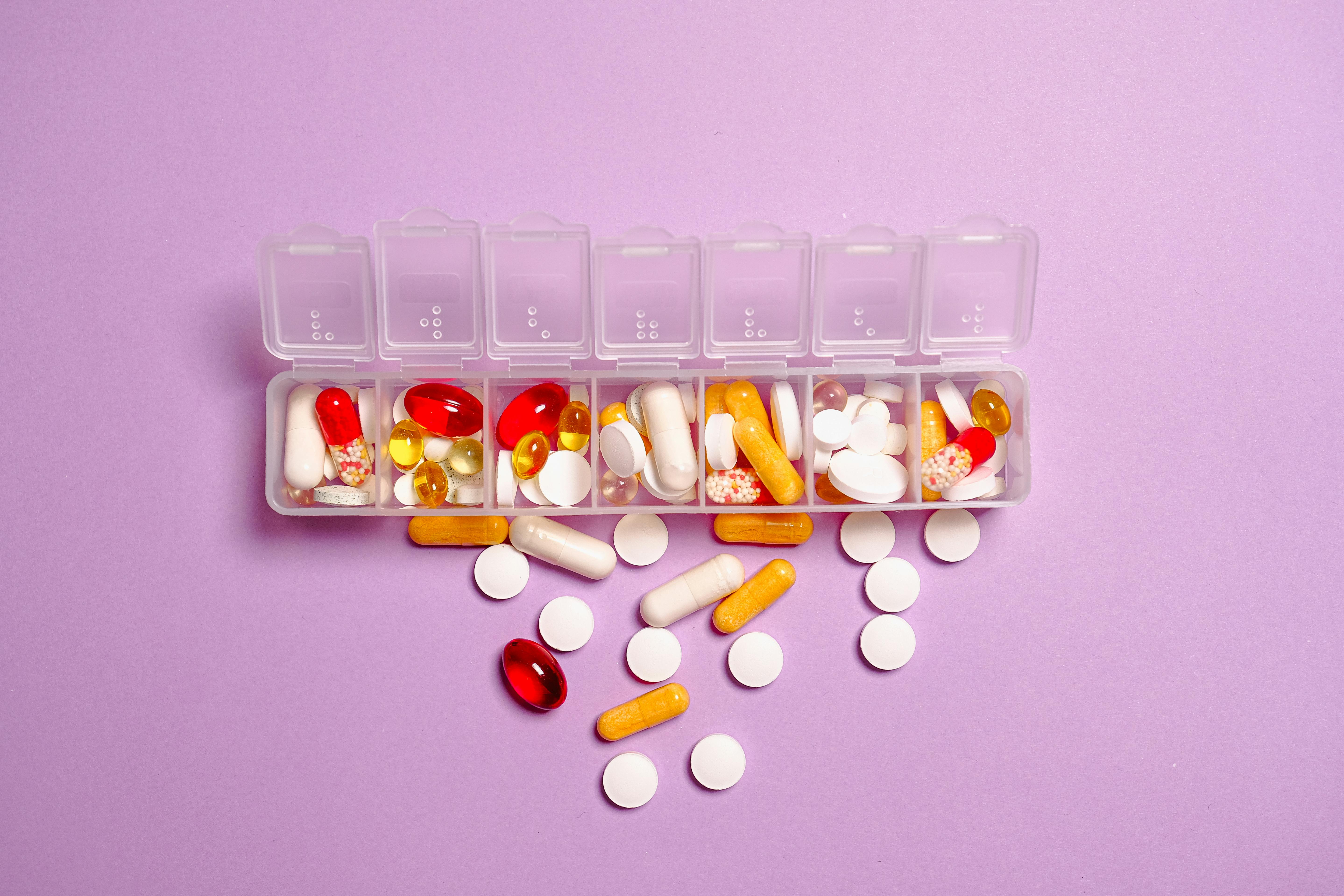
📊 The Scale of Nigeria's Fake Drug Crisis in 2026 — The Numbers You Need to Know
Nigeria does not have a drug safety problem at the margins. It has a drug safety crisis at the centre of the healthcare system. In 2025, NAFDAC revealed that 30 per cent of drugs in open markets — the same open markets that supply many licensed chemists and patent medicine dealers — were fake or substandard. The WHO estimates 15–17% of all drugs in circulation in Nigeria are counterfeit; trade stakeholders put the figure as high as 50%. 📎 Source: Punch Nigeria February 2026
The enforcement operations tell a damning story. In February 2026, NAFDAC raided Lagos Trade Fair Complex and found over 10 million doses of fake drugs worth ₦3 billion — enough, NAFDAC's director said, to kill three million Nigerians. Days later, another ₦3 billion haul of banned and counterfeit cosmetics was seized from the same location. In December 2025, NAFDAC destroyed ₦55.4 billion worth of counterfeit products in Ibadan and ₦10.19 billion in Kano. In March 2025, ₦1 trillion worth was destroyed from Onitsha and Aba markets alone. Yet as a Sahara Reporters investigation documents: "These are not victories. They are symptoms of systemic failure." 📎 Source: Sahara Reporters May 2026
📊 Nigeria's Fake Drug Crisis — The 2025–2026 Numbers Every Nigerian Must Know
Based on NAFDAC enforcement data, WHO Nigeria health estimates, Punch Nigeria February 2026, Sahara Reporters May 2026 DAWN Commission report, and peer-reviewed pharmaceutical research. All figures Nigeria-specific or Sub-Saharan Africa-specific where noted. 📎 Sources: Punch Nigeria | Sahara Reporters | nafdac.gov.ng
📊 Chart Takeaway: These are not estimates from a decade ago — these are the 2025–2026 enforcement numbers. The drug supply chain feeding the chemist on your street is actively contaminated. Verification is not optional; it is survival practice. The checks in this article are your personal protection system against a documented, ongoing public health crisis.
🔢 How to Read and Verify a NAFDAC Registration Number — The First Line of Defence
Every drug legally sold in Nigeria must carry a NAFDAC registration number on its packaging. This number is not decoration — it is the traceable evidence that the specific product has been evaluated for safety, efficacy, and quality by Nigeria's regulatory authority. Understanding how to read it, what format it should take, and how to verify it gives you a tool most Nigerian consumers never use.
Standard format: A NAFDAC registration number consists of a letter prefix followed by a hyphen and numbers — for example, A4-0123 or B1-5678. Newer registrations use a longer format such as A4-100137 where the six-digit number reflects NAFDAC's expanded numbering system. On the packaging, it is usually preceded by "NAFDAC Reg. No." or "NRN." The letter prefix identifies the product category — different letters represent drugs, food, cosmetics, medical devices, and veterinary products.
What counterfeiters do with NAFDAC numbers: The Ogbogwu NAFDAC Checker documentation identifies two main counterfeiting tactics: (1) Creating numbers in the wrong format — missing the hyphen, wrong letter prefix, or using numbers with an incorrect digit count. (2) Copying a valid NAFDAC number from a genuine product and printing it on a fake one — meaning the number itself is real, but it belongs to a different product. This second tactic is more sophisticated and more dangerous because the number will appear in the NAFDAC database. The key additional check is whether the product name, manufacturer, strength, and dosage form on screen match the packaging in your hand.
Falsified NAFDAC numbers are an active documented problem: NAFDAC's own director confirmed ongoing cases of falsified NAFDAC registration numbers in January 2026, including expired baby milk products being sold with falsified registration data. 📎 Source: News Panorama January 2026
💡 DID YOU KNOW?
NAFDAC publishes Public Alert Notices — a continuously updated list of specific confirmed counterfeit and substandard products currently in circulation in Nigeria. You can access this free database at nafdac.gov.ng/safety-alerts/. Before taking any drug you are uncertain about, search for its name or batch number in the alerts database. This database is what pharmacists check when they want to verify whether a specific product batch has been flagged as substandard — and it is available to every Nigerian with a phone and mobile data. The EBC Consults NAFDAC registration guide (March 2026) confirms: "If a product's number does not appear in the Greenbook or the details do not match the packaging, the product is either unregistered, the registration has lapsed, or the number is counterfeit." 📎 Source: EBC Consults March 2026
📱 NAFDAC's Free MAS SMS Verification — How to Use It Right Now
In 2010, NAFDAC deployed a tool that very few Nigerians actually use despite it being free, simple, and specifically designed for the smartphone era: the Mobile Authentication Service (MAS). It works by placing a scratch panel on the packaging of antimalarials and antibiotics — the two drug categories most targeted by counterfeiters. Scratching the panel reveals a unique, one-time use PIN. You send that PIN via SMS to a short code, and within seconds NAFDAC's system texts back whether the product is genuine or suspected fake. 📎 Source: NAFDAC MAS Official Page
Step 1 — Look for the scratch panel: On any antimalarial (such as Coartem, Lonart, Fansidar) or antibiotic (such as Amoxicillin, Augmentin, Ciprofloxacin) purchased in Nigeria, look for a small silver or gold scratch panel on the packaging — similar to a scratch card. If a drug in these categories does NOT have a scratch panel, treat this as a red flag. Not all products in these categories have them, but those manufactured after NAFDAC mandated MAS compliance should.
Step 2 — Scratch to reveal the PIN: Use a coin or your fingernail to scratch the panel — the same way you scratch a recharge card. A unique PIN will be revealed. This PIN is one-time use — meaning if you scratch it and find the panel has already been revealed and scratched before you, this is a major red flag indicating the product has already been checked (possibly to disguise a counterfeit).
Step 3 — Send the PIN via SMS: Send the revealed PIN as an SMS to the short code printed on the packaging (typically a 4 or 5 digit code, varies by product). This SMS is toll-free — it costs you nothing from any Nigerian network operator (MTN, Airtel, Glo, 9mobile).
Step 4 — Read the response: NAFDAC's system sends an SMS reply within seconds stating whether the product is genuine or suspected fake. If the reply says genuine — proceed. If it says suspected fake — do not use the product and report it to NAFDAC immediately. NAFDAC confirmed that more than one million Nigerians had used the MAS system as far back as 2012 — yet anecdotal evidence consistently shows most Nigerian consumers at chemists today have never heard of it.

👁️ 11 Physical Signs of a Fake Drug at the Chemist — Check These Before You Buy
Physical inspection is not a substitute for NAFDAC number verification or MAS SMS check — it is a complementary layer. Even sophisticated counterfeits that copy genuine NAFDAC numbers may have physical tells. And many lower-quality fakes have glaring packaging errors that an informed eye catches immediately. Pfizer's Global Intelligence team and the CDC both confirm the same principle: laboratory testing is the only way to be completely certain — but physical inspection catches the majority of lower and medium-quality counterfeits. 📎 Sources: Pfizer Global Security | CDC Counterfeit Medicine
The 11 Physical Warning Signs of a Fake Drug — What to Check at the Chemist Counter
Based on Pulse Nigeria April 2026, Pfizer Global Intelligence, CDC Counterfeit Medicine guidance, Public Health Nigeria guidance, and PMC peer-reviewed pharmaceutical research. These checks apply to all drug forms — tablets, capsules, syrups, injections, eye drops.
| Warning Sign | What to Look For | Why Fakes Fail Here | Risk Level if Present |
|---|---|---|---|
| No NAFDAC Registration Number | No "NAFDAC Reg. No." or "NRN" anywhere on the packaging | Every drug legally sold in Nigeria must carry a NAFDAC number. None present = unregistered = illegal | 🔴 DO NOT BUY — this is the clearest indicator of an illegal product |
| Spelling Errors on Packaging | Misspelled drug name, manufacturer name, ingredients, dosage instructions, or country of origin | Genuine pharmaceutical manufacturers use rigorous quality control — errors do not appear on real products | 🔴 HIGH RISK — Pulse Nigeria April 2026 identifies this as one of the easiest red flags to catch |
| No Expiry Date or Altered Expiry | Expiry date absent, smudged, printed over, or looks different from the batch number printing | Counterfeiters relabel expired drugs or produce drugs with no dating at all | 🔴 DO NOT USE — expired or undated drugs may have degraded active ingredients or developed toxicity |
| Broken, Resealed, or Tampered Packaging | Foil seal broken, packaging appears to have been opened and resealed, cotton insert missing from tablet bottles | Genuine pharmaceutical packaging is factory-sealed. Tampering signals counterfeit replacement or product substitution | 🔴 HIGH RISK — especially for injectable drugs and eye drops where contamination risk is severe |
| Blurry, Faded, or Poor Quality Printing | Text that is difficult to read, ink that smudges, uneven printing, logos that look pixelated or blurry | Genuine pharmaceutical companies use high-resolution industrial printing. Poor print quality indicates non-standard production | 🟡 MODERATE TO HIGH RISK — compare print quality to a previously purchased genuine version if possible |
| Unusual Colour, Size, or Shape of Tablets/Capsules | Pills look different from previous refills — different shade, slightly different shape, different size | Genuine manufacturers maintain strict batch consistency. Variation signals either counterfeit substitution or wrong product | 🟡 IMPORTANT — Pulse Nigeria April 2026 confirms sudden appearance changes should always raise concern |
| Crumbly, Cracked, Bubbled, or Mouldy Pills | Tablets that crumble when handled, coatings that have bubbled or peeled, any visible mould | Genuine pills have factory-consistent appearance. Physical degradation indicates either counterfeit production or improper storage of genuine product | 🟡 HIGH RISK — do not ingest crumbly or mouldy tablets regardless of NAFDAC number |
| Unusual Smell or Taste | Strange chemical smell from tablets, syrup that tastes different from previous refills, eye drops with sweet taste | Morayo's story: the sugary taste was the first indicator of the counterfeit eye drops. Methanol has been detected in counterfeit injections in Nigeria | 🔴 HIGH RISK — stop using immediately if any unusual taste or smell is noticed |
| Suspiciously Low Price | Price is significantly lower than what the same product sells for at registered pharmacies | Counterfeit drugs are cheaper because they contain no active ingredients or substandard ones. Legitimate pharmaceutical manufacturing has fixed minimum costs | 🟡 WARNING SIGNAL — always verify if a price seems too low. "If it's too cheap, ask why." |
| No Manufacturer Address or Incomplete Labelling | Packaging missing manufacturer's address, country of manufacture, batch number, or storage instructions | NAFDAC regulations require complete labelling. Missing mandatory label elements signal non-compliance with registration requirements | 🟡 MODERATE RISK — a genuinely registered product should have complete label information |
| Excess Powder, Crystals, or Unusual Residue Inside Bottle | Powder settling at bottom of tablet bottle, crystals forming in liquid medication, unusual residue inside packaging | Genuine pharmaceutical products are stable at recommended storage temperatures. Unusual residue indicates degradation, contamination, or substandard formulation | 🔴 HIGH RISK — Pulse Nigeria April 2026 and Pfizer Security both identify this as a critical red flag |
| ⚠️ IMPORTANT: Physical inspection alone is not sufficient. Even products with perfect packaging can be counterfeit if they contain wrong or absent active ingredients. Physical checks should always be combined with NAFDAC Greenbook verification and MAS SMS check for antimalarials and antibiotics. If you find any of these warning signs, do not use the product. Report to NAFDAC at complaints@nafdac.gov.ng. 📎 Sources: Pulse Nigeria April 2026 | Pfizer Global Security | |||
✅ The 5-Step Drug Verification Routine for Every Nigerian Chemist Visit
The 11 warning signs above are knowledge. The 5-step routine below is practice. These steps — done in sequence, every time, for every drug — represent the minimum standard that protects you in Nigeria's 2026 drug market. Total time: under 5 minutes at the chemist counter.
Before you pay, before you even look at the pill inside, look at the packaging for "NAFDAC Reg. No." or "NRN" followed by a letter-number code. If there is no NAFDAC number — put the drug down and do not buy it. No NAFDAC number means it is an unregistered, illegal product. This step alone protects you from the most basic category of fake drug: the completely unregistered product that has never been anywhere near a regulatory evaluation. It costs nothing. It takes 5 seconds.
Open your phone browser and go to greenbook.nafdac.gov.ng — Nigeria's official registered product database. Type the NAFDAC number exactly as printed. Read the result carefully: does the product name on screen match the name on the box exactly? Does the manufacturer match? Does the strength and dosage form match? Any mismatch means the product is likely counterfeit — using a real number from a real product, but applied to a different fake one. Counterfeiters rely on you not doing this check. It takes 60 seconds. It is free.
If the drug is an antimalarial (Coartem, Lonart, Fansidar, artesunate-containing drugs) or an antibiotic (amoxicillin, ciprofloxacin, metronidazole, augmentin and similar), look for the MAS scratch panel. Scratch it, reveal the PIN, and send it via free SMS to the short code on the packaging. Wait for NAFDAC's reply message. If no scratch panel is present on a product that should have one — this is a red flag. Check NAFDAC's official MAS page at nafdac.gov.ng/MAS for the current list of products covered by MAS.
Even after digital verification, do a quick physical check: (a) Is the packaging sealed and intact — or does it appear to have been opened and resealed? (b) Is the text sharp and clear — or blurry, smudged, or poorly printed? (c) Is there a clear, legible expiry date — or is it absent, smudged, or printed differently from the rest of the label? (d) Are there any spelling errors on the drug name, manufacturer, or instructions? These four checks take 30 seconds and catch the majority of lower-quality counterfeits even when digital verification has been done.
For drugs you take regularly or for high-risk categories (antimalarials, antibiotics, blood pressure medications, diabetes medications), do a final check at NAFDAC's safety alerts page: nafdac.gov.ng/safety-alerts/. This page lists products that have been specifically confirmed as substandard or falsified and are currently known to be in circulation. A drug that passes Greenbook verification can still appear on the safety alerts list if a specific batch or lot number has been flagged. If your drug's batch number appears on a safety alert — do not use it.
🏪 Which Chemists Carry the Highest Fake Drug Risk in Nigeria in 2026
Not all chemists are equal in Nigeria's drug market. There is a documented risk hierarchy that NAFDAC enforcement data supports. Understanding where you are buying matters almost as much as what you are buying — because the supply chain contamination is not random; it is concentrated in specific market types and buying channels.
⚠️ The Nigerian Chemist Risk Hierarchy — From Safest to Most Dangerous
Lowest Risk: PCN-Registered Pharmacies (Still Require Verification)
Pharmacies registered with the Pharmacists Council of Nigeria (PCN) — which you can verify at pcnng.com — represent the lowest risk tier. These are staffed by licensed pharmacists, subject to PCN and NAFDAC inspection, and source medications through documented distribution chains. However, "lowest risk" does not mean zero risk. Dovepress research (2022) found that pharmacists themselves reported their supply chains as a challenge — open drug markets are documented as primary supply sources for many licensed pharmacy outlets in Nigeria. Always verify regardless of where you buy.
Moderate Risk: Licensed Patent Medicine Dealers (PMDs)
Patent medicine dealers (the "chemist" on your street, the "patent medicine shop" near the market) are licensed under different regulations from pharmacies. They are permitted to sell a defined list of over-the-counter medicines. Their supply chains are less regulated than pharmacies and more likely to source from open drug markets. Risk is moderate and variable depending on the specific dealer's sourcing practices. Always apply the full 5-step verification routine at PMDs.
High Risk: Open Drug Markets (Onitsha, Aba, Lagos Trade Fair)
The Dovepress (2022) peer-reviewed study is explicit: "The open drug markets represent a major source of medicines to many licensed pharmacy outlets, hospitals, medicine wholesalers, and retailers in Nigeria." Onitsha's Ogbo-Ogwu market, Aba's Ekumi/Tenant Road, and Lagos Trade Fair Complex are specifically named in NAFDAC enforcement operations. In March 2025, ₦1 trillion worth of counterfeit drugs was seized from Onitsha and Aba markets alone. If a drug has passed through these markets at any point in its supply chain — risk is significantly elevated. 📎 Source: Dovepress 2022
Very High Risk: Street Hawkers and Motor Park Vendors
Drugs sold by hawkers moving through traffic, at motor parks, on tables at markets, or from bags and baskets are unregulated at every level. These products have no documentation, no verifiable supply chain, and the person selling them has no accountability structure. NAFDAC's enforcement specifically targets these channels — but the scale of the informal drug trade means enforcement is never comprehensive. Never buy drugs from street hawkers under any circumstances.
Extreme Risk: Social Media, WhatsApp, and Online Drug Vendors
Online drug vendors — operating on WhatsApp groups, Instagram pages, Jumia marketplace sellers, and TikTok shops — represent an active, growing, and extremely high-risk channel for counterfeit drugs in 2026. The Think Global Health investigation documented that NAFDAC pharmacists specifically identified online drug commerce (72.68% of surveyed pharmacists) as the primary challenge to fake drug mitigation. 📎 Source: Think Global Health 2024
💊 The Most Commonly Faked Drugs in Nigeria Right Now
Not all drugs are equally targeted by counterfeiters. The most commonly faked drugs are those with the largest market volume (meaning the most potential buyers), the highest profit margin, and the most limited consumer ability to detect quality differences by sight or taste. In Nigeria, the documented list of highest-risk categories is specific and has remained consistent across multiple years of enforcement data.
Most Commonly Faked Drug Categories in Nigeria 2026 — Risk Level and Specific Products
| Drug Category | Why Counterfeiters Target It | Documented Nigerian Examples | Primary Check to Use | Consequence of Fake Version |
|---|---|---|---|---|
| Antimalarial Drugs | Highest volume drug in Nigeria — malaria accounts for 60–70% of all outpatient consultations; huge profit potential | Coartem, Lonart, Fansidar, artesunate-containing drugs — extensively documented in NAFDAC raids | MAS SMS verification + NAFDAC Greenbook check (both required) | Death — 12,300 Nigerians die annually from fake antimalarials; treatment failure advances drug resistance |
| Antibiotics | Prescribed for many conditions; patients cannot tell fake from real by appearance; huge market volume | Amoxicillin, ciprofloxacin, augmentin — diazepam syrup sold as cotrimoxazole was documented in Nigeria (PMC research) | MAS SMS verification + Greenbook check + physical inspection of blister/bottle | Treatment failure; 60,000+ annual AMR deaths in Nigeria; untreated infection progresses to sepsis |
| Blood Pressure Medications | Chronic condition requiring regular purchase; patients take for life; large, stable customer base | Amlodipine, Lisinopril, Atenolol — generic brands particularly vulnerable to counterfeiting | NAFDAC Greenbook verification + buy only from PCN-registered pharmacies | Uncontrolled hypertension → stroke, heart attack, kidney failure; patient believes they are protected |
| Paracetamol (Acetaminophen) | Nigeria's most purchased OTC drug; sold everywhere including hawkers; patients assume it is safe being "just paracetamol" | Counterfeit paracetamol tablets containing substandard API or toxic substitutes documented in Nigerian markets | NAFDAC Greenbook check + physical inspection for tablet quality and packaging seal | Sub-therapeutic dosing (fever persists); toxic ingredients can cause liver/kidney damage at "normal" doses |
| Eye Drops | Patients cannot smell or taste internal product; very difficult to detect contamination; high purchase frequency | Morayo's case in Ibadan — eye drops without NAFDAC number or expiry date that tasted sugary. Acute glaucoma resulted. | NAFDAC Greenbook + check for intact sterile seal + never accept if seal is broken | Permanent vision damage; contaminated eye drops introduce pathogens directly to the eye |
| Injectables (especially in emergency settings) | High value; used in hospitals and clinics with less consumer scrutiny; often purchased in bulk | Methanol detected in counterfeit amoxicillin injection (PMC documentation); fake injectable antimalarials documented in cerebral malaria deaths | NAFDAC Greenbook verification; check packaging for hospital/institutional supply chain documentation | "When fake injections are used in emergency cases like cerebral malaria, it becomes a death sentence" — NAFDAC Investigation Director |
| Weight Loss, Fertility, and "Performance" Drugs | Sold primarily online with no regulatory oversight; buyers are often embarrassed to ask pharmacists; huge premium pricing | WhatsApp-sold weight loss pills, Instagram fertility supplements, TikTok "blood tonics" — active NAFDAC enforcement target in 2026 | Do NOT purchase from online vendors at all. Only buy from PCN-registered pharmacies with NAFDAC Greenbook verification. | Often contain banned substances including high-dose diuretics, undisclosed steroids, or no active ingredient |
| ⚠️ All drug categories require NAFDAC verification regardless of risk level. This table identifies the categories where verification is most critical. 📎 Sources: Punch Nigeria Feb 2026 | Think Global Health 2024 | PMC pharmaceutical research | Sahara Reporters May 2026 | NAFDAC enforcement records | PMC counterfeit medicine research | ||||
📵 The Online Drug Danger — What Social Media Vendors Are Selling
The Think Global Health investigation (2024) documented something that every Nigerian who has scrolled through their WhatsApp groups, Instagram, or TikTok feed has encountered: drug vendors operating openly on social media platforms. Weight loss pills. Fertility boosters. Antibiotics. Blood pressure medications. "Original Coartem" shipped directly to your door. The convenience is designed to override your caution. The risk is extreme.
NAFDAC has issued active warnings against purchasing drugs from unregulated online vendors. The Dovepress (2022) study found 72.68% of surveyed Nigerian pharmacists specifically identified online drug commerce as the primary challenge to counterfeit drug mitigation. Why the extreme risk: online vendors have no chain of custody documentation, no cold chain management for temperature-sensitive drugs, no regulatory inspection, and no consumer accountability. You cannot verify a scratch panel on a photo. You cannot check a seal when the product is shipped in a plain envelope. You have no recourse when the product you receive has no active ingredient.
The rule is simple and non-negotiable: Never purchase prescription drugs or any drug with significant health implications from social media vendors, WhatsApp groups, or unverified online platforms. If convenience is the driver, use NAFDAC's registered product database to find a registered pharmacy near you, or use verifiable healthcare platforms that operate under PCN and NAFDAC oversight. 📎 Source: Think Global Health 2024 | Dovepress 2022

🏥 What to Do If You Think You Have Already Taken a Fake Drug
If you are reading this after taking medication you now suspect was counterfeit — your immediate priority is safety, not blame or embarrassment. The actions below are specifically for that situation.
Do not take another dose. If you are mid-course of an antibiotic or antimalarial, do not continue until you have verified the product or received a new, verified prescription from a licensed healthcare provider.
If you are experiencing unusual symptoms — unexpected reactions, worsening of the condition the drug was supposed to treat, vision changes, difficulty breathing, severe abdominal pain, or any neurological symptoms — go to the nearest hospital emergency department immediately. Do not wait to finish this article. Do not wait to confirm the drug is fake. Seek care first.
Do not throw away the suspected fake drug or its packaging. The packaging — including the NAFDAC number, batch number, expiry date, and manufacturer information — is essential for NAFDAC's investigation. The remaining drug may be needed for laboratory testing. Place it in a sealed bag, keep it separate from other medications, and bring it to the hospital or to a NAFDAC reporting office.
If your condition requires continued medication — malaria, bacterial infection, hypertension — get a new prescription from a licensed doctor and fill it at a PCN-registered pharmacy with NAFDAC verification. Do not re-purchase from the same source that supplied the suspected fake drug.
Email complaints@nafdac.gov.ng with: the drug name, NAFDAC number, batch number, expiry date, where you purchased it (address of chemist), date of purchase, and a description of your symptoms. Photographs of the packaging are helpful. NAFDAC actively investigates consumer complaints and uses them to identify counterfeit batches in circulation. Your report could protect hundreds of others. 📎 Source: nafdac.gov.ng
📋 How to Report a Fake Drug to NAFDAC — Step by Step
NAFDAC's enforcement operations begin with intelligence — and consumer reports are a primary intelligence source. NAFDAC's own director specifically called on consumers to report suspicious products, noting that "consumer complaints often trigger investigations." Every Nigerian who reports a suspected fake drug is directly contributing to a chain reaction that can lead to a market raid, a product seizure, and potentially hundreds of lives saved. 📎 Source: News Panorama January 2026
What to include in your NAFDAC report:
- Full name of the drug (brand name and generic name if known)
- The NAFDAC registration number printed on the packaging (or note that it is absent)
- The batch/lot number from the packaging
- The expiry date as printed
- Where you purchased it: full address, street name, area, city, state
- Date of purchase
- Description of what made you suspicious (physical signs, wrong NAFDAC Greenbook match, failed MAS verification)
- Photographs of the packaging (front, back, and the NAFDAC number specifically)
- Your contact details (optional but helpful for follow-up)
- Email (general): nafdac@nafdac.gov.ng
- Email (complaints): complaints@nafdac.gov.ng
- Website: nafdac.gov.ng
- Safety Alerts: nafdac.gov.ng/safety-alerts/
- Registered products: nafdac.gov.ng/our-services/registered-products/
- NAFDAC Greenbook: greenbook.nafdac.gov.ng
- MAS verification: nafdac.gov.ng/MAS
🔍 What Nigerian Pharmacists, NAFDAC Officials, and Public Health Experts Say That Media Reports Miss
Why the Problem Is Structural, Not Just Criminal
The Think Global Health investigation quotes an Abuja-based pharmacist: "Some pharmacists no longer rely on the drug authentication reports of Nigeria's regulatory agencies. Pharmacists are now going as far as sending multiple emails that contain images of label, identity symbols, and laboratory test reports of medicines to foreign pharmaceutical firms to verify the originality of the products." This sentence should alarm every Nigerian. Licensed pharmacists — people trained specifically to verify drug quality — no longer trust the system they are part of and are going outside it to do their own verification. When the gatekeepers do not trust the gate, the consumers behind the gate are more vulnerable than they know. 📎 Source: Think Global Health 2024
Why NAFDAC's Enforcement Cannot Solve the Problem Alone
The DAWN Commission report cited by Sahara Reporters (May 2026) states: "NAFDAC has six zonal offices for 36 states and the FCT. The South-West zone alone covers Oyo, Lagos, Ogun, Osun, Ekiti, and Ondo — a region with a combined population exceeding 40 million and the highest concentration of counterfeit operations on the continent." Six offices for 37 territories. The math tells you what the enforcement operations confirm: supply will always outpace enforcement at current capacity. The consumer verification checks in this article are not supplements to NAFDAC enforcement — in the current institutional reality, they are the primary defence. 📎 Source: Sahara Reporters May 2026
💡 The Most Dangerous Myth About Fake Drugs in Nigeria
The most dangerous myth — confirmed by every researcher and pharmacist interviewed in the sources cited — is the belief that fake drugs are obviously different in appearance from real ones. Pfizer's Global Intelligence Lead is direct: "The only way to be completely certain is laboratory analysis." Many counterfeit drugs are packaged to be indistinguishable from genuine products by sight. The best defence is not sharper eyes — it is using the verification tools that NAFDAC has specifically built (the Greenbook, the MAS system, the safety alerts) before you buy, not after you have already taken the drug. Prevention through verification is always more effective than detection through adverse reaction.
📡 What Is Improving in Nigeria's Drug Safety in 2026
Three documented improvements in Nigeria's drug safety infrastructure that give genuine reason for cautious optimism: NAFDAC's Web-based Dossier Management System (DMS) — documented in a 2026 publication — is making drug registration faster and more transparent, with real-time visibility into product registration status. NAFDAC's 2026 research publication on Web-based registration and emerging technologies shows commitment to modernising the Greenbook and MAS systems. And the March 2026 launch of NAFDAC taskforces in states like Ebonyi — part of a national rollout — represents a documented expansion of ground-level enforcement beyond the historically covered major cities. The infrastructure is improving. In the meantime, consumer verification remains essential. 📎 Source: Federal Ministry of Information March 2026 | NAFDAC 2026
⚡ What the Fake Drug Crisis Actually Does to Nigerian Families — The Human Reality
Treating victims of counterfeit malaria medicines alone drains an estimated $12 million to $44.7 million annually from Nigeria's already strained health budgets, according to Punch Nigeria's February 2026 analysis. But that aggregate figure obscures the individual household catastrophe: a family who buys fake antimalarials for ₦2,000, discovers three days later the fever is worsening because the drug had no active ingredient, spends ₦15,000 on a second course of drugs from a verified source, and then ₦80,000–₦300,000 on hospital treatment for the child who has now progressed to cerebral malaria. The ₦2,000 "saving" on the cheaper, unverified drug costs ₦100,000–₦300,000 and a child's brain function. The cost of verification is zero naira and 5 minutes. 📎 Source: Punch Nigeria February 2026
It is a Wednesday morning in Warri. Chioma's seven-year-old is running a fever. She goes to the chemist on the next street — the one she has used for three years — and buys the antimalarial the chemist recommends. She does not check the NAFDAC number. She does not scratch the MAS panel. The box looks familiar. Three days later, her child's fever is worse. She takes her to the hospital. The drug was substandard — tested later by the hospital pharmacy and found to contain insufficient active ingredient. This is not an extreme story. This is the documented everyday consequence of the gap between what Nigerian consumers know about drug verification and what they need to know. This article exists to close that gap permanently for everyone who reads it.
Nigeria loses over 60,000 lives annually to antimicrobial resistance (AMR) — substantially driven by substandard antibiotics that contain insufficient active ingredient to eliminate infections but enough to select for drug-resistant bacteria. This is the longer-game consequence of the fake drug crisis: every fake antibiotic taken contributes to creating bacteria that no antibiotic can kill. The 2026 generation's medical emergency may be untreatable infections — a consequence of the counterfeit drug supply chain that is operating in open markets right now. 📎 Source: Sahara Reporters May 2026
The maximum fine under Nigeria's Counterfeit and Fake Drugs Act (Cap C.34 LFN 2004) for convicted counterfeiters is ₦500,000 — less than $350. The DAWN Commission report states explicitly: "For operations worth billions of naira, this is not a deterrent; it is a licence fee." This legislative reality means that even when counterfeiters are caught, prosecution is economically rational for them — the fine is a rounding error compared to the profit. Until Nigeria's legal penalty structure changes, the enforcement-only approach is systemically limited. Consumer verification is not just good practice — it is currently the primary functional defence. 📎 Source: Sahara Reporters May 2026
Go to greenbook.nafdac.gov.ng and verify the NAFDAC number on any drug currently in your home. Do this for your antimalarials first, then your antibiotics. Bookmark the Greenbook on your phone browser. Then share this article with every parent in your WhatsApp contacts.
The drug that kills you will not look obviously fake. The protection is the verification routine — done every time, before every purchase, for every drug. That routine is now in your hands.
🎯 Where Should You Buy Drugs in Nigeria in 2026 — Honest Verdict
PCN-Registered Pharmacy + Verification
PCN-registered pharmacies with licensed pharmacists, verifiable at pcnng.com. Always combine with NAFDAC Greenbook check and MAS verification for antimalarials/antibiotics. Lowest risk in Nigeria's current market — but still not zero risk.
Licensed Patent Medicine Dealer (PMD)
For basic OTC drugs (paracetamol, ORS, basic first aid) from a PMD you have used long-term with consistent, verifiable stock. Always apply the full 5-step verification routine. Higher risk than PCN pharmacy but widely accessible.
Open Drug Markets and Wholesale Dealers
Onitsha, Aba, Lagos Trade Fair, and similar markets are documented as primary counterfeit drug conduits. 30% of drugs in open markets are fake or substandard (NAFDAC 2025). Avoid buying for personal health use from these sources even if cheaper.
Social Media, WhatsApp, and Street Hawkers
No verification possible. No supply chain documentation. No recourse. Active NAFDAC warning against online drug vendors in 2026. Street hawkers are unregulated at every level. These sources are not cheaper alternatives — they are documented death risks.

✅ Key Takeaways — What Every Nigerian Must Know About Fake Drugs in 2026
- In 2025, NAFDAC revealed that 30% of drugs in Nigerian open markets were fake or substandard. In February 2026, a single Lagos Trade Fair raid found 10 million doses of fake drugs worth ₦3 billion.
- The NAFDAC Greenbook (greenbook.nafdac.gov.ng) is a free, official database where you can verify any drug's NAFDAC registration number in 60 seconds. It must match the product name, manufacturer, and strength exactly.
- NAFDAC's MAS (Mobile Authentication Service) is a free SMS verification system for antimalarials and antibiotics. Scratch the panel, send the PIN to the printed short code, and receive a genuine/fake confirmation within seconds. Use it every time for these high-risk drug categories.
- The top physical warning signs: no NAFDAC number, spelling errors, missing or altered expiry date, tampered packaging, poor print quality, and unusual pill appearance. Any single red flag warrants immediate verification.
- Nigeria loses 12,300 lives annually to fake antimalarials and 60,000+ annually to AMR driven by substandard antibiotics. These are not statistical abstracts — they are the documented consequence of buying drugs without verification.
- Never purchase drugs from street hawkers, WhatsApp vendors, Instagram sellers, or unverified online sources. These channels have no accountability, no supply chain verification, and are active NAFDAC enforcement targets in 2026.
- PCN-registered pharmacies (verify at pcnng.com) are the safest purchase point — but not zero risk. Always apply the 5-step verification routine regardless of where you buy.
- If you suspect you have taken a fake drug: stop immediately, seek medical care if symptomatic, keep the packaging, and report to NAFDAC at complaints@nafdac.gov.ng. Your report triggers investigations that protect others.

❓ Frequently Asked Questions — Fake Drugs in Nigeria 2026 (15 Questions)
How common are fake drugs in Nigeria in 2026?
Very common — by multiple documented measures. NAFDAC revealed in 2025 that 30% of drugs in Nigerian open markets were fake or substandard. The WHO estimates 15–17% of all drugs in circulation in Nigeria are counterfeit or substandard, while trade stakeholders place the figure as high as 50%. In February 2026, NAFDAC seized over 10 million doses of fake drugs worth ₦3 billion from a single Lagos location. Nigeria loses over 12,300 lives annually to fake antimalarials and 60,000+ to antimicrobial resistance substantially driven by substandard antibiotics. 📎 Source: Punch Nigeria Feb 2026 | Sahara Reporters May 2026
How do I check if a drug is registered with NAFDAC?
Use NAFDAC's official Greenbook at greenbook.nafdac.gov.ng. Enter the NAFDAC registration number from the drug packaging. Verify that the product name, manufacturer, dosage form, and strength displayed on screen exactly match what is printed on the packaging. A number that is not found means the product is unregistered. A number that is found but with mismatching details means the number has been copied from a genuine product and applied to a fake one. NAFDAC also has a registered products portal at nafdac.gov.ng/registered-products/ and you can email certificate@nafdac.gov.ng for products not found in the database. 📎 Source: nafdac.gov.ng
What is the NAFDAC MAS and how do I use it?
NAFDAC's Mobile Authentication Service (MAS) is a free SMS-based drug verification system deployed in 2012 for antimalarials and antibiotics. Look for a scratch panel on the drug packaging — scratch it to reveal a unique PIN, then send the PIN via free SMS to the short code printed on the packaging. NAFDAC's system replies within seconds confirming whether the product is genuine or suspected fake. This service is toll-free from all Nigerian networks (MTN, Airtel, Glo, 9mobile). Full documentation at: nafdac.gov.ng/MAS. 📎 Source: NAFDAC MAS official page
What does a NAFDAC registration number look like?
A NAFDAC registration number consists of a letter prefix, a hyphen, and a number sequence — for example A4-0123 or B1-5678. Newer registrations use longer formats like A4-100137. On packaging it is printed preceded by "NAFDAC Reg. No." or "NRN." Different letter prefixes indicate different product categories (drugs, food, cosmetics, medical devices). A number missing its hyphen, using only numbers, or in an unusual format may indicate a counterfeit. Counterfeiters also copy real NAFDAC numbers from genuine products — so always verify at the Greenbook that the number matches the specific product in your hand. 📎 Source: Ogbogwu NAFDAC Checker
What are the most common fake drugs in Nigeria in 2026?
Antimalarials are the most commonly and most dangerously faked — Coartem, Lonart, Fansidar, and artesunate-containing products. Antibiotics are the second highest risk category — amoxicillin, ciprofloxacin, metronidazole, augmentin. Blood pressure medications, paracetamol (the most purchased OTC drug), eye drops, injectables, and online-sold weight loss, fertility, and "performance" drugs complete the high-risk list. These categories dominate because they combine high purchase volume, price pressure, and limited consumer ability to detect quality differences by visual inspection alone. 📎 Sources: Punch Nigeria Feb 2026 | NAFDAC enforcement records | Think Global Health 2024
What are the physical signs that a drug might be fake?
The most critical physical warning signs are: no NAFDAC registration number; spelling errors on any part of the packaging; missing or altered expiry date; broken, resealed, or tampered packaging; blurry or poor quality printing; unusual colour, size, or shape of tablets compared to previous refills; crumbly, cracked, or mouldy pills; unusual smell or taste; suspiciously low price; missing manufacturer address; and excess powder or crystals inside the bottle. Any single red flag warrants verification before use. Physical checks should always be combined with NAFDAC Greenbook verification — not used as a standalone test. 📎 Sources: Pulse Nigeria April 2026 | Pfizer Global Security
Where are fake drugs most commonly sold in Nigeria?
The highest documented risk locations are: open drug markets — specifically Onitsha Ogbo-Ogwu, Aba Ekumi/Tenant Road, and Lagos Trade Fair Complex, which have been specifically named in NAFDAC enforcement operations; street hawkers and motor park vendors; and social media/WhatsApp drug vendors. The DAWN Commission (Sahara Reporters May 2026) documents that Lagos Trade Fair is the single highest concentration of counterfeit operations on the continent. These open markets also supply many licensed chemists and patent medicine dealers, meaning the contamination reaches into formally licensed outlets. 📎 Sources: Sahara Reporters May 2026 | Punch Nigeria Feb 2026 | Dovepress 2022
Is it safe to buy drugs online in Nigeria in 2026?
Buying drugs from unregulated online vendors — WhatsApp groups, Instagram sellers, TikTok shops, and most individual social media drug vendors — is extremely high risk. 72.68% of Nigerian pharmacists in a Dovepress (2022) study specifically identified online drug commerce as the primary challenge to counterfeit drug mitigation. NAFDAC actively warns against this practice. You cannot verify a scratch panel on a photo. You cannot check a seal when drugs arrive in a plain envelope. If you need to purchase drugs online for convenience, use only platforms that are licensed, transparent about their PCN and NAFDAC compliance, and can provide batch and registration documentation. 📎 Sources: Think Global Health | Dovepress 2022
What should I do if I think I have taken a fake drug?
Immediately: stop taking the drug. If you have symptoms — unusual reaction, worsening condition, vision changes, difficulty breathing, neurological symptoms — go to a hospital emergency department immediately. Keep the drug and its packaging for NAFDAC reporting. Get a new, verified prescription filled at a PCN-registered pharmacy. Then report to NAFDAC at complaints@nafdac.gov.ng with the drug name, NAFDAC number, batch number, expiry date, purchase location, date of purchase, and photos of the packaging. Your report triggers investigations that protect other people. 📎 Source: nafdac.gov.ng
How do I report a fake drug to NAFDAC in Nigeria?
Report via email to complaints@nafdac.gov.ng or nafdac@nafdac.gov.ng. Include: drug name, NAFDAC registration number, batch/lot number, expiry date, purchase location (full address), date of purchase, physical description of suspicious features, and photographs. NAFDAC also maintains state offices and has a website reporting mechanism at nafdac.gov.ng. Consumer reports are a primary intelligence source for NAFDAC enforcement operations — the director confirmed that "consumer complaints often trigger investigations" in January 2026. 📎 Source: News Panorama January 2026
Which drug stores are safest to buy from in Nigeria?
PCN-registered pharmacies with licensed pharmacists offer the lowest risk purchasing environment. Verify any pharmacy's PCN registration at pcnng.com. Even PCN pharmacies are not zero-risk because open drug markets supply some licensed pharmacy outlets — always apply the NAFDAC Greenbook check and MAS verification regardless of where you buy. Licensed patent medicine dealers (PMDs) are a moderate risk option for basic OTC drugs with verification. Open drug markets, street hawkers, and online vendors are high to extreme risk sources that should be avoided for health-critical medications. 📎 Sources: Dovepress 2022 | Sahara Reporters May 2026
Are Nigerian pharmacies immune from selling fake drugs?
No — licensed pharmacies are not immune. Peer-reviewed research (Dovepress 2022) explicitly documents that "open drug markets represent a major source of medicines to many licensed pharmacy outlets, hospitals, medicine wholesalers, and retailers in Nigeria." Licensed pharmacists in a Think Global Health investigation reported that they can no longer fully trust standard drug authentication reports from regulatory agencies — some now contact foreign manufacturers directly to verify products. This means consumer verification (NAFDAC Greenbook, MAS check, physical inspection) remains essential even at PCN-registered pharmacies. 📎 Sources: Think Global Health
What happens when you take a drug with no active ingredient?
Taking a drug with no active pharmaceutical ingredient (API) is equivalent to taking a placebo for a serious illness. For malaria: the infection continues to progress while the patient believes they are being treated — leading to cerebral malaria, organ failure, and death. For antibiotics: the bacterial infection continues unchecked, progressing to sepsis. For blood pressure medication: hypertension remains dangerously elevated, increasing stroke and heart attack risk. Additionally, taking counterfeit antibiotics with insufficient API contributes to antimicrobial resistance — creating drug-resistant bacterial strains that future antibiotics cannot eliminate. The patient feels they are doing the right thing. The disease disagrees. 📎 Sources: Punch Nigeria Feb 2026 | Sahara Reporters May 2026 | PMC 2022
Can I verify a drug's NAFDAC number using my phone?
Yes — this is specifically designed for mobile access. Go to greenbook.nafdac.gov.ng in your phone browser — the site is accessible on any smartphone with mobile data. For antimalarials and antibiotics with MAS scratch panels, send the PIN via SMS from your phone (toll-free on all networks). NAFDAC also maintains an X (Twitter) account (@NafdacAgency) where they post public alerts about confirmed fake products. Bookmark greenbook.nafdac.gov.ng and nafdac.gov.ng/safety-alerts on your phone browser right now — these two pages are your primary mobile drug safety tools. 📎 Source: nafdac.gov.ng
Why does Nigeria have such a serious fake drug problem?
Multiple structural factors: 70% of Nigeria's drug supply is imported from India, China, Pakistan, Egypt, and Indonesia — with inconsistent quality assurance at ports of entry. Highly unregulated open drug markets in Onitsha, Aba, and Lagos supply even licensed pharmacy outlets. NAFDAC has only six zonal offices for 36 states and FCT — enforcement is structurally under-resourced. The maximum legal penalty for convicted counterfeiters is ₦500,000 (less than $350) — economically insufficient as a deterrent for operations worth billions. And the exit of major pharmaceutical companies like GSK and Sanofi from Nigeria has created market gaps that counterfeiters fill. The problem is systemic, not accidental. 📎 Sources: Sahara Reporters May 2026 | Punch Nigeria Feb 2026 | Think Global Health 2024
💬 Your Voice Matters — Share Your Experience With Drug Safety in Nigeria
This article was written because Morayo's story is not unique — it is happening in every Nigerian city, every week, to people who trusted what was in front of them. Your experience — whatever it is — adds to the knowledge that helps the next Nigerian make a safer decision. Share it below.
- Have you ever suspected or confirmed that a drug you bought from a local chemist was fake? What was the drug, what were your first signs, and what happened?
- Before reading this article, did you know the NAFDAC Greenbook (greenbook.nafdac.gov.ng) existed as a free drug verification tool? What stopped you from using it before?
- Have you ever used the NAFDAC MAS SMS verification on an antimalarial or antibiotic? What was the result?
- The article shows that 30% of drugs in Nigerian open markets are fake or substandard. What do you think would change if every Nigerian started verifying NAFDAC numbers before buying any drug?
- For healthcare workers and pharmacists reading this: what is the most common fake drug you have encountered in your practice, and what was its visible packaging difference from the genuine product?
- The maximum legal penalty for convicted counterfeiters in Nigeria is ₦500,000. Does that surprise you? What do you think the penalty should be?
- Morayo's story — permanent vision loss from counterfeit eye drops bought from a trusted local chemist. Have you had a similar experience with a trusted local source turning out to supply counterfeit products?
- If the government made it mandatory for every chemist to display a QR code linking to their PCN registration and NAFDAC compliance status — would you scan it before buying? What else would you want to see displayed?
- The article says NAFDAC has only six zonal offices for 36 states. What structural investment do you think would make the biggest difference to drug safety in Nigeria?
- Have you ever seen drugs being sold on WhatsApp groups, Instagram, or TikTok? Have you bought from these sources? Were the drugs genuine or did something feel wrong?
- Do you always check the expiry date on every drug you buy? What was the last expired drug you were offered at a Nigerian chemist, and what did the seller say when you pointed it out?
- For parents: do you verify antimalarial medications for your children using MAS SMS before administering them? After reading about 12,300 children dying from fake antimalarials annually in Nigeria — will you start?
- Share this article with one person in your contact list who regularly buys drugs from a market chemist without checking the NAFDAC number. Who are you sending it to right now?
- What is the single most impactful change the chemist on your street could make to help customers verify their drug safety? Better labelling? A posted QR code? Accepting returns for verification?
- This article documents NAFDAC's February 2026 Lagos Trade Fair seizure of 10 million doses of fake drugs worth ₦3 billion from a single location. When you read that number, what was your first thought — about NAFDAC, about the chemist industry, or about your own drug buying habits?
Your comment may help another Nigerian identify a fake drug before it harms someone they love. Share responsibly.
 ✓ Verified
🔔 Stay Informed About Nigerian Health and Safety Realities
Daily Reality NG covers Nigerian health, financial, and digital realities without sponsored softening. Subscribe for one independently-researched article per week — drug safety alerts, consumer rights, financial realities, and community news. No ads directing you to platforms we haven't verified. No sponsored health content.
📧 Subscribe Free 📣 Join WA ChannelMorayo's left eye is permanently shut. Her story ends there. But this article's story does not have to end the same way for anyone who reads it and acts on what it contains.
The NAFDAC Greenbook is free. The MAS SMS is free. The physical checks take 30 seconds. The habit of doing them every single time — for every drug, from every chemist — is the difference between Morayo's outcome and the outcome where she still has full vision in both eyes because she checked the packaging before using what was in the bottle.
Go to greenbook.nafdac.gov.ng. Verify the next drug you buy. Tell the person sitting next to you right now what you just learned. That is where the protection starts.
— Samson Ese | Founder, Daily Reality NG | May 14, 2026


Comments
Post a Comment