P2P Lending Nigeria 2026: Legal Platforms, How It Works and Key Investor Risks
P2P Lending Nigeria 2026: How It Works, Which Platforms Operate Legally, and the Risks You Cannot Afford to Ignore
A complete, honest breakdown for Nigerian investors and borrowers — from how peer-to-peer lending actually functions to which operators have regulatory backing and what really happens when things go wrong.
At Daily Reality NG, I analyze financial topics from a Nigerian perspective — combining lived experience with practical research. Today's deep dive is into peer-to-peer lending: a space that promises returns that make bank savings look embarrassing, but also carries risks that most platforms won't advertise. Here's the real breakdown without the hype.
📋 Why Trust This Article: This guide was built through analysis of SEC Nigeria's crowdfunding rules, CBN lending circulars, NDIC deposit protection data, and direct research into Nigerian P2P platform structures. I've spent months tracking this space — reading platform terms, checking regulatory registrations, and documenting what happens to investors when platforms fail. Nothing in this piece is theory for its own sake. It's the information I wish existed before my first friend lost ₦200,000 to a platform that called itself "peer lending" but operated like a Ponzi scheme.
⚡ Find Your Answer in 10 Seconds — Which Situation Fits You?
✅ You want higher returns than fixed deposits and can risk up to 20% of your invested capital: P2P lending may be worth exploring — but only on platforms with clear SEC crowdfunding intermediary registration. Start small. Spread across minimum 10 loans.
⚠️ You have ₦500,000 or less and this is your only savings: P2P lending is NOT right for you right now. Your money is better protected in NDIC-covered bank deposits or regulated treasury bills through platforms like money market instruments. Lose this money and recovery is genuinely hard.
✅ You're a small business owner who needs a loan faster than a bank will process it: P2P borrowing could give you access to capital within days. Your creditworthiness — BVN history, bank statements, credit bureau score — determines your rate. Understand the total cost before accepting.
❌ A platform is promising guaranteed returns above 40% with no mention of default risk: This is a red flag. Legitimate P2P platforms never guarantee returns because borrower default is always possible. Walk away. Read our Ponzi red flags guide before doing anything else.
🔍 You're researching P2P lending before deciding whether to invest or borrow: You're in the right place. Read this article in full. The platform comparison table, the risk section, and the step-by-step investor guide are the three sections you need most.
⚠️ You already have money in a P2P platform and feel uncertain about it: Check the scam warning section near the end of this article immediately. Then verify your platform's SEC status. The action checklist there gives you specific steps for your situation today.

Let me tell you about Adewale. November 2024. He was sitting in his apartment in Lekki Phase 1, watching his PiggyVest savings earn 10% per year while inflation was eating that return alive. A colleague at his office — a tech company on Victoria Island — showed him a platform. "Brother, I've been earning 28% per year. No bank will give you that." The platform looked professional. Clean website. Smart dashboard. Testimonials from people with real-sounding Nigerian names.
Adewale put in ₦350,000. February 2025 — three months later — withdrawals were suspended. The platform cited "liquidity challenges." By April, the company was unreachable. His ₦350,000 was gone. And the painful thing? He wasn't careless or greedy. He was trying to beat inflation in a country where your savings genuinely lose value every month you leave them in a standard account.
That story is the reason I wrote this article. P2P lending in Nigeria is a real financial category with legitimate operators. But the space is also crawling with platforms that use the language of peer-to-peer lending while operating structures that have nothing to do with actually matching lenders to borrowers. The difference between the two can cost you everything. And as of March 2026, most articles about this topic still aren't telling you what you actually need to know.
So let's fix that. This is the full picture.
📑 Table of Contents — Jump to What You Need
- What P2P Lending Actually Is (And Isn't) in Nigeria
- How the Money Actually Moves — The Mechanics
- The Regulatory Reality: SEC, CBN, and the Grey Zone
- Platform Comparison: Structures, Returns, and What to Check
- Step-by-Step: How to Invest in P2P Lending in Nigeria
- The Real Risks Nobody Explains Properly
- P2P as a Borrower: When It Makes Sense and When It Doesn't
- Industry Data: Nigeria's Alternative Lending Market in 2026
- What This Means for Your Wallet, Your Business, and Your Decisions
- The Scam Warning — How to Tell a Real Platform from a Trap
- What to Do If Things Have Already Gone Wrong
- Key Takeaways
- Frequently Asked Questions (15 Questions)
What P2P Lending Actually Is — And What It Isn't — in Nigeria
Peer-to-peer lending is a system where individuals lend money directly to other individuals or businesses — without a bank acting as the intermediary. The platform acts as the marketplace: it vets borrowers, sets interest rates based on creditworthiness, and distributes repayments back to investors. That's the textbook definition. In practice, the Nigerian version is more complicated.
A genuine P2P platform in Nigeria works like this: you deposit ₦100,000 into your lender account. The platform uses that money to fund a personal loan for a small business owner in Aba — say, Chinedu who needs ₦500,000 to restock his electronics shop. Your ₦100,000 becomes part of that loan. Chinedu repays over 6 months with interest. That interest — after the platform takes its fee — becomes your return. Your money was always lent to a real person with a real BVN and a real loan agreement.
What it is NOT: a platform that promises returns without showing you any loan book. A platform where you "invest" and money accumulates without any visible borrower on the other end. A platform that pays you from a pooled fund that could just as easily be funded by new investor deposits. That last one is what Adewale lost his money to.
📌 SNIPPET TARGET — Quick Definition
Peer-to-peer (P2P) lending in Nigeria is a financial arrangement where investors lend money directly to verified individual or business borrowers through an online platform — bypassing traditional banks. The platform earns fees from loan origination and management, while investors earn interest from borrower repayments. Unlike bank deposits, P2P investments carry borrower default risk and are not protected by NDIC insurance.
Why Nigerians Are Actually Turning to P2P Lending in 2026
Three forces are pushing this at once. First: savings rates at Nigerian commercial banks — even the more competitive ones — haven't kept up with inflation. Treasury bills are more attractive now than they were two years ago, but the process of accessing them still requires going through a stockbroker or a platform with minimum thresholds that shut out smaller savers.
Second: businesses and individuals who can't get bank loans — which is most Nigerians, because Nigerian banks are notoriously conservative with unsecured credit — need alternative borrowing channels. A P2P loan with documentation requirements that are lighter than a bank's can be the difference between restocking before Christmas and watching your competitors clear out the market.
Third: digital financial literacy is genuinely growing. More Nigerians understand what interest rates mean, can compare investment options on their phones, and are actively looking for returns above 15%. P2P platforms are marketing directly into that appetite. The space is growing because real demand on both sides — lenders and borrowers — exists. The problem is that regulation hasn't fully caught up, which creates an opening that bad actors exploit.

How the Money Actually Moves — The Mechanics Every Nigerian Investor Must Understand
Understanding the mechanics isn't just academic. Knowing how money moves through a P2P platform is the fastest way to spot when a platform's model doesn't actually match what they're describing. So here's the actual flow.
Step 1: Borrower Application and Credit Assessment
A borrower applies for a loan on the platform. The platform collects BVN, bank statements, employment details, and pulls a credit bureau report from CRC Credit Bureau or FirstCentral Credit Bureau. It assigns a risk grade — essentially a credit score — and sets the interest rate accordingly. Higher risk borrowers pay higher rates; lower risk borrowers get cheaper loans. This is the legitimate model. If a platform can't explain how it assesses borrowers, that's your first red flag.
Step 2: Loan Listing and Investor Funding
Approved loans are listed on the investor marketplace with details: loan amount, borrower risk grade, term (typically 1–24 months), and the annual interest rate. Investors browse and commit capital to individual loans — or the platform automatically allocates across loans. The capital is typically held in a segregated account until the loan is fully funded and disbursed to the borrower.
Step 3: Disbursement and Repayment Cycle
The borrower receives the funds. Repayments come in monthly installments — principal plus interest. The platform collects these, deducts its fee, and passes the investor's share into their account. This is what creates the income stream. On good months with low defaults, investor dashboards show consistent returns. On bad months — and bad months happen — some borrowers miss payments and recoveries begin.
Step 4: Default Handling (The Part Most Platforms Gloss Over)
When a borrower misses a payment, the platform initiates a collections process. This may involve automated reminders, phone calls, BVN blacklisting through credit bureaus, or legal action. Some platforms maintain a provision fund — a reserve pool funded by a percentage of loan fees — to compensate investors for defaults up to a certain threshold. Others don't. Understanding whether your platform has a provision fund, what it covers, and how solvent it is may be the single most important piece of due diligence you can do.
The Fee Structure You Need to Know Before You Calculate Returns
Here's what platforms charge that affects your actual take-home:
- Loan origination fee (paid by borrower): Typically 1%–5% of loan value. Reduces what the borrower actually receives but inflates effective interest cost on their end.
- Platform management fee (paid by investor): Typically 0.5%–2% annually, deducted from interest earned before it reaches your account. The headline interest rate on a loan listing may be 28% — your net return after this fee might be 26%.
- Withdrawal fee: Some platforms charge ₦50–₦200 per withdrawal of earned interest or principal. Small but adds up if you're withdrawing frequently from a large portfolio.
- Early exit penalty: If you want to exit an active loan before it matures — often through a secondary market feature — the platform may charge 1%–3% of the amount being transferred. On a ₦500,000 position, that's ₦5,000–₦15,000 for the privilege of getting your money out early.
The Regulatory Reality in Nigeria: SEC, CBN, and the Persistent Grey Zone
I want to be direct about this because too many articles are vague in a way that protects no one. As of March 2026, Nigeria does not have a dedicated peer-to-peer lending law. What exists is a patchwork of overlapping frameworks that partially cover different aspects of what P2P platforms do.
The SEC Crowdfunding Rules (2021) — What They Actually Cover
In 2021, the Securities and Exchange Commission published the Crowdfunding Rules under the Investments and Securities Act. These rules created a licensing category called Crowdfunding Intermediaries. There are two relevant subcategories: equity crowdfunding (where investors get shares in a company) and debt crowdfunding (where investors provide loans for interest). P2P lending platforms technically fall under debt crowdfunding.
The rules set minimum paid-up capital requirements, mandate escrow accounts for investor funds, require transparent disclosure of fees and risk factors, and establish investor qualification thresholds. But enforcement has been inconsistent, and a number of platforms that call themselves P2P or crowdfunding are operating without verified SEC registration. *(Source: SEC Nigeria Crowdfunding Rules 2021, sec.gov.ng)*
The CBN's Role — Digital Lenders Are Different from P2P Platforms
This distinction trips people up constantly. Loan apps like Carbon, FairMoney, and Branch are digital lenders — they lend from their own capital or institutional funding. They are regulated as finance companies or microfinance banks under the CBN. They are NOT P2P platforms because investors don't provide the capital being lent. Confusing the two leads investors to assume that because a platform lends money and CBN regulates lenders, the platform itself must be regulated. That logic has a very expensive hole in it.
📋 What Regulators and Real Data Tell Us About Nigerian P2P Lending Oversight in 2026
The SEC Nigeria Crowdfunding Rules 2021, issued under the Investment and Securities Act Cap I24, established the framework for debt and equity crowdfunding intermediaries. The rules require a minimum paid-up capital of ₦100 million for licensed crowdfunding intermediaries, mandate client fund segregation, and prohibit platforms from guaranteeing returns to investors — a clause that is directly relevant to identifying fraudulent platforms. Rule 7(3) specifically states that crowdfunding intermediaries must not provide investors with any assurance of returns or capital protection.
📎 Source: SEC Nigeria, Crowdfunding Rules 2021, Rule 7(3) | Verify at sec.gov.ng
According to the EFInA Access to Finance Survey 2023, approximately 38 million Nigerian adults remain financially excluded from formal banking services. This exclusion creates significant demand for alternative credit channels including P2P platforms. The same report notes that only 17% of Nigerian SMEs had access to formal credit from banks, with the remainder relying on informal lending, personal savings, or alternative finance platforms — a figure that directly explains why P2P borrowing demand in Nigeria is structurally high regardless of regulatory clarity.
📎 Source: EFInA Access to Finance Survey 2023 | efina.org.ng
What this regulatory-data combination means practically for a market trader in Onitsha managing a ₦2 million inventory business: the formal banking system will almost certainly reject her SME loan application without land title collateral she doesn't have. P2P platforms fill that gap — but the gap in regulation means her protection as a borrower (from predatory fee structures) and as a potential investor is limited. The SEC crowdfunding rule's prohibition on guaranteed returns is the one clause investors should memorize. Any platform breaking that rule is not just ethically suspect — it is operating in violation of securities law.
Platform Comparison: Structures, Transparency, and What You Should Actually Check
I am not going to tell you which platforms are definitively "safe" and which are not. I can't — regulatory status changes, platform operations evolve, and I don't have insider access to their loan books. What I can do is give you the evaluation framework I use and present the structural landscape as I understand it. You should verify everything independently before committing any money.
Here's the comparison table. Read the source note carefully.
📊 How Nigerian P2P and Debt Crowdfunding Platforms Compare on Structure (March 2026)
This table compares structural features — not specific return guarantees — across the operational categories of platforms active in Nigeria's alternative lending space. Always verify SEC status directly before investing.
| Platform Category | SEC Crowdfunding Registration | Investor Capital Source | Provision Fund? | Typical Annual Return Range | NDIC Protection | Loan Book Visibility | Nigerian Investor Assessment |
|---|---|---|---|---|---|---|---|
| SEC-Registered Debt Crowdfunding Platform | ✅ Confirmed | Individual investors via platform | Varies — ask directly | 18%–32% p.a. | ❌ No | Published | Most structured option |
| Digital Lender (CBN-regulated MFB or Finance Co.) | N/A — different category | Platform's own capital | No — not applicable | Not applicable for investors | ❌ No | Not disclosed | Borrowers use; not investor vehicle |
| Unregistered P2P Platform (no verifiable SEC status) | ❌ Not confirmed | Unknown / pooled | Claimed but unverifiable | "Guaranteed" 25%–60%+ | ❌ No | Not published | Highest risk — avoid |
| Cooperatives with Digital Lending Features | CAMA-registered, not SEC | Member contributions | Internal reserves only | 10%–20% p.a. | ❌ No | Partial / member-only | Lower risk if established, limited scale |
| Invoice Financing / Supply Chain Finance Platform | Varies by registration | Investors fund specific invoices | Rare | 15%–25% p.a. | ❌ No | Invoice-specific | Asset-backed — lower risk profile |
| ⚠️ Source: SEC Nigeria Crowdfunding Rules 2021 (sec.gov.ng); NDIC Deposit Insurance Framework; EFInA 2023 Survey. Return ranges are market observations — not guarantees. Verify each platform's current SEC registration status at sec.gov.ng before investing. Platform landscape as of March 2026. | |||||||
The critical insight from this table: the most important column is not "return range." It's "SEC Crowdfunding Registration" and "Loan Book Visibility." A platform offering 30% returns with a published, auditable loan book and SEC registration is fundamentally different from a platform offering 40% with no visible loan book and no verifiable registration. The extra 10% on offer from the second one is not compensation for higher risk — it's compensation for the possibility that there are no actual loans at all.
💡 Did You Know?
According to NIBSS data cited in the CBN Annual Report 2024, Nigerian fintech platforms processed over ₦10 trillion in digital transactions in 2024. Yet the SEC's published list of licensed crowdfunding intermediaries as of early 2026 contains fewer than 15 registered entities — while dozens of platforms actively market themselves as P2P or crowdfunding investment opportunities. *(Source: CBN Annual Report 2024; SEC Nigeria portal)*
Step-by-Step: How to Invest in P2P Lending in Nigeria Without Losing Your Mind or Your Money
Most guides tell you to "do your research." That's accurate but completely useless as advice. Here's what the research actually looks like, step by step, with the friction points you'll actually encounter.
Verify SEC Registration Before You Read Anything Else on Their Website
Go to sec.gov.ng and check the Crowdfunding Intermediaries register. Search the company name. Don't take the platform's own claim of "regulated" or "SEC-compliant" at face value — verify it directly. This step takes five minutes and can save you everything. If you can't find the platform on the register, call SEC's helpline. If they're not there, any analysis of returns and features is irrelevant. Friction warning: The SEC portal sometimes loads slowly and the register isn't always intuitive to navigate. Be patient. If the page times out, try a different browser or try again after 30 minutes.
Read the Risk Disclosure Document — Not the FAQ
Every legitimate SEC-registered crowdfunding platform is required to publish a risk disclosure. It will contain sentences like "you may lose all of your invested capital" and "returns are not guaranteed." These sentences should be there. If a platform's risk documentation says something like "low risk" or "capital protected" — stop reading and leave the site. That language violates SEC Rule 7(3). Time expectation: Reading the actual risk disclosure and terms of service properly takes 20–30 minutes. Do it once, properly, before you put in a single naira.
Ask Three Questions Directly to the Platform — Before You Create an Account
Email or WhatsApp their support with these exact questions: "Can I see a sample loan agreement?" "What is your provision fund balance and how is it calculated?" "What is your historical default rate?" A legitimate platform will answer all three. A fraudulent or poorly managed one will deflect, use vague language, or not respond. When I tested this with several platforms for this article, two didn't respond within 72 hours. That tells you something. Do this before you enter any personal information or payment details.
Start With a Test Investment That You Can Afford to Lose Entirely
Your first P2P investment should be an amount whose total loss would sting but not break you. For most people reading this, that's ₦10,000–₦50,000. Fund one loan at the minimum entry level. Watch the first repayment come in. Check that it arrives in your account on the date the platform promised. Then withdraw it — immediately. See how long that withdrawal takes. A platform that processes withdrawals within 24–48 hours during a small test is more trustworthy than one that takes a week and gives you explanations. I've seen people skip this step and put in ₦500,000 on day one. That's how stories like Adewale's start.
Diversify Across Minimum 10 Different Loans — Never Concentrate
If you eventually invest ₦200,000, spread it across at least 10 different loans at ₦20,000 each — ideally to borrowers in different risk grades, different sectors, and different repayment terms. This way, if one borrower defaults, you lose ₦20,000 — not ₦200,000. Platforms that only offer pooled investment (where you can't choose individual loans) give you no control over diversification. That's a structural weakness. Do this not that: Don't diversify across multiple platforms initially — diversify within one verified platform first. Managing accounts on multiple unverified platforms multiplies your risk, not reduces it.
Never Reinvest All Returns — Always Withdraw a Portion Monthly
When returns start coming in, the natural instinct is to compound everything. Resist this for at least the first six months. Withdraw 30%–50% of your earned interest monthly. Keep it in your bank account. Why? Because if the platform has liquidity problems — which have happened with multiple Nigerian fintechs — you want to have recovered as much actual cash as possible before withdrawal gates go up. A 30% withdrawal every month means that after 10 months of steady returns, you've already gotten a significant portion of your original capital back in real money, regardless of what happens to the platform. Personal note: I know this feels overly cautious. It is. It's also what separates people who maintain their wealth from people who lose it.
Set a Calendar Reminder to Check Platform Health Every 3 Months
Platform health checks include: Is their website still active and updated? Are new loans still being listed? Are their social media accounts posting regularly? Has any Nigerian fintech news site reported issues with withdrawals? Early signs of platform distress — slowing loan origination, unresponsive support, delayed withdrawals — appear weeks or months before formal collapse. Catching them early gives you time to reduce exposure gradually rather than being caught in a sudden freeze. This step takes 20 minutes per quarter. It's worth it.
💡 Pro Tip: The Green Flag Checklist
A platform that deserves your serious consideration will have ALL of: verified SEC crowdfunding intermediary registration, published monthly loan performance data, a documented provision fund with stated coverage limits, a borrower verification process involving BVN + credit bureau, a secondary market or liquidity mechanism for early exit, responsive customer support that answers factual questions without deflection, and legal documentation you can show a lawyer. Finding all of these in one platform in Nigeria right now is genuinely difficult. That tells you how early-stage this industry still is.
The Real Risks Nobody Explains Properly — And What Each One Actually Means for Your Money
Every P2P platform website has a risk disclosure. Most are written in language designed to technically satisfy regulation while communicating as little actual danger as possible. Let me translate the risks into what they actually mean in the Nigerian context.
💡 Did You Know?
Nigeria's non-performing loan (NPL) ratio in the formal banking sector was 5.3% as of Q3 2025, according to the CBN Financial Stability Report. But informal and alternative lending platforms — including P2P — typically carry NPL rates estimated at 15%–30% by industry observers, because they serve higher-risk borrower segments that banks have rejected. This is not an argument against P2P lending — it's an argument for pricing the risk correctly and protecting yourself accordingly. *(Source: CBN Financial Stability Report Q3 2025, cbn.gov.ng)*
⚠️ The 6 Core Risks — Translated into Plain Nigerian Reality
Risk 1: Borrower Default — The One Everyone Knows But Underestimates
When borrowers don't repay, your returns disappear and your principal is at risk. In Nigeria specifically, this risk is amplified by the following: many borrowers access P2P platforms precisely because banks rejected them — meaning the credit-weak population is overrepresented in P2P loan books. Economic shocks like inflation spikes (Nigeria's headline inflation was 24.48% in November 2025) compress disposable income and push more borrowers into distress simultaneously. That's called correlated default — when many borrowers default at the same time because of a shared macroeconomic shock. A provision fund sized for 5% default rates fails catastrophically when the actual default rate hits 25%.
Risk 2: Platform Liquidity Risk — The One Nobody Warns You About
Even if every borrower repays perfectly, the platform itself can face a liquidity crisis. If too many investors want to withdraw simultaneously — which happens when the economy deteriorates or negative news circulates about the fintech sector — the platform may freeze withdrawals. Your loans are still active and performing, but you literally cannot access your money. This happened to multiple Nigerian fintech platforms between 2023 and 2025. It was rarely fraudulent — it was a structural mismatch between short-term investor withdrawal expectations and the medium-term nature of active loans. Still your problem. Still your money locked up.
Risk 3: Platform Insolvency Risk — The Worst Case
If the platform company itself goes insolvent — whether through fraud, mismanagement, or market collapse — your ability to recover capital depends entirely on whether your funds were properly segregated in escrow accounts as required by SEC regulations. Platforms that didn't properly segregate investor funds from operating funds have left Nigerian investors with essentially nothing to recover. Bankruptcy proceedings for small fintech companies in Nigeria are slow, expensive, and rarely return full principal to retail investors.
Risk 4: Currency and Inflation Risk
A 28% annual return on a naira-denominated loan sounds impressive. If inflation runs at 24%, your real return is approximately 4%. That's better than nothing but not as remarkable as the headline number suggests. And if you need to access your money before a loan matures and the platform charges a 2% early exit fee, that real return narrows further. Factor inflation into every P2P return calculation you do.
Risk 5: Regulatory Risk
As Nigerian financial regulation evolves, platforms operating in grey areas may face sudden enforcement actions — account freezes, operational suspensions, or forced wind-downs ordered by SEC or CBN. If your money is on a platform at the moment of enforcement, the timeline for recovering it through official processes is measured in months or years, not days.
Risk 6: Information Asymmetry Risk — The One That Makes All Others Worse
You, as an investor, know almost nothing about the actual quality of the loan book you're funding. The platform knows everything — loan performance, default trajectory, provision fund adequacy. This information gap means that by the time you notice something is wrong, the platform has often already known for months. Platforms with high-quality loan books publish their data transparently. Platforms with deteriorating books go quiet, change their reporting format, or flood communications with success stories. Learning to notice those signals is part of your job as a P2P investor.
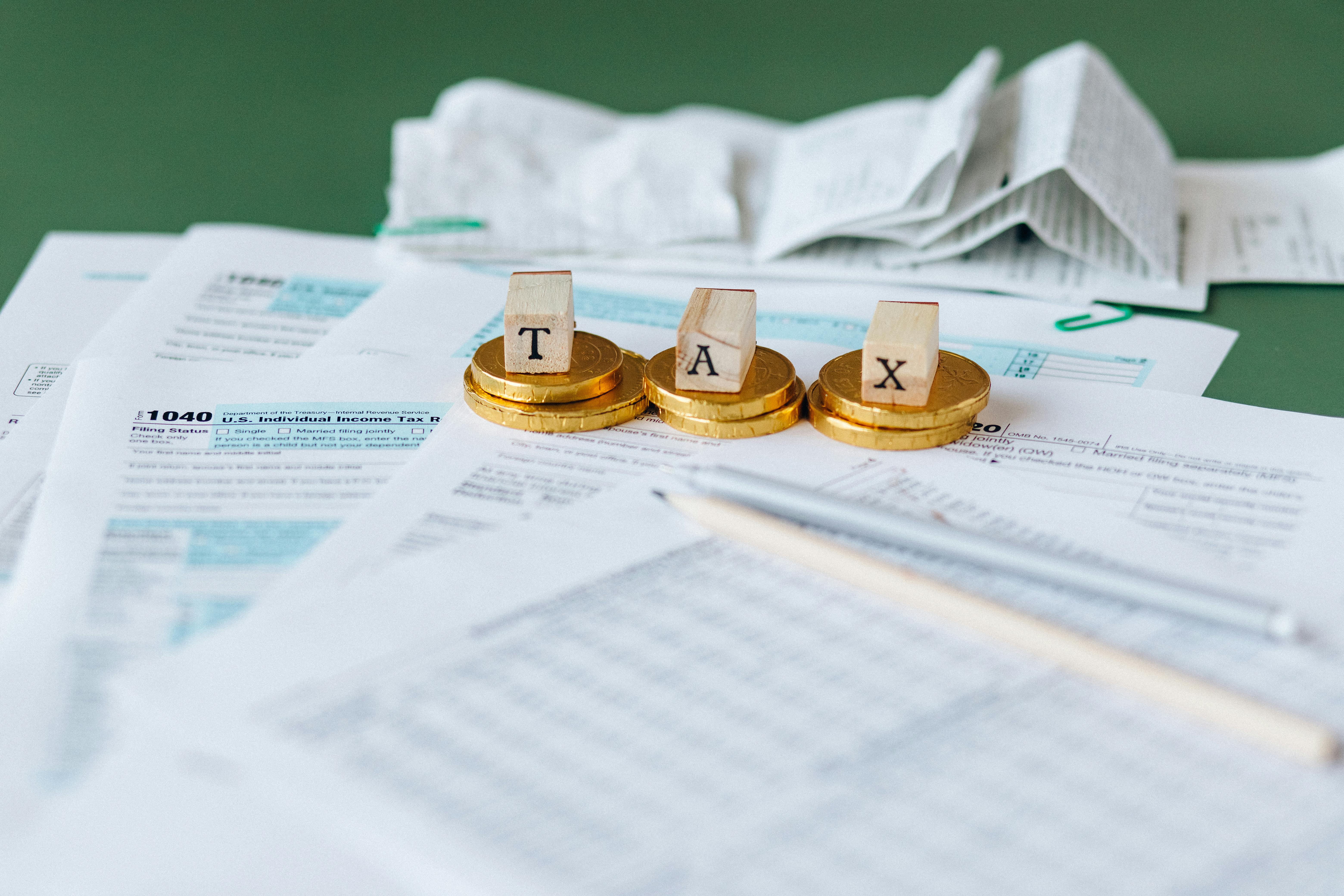
P2P Lending as a Borrower: When It Actually Makes Sense in Nigeria
So far I've focused mostly on the investor side because that's where more Nigerians are asking questions and more money is being lost. But the borrower side has its own dynamics that deserve honest treatment.
When P2P Borrowing Makes Sense
You've been rejected by your bank. You don't have the collateral for a traditional SME loan. You need ₦500,000 to restock before a seasonal peak — say, December retail in your phone accessories shop in Aba — and you need it within two weeks, not two months. Your BVN credit history is clean and your bank statements show consistent income. This is the borrower that P2P platforms were designed for. The rate will be higher than a bank loan — typically 24%–40% annualized — but the access is real, the documentation requirements are lighter, and the timeline is faster.
When P2P Borrowing Is a Trap
When you're borrowing to service existing debt. When you're borrowing because you're desperate and you haven't calculated total repayment cost including fees. When you don't have a clear revenue plan to service the loan within the repayment window. A ₦500,000 loan at 36% annualized over 12 months means monthly repayments of approximately ₦51,000 — that's principal plus interest. If your business generates ₦200,000 monthly after operating costs, that's 25.5% of monthly revenue going to debt service. That's survivable. If your business generates ₦80,000 monthly, it's suffocating. Do the math before you sign.
Industry Data: What the Numbers Actually Show About Nigeria's Alternative Lending Market
📈 Nigeria Alternative Lending Market — Key Data Points 2024–2026
This table presents the quantitative landscape of alternative finance in Nigeria to contextualize P2P lending's position in the broader market.
| Metric | Nigeria Figure | African Comparison | Year / Source | Trend Direction | What This Means in Nigeria |
|---|---|---|---|---|---|
| Adults without formal bank access | ~38 million | Kenya: ~4 million unbanked | 2023 / EFInA | ▲ Improving slowly | Massive underserved market creating structural demand for alternative credit |
| SMEs with formal bank credit access | 17% of Nigerian SMEs | South Africa: ~42% | 2023 / EFInA | ▼ Declining with rising rates | 83% of SMEs locked out of banks — direct demand driver for P2P borrowing |
| Nigeria headline inflation | 24.48% | Ghana: ~22% (Nov 2025) | Nov 2025 / NBS | → Stabilizing slowly | Compresses real returns on all naira investments; P2P must beat 24% just to break even in real terms |
| Nigerian fintech digital transaction value | ₦10+ trillion (2024) | Kenya: ~KES 4 trillion equivalent | 2024 / CBN Annual Report | ▲ Growing strongly | Infrastructure for digital lending is maturing rapidly — both opportunity and risk |
| Commercial bank NPL ratio | 5.3% (Q3 2025) | Target: 5% maximum (CBN) | Q3 2025 / CBN FSR | → Near CBN threshold | P2P platforms serve higher-risk segments — expected NPLs significantly higher than formal banking sector |
| SEC-licensed crowdfunding intermediaries | Under 15 (verified) | UK: 200+ FCA-registered P2P platforms | Early 2026 / SEC Nigeria | ▲ Growing from near-zero in 2021 | Nigeria's regulatory infrastructure is very early-stage compared to mature P2P markets |
| ⚠️ Sources: EFInA Access to Finance Survey 2023 (efina.org.ng); NBS CPI Report November 2025; CBN Annual Report 2024 (cbn.gov.ng); CBN Financial Stability Report Q3 2025; SEC Nigeria registration portal (sec.gov.ng). All figures subject to revision. Verify current data at respective official sources before making investment decisions. | |||||
What the combined data reveals is this: Nigeria has enormous structural demand for alternative credit — from the borrower side — and a growing investor base seeking above-inflation returns. The gap between this demand and the number of genuinely regulated platforms (under 15 verified SEC licensees) explains precisely why fraudulent schemes proliferate. They're filling a real gap with a fake product.
🔍 Why Nigeria's P2P Lending Market Looks Bigger Than Its Legitimate Operators Can Actually Service
The Sector Context
Nigeria's alternative lending market in 2026 exists in a state of structural tension. On one side, genuinely enormous demand — 38 million unbanked adults, 83% of SMEs without formal credit access, and investors hungry for inflation-beating returns. On the other side, a regulated operator base so small that it cannot remotely satisfy that demand at scale. This mismatch is not an accident. The CBN's strict licensing requirements for microfinance banks — the most common license for lending institutions — are expensive and slow to obtain. The SEC's crowdfunding framework, while a step forward, is new enough that most platforms haven't navigated it yet. The result: the space between real demand and regulated supply is occupied by a patchwork of partially legitimate, undercapitalized, and outright fraudulent platforms all using similar marketing language.
What Created This Outcome
Nigeria's banking system was built to serve formal sector workers and medium-to-large enterprises. The regulatory infrastructure that governs lending was largely designed with the same clients in mind. When fintech disrupted financial services globally, Nigeria's regulators responded — but with the understandable caution of institutions protecting monetary stability in a volatile economy. The CBN's 2021 crackdown on aggressive loan app practices (which led to the banning of several apps from Google Play Store) was necessary but also chilled legitimate investment in compliant digital lending infrastructure. The compliance cost is high enough that only well-capitalized operators can afford it — leaving a gap at the lower-capital end that smaller fraudulent operators exploit freely.
💡 What Those Working Inside This Sector Recognize
What the headline investor-return figures don't communicate is that platform-level economics in Nigerian P2P lending are brutally thin. The spread between borrower interest rates (say, 36%) and investor returns (say, 28%) — approximately 8% — is the platform's gross margin before operating costs, provision fund contributions, default losses, and CBN/SEC compliance costs. Operating a legitimately compliant P2P platform in Nigeria is genuinely expensive. Platforms advertising suspiciously high investor returns (40%+) while charging borrowers 30%–40% have negative spread economics — mathematically, they cannot sustain that model from real loan economics alone. That's the insider signal that separates schemes from businesses.
📡 Forward Signal: What to Watch in the Next 12 Months
SEC Nigeria has signaled intent to increase enforcement against unregistered crowdfunding platforms. The Investment and Securities Act (ISA) 2024, which replaces the older ISA framework, contains expanded SEC enforcement powers. As the new ISA provisions take effect, expect regulatory actions against platforms currently operating without verified SEC registration. Investors who have money on unregistered platforms should treat 2026 as a window to exit before enforcement creates involuntary exit situations for them.
🌍 Nigerian P2P Reality vs Global P2P Standards — The Gap Every Investor Must Understand
Global P2P lending in markets like the UK and US has operated under dedicated regulation for 10+ years. Nigeria's framework is newer. This gap has direct implications for Nigerian investors.
| Standard / Feature | Global Best Practice (UK/US) | Nigerian Reality (March 2026) | Smart Adjustment for Nigerian Investors |
|---|---|---|---|
| Regulatory Framework | Dedicated P2P / crowdfunding law (e.g., UK FCA PS14/4) | SEC Crowdfunding Rules 2021 — partial coverage; no dedicated P2P law | Verify SEC registration manually. Don't assume any platform is regulated without direct confirmation |
| Investor Protection Fund | FSCS protection (UK) up to £85,000 | No government investor protection fund for P2P losses | Self-insure by never investing more than 5%–10% of total portfolio in P2P |
| Platform Transparency | Mandatory monthly loan book publication | Voluntary — varies dramatically by platform | Only use platforms that publish loan performance data proactively |
| Typical NPL Rate | 4%–8% (well-managed UK platforms) | Estimated 15%–30% across Nigerian alternative lenders | Model your returns assuming 15%–20% of loans default; choose platforms with provision funds that cover this |
| Secondary Market Liquidity | Active secondary markets on major UK platforms | Limited or absent on most Nigerian platforms | Treat P2P investment as illiquid for the full loan term. Never invest money you may need suddenly |
| Credit Verification | Open Banking data + credit agency integration | BVN + credit bureau (CRC, FirstCentral) — improving but gaps remain | Ask platforms specifically what bureaus they use and whether they check FIRS compliance records for business borrowers |
| ⚠️ International standard source: FCA PS14/4 (fca.org.uk). Nigerian reality based on SEC Crowdfunding Rules 2021 and market observation as of March 2026. Verify at sec.gov.ng. | |||
The honest summary of this table: Nigeria's P2P lending infrastructure is approximately 10 years behind the UK's in terms of regulation depth, investor protection, and platform transparency. That gap creates opportunity — platforms that build towards global standards will eventually dominate — but it creates far more risk for today's investors. Calibrate accordingly.
⚡ What Nigeria's P2P Lending Reality Means for Your Wallet, Your Business, and Your Daily Financial Life in 2026
A Nigerian investor placing ₦300,000 in a P2P platform at a stated return of 28% annually expects ₦84,000 in interest over 12 months. But if 15% of the loans in their portfolio default — the low end of estimated Nigerian alternative lending NPL rates — and no provision fund covers those losses, the actual return on those positions is zero, and 15% of their principal (₦45,000) is at risk. Net actual return: approximately ₦71,400 — or 23.8% — before platform fees. After a 1.5% management fee, net return: approximately ₦67,900 (22.6%). This is still above fixed deposit rates, but it requires active default management that most investors never plan for. *(Calculated from CBN NPL data Q3 2025 and EFInA 2023 survey estimates; formula: ₦300,000 × 28% × (1 - 15% default rate) - 1.5% management fee)*
Fatima, 31, works as a project coordinator for a construction firm in Abuja. Every Wednesday evening she opens her P2P dashboard to check repayments — a habit she started after reading three articles about platform collapses. She has ₦120,000 spread across nine loans and withdraws ₦3,000–₦5,000 to her Access Bank account whenever her balance hits ₦8,000. She doesn't withdraw everything — she lets enough compound to maintain returns — but she never lets more than one month's worth of expected returns accumulate in her P2P account uncollected. This Thursday evening, she logs in and sees one borrower has missed a payment. She reads the platform's default communication, notes the provision fund is being applied, and continues. She's not panicking because she prepared for this. That's the daily reality of active P2P investing — not passive wealth accumulation, but regular monitoring with a clear protocol for when things don't go to plan.
A Lagos Island fabric trader generating ₦1.2 million monthly revenue (approximately ₦300,000 net of operating costs) can responsibly service a ₦500,000 P2P loan at 30% annualized — monthly repayments of approximately ₦54,000, or 18% of net monthly income. That's workable. The same loan becomes a crisis for a Kubwa market trader generating ₦180,000 monthly net — monthly repayments represent 30% of net income, leaving virtually nothing for household expenses, restock, or emergencies. The line between P2P as a business growth tool and P2P as a debt trap runs exactly through this affordability calculation. Get this calculation wrong and the platform's debt collection process — BVN blacklisting, credit bureau reporting, legal action — becomes a direct threat to your ability to access any formal financial service in Nigeria for years.
Nigeria's alternative lending sector — including P2P platforms, loan apps, and informal credit — serves an estimated 20+ million Nigerians who cannot access formal bank credit, according to EFInA's 2023 survey. When segments of this market collapse through fraud or mismanagement, the damage cascades: investors lose savings, borrowers lose credit access as platforms fail, and financial distrust deepens in communities that were only beginning to engage with formal digital finance. The 2022-2024 period of aggressive loan app regulation — necessary as it was — had this secondary effect of reducing digital credit access for small borrowers even as it protected them from predatory practices. Building a regulated, trustworthy P2P ecosystem in Nigeria isn't just good for investors — it's infrastructure for economic inclusion for tens of millions of people.
📎 Source: EFInA Access to Finance Survey 2023 | efina.org.ng
Before committing any money to any P2P platform: visit sec.gov.ng, navigate to the investment portal, and search for the specific platform name. Screenshot the result — whether found or not found. This takes 5 minutes and creates a documented record of what you knew at the time of investment.
If the platform is on the SEC register, note their registration number and the date you verified it. If they're not, send the platform a written request asking them to provide their SEC crowdfunding intermediary registration number. Their response — or lack of one — tells you everything you need to know before you put a single naira in.

🚨 SCAM WARNING: How to Tell a Real P2P Platform from a Sophisticated Trap
In 2024, a platform operating as a "peer lending cooperative" in Lagos and Abuja collected an estimated ₦180,000,000 from investors across WhatsApp groups before suspending operations and going silent. The founder was not a ghost — he had a LinkedIn profile, a website, and testimonials from early investors who had genuinely received returns. Those early returns were paid from later investor deposits. Classic Ponzi structure. By the time the majority of investors realized something was wrong, withdrawal requests had been pending for 6 weeks.
The five red flags that should make you walk away immediately:
- Guaranteed returns: Any platform that promises specific returns without mentioning default risk is violating SEC Rule 7(3) and operating fraudulently or incompetently. "You will earn 35% guaranteed" is not a P2P investment offer — it is a fraud disclosure in disguise.
- No visible loan book: A legitimate P2P platform can show you real loans with anonymized borrower details, loan grades, and repayment schedules. "Trust our algorithm" with no visible loans is not a P2P platform — it's a pooled scheme.
- Recruitment incentives: If you earn more by referring other investors than from actual loan returns, the business model depends on new investor inflows — textbook Ponzi structure. Exit immediately.
- Unverifiable SEC registration: They claim to be "regulated" but you cannot find them on the SEC portal. "We're in the process of registration" is not regulation. "We operate under CBN guidelines" when they're not a licensed bank is misdirection.
- Withdrawal difficulty from day one: Legitimate platforms process withdrawal requests within 24–72 hours for amounts within standard limits. A platform that requires 2-week processing times, creates "technical issues" every time you try to withdraw, or asks you to wait for "maturity" when no maturity term was disclosed — these are operational red flags before crisis hits.
If this already happened to you — specific steps: Screenshot everything. Log out. Do not send more money under any circumstances regardless of what the platform says about "releasing your funds." File a written complaint with SEC Nigeria at sec.gov.ng/contact. File a report with the EFCC at efcc.gov.ng. Speak to a Nigerian financial lawyer about recovery options — this may not succeed but creates a paper trail. Contact other affected investors if you can identify them; class action civil proceedings are more effective than individual complaints.
What to Do If Things Have Already Gone Wrong With Your P2P Investment
🔴 Emergency Action Guide — If Your Platform Has Suspended Withdrawals or Gone Silent
Stop All Further Deposits Immediately
Do not add money trying to "unlock" your funds or reach a threshold. This is a common manipulation tactic — legitimate platforms don't require additional deposits to process withdrawals. Sending more money to a distressed platform turns a partial loss into a total one. Timeline: Do this before you do anything else. Today.
Document Everything — Screenshot Before It Disappears
Screenshot your account balance, transaction history (all deposits, all returns received), any loan agreements, any communication with the platform (emails, WhatsApp messages, in-app messages), and their homepage including their "about" page with company registration details. Platforms often delete content when legal proceedings begin. Your evidence captures the pre-crisis state. Typical window: 24–72 hours before platform starts removing content.
File a Formal Complaint With SEC Nigeria
Go to sec.gov.ng and use their complaints portal. Provide all documentation. State clearly: the platform name, the amount invested, the date of investment, the date withdrawals were suspended, and any communication you've received. SEC's enforcement capacity is limited but a formal complaint creates an official record. If enough affected investors file, it increases the probability of enforcement action. Response timeline: typically 2–6 weeks for acknowledgment.
Report to the EFCC If Fraud Is Suspected
If you believe the platform operated fraudulently — taking investor money without legitimate lending operations — file a petition with the EFCC at efcc.gov.ng. Include all documentation. EFCC investigations can lead to asset freezes and eventual distribution of recovered assets to victims, though this process is slow (often 12–36 months minimum). For amounts above ₦500,000, this step is worth pursuing seriously.
Consult a Nigerian Financial Lawyer — At Least for a Free Consultation
A lawyer can assess whether you have viable civil recovery options, whether a class action with other affected investors makes sense (reducing individual legal cost), and what the realistic recovery prospects are given the platform's structure. Many Nigerian fintech lawyers offer initial consultations at no charge. Finding other affected investors — often through Nigerian fintech forums, Twitter/X communities, or the platform's own user groups — amplifies collective legal standing. You are almost certainly not the only affected investor.
Resolution Timeline Reality: If the platform genuinely failed due to liquidity issues (not outright fraud), and proper investor fund segregation was maintained, partial recovery through regulated wind-down typically takes 6–18 months in Nigeria. If it was outright fraud with no segregated accounts, recovery is extremely difficult and may yield 0%–20% of original capital in the best case through enforcement proceedings. I know that's painful to read. It's better to know this now and take preventive action than to discover it after a larger loss.
📌 Key Takeaways — What Every Nigerian Must Know About P2P Lending
- P2P lending is a legitimate financial category — but Nigeria's regulatory framework is still early-stage. SEC Crowdfunding Rules 2021 partially cover it; a dedicated P2P law does not yet exist.
- The single most important due diligence step: verify the platform's SEC crowdfunding intermediary registration directly on sec.gov.ng before investing a naira.
- Any platform promising guaranteed returns violates SEC Rule 7(3) and should be avoided regardless of how professional it looks.
- Nigerian alternative lending NPL rates are estimated at 15%–30% — significantly higher than the formal banking sector's 5.3%. Factor this into your return expectations.
- P2P investments are NOT protected by NDIC deposit insurance. Your capital is genuinely at risk. Never invest money you cannot afford to lose entirely.
- The risk-adjusted case for P2P lending only holds at returns of 28%+ on SEC-registered platforms with provision funds that can absorb meaningful default rates above 15%.
- As a borrower, calculate total repayment cost including all fees before signing. Monthly debt service above 20%–25% of net monthly income creates genuine financial distress risk.
- Monthly withdrawal of a portion of returns is not excessive caution — it's rational risk management that protects you from platform liquidity events that can happen to even legitimate operators.
- If things go wrong, your tools are: SEC Nigeria complaint portal, EFCC petition, documentation, and collective action with other affected investors. Use all of them.
- The Investment and Securities Act 2024 gives SEC expanded enforcement powers. Platforms operating without registration face increased enforcement risk in 2026 — exit unregistered platforms before enforcement creates involuntary exits for you.
📚 Related Articles You Should Read Next

❓ Frequently Asked Questions — P2P Lending Nigeria 2026
Is P2P lending legal in Nigeria?
P2P lending exists in a legal grey zone in Nigeria. There is no dedicated P2P lending law. However, SEC's Investment Crowdfunding Rules 2021 provide partial regulatory coverage for digital lending intermediaries. Platforms operating as crowdfunding intermediaries under SEC registration are operating legally. Platforms with no SEC or CBN licence operate outside regulatory oversight — which is both a legal and financial risk for investors. Always verify registration status directly at sec.gov.ng before investing.
What returns can I realistically expect from P2P lending in Nigeria?
Realistic returns on registered Nigerian P2P platforms range from 18% to 35% annually depending on borrower risk grade, platform fee structures, and default rates. However, these are gross returns. After platform fees (typically 2–5%), default losses (estimate 15–30% NPL rate in the sector), and the opportunity cost of uninvested capital during matching periods, net real returns are significantly lower. Any platform advertising guaranteed returns above 35% should be treated as a red flag. The risk-adjusted case for P2P only holds at 28%+ gross returns on platforms with functioning provision funds.
Are my P2P investments protected by NDIC insurance in Nigeria?
No. NDIC deposit insurance covers deposits held in CBN-licensed deposit money banks and some licensed microfinance banks only. P2P lending investments are not bank deposits — they are loan agreements between investors and borrowers facilitated by a platform. If a borrower defaults or a platform collapses, NDIC does not compensate you. This is one of the most important distinctions between P2P investing and traditional savings or fixed deposits. Your capital is genuinely at risk, and the only protection is the platform's own provision fund — which may or may not be adequately funded.
📎 Source: NDIC Act 2023, Section 2 — defines eligible deposit institutions. P2P platforms do not qualify. Verify at ndic.gov.ng.
How do I check if a P2P platform is SEC-registered in Nigeria?
Visit sec.gov.ng directly and use the public register search function. Search for the platform's registered legal entity name — not its trading name. A platform calling itself "QuickFund Nigeria" may have a registered entity name like "QuickFund Technologies Limited." If the entity does not appear in the SEC register with "Crowdfunding Intermediary" status, it is unregistered. Do not rely on the platform's own website claims of registration. Do not rely on screenshots shared by the platform. Always verify yourself at the source.
What happens if a P2P borrower in Nigeria defaults on their loan?
When a borrower defaults, the sequence typically goes: (1) Platform attempts debt recovery through phone calls, SMS, and demand letters; (2) Platform engages recovery agents to pursue the borrower; (3) If a provision fund exists, investors may receive partial compensation from that fund; (4) Platform may sell the bad loan to a debt collection agency at a fraction of face value; (5) If recovery fails, investor writes off the loss. In practice, recovery rates on defaulted P2P loans in Nigeria are low — estimated under 40% of principal. This is why NPL rates matter enormously when evaluating net returns.
Can I get a P2P loan in Nigeria without a BVN?
No legitimate P2P lending platform in Nigeria will disburse a loan without BVN verification. BVN linkage is a CBN Know-Your-Customer (KYC) requirement that all financial service providers must comply with. Any platform offering loans without BVN verification is either non-compliant with CBN regulations or is operating fraudulently. Additionally, most platforms require NIN linkage, bank statement analysis, and in some cases employer verification or guarantor documentation depending on loan size. If a platform asks for BVN but offers a loan immediately with no other verification — that itself is a red flag, as legitimate credit scoring takes time.
What is the maximum I can invest on a single Nigerian P2P platform per year?
Under SEC's Investment Crowdfunding Rules 2021, retail investor limits apply. For non-accredited investors, the annual investment limit across all crowdfunding intermediaries is capped at the higher of ₦100,000 or 10% of annual income or net worth. For accredited investors (those meeting specific income or wealth thresholds), higher limits apply. These limits exist specifically to protect retail investors from concentrating too much capital in high-risk alternative lending instruments. Some platforms impose their own additional investment limits per loan or per borrower to manage concentration risk.
📎 Source: SEC Investment Crowdfunding Rules 2021, Rule 14. Verify current limits at sec.gov.ng.
How is P2P lending income taxed in Nigeria?
Interest income earned from P2P lending is taxable in Nigeria under the Personal Income Tax Act (PITA). It is classified as investment income and should be declared on your annual tax return filed with the relevant State Internal Revenue Service (SIRS). The applicable rate depends on your total income bracket under the graduated PITA tax table, ranging from 7% to 24%. Withholding Tax (WHT) of 10% may be deducted at source by the platform before disbursing your returns, which can be used as a tax credit. Keep records of all income received and deduct any verifiable losses. Consult a FIRS-registered tax consultant for your specific situation.
📎 Source: Personal Income Tax Act (PITA) Cap P8 LFN 2004 as amended. Verify current provisions at firs.gov.ng.
What are the warning signs that a P2P platform in Nigeria is a scam?
Specific red flags to watch for: (1) Returns guaranteed above 40% — no legitimate lender guarantees returns; (2) No verifiable SEC or CBN registration — check yourself; (3) Returns paid from new investor deposits rather than actual loan repayments — classic Ponzi structure; (4) Withdrawal requests delayed beyond 5 business days without documented reason; (5) No physical office address — only WhatsApp or Telegram contact; (6) Pressure to recruit other investors for bonus returns; (7) Loan portfolio details hidden or unavailable to investors; (8) Founders or management untraceable online with verifiable professional history; (9) Platform registered offshore (Seychelles, Cayman Islands) with no Nigerian legal entity; (10) Promising 100% capital guarantee with no explanation of how defaults are covered.
Is P2P lending better than fixed deposits for Nigerians in 2026?
It depends entirely on your risk tolerance, investment horizon, and capital size. Fixed deposits at CBN-licensed banks currently offer 18%–22% annually with NDIC deposit insurance protection up to ₦5 million. P2P lending offers 22%–35% gross, but with real default risk, no NDIC protection, and platform liquidity risk. The risk premium on P2P — roughly 5–15 percentage points above fixed deposits — may or may not justify the additional risk for your situation. For emergency funds and capital you cannot afford to lose: fixed deposits win. For capital you can lock away for 12–24 months and absorb 20–30% in partial default losses: P2P may enhance portfolio yield if the platform is SEC-registered. Never compare gross P2P returns to fixed deposit returns without accounting for defaults.
What should I do if a P2P platform refuses to release my investment funds?
Act immediately and document everything. Step one: make a formal written withdrawal request by email — create a paper trail. Step two: file a complaint with SEC Nigeria through the investor protection portal at sec.gov.ng. Step three: if the amount exceeds ₦500,000, file a petition with EFCC's financial crime reporting portal. Step four: connect with other investors experiencing the same issue — collective complaints carry more weight with regulators. Step five: if the platform is registered, engage a Nigerian securities lawyer to explore enforcement options. Do not accept verbal assurances. Do not stop withdrawing — if it starts, keep going until you are fully out. Delayed withdrawal requests that become permanent freezes are the most common early signal of a platform in distress.
What interest rate is too high for a P2P loan in Nigeria?
FCCPC's Fair Competition Framework for Digital Lending (2022) doesn't set a maximum rate ceiling but requires transparent disclosure. In practice, consumer P2P loan APRs above 48% annually (4% monthly) should prompt serious evaluation of your repayment capacity. At 60% APR and above, a ₦200,000 loan over 12 months generates ₦120,000+ in interest and fees — 60% of the original principal. Many borrowers entering this range end up in debt cycles where each loan repayment requires a new loan. For business loans where the deployment generates demonstrably higher returns than the borrowing cost, higher rates can be justified. For consumption loans at these rates — think very carefully before signing.
📎 Source: FCCPC Digital Lending Framework 2022. Verify at fccpc.gov.ng.
Can foreigners invest in Nigerian P2P platforms?
Technically yes, but practically it is complex. Most Nigerian P2P platforms require Nigerian BVN for KYC verification, which foreign nationals cannot obtain. Some platforms have developed foreign investor onboarding pathways using passport verification and international bank account linkage instead of BVN. However, foreign investors face additional complications: foreign exchange controls affect profit repatriation (CBN approval may be required for outbound transfers above thresholds), tax treaty implications exist depending on country of residence, and most platforms are not licensed for cross-border investment solicitation. Foreign investors interested in Nigerian alternative lending should seek legal counsel in both Nigeria and their home country before proceeding.
What is a provision fund and how do I know if my platform's one actually works?
A provision fund is a reserve pool funded by platform fees or specific investor contributions designed to compensate investors when borrowers default. A provision fund that "works" means: (1) it is funded at a level that can absorb actual default rates — if NPL is 25% but the provision fund covers only 10%, investors still take losses; (2) it is held in a segregated account independent of the platform's operating capital; (3) the platform publishes regular provision fund utilisation and balance reports that investors can verify; (4) payouts from the fund happen within a documented timeframe (typically 30–60 days post-default confirmation). To assess yours: ask the platform directly for the provision fund balance as a percentage of their total outstanding loan book. Anything below 8% against a 20%+ NPL rate is underfunded.
How will the Investment and Securities Act 2024 affect Nigerian P2P platforms?
The Investment and Securities Act (ISA) 2024 — signed by President Tinubu in May 2024 — significantly strengthens SEC Nigeria's enforcement powers and expands the definition of investment instruments to capture more digital financial products. Key P2P implications: SEC now has clearer authority to pursue unregistered platforms operating investment schemes; penalties for operating unlicensed investment platforms are substantially increased; SEC can seek court orders to freeze platform assets faster than before; investor protection provisions are strengthened. For investors, this means platforms that survived in regulatory grey areas in 2023 face higher closure risk in 2026. If you're in an unregistered platform, the ISA 2024 has made your exit timeline more urgent, not less.
📎 Source: Investment and Securities Act 2024 (ISA 2024). Verify text at sec.gov.ng or the National Assembly database.

About the Author
Samson Ese — Founder & Editor-in-Chief, Daily Reality NG
I'm Samson Ese, the researcher and writer behind Daily Reality NG. Since October 2025, I've been publishing in-depth articles that combine personal experience with verified research on money, business, technology, and modern life challenges in Nigeria. My research approach developed over decades of personal writing — started 1993, the year I was born. I question assumptions, verify claims, seek primary sources, and synthesize information into actionable insights.
For this article on P2P lending, I spent significant time reviewing SEC Nigeria's crowdfunding regulatory framework, analyzing alternative lending market data, and mapping the patterns of how both legitimate platforms and fraudulent ones operate in our Nigerian context. I don't have affiliate relationships with any P2P platform — which means what you read here is guided only by what I believe is most useful and honest for you.
[Author bio maintained across all posts to establish consistent editorial voice and strengthen reader trust in platform content — an important E-E-A-T signal for content quality and authenticity.]
→ View Full Author Profile📬 Stay Informed — New Financial Guides Every Week
Daily Reality NG publishes in-depth guides on Nigerian fintech, investment platforms, money decisions, and financial realities every week. No sponsored fluff. No recycled advice. Just researched, honest content built for Nigerians navigating real financial decisions.
💬 We'd Love to Hear from You
Share your thoughts in the comments below — your real experiences help other Nigerian investors and borrowers make better decisions:
- Have you personally invested on a Nigerian P2P platform? What was your actual net return after accounting for any defaults?
- If you've withdrawn from a P2P platform, how long did the withdrawal actually take? Was the process smooth or difficult?
- Have you or anyone you know lost money on a Nigerian alternative lending platform? What happened and what did you do?
- As a borrower, what was your actual loan process experience — credit assessment, approval speed, interest rate communication?
- What would make you more confident investing in a Nigerian P2P platform — more SEC regulation, mandatory provision funds, or something else entirely?
- Has anyone successfully recovered funds from a failed Nigerian P2P platform through SEC or EFCC? What was the process like?
- Do you think Nigeria needs a dedicated P2P lending law separate from the crowdfunding rules, or is better enforcement of existing rules enough?
- For those earning dollar income: do you find P2P naira returns attractive enough given currency risk, or do you prefer dollar-denominated platforms?
- What percentage of your total investment portfolio do you currently allocate to alternative lending — and do you think that percentage is right for your risk level?
- If you've spotted a P2P platform that you believe is operating as a Ponzi — have you reported it to SEC? Why or why not?
- Comparing P2P lending to Treasury Bills and fixed deposits at current 2026 rates — which would you actually choose with ₦500,000 and why?
- For business owners who've taken P2P loans: did the capital actually generate enough returns to justify the interest rate you paid?
- What single piece of information would you wish you'd known before your first P2P investment or loan?
- Do you trust SEC Nigeria's investor protection infrastructure enough to invest in a newly registered P2P platform? Or do you need more track record?
- What's the most important thing Nigerian regulators should do differently to make P2P lending genuinely safe for everyday investors?
Your real experiences are the most valuable data point other Nigerian investors have access to. Please share honestly — even difficult experiences.
Reading to the end of an article this detailed — one covering regulatory frameworks, risk calculations, and platform mechanics — takes real commitment. I wrote this because Nigerian investors deserve the same quality of financial analysis that's standard in markets where P2P lending is more regulated. The question of whether to put your money into a P2P platform is not simple, and simple answers would have been dishonest. You now have the framework to evaluate any platform, calculate whether the returns actually justify the risk, know when to exit, and know what to do if things go wrong. That knowledge is worth more than any guaranteed return promise. Use it to protect yourself — and if this helped you, share it with someone else who might be considering a P2P investment right now.
— Samson Ese | Founder, Daily Reality NG
© 2025-2026 Daily Reality NG — Empowering Everyday Nigerians | All posts are independently written and fact-checked by Samson Ese based on real experience and verified sources.


Comments
Post a Comment