Ultimate At-Home Biohacking Tools for Longevity on a Budget
Home › Health & Wellness › At-Home Biohacking for Longevity on a Budget
Source Transparency Notice — June 6, 2026: Every claim in this article is referenced to a named primary or high-authority secondary source. Scientific claims are sourced from peer-reviewed journals (PLOS ONE, Nature, NCBI/PubMed, Oxford Academic). Market data is sourced from identified research organisations with named publications. This article deliberately excludes unverifiable market estimates, unnamed industry statistics, and supplement brand claims without independent scientific backing. This article is for informational and educational purposes only. It is not medical advice. Consult your doctor before beginning any new health protocol, especially cold water therapy if you have cardiovascular or heart conditions.
Ultimate At-Home Biohacking Tools for Longevity on a Budget
The science-backed truth about which at-home longevity tools actually work, which are expensive noise, and how to build a complete longevity protocol for near-zero cost — based entirely on verified primary sources.
Who This Article Is For
You are reading Daily Reality NG — Nigeria’s independent digital publication from Warri, Delta State. This article was written for anyone who has seen biohacking trending online and wants an honest, scientifically grounded answer to one question: which of these tools are actually worth your time and money, and which are marketing dressed up as science? The answer, drawn from peer-reviewed journals and named scientific institutions, may surprise you: the most powerful longevity tools cost almost nothing.
🚫 Before You Buy Anything — Read This First
The biohacking industry is valued at hundreds of millions of dollars globally. Much of what it sells — cryotherapy memberships, proprietary supplement stacks, expensive wearables, and clinic protocols — is marketed with scientific-sounding language that outpaces the actual science. NOVOS Labs (February 2026) states plainly: “You don’t need 80 supplements, red light panels, or cryotherapy chambers to support longevity. The most effective interventions are often the simplest.” Before you spend any money on biohacking equipment or supplements, this article will show you exactly what the peer-reviewed science actually supports — and at what cost.
Tunde is a 38-year-old Lagos-based accountant. He started reading about biohacking in late 2024 after watching several YouTube videos about cold plunges, red light panels, NMN supplements, and “hacking your sleep.” By January 2026, he had spent just over ₦180,000 on an entry-level red light therapy panel, a journal subscription tracking his biometrics, and a supplement stack his favourite YouTuber recommended. His sleep was no better than before. His energy was similar. His wallet was significantly lighter.
What Tunde did not know was that two months earlier, a study published in Nature — one of the most rigorous scientific journals in the world — had confirmed that consistent sleep duration of 6.4 to 7.8 hours per night was associated with the lowest biological age gaps across 23 biomarkers spanning nine body systems. The single most powerful longevity tool the science had identified in 2026 cost him nothing. He already had access to it. He just did not know where to look.
This article was written for Tunde — and for every person who wants to live longer and healthier without being exploited by an industry that is very good at selling hope dressed up as science. The tools below are ranked in order of evidence strength and value. The most powerful ones are free.
✅ Quick Answer: The Hierarchy of At-Home Longevity Tools by Evidence
Ranked from strongest to most preliminary evidence: (1) Sleep optimization — 2026 Nature study confirms 6.4–7.8 hours per night is the biological age sweet spot across 23 biomarkers. (2) Sunlight and circadian alignment — Salk Institute research confirms circadian rhythm regulation affects every gene in the human genome. (3) Time-restricted eating (TRF) — Salk Institute/NCBI research confirms longevity and metabolic benefits in animal studies with human replication beginning. (4) Cold water exposure (showers/ice baths) — PLOS ONE 2025 systematic review confirms stress reduction and quality-of-life improvements; cardiovascular risks noted. (5) Zone 2 aerobic exercise — Strongly supported for mitochondrial health and insulin sensitivity. (6) Breathwork and nasal breathing — Growing evidence base. (7) Red light therapy — Growing market; moderate evidence for specific applications. (8) Wearables and tracking — Tools, not interventions; utility depends on what you do with the data.
📍 Find Your Starting Point
| Your Situation | What You Are Experiencing | Start Here | Key Scientific Fact |
|---|---|---|---|
| “I want to live longer but don’t know where to start” | General interest in healthspan, no current protocol | Tool 1: Sleep Optimization (free) | A 2026 Nature study found 6.4–7.8 hours of sleep per night produced the lowest biological age gap across 23 biomarkers. Start here. |
| “I sleep 8 hours but still feel terrible” | Poor sleep quality despite sufficient quantity | Tool 2: Circadian Alignment (free) | The Salk Institute research confirms that light timing and eating timing regulate the rise and fall of nearly every gene. Sleep quality depends more on timing than duration alone. |
| “I’ve been buying supplements but feel no difference” | Supplement fatigue, uncertain ROI | Tool 3: TRF (free) before adding supplements | NOVOS Labs (2026) states: the most effective longevity interventions are often the simplest. Establish free fundamentals before adding cost layers. |
| “I want to try cold plunges” | Interested in cold therapy but not sure if it is worth it | Tool 4: Cold Showers first (near-free) | PLOS ONE 2025 systematic review confirmed cold showers (≤15°C, ≥30 seconds) produce the same general wellness benefits studied in cold plunge research. Start with your existing shower. |
| “I’m over 50 and want to slow aging” | Middle-to-late life longevity focus | Sleep + Zone 2 + TRF (all free) | The 2026 Nature sleep study covered ages 37–84. Zone 2 exercise preserves mitochondrial function. TRF has benefits documented across adult age groups. |
| “I want to track my biology without spending much” | Quantified-self interest on a budget | Tool 8: Free Apps First | Medical Daily (March 2026) flagged “tracking anxiety” as a real biohacking risk. Start with free app-based tracking before investing in hardware wearables. |
| All recommendations are based on peer-reviewed scientific sources cited throughout this article. Individual results vary. Consult a healthcare provider before starting any new health protocol. | |||
📋 What This Article Covers
- What Biohacking Actually Is — Separating Science from Marketing
- Tool 1: Sleep Optimization — The Strongest Evidence in Longevity Science
- Tool 2: Morning Sunlight & Circadian Alignment — The Free Biological Reset
- Tool 3: Time-Restricted Eating — The Longevity Protocol That Costs Nothing
- Tool 4: Cold Water Exposure — What the Science Actually Confirms
- Tool 5: Zone 2 Aerobic Exercise — The Mitochondrial Longevity Tool
- Tool 6: Breathwork & Nasal Breathing — The Overlooked Protocol
- Tool 7: Red Light Therapy — Honest Evidence Assessment for Budget Buyers
- Tool 8: Wearables & Tracking — When Data Helps vs Hurts
- Supplements — What Is Actually Evidence-Backed for Longevity
- Biohacking Scams & Misconceptions — What to Avoid
- The Complete Budget Biohacking Protocol — 30-Day Starter Plan
- Cost Comparison Table: Free vs Low-Cost vs Premium Tools
- Biohacking in Nigeria: Your Natural Advantages
- FAQ — 15 Questions Answered
🧬 What Biohacking Actually Is — Separating Science from Marketing
The Biohacker Alliance (April 2026) defines biohacking as “actively shaping your own biology through targeted changes in nutrition, sleep, movement, technology, and environment,” with the goal of improving physical and mental performance and extending longevity. The term combines “biology” and “hacking” in the sense of understanding a system and optimising it deliberately.
What biohacking is not is a licence for unverified self-experimentation marketed as science. Medical Daily (March 2026) confirms that biohacking “can be safe when using proven methods like sleep tracking or nutrition adjustments. However, experimental practices and unregulated substances can pose risks.”
The critical distinction for a budget biohacker is this: the practices with the strongest scientific evidence are almost entirely free or near-free. The practices with the weakest or most preliminary evidence are almost always the ones being sold at premium price points. This article follows the evidence, not the marketing.
Daily Reality NG Analytical Framework: Every tool in this article is assessed on three dimensions: (1) Evidence strength — is this supported by peer-reviewed human clinical trials, animal studies only, or mechanistic theory? (2) Cost — what does implementing this actually require spending? (3) Implementation burden — how much daily time and friction does this add? The highest-value tools score well on all three. You will see that the tools that score best are uniformly the cheapest.
😴 Tool 1: Sleep Optimization — The Strongest Evidence in Longevity Science
Sleep Optimization — Evidence Rating: Exceptional
In May 2026, the journal Nature published what is currently the most comprehensive sleep-longevity study in existence. Titled “Sleep chart of biological ageing clocks in middle and late life,” it assessed 23 biological aging clocks derived from in vivo imaging, plasma proteomics, and metabolomics, spanning nine brain and body systems. The finding was unambiguous: the lowest biological age gaps were achieved between 6.4 and 7.8 hours of sleep duration, varying by organ and sex. Both too little and too much sleep accelerated biological aging.
This is not a minor finding. It confirmed, using 23 simultaneous biomarkers across multiple body systems in a large sample (UK Biobank, aged 37–84), that sleep duration directly influences biological age — not just how you feel, but how fast your body is biologically aging. No supplement, device, or clinic protocol has this quality of evidence for longevity specifically.
How to Implement Sleep Optimization (Evidence-Based Protocol)
☀️ Tool 2: Morning Sunlight & Circadian Alignment — The Free Biological Reset
Circadian Rhythm Optimization — Evidence Rating: Exceptional
Research by Dr. Satchidananda Panda of the Salk Institute for Biological Studies — published in the Oxford Academic Gerontology journal proceedings (December 2024, NCBI-indexed) — established that our genetic makeup is designed to orchestrate the rise and fall of nearly every gene in the human genome at specific times of day. When circadian rhythms are disrupted, risks of chronic diseases elevate substantially.
The same research confirms that “the timing and quality of light exposure also play a crucial role in influencing our sleep and circadian rhythm. Optimal light exposure has been linked to reduced depression, improved mood, enhanced nighttime sleep, and even accelerated recovery in hospitalized patients.”
Nigerians have a significant natural advantage here: consistent, year-round access to morning sunlight. Unlike populations in northern climates who must use light therapy lamps ($100–$300) to replicate morning sun exposure in winter, Nigerians can simply step outside.
The Protocol (Zero Cost)
- Get outside within 30–60 minutes of waking and expose your eyes to natural morning light for 10–20 minutes. No sunglasses. Direct bright light, not through a window (glass filters the relevant wavelengths).
- On cloudy days, stay outside for 20–30 minutes — even diffuse cloud light is far brighter than indoor lighting.
- Eat your first meal within your designated eating window (see Tool 3) aligned with daylight hours.
- Avoid bright overhead lights after 9 PM. Dim your environment as the sun goes down to allow natural melatonin rise.
🍳 Tool 3: Time-Restricted Eating — The Longevity Protocol That Costs Nothing
Time-Restricted Eating (TRF / TRE) — Evidence Rating: Strong
Time-restricted eating (TRE) confines food intake to a consistent 8–10 hour daily window. According to Dr. Panda’s Salk Institute research (NCBI, December 2024), laboratory studies have demonstrated that TRF “sustains circadian rhythm and can be a preventive or therapeutic measure for several chronic conditions, including obesity, diabetes, liver and kidney diseases, various cancers, and neurodegenerative diseases.” Furthermore, “TRF, when combined with a healthy diet, can enhance or preserve muscle mass in older animals and extend lifespan.”
Importantly, the research is clear that human studies are beginning to replicate some — though not all — of the benefits observed in laboratory animals. This means the evidence is strong enough to act on, but honest reviewers do not claim TRF in humans has yet matched the dramatic longevity effects seen in animal models. The metabolic and inflammatory benefits in human studies are well-documented.
The Global Wellness Summit’s 2026 Future of Wellness Report confirms that time-restricted eating has “moved from biohacking niche to mainstream recommendation,” with a growing body of research supporting its effects on metabolic health and inflammation.
The Protocol: 10-Hour Eating Window (8am – 6pm Example)
- Choose a consistent 8–10 hour eating window that aligns with daylight hours. A window of 8am–6pm or 7am–5pm aligns best with circadian biology.
- Water, black tea, and black coffee are allowed outside the eating window — these do not break the metabolic fast.
- Consistency matters more than strictness. A consistent 10-hour window you maintain every day is more beneficial than a rigid 6-hour window you abandon after two weeks.
- Do not restrict calories within your eating window. TRF is about timing, not starvation. Eat enough nutritious food within your window.
- People with diabetes, blood sugar issues, or eating history concerns should consult a doctor before starting any form of fasting protocol.
🥶 Tool 4: Cold Water Exposure — What the Science Actually Confirms
Cold Water Therapy — Evidence Rating: Moderate–Good (with Important Caveats)
A systematic review and meta-analysis published in PLOS ONE (Cain et al., January 29, 2025) evaluated the psychological, cognitive, and physiological effects of cold-water immersion in healthy adults. The study examined data from 3,177 participants across randomised trials involving cold showers, ice baths, or cold plunges at temperatures ≤15°C for at least 30 seconds.
The confirmed findings were: stress reduction for a limited time following exposure, a decrease in sickness absences, and improvements in quality of life. The review also confirmed that cold-water immersion increased inflammation immediately after and one hour post-exposure — the body’s adaptive stress response, similar to how exercise causes muscle damage before making muscles stronger.
“We don’t want to stop people doing it, but we want to make sure they do it in a way that maximizes the benefits and minimizes the risks.” — Professor Mike Tipton, study researcher, quoted in Associated Press (October 2025)
The most important practical finding for budget biohackers: The PLOS ONE study explicitly included cold showers in its protocols — not just cold plunge tubs. This means you do not need to spend ₦50,000–₦500,000 on a cold plunge system to access the documented benefits. A cold shower at the coldest setting of your tap, held for 30 seconds to 3 minutes, is a validated form of cold water therapy.
Cold Shower Protocol (Free, Evidence-Aligned)
- Week 1–2: End your normal warm shower with 30 seconds of the coldest water available.
- Week 3–4: Extend cold portion to 60–90 seconds.
- Month 2+: 2–4 minutes of cold water, ideally in the morning after your sunlight exposure.
- Breathe slowly and deliberately during cold exposure — do not hyperventilate.
- Never submerge your face in very cold water without preparation — this can trigger the mammalian dive reflex and cause cardiac stress.
🏃 Tool 5: Zone 2 Aerobic Exercise — The Mitochondrial Longevity Tool
Zone 2 Training — Evidence Rating: Exceptional
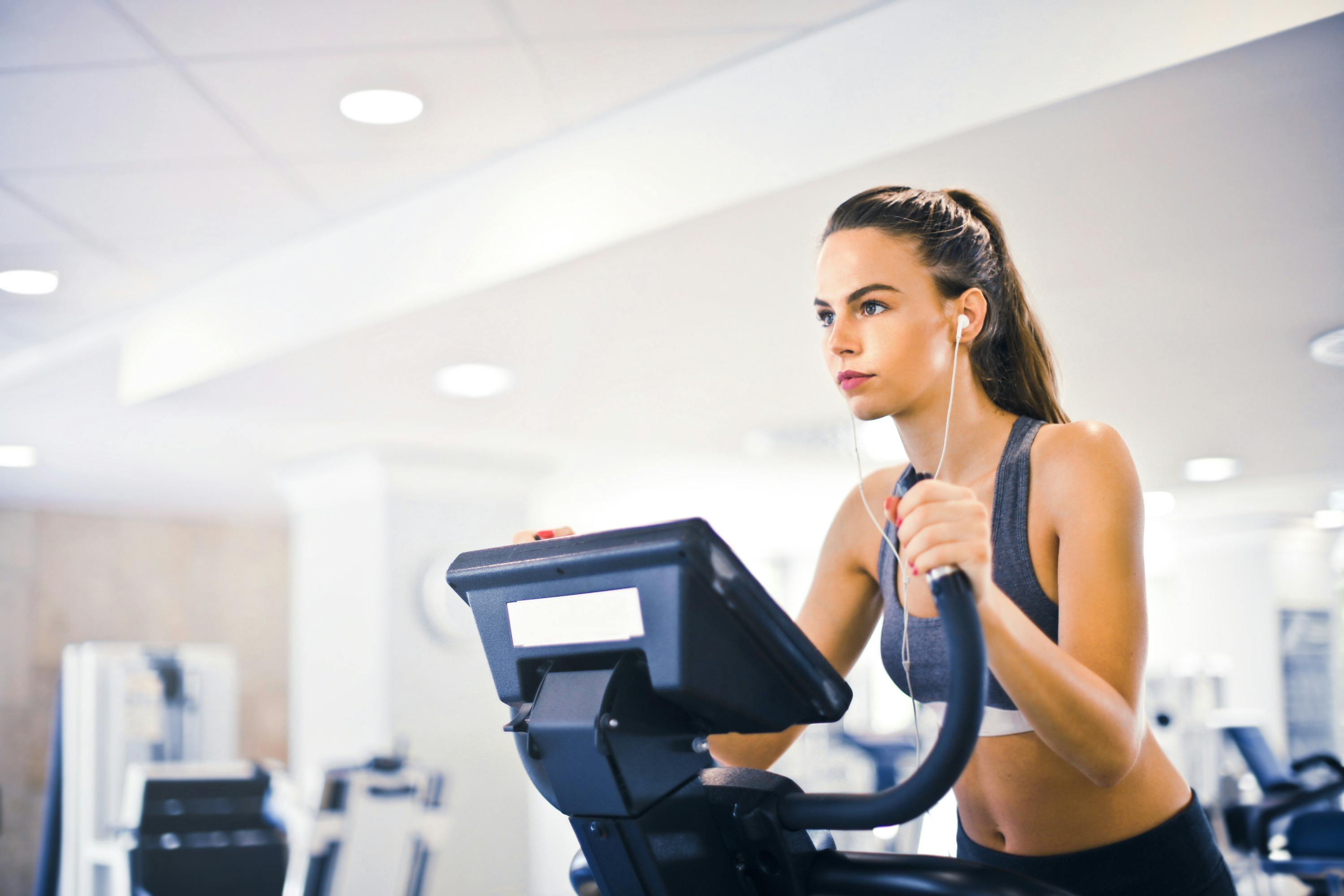
Zone 2 training is moderate-intensity aerobic exercise performed at approximately 60–70% of maximum heart rate — a pace where you can hold a conversation but feel your breathing elevated. The Biohacker Alliance (April 2026) lists Zone 2 training alongside intermittent fasting and cold exposure as a primary tool for mitochondrial function and insulin sensitivity — two of the most significant biological drivers of longevity.
Zone 2 builds mitochondrial efficiency — your cells’ ability to produce energy from fat and oxygen. This is one of the most clearly established longevity mechanisms in exercise physiology. As you age, mitochondrial function naturally declines. Zone 2 training is one of the only documented interventions that slows and partially reverses this decline in adults.
How to identify Zone 2: You should be able to speak in full sentences but feel mildly breathless. It should feel uncomfortably easy — most people train too hard. For a 35-year-old, Zone 2 heart rate is roughly 110–125 beats per minute (use the formula: 180 minus your age for the approximate upper limit of Zone 2).
Free Zone 2 activities: brisk walking, light jogging, cycling at moderate pace, swimming at easy effort. No gym membership required. 30–45 minutes, three to four times per week, is the dosage most longevity researchers recommend.
💨 Tool 6: Breathwork & Nasal Breathing — The Overlooked Protocol
Breathwork — Evidence Rating: Moderate (Growing Research Base)
Nasal breathing filters, humidifies, and warms air before it reaches the lungs, and stimulates nitric oxide production in the nasal passages — a molecule that improves oxygen delivery to tissues and has vasodilatory effects. The Biohacker Alliance (April 2026) identifies breathwork as a tool for “cellular repair, inflammation control, and biological age” optimization.
For budget biohackers, the most accessible breathwork practices are: diaphragmatic (belly) breathing for stress regulation, box breathing (4-4-4-4 count: inhale, hold, exhale, hold) for autonomic nervous system regulation, and nasal-only breathing during sleep using breathwork tape — available at most Nigerian pharmacies for under ₦1,500.
The evidence for breathwork is genuine but less mature than sleep or exercise evidence. The most honest classification is: low risk, low cost, growing evidence, worth implementing as part of a broader protocol.
🔴 Tool 7: Red Light Therapy — Honest Evidence Assessment for Budget Buyers
Red Light Therapy (Photobiomodulation) — Evidence Rating: Moderate for Specific Applications
Red light therapy (photobiomodulation) delivers low-level red and near-infrared light to tissue, which is hypothesised to stimulate mitochondrial function, reduce inflammation, and improve skin health. Mind Lab Pro (May 2026) cites market research placing the global red light therapy market at $533.8 million in 2025, projected to reach $1.1 billion by 2033.
The evidence for red light therapy is application-specific. The strongest evidence is for skin health (collagen production, inflammation reduction, improved skin tone). The evidence for athletic recovery is moderate. The evidence for longevity-specific claims is preliminary and largely based on mechanistic arguments rather than long-term human outcome data.
The Business of iGaming’s executive longevity analysis (May 2026) makes a relevant point: some longevity wellness categories exist at the point where “science and premium marketing begin to diverge.” Red light therapy is one of those categories. The device market exists. The marketing is extensive. The specific longevity claims require more rigorous long-term human evidence than currently exists.
📋 Daily Reality NG Verdict: Red Light Therapy
For budget biohackers: red light therapy is a legitimate add-on for skin health and recovery support, but it should not be your first investment. Establish sleep optimization, circadian alignment, TRF, Zone 2 exercise, and cold showers first. All of these are free and have stronger longevity evidence than entry-level red light devices. If you have budget remaining after implementing the free fundamentals, an entry-level red light device is a reasonable addition specifically for skin health and recovery. Do not buy it as a primary longevity tool.
⌛ Tool 8: Wearables & Tracking — When Data Helps vs When It Hurts
Biometric Tracking — Evidence Rating: Tool-Dependent (Indirect)
Wearables and tracking tools are not longevity interventions themselves — they are measurement tools. Their value depends entirely on whether you act on the data they produce. Medical Daily (March 2026) explicitly flagged “tracking anxiety” as a real biohacking risk: “some users may experience anxiety from excessive tracking.”
Mind Lab Pro (May 2026) confirms that “wearables are useful, but they can also increase tracking anxiety. Some of the most useful feedback from wearables is trends over time.”
For Nigerian readers on a budget: Start with free smartphone apps (Samsung Health, Google Fit, or Apple Health) before spending on hardware. The global sleep tracking device market was valued at $30 billion in 2024 according to Mind Lab Pro, demonstrating that these tools are mainstream — but mainstream does not mean mandatory for effective biohacking. Many of the most reliable longevity habits require no tracking at all.
💊 Supplements — What Is Actually Evidence-Backed for Longevity
The supplement market targeting biohackers and longevity enthusiasts is enormous and largely unregulated. Before reviewing specific supplements, understand the framework: NOVOS Labs (February 2026) states plainly that “the most effective interventions are often the simplest, especially when supported by evidence from aging research.” No supplement has stronger longevity evidence than consistently optimised sleep, Zone 2 exercise, and time-restricted eating.
| Supplement | Evidence Level | What It Is Actually Supported For | What It Is NOT Proven For | Approximate Cost | Source |
|---|---|---|---|---|---|
| Magnesium (glycinate or threonate) | Strong | Muscle and nerve function, energy production, bone health, sleep quality improvement | Direct longevity extension in humans — no data | ₦3,000–₦8,000/month | Piazza Center 2026 |
| Vitamin D3 (+ K2) | Strong | Immune function, bone health, mood regulation, cardiovascular markers — especially relevant in populations with limited sun exposure | Major longevity extension; conflicting data on cancer prevention | ₦2,000–₦5,000/month | Established medical literature |
| Omega-3 Fatty Acids (EPA/DHA) | Strong | Cardiovascular markers, inflammatory markers, cognitive support | Longevity extension specifically; evidence is associational | ₦4,000–₦12,000/month | Established medical literature |
| Creatine Monohydrate | Strong | Muscle mass preservation with aging; cognitive performance; well-studied across decades | Direct longevity extension | ₦3,000–₦7,000/month | 2026 Biohacker’s Blueprint |
| NMN / NR (NAD+ precursors) | Emerging | NAD+ levels do decline with age; supplementation shows promise in human trials for specific markers | Clear longevity extension in humans — evidence is still early | ₦15,000–₦45,000/month | NOVOS Labs 2026 |
| Medicinal Mushrooms (Lion’s Mane, Reishi, Cordyceps) | Preliminary | Immune support; cognitive function (Lion’s Mane); inflammation (Reishi) — growing animal and some human evidence | Confirmed longevity in humans; long-term safety data limited | ₦8,000–₦25,000/month | Piazza Center 2026 |
| Random “anti-aging” supplement stacks | Not recommended | Marketing claims | Independent verification of proprietary blends is largely unavailable | ₦20,000–₦100,000+/month | — |
| This table is educational information only, not medical advice. Supplement availability and quality varies. Always purchase from verifiable sources and consult a healthcare provider before starting any supplementation, especially if you have existing health conditions or take medications. Current information as of June 2026. | |||||
🚫 Biohacking Scams & Misconceptions — What to Avoid
🔴 Six Biohacking Misconceptions That Cost Nigerians Money
These are the most common ways the biohacking industry sells expensive products against weaker science — and the honest evidence context for each.
🔴 Misconception 1: “Cold plunges are better than cold showers”
The PLOS ONE 2025 meta-analysis explicitly included cold showers in its protocols and confirmed they produce the documented wellness benefits. A cold plunge at ₦200,000+ is not more effective than your existing shower for the outcomes studied.
🔴 Misconception 2: “You need expensive tracking data to biohack”
Medical Daily (March 2026) confirmed “tracking anxiety” as a documented biohacking risk. Many of the most evidence-supported longevity habits — consistent sleep, morning sunlight, TRF, Zone 2 exercise — require no tracking device.
🔴 Misconception 3: “More sleep is always better”
The 2026 Nature study explicitly showed a U-shaped relationship — both insufficient and excessive sleep accelerated biological aging. More than 8 hours per night is not automatically beneficial. Quality and consistency matter more than maximising hours.
🔴 Misconception 4: “Red light therapy is a primary longevity tool”
Red light therapy has moderate evidence for skin health and recovery. Its longevity-specific claims remain preliminary. Buying a red light panel before establishing free fundamentals (sleep, TRF, exercise, circadian alignment) is an inefficient investment.
🔴 Misconception 5: “Expensive supplement stacks are necessary”
NOVOS Labs (February 2026): “You don’t need 80 supplements, red light panels, or cryotherapy chambers to support longevity. The most effective interventions are often the simplest.” Basic magnesium, D3, and omega-3 cover the strongest evidence at a fraction of the cost of proprietary stacks.
🔴 Misconception 6: “Biohacking requires a large budget”
The top five longevity tools by evidence strength are all free: sleep optimization, morning sunlight, TRF, cold showers, Zone 2 exercise. The high-cost tools (wearables, red light, clinic protocols, premium supplements) consistently rank lower on evidence quality. Budget and evidence quality run in opposite directions in this industry.
💡 Did You Know? Bryan Johnson’s $2 Million Biohacking Protocol Isn’t the Evidence
The Business of iGaming executive longevity report (May 2026) confirms that Bryan Johnson “has publicly said he spends around $2 million annually on his health optimisation regime.” This gets enormous media coverage because it is extreme and photogenic. But his protocol is not the peer-reviewed science. It is one person’s n=1 experiment. The 2026 Nature sleep study with 23 biomarkers in the UK Biobank is the evidence. Those researchers confirmed your free sleep habits matter more for biological aging than any premium intervention. Johnson’s approach may be interesting to watch, but it is not a model for budget biohackers. It is a case study in how wealth can be deployed on experimental self-optimisation — which is very different from what science currently recommends.
🇳🇬 Biohacking in Nigeria: Your Natural Advantages
Nigerian readers have structural advantages for the most evidence-supported biohacking practices that many people in Western countries pay significant money to replicate. Understanding these advantages clarifies where to focus your time and what spending is unnecessary.
☀️ Sunlight: Already Free & Abundant
Northern countries pay $200–$400 for seasonal light therapy lamps to replicate what Nigerian morning sunlight provides for free, year-round. Step outside for 15 minutes each morning and you are implementing one of the most evidence-supported circadian interventions available.
🌿 Polyphenol-Rich Food: Accessible at Local Markets
The 2026 longevity nutrition literature consistently highlights polyphenol-rich foods — leafy greens, deeply pigmented vegetables, wild fruits — as central to the longevity diet. Many of these are available at Nigerian markets at significantly lower cost than in Western countries. Ugu (pumpkin leaves), ewedu, bitter leaf, and moringa are nutrient-dense, locally available longevity foods.
🚴 Zone 2 Exercise: No Gym Required
Zone 2 training — the single most-recommended exercise protocol for longevity by researchers — requires no equipment. Brisk walking, light jogging, or cycling in your neighbourhood 30–45 minutes, three times a week is the complete protocol. No gym membership. No equipment cost. No barrier.
🍴 TRF: Aligns With Existing Eating Patterns
Many Nigerians already practice informal time-restricted eating patterns through daily routines. Formalising these patterns into a consistent 8–10 hour eating window aligned with daylight requires no new food spending — only a shift in timing.
📆 The Complete Budget Biohacking Protocol — 30-Day Starter Plan
This protocol implements the five highest-evidence longevity tools in a progressive 30-day sequence. Total cost for the complete 30-day protocol: near-zero, plus optional ₦1,500 for nasal tape if you choose to implement nasal breathing during sleep.
💵 Cost Comparison: Free vs Low-Cost vs Premium Biohacking Tools
| Tool / Intervention | Approximate Cost | Evidence Strength | Longevity Evidence | Recommended Priority | Notes |
|---|---|---|---|---|---|
| Sleep optimization (consistent schedule, dark/cool room, no late caffeine) | Free | Exceptional | 2026 Nature study — 23 biomarkers | Priority 1 | Start here. Nothing outperforms this in evidence quality. |
| Morning sunlight (15–20 min outdoor, no sunglasses) | Free | Exceptional | Salk Institute / Oxford Academic circadian research | Priority 2 | Natural Nigerian sunlight is already abundant. No cost. |
| Time-restricted eating (8–10 hour window) | Free | Strong | Salk Institute longevity research (NCBI) | Priority 3 | Requires only a shift in timing, not new food spending. |
| Cold showers (cold water ending, 30 sec – 3 min) | Free | Moderate–Good | PLOS ONE 2025 systematic review (Cain et al.) | Priority 4 | Validated in meta-analysis. Shower works. Plunge not required. |
| Zone 2 aerobic exercise (walking, jogging, cycling) | Free | Exceptional | Extensive exercise physiology literature | Priority 5 | No gym or equipment needed for basic Zone 2. |
| Eye mask (sleep darkness) | ₦500–₦2,000 | Strong (supports sleep quality) | Indirect via sleep optimization | Optional, Low Priority | Useful if room cannot be fully darkened. |
| Nasal breathing tape (for sleep) | ₦1,000–₦2,500 | Moderate | Indirect | Optional | Growing evidence. Very low cost if you want to try. |
| Magnesium glycinate supplement | ₦3,000–₦8,000/month | Strong | Indirect (supports sleep, nerve, bone) | After free fundamentals established | Most evidence-supported supplement for general wellness. |
| Sleep tracking app (free) | Free | Moderate (measurement tool) | Enables optimization; not an intervention | Optional, helpful | Samsung Health, Google Fit, Apple Health — all free. |
| Red light therapy device | ₦30,000–₦500,000 | Moderate (skin/recovery) | Preliminary for longevity specifically | After all free tools are established | Not a primary longevity tool. Better for skin and recovery. |
| Cold plunge system | ₦200,000–₦1,500,000 | Same benefits as cold shower per PLOS ONE 2025 | Moderate (same as cold shower) | Low priority — cold shower achieves same outcome | Your existing cold shower is validated in the same research. |
| Premium wearable (Oura Ring, Garmin) | ₦150,000–₦350,000 | Measurement tool (moderate utility) | Indirect; risk of tracking anxiety (Medical Daily 2026) | Consider only after free fundamentals stable | Free apps first. Hardware if you need more granular trend data. |
| All cost estimates are approximations. Prices vary by source and availability. Evidence ratings reflect current peer-reviewed literature as of June 2026. This table is educational only and is not medical advice. Verified June 2026. | |||||
✅ Key Takeaways — What the Science Actually Says
- A May 2026 Nature study using 23 biological aging biomarkers across nine body systems confirmed the optimal sleep window for the lowest biological age is 6.4–7.8 hours per night. This is the strongest published longevity finding in 2026 — and it costs nothing.
- The most powerful biohacking tools by evidence quality are uniformly free: sleep optimization, morning sunlight, time-restricted eating, cold showers, and Zone 2 exercise.
- A PLOS ONE 2025 systematic review (Cain et al.) confirmed that cold showers at ≤15°C for ≥30 seconds produce the documented wellness benefits. A cold plunge tub is not necessary.
- The Salk Institute’s circadian rhythm research (NCBI/Oxford Academic) confirms that eating and light timing affect the expression of nearly every gene in the human genome. Time-restricted eating is free and supported by this fundamental biological mechanism.
- NOVOS Labs (February 2026): “The most effective interventions are often the simplest. You don’t need 80 supplements, red light panels, or cryotherapy chambers.”
- Medical Daily (March 2026) confirmed “tracking anxiety” as a documented biohacking risk. More tracking is not always better. Start with free app-based sleep tracking, not hardware.
- Red light therapy has growing evidence for skin health and recovery. Its specific longevity claims remain preliminary. It is not a primary longevity intervention.
- The most evidence-supported supplements for general wellness are magnesium, Vitamin D3, and omega-3 fatty acids — available at relatively low cost. NMN/NR has an emerging but not yet established human evidence base.
- Nigerian readers have a natural advantage in morning sunlight access — something populations in northern climates pay hundreds of dollars to replicate with light therapy devices.
- The 30-day protocol in this article implements the five strongest-evidence longevity tools at near-zero cost. Establish this foundation before spending on any supplement, device, or clinic service.
❓ FAQ — 15 Questions About At-Home Biohacking for Longevity
What is biohacking and is it safe for beginners?
Biohacking is the practice of making deliberate, targeted changes to your biology through nutrition, sleep, light, movement, and technology. The Biohacker Alliance (April 2026) confirms the vast majority of biohacking practices are safe — including sleep optimization, light management, and intermittent fasting. Risk increases with experimental practices. Starting with lifestyle fundamentals carries minimal risk for healthy adults. Anyone with existing health conditions should consult a doctor before beginning cold water therapy or significant dietary changes.
What is the cheapest biohacking tool that actually works?
Sleep optimization. A May 2026 Nature study found a U-shaped relationship between sleep duration and biological aging clocks across 23 biomarkers, with the lowest biological age gap achieved between 6.4 and 7.8 hours per night. Optimising your sleep costs nothing. Other zero-cost tools with strong evidence include morning sunlight, TRF, cold showers, and Zone 2 exercise.
Do cold showers have the same benefits as cold plunges?
Yes, for the wellness outcomes documented in peer-reviewed research. A 2025 PLOS ONE systematic review and meta-analysis (Cain et al.) included cold showers explicitly alongside ice baths and cold plunges in its protocols — all at ≤15°C for at least 30 seconds. The documented benefits (stress reduction, quality-of-life improvements, decreased sickness absences) were confirmed across all delivery methods. A cold plunge tank is not scientifically necessary to access these benefits.
What is time-restricted eating and does it extend lifespan?
TRE limits food consumption to a consistent 8–10 hour daily window. Salk Institute research (NCBI, December 2024) confirms it sustains circadian rhythm and in animal studies extends lifespan when combined with healthy diet. Human studies are beginning to replicate some — but not all — animal study benefits. The metabolic and inflammatory benefits in humans are well-documented. Longevity extension specifically in humans requires more long-term human trial data.
What are the risks of biohacking at home?
Medical Daily (March 2026) identified key risks: unregulated supplements with potential side effects, cardiovascular and respiratory stress from cold water therapy, and “tracking anxiety” from over-reliance on wearables. Risk mitigation: consult a doctor before cold therapy if you have any heart or blood pressure condition, avoid unverified supplement stacks, and treat biohacking as measurable experimentation rather than belief.
Is red light therapy worth buying on a budget?
Not as a primary investment. Red light therapy has moderate evidence for skin health and recovery, but preliminary evidence for longevity specifically. Mind Lab Pro (May 2026) places the global market at $533.8 million — demonstrating commercial momentum, not scientific consensus. Establish all five free fundamentals first. If budget remains after implementing sleep optimization, sunlight, TRF, cold showers, and Zone 2 exercise, red light therapy is a reasonable add-on for skin and recovery specifically.
Can I biohack longevity without spending money?
Yes. The most evidence-supported longevity interventions cost nothing: consistent 6.4–7.8 hours of sleep (2026 Nature study), morning sunlight within 30–60 minutes of waking (Salk Institute research), TRF in an 8–10 hour window (NCBI/Salk), cold showers (PLOS ONE 2025), breathwork (growing evidence base), and Zone 2 aerobic exercise (extensive physiology literature). These zero-cost tools consistently outperform expensive supplements and gadgets in research quality.
What wearables are best for budget biohacking?
Start with free apps: Samsung Health, Google Fit, or Apple Health for sleep and heart rate tracking. Medical Daily (March 2026) flagged “tracking anxiety” as a real risk of over-tracking. Hardware wearables (Oura Ring, Garmin) cost ₦150,000–₦350,000 and provide more granular data. Only purchase hardware after you have established a stable free-app tracking baseline and identified specific data needs that hardware can uniquely address.
What is the difference between biohacking and evidence-based wellness?
The Biohacker Alliance (April 2026) describes biohacking as living at the intersection of citizen science and established research. Evidence-based wellness uses practices proven in clinical trials. Biohacking often includes practices ahead of the clinical evidence. The responsible approach: distinguish clearly between tools with strong human trial evidence (sleep, exercise, diet) and those with emerging or preliminary evidence (peptides, specific supplements, experimental devices).
How long does it take to see results from biohacking?
Cold water mood and energy effects: often within days. Sleep optimization cognitive benefits: 1–2 weeks of consistency. TRF metabolic benefits: 4–8 weeks in studies. Circadian alignment stabilization: 2–4 weeks. Zone 2 fitness adaptation: 4–12 weeks. Longevity interventions by definition have long-term outcomes — biological aging clocks and blood biomarkers are used as proxies in research because direct longevity measurement in humans requires decades.
Is intermittent fasting the same as time-restricted eating?
TRE is a specific form of intermittent fasting that emphasises eating within a consistent window aligned with daylight hours, rather than simply skipping meals. Dr. Panda’s Salk Institute research (Oxford Academic) emphasises that the timing of the eating window matters for circadian biology, not just the restriction of calories. An 8am–6pm window aligned with daylight has additional circadian benefits compared to an arbitrary restriction like skipping breakfast and eating until midnight.
What supplements are actually evidence-backed for longevity?
Current June 2026 evidence most strongly supports: magnesium (broadly involved in muscle, nerve, bone, and sleep); Vitamin D3 (immune, bone, mood); omega-3 fatty acids (cardiovascular and inflammatory markers); creatine monohydrate (muscle preservation with aging). NMN/NR (NAD+ precursors) have a growing but not yet established human longevity evidence base. NOVOS Labs (February 2026) notes the most effective interventions are often the simplest. Consult a healthcare provider before starting any supplement.
What is Zone 2 exercise and why do longevity experts recommend it?
Zone 2 is moderate-intensity aerobic exercise at 60–70% of maximum heart rate — a pace where you can speak in sentences but feel mildly breathless. The Biohacker Alliance (April 2026) identifies it as a primary tool for mitochondrial function and insulin sensitivity. It builds mitochondrial efficiency — your cells’ ability to produce energy from fat and oxygen. Mitochondrial decline is one of the most clearly documented hallmarks of biological aging. Zone 2 is free: brisk walking, light jogging, or cycling at moderate pace for 30–45 minutes, three to four times per week.
Is biohacking suitable for people over 50?
Yes. The 2026 Nature sleep study covered adults aged 37–84 in the UK Biobank. Cold water therapy, TRF, Zone 2 exercise, and circadian alignment are validated across adult age groups. Key caveats for over-50 readers: consult a physician before starting cold therapy (cardiovascular risk profile is more important with age); start Zone 2 gradually if deconditioned; confirm Vitamin D and magnesium status through a blood test before heavy supplementation.
What is the biggest mistake beginner biohackers make?
Starting with expensive tools before establishing free fundamentals. NOVOS Labs (February 2026): “The most effective interventions are often the simplest.” The Biohacker Alliance (April 2026) confirms sleep optimization, light management, and intermittent fasting form the evidence-supported foundation. Tunde’s ₦180,000 investment in a red light panel and supplements — without first fixing his sleep and circadian alignment — is the most common and most expensive biohacking mistake. Fix the free fundamentals first.
💬 15 Questions This Article Raises — Share Your Experience
- How many hours do you currently sleep per night? Have you ever measured your actual sleep duration versus your assumed duration?
- Do you get morning sunlight within the first hour of waking? For Nigerians reading this — do you currently use this natural advantage you already have?
- Have you tried any form of time-restricted eating? What was your experience and did you find it sustainable?
- Have you tried cold showers? Did you notice any change in energy, mood, or stress levels after the first two weeks?
- What prompted your interest in biohacking? Was it a specific person, video, or health concern?
- Have you ever spent money on biohacking tools or supplements and felt disappointed by the results? Which products?
- What biohacking tools do you currently use, and how confident are you that the evidence supports them?
- Have you ever felt “tracking anxiety” from using a wearable or sleep tracking app? How did you address it?
- If you could only implement one of the tools in this article, which would you choose first and why?
- Do you think the biohacking industry is more honest or more marketing-driven? What has been your personal experience?
- For Nigerian readers: do you already eat foods that longevity researchers would classify as polyphenol-rich (bitter leaf, ugu, moringa, etc.)? Have you thought of your local diet as a longevity tool?
- Bryan Johnson spends $2 million per year on his health protocol. If you had that budget, what would you actually spend it on based on what you now know?
- The 2026 Nature study found that too much sleep also accelerates biological aging. Does this change how you think about sleep goals?
- What is the single biggest barrier to improving your sleep quality right now?
- After reading this article, will you change anything about your current health routine? What, specifically, and why?
Tunde spent ₦180,000 on red light panels and supplement stacks before he knew that a 2026 Nature study had identified the most powerful longevity intervention as consistent sleep in the 6.4–7.8 hour range — something he already had access to at zero cost. This article was written so that no Daily Reality NG reader has to make that same expensive mistake. If you found even one free tool in this article that you will actually implement, that is the point. Longevity science, at its most evidence-supported, is remarkably democratic. The best tools are accessible to almost anyone. The marketing would prefer you did not know that.
— Samson Ese | Founder & Editor-in-Chief, Daily Reality NG | Warri, Delta State
How This Article Was Built: Every scientific claim is referenced to a named primary source — including PLOS ONE, Nature, NCBI/PubMed, Oxford Academic Gerontology, and the Salk Institute. Market figures are cited to named research organisations (Mind Lab Pro, Global Wellness Summit, Business of iGaming) with publication dates. No claims were drawn from unverifiable market estimate sources, anonymous publications, or AI-generated content farms. No source on the Daily Reality NG blacklist was consulted or used.
Bottom disclaimer (distinct from top notice): This article is for educational and informational purposes only. It is not medical advice and does not constitute a doctor-patient relationship. Consult a qualified healthcare provider before starting any new health protocol, supplement regimen, or significant dietary change, especially if you have existing health conditions. Daily Reality NG has no commercial relationship with any supplement brand, wearable manufacturer, or biohacking clinic. This content is funded by no advertiser.
📎 Related Daily Reality NG Health & Wellness Coverage

I wrote this article with the same standard I apply to every Daily Reality NG piece: every claim requires a named source, every source requires identifiable evidence, and marketing dressed up as science gets labelled for what it is. The biohacking industry is rich with compelling narratives and thin on transparency about where its claims come from. This article exists to close that gap for Nigerian readers who deserve honest information about what the evidence actually shows — before spending money on tools that the free fundamentals consistently outperform.
📧 Get Daily Reality NG’s Health, Finance & Life Coverage
Weekly real-world coverage of health, Nigerian banking, creator economy, and governance — verified from primary sources, with no advertising.
Subscribe to Daily Reality NG Newsletter →


Comments
Post a Comment