How to Build a Peaceful Life: My True Story from Lagos
How to Build a Peaceful Life: My True Story from Lagos
Welcome to Daily Reality NG, where we break down real-life issues with honesty and clarity. Today, I'm sharing something deeply personal—my journey from chaos to peace, from surviving to actually living. This isn't theory. This is my life, unfiltered.
I'm Samson Ese, the founder of Daily Reality NG. I launched this platform in 2025 with a clear mission: to help everyday Nigerians handle the complexities of life, business, and tech without the usual hype. Since then, I've had the privilege of reaching thousands of readers across Africa, sharing practical strategies and honest insights people need to succeed in today's digital world.
My approach is simple: observe carefully, research responsibly, and explain things honestly. Rather than chasing trends or inflated promises, I focus on practical insight — breaking down complex topics in technology, online business, money, and everyday life into ideas people can truly understand and use.
Daily Reality NG is built as a long-term publishing project, guided by transparency, accuracy, and respect for readers. Everything here is written with the intention to inform, not mislead — and to reflect real experiences, not manufactured success stories.
March 2023. Surulere, Lagos.
I'm sitting on the floor of my one-room apartment at 2:47 AM. Can't sleep. Again. My landlord don increase rent from ₦180,000 to ₦280,000. NEPA take light since 6 PM yesterday. My phone battery on 12%. The generator wey my neighbor dey use dey make noise like say e wan tear the whole building down.
But that noise? That wasn't even my biggest problem.
My mind dey scatter. Every single day, I dey wake up with this heavy weight for my chest. Like say somebody just put grinding stone on top my lungs. I no dey sleep well for months. Every small thing dey vex me. Traffic jam? Anger. Somebody bump me for market? I fit shout. My boss talk to me somehow? The whole day don spoil.
I remember one particular Tuesday morning — I think say na around May that year. I dey inside danfo from Surulere going Ikeja. This woman siddon near me with her pikin. The pikin just dey play, happy, dey laugh. And I just look the pikin, then I ask myself: "When last I feel this kind joy?"
I no fit remember.
That day, something break for inside me. Not the crying type of break o. The realization type. The type wey you just know say "guy, if you no change something now now, you go just dey exist, you no go dey live."
And that's when my journey to building a peaceful life really started. Not when I get money. Not when I relocate. Right there, for inside that hot danfo wey dey smell like person wey never bath for three days.

What You'll Learn in This Article
- What Peace Actually Means (Not What Instagram Tells You)
- My Breaking Point: The Day Everything Changed
- The First Real Steps I Took
- Learning to Let Go of Things I Couldn't Control
- Daily Habits That Actually Changed My Life
- Cutting Toxic Relationships (The Hardest Part)
- Money and Peace: The Truth Nobody Tells You
- Mistakes I Made Along the Way
- Where I Am Today
- How You Can Start Your Own Journey
What Peace Actually Means (Not What Instagram Tells You)
Let me clear something first. When I talk about peace, I no dey talk about that Instagram type of peace wey person go post picture with white linen cloth for beach, dey form "I don find myself."
Nah. Real peace na different thing entirely.
Peace na when you fit sleep at night without your mind reminding you of every single thing wey you never do, every person wey offend you, every mistake wey you make for 2015.
Peace na when somebody vex you for traffic, and instead of you to come down, dey shout, break side mirror, you just breathe, shake your head, and move on. Because you don realize say that person anger no be your problem to carry.
For me personally, peace came when I stopped trying to control everything. And I mean EVERYTHING. The economy, my family members' decisions, whether my neighbors go like me or not, whether NEPA go bring light today.
"Peace is not the absence of problems. Na the presence of mind wey don learn how to handle wahala without losing yourself for the process." — Samson Ese, Daily Reality NG
I remember one time, my guy Chinedu come my house. This was around June 2023. We dey gist, then he just look me say "Samson, wetin happen to you? You don change. You no dey vex like before."
I laugh. Because months before that, I be the guy wey go vex because groundnut seller no give me correct change of ₦50. Small thing, I don carry am for head for two days.
But as I dey find this peace, I realize say most of the things wey dey stress us out? Them no even matter. Like, if you sit down think am well, 90% of wetin dey worry you today, next year you no go even remember.

My Breaking Point: The Day Everything Changed
You know how sometimes life go just arrange special package of stress for you? Like say you wake up one morning, and wahala just line up waiting for you like queue for petrol station?
That was May 15, 2023 for me.
I wake up that Monday morning. First thing, my phone ring. Na my younger brother, Godspower, calling from Warri. "Brother Samson, mama dey sick. We need money for hospital. Them say na ₦85,000."
My bank balance? ₦43,000. Rent go expire in two weeks.
I never even finish to think about that one, my boss call me. "Samson, that report wey I tell you to submit on Friday, where e dey? Client dey vex."
See, I don forget the report completely. My mind been so scattered that weekend, I just dey exist, I no dey function.
Then, as if that one never do, NEPA come take our transformer that afternoon. Them say we need to contribute ₦150,000 to buy new one. Each person for the compound supposed to pay ₦15,000.
Bro, I just sidon for my room that evening and something happen to me wey I never fit explain properly till today.
My chest just dey tight. My heart dey beat fast fast. I begin dey sweat even though fan dey blow me (thank God for my small rechargeable fan). My hand dey shake. I dey think say maybe na heart attack.
But e no be heart attack. Na anxiety attack. Stress done finally catch up with me.
Example 1: My First Panic Attack
Picture this: You dey inside your room, everywhere dark because NEPA take light. Your phone dey die. You just get this feeling like say the whole world dey close in on you. You fit hear your heartbeat for your ear. You dey sweat like person wey run marathon. But you never move from where you sidon.
That was me. And the thing wey pain me pass be say I realize at that moment: I never really dey live. I just dey survive. Every single day na just survive mode. Wake up, stress, hustle, worry, sleep small, wake up, repeat.
No joy. No peace. No actual living.
I call my friend Ada that night. She's one of those people wey get sense, the type wey no go give you motivational nonsense but go tell you the truth.
"Ada, I think say I dey go mad," I tell her.
She laugh small. "You no dey go mad, Samson. You just dey carry too much load for your head. Everything wey happen for this Lagos, you wan solve am all by yourself. That thing no possible."
Those words. Simple as them be, them just hit different that night.
See how other Nigerians manage stress and anxiety in daily life.
The First Real Steps I Took
The next morning, I wake up with different mindset. Not because problems don solve o. The problems still dey there, sitting pretty on top my head. But I just tell myself: "Samson, something has to change. Today."
First thing I do? I write down everything wey dey worry me. And I mean EVERYTHING. From big things like rent and my mama hospital bill, to small things like how my neighbor Emeka dey look me somehow.
The list long die. 23 different things. Twenty-three!
Then I do something wey shock me. I start to divide them into two columns:
Things I Fit Control
Things I No Fit Control
You know wetin I discover? Out of those 23 things, I fit only control like 7 of them. Seven! The rest? Na just me dey carry load wey no even concern me.
Example 2: The Control List Method
Things I Could Control:
- How I spend my money
- My reaction to situations
- My work habits
- How I treat people
- My sleeping pattern
- What I eat
- Who I keep as close friends
Things I Couldn't Control:
- NEPA and their transformer wahala
- Landlord increasing rent
- Lagos traffic
- What people think about me
- My neighbor's noise
- Nigeria's economy
- Other people's decisions
Bro, just doing this exercise remove like 50% of the weight from my chest. Because I realize say I been dey waste energy trying to control things wey no even dey my hand.
Like, how I go dey vex every day because of NEPA? NEPA no even know say I exist! Them no dey think about Samson for Surulere when them dey take light. So why I dey give them space for my head?
That realization? E shift something for inside me.

Learning to Let Go of Things I Couldn't Control
This part? This part pain me die to learn.
Because as Nigerian, especially as person wey grow up for this our culture, we don learn say we supposed to dey involved for everything. Your cousin problem? Your problem. Neighbor quarrel? Your business. Somebody for your village make announcement for family WhatsApp group? You must comment.
But I begin learn say involvement and concern na two different things.I fit care about situation without making am my personal burden to carry. That thing, that simple truth, na him change everything for me.
Remember that transformer issue I talk about? Instead of me to dey vex every day, dey calculate when NEPA go bring light, when them no go bring light, I just accept the reality. NEPA no dey reliable for Nigeria. That's just facts. So instead of hoping and getting disappointed every day, I just adjust.
I buy small solar panel and one rechargeable fan. E no be the perfect solution, but e better pass me dey give myself high blood pressure over something wey I no fit control.
"The moment you accept reality as e be, and stop fighting wetin you no fit change, peace go begin find you. E no mean say you like the situation. E just mean say you don wise up." — Samson Ese, Daily Reality NG
And you know wetin shock me? As I begin dey let go of these things, space just open up for my mind. Like say somebody just come clean my brain, arrange everything proper.
I begin dey notice things I never notice before. Like how the sun dey shine through my window every morning around 7 AM. Or how my neighbor pikin dey laugh when him mama dey play with am. Small small things wey I been too stressed to even see.
Learn more about practical stress management strategies that actually work in Lagos.
Daily Habits That Actually Changed My Life
Okay, make I tell you the habits wey really work for me. No be the kind wey you go see for motivational speaker Instagram page o. These are things wey I personally do, test am, and e work.
1. Morning Silence (Before Phone)
This one hard pass hot akara to follow, but e dey worth am. Every morning when I wake up, I no touch my phone for the first 15 minutes. I just sidon, sometimes for my bed, sometimes I go outside if NEPA bring light and fan dey work.
I no dey meditate like Buddhist monk o. I just dey breathe, dey think, dey plan my day. Sometimes I just dey watch wall. Sounds boring, but bro, this 15 minutes na the most peaceful part of my day.
Before, I been dey wake up, first thing na to check WhatsApp. Messages from family group, messages from work, messages from friends asking for favor. Before I even stand up from bed, my stress level don reach 100%.
But now? Those 15 minutes na mine. Nobody fit spoil am.
2. The Evening Brain Dump
Every evening, around 8 PM or 9 PM, I write for notebook. Not diary entry like "Dear Diary, today I wake up..." No be that kind.
I just write everything wey dey my mind. Worries, plans, ideas, things wey annoy me, things wey make me happy. I just pour am all out for paper.
Reason be say, if I no do this, all those thoughts go dey swim for my head all night. I no go fit sleep. But once I write am down, e be like say my brain dey feel like "okay, we don offload this matter. Make we rest now."
Example 3: A Typical Evening Brain Dump
"May 23, 2023
Today been okay. Work stress small small, but I handle am better than last week. That client wey been dey stress me, we finally settle the matter. I realize say when I calm down first before responding to email, things dey work out better.
Still dey worry about rent, but I don calculate, if I manage well, I fit pay by deadline. No need to dey panic every day.
Tomorrow I go call mama, check how she dey. I been too busy this week, I never call since Monday.
Random thought: That okra soup wey I eat today sweet die. I need to collect the recipe from Aunty Ngozi."
See? Nothing deep. Just clearing my head before sleep.
3. The One Thing Rule
This one I learn from my guy Ifeanyi. He tell me say "Samson, stop trying to do 50 things every day. Just pick ONE important thing and make sure you do am well."
At first I think say the advice na nonsense. How person go do only one thing for one day?
But I try am. And bro, e change my stress level completely.
Instead of waking up with 15 things for my to-do list (wey I know say I no go finish), I just pick the one most important thing. Maybe na to finish that report. Or to pay that bill. Or to have serious conversation with somebody.
I focus everything on that one thing. And when I finish am, even if na only that one thing I do for the whole day, I don achieve something meaningful. That feeling of achievement? E better pass trying 15 things and finishing none.
Read about 7 daily habits that successful Nigerians actually practice.
Cutting Toxic Relationships (The Hardest Part)
If you think say the other things I talk about been hard, this one? This one na the hardest lesson I learn for my whole peaceful life journey.
Let me just tell you straight: Some people no go like the new peaceful version of you. In fact, some of them go actively try to drag you back to the person wey you been dey before.
I been get this my friend—make I call am Uche (no be him real name). Uche and me been tight since secondary school. We been dey together through thick and thin, rain and sunshine, poverty and... well, more poverty.
But Uche get this problem. He dey love bad energy. Like, the guy go just wake up and create problem where problem no dey. We go dey somewhere dey chill, next thing he go just start to dey talk about how somebody disrespect am last week, how him village people dey after am, how the government don spoil Nigeria.
Every. Single. Time.
Before, I fit follow am yarn for hours, we go just dey amplify each other's negative energy. But as I dey try build peace for my life, I begin notice say after every time I spend with Uche, I dey feel drained. Like say somebody suck out all my energy.
One day, I try talk to am. "Guy, abeg make we try dey talk about positive things sometimes na. Every time na only problem we dey discuss."
You know wetin Uche tell me? "Samson, you don change o. You don become like those motivational speaker people. Life no be only positive vibes. Wake up from your dream!"
That night, I think am well well. And I make one of the hardest decisions I ever make: I begin dey distance myself from Uche small small.
I no block am o. I no fight am. I just... create space. I stop dey available for every hangout. I stop dey pick every call. Not because I hate am, but because I don realize say if I want peace, I need protect my energy.
"Sometimes, loving yourself mean creating distance from people you care about. E no mean say them be bad people. E just mean say their energy and your peace no dey align anymore." — Samson Ese, Daily Reality NG
And I no go lie, e pain me. Uche been be my guy. But I notice say the less time I spend with am, the more peaceful my mind dey become.
Same thing with some family members. Some relatives wey every time you see them, na only to compare you with their children, or to remind you of your failures, or to ask for money in ways wey no dey respectful.
I learn say boundaries na important thing. You fit love person from distance. You fit care about person without making yourself available for their toxicity 24/7.
This thing no easy for Nigerian setting where we dey teach say family is everything, and you must always be available for your people. But I don realize say if you no get peace, you no fit even help anybody. You go just be another stressed person trying to help stressed people. E no dey work.
Understand more about setting healthy boundaries in Nigerian culture without feeling guilty.

Money and Peace: The Truth Nobody Tells You
Make I tell you something wey go shock you: More money no automatically mean more peace.
I know say this no be wetin you wan hear. Trust me, na the same thing I been think before. I been think say "if only I get more money, all my wahala go finish."
But as my income begin dey increase small small through my writing work and other side hustles, I come realize say money just change the TYPE of stress, e no remove stress completely.
When I been dey hustle to pay ₦180,000 rent, I dey think say "if only I get money to pay rent without stress, life go sweet."
But when I finally dey comfortable with rent payment, the stress just shift. Now e become "how I go invest this money? Which tenant go I pick? Wetin if property value drop? Make I renovate or make I save?"
You see? The financial pressure just change form.
The real peace I find with money no come from HAVING plenty money. E come from changing how I relate with money completely.
Things I Learn About Money and Peace:
1. Stop comparing your financial progress with other people own.
This one kill me before o. I go just dey see people for Instagram, dey post cars, dey post houses, dey travel. Meanwhile me I never even buy new phone for two years. The comparison go just dey eat me inside.
But I learn say everybody get their own race. And most importantly, you no even know the full story behind those posts. That guy wey just buy car? You no know how many loans he carry. That babe wey dey post her new house? E fit be say na boyfriend money, or na debt she enter.
I just focus on my own journey. Am I better than where I been last year? Yes? Okay, that's progress. That's enough.
2. Have emergency money (even if e small).
This one give me serious peace of mind. Before, anything small happen—phone spoil, health issue, family emergency—I go enter panic mode immediately.
But I start saving small small for separate account wey I no dey touch. Even if na ₦50,000 I get there, just knowing say something dey for emergency make my mind rest.
I no dey wait to get millions before I start. I just dey drop whatever I fit drop. Some months na ₦5,000. Some months na ₦15,000. But e dey grow small small.
Example 4: My Emergency Fund Journey
June 2023: ₦8,000
July 2023: ₦15,500
August 2023: ₦23,000
September 2023: ₦35,700 (I use ₦10,000 for emergency, but I replace am)
December 2023: ₦62,000
January 2026 (today): ₦180,000
E take me time, but that ₦180,000 wey dey there now dey give me confidence wey money for my main account no fit give me.
3. Learn to say "I no fit afford am" without shame.
This one hard die for Nigerian setting. Your friends wan go owambe, everybody dey contribute ₦20,000 for aso-ebi. You know say you no get am, but ego no go let you talk.
Or your family planning trip to Dubai, everybody supposed to drop ₦500,000. You know say your account balance no reach there, but you no wan look like the poor one.
I learn say e dey okay to talk say "guys, I no fit afford this one now o. Make una go, I go join next time." No need to lie, no need to give long explanation. Just simple and direct.
The people wey truly care about you go understand. The ones wey go use am take mock you? Them no be your people from the beginning.
See practical financial planning strategies for everyday Nigerians.
Mistakes I Made Along the Way
Abeg, make I yarn you some of the ways I mess up for this journey. Because if you think say the road to peaceful life dey smooth, you go wound yourself.
Mistake #1: I Thought Peace Means Avoiding All Conflict
Early for my peaceful life journey, I just dey avoid everything wey look like wahala. Person offend me? I go just smile and move on (even though I dey boil inside). Somebody disrespect me? I go just "let it go" even when the thing need addressing.
I been think say na peace that be. But e no be peace. Na FEAR. Fear of confrontation, fear of being seen as problematic, fear of losing relationships.
The thing begin dey build up inside me like bomb. Until one day, I just explode on top something small wey my neighbor do. The guy shock, because for months I been dey just smile smile. He no know say anger been dey pile up inside.
I learn say real peace no mean you go avoid hard conversations. Sometimes, the most peaceful thing you fit do na to address issue directly when e fresh, instead of keeping malice or pretending say nothing happen.
Mistake #2: I Expected Everyone to Support My Journey
When I start this peaceful life thing, I been think say people go happy for me. I been think say them go see the change and encourage me.
Instead, some people begin dey form like I don become too big for them. My cousin tell me say "Samson don too sabi now. He don do like say na only him waka come." Just because I stop dey follow them gossip and complain every weekend.
E pain me. But I learn say your growth go make some people uncomfortable. No be because them hate you. Na just say you don change the dynamics of the relationship, and change dey threaten people.
The people wey supposed to dey for your life go adjust and grow with you. The rest go just naturally fade.
Mistake #3: I Thought One Month Go Change Everything
Bro, I watch too much motivational video. I been think say after 30 days of meditation and journaling, my whole life go transform. I go just wake up one morning feeling like Buddha.
Lies. Complete lies.
Building peaceful life na marathon, no be sprint. Some days you go feel like you don finally crack the code. Other days you go feel like you dey back to square one.
I learn say progress no dey linear. E go up, e go down, e go sideways sef. But if you dey consistent, if you dey show up every day even when e hard, slowly slowly, things go shift.
Example 5: My Progress Timeline (The Real Version)
Week 1-2: Motivated die! I dey meditate, I dey journal, I dey feel like changed person.
Week 3-4: Motivation don reduce small. Some days I dey skip journaling. But I dey try.
Month 2: I don fall back to old habits like 3 times. But I dey pick myself up again.
Month 3-4: Things beginning dey steady. The habits beginning dey feel natural. But I still get bad days.
Month 6: First major test - family wahala. I handle am better than I for handle before, but e still shake me small.
Month 9: I begin notice say I dey sleep better. My blood pressure wey been dey high don reduce based on checkup.
Month 12: I look back see say I don actually change. No be overnight transformation, but real sustainable growth.
Today (almost 3 years later): E no be perfect. But I dey for better place than where I been start.
Read about how to become a better version of yourself step by step.
Where I Am Today
Let me paint you picture of my life now, as at January 2026.
I still dey Lagos. Still dey Surulere sef, but I don move to better apartment (two bedroom this time, thank God). NEPA still dey play their usual game, but e no dey shake me like before. I get my solar system now, and backup plan.
My bank account still no be Bill Gates own, but I dey comfortable. I fit pay my bills without panic attack. I get my emergency fund. I even start dey invest small small.
But the real difference? E no dey the money or the apartment upgrade.
The real difference dey for my mind.
These days, I wake up and the first thing I feel no be dread. E fit be tiredness (na Lagos we dey na), but e no be that heavy dread wey I been dey feel before.
When problem arise—and trust me, problems still dey arise plenty—I no dey scatter immediately. I fit now sit down, think am through, handle am one step at a time.
My relationships don improve. Not because I get plenty friends (in fact, my circle don reduce), but because the people wey dey around me now, we get better quality connection. Less drama, more genuine support.
I sleep better. My health don improve. I even fit laugh again for real now, not that fake laugh wey you dey do because you no wan make people feel like you get problem.
But make I clear something: My life no perfect. At all.
Just last week, my car develop serious problem. ₦150,000 for repairs. Five years ago, that thing for give me high blood pressure for one month. Now? I just check my emergency fund, use part of am handle am, adjust my budget for the month, move on.
Two months ago, family wahala nearly pull me back to that dark place. But I don learn how to protect my peace even when I still dey care. I help where I fit help, I set boundaries where I need set am.
This peaceful life no mean say problems go disappear. E just mean say you don learn how to be at peace EVEN WITH problems around you.
That na the real key.
"Peace no be destination where you go reach and say 'I don arrive.' Na daily practice. Some days e easy, some days e hard, but the journey itself na the blessing." — Samson Ese, Daily Reality NG
How You Can Start Your Own Journey
If you don read reach here, I believe say something for this story don resonate with you. Maybe you dey where I been before. Maybe even worse. Maybe small better, but you still know say you deserve more peace.
Make I give you some practical steps wey you fit start from today. No be theory o. Na real things wey I personally use and know say them work.
Step 1: Start Small (Seriously, Small Small)
Don't try do everything at once. No wake up tomorrow say you wan meditate for 2 hours, exercise for 1 hour, journal for 30 minutes, read for 1 hour. You go tire quick quick.
Just pick ONE thing. Maybe na just 5 minutes of silence for morning before you touch phone. Or 2 minutes of journaling before you sleep. Start there.
Make am so small that e no fit even intimidate you. Because small small progress wey you fit maintain better pass big big plans wey you go abandon after one week.
Step 2: Write Down Your Stressors
Remember that control list I talk about? Do am today. Now sef, if you get pen and paper.
Write everything wey dey stress you. Then divide am: Things you fit control, things you no fit control.
For the things you no fit control? Let them go. I know say e hard, but try. Every time you catch yourself worrying about those things, remind yourself: "This no dey my control. Make I focus on wetin dey my hand."
Step 3: Identify Your Energy Drainers
Who are the people wey after you spend time with them, you dey feel drained? List them (for your mind o, no write am down unless you wan cause wahala).
Then decide: Can I reduce the time I spend with this person? Can I set boundaries? Can I change how I interact with them?
E no mean say you go cut everybody off today today. But awareness na the first step. When you know say person dey drain your energy, you fit at least prepare yourself or limit your exposure.
Step 4: Create One Non-Negotiable Peace Habit
Pick one thing wey you go do every day for your peace, no matter what happen. Even if sky fall, even if NEPA take light for one week straight.
For me, na my morning silence. Even when I wake up late, even when I get early meeting, I go still take at least 5 minutes.
For you, e fit be evening walk, or prayer, or just sitting somewhere quiet for 10 minutes. Na you know wetin work for you.
The important thing na consistency. Make e become part of who you be, not just something you do when you feel like.
Step 5: Track Your Progress (But No Too Seriously)
At the end of every week, ask yourself: Am I feeling more peaceful than last week? Even if na small small improvement?
E no mean say you must feel 100% peaceful by week 2. But you fit notice small things like "e be like say I no vex quick quick this week" or "I don sleep better for the past 3 days."
Celebrate those small wins. Them mean say you dey move forward.
Step 6: Forgive Yourself for Bad Days
This na the one wey I still dey learn. Some days you go fall back to old habits. You go snap at person for traffic. You go spend 3 hours scrolling social media instead of doing your evening journal. You go allow someone steal your peace.
E happen. You be human being, no be robot.
The key na to not allow one bad day turn to one bad week, then one bad month. Just acknowledge am, forgive yourself, reset, continue.
Tomorrow na another day to try again.
Discover the art of mindful living and how to practice it daily.
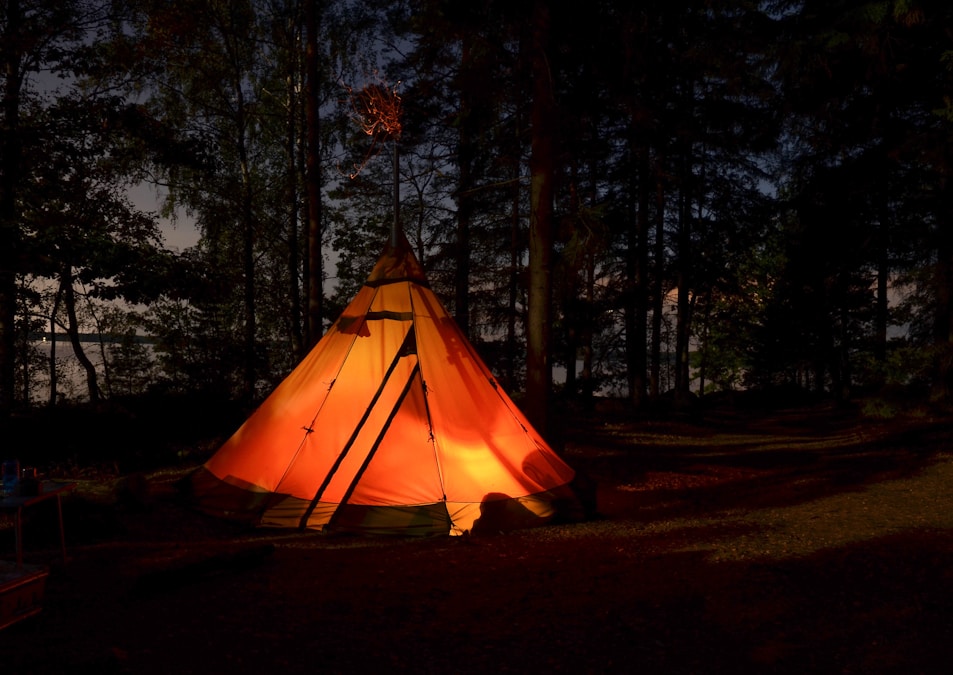
"Building peaceful life for Lagos (or anywhere for Nigeria) no be magic. Na small daily choices wey you go make consistently. Choose peace when chaos dey tempt you. Choose rest when hustle culture dey pressure you. Choose yourself when everybody else wan drain you." — Samson Ese, Daily Reality NG
Key Takeaways
- Peace no be absence of problems; na presence of mind wey don learn to handle wahala without scattering
- You fit only control some things for life — focus your energy on those ones, let go of the rest
- Small daily habits (morning silence, evening brain dump) get more power than big one-time changes
- Some relationships go naturally end as you grow; e painful but necessary for your peace
- More money no automatically equal more peace — na how you relate with money matter pass
- You go make mistakes for this journey; forgive yourself and keep moving forward
- Building peaceful life na marathon, no be sprint — be patient with yourself
- Start small small; even 5 minutes of intentional peace daily go compound over time
- Learn to say "I no fit afford am" without shame or long explanation
- Real peace dey possible even for chaotic Lagos; na inside you e dey start from
Disclaimer: The experiences and advice shared in this article are based on my personal journey and observations. They're meant for informational and inspirational purposes only. If you're experiencing serious mental health challenges, anxiety, or depression, please seek professional help from a qualified therapist or counselor. What worked for me might not work exactly the same way for you, and that's okay. Take what resonates, leave what doesn't, and always prioritize your wellbeing.
Frequently Asked Questions (FAQ)
How long e take to build peaceful life for real?
Honestly, e no get specific timeline. For me, I begin notice small changes after about 2-3 months of consistent practice, but the real transformation happen over 1-2 years. Some people fit see results faster, some fit take longer. The key na consistency and patience with yourself. No dey rush am.
Fit I find peace even with financial stress?
Yes, but e hard. I no go lie to you. Peace and money wahala fit coexist, but e require serious mental work. You need learn how to separate your worth from your bank balance, and how to handle money stress without allowing am consume your whole being. Emergency fund (even small one) and realistic budgeting dey help plenty.
Wetin I fit do when family members dey disturb my peace?
This one na delicate matter for Nigerian setting, but boundaries dey important. You fit love your family and still protect your peace. Set clear limits on your availability, learn to say no without long explanations, and no allow guilt make you sacrifice your mental health. Sometimes loving from distance dey necessary, and e no make you bad person.
How I go know if person dey drain my energy?
Pay attention to how you dey feel after spending time with the person. If you dey feel tired, anxious, or stressed after almost every interaction, that's a sign. Also check: does the person only call you when them need something? Do them invalidate your feelings? Do every conversation always turn to their own problems? These na red flags.
Is meditation necessary to find peace?
No, e no compulsory. Meditation help plenty people (including me), but e no be the only way. Some people find peace through prayer, exercise, journaling, spending time in nature, or just sitting in silence. Find wetin work for you. The goal na to create space for your mind to rest and reset, however that look like for you.
Wetin I suppose do for bad days when peace dey feel impossible?
Accept say the day rough, no try force happiness or peace. Sometimes you just need acknowledge say today hard, do the basic things (eat, sleep, basic hygiene), and try again tomorrow. No beat yourself up about am. Even for peaceful life journey, some days go still suck. That's just life being life.

About Samson Ese
I'm Samson Ese, the founder of Daily Reality NG. I was born in 1993 in Nigeria, and I've been writing for as long as I can remember—long before I took my work online. Over the years, I've developed my craft through personal writing, reflective storytelling, and practical commentary shaped by my real-life experiences and observations.
In October 2025, I launched Daily Reality NG as a digital platform dedicated to clear, relatable, and people-focused content. I write about a range of topics, including money, business, technology, education, lifestyle, relationships, and real-life experiences. My goal is always clarity, usefulness, and relevance to everyday life.
Start Your Journey to Peace Today
If this article resonated with you, you're not alone. Thousands of Nigerians are discovering that peaceful life na possible, even for Lagos, even with all the wahala.
Join our community for more honest, practical content about real life, real struggles, and real solutions.
Subscribe to Our Newsletter© 2026 Daily Reality NG — Empowering Everyday Nigerians
All posts are independently written and fact-checked by Samson Ese based on real experience and verified sources. We maintain editorial independence and prioritize reader trust above all.
Words of Encouragement from Samson Ese
"Your peace no be luxury wey only rich people fit afford. E be basic human right wey you deserve, regardless of your bank account balance. Start claiming am today." — Samson Ese, Daily Reality NG
"The stress wey you dey carry today? Most of am go feel irrelevant one year from now. Stop giving temporary problems permanent space for your mind." — Samson Ese, Daily Reality NG
"Peaceful life no mean say everything go dey perfect. E mean say even when things scatter, you still get yourself. And that one enough." — Samson Ese, Daily Reality NG
"Sometimes the bravest thing you fit do na to protect your peace, even when e look like selfishness to other people. Your mental health matter pass their opinion." — Samson Ese, Daily Reality NG
"You no fit pour from empty cup. If you no get peace for yourself, how you wan bring peace to your family, your work, your relationships? Fill your own cup first." — Samson Ese, Daily Reality NG
Seven Encouraging Words for Your Journey
1. Start. You no need perfect plan, perfect timing, or perfect conditions. Just start where you dey with wetin you get. That first small step na the most important one.
2. Patience. Rome no build for one day, and your peaceful life too no go happen overnight. Be patient with yourself as you dey learn and grow. Every small progress still be progress.
3. Forgiveness. Forgive yourself for all the days you go fall short. Forgive the people wey hurt you so their actions no go continue dey poison your peace. Forgiveness na gift you dey give yourself.
4. Consistency. Small action wey you dey do every day go always beat big action wey you do once in a while. Show up for yourself consistently, even when e hard, even when you no see immediate results.
5. Boundaries. No be wickedness to set boundaries. E be self-care. You fit care about people and still protect your energy. Learn to say no without guilt. Your peace dey depend on am.
6. Hope. Even for your darkest moments, even when e feel like nothing dey change, hold on to hope. Things fit and go get better. I be living proof say transformation dey possible.
7. Worth. You deserve peace. You deserve rest. You deserve joy. Not because of wetin you achieve or how much money you get, but simply because you dey alive. Your existence alone qualify you for peaceful life. No forget that.


Comments
Post a Comment