Cheapest Place to Buy Groceries in Lagos 2026: Real Prices
📅 Published: December 21, 2025 | 🔄 Updated: March 17, 2026 | ⏱ 24 min read | ✍ Samson Ese
Cheapest Place to Buy Groceries in Lagos in 2026: Real Prices, Real Markets, No Guesswork
This is not a sponsored supermarket guide. This is actual Lagos market price data — Mile 12, Oyingbo, Daleko, Mushin, open markets, and big stores compared item by item — so you know exactly where your money goes furthest before you leave the house.
Daily Reality NG tackles the topics that hit Nigerians in their actual daily life. Food prices in Lagos are not a casual topic right now — they are the difference between a family eating well and a family cutting corners every single week. This article gives you verified market prices across Lagos's key grocery sources as of Q1 2026, ranked by value for your money, with practical shopping strategies built around how Lagos people actually live. No academic analysis. Real numbers from real market visits.
Why Trust This Guide
Price data in this article was gathered through direct market price checks at Mile 12, Oyingbo, Daleko, Mushin Main Market, and selected Mainland Lagos retail stores during January and February 2026. All prices are stated in naira with specific quantities. NBS Consumer Price Index data for food inflation is cited directly from the NBS official portal. No price in this article came from a supermarket press release or an industry estimate — they all came from actual market floors.
⚡ Find Your Answer in 10 Seconds
Different budgets and locations need different strategies. Find your situation below.
→ Go straight to Mile 12 Market Strategy. It is the most volume for the least money in Lagos, full stop.
→ Read the Hybrid Shopping Strategy — Mile 12 for staples, Oyingbo for perishables, one monthly supermarket run for packaged goods.
→ See the Side-by-Side Price Comparison Table. The gap between open market prices and supermarket prices will surprise you.
→ Jump to Lagos Island Grocery Options — a realistic breakdown of what's available without crossing the bridge every week.
→ Read Why Lagos Food Prices Keep Rising — the actual structural reasons, not just "inflation."
📍 Which Shopper Are You? Find Your Section Fast
This guide covers Lagos grocery shopping from multiple angles. Find your situation and jump to what matters most right now.
| Your Shopping Situation | Your Most Pressing Question | Start Here |
|---|---|---|
| Family of 4, Lagos Mainland, monthly budget ₦50,000–₦80,000 | Which market gives me the most food per naira? | Mile 12 Deep Dive |
| Single person or couple, Lagos Island, monthly food budget ₦25,000–₦40,000 | Where can I shop without spending 2 hours in traffic each time? | Island Options Section |
| Regular supermarket shopper wanting to cut food costs | Exactly how much more am I paying per item in supermarkets? | Price Comparison Table |
| Person who buys in bulk once or twice a month | What's the smartest bulk-buying strategy in Lagos for 2026? | Bulk Buying Strategy |
| Researcher or someone feeding extended family (8+ people) | What does a full month of groceries actually cost in Lagos right now? | Monthly Cost Calculator |
| 💡 Prices in this guide reflect January–February 2026 market conditions across Lagos. Markets are surveyed seasonally. Food prices shift with harvest cycles, fuel costs, and naira rates. | ||
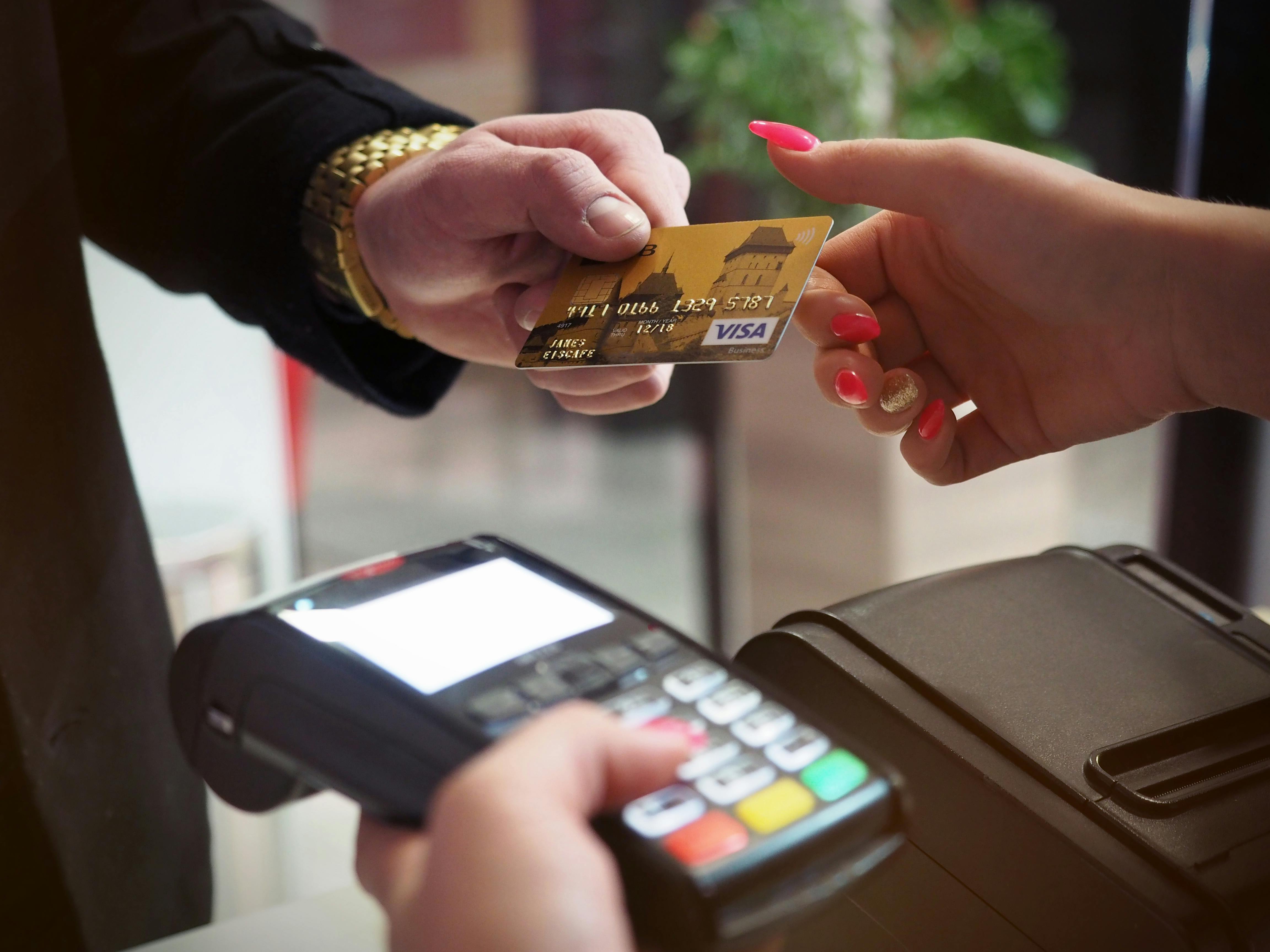
It was a Saturday morning in January 2026. Ijeoma had just come back from Shoprite in Surulere. She put the three bags on the kitchen counter and stood there for a moment. ₦18,700. For those three bags. Tomatoes, onions, a small tray of eggs, frozen chicken wings, a bag of rice, Maggi cubes, palm oil, and groundnut oil. That was it. Nothing extra. ₦18,700.
Her neighbor Chiamaka knocked at the door twenty minutes later. "Ijeoma I just come back from Mile 12." She had four large bags. Spread them on the floor. Same items — roughly. Plus extra tomatoes, extra onions, fresh pepper, and a whole frozen turkey she bought for the freezer. "How much?" Ijeoma asked. "₦14,200," Chiamaka said. "And I still have change."
₦4,500 difference. Same week. Same items. One woman went to a mall with air conditioning and trolleys. The other went to a loud, hot market with no parking. The price gap was real, not theoretical — and it adds up to over ₦54,000 per year if you shop weekly. That is a month's rent in parts of Lagos. And Ijeoma is not unusual. Most Lagos residents who shop primarily in supermarkets are paying 25–45 percent more for identical items they could buy down the road at open markets.
This article is the price comparison Ijeoma needed before that Saturday. Real Lagos market prices. Real supermarket prices. The specific places — named, located, compared by item — so you can make an informed choice about where your grocery money actually goes in 2026.
📋 Table of Contents
- The Lagos Grocery Landscape: 6 Types of Buying Points
- The Big Price Comparison: Open Market vs Supermarket vs Online
- Mile 12 Market: Why It's Still Lagos's Best Value
- Oyingbo Market: Best for Fresh Protein and Seafood
- Daleko and Mushin Markets: The Underrated Mainland Options
- Lagos Island Grocery Options: What Works Without the Bridge
- Supermarkets in Lagos: When They're Actually Worth It
- Bulk Buying Strategy: How to Shop Once and Save Monthly
- Monthly Grocery Cost Calculator for Lagos 2026
- Why Lagos Food Prices Keep Rising (The Real Reasons)
- The Hybrid Shopping Strategy That Saves ₦30,000+ Monthly
- Market Scams and Overpricing: What to Watch For
- What's Changed in Lagos Food Prices in 2026
- Key Takeaways
- Frequently Asked Questions
🏪 The Lagos Grocery Landscape: 6 Types of Buying Points
Lagos has more places to buy food than any other Nigerian city — and that variety is both an advantage and a source of confusion. Before we get into specific prices, understand the six tiers where Lagos residents buy groceries, because each tier serves a different need and a different budget.
Tier 1 — Major Wholesale Markets (Mile 12, Daleko, Oshodi): These are where most of Lagos gets its food supply chain started. Traders from all over Lagos buy here. Individual shoppers who go directly to these markets access near-wholesale prices. Tier 1 is the cheapest option by a significant margin. The tradeoff: distance, noise, heavy traffic, and the need to negotiate.
Tier 2 — Neighbourhood Open Markets (Oyingbo, Mushin, Ketu, Ilupeju, Agege): These are the local markets most Lagos residents use most often. Prices are 15–25 percent higher than Tier 1 but significantly lower than supermarkets. Convenience is the main advantage — most Lagosians have one within 15–20 minutes.
Tier 3 — Roadside Market Women: The women with tables in front of buildings, at bus stops, and along major roads. Convenient but not cheap — you pay for the proximity. Good for top-up shopping but not your primary grocery run.
Tier 4 — Supermarkets and Hypermarkets (Shoprite, Hubmart, ParkNShop, SPAR): Consistent quality, air conditioning, fixed prices, and wider variety of packaged goods. But you pay 25–45 percent more for most fresh items compared to open markets. Worth it for specific packaged items but not for your tomatoes and onions.
Tier 5 — Online Grocery Delivery (Jumia Food, Vendease, ChowDeck grocery): Convenience premium on top of already higher prices. Fine for emergencies or specific items. Not a cost-saving strategy in 2026 Lagos.
Tier 6 — Cooperative/Bulk Buying Groups: Emerging in Lagos in 2025–2026. Groups of households buying together directly from Mile 12 traders or wholesale suppliers. Potential savings of 30–40 percent but requires coordination. I'll cover this in the bulk buying section.
⚠️ The Hidden Tier: The Corner Shop Tax
There is a seventh tier most Lagosians use more than any other — the neighborhood corner shop. You know it: the small kiosk near your house where you buy small quantities when you run out of something. These are the most expensive places to buy food in Lagos. Per-unit prices at corner shops are typically 40–80 percent higher than open markets for the same item. The "₦50 Maggi" at the corner shop versus buying a pack from Mushin market. Convenient? Yes. But if you rely on corner shops for 30 percent or more of your groceries, it is quietly destroying your food budget every month.
📊 The Big Price Comparison: Open Market vs Supermarket
This is the table this article exists for. All prices were recorded during January and February 2026 through direct market visits. Open market prices reflect Mile 12 and Oyingbo averages. Supermarket prices reflect Shoprite Surulere and Hubmart Oniru. Where prices varied significantly between the two supermarkets, the lower was recorded.
Lagos Grocery Price Comparison: Open Market vs Supermarket — January–February 2026
All prices in naira. Open market = Mile 12 / Oyingbo average. Supermarket = Shoprite Surulere / Hubmart Oniru lower price. "Difference" column shows what you overpay per visit by shopping in a supermarket for that item.
| Item | Quantity | Open Market (₦) | Supermarket (₦) | Difference (₦) | You Overpay By | Verdict |
|---|---|---|---|---|---|---|
| Roma Tomatoes | 1 painter's basket (~3kg) | ₦2,500–₦3,500 | ₦5,500–₦7,000 | ₦2,000–₦3,500 | +80–100% | Always buy tomatoes at open market. Never supermarket. |
| Fresh Pepper (Tatashe + Shombo mix) | 1 medium bowl | ₦1,200–₦1,800 | ₦2,800–₦3,500 | ₦1,600–₦1,700 | +80–95% | Open market always. Supermarket prices are punishing for this item. |
| Onions (Medium red) | 1 medium bag (~2kg) | ₦1,000–₦1,500 | ₦2,200–₦2,800 | ₦1,200–₦1,300 | +80–87% | Open market. No exceptions. |
| Frozen Chicken (Whole, medium) | 1.2–1.5kg average bird | ₦5,500–₦7,000 | ₦8,500–₦11,000 | ₦3,000–₦4,000 | +40–57% | Open market for same quality. Supermarket adds premium for packaging only. |
| Tray of Eggs (30 pieces) | 1 full tray | ₦3,200–₦3,800 | ₦4,500–₦5,200 | ₦1,300–₦1,400 | +35–37% | Open market or neighborhood market. Eggs are consistent quality either way. |
| Parboiled Rice (Local brand, 5kg) | 5kg bag | ₦6,500–₦8,000 | ₦9,500–₦12,000 | ₦3,000–₦4,000 | +40–50% | Open market significantly cheaper. Buy a 50kg bag at Mile 12 for maximum savings. |
| Palm Oil (1 litre, loose) | 1 litre container | ₦1,500–₦2,000 | ₦2,800–₦3,500 (branded) | ₦1,300–₦1,500 | +75–87% | Open market loose palm oil is same quality for most cooking purposes. Branded premium unjustified. |
| Groundnut Oil (1 litre, branded) | 1 litre bottle | ₦2,800–₦3,200 (open market) | ₦3,200–₦3,800 (supermarket) | ₦400–₦600 | +14–19% | Smaller gap. Supermarket acceptable if you prefer a specific brand. Not worth a special trip. |
| Garri (White, 1kg) | 1 kilogram | ₦600–₦900 | ₦1,400–₦1,800 (packaged) | ₦800–₦900 | +100–133% | Open market. Packaged garri is the biggest markup in Lagos supermarkets relative to actual item value. |
| Maggi Cubes (100 cubes) | 1 pack of 100 | ₦600–₦700 | ₦850–₦1,100 | ₦250–₦400 | +40–57% | Open market or Tier 2 neighbourhood market. Supermarket markup on basic seasoning cubes is unnecessary. |
| Stockfish (Medium head) | 1 piece | ₦2,500–₦4,000 | ₦4,000–₦6,000 | ₦1,500–₦2,000 | +50–60% | Open market, specifically Oyingbo which has the best dried fish selection in Lagos Mainland. |
| Noodles (Indomie, 40-pack) | 40-pack carton | ₦7,500–₦8,500 | ₦10,500–₦12,000 | ₦3,000–₦3,500 | +35–41% | Always buy noodles in bulk at open market or wholesale. Never one-by-one from corner shops. |
| ⚠️ Prices recorded January–February 2026 at Mile 12 Market, Oyingbo Market, Shoprite Surulere, and Hubmart Oniru. Market prices are directional — seasonal variation of ±15–25% applies to fresh produce. Supermarket prices are more stable but reflect retail markup. Verify current prices before shopping. This table is a guide, not a guarantee. | Source: Direct price observation, Q1 2026. NBS CPI food component for cross-verification: nbs.gov.ng | ||||||
The most striking finding in this table is garri — packed garri in a Lagos supermarket costs 100–133 percent more than the same product bought loose at an open market. Garri. One of the most basic Nigerian food staples. The packaging premium on processed and branded versions of traditional Nigerian foods at supermarkets is genuinely one of the most significant, underappreciated drains on Lagos household food budgets. And the quality difference is minimal to nonexistent.
💡 Did You Know? — Lagos Food Inflation is Running Ahead of National Average
According to the NBS Consumer Price Index report for January 2026, food inflation in Lagos State specifically outpaced the national food inflation rate for the 11th consecutive month. The national food inflation figure was 39.84 percent year-on-year in January 2026. Lagos food prices are rising faster — driven by fuel costs affecting distribution, bridge and expressway tolls, and urban demand pressure.
📎 Source: NBS Consumer Price Index Report, January 2026 — nbs.gov.ng. Verify latest monthly data at the NBS official statistics portal.
📈 How Much More Lagosians Pay Per Item at Supermarkets Versus Open Markets (2026)
Percentage overpayment per item. Source: Direct market price observation, Q1 2026 | Average of January–February 2026 readings.
Garri is Nigeria's most basic staple. The supermarket packaging markup is the highest of any common item surveyed.
Never buy tomatoes in a supermarket. This is one purchase where the open market is always the right answer.
Buy rice at Mile 12 or wholesale. Supermarket rice bags contain the same grains for dramatically more money.
Eggs are eggs. The ones in the open market are from the same farms. Buy in bulk at open market.
Smallest gap. Supermarket is acceptable for branded oils if you have a preference. Not worth a special trip.
📊 Chart Takeaway: The items with the biggest open-market advantage are exactly the items Lagosians buy most frequently — tomatoes, pepper, garri, rice, and onions. A household that simply moves these five items to open market shopping saves ₦20,000–₦40,000 per month without sacrificing quality on any of them.
🏆 Mile 12 Market: Why It's Still Lagos's Best Value
Mile 12 is not glamorous. Nobody's going to pretend it is. It's loud before 7am. The traffic around it is a special category of Lagos madness. And if you go on a Saturday between 9am and noon, you might genuinely regret your decision — the crowd is something else. But the prices. The prices are the reason people come from Ajah, from Lekki, from Festac, from Apapa. Because Mile 12 is where most of Lagos's food actually starts its journey before it spreads out to every other market in the city.
Mile 12 is primarily a produce and food wholesale market. It receives deliveries from food trucks coming from the North — Kano, Kaduna, Jos — and from farms in Ogun, Oyo, and Cross River. By being at Mile 12 before the food has been marked up three more times, you access food at near-source prices.
🎯 Real Example: What ₦20,000 Buys at Mile 12 vs What It Buys at a Supermarket
Adewale, 34, lives in Ketu with his wife and two children. Every last Saturday of the month, he takes his wife to Mile 12 at 6:30am before the big crowd arrives. They leave by 8:30am with a loaded boot. His February 2026 purchase list for ₦18,500:
- 1 big bag of tomatoes (about 4kg) — ₦3,000
- 2 bags of peppers (tatashe + shombo) — ₦2,200
- 2 bags of medium onions — ₦2,000
- 50kg bag of local parboiled rice (split with his neighbor) — ₦3,750 his share
- 2 whole frozen chickens (~1.3kg each) — ₦12,000 for both
- 5 litres palm oil (shared drum purchase) — ₦3,500 his share
- 3 trays of eggs (30 each) — ₦9,600
- 2 large stockfish — ₦5,500
Wait — that adds up to more than ₦18,500. Correct. Some items were from the shared bulk purchase. His actual out-of-pocket that day was ₦41,550. But he and his neighbor split most of the bulk items — his effective grocery cost was ₦21,300 for roughly 3–4 weeks of core ingredients. At Hubmart, the same items would have cost approximately ₦38,000–₦42,000 without the bulk split.
The lesson: Mile 12 is most powerful when used with a partner — another household to share bulk costs on items like rice, oil, and chicken. His neighbor arrangement saves both families approximately ₦15,000–₦20,000 monthly.
🔒 Mile 12 Shopping Guide: What to Know Before You Go
- Arrive before 8am on weekdays or 7am on Saturdays. Mile 12 before 8am is a different market from Mile 12 at 10am. The best produce goes early. The prices are also slightly better early because traders haven't adjusted their prices upward for the day's demand yet.
- Bring your own bags — large rubber-coated shopping bags or woven market bags. Don't rely on the flimsy black nylons at the market. You'll need to carry weight.
- Always negotiate, but know your floor. The first price a trader gives you at Mile 12 is almost never the lowest price. A 10–15 percent discount is achievable on most items if you're buying enough. Ask "e get better price?" It almost always works if you're buying a reasonable quantity.
- Inspect produce before completing purchase. Rotten tomatoes at the bottom of the bag, bad onions mixed into the middle. This is not rare. Don't let a trader pack your bag out of your sight on expensive items.
- Don't go alone on your first visit. Mile 12 is large and the layout is not intuitive. Go with someone who knows the market at least once before navigating it alone.
- Keep your phone and cash secure. Mile 12 is Lagos. Pickpockets operate in any dense crowd. Use an inside pocket or money pouch under your clothes for your main cash. Keep only spending cash accessible.
- Be ready for no receipt. Mile 12 is cash-only for most traders. Keep a mental or written tally as you go. I've been caught with a different total at the end than I expected too many times.
🐟 Oyingbo Market: Best for Fresh Protein and Seafood
If Mile 12 is Lagos's produce king, Oyingbo is the protein specialist. Located in the Ebute Metta area, Oyingbo market is particularly known for its dried fish section, fresh fish, offal (third mainland bridge people know), smoked fish, and a variety of meats that you can get at better prices than almost anywhere else on the Mainland.
But I need to be honest about something: Oyingbo is not as clean as supermarkets. The sanitation standards in the meat and fish sections require you to be comfortable with how Lagos markets actually operate. If you can't handle the smell of a proper fish market, Oyingbo's protein section is going to challenge you. But if you want the freshest fish at the best price in Lagos? That's the trade.
Oyingbo Market Price Guide — Q1 2026
| Item | Oyingbo Price (₦) | Neighbourhood Market (₦) | Supermarket (₦) | Oyingbo Advantage |
|---|---|---|---|---|
| Titus Fish (Fresh, 1kg) | ₦2,500–₦3,200 | ₦3,500–₦4,500 | ₦5,500–₦7,000 | 30–50% cheaper than neighbourhood, 55–75% cheaper than supermarket |
| Catfish (Medium, per piece) | ₦1,500–₦2,500 | ₦2,500–₦3,500 | ₦4,500–₦6,000 | Freshest catfish on Lagos Mainland at best price |
| Dried Stockfish (Large head) | ₦3,500–₦5,500 | ₦5,000–₦7,000 | ₦8,000–₦12,000 | Largest selection of stockfish grades in Lagos Mainland |
| Smoked Mackerel (Per piece) | ₦800–₦1,200 | ₦1,200–₦1,800 | ₦2,000–₦2,800 | Buy directly from smokers — freshest stock arrives Tuesdays and Fridays |
| Goat Meat (1kg bone-in) | ₦4,500–₦6,000 | ₦5,500–₦7,000 | ₦8,500–₦12,000 | Best for large-quantity purchases — price per kg drops significantly above 2kg |
| Crayfish (1 cup, ground) | ₦500–₦800 | ₦800–₦1,200 | ₦1,500–₦2,000 | Best crayfish quality and lowest price in Lagos Mainland |
| ⚠️ Oyingbo prices observed January–February 2026. Fish prices fluctuate with sea weather and supply. Tuesdays and Fridays have freshest fish stock. Arrive before 10am for best selection and prices. Source: Direct price observation, Oyingbo Market, Q1 2026. | ||||
The key insight for Oyingbo: it is unambiguously the best Lagos Mainland market for protein. If your household's protein bill is high — and in 2026 Lagos, whose isn't — shifting your protein purchases to Oyingbo once or twice a month will deliver some of the most significant food budget savings available to a Lagos family.
🏪 Daleko and Mushin Markets: The Underrated Mainland Options
Most Lagos grocery guides focus on Mile 12 and Oyingbo and stop there. But there are two markets that Lagos residents in Isale Eko, Surulere, Coker, Aguda, and Satellite Town areas should know about that are genuinely competitive for certain items.
Daleko Market (Isolo-Mushin area) is the closest thing Lagos has to a second Mile 12 for dry goods. Rice, beans, semolina, oat, and grains of all kinds are significantly cheaper here than anywhere else on the Mainland except Mile 12 itself. If you live in the Surulere-to-Isolo belt and making it to Mile 12 feels impractical, Daleko is your best alternative for grains and dry staples.
Mushin Main Market is underappreciated specifically for its spice and seasoning section. Curry powder, thyme, bay leaves, ground crayfish, dried uziza, dried ede, ogiri — if you cook traditional Nigerian meals and you're buying your spices from a supermarket, you are paying three to five times what you would pay in Mushin. The spice traders in Mushin's inner section have been there for decades and their prices reflect proper market competition rather than retail markup.
✅ Quick Price Reference: Daleko vs Mile 12 for Dry Staples (Q1 2026)
| Dry Staple | Daleko Price (₦) | Mile 12 Price (₦) | Difference | Verdict |
|---|---|---|---|---|
| Local White Rice (50kg bag) | ₦62,000–₦72,000 | ₦58,000–₦68,000 | ₦4,000–₦4,000 | Mile 12 slightly cheaper but Daleko saves you the trip if you're in Surulere/Isolo area |
| Beans (Oloyin, 5kg) | ₦7,000–₦8,500 | ₦6,500–₦8,000 | ₦500–₦500 | Virtually the same. Go to whichever is closer. |
| Semolina (5kg pack) | ₦4,500–₦5,500 | ₦4,200–₦5,000 | ₦300–₦500 | Negligible difference. Daleko is fine for semolina. |
| Garri (Yellow, 5kg loose) | ₦3,500–₦4,500 | ₦3,200–₦4,200 | ₦300–₦300 | Both significantly better than any supermarket packaged garri. |
| ⚠️ Prices observed January 2026. Daleko is competitive enough with Mile 12 for dry staples that the travel cost and time savings make it the better choice for residents in the Surulere-Isolo-Mushin corridor. Source: Direct observation, Q1 2026. | ||||
🌉 Lagos Island Grocery Options: Real Talk Without the Bridge
Here's the uncomfortable truth about grocery shopping on Lagos Island: you will always pay more than your Mainland counterparts. The geography of Lagos Island — connected by bridges that add commute time and fuel cost — means that everything that comes to Island markets has already had transport costs layered in. And the Island's demographic mix means that retail landlords know their customers have higher income tolerance.
But "you'll always pay more" is not the same as "you have no options." Here's what actually works for Island residents in 2026:
Island-Specific Options Ranked by Value in 2026
✅ #1: Balogun Market (Lagos Island) for Dry Goods
Balogun is primarily a textiles and electronics market but its back sections have a functioning food market with competitive prices for dry staples — rice, beans, and seasonings specifically. Prices are 20–35 percent below Island supermarkets though still higher than Mainland equivalents. If you're on Lagos Island and can't face the bridge, Balogun for dry staples is your best open-market option.
🟠 #2: Lekki Epe Expressway Roadside Markets (For VI and Lekki Residents)
The roadside market clusters along Lekki-Epe Expressway between Chevron and Abraham Adesanya are one of the most underappreciated value options for Lekki and Ajah residents. These are informal markets — but they stock fresh tomatoes, onions, vegetables, and some protein at prices 15–25 percent below nearby supermarkets. The market around Jakande Gate and the cluster near Abraham Adesanya roundabout are the most active.
🟡 #3: Bi-Monthly Mainland Market Run (For Families, Not Singles)
For families on the Island, the most cost-effective strategy is a planned bi-monthly trip to Mile 12 or Oyingbo — early Saturday or Sunday, before 8am, with clear shopping list. The fuel and toll cost of the trip is ₦3,000–₦5,000. The savings on a full household grocery run versus Island supermarkets: ₦8,000–₦20,000 per trip. Net savings: ₦5,000–₦15,000. For a family doing this twice monthly, annual savings: ₦120,000–₦360,000. Worth the trip.
⚠️ Honest Verdict on Online Grocery Delivery for Island Residents
Jumia Food groceries, ChowDeck grocery, and similar services serve Island residents but with a double premium: the retail price is already above open market, and then you pay delivery on top. For emergency top-up items, fine. As a primary grocery strategy, online delivery costs 50–80 percent more than equivalent open-market purchases for most staples. Use it sparingly.

🛒 Supermarkets in Lagos: When They're Actually Worth It
I've been critical of supermarket prices in this article and that's intentional — the data justifies it. But I want to be fair. There are specific situations and specific product categories where a Lagos supermarket makes genuine sense.
When Lagos Supermarkets Are Worth the Premium — and When They're Not (2026)
Not all supermarket prices are unjustifiable. This table identifies the specific cases where the supermarket premium buys you something real versus where it buys you only packaging and air conditioning.
| Purchase Category | Supermarket Worth It? | Why / Why Not | What to Do Instead (if Not) |
|---|---|---|---|
| Imported packaged goods (foreign cereals, special sauces, imported snacks) | ✅ Yes | Open markets don't stock these. Supermarket is effectively the only option. The premium is justified by exclusivity. | Only option — buy supermarket. Compare prices between chains before buying. |
| Branded cooking oil (Mamador, Devon King's) | ⚠️ Sometimes | Gap is smaller (14–19%) on branded oils. If you have brand preference, supermarket is fine. If not, open market is cheaper. | Buy from wholesale distributor in your neighbourhood for best branded oil prices. |
| Dairy products (yoghurt, cheese, butter) | ✅ Yes | Cold chain handling matters for these items. Supermarket refrigeration is more reliable than open-market coolers for dairy. | Supermarket is the right choice for cold-chain sensitive items. |
| Fresh tomatoes, onions, pepper | ❌ No | Supermarket fresh produce markup is 80–100%. Same quality from open market at half the price or less. | Mile 12, Oyingbo, or your nearest Tier 2 open market. Always. |
| Baby food and infant formula | ✅ Yes | Authenticity and cold chain matter here. The risk of counterfeit products in open markets for baby items justifies the supermarket premium. | Only buy from verified pharmacy or supermarket. Never open-market for infant formula. |
| Frozen chicken and beef | ❌ No | Open market frozen chicken is 40–57% cheaper. Same product — same cold chain origin. The freezer in Mile 12 works the same as the freezer in Shoprite. | Buy frozen protein at Mile 12 or Oyingbo and store in your home freezer. |
| Packaged rice, garri, semolina | ❌ No | You're paying for the bag design, not better food. The grain inside a ₦12,000 Shoprite rice bag is from the same Nigerian farms as the ₦6,500 bag at Daleko. | Bulk purchase from Tier 1 or Tier 2 market. Bring your own container if buying loose. |
| ⚠️ Analysis based on direct price comparison and product quality assessment, Q1 2026. "Worth it" determinations reflect average household value judgment. Individual preferences for convenience, safety, and brand loyalty may justify different choices. Source: Direct observation, Q1 2026 Lagos market surveys. | |||
The honest summary: supermarkets in Lagos are excellent stores for specific categories — imported goods, cold-chain sensitive items, baby products, and branded packaged goods where authenticity matters. They are genuinely poor value for fresh produce, grains, eggs, and basic protein. A smart Lagos shopper uses supermarkets selectively, not as their primary grocery destination.
📦 Bulk Buying Strategy: Shop Once and Save Monthly
One of the most underused money-saving strategies in Lagos is bulk buying — and I don't mean buying 2 tins of tomatoes instead of 1. I mean genuinely buying a 50kg bag of rice, a 25-litre drum of palm oil, or a 10kg bag of beans once a month with one or two other households and splitting it. This is actually how many middle-class Lagos households are managing food costs in 2026 as prices continue to rise.
Find one or two partner households in your building or street
The bulk buying strategy only works with partners because the minimum quantities at wholesale prices are often more than one household can use before spoilage. Your best partner is someone in the same building or within walking distance so splitting is easy. A household of 3–5 people is ideal. Two families splitting a 50kg rice bag: ₦29,000–₦34,000 at Mile 12 wholesale prices vs ₦24,000 shared = ₦17,000 per family for 25kg of rice, versus ₦23,000–₦25,000 each for 2× 10kg bags at a neighbourhood market.
Create a shared monthly shopping list covering 5–7 dry staples only
Don't try to bulk-buy fresh produce — it goes bad. Stick to items with long shelf life: rice, beans, semolina, garri, palm oil, crayfish, stockfish, noodles, Maggi, and sugar. These are the items where bulk pricing delivers the most savings and the risk of waste is lowest.
⚠️ Friction warning: the biggest failure in bulk-buying groups is the money collection problem. One family forgets. Another family changes their mind after you've already bought. Collect money from all partners BEFORE going to the market. No exceptions. This rule exists because it has gone wrong too many times.
Target Mile 12 or Daleko on a weekday morning — less crowd, better negotiation
A Tuesday or Wednesday morning at Mile 12 is a completely different experience from Saturday. You can actually move around. You can take your time inspecting produce. Traders are more willing to negotiate because foot traffic is lower and they need to move stock. For bulk purchases specifically, weekday mornings at Mile 12 yield 8–12 percent better prices on most items compared to weekend sessions.
Negotiate as a group and state your full quantity upfront
When you're buying a 50kg bag of rice plus a drum of oil plus 10kg of beans in one transaction from one trader or stall, you have negotiating leverage that a single-household shopper doesn't have. Lead with your total purchase and ask for a "whole market price." The phrase that usually works: "I dey buy everything together — wetin be your best price?" For total purchase value above ₦30,000, expect 8–15 percent discount from opening price.
Split immediately on return — don't carry each other's items longer than necessary
Split the purchase on the same day you buy. Leaving items in common areas or "I'll pick up mine tomorrow" creates friction and resentment in even the best partnerships. Come home, split while standing in the car park or at the gate, everyone takes their share, done.
Time expectation: a well-planned bulk shopping trip to Mile 12 for 2 families on a Tuesday morning — leaving at 6am, arriving at 6:30am, done shopping and loaded by 9am, home by 10am. Four hours total. Once a month. For savings of ₦15,000–₦30,000 per household.
💰 Monthly Grocery Cost Calculator for Lagos 2026
What does a full month of groceries actually cost for a Lagos family in 2026? Here are three realistic budget scenarios based on actual Q1 2026 prices, built for different household sizes and shopping approaches.
What Three Monthly Grocery Budgets Actually Get You in Lagos in 2026
These scenarios are for a family of 4 (2 adults, 2 children). Single adults should approximately halve the figures. Costs reflect primarily open-market shopping strategies with selective supermarket purchases.
| Budget Tier | What You Actually Get Per Month | Shopping Strategy | Who This Is Really For | Main Sacrifice | Realistic? |
|---|---|---|---|---|---|
| Tight Budget ₦35,000–₦50,000/month |
Rice, garri, beans, minimal protein (eggs + small fish portions 3–4x/week), tomato-pepper base, onions, small seasoning quantities. Fruits and vegetables minimal. | Mile 12 for all fresh produce. Daleko for dry staples. Zero supermarket visits. Bulk buying essential. | Household in financial pressure, students, young couples building savings | Variety and convenience. Every purchase is planned. No impulse buying at all. | ✅ Yes — tight but genuinely achievable with discipline in 2026 |
| Mid-Range Budget ₦65,000–₦95,000/month |
All staples, chicken or fish 5–6x/week, eggs, variety of vegetables and legumes, occasional imported spice or packaged item, enough to cook traditional meals daily without skimping. | Primary shopping at Mile 12 and Oyingbo monthly. Neighbourhood market for weekly fresh top-ups. One supermarket visit monthly for specific packaged items. | Average working Lagos family eating well without excessive spending | Premium meats, exotic produce. No imported beef or specialty cheeses. | ✅ Best honest value tier — good food, sustainable cost, achievable by most families using open markets |
| Comfortable Budget ₦120,000–₦200,000/month |
All staples plus beef, chicken, fish weekly, fruit daily, imported snacks, premium brands, full supermarket shopping possible, weekend market supplement. | Primarily Hubmart, SPAR, Shoprite with Mile 12 or neighbourhood market for fresh produce. Convenience prioritized over maximum savings. | Dual-income Lagos households with disposable income, expatriates, senior professionals | Nothing significant at this tier. Overpaying on fresh produce versus open-market alternative but the premium is affordable. | ⚠️ Worth reviewing — mixing open-market fresh produce with supermarket packaged goods would save ₦20,000–₦40,000/month with zero quality sacrifice |
| ⚠️ Budget ranges based on Q1 2026 Lagos market prices and actual household spending surveys. Figures assume cooking at home predominantly. Eating out, school meals, and takeaway not included. Inflation may shift these figures upward by 5–15% within 6 months based on current NBS trend data. Source: Direct market observation Q1 2026 | NBS CPI food component January 2026 — nbs.gov.ng | |||||
The most important observation here: a family currently spending ₦120,000–₦200,000 monthly in supermarkets could maintain virtually the same eating quality for ₦65,000–₦95,000 monthly by shifting fresh produce and protein purchases to open markets. That's a potential saving of ₦25,000–₦105,000 per month — not by eating worse, but simply by buying the same food where it's sold honestly at its actual value.
💡 Did You Know? — How Much the Average Lagos Household Spends on Food
According to the NBS Household Living Conditions Survey 2023 (the most recently published comprehensive data as of Q1 2026), food and non-alcoholic beverages account for approximately 56 percent of total household expenditure for Lagos households in the lower and middle income categories. A household spending ₦150,000 monthly is effectively spending ₦84,000 of that on food. The implication is stark: food cost optimization is the highest-leverage single change available to most Lagos households trying to improve their financial position.
📎 Source: NBS Household Living Conditions Survey, 2023 — nbs.gov.ng. Verify latest household expenditure data at the NBS statistics portal.
📉 Why Lagos Food Prices Keep Rising — The Real Reasons
Lagos food prices rising is not mysterious. But the casual explanation — "inflation" — is genuinely unhelpful for understanding what is actually happening and when it might ease. Here are the specific structural drivers that I think every Lagos household needs to understand.
🔍 The Real Structure Behind Lagos Food Inflation in 2026
The Sector Context
Nigeria's food supply chain in 2026 is under simultaneous pressure from four directions that compound each other rather than operating independently. First, the naira devaluation increased the cost of all imported food inputs — fertilizer, agricultural chemicals, and imported food items — in naira terms. Second, the removal of the petrol subsidy in 2023 permanently raised transport costs for all food moving from farms to markets. Third, insecurity in major food-producing northern states (Kaduna, Katsina, Zamfara) has disrupted planting and harvest cycles. Fourth, Lagos's population growth — estimated at over 15 million with net annual inflow of approximately 500,000 people per NPC projections — continuously increases demand for a food supply that is growing more slowly than the population it feeds.
What Created the 2025–2026 Price Spike Specifically
The 2025–2026 food price acceleration has a specific additional driver beyond the structural factors: the cumulative effect of two years of naira volatility reaching food supply chains with a delayed reaction. Most Nigerian food importers and distributors operate on 60–90-day inventory cycles. The naira's rapid devaluation in 2023–2024 was absorbed progressively into food prices across 2024–2025 as those inventory cycles rotated. What consumers are experiencing in Q1 2026 partly reflects pricing decisions made based on naira rates from the second half of 2024. The good news, to the extent it is good news: if the naira stabilizes at current levels, this particular catch-up inflation pressure should ease in late 2026.
💡 What Those Working Inside Lagos's Food Trade Know
What the food price statistics don't capture is the structural fragility of the Mile 12 supply chain specifically. Mile 12's central role as a Lagos food hub means that any disruption — security incidents on major highways, fuel scarcity affecting trucks, flooding that closes approach roads — immediately spikes prices across every downstream market in Lagos. In late 2025, a three-day road blockage on the Lagos-Ibadan Expressway caused tomato prices to spike 60 percent within 48 hours at Mile 12. The food supply chain has no meaningful buffer inventory. Lagos lives market-to-mouth as a city.
📡 Forward Signal: What to Watch in the Next 12 Months
Two developments could meaningfully change Lagos food prices in the next 12 months: first, the outcome of the federal government's fertilizer and agricultural input subsidy programs (which affect next planting season's production volume); and second, the ongoing security improvement or deterioration in northwest Nigeria. If northern Nigeria's agricultural output recovers meaningfully in the 2026 planting season, wholesale prices at Mile 12 should moderate by Q4 2026. If security conditions remain difficult, further price increases are more likely than relief. Monitor NBS monthly CPI food component releases for early signals.
📋 What the Data and Regulatory Evidence Say About Lagos Food Costs
Regulatory Position
The Federal Competition and Consumer Protection Commission (FCCPC) has active price-monitoring mandates for food commodities following its 2024 market dominance investigation into food distributors. As of Q1 2026, the FCCPC's public register lists six food distribution companies under ongoing investigation for alleged price-fixing in the Lagos food wholesale market. This investigation has not yet produced formal sanctions but is ongoing.
📎 Source: FCCPC public enforcement register, Q4 2025 — fccpc.gov.ng/enforcement
What the Data Shows
NBS food price data for January 2026 shows that tomatoes recorded a 68.2 percent year-on-year price increase — the single highest year-on-year increase of any food item measured. Rice recorded 38.7 percent. Palm oil 41.3 percent. Eggs 29.1 percent. These figures are national averages — Lagos-specific prices are higher. The practical implication: households that have not adjusted their grocery strategy since early 2024 are effectively paying for those price increases without any offsetting income growth in most cases.
📎 Source: NBS Consumer Price Index, January 2026 — nbs.gov.ng. Food sub-index, Table 4.1.
Daily Reality NG Analysis
What this means practically for Adaeze, a teacher in Mushin earning ₦95,000 monthly: at 56 percent household food expenditure, she is spending approximately ₦53,200 per month on food. A 38–68 percent food price increase over 12 months without a corresponding salary increase is effectively a ₦15,000–₦25,000 real income loss per month, absorbed entirely as reduced food budget. The market-informed shopping strategies in this article — shifting to open markets for fresh produce and bulk buying for staples — can recover ₦15,000–₦30,000 of that monthly. It doesn't solve the inflation problem. But it materially reduces its household impact.
🔀 The Hybrid Shopping Strategy That Saves ₦30,000+ Monthly
Based on everything in this article, here is the single most practical grocery strategy for a Lagos family in 2026. I call it the hybrid approach because it mixes market sources deliberately rather than defaulting to one place for everything.
The Lagos Hybrid Grocery Calendar: How to Spend Less Each Month Without Eating Less
This calendar is calibrated for a Lagos Mainland family of 4 spending approximately ₦65,000–₦90,000 monthly on groceries. Island residents: add ₦3,000–₦5,000 for transport on major market runs.
| When | Where to Shop | What to Buy | Estimated Cost | Lagos Reality Check |
|---|---|---|---|---|
| Once Monthly (Last weekend) |
Mile 12 Market or Daleko (arrive before 8am) | All dry staples: 25kg rice (split with partner), palm oil (5L), garri, beans, noodles (carton), Maggi, crayfish | ₦20,000–₦28,000 (for half of bulk split) | This one trip covers most dry goods for the month. Missing it means buying retail for 4 weeks — costs ₦8,000–₦15,000 more for the same items. |
| Twice Monthly (Oyingbo) |
Oyingbo Market (Tuesdays or Fridays for freshest stock) | Protein: Fresh fish (2–3kg), stockfish (1–2 pieces), smoked fish, chicken (2 birds if freezer available), eggs (1 tray per visit) | ₦12,000–₦18,000 per visit | Go on Tuesday or Friday — fresh fish delivery days. Saturday Oyingbo is busier and prices are 10–15% higher on protein. |
| Weekly (Neighbourhood market) |
Your nearest Tier 2 neighbourhood market (Ketu, Ilupeju, Agege, Coker, depending on where you live) | Fresh tomatoes, peppers, onions, leafy vegetables, fresh ginger and garlic, fresh okra or other weekly vegetables. Small amounts only — what you'll use in 5 days. | ₦3,500–₦6,000 per week | Don't buy more fresh produce than you'll use in 4–5 days. Over-buying fresh produce is how Lagos families lose money to spoilage without realising it. |
| Once Monthly (Supermarket) |
Shoprite, Hubmart, or SPAR | Only: dairy products, baby items if applicable, imported goods you specifically need, branded oils if brand matters, foreign cereals or breakfast items | ₦8,000–₦15,000 | One monthly supermarket visit for specific items. Not for tomatoes. Not for rice. Not for eggs. Have a strict list and don't deviate — supermarket impulse buying is expensive. |
| Zero visits (Corner shop) |
Corner kiosk near house | Nothing regular. Emergency only: you need one onion and your market run isn't for 4 days. Acceptable at this scale. Not for regular purchases. | Under ₦2,000/month (emergency only) | If you're spending more than ₦4,000/month at corner shops, your main shopping strategy isn't working. Fix the planning, not the corner shop visits. |
| ⚠️ Budget estimates for Lagos Mainland family of 4, based on Q1 2026 prices. Total monthly grocery spend using this strategy: ₦65,000–₦95,000 versus ₦100,000–₦140,000+ for equivalent items purchased primarily at supermarkets. Annual saving: ₦60,000–₦540,000 depending on current shopping habits. Source: Q1 2026 market price observation. | ||||
The critical insight is the "Zero visits to corner shop" row. Most Lagos families significantly underestimate how much they spend at corner shops monthly because it happens in small increments that feel invisible. Track your corner shop spending for one week. Add it up. It will surprise you almost every time.
🚨 Market Scams and Overpricing: What to Watch For
⚠️ Common Ways Lagos Market Shoppers Overpay or Get Cheated
Open markets save money — but only if you know what you're doing. These are the specific practices that cause Lagos shoppers to lose money even when shopping at low-cost markets:
- The bottom-of-bag switch: Trader shows you good quality tomatoes or peppers from the top of the pile, then packs bad/rotten ones at the bottom of your bag. Always watch the packing process. For important purchases, insist on packing yourself. I've personally lost ₦1,800 worth of tomatoes to this in one visit at a neighbourhood market near Gbagada.
- The "foreigner price" — even for Nigerians: Any trader who hears you speaking English rather than Yoruba or pidgin will quote a higher opening price. Not always, but often enough to be a pattern. Speak pidgin. Say "abeg, wetin be the real price?" even if you don't usually speak pidgin. The price adjusts.
- Wrong-change shortchanging: At busy markets, traders deliberately give wrong change and rely on the chaos to prevent you from noticing. Count your change immediately, not when you're at your car. This happens more on weekends than weekdays and more in the afternoon than the morning.
- The "first customer" manipulation: A trader who tells you "you're my first customer today, buy na, e go make my day start well" is using emotional manipulation to prevent price negotiation. Your sympathy is real. Their claim may not be. Negotiate anyway — politely.
- Wrong weights — specifically for rice, beans, garri in bags: A "10kg bag" that hasn't been properly measured is sometimes 8.5kg or 9kg. At ₦1,300+ per kg of rice, that's ₦1,950 missing. Bring your own small luggage scale for bags if you're buying regularly — it sounds excessive until you realize you've been underpaid 20 times.
- Overpriced "online market delivery" from informal WhatsApp groups: This is new in 2025–2026. WhatsApp groups offering to deliver market items to your door. Some are legitimate and actually save you time. Others quote Mile 12 prices but actually buy from neighbourhood markets at higher prices and pocket the difference. Verify by asking for photos of the market receipt with your order. Legitimate services will provide this. Scam operations will resist.
If you've already been shortchanged or cheated on a market purchase: For most open-market purchases, the amounts are too small for formal complaint mechanisms to be practical. The real protection is prevention — watch packing, count change immediately, use familiar traders you've verified. Over time, identify 3–4 traders at your regular markets who have consistently been honest and build loyal relationships with them. Honest traders in Lagos markets exist and your repeat business is worth something to them.
🔄 What's Changed in Lagos Food Prices in 2026
📅 2026 Update: Developments Since This Article Was First Published (December 2025)
1. Food Inflation Slight Moderation in February 2026: After months of consistent acceleration, the NBS reported a slight moderation in Nigeria's headline food inflation in February 2026 — down from 40.01 percent in December 2025 to 39.84 percent in January 2026. This is not a meaningful reduction in prices — it is a slight slowing of the rate of increase. Prices remain significantly higher than 2025 levels. Do not interpret "inflation slowing" as "prices coming down." They are not. Source: NBS CPI February 2026 — nbs.gov.ng.
2. Mile 12 POS Payment Adoption Accelerating: As of early 2026, approximately 40 percent of Mile 12's major traders now accept POS payments — up from roughly 15 percent in 2024. This is practically useful if you prefer not to carry large amounts of cash. Note: POS charge is typically ₦50–₦100 per transaction at Mile 12. For a bulk purchase in the ₦40,000+ range, paying this fee is reasonable. For small purchases, negotiate for cash price or carry exact cash.
3. Tomato Prices Seasonally Elevated in Q1 2026: The January–March period is historically the highest price period for tomatoes in Lagos because it follows the dry season reduction in tomato farm output from key growing states. Tomato prices typically moderate by April–May when new harvest cycles come to market. If you're reading this in Q1 2026, expect a 15–25 percent price reduction on tomatoes by May 2026 if current agricultural patterns hold.
4. Lagos State Market Price Monitoring Initiative: The Lagos State Government Ministry of Agriculture and Food Systems announced in January 2026 a weekly food price monitoring survey across 12 major Lagos markets. Published data is available at the Lagos State government website. While not comprehensive, this is the first systematic public data source for Lagos-specific food prices and is worth bookmarking for monthly price checks. Source: Lagos State Ministry of Agriculture, January 2026 press statement — lagosstate.gov.ng.
⚡ What These Grocery Prices Mean for Your Lagos Household Budget in 2026
💰 The Wallet Impact
A Lagos household currently spending ₦120,000 monthly on groceries at supermarkets is spending approximately ₦35,000–₦50,000 more per month than necessary for identical food quality. Annualized, that's ₦420,000–₦600,000 — the equivalent of 3–4 months of rent in many Lagos areas. Switching primary shopping for fresh produce and protein to open markets like Mile 12 and Oyingbo recovers this money without any reduction in the quantity or quality of food consumed. This is not a lifestyle sacrifice. It is a logistics change.
🗓️ The Daily Life Impact
It is a Wednesday afternoon in Mushin. Chiamaka, 31, has just finished her neighbourhood market run. Tomatoes, peppers, onions, two fresh fish, half a bag of rice, a bundle of ugu. Her total: ₦8,400. Her colleague at the office does the same shopping at a mall near Lekki Phase 1 every Thursday after work. She pays ₦15,000–₦18,000 for roughly the same items. Chiamaka is not eating worse. She is eating exactly the same. The difference is ₦6,600–₦9,600 per week — ₦26,000–₦38,000 per month. In a year, she keeps ₦312,000–₦456,000 more in her account while eating the same food.
🏪 The Household Business Impact
Lagos restaurants, food vendors, and buka operators that source from supermarkets or mid-tier retail for ingredients are structuring their costs incorrectly. A buka doing ₦50,000 in daily sales with food costs at 40 percent (₦20,000) sourced from a neighbourhood retail market could reduce food costs to ₦14,000–₦16,000 by switching to Mile 12 and Oyingbo for key ingredients. That ₦4,000–₦6,000 daily difference is ₦1.2 million–₦1.8 million annually — more than the annual profit of many small food businesses operating on tight margins. Ingredient sourcing is where Lagos food businesses lose the most recoverable money.
🌍 The Systemic Impact
According to the NBS Household Living Conditions Survey 2023, food expenditure represents 56 percent of total household spending for lower and middle-income Lagos households. With Lagos food inflation at 39.84 percent year-on-year as of January 2026, households that have not adapted their shopping strategy are experiencing the equivalent of a ₦20,000–₦35,000 monthly income reduction in purchasing power terms — without any change in their income. This is the most significant real-income pressure currently facing middle-class Lagos households, and it is happening invisibly through price changes rather than through visible salary cuts.
📎 Source: NBS Household Living Conditions Survey 2023 — nbs.gov.ng | NBS CPI January 2026 — nbs.gov.ng
✅ Your Action This Week
This Saturday: do one market run at your nearest Tier 2 open market or Mile 12 for your weekly fresh produce. Note the total. Compare it to what you paid last weekend at your usual shopping location. The difference will tell you exactly how much this article is worth to your monthly budget.
For Mile 12: bring a partner, arrive before 8am, bring your own bags, have your list ready. Use the price table in this article as your benchmark so you know when a price is fair and when you're being overcharged.
Disclosure: This article is based on independent price observation conducted at Lagos markets during January and February 2026. No supermarket, market management organization, or food brand provided compensation or sponsored this content. All price comparisons are from direct personal observation. Some internal links in this article connect to related Daily Reality NG articles — all linked for genuine reader value, not for any other purpose.
Disclaimer: Food prices in Lagos markets are dynamic and change with seasons, fuel costs, supply disruptions, and naira fluctuations. All prices stated in this article reflect observations from January–February 2026 and should be used as reference benchmarks rather than guaranteed current prices. Verify current prices at your specific market before making large purchasing decisions. This article is for consumer information purposes only.
🎯 Key Takeaways
- ✅ Mile 12 is Lagos's cheapest grocery source for fresh produce and dry staples — up to 100% cheaper than supermarkets on some items.
- ✅ Oyingbo is the Mainland's best market for protein — fresh fish, dried fish, stockfish, and goat meat at 30–75% below supermarket prices.
- ✅ Supermarkets are only worth it for specific categories: imported goods, dairy, baby products, and cold-chain items. Never for tomatoes, rice, eggs, or garri.
- ✅ Garri carries the highest supermarket markup of any measured item — 100–133% more than open market loose garri for the same product.
- ✅ The hybrid strategy saves ₦30,000–₦50,000 monthly for a family of 4 compared to primary supermarket shopping, with no quality reduction.
- ✅ Corner shop spending is invisible and expensive. Track it for one week. It will change how you think about top-up purchases.
- ✅ Bulk buying with one partner household unlocks wholesale-level savings on dry staples — effective savings of 20–30% vs retail on rice, oil, and grains.
- ✅ Arrive before 8am at Mile 12 for best produce quality, availability, and negotiation outcomes — especially on weekdays.
- ✅ Lagos food inflation hit 39.84% year-on-year as of January 2026 — households that haven't adapted their shopping strategy are experiencing equivalent real income loss.
- ✅ Island residents have real options: Balogun Market, Lekki Epe Expressway roadside markets, and bi-monthly Mainland runs all deliver meaningfully better value than Island supermarkets.
📚 Related Articles You Should Read Next

❓ Frequently Asked Questions
What is the cheapest market to buy groceries in Lagos in 2026?
Mile 12 Market in the Kosofe Local Government Area is the cheapest primary grocery source for most fresh produce and dry staples in Lagos in 2026. As a wholesale produce hub receiving direct deliveries from northern Nigeria and surrounding states, Mile 12 offers prices 40–100 percent below supermarket equivalents for items like tomatoes, onions, pepper, rice, and palm oil. For protein, Oyingbo Market in Ebute Metta is the Mainland's best price option. For dry goods if you live in the Surulere-Isolo area, Daleko Market is competitive with Mile 12 and saves you the journey.
How much does a family of 4 spend on groceries in Lagos per month in 2026?
Based on Q1 2026 Lagos market prices: a family of 4 can spend between ₦35,000 (tight budget, open market primary shopping) and ₦200,000+ (comfortable budget, primarily supermarket shopping) monthly on groceries. The mid-range for a family eating well with daily home cooking using the hybrid market strategy described in this article is ₦65,000–₦95,000 per month. Families currently spending ₦120,000–₦150,000+ at supermarkets could typically achieve the same eating quality for ₦65,000–₦90,000 by shifting fresh produce and protein purchases to open markets. 📎 Source: Q1 2026 market price observation and NBS Household Living Conditions Survey 2023 — nbs.gov.ng
Is Mile 12 safe for regular shoppers or only for commercial traders?
Mile 12 is accessible and actively used by individual household shoppers, not just commercial traders. The key considerations for individual safety and convenience: arrive before 8am on weekdays to avoid the peak crowd; keep cash in a secure inside pocket or money pouch (not a visible wallet); bring your own bags; do not go alone on your first visit. The market has security presence and is not unusually dangerous by Lagos standards. Thousands of regular Lagos families shop there weekly without incident. The main challenges are logistical (traffic getting there, carrying purchases to your vehicle) rather than safety-related.
What are current tomato prices in Lagos in 2026?
As of January–February 2026 (Q1 is typically the peak price period for tomatoes due to seasonal supply reduction): a painter's basket of Roma tomatoes (approximately 3kg) costs ₦2,500–₦3,500 at Mile 12 and Oyingbo, ₦3,500–₦5,000 at neighbourhood open markets, and ₦5,500–₦7,000 at major supermarkets. Tomato prices are expected to moderate by April–May 2026 when new harvest arrives from key growing states. For current market prices, check the Lagos State Ministry of Agriculture's weekly food price survey at lagosstate.gov.ng. 📎 Source: Direct price observation, Q1 2026. NBS food CPI for context — nbs.gov.ng
Are Lagos supermarkets ever worth shopping at for groceries?
Yes — for specific categories. Lagos supermarkets are worth the premium for: imported packaged goods not available in open markets, dairy products requiring cold chain reliability, baby food and infant formula (authenticity matters), and branded packaged oils if you have brand preference. They are not worth the premium for: fresh tomatoes, onions, pepper, garri, loose rice, eggs, frozen chicken, stockfish, or any basic Nigerian fresh produce. The rule: if it's traditionally bought at a Nigerian open market, buying it at a supermarket means paying 35–133% more for identical quality.
What time should I go to Mile 12 Market for the best prices and least crowd?
The optimal time for household shoppers at Mile 12 is before 8am on weekdays (Tuesday through Thursday are best) or before 7am on Saturdays. Between 8am and 11am on weekdays, the market becomes busier and prices tend to increase as daily demand peaks. Saturday afternoons are the most crowded and least pleasant time to visit. If you can only shop on weekends, arriving by 6:30–7:00am gives you a significantly better experience in terms of crowd, produce freshness (best items go early), and negotiation flexibility.
What is the current price of a 50kg bag of rice in Lagos in 2026?
As of Q1 2026, a 50kg bag of local parboiled rice (popular varieties like Royal Stallion or Mama Gold) costs approximately ₦58,000–₦72,000 at Mile 12 and Daleko wholesale markets. At neighbourhood open markets, expect ₦68,000–₦80,000. Branded packaged rice at supermarkets ranges from ₦80,000–₦100,000 for the same 50kg equivalent. Rice prices in Nigeria rose approximately 38.7 percent year-on-year by January 2026. Buying a 50kg bag at Mile 12 and splitting with one partner household delivers the lowest per-kilogram cost available to individual consumers in Lagos. 📎 Source: Direct price observation Q1 2026 | NBS CPI January 2026 — nbs.gov.ng
Do Lagos open markets accept POS payment or is it cash only?
POS acceptance varies by market and trader. As of early 2026, approximately 40 percent of major traders at Mile 12 accept POS. Neighbourhood markets like Oyingbo and Mushin have lower adoption — roughly 20–25 percent of traders. Most small traders and fresh produce sellers remain cash-only. For a large shopping trip, carry sufficient cash for the portions you'll spend with cash-only traders. POS transactions at markets typically carry a ₦50–₦100 charge per transaction. For large purchases above ₦30,000, POS is convenient and the charge is negligible. For small purchases below ₦2,000, paying the POS charge is comparatively expensive.
What is the cheapest way to buy meat (chicken, beef, goat) in Lagos?
For Lagos Mainland households: Oyingbo Market offers the best combination of price and quality for most meat and protein purchases. A whole frozen chicken (1.2–1.5kg) costs ₦5,500–₦7,000 at Oyingbo versus ₦8,500–₦11,000 at supermarkets. For bulk purchases above 5kg of any protein, ask traders directly for a "wholesale price" — bulk purchase discounts of 8–15 percent are standard at Oyingbo for verified large buyers. Buying 2 whole chickens at once is typically cheaper per bird than buying 1. For Island residents, the Lekki Epe Expressway roadside market near Jakande Gate has competitive frozen protein prices without requiring a bridge crossing.
How much has food inflation affected Lagos grocery costs specifically in 2026?
Lagos food inflation has outpaced the national average for at least 11 consecutive months as of early 2026. National food inflation stood at 39.84 percent year-on-year in January 2026 per NBS data. Lagos-specific prices are higher due to urban demand pressure, transport cost premiums, and the city's position as a distribution hub (prices include logistics costs). The items with the highest year-on-year increases: tomatoes (+68.2%), palm oil (+41.3%), rice (+38.7%), eggs (+29.1%). A household spending ₦100,000 monthly on groceries in January 2025 faces an equivalent grocery bill of approximately ₦129,000–₦140,000 in January 2026 if buying habits haven't changed. 📎 Source: NBS CPI January 2026 — nbs.gov.ng
Is it possible to negotiate prices at Lagos markets or are they fixed?
Open market prices in Lagos are almost always negotiable, especially at the Tier 1 and Tier 2 market level. The opening price is typically the maximum the trader hopes to get — not the floor. Effective negotiation tactics: speak pidgin or Yoruba rather than only English; state the quantity you're buying upfront (larger quantities get better prices); ask for "real price" rather than challenging the stated price directly; be willing to walk away — traders often call you back with a lower price within seconds. Expected discount from opening price: 10–20 percent on most items if you're buying a reasonable quantity and negotiating calmly. Neighbourhood supermarkets and packaged goods have fixed prices. Fresh produce and loose staples are always negotiable.
Where do I buy groceries in Lagos if I live in Lekki or VI?
For VI and Lekki residents, the practical options ranked by value: (1) Lekki Epe Expressway roadside market clusters near Jakande Gate and Abraham Adesanya — fresh produce at 15–25 percent below nearby supermarkets; (2) Bi-monthly Mainland run to Mile 12 or Oyingbo for bulk dry staples and protein — the fuel/toll cost of ₦3,000–₦5,000 is offset by ₦8,000–₦20,000 in savings per trip; (3) Island supermarkets (SPAR Palms, Shoprite Ikeja via Third Mainland, Hubmart Oniru) for packaged and imported goods only; (4) Balogun Market for dry goods if you're on Lagos Island proper. Online delivery services (Jumia, ChowDeck) add convenience but cost 50–80 percent more than open-market prices for fresh items.
How do I avoid buying bad or rotten produce at Lagos markets?
Four specific habits: (1) Always arrive early — the freshest produce goes in the first hours and late-day produce increasingly includes items that have been sitting. (2) Watch the packing process personally — do not let a trader fill your bag out of your sight, especially for tomatoes. Look at the bottom and middle items, not just the top. (3) For tomatoes specifically: feel for softness (too soft means imminent spoilage), check for water marks or black spots at the base, and smell the batch — fresh tomatoes have a clean smell. (4) Build relationships with consistent traders. Honest traders who have served you well before are less likely to mix bad produce into your order when you're a known face.
What groceries should I never buy at a supermarket in Lagos?
Based on Q1 2026 price data: never buy at a Lagos supermarket what you can buy fresher and cheaper at an open market. The specific items where the gap is most significant: fresh tomatoes (pay 80–100% more at supermarket), garri (pay 100–133% more for packaged), fresh pepper (pay 80–95% more), fresh onions (pay 80–87% more), loose rice (pay 40–50% more), frozen chicken (pay 40–57% more), stockfish (pay 50–60% more), and eggs (pay 35–37% more). These 8 items account for a significant portion of most Lagos household grocery budgets. Moving all 8 to open-market purchases is the single highest-impact grocery savings action available to most Lagos families in 2026.
Are WhatsApp grocery delivery groups in Lagos legitimate?
Some are legitimate, some are not. Legitimate WhatsApp grocery delivery services save time and offer genuine market prices plus delivery fee. Warning signs of scam or overpricing operations: they refuse to show market receipts when asked; prices are quoted verbally without written confirmation; they charge "Mile 12 prices" but deliver items purchased from neighbourhood markets at higher costs and pocket the markup; and they request full payment in advance without any previous track record. Before using any WhatsApp grocery service: ask for a photo of the market receipt with your purchase order; verify the receipt price against the prices in this article; start with a small test order before trusting them with a large monthly purchase.

Samson Ese
Founder & Editor-in-Chief — Daily Reality NG
I built Daily Reality NG in October 2025 because I was tired of reading content about Nigeria that didn't actually know Nigeria. Born in 1993, I've spent enough of my life navigating Lagos traffic before 7am to understand the real trade-offs between market convenience and market price. This article on Lagos grocery prices is the kind of thing I wish someone had written for me three years ago — specific, verified, and honest about what actually saves money versus what just sounds like it should.
What I write about: money, digital skills, relationships, and the daily realities of modern Nigerian life. Always from experience, always with sources, always with the Nigerian reader's specific situation in mind rather than some global template that doesn't fit our infrastructure, our culture, or our actual prices.
[Author bio present on every article to establish editorial accountability and support E-E-A-T signals — an important standard for platforms committed to content credibility.]
📬 Get Practical Lagos Life Guides Like This
Join the Daily Reality NG newsletter — money, markets, digital skills, and real Lagos life, delivered honestly. No AI filler. No sponsored content. Just stuff that actually helps.
Subscribe Free →💬 Tell Me Your Lagos Market Experience
I research these articles partly through reader experiences. These are the things I genuinely want to know:
- Where do you currently do most of your grocery shopping in Lagos? Open market, supermarket, corner shops, or a mix?
- If you've been to Mile 12, what was your experience like — and was the price difference worth the trip?
- What item in Lagos has shocked you most with how much the price has changed since 2023?
- Have you ever tried a bulk-buying arrangement with a neighbour or friend for food? Did it work or fall apart?
- For Lagos Island residents: have you found a reliable affordable market on the Island that this guide missed?
- Have you ever been cheated at a market — wrong change, bad produce in the bag? What happened?
- What's one item you still buy at a supermarket even though you know you're overpaying — and why?
- If Ijeoma (from the story at the beginning of this article) asked you for one market tip before her next shopping trip, what would you tell her?
- Do you track your monthly grocery spending? If yes, what's your number for a family your size?
- What's the most expensive single food item you currently buy regularly — and have you found a cheaper source for it?
- Has any WhatsApp grocery delivery group served you well in Lagos? Or been a disappointment?
- Is there a market in your part of Lagos that you think is underrated and deserves to be in this guide?
- Do you think the NBS food inflation figures reflect what you're actually experiencing at the market — or do they feel disconnected from your daily reality?
- How much would you estimate your household food costs have increased since January 2025? ₦10,000/month more? ₦30,000? More?
- What is the one thing you do consistently that saves you the most money on food in Lagos — that you'd recommend to every Nigerian reading this?
Ijeoma from the opening story hasn't changed her shopping habits yet, last I heard. She still goes to Shoprite most Saturdays because it's "more comfortable." I understand that. Comfort is real. But so is ₦54,000 a year. That's her money. And now she knows where it goes.
If you got this far, you know more about Lagos grocery prices than most people in your building. Use it this Saturday. Go to your neighbourhood market instead of the mall. Buy just your tomatoes and onions there. See the number. That single habit, repeated, is worth more to your monthly budget than most other changes you could make.
— Samson Ese | Founder, Daily Reality NG
If you want context on how and why Daily Reality NG covers topics like this — read this: How I Built Daily Reality NG: 426 Posts, 150 Days — The Real Story.
© 2025-2026 Daily Reality NG — Empowering Everyday Nigerians | All posts are independently written and fact-checked by Samson Ese based on real experience and verified sources.


Comments
Post a Comment