Business Software Nigeria: Stop Renewing Subscriptions You Don't Use
Business Software Nigeria: Stop Renewing Subscriptions You Don't Use
Right now, while you're reading this, your virtual dollar card is being charged for software you haven't opened since January. You know it is. You meant to cancel. You didn't. This article is the 10-minute audit that fixes that permanently — with the specific Nigerian subscription patterns, naira-equivalent waste calculations, and free alternatives that eliminate the need for most of what you're paying for.
Welcome to Daily Reality NG. I run this platform on a combination of free and paid tools — and I've made every subscription mistake this article describes. Paid for Canva Pro for 3 months after I'd already migrated to a free AI design workflow. Kept a Zoom subscription running for 2 months after my clients moved to WhatsApp calls. Paid for a keyword tool in naira-equivalent dollars for 6 months before realizing Google Search Console gave me 80% of the same data for free. The number I calculated afterward made me uncomfortable. This article exists because you probably have the same calculation sitting untouched in your own subscriptions list.
🔐 Why this article is grounded in current data, not guesses: The global SaaS waste data cited here is from Zylo's 2026 SaaS Management Index (the most authoritative annual source on software license utilization), Cledara's 2025 Software Spend Report (5,000+ organizations analyzed), and Colorlib's 2026 SaaS Statistics compilation (sourced from Gartner, Statista, and direct vendor data). Nigerian-specific context comes from the Mastercard SME Confidence Index (February 2025, which surveyed 99% of Nigeria's digitally-active SMEs), and direct analysis of the most common software subscriptions active among Nigerian digital businesses as of Q2 2026. Every naira-equivalent calculation in this article uses the CBN official rate of ₦1,580/USD (May 2026) — verify the current rate before acting on any specific figure.
⏱️ Do This Before Reading Another Word
Open your virtual dollar card app right now — Geegpay, Grey, Chipper Cash, or whichever you use — and look at your transaction history for the last 90 days. Count the number of software subscriptions that auto-charged. Write that number down. Now ask yourself honestly: how many of those did you actively use in the last 30 days? The gap between those two numbers is the specific size of your subscription waste problem. For most Nigerian business owners who do this exercise, the gap is between 3 and 7 tools. This article tells you exactly how to close it — by category, by tool, and by the free alternatives that make the paid version unnecessary for most use cases. The most current breakdown of how to identify and stop redundant auto-renewals specifically for Nigerian business operators is in the CBN's guidance on managing recurring international card charges — verify current instructions at CBN Consumer Protection.
2 minutes. Write the number down. It makes every section of this article more specific to your actual situation.
📍 What Kind of Subscription Problem Are You Actually Dealing With?
The subscription waste problem has four versions. Identify yours before reading further.
You already know the tools that need to go. You just haven't canceled them. Jump directly to the 7-step cancellation guide — the psychological friction section explains exactly why you haven't done it yet and how to override it.
The "occasional use" category is the most expensive per-actual-use. The downgrade and pause strategies are specifically for you. These tools exist but should be on annual plans or free tiers — not monthly auto-renew.
The most common Nigerian business owner mistake: Canva AND Adobe, Zoom AND Google Meet, Notion AND Trello, two email marketing tools. The duplication audit in this article identifies which one to keep and which to drop.
Some of the most expensive subscriptions in a typical Nigerian business stack have free-tier equivalents that cover 80–90% of the functionality. The free alternatives table shows exactly which paid tools can be replaced today.
Someone on your team added Asana. Someone else added Monday.com. Someone is paying for Grammarly Premium for three seats nobody activated. The team audit section covers this specifically — and how to stop it recurring.
If you genuinely don't know what's charging your card monthly, the full audit walkthrough is your starting point. Start there — don't skip ahead.
📍 What Your Software Subscription Problem Is Costing — Find Your Tier
Based on common Nigerian business software stacks audited in 2025–2026. Naira equivalents at ₦1,580/USD (CBN rate May 2026). Verify current rate before using these figures for budget decisions.
| Business Type | Typical Monthly Software Spend ($) | Naira Equivalent | Estimated Waste (30–51%) | Annual Waste in Naira |
|---|---|---|---|---|
| Solo freelancer / content creator | $30–$80/month | ₦47,400–₦126,400/month | ₦14,220–₦64,464 wasted | ₦170,640–₦773,568/year |
| Small digital agency (2–5 staff) | $80–$200/month | ₦126,400–₦316,000/month | ₦37,920–₦161,160 wasted | ₦455,040–₦1,933,920/year |
| E-commerce / retail business with tech stack | $150–$400/month | ₦237,000–₦632,000/month | ₦71,100–₦322,320 wasted | ₦853,200–₦3,867,840/year |
| Mid-sized Nigerian SME (10–50 staff) | $400–$1,500/month | ₦632,000–₦2,370,000/month | ₦189,600–₦1,208,700 wasted | ₦2,275,200–₦14,504,400/year |
| ⚠️ Waste range based on Zylo 2026 SaaS Management Index (30% low estimate, 51% high estimate for unused licenses). Naira equivalents calculated at ₦1,580/USD — the CBN official rate as of May 7, 2026. These are illustrative ranges — your actual waste depends on your specific stack. The 10-minute audit in this article will give you your exact number. | ||||
💔 The Notification He Ignored for Seven Months
His name was Michael. 34 years old. Digital marketing consultant in Lagos, serving three mid-sized clients. He earned in a mix of naira and dollars — some clients paid in naira, two international clients paid through Payoneer into a Grey account. He had what he would describe as a "serious" approach to his business tools: he subscribed to tools when he needed them, paid through his Grey virtual dollar card, and moved on.
In February 2026, Michael's accountant — a cousin who ran a basic Excel audit of his business expenses for tax purposes — came back with a number that made Michael put down his coffee.
$267 per month in software subscriptions. Converted at the prevailing rate: approximately ₦421,860 per month. ₦5,062,320 per year. His accountant had listed every tool: Zoom Pro (he used Google Meet with his clients). Hootsuite (he was managing social media directly through native schedulers). Semrush (he used it twice since subscribing in June 2025 — the free Ubersuggest had been sufficient before that). Notion Plus (his team had migrated to Google Docs in August). Mailchimp Essentials (his newsletter had fewer than 500 subscribers — within the permanent free tier). Grammarly Premium for three seats (two of which hadn't logged in since October).
The number he could cancel immediately without changing a single deliverable for any client: ₦3,164,600 per year. He had been paying this for months. The notification emails had been arriving in his inbox — he had a filter that auto-archived anything from billing@. Seven months of ignored notifications was ₦1.85 million in money he would never get back. That is Michael's number. This article helps you find yours before it gets to that size.

📋 What This Article Covers
- Why Nigerian Businesses Keep Paying for Software They Don't Use
- The Global and Nigerian Data — How Big the Waste Problem Actually Is
- The Most Common Nigerian Business Software Stack — What You're Probably Paying For
- The 10-Minute Subscription Audit — How to Find Everything Charging Your Card
- Cancel, Keep, or Replace — The Verdict on Each Major Tool Category
- Free Alternatives That Replace Paid Tools for Most Nigerian Businesses
- 7 Steps to Build a Permanent Subscription Control System
- Key Takeaways + Your 24-Hour Action
- 15 Frequently Asked Questions
🧠 Why Nigerian Businesses Keep Paying for Software They Don't Use
This is not a Nigerian problem. It is a human problem that the subscription business model was explicitly designed to exploit — and Nigerian businesses face a version of it with specific local complications that make it worse.
The cancellation friction is deliberate. SaaS companies invest as much engineering effort into making cancellation difficult as they do into onboarding. Cancel flows are buried 4–6 clicks deep. Some require a phone call during specific hours to a line that may not be available from Nigeria. Others offer "pause" options that reset automatically after 3 months — back to full billing — without sending a reminder. The entire architecture is designed to keep you subscribed through inertia.
The Nigerian-specific complication: When naira card international spending was restricted between 2022 and mid-2025, many Nigerian businesses subscribed to tools using virtual dollar cards from Geegpay, Grey, or Chipper Cash — separate from their primary bank account. Those charges don't show up in a regular bank statement review. They live in an app that you may check less frequently. The virtual card makes international payments easy — it also makes international charges easy to miss.
The "I'll use it soon" cognitive bias. The Semrush subscription Michael kept for 8 months was paid for by the conviction that he would use it "properly" eventually. He never did. This specific bias — paying for potential future use rather than actual current use — is the most expensive subscription pattern. Monthly subscriptions should be evaluated on what you used last month, not what you intend to use next month.
🔍 The Counter-Intuitive Finding About Software Subscription Waste
Here is what the data shows that most articles about SaaS waste ignore: the problem gets worse as businesses get bigger and more successful, not better. According to Cledara's 2025 Software Spend Report, companies with over 200 staff waste a staggering 48% of their software spend. Early-stage companies are tool-heavy from day one — the average seed-stage startup uses 25–40 SaaS tools within its first year. For Nigerian businesses in growth mode, the pattern is consistent: you subscribe to tools when you're figuring things out, some tools become essential, most don't — and the non-essential ones keep charging because nobody took explicit responsibility for reviewing them. The solution is not spending less on tools. It is owning the review process — which takes 10 minutes per quarter and saves months of waste.
📎 Source: Cledara 2025 Software Spend Report | globalpublicist24.com SaaS Spending Trends 2026
📊 How Big the Waste Problem Actually Is — The Numbers
The global data on software subscription waste is consistent across every major research source — and it is significantly larger than most people intuitively believe.
💡 DID YOU KNOW?
The median year-over-year SaaS price increase is 7.8% — driven by inflation, AI feature additions being bundled into existing subscriptions, and vendor consolidation. This means that even if you kept exactly the same tools and never added a single new one, your software spending in naira terms would increase by 7.8% due to price inflation alone — plus additional depreciation if the naira weakens against the dollar in the same period. A Nigerian business paying $150/month for software in 2024 is paying approximately $162/month for the identical tools in 2026, simply due to vendor price increases, before any naira-dollar movement is added. This compounding means the cost of inaction on a subscription audit grows every single year you postpone it.
📎 Source: cloudnuro.ai — 50+ Essential SaaS Statistics 2026 | zylo.com — 175+ Unmissable SaaS Statistics 2026
🗂️ The Most Common Nigerian Business Software Stack — What You're Probably Paying For
Based on the most frequently reported software subscriptions among Nigerian digital businesses, freelancers, and SME owners in 2025–2026 — this is the stack most Nigerians running an online business are paying for, in some combination.
| Tool Category | Common Subscriptions | Monthly Cost ($) | Naira Equivalent/Month | Most Common Waste Pattern | Verdict |
|---|---|---|---|---|---|
| Video conferencing | Zoom Pro ($15.99), Microsoft Teams | $15.99 | ₦25,265/month | Clients moved to WhatsApp calls or Google Meet — Zoom sits unused for months | ⚠️ Review first |
| Design tools | Canva Pro ($15), Adobe Creative Cloud ($54.99), Figma ($15) | $15–$54.99 | ₦23,700–₦86,885/month | Canva free tier covers 90% of typical usage; Adobe kept for "one project" that ended 4 months ago | ❌ High cancel candidate |
| SEO / analytics tools | Semrush ($139.95), Ahrefs ($99), Moz ($99) | $99–$139.95 | ₦156,420–₦221,121/month | Subscribed for one client campaign; Google Search Console + Ubersuggest free does 80% of the same job | ❌ Top cancel candidate |
| AI writing / content | ChatGPT Plus ($20), Jasper ($49), Grammarly Premium ($12–$15) | $12–$49 | ₦18,960–₦77,420/month | ChatGPT free tier covers most moderate use; Grammarly seats unused; Jasper replaced by ChatGPT but kept running | ⚠️ Consolidate to one |
| Project management | Notion Plus ($8), Asana ($10.99), Monday.com ($9–$24), Trello ($5) | $5–$24 | ₦7,900–₦37,920/month | Multiple tools subscribed by different team members; free tiers of all of these handle 1–5 person teams completely | ❌ Pick one free tier |
| Email marketing | Mailchimp Essentials ($13), Brevo ($25), ConvertKit ($25), Kit.com ($25) | $13–$25 | ₦20,540–₦39,500/month | Under 1,000 subscribers — free tiers cover this completely; paid plan triggered by one feature that's never used | ❌ Cancel if under 1,000 subscribers |
| Social media scheduling | Hootsuite ($99), Buffer ($15), Publer ($12) | $12–$99 | ₦18,960–₦156,420/month | Native platform schedulers (Meta Business Suite, Twitter/X) now match 90% of functionality; paid tools for functionality that was never used | ❌ High cancel candidate |
| E-commerce platform | Shopify Basic ($39), Wix Business ($17–$35) | $17–$39 | ₦26,860–₦61,620/month | Store built but sales migrated to Instagram/WhatsApp DMs; Shopify still running for a store doing 0 transactions | ❌ Pause or cancel if inactive |
| Storage / cloud | Dropbox Plus ($11.99), Google One ($3–$10), iCloud ($1–$10) | $1–$11.99 | ₦1,580–₦18,950/month | Overlapping storage subscriptions (Dropbox + Google One + iCloud all running simultaneously) | ⚠️ Consolidate to one |
| VPN / security | NordVPN ($3–$12), ExpressVPN ($8–$13) | $3–$13 | ₦4,740–₦20,540/month | Subscribed for a specific travel or work reason; now running on auto-renew but the original need is gone | ⚠️ Review necessity |
| ⚠️ Prices reflect 2026 platform-published subscription rates. Naira equivalents at ₦1,580/USD (CBN rate May 7, 2026). Verify current rates directly with each platform. "Cancel candidate" reflects typical Nigerian business usage patterns — your specific situation may differ. The 10-minute audit will show your actual usage before you make any cancellation decision. | |||||
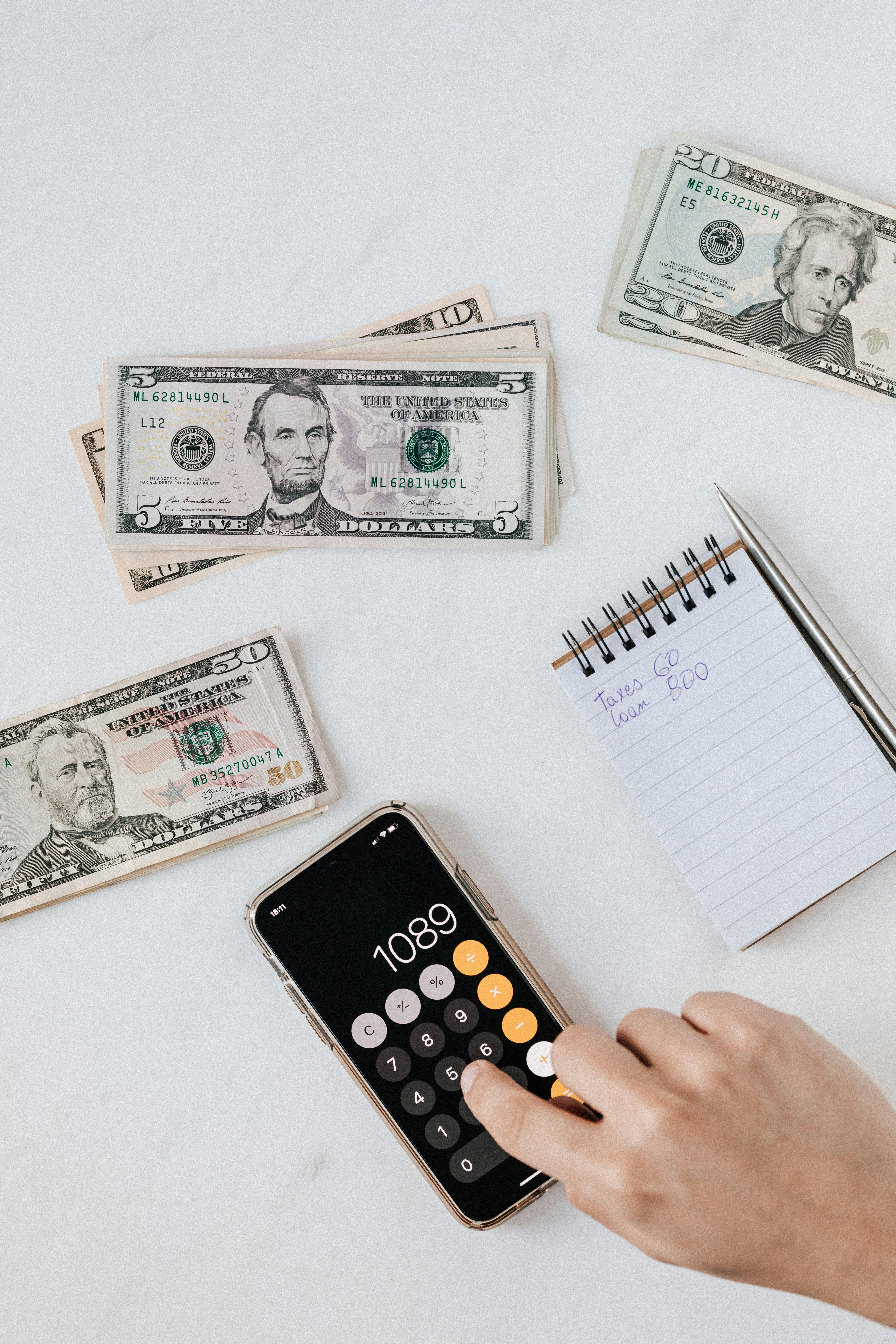
⏱️ The 10-Minute Subscription Audit — How to Find Everything Charging Your Card
This is the core section. Do this now, before reading the rest. It takes 10 minutes and produces the specific list this article helps you act on.
Pull Your Virtual Dollar Card Transaction History (3 minutes)
Open your primary virtual dollar card app — Geegpay, Grey, Chipper Cash, or whichever you used most for software purchases. Go to transaction history. Set the filter to 90 days. Screenshot or export every transaction that shows a recurring payment to a software company. Common merchant names to look for: Canva, Zoom, Adobe, Google, Meta, Shopify, Hootsuite, Buffer, Semrush, Ahrefs, Notion, Mailchimp, Grammarly, Jasper, ChatGPT, Loom, Figma, Monday, Asana, Slack, Dropbox, NordVPN, ExpressVPN, Cloudflare. ⏱ 3 minutes. What goes wrong: some subscriptions show up under their parent company (Adobe shows as "Adobe Inc", Zoom shows as "Zoom Video Communications"). Don't filter by tool name — scroll through every charge and identify it individually.
Check Your Email for Subscription Receipts (2 minutes)
Go to your email inbox. Search for each of these terms separately: "receipt", "invoice", "subscription renewal", "payment successful", "your plan has been renewed." Each result is a subscription you may have missed in the virtual card history. Also search "free trial" — trials that you forgot to cancel that converted to paid are a specific and common category. Create a list in a note or spreadsheet. ⏱ 2 minutes. What goes wrong: subscription confirmation emails often go to an old email address from the period when you signed up. Check the email address your virtual card is registered to, not just your primary email.
For Each Subscription: Answer the 3-Question Test (4 minutes)
For every tool you identified in steps 1 and 2, answer three questions. Q1: Did I log into or use this tool in the last 30 days? If no — it is an immediate cancel candidate regardless of everything else. Q2: Does this tool do something I genuinely cannot do with a free alternative? If no — it is a cancel or downgrade candidate. Q3: Is there another tool in my stack that already does this? If yes — it is a duplication candidate; cancel the more expensive one. Tools that get YES to all three stay. Everything else goes on the action list. ⏱ 1 minute per tool. What goes wrong: people answer Q1 with "I used it last week briefly" when the real pattern is monthly use of 15 minutes. "Last logged in" dates in the platform's settings are more honest than your memory — check them.
Calculate Your Monthly and Annual Waste Number (1 minute)
Add up the monthly cost of every tool on your cancel/downgrade list. Multiply by 12 for the annual figure. Convert to naira at the current CBN rate. Write that naira number somewhere visible. This is Michael's calculation — the number that makes you put down your coffee. That number is the motivation engine for everything that happens next. Without seeing it in naira, the individual dollar amounts feel small enough to procrastinate on. ⏱ 1 minute. What goes wrong: people calculate in dollars and the number feels abstract. Calculate in naira. ₦25,000/month for Zoom you never open is more visceral than $15.99.
🎯 Cancel, Keep, or Replace — The Verdict by Category
These verdicts are based on the most common Nigerian business usage patterns across digital agencies, freelancers, e-commerce operators, and content creators. Apply the 3-question test from the audit before overriding any verdict — your specific situation matters more than the general pattern.
❌ CANCEL — Top Priority
Semrush / Ahrefs / Moz — SEO Tools ($99–$139.95/month)
These are the most expensive and most commonly unused subscriptions in Nigerian digital business stacks. They are subscribed to for a specific client campaign or a moment of SEO ambition — and then left running. Google Search Console (free), Google Analytics 4 (free), and Ubersuggest free tier (3 searches/day) handle the keyword research and site performance analysis that most Nigerian content creators and small agencies actually need. Cancel Semrush/Ahrefs if you have logged in fewer than 4 times in the last 30 days. If you need deep competitive analysis occasionally, most of these tools offer a 7-day free trial — run the analysis, export the data, cancel before billing. At ₦156,420–₦221,121/month in naira equivalent, this is the single most impactful cancellation for most Nigerian digital businesses.
❌ CANCEL — High Priority
Hootsuite / Buffer Pro / Publer Paid — Social Media Scheduling ($12–$99/month)
Meta Business Suite (free), Twitter/X's native scheduler (free), TikTok's built-in scheduling (free), and LinkedIn's native post scheduling (free) collectively cover 90% of what paid social media scheduling tools do. The specific features that justify the paid tier — advanced analytics, team collaboration beyond 3 members, Instagram direct scheduling at scale — apply to a minority of Nigerian social media operations. Cancel paid scheduling tools and test the native alternatives for one month. If you genuinely lose functionality that affects client deliverables, re-subscribe. Most people don't. At ₦18,960–₦156,420/month, this is the second most impactful cancellation category.
⚠️ REVIEW — Downgrade First, Cancel If Unused
Canva Pro ($15/month) — Design Tool
Canva Pro is the most nuanced subscription decision for Nigerian creators. Canva Free is genuinely capable for most design needs — the free tier now includes AI Magic Studio features, Magic Edit, and access to most templates. The specific Canva Pro features that are irreplaceable are: Background Remover (free tier has limited uses), brand kit storage for multiple clients, and access to Canva's premium element library. If you are a solo creator or a business without multiple brand identities, Canva Free may be entirely sufficient. Review: log into Canva Pro and check which Pro-specific features you actually used in the last 30 days (Canva shows this in account settings). If the answer is "primarily premium elements and templates" — the free tier alternatives (Unsplash for photos, Pexels for videos, Font Squirrel for fonts) may cover your needs at ₦0.
⚠️ REVIEW — Consolidate, Don't Duplicate
AI Writing Tools — ChatGPT Plus + Jasper + Grammarly ($32–$84/month combined)
The most common AI tool waste pattern: subscribing to multiple tools when one would have been sufficient. ChatGPT Plus ($20/month) or Claude Pro ($20/month) renders Jasper, Copy.ai, and most other AI writing tools redundant for the vast majority of Nigerian content creators and business writers. Grammarly Premium ($12–$15/month per seat) is worth keeping if you produce client-facing written content at volume and need the advanced tone and rewrite suggestions — but Grammarly Free catches most grammar errors sufficiently for internal use. Verdict: pick one primary AI writing tool (ChatGPT Plus or Claude Pro), use the free tier of Grammarly for basic editing, and cancel everything else in this category. Monthly saving: ₦18,960–₦101,120.
❌ CANCEL — If Subscriber Count Is Under 1,000
Mailchimp Essentials / ConvertKit / Brevo Paid ($13–$25/month)
Every major email marketing platform offers a genuinely functional free tier for lists under 500–1,000 subscribers: Mailchimp Free (500 subscribers, 1,000 emails/month), Brevo Free (300 emails/day, unlimited contacts), Kit.com Free (formerly ConvertKit — 10,000 subscribers free on the new model). If your newsletter or email list is under 1,000 subscribers, you have no business reason to be on a paid email marketing tier. Cancel the paid plan, migrate to the free tier, and save ₦20,540–₦39,500 per month until your list genuinely outgrows the free tier limits.
✅ KEEP — If You're Using It Actively
Google Workspace Business Starter ($6/user/month)
Google Workspace is the most cost-effective and most genuinely used subscription in a typical Nigerian business stack. Gmail, Drive, Docs, Sheets, Meet, and Calendar — all integrated and accessible from any device including a mobile phone on Glo or Airtel data. At $6/user/month (₦9,480/month), it is also among the cheapest per-value subscriptions available. The specific reason to keep it: custom domain email (yourname@yourbusiness.com) is worth the cost for professional credibility alone. Keep this. The only reason to cancel is if you are solo and the custom domain email is not relevant to your business identity — in which case Gmail Free is equivalent for personal use.
🔄 REPLACE — Paid With Free Alternative
Zoom Pro ($15.99/month) — Video Conferencing
Google Meet (free with a Google account, up to 60 minutes unlimited meetings), Microsoft Teams Free, and WhatsApp Video Calls (for Nigeria-specific client calls that happen over mobile) collectively cover what most Nigerian business owners use Zoom Pro for. Zoom's specific advantage — unlimited meeting length, cloud recording — is genuinely needed by a minority. If your clients are primarily Nigerian, WhatsApp calls are more reliable on Nigerian network conditions than Zoom anyway. Cancel Zoom Pro, use Google Meet or Teams Free, and save ₦25,265/month. If you run webinars at scale or serve international enterprise clients who specifically require Zoom, keep it — but the client-facing reason must be real, not habitual.
🆓 Free Alternatives That Replace Paid Tools for Most Nigerian Businesses
| Paid Tool You're Canceling | Free Alternative | Monthly Saving ($) | Naira Saving/Month | Limitation vs. Paid Version |
|---|---|---|---|---|
| Semrush ($139.95) | Google Search Console (free) + Ubersuggest Free (3 searches/day) | $139.95 | ₦221,121 | No competitor backlink analysis; limited keyword volume data |
| Hootsuite ($99) | Meta Business Suite + X/Twitter native scheduler + LinkedIn native | $99 | ₦156,420 | No unified inbox; manage each platform natively |
| Zoom Pro ($15.99) | Google Meet Free (60-min meetings unlimited) + WhatsApp calls | $15.99 | ₦25,265 | 60-minute limit on Google Meet free; no cloud recording |
| Notion Plus ($8) | Notion Free (unlimited blocks for individuals) + Google Docs/Sheets | $8 | ₦12,640 | Notion Free now has unlimited blocks for individual use — the free tier covers most solo/small team needs |
| Mailchimp Essentials ($13) | Mailchimp Free (500 contacts) OR Brevo Free (300 emails/day) | $13 | ₦20,540 | Lower sending limits; Mailchimp Free includes Mailchimp branding |
| Adobe Creative Cloud ($54.99) | Canva Free (design) + GIMP (photo editing) + DaVinci Resolve (video) | $54.99 | ₦86,885 | Learning curve on free alternatives; some Adobe-specific formats not supported |
| Jasper AI ($49) | ChatGPT Free (GPT-5.3 Mini unlimited) + Claude Free | $49 | ₦77,420 | Message limits on free AI tiers; Jasper's brand voice training not replicated |
| Dropbox Plus ($11.99) | Google Drive (15GB free) + OneDrive (5GB free) | $11.99 | ₦18,950 | Lower storage limits unless you combine multiple platforms |
| Asana Premium ($10.99/user) | Trello Free (unlimited cards, 10 boards) OR Asana Free (15 users) | $10.99+ | ₦17,364+ | No timeline view; limited workflow automation on free tiers |
| Buffer Publish ($15) | Buffer Free (3 channels, 10 posts/channel) + Meta Business Suite | $15 | ₦23,700 | Fewer scheduled posts in queue; limited analytics on free tier |
| 💡 Total potential monthly saving across all categories above for a business using all paid versions: up to $418.92/month (₦661,894) recoverable through free alternatives. Your actual saving depends on which tools you use. Verify current free tier limits directly with each platform — they update frequently. Sources: platform documentation, Cledara 2025, independent tool comparisons (May 2026). | ||||
💡 DID YOU KNOW?
Since July 2025, major Nigerian banks including GTBank, UBA, Wema Bank, First Bank, and Stanbic IBTC resumed international transactions on naira debit cards — which means software subscriptions that previously required a virtual dollar card can now sometimes be paid directly from a naira card. GTBank's quarterly limit is $1,000 across all international transactions. This has a specific implication for subscription management: if you're paying subscriptions across both your naira card and your virtual dollar card, you may now have subscriptions scattered across two payment sources that you've never audited together. Your complete subscription audit requires checking both sources — not just one. The full picture is: virtual dollar card transactions + naira card international transactions + any subscriptions paid through a team member's separate card.
📎 Source: alexa.ng — Naira Cards: How Nigeria's New Policy Is Unlocking Trade (July 2025) | Mastercard SME Confidence Index, February 2025
📋 What the Research Says About Why Software Audits Work — and Why Businesses Don't Do Them
The Research Position
Zylo's 2026 SaaS Management Index is explicit: license utilization improved from 47% in 2024 to 54% in 2025 — a 13% improvement — but this drove only a 5.3% reduction in license waste (from $20.9M to $19.8M per enterprise). The improvement came from organizations that implemented structured SaaS management practices: dedicated review cycles, centralized procurement tracking, and visibility tooling. Organizations without structured review maintain 51%+ waste rates indefinitely. The research conclusion: the technology to identify and eliminate software waste is not the barrier. The barrier is organizational discipline — specifically, scheduling and executing a review that most business owners deprioritize because it feels less urgent than revenue-generating work. It isn't. For a business wasting ₦1.5 million per year on unused subscriptions, the 10 minutes invested in an audit has an ROI that most revenue-generating activities cannot match.
📎 Source: Zylo 2026 SaaS Management Index | CIO Dive — Average software waste hit $18M (February 2024)
What the Data Shows Specifically for Small Business
Cledara's 2025 Software Spend Report (5,000+ organizations) found that companies with over 200 staff waste 48% of software spend. But the pattern begins earlier: early-stage startups use 25–40 SaaS tools within their first year, most chosen for speed rather than strategy. The median company has 25 SaaS subscriptions — and only checks software costs at a detailed level 43% of the time. For Nigerian SMEs specifically, the Mastercard SME Confidence Index (February 2025) confirmed that 99% of Nigerian SMEs now accept digital payments — meaning the infrastructure for subscription proliferation is universal. Cybersecurity and digital tool adoption were cited as top priorities. The implication: Nigerian SMEs are adopting tools at high rates without implementing the review processes to manage the cost of that adoption.
📎 Source: Cledara 2025 Software Spend Report | Mastercard SME Confidence Index, February 20, 2025
Daily Reality NG Analysis
What this means practically for Ngozi, 29, running a content marketing agency with 4 staff in Port Harcourt, paying approximately $220/month across Grey and her GTBank naira card for a mixed stack of design, scheduling, project management, AI, and analytics tools: the research says she's likely wasting $66–$112 per month (₦104,280–₦176,960) on tools her team isn't using or that have free equivalents. That's ₦1,251,360–₦2,123,520 per year — money she's already paid. The 10-minute audit identifies the specific tools. The free alternatives table gives her the replacements. The 7-step system below ensures this doesn't recur every 6 months. The single thing that stands between Ngozi and recovering that money is scheduling the 10 minutes to do the audit — tonight, not when things slow down.
🛠️ 7 Steps to Build a Permanent Subscription Control System
The audit finds the waste. This system prevents it from rebuilding over the next 6 months.
Create Your Master Subscription Inventory — One Spreadsheet, All Tools
Create a Google Sheet with these columns: Tool Name | Monthly Cost ($) | Naira Equivalent | Payment Source (which card) | Renewal Date | Last Used | Who Uses It | Cancel/Keep/Review. Fill in every subscription you identified in the audit. This document becomes the single source of truth for your software stack. ⏱ 20 minutes to create initially. 5 minutes monthly to update. What goes wrong: people create this document in a personal note or a phone memo that isn't accessible to the person who manages payments (often a bookkeeper or partner). Use Google Sheets so it's shared and always accessible. Name it something unforgettable: "SUBSCRIPTIONS — CANCEL BEFORE RENEWAL" works.
Set Calendar Reminders 14 Days Before Every Renewal Date
For every annual subscription: set a Google Calendar reminder 14 days before the renewal date with the specific tool name and renewal amount. For monthly subscriptions: set a recurring monthly reminder on the first of every month titled "SOFTWARE SUBSCRIPTION REVIEW — Check inventory." The 14-day window for annual subscriptions is critical — most SaaS providers require 30 days notice for cancellation to avoid the next billing cycle, and 14 days gives you time to evaluate, decide, and act. ⏱ 15 minutes to set all reminders initially. What goes wrong: people set the reminder but dismiss it when it fires because they're busy. The reminder works only if you treat it as a non-negotiable calendar event, not a suggestion.
Apply the 30-Day Rule to Every New Subscription
New rule for every subscription going forward: 30 days after subscribing to anything, you evaluate whether it earned its cost. Not "will it earn its cost eventually" — did it earn its cost in the first 30 days? If yes, keep it. If no, cancel immediately. Set the 30-day evaluation reminder the moment you subscribe — before you close the browser tab. This rule alone prevents 80% of future subscription waste, because most unused subscriptions become unused in the first 30 days when the initial enthusiasm fades. ⏱ 2 minutes per new subscription. What goes wrong: people apply this rule enthusiastically for 2 months and then stop when other things take priority. Make it a physical habit: after every new subscription purchase, the next action before anything else is setting the 30-day reminder.
Assign Every Subscription to a Named Owner
In your master spreadsheet, the "Who Uses It" column should have a specific person's name — not "team" or "marketing." A subscription without a named owner gets canceled at the next review, no exceptions. This creates accountability: if someone wants to add a tool, they become the named owner and know they'll be asked about usage at the next monthly review. ⏱ 5 minutes initially. What goes wrong: in teams of 2–5 people where everyone overlaps roles, the "named owner" becomes whoever says yes most easily. The owner should be the person whose work requires the tool most directly — and who will be asked "did you use it this month?"
Use Separate Virtual Cards for Business Subscriptions vs. Personal Spending
If you're using the same Geegpay or Grey virtual card for business software AND personal spending (streaming, shopping), the audit gets harder because you have to separate categories manually every time. Create a dedicated virtual card specifically for business software subscriptions — fund it with exactly what you've budgeted for software that month, nothing more. This creates a natural spending ceiling and makes your monthly transaction list entirely software-specific, making future audits take 5 minutes instead of 20. ⏱ 10 minutes to set up a dedicated card. What goes wrong: funding the dedicated card becomes an inconvenience and you slide back to using the general card for everything. Automate the funding: set a recurring transfer to the software card on the 1st of every month.
Negotiate Annual Plans for Tools You've Used 6+ Months Consistently
Most SaaS tools offer annual plans at 20–40% discount compared to monthly billing. If you've been paying monthly for Canva Pro for 8 months and genuinely need it, switching to annual saves approximately 2–3 months of cost per year. Calculate: Canva Pro monthly = $15 × 12 = $180/year. Canva Pro annual = approximately $109.99/year. Saving: $70.01/year (₦110,616). Do this calculation for every tool you've used consistently for 6+ months. The saving is immediate and recurring. ⏱ 15 minutes to calculate and switch for all eligible tools. What goes wrong: people switch to annual plans before confirming they'll actually use the tool for 12 months. Only switch to annual on tools with 6+ months of consistent active use. Otherwise, monthly is safer despite the higher per-month cost.
Conduct a Quarterly Audit — 10 Minutes Every 3 Months, No Exceptions
Schedule a recurring quarterly calendar event: "SOFTWARE AUDIT — 10 minutes" — last week of March, June, September, and December. At each session: pull your virtual card transaction history for the quarter, compare against your master spreadsheet, run the 3-question test on any tool that wasn't there at the last audit, and update the spreadsheet. The quarterly audit catches: new subscriptions added by team members, free trials that converted silently, price increases embedded in renewal emails, and tools that were used heavily last quarter but have since been replaced. ⏱ 10 minutes per quarter. What goes wrong: the quarterly audit gets moved to "next week" four times and ends up happening once per year. Put it in the calendar as an immovable event. Ten minutes, four times a year, prevents the Michael situation from ever recurring.
⚠️ The Cancellation Friction You'll Face — And How to Get Through It
SaaS companies invest heavily in making cancellation difficult. Here is exactly what you'll encounter and how to navigate each friction point:
- "Are you sure you want to cancel? Here's what you'll lose." — This screen is designed to invoke loss aversion. Ignore the emotional framing. Ask yourself: "Have I used any of these features in the last 30 days?" If no, click confirm cancellation anyway.
- The retention offer — "Stay for 50% off your next 3 months." — Calculate what you'll pay over 3 months at 50% off. Then calculate what you'll pay at full price for the 3 months after the offer expires. If you haven't used the tool in 30 days, the discounted price is still ₦0 worth of value. Take the offer only if you genuinely plan to use the tool actively during those 3 months.
- The pause option — "Pause your subscription instead of canceling." — Pauses typically auto-resume after 1–3 months without a notification. If you pause instead of canceling, set a calendar reminder before the pause expires — otherwise the subscription resumes silently and you're back where you started.
- The "cancel via chat only" requirement. — Some platforms (Hootsuite is notorious for this) require you to cancel through a live chat or email — not through self-service settings. Budget 15–20 minutes for these. Prepare this script: "I want to cancel my subscription effective immediately. Please confirm the cancellation date and send confirmation to my email." Do not engage with retention conversations.
- No confirmation email received. — Always request written confirmation of cancellation. Check your spam folder. If no confirmation within 24 hours, follow up. Check your next billing date to verify the cancellation processed correctly. Without confirmation, the subscription may still be active.
⚡ What Recovering Your Subscription Waste Actually Does — In Naira and Business Impact
💰 The Direct Financial Impact
Michael recovered ₦3,164,600 per year by canceling tools he wasn't using. For a Nigerian digital agency billing ₦4,000,000–₦8,000,000 per year, recovering ₦3 million in software waste is the equivalent of signing an additional mid-tier client — without doing any additional client work. Applied to a more typical Nigerian freelancer paying $80/month in software with 35% waste: ₦444,480 recovered per year. At the current naira savings rate available on PiggyVest SafeLock (20% p.a.), ₦444,480 invested annually compounds to approximately ₦537,000 in 12 months. The math of subscription waste is not just about the money spent. It is about the compound value of the money not spent — redirected to savings, investment, or operational growth.
🗓️ The Daily Operations Impact
It is a Thursday morning in Abuja. Ngozi opens her laptop to start client work. She has no Semrush tab to open — she replaced it with Google Search Console three months ago and her keyword research process takes 10 minutes longer per article, but she is producing the same content quality. She has no Hootsuite dashboard — she schedules directly through Meta Business Suite in 5 minutes per post. She has no Zoom Pro account — her clients (all Lagos and Abuja based) prefer WhatsApp calls anyway. The tools she eliminated haven't been missed by a single client since she canceled them. What changed: ₦264,000 per month redirected from software charges to a dedicated savings pot that funded her company registration and first office deposit 5 months later. The daily operations impact of subscription audit is not about removing useful tools. It is about removing tools whose absence is never noticed — because they were never genuinely needed.
🏪 The Business Clarity Impact
One unexpected benefit of the subscription audit that no one talks about: it forces clarity on what tools are actually essential to your business — and therefore what your business actually depends on versus what you're just comfortable having. Nigerian businesses that complete a proper subscription audit consistently report two things: they cancel more tools than expected, and the tools they keep, they start using better because they've now actively committed to them. The subscription audit is partly a business operations audit in disguise — it makes you identify which processes matter enough to pay for, and which were aspirational add-ons to a business that operates perfectly well without them.
🌍 The Nigerian Economy Impact — At Scale
99% of Nigerian SMEs now use digital payments and tools (Mastercard SME Confidence Index, 2025). If even 20% of Nigerian digital businesses are paying for at least one unused subscription at the conservative estimate of $15/month waste — 20% of Nigeria's estimated 40 million SMEs is 8 million businesses, at $15/month waste each: $120 million per month in unnecessary software spend leaving Nigeria's economy as dollar-denominated charges that could otherwise stay within it. At the national scale, software subscription waste is a foreign exchange drain that receives no policy attention but represents real, quantifiable value leaving Nigerian business accounts every single month. Individual audit decisions aggregate into a macroeconomic impact — which is not a reason to feel guilty about past waste, but it is an additional reason to act on it now.
📎 Source: Mastercard SME Confidence Index, February 20, 2025 | Zylo 2026 SaaS Management Index | Cledara 2025 Software Spend Report
✅ Your 24-Hour Action
Tonight: open your virtual dollar card app, pull 90-day transaction history, count the software subscriptions. Apply the 3-question test to each one. Write the monthly total of what should be canceled. That number is your motivation to complete the rest of the process this week.
Do not cancel anything tonight without completing the 3-question test first — some tools that look unused are actually essential in ways that aren't immediately obvious. The audit comes first. The cancellations happen after you've completed the full assessment. 10 minutes. Your specific number.
✅ Key Takeaways — The Honest Summary
- 51% of all software licenses purchased go completely unused — the highest waste rate ever recorded (Zylo 2026 SaaS Management Index). More than half of every software seat you pay for is likely never touched.
- Nigerian businesses waste 30–51% of their software spend on tools that are either unused, duplicated, or have free alternatives. On $150/month in software spend: ₦71,100–₦121,000 per month wasted.
- The top cancel candidates for most Nigerian digital businesses: SEO tools (Semrush/Ahrefs at ₦156,420–₦221,121/month), paid social media schedulers (Hootsuite at ₦156,420/month), and email marketing paid tiers when subscriber count is under 1,000.
- Free alternatives cover 80–90% of what most Nigerian businesses actually use paid tools for. Google Search Console + Ubersuggest replace Semrush. Google Meet replaces Zoom Pro. Meta Business Suite replaces Hootsuite. Notion/Trello free tiers handle most project management needs.
- Since July 2025, Nigerian naira cards (GTBank, UBA, Wema, FirstBank, Stanbic IBTC) can now make international payments — meaning subscriptions may now be split across both your naira card and your virtual dollar card. Audit both sources.
- SaaS vendor price increases average 7.8% per year (cloudnuro.ai 2026). Even without adding any tools, your software spend grows annually. This compounds the value of a quarterly audit.
- The 10-minute audit process: (1) pull 90-day virtual card history, (2) check email for subscription receipts, (3) apply the 3-question test to each tool, (4) calculate monthly and annual waste in naira. That's it.
- The 7-step permanent system: master spreadsheet → calendar renewal reminders → 30-day new subscription rule → named owners per tool → dedicated software card → annual plan negotiations → quarterly 10-minute audit.
- The cancellation friction is deliberate. Retention offers, pause options, and chat-only cancellation flows are engineered to prevent you from canceling. Complete the cancellation fully and get written confirmation — don't trust that it processed without one.
- Your 24-hour action: open your virtual dollar card app tonight, pull 90 days of transactions, count the subscriptions, apply the 3-question test, calculate your waste number in naira. That number changes your relationship with software spending permanently.
📚 Read More on Daily Reality NG

❓ Frequently Asked Questions — Business Software Subscriptions Nigeria
How do I find all the subscriptions charging my Nigerian virtual dollar card?
Three-step process: (1) Open your virtual dollar card app (Geegpay, Grey, Chipper Cash) and pull 90-day transaction history. Screenshot every recurring charge. (2) Search your email inbox for "receipt," "invoice," "subscription renewal," and "payment successful." (3) Check your Nigerian bank app or naira card statement for any international payments restored since July 2025 (GTBank, UBA, Wema, FirstBank, Stanbic IBTC all have active international naira card capability). Combine all three sources into one list — that is your complete subscription inventory. The most missed subscriptions are the ones on an old email address or a secondary card you check infrequently.
What is the 3-question test for deciding whether to cancel a software subscription?
Q1: Did I log into or actively use this tool in the last 30 days? (If no — immediate cancel candidate.) Q2: Does this tool do something I cannot do with a free alternative? (If no — cancel or downgrade candidate.) Q3: Is there another tool in my stack that already does the same thing? (If yes — cancel the more expensive one.) A tool must answer YES to all three questions to justify keeping it at the current subscription level. Tools that pass Q1 but fail Q2 are downgrade candidates (switch to free tier). Tools that fail Q1 regardless of Q2 and Q3 are cancel candidates — usage justifies cost, inactivity does not.
What are the best free alternatives to Semrush for Nigerian SEO work?
For most Nigerian content creators and small agencies, the combination of Google Search Console (free — shows search performance data, keywords, click rates for your own site), Ubersuggest Free (3 searches/day — keyword research and competitor overview), Google Keyword Planner (free with a Google account — search volume data from Google's own database), and Google Analytics 4 (free — audience and traffic analysis) covers 80% of what Semrush provides at $139.95/month. The specific Semrush features that have no free equivalent are: comprehensive competitor backlink analysis at scale, historical keyword ranking tracking, and multi-site auditing. If you genuinely need these for client deliverables, Semrush is justified. If you subscribed to "eventually use it for SEO," the free alternatives are sufficient.
Can I get a refund for a subscription I forgot to cancel before the renewal date?
It depends on the platform and the timing. Strategies that work: (1) Contact support within 24–48 hours of the renewal charge and request a refund, citing that you did not intend to renew. Many SaaS companies have a 7–14 day refund window for annual renewals — monthly subscriptions are less likely to be refunded. (2) Dispute the charge through your virtual dollar card provider (Geegpay, Grey, Chipper Cash all have dispute mechanisms — contact their support with the transaction details). Disputing is more effective for unauthorized charges than for auto-renewals you technically agreed to. (3) Raise a chargeback through the bank underlying your virtual card — this is a last resort and may affect your card's relationship with the merchant, but is effective for clear-cut cases of subscription confusion. Always cancel the subscription before pursuing a refund — otherwise the next month renews again.
What software subscriptions should every Nigerian digital business keep and never cancel?
Three that are worth keeping for most Nigerian digital businesses: (1) Google Workspace Business Starter ($6/user/month) — custom domain email, Drive, Docs, Meet, and Calendar integrated. The professional email alone justifies the cost. (2) Whatever cloud storage you use for client files (Google Drive included in Workspace, or Google One at $3/month for 100GB) — losing client files to a laptop failure without cloud backup is an existential business risk. (3) A reliable password manager if you manage multiple client accounts — 1Password ($2.99/month) or Bitwarden ($1/month) prevents security incidents that cost far more than the subscription. Everything else should be evaluated quarterly against active usage.
Can I pause software subscriptions instead of canceling them?
Some platforms offer pause options (Hootsuite, some Shopify plans, and others) — but use this feature with caution. Pauses typically auto-resume after 1–3 months without a notification. If you pause instead of canceling, set a calendar reminder 7 days before the pause expiry date — otherwise the subscription resumes silently. The pause is useful for genuinely seasonal tools (e.g., a scheduling tool you only use during busy client periods) or for tools you're evaluating replacing but haven't committed to yet. If you haven't used the tool in 30 days and have no specific plan to use it during the pause period, cancel instead of pausing — pause is often procrastination with a billing date attached to it.
How do I cancel a subscription that requires a phone call or live chat — and the support team isn't available from Nigeria?
Three approaches: (1) Email: send a written cancellation request to the support email found in the platform's help documentation. State: "I am requesting cancellation of my [plan name] subscription effective [today's date]. Please confirm the cancellation date and send confirmation to [your email]." In most jurisdictions, a written email request creates a documented cancellation record. (2) Cancel the underlying card charge: contact your virtual dollar card provider (Geegpay, Grey, Chipper Cash) and request that future charges from the specific merchant be blocked. This doesn't officially cancel the account but stops the billing. (3) Dispute the next renewal charge if the merchant refuses to cancel and continues billing after a written request — this is a legitimate dispute ground. Always document every communication attempt with dates and screenshots.
Should I take the retention offer when I try to cancel a software subscription?
Calculate before deciding, not during the cancellation flow. The formula: (discounted monthly rate × months of offer) + (full monthly rate × months you'd continue after the offer) versus ₦0 if you cancel completely. The retention offer is worth taking only if: (a) you genuinely plan to use the tool actively during the offer period, AND (b) the discounted rate represents real value for your specific usage. The retention offer is not worth taking if you haven't logged in for 30 days — a 50% discount on a tool you don't use is still 100% waste. Answer this question before clicking "accept offer": "Did I use this tool actively enough last month to justify even the discounted price?" If no, click cancel.
What is the best way to manage subscriptions across a team where different members have added tools?
Three-part solution: (1) Centralize payment: all business software subscriptions should route through one dedicated virtual dollar card or one designated Google Workspace admin account. No team member should be able to add a subscription that charges the business without explicit approval. (2) Implement a subscription request process: any new tool must be logged in the master spreadsheet with the requester's name before payment is authorized. This creates ownership from day one. (3) Monthly review: at a brief team meeting (or async in a shared document), each team member confirms which tools they actively used that month. Any tool without active usage confirmation from its named owner goes on the cancel list at the next quarterly audit. The goal is not control — it is visibility. You cannot manage what you cannot see.
Does Canva Free actually cover what Canva Pro does for a typical Nigerian business?
For most solo creators and small businesses: yes. Canva Free covers unlimited design creation, thousands of free templates, the Canva AI Magic Studio free tier (Magic Edit, AI image generation with usage limits), and export in standard formats. Canva Pro adds: unlimited premium elements and templates (the most commonly cited reason to upgrade), background remover (limited uses on free tier), brand kit storage for multiple clients, and unlimited cloud storage for designs. If you're a social media manager handling 3+ client brands with distinct visual identities — Canva Pro's brand kit is genuinely worth $15/month. If you're creating for your own brand only and using public-domain images from Pexels/Unsplash — Canva Free covers your needs completely at ₦0. Test by downgrading to free for one month and noting specifically what you missed.
How much money do Nigerian businesses typically recover from a first subscription audit?
Based on the research patterns: solo freelancers and individual creators typically recover $20–$60/month (₦31,600–₦94,800) on a first audit. Small agencies (2–5 staff) typically recover $50–$150/month (₦79,000–₦237,000). Mid-sized SMEs with 10+ staff and a tech stack that's grown organically typically recover $150–$500/month (₦237,000–₦790,000). These ranges assume the business has never done a formal subscription audit before — the first audit consistently produces the largest recovery because years of auto-renewals have accumulated. Subsequent quarterly audits produce smaller savings because the bloat is already cleared. Michael's ₦3.16 million annual recovery was at the high end but is not unusual for a 2–3 year old digital business that has never audited its subscriptions formally.
📎 Source: Zylo 2026 SaaS Management Index | Cledara 2025 Software Spend Report | EZO.io SaaS spend management analysis
Is it better to pay for software monthly or annually in Nigeria's current naira situation?
For tools you've used consistently for 6+ months: annual plans at 20–40% discount save meaningful naira. Example: Canva Pro monthly = $15 × 12 = $180/year (₦284,400). Canva Pro annual = ~$110/year (₦173,800). Saving: ₦110,600/year. For new tools or tools you're evaluating: always start monthly regardless of the annual discount. The discount is worthless if you cancel 3 months in. The Nigerian-specific consideration: annual plans lock you into a dollar commitment for 12 months. If the naira weakens significantly against the dollar during that period, you've locked in a cost that's rising in naira terms even though the dollar price is fixed. Monthly subscriptions give you flexibility to cancel when naira pressure increases. Annual plans are better when naira is stable or strengthening; monthly when naira direction is uncertain.
What happens to my data when I cancel a software subscription?
Every platform has a data retention policy that determines how long your data persists after cancellation. Common patterns: Canva retains your designs for 30 days after cancellation before deletion (export before canceling). Notion retains your data for 30 days before deletion. Mailchimp retains contact lists but removes premium features immediately. Google Workspace retains data for 20 days after account downgrade or cancellation. Before canceling any tool: (1) Export all data you need in the tool's native export format — CSV, PDF, or equivalent. (2) Check the platform's cancellation terms for the specific data retention period. (3) Download or migrate any critical assets (designs, documents, contact lists, recorded videos) before initiating cancellation. Never cancel without exporting first — assuming your data will be accessible is a common and irreversible mistake.
What is shadow IT and why does it matter for Nigerian businesses?
Shadow IT refers to software tools used within a business without central oversight — typically tools added by individual team members using personal cards or expense accounts without informing the person managing finances. In Nigerian businesses, shadow IT is especially common because: (1) Team members with access to personal virtual dollar cards can subscribe to tools and expense them to the business informally. (2) Free trial conversions happen on team members' accounts that the business owner never sees. (3) WhatsApp group culture means tool recommendations spread rapidly within teams without formal approval. The research (Cledara 2025) finds shadow IT adds 30–40% more applications than are officially tracked in most organizations. Solving Nigerian shadow IT requires one rule: all business software expenses route through one designated payment method — and all subscriptions must be logged before they're activated.
What one action from this article should I do in the next 10 minutes?
Open your primary virtual dollar card app right now. Pull the last 90 days of transaction history. Apply the 3-question test (used in last 30 days? / free alternative exists? / duplicated elsewhere?) to each software subscription you find. Write the total monthly cost of the tools that fail the 3-question test. Multiply that number by 12 for the annual waste figure. Convert to naira at the current rate. Write that naira number down — physically, in a note, somewhere visible. That is Michael's calculation. That is the number that changes your behavior toward software subscriptions permanently. The audit itself is the action. Everything else in this article is implementation. Start with the audit. Do it in the next 10 minutes while you still have momentum from reading this.

📬 Get Nigerian Business Reality — Weekly
Every week, Daily Reality NG publishes one practical guide for Nigerian business owners, freelancers, and digital professionals. No sponsored fluff. No generic content. Just the specific, sourced, honest work that this platform has been producing since October 2025.
Subscribe Free New Here? Start Here💬 Your Turn — I Read Every Comment
- What was your number? After pulling your virtual card transaction history — how many subscriptions are charging you that you haven't actively used in the last 30 days?
- What is the most expensive software subscription you're currently paying for that you know — honestly know — you could cancel without it affecting a single client deliverable?
- Michael's number was $267/month that his cousin found during a tax audit. Have you ever had a similar "how did this get this high?" moment with your software spend? What happened?
- Which free alternative from this article surprised you most — i.e., you didn't know the free version covered that much functionality?
- For Nigerian business owners who pay through both a virtual dollar card AND a newly restored naira card: have you audited both sources together, or only one?
- What's your most expensive subscription that you actually DO use consistently — the one you'd keep even if you cut everything else?
- The article says SaaS vendor prices increase 7.8% annually on average. Did you notice any specific subscription getting more expensive without you being told directly about the increase?
- Hootsuite at $99/month was one of the top cancel recommendations. If you use Hootsuite — what specific feature keeps you on the paid tier that the native schedulers don't provide?
- What's the longest you've paid for a subscription you weren't using before you finally canceled it? Months? A year?
- For agency owners with teams: have you ever discovered a team member had subscribed to a tool that you as the owner didn't know about? What was it and how did you find out?
- The article recommends a dedicated virtual card for business software subscriptions only. Is that something you could realistically implement with your current banking setup — or are there obstacles?
- Semrush at $139.95/month is described as the top cancel candidate. If you're a Nigerian SEO professional who genuinely uses Semrush — what's the one feature that makes the price worth it in your specific context?
- After reading this article, how many subscriptions are you going to cancel today or this week — and what's the naira total you're recovering?
- What tool that you canceled in the past did you actually end up needing back — and what did that experience teach you about the "pause before cancel" approach?
- You've read to the end. Michael ignored billing notifications for seven months and lost ₦1.85 million. What was the specific moment in this article that made you decide to open your virtual card app and start the audit?
Drop your number in the comments. The specific monthly total you found in your audit is the most useful data in this comment section — other readers need to know they're not alone in the waste they discover. — Samson
Michael put down his coffee. Then he opened his laptop. Then he spent 40 minutes doing what his accountant had done — manually tallying every subscription charge, every renewal, every tool he'd subscribed to and forgotten. The number he got was ₦3,164,600 per year in canceled subscriptions. In the 40 minutes it took to calculate it, another ₦421,860 had auto-renewed — the monthly charge that fired on the first of every month while he was too busy working to notice it.
The subscriptions are charging tonight whether you audit them or not. The only variable is whether you know which ones are charging you and why. Ten minutes changes that. It won't feel like much while you're doing it. The number at the end of it will.
Open the app. Pull the history. Run the test. Write the number down in naira. Then decide.
— Samson Ese | Founder, Daily Reality NG | Warri, Delta State
The full story of building this platform — and the tools I use to run it →


Comments
Post a Comment