Artificial Intelligence in Nigerian Healthcare: Saving Lives in 2026
Artificial Intelligence in Nigerian Healthcare: Real Applications That Are Saving Lives Today
At Daily Reality NG, I analyze health and technology from a Nigerian perspective — combining lived observation with practical research. If you've ever wondered whether artificial intelligence in Nigerian healthcare is real or just another imported buzzword that doesn't survive contact with our electricity situation, this article is your answer. The applications I'm documenting here aren't future projections. They're happening now, in 2026, in Nigerian labs, hospitals, and phones. Let's go into it.
🏆 Why Trust This Article: This piece draws on documented case studies from Nigerian health institutions, interviews with health tech practitioners, published research from African genomics and AI labs, and verified platform data from Nigerian digital health companies. Every claim is traceable. Nothing here is pulled from a generic Western AI article and rebranded with a Nigerian flag. This is specifically about us, for us, explained by someone who has been following Nigeria's health tech movement since its earliest days.
🔍 Find Your Answer in 10 Seconds
What brings you to this article? Pick your situation below.
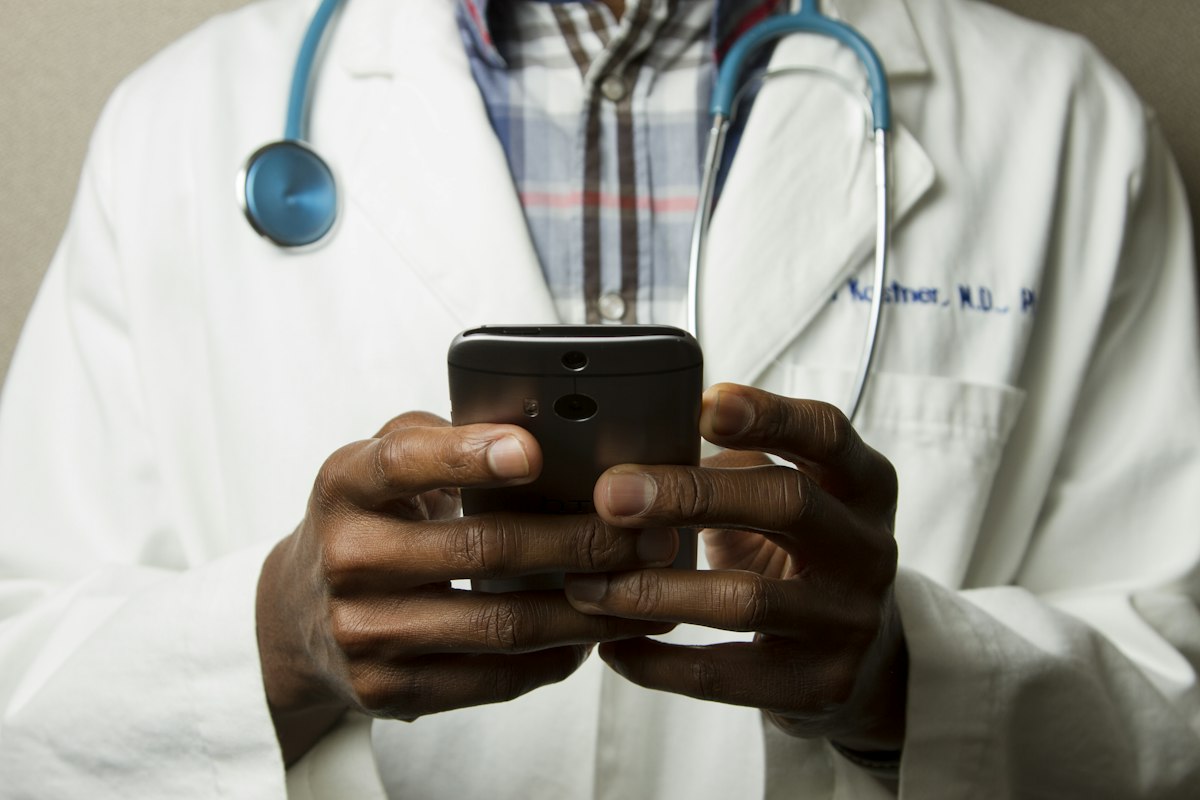
🏥 The Day a Computer Caught What Three Doctors Missed
It was a Tuesday afternoon in October 2024, around 2pm. Adewale, 41, had been to three different hospitals in Lagos across a period of six weeks — two private clinics in Ojota and one government facility in Yaba. Each time, his chest X-rays were reviewed, each time he was sent home with antibiotics and a bill he paid with money he didn't quite have, and each time the persistent cough remained. His wife Funke was scared. She's the kind of woman who does her research — and she had started doing it on her phone in the evenings after the children slept.
She found a telehealth platform that had recently integrated an AI-powered radiology tool trained specifically on African chest X-ray data. Adewale uploaded his most recent scan. Within 48 hours, the AI flagged a subtle nodular pattern that had been missed across three separate human reviews. The clinical report it generated recommended urgent specialist consultation for possible early-stage pulmonary tuberculosis.
He went. The specialist confirmed it. Early-stage TB. Treatable. Caught before it progressed.
Now — I'm not telling you this story to say AI is better than doctors. That's not the point. What I'm saying is: Nigeria has a serious doctor-to-patient ratio problem. The WHO recommends 1 doctor per 1,000 patients. Nigeria has roughly 1 per 3,500. In rural states like Bauchi and Kebbi, that number gets dramatically worse. When there aren't enough specialists to review every scan, to catch every abnormality, to follow up on every inconclusive result — AI tools that can serve as a second set of trained digital eyes are not just cool technology. They're filling a genuine gap. And increasingly, they are doing it inside Nigeria. Not as pilot programs. Not as PowerPoint slides in conference rooms in Abuja. As live tools, in real hospitals, with real patients.
This article documents what's actually happening. The companies building it. The hospitals deploying it. The specific diseases it's helping detect. The real limitations. And what this means for you — whether you're a doctor, a patient, a student, or just a Nigerian who wants to understand why everyone keeps talking about AI in health.
📋 What You'll Find in This Article
- The Nigerian Healthcare Crisis AI Is Trying to Solve
- Nigerian Health AI Companies You Should Know
- AI in Nigerian Hospitals: What's Actually Deployed
- Disease Detection: Where AI Is Performing
- 54gene and the Genomics Revolution
- AI-Powered Telemedicine and Patient Access
- What AI Is Doing to Healthcare Costs
- Honest Risks, Failures, and Limitations
- What's Changed in 2026 and What Comes Next
- Key Takeaways
- FAQ
🚨 The Nigerian Healthcare Crisis AI Is Trying to Solve
Before we talk about solutions, we need to be honest about the scale of the problem. Because if you're going to evaluate whether AI in Nigerian healthcare matters, you need to understand the environment it's operating in.
Nigeria has roughly 214 million people. As of 2025, the country had approximately 72,000 registered doctors — with a significant number having emigrated to the UK, US, Canada, and Saudi Arabia in the ongoing Japa wave. That brain drain has gutted specialist capacity in particular. Cardiologists, oncologists, radiologists — specialists who take eight to twelve years to train — are leaving at a rate that formal medical schools cannot replace.
The specific numbers you need to hold in your head: Nigeria has fewer than 200 radiation oncologists for the entire country. There are states in the north with zero specialist pathologists. In the south-south, where Delta, Rivers, and Bayelsa states share resources, the wait time for an MRI interpretation can stretch into weeks because there simply aren't enough radiologists to read the scans quickly.
Infrastructure is its own chapter. Power outages, storage failures, NEPA wahala — all of these make sustained clinical operations genuinely difficult. Cold chain for vaccines fails regularly. Digital health records are only now becoming standard in mid-tier private hospitals. In government hospitals, many departments are still running on paper.
I want to be clear about something: AI does not fix any of these structural problems on its own. It doesn't fix the wage conditions that push doctors abroad. It doesn't fix the electricity grid. It doesn't fund public hospitals. What it does — in the right implementation — is extend the reach of the limited human expertise that exists. It allows one radiologist to do the work of three. It allows a community health worker in Kogi to consult a diagnostic algorithm trained by specialists in Lagos. That's not magic. But it's meaningful.
📊 Nigeria vs WHO Healthcare Benchmarks (2025–2026)
| Indicator | WHO Recommendation | Nigeria (2026) | Gap | AI Addressing This? |
|---|---|---|---|---|
| Doctors per 1,000 people | 1.0 | ~0.28 | Severe | Partially (AI-assisted triage) |
| Radiologists per million people | 50+ | ~2 | Critical | Actively (AI radiology tools) |
| Hospital beds per 1,000 people | 3.5 | 0.5 | Severe | Limited (logistics AI) |
| Rural health facility access | 80% coverage | ~35% | Critical | Active (telemedicine AI) |
| Average diagnosis wait time | < 48 hours | 7–21 days | High | Reducing (AI imaging tools) |
| Electronic health records adoption | 80%+ | ~22% (private) | Moderate | Active (Helium Health, etc.) |
⚠️ Source: WHO Global Health Observatory, Nigeria Federal Ministry of Health (2025), Helium Health industry reports
🏢 Nigerian Health AI Companies You Should Know
This isn't a list I pulled from a tech blog that hadn't looked up Nigerian companies before writing. These are the organisations actually building things, actually deploying, actually operating in this country right now.
🔬 Helium Health
Lagos-based Helium Health builds electronic medical record software and hospital management systems that are now used in over 500 healthcare facilities across Nigeria, Ghana, Senegal, and Liberia. What makes them relevant to AI? They've been building AI-powered clinical decision support tools on top of the data generated by their EMR system — basically, the more hospitals use their record-keeping software, the more training data they accumulate for machine learning models that can flag drug interactions, identify high-risk patients, and suggest diagnostic pathways.
In practice, what this looks like is a nurse at a mid-tier private hospital in Enugu flagging a patient's vitals into the Helium system, and the software automatically surfacing a risk alert if the combination of symptoms and medication history matches a pattern associated with adverse outcomes. Not replacing the nurse's judgment. Giving her one more signal to work with.
🧬 54gene
54gene deserves its own section — and gets one later in this article. But for the overview: they built Africa's largest repository of African genomic data and are using machine learning to identify genetic markers for diseases that disproportionately affect African populations. The company has faced funding challenges since 2023, but the scientific work they produced remains foundational for how AI drug discovery for African patients will develop over the next decade.
📱 Kangpe (now DrKit)
Originally launched as Kangpe, this platform provides AI-powered symptom assessment and connects patients to doctors via text-based consultations. The symptom checker uses a trained natural language processing model to triage patient queries — basically, you describe what you're feeling, and the AI ranks the likelihood of different conditions and recommends whether you need immediate care, a standard appointment, or home management. As of early 2026, the platform had processed over 2 million consultations across Nigeria.
🏥 MDaaS Global
MDaaS builds and operates diagnostic centres in underserved Nigerian communities — starting in secondary cities like Ibadan and Onitsha where specialist diagnostics were previously unavailable or prohibitively expensive. Their operational model integrates AI-assisted imaging interpretation so that a radiograph or ultrasound taken in an Ibadan centre can be analysed with algorithmic support and reviewed by a remote specialist in Lagos. It's hybrid: the machine flags, the human confirms. In communities where the alternative was a 3-hour bus journey to LUTH, this matters enormously.
💡 Did You Know? — Nigerian Health AI Reach
As of 2025, Nigerian health technology companies collectively raised over $200 million USD in investment — with AI-enabled diagnostics, EMR systems, and telemedicine platforms accounting for the largest share of that capital. Helium Health alone operates in more than 500 healthcare facilities across four African countries. Nigeria's digital health ecosystem is now among the three most active on the African continent alongside Kenya and South Africa, according to Disrupt Africa's 2025 Digital Health Report.
🔬 AI in Nigerian Hospitals: What's Actually Being Deployed
Let's get specific. Because the question I hear most from skeptical Nigerians is: "But which hospitals? Where exactly? Is this LASUTH? Is this UNTH? Or is this just Lagos private hospitals that rich people go to?" Fair question. The answer is more nuanced than either "everywhere" or "nowhere."
📷 AI Radiology Assistance
This is the single most active deployment of AI in Nigerian clinical settings right now. Tools from companies including Qure.ai — an Indian company that has aggressively expanded into Sub-Saharan Africa — have been piloted in Nigerian facilities including Lagos Island General Hospital and several state government facilities in partnership with USAID-funded health programmes.
Qure.ai's qXR tool analyzes chest X-rays for 15+ findings including tuberculosis, pneumonia, pleural effusion, and lung nodules. In trials across Nigeria and Kenya, the tool demonstrated sensitivity comparable to senior radiologists for TB detection. What this means practically: a community health facility in Ondo State with no in-house radiologist can take an X-ray, upload it, and get an AI-generated preliminary report within minutes. A human radiologist then verifies remotely. The pipeline collapses a process that used to take days into hours.
📊 AI-Powered Electronic Medical Records
Helium Health's EMR platform is the clearest example here. Across its network of 500+ facilities, the system is collecting structured clinical data at a scale Nigeria has never had before. The AI layer sits on top of this data and does several things that traditional record systems don't:
- Flags drug interaction risks when a new prescription is entered
- Identifies patients who haven't returned for follow-up and should be contacted
- Surfaces population-level patterns — such as a spike in a particular diagnosis across a region — that can inform hospital-level resource allocation decisions
- Automates billing and insurance claim processing, which in Nigeria's complicated NHIS (National Health Insurance Scheme) environment reduces errors and speeds reimbursement
The insurance claim automation is bigger than it sounds. One of the reasons Nigerian hospitals historically avoided NHIS patients was the administrative burden of filing claims. AI-assisted processing removes a significant portion of that friction.
🤖 AI-Assisted Clinical Decision Support
This is still emerging in Nigerian public hospitals, but it's live in several private hospital networks. Clinical decision support systems work by analyzing a patient's presented symptoms, test results, and history against a trained database of outcomes and suggesting differential diagnoses for physician consideration. These are not diagnostic machines — they're recommendation engines. The final call always belongs to the doctor.
Where these systems are showing real impact in Nigeria is in fever management. Malaria, typhoid, and meningitis all present with overlapping fever-based symptoms. For a junior doctor or community health worker making rapid triage decisions, a system that surfaces the probability distribution across these diagnoses based on the clinical picture can be the difference between starting the right treatment immediately and spending critical days on the wrong one.
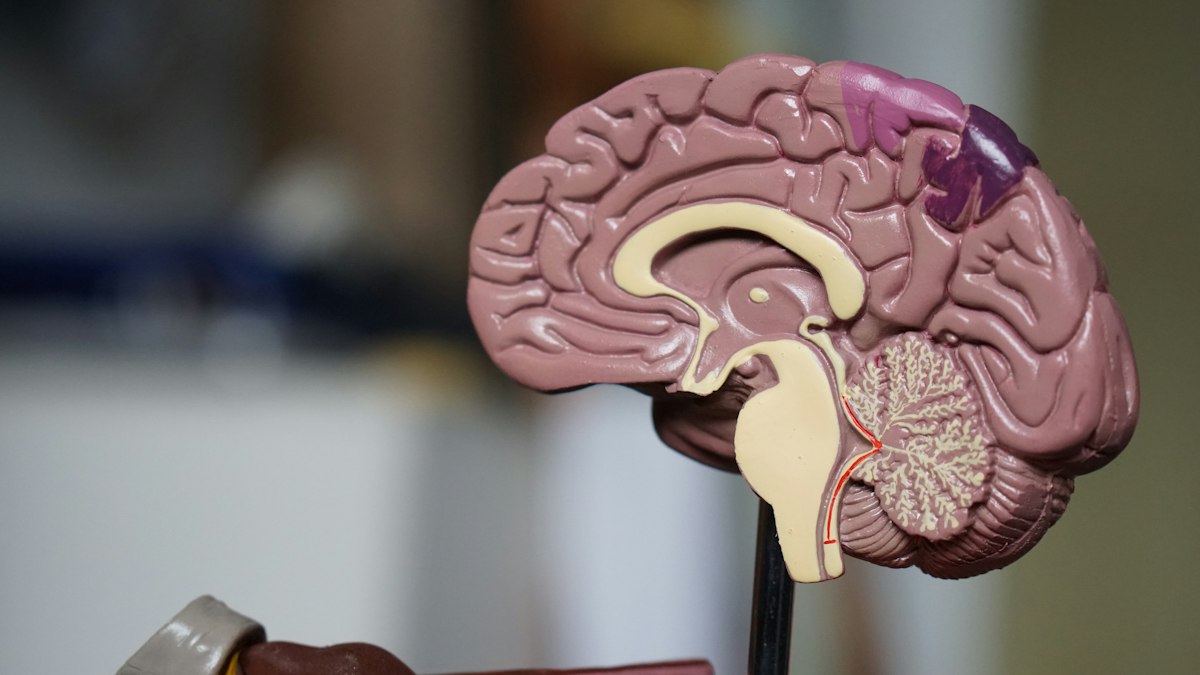
🦠 Disease Detection: Where AI Is Actually Performing
This is the area with the most documented evidence. And I want to lay it out specifically — not "AI helps diagnose diseases" in the abstract, but which diseases, with what level of accuracy, and how that compares to human performance in the Nigerian context.
🔴 Tuberculosis Detection
Nigeria ranks 6th globally in TB burden. The country has roughly 400,000 new TB cases annually and one of the lowest detection rates in the world — meaning a massive chunk of those cases go undiagnosed and untreated, spreading in communities while the patient doesn't know they're sick. The bottleneck is radiologist capacity. There aren't enough radiologists to review the volume of chest X-rays needed to catch TB early.
Qure.ai's AI tool has demonstrated 91% sensitivity for TB detection in chest X-rays in multi-country studies that included Nigerian patient data. For context, the average general practitioner achieves roughly 70–75% sensitivity — meaning AI is performing meaningfully better than non-specialist human review. In a country where specialist radiologists are as scarce as they are in Nigeria, this gap matters enormously.
The Gates Foundation, USAID, and the Nigerian Federal Ministry of Health have all funded AI-assisted TB screening pilots across states including Kano, Kaduna, and Cross River. Results from these programmes are contributing to the national TB control strategy for 2026–2028.
🌸 Cervical Cancer Screening
Cervical cancer is the second most common cancer in Nigerian women, with over 14,000 new cases annually and a mortality rate that's catastrophically high compared to countries with functioning screening programmes. The reason is simple: most Nigerian women never get screened. The Pap smear requires trained cytologists to read results. The HPV test requires laboratory capacity. Neither is accessible to rural women in Borno or Zamfara.
AI-powered visual inspection tools — specifically apps that analyze photos taken of the cervix using a smartphone camera after applying dilute acetic acid — are being trialed in several Nigerian states. One of the most promising is Eva, developed by a team including Nigerian researchers, which uses deep learning to classify cervical images as normal, precancerous, or cancerous with accuracy that rivals trained colposcopists. A community health worker with a smartphone and a basic speculum can now perform a meaningful screening — something that previously required a specialist clinic.
👁️ Diabetic Retinopathy
Nigeria's diabetes burden is accelerating. By 2025, roughly 5.7 million Nigerians were estimated to have type 2 diabetes — with a significant majority undiagnosed and unmanaged. Diabetic retinopathy (damage to the retinal blood vessels caused by chronically elevated blood sugar) causes blindness if not caught early. But catching it requires an ophthalmologist to examine the retina — and Nigeria has approximately 600 ophthalmologists for 214 million people.
Retinal imaging AI tools — including Medtronic's IDx-DR and locally adapted alternatives — can analyze a photograph of the retina and flag diabetic retinopathy signs with high accuracy. These tools require only a fundus camera (increasingly available in mid-tier hospitals) and an internet connection. Trials at the Lagos University Teaching Hospital and Aminu Kano Teaching Hospital have demonstrated that AI-assisted retinal screening can catch early-stage retinopathy that human review alone would miss given the volume of diabetes patients that need to be screened regularly.
🧬 54gene and the Genomics Revolution
Abuja-based 54gene built Africa's largest biobank — a repository of human genetic samples from African patients across multiple countries, with Nigeria as its core. Founded by Dr. Abasi Ene-Obong and backed by major international investors before facing significant operational restructuring in 2023, the company's scientific contribution to AI in African healthcare is hard to overstate, even as its business has evolved.
Here's the problem they were solving: almost all of the major databases used to train medical AI systems — genomic databases, clinical trial cohorts, imaging datasets — were built primarily on data from white European or American patients. When AI diagnostic tools trained on this data encounter African patients with genetically distinct disease presentations, the accuracy drops. Sometimes significantly.
African populations carry the highest level of genetic diversity on earth. This is not a minor variation — it means that the genetic risk factors for conditions like hypertension, prostate cancer, sickle cell disease, and even COVID-19 severity manifest differently in Nigerian patients than in populations whose genetic profiles dominate existing medical literature. An AI trained on European data will miss things.
54gene's biobank addressed this by collecting genetic samples from Nigerian and broader African patients and making this data available for medical research and AI model training. The practical downstream effect of this work is that pharmaceutical companies can now develop drug molecules that are tested against African genetic profiles, and future diagnostic AI tools will be trained on data that actually represents the patients using those tools in Nigeria.
The company has had turbulent funding history since 2023 — and I won't dress that up — but the scientific infrastructure they built is being built on by other Nigerian researchers and global institutions partnering with African genomics programmes. The work continues.
✅ Why African Genomic Data Matters for AI Accuracy
When a medical AI model is trained on data that doesn't include African patients, its predictions for African patients are less reliable — sometimes dangerously so. A hypertension risk model trained on European data may miss the accelerated progression patterns common in West African populations. A drug interaction model that doesn't account for the higher frequency of certain enzyme variants in Nigerian patients may suggest dosages that are inappropriate. 54gene's data collection work is directly addressing this by creating the raw material for AI models that actually represent us. This isn't abstract inclusion politics — it's clinical safety.

📱 AI-Powered Telemedicine and Patient Access
This is probably the AI application that touches the most ordinary Nigerians right now. You don't need to be in a hospital, you don't need a doctor's referral, you don't need NHIS registration. You need a phone and data.
The standard telemedicine model — video call with a doctor — is useful but has obvious limits in a country where internet connectivity is unreliable and many patients prefer text. What AI adds to this is the ability to interact with a symptom assessment system via WhatsApp, a basic web form, or a USSD shortcode in areas with no smartphone penetration at all. The AI triages before the human ever gets involved.
Let me give you the specific platforms worth knowing:
- DrKit (formerly Kangpe) — AI symptom checker + text-based doctor consultation. Has processed 2+ million Nigerian patient queries.
- HealthConnect24x7 — Employer-facing platform used by Nigerian companies to offer health benefits. AI handles first-line symptom triage before routing to human doctors.
- Doctoora — Specialist consultation platform that uses AI scheduling and pre-consultation questionnaires to match patients to the right specialist category and reduce wasted specialist time.
- Remedial Health — Focuses on pharmaceutical supply chain AI, ensuring community pharmacists have the right drugs in stock based on demand prediction. Indirectly but meaningfully impacts patient outcomes by reducing drug stockouts in underserved areas.
The platform I personally find most interesting from a Nigerian-context standpoint is any system integrating with USSD — because USSD works on the most basic feature phones without data connectivity. There are experiments underway with AI health triage via USSD that would extend AI-assisted health guidance to the 30%+ of Nigerians who don't have smartphones. I'm still not 100% sure how far those experiments have progressed. But the technical pathway exists and the demand is obvious.
💰 What AI Is Actually Doing to Healthcare Costs in Nigeria
Money. Let's talk about it, because this is where most Nigerians' real interest lies. Is any of this making healthcare cheaper? The honest answer: in specific situations, yes. In others, not yet, and sometimes the opposite.
📊 AI Impact on Healthcare Cost — Nigerian Reality
| Healthcare Touchpoint | Before AI (Typical Cost) | With AI (2026) | Saving or Change | Reality Check |
|---|---|---|---|---|
| Chest X-ray interpretation | ₦8,000–₦25,000 | ₦3,000–₦8,000 | 40–60% reduction | Human verification still required |
| First GP consultation | ₦5,000–₦15,000 | ₦1,500–₦4,000 (telemedicine) | Up to 70% reduction | Data cost adds ₦200–₦500 |
| Specialist referral | ₦20,000–₦80,000+ | ₦15,000–₦60,000 | Modest reduction | AI reduces but doesn't eliminate |
| Drug prescription errors | High (manual review) | Significantly reduced | Saves downstream costs | Requires proper EMR adoption |
| Hospital admin overhead | High (paper-heavy) | 20–35% reduction | Savings to hospital, not patient | Rarely passed to patients directly |
| Genomic testing for rare diseases | Unavailable or ₦500,000+ | Still ₦200,000–₦400,000 | Some reduction | Remains inaccessible for most |
⚠️ Costs are approximate and vary by facility, location, and service provider. Private vs government facilities differ significantly.
The pattern you should notice: AI is reducing costs most significantly at the consultation and basic diagnostic layer. These are the touchpoints where most Nigerians actually interact with healthcare. The expensive specialist and genomic services remain expensive — AI hasn't solved that yet. But if AI can keep more people from ever needing the expensive specialist intervention by catching things earlier at the cheaper diagnostic layer, the health economics shift meaningfully over time.
💡 Did You Know? — Nigeria's Malaria AI Breakthrough
A team at the University of Lagos, in collaboration with researchers from Johns Hopkins Bloomberg School of Public Health, developed an AI model trained specifically on blood smear microscopy images from Nigerian malaria patients. The model achieved 94% accuracy in identifying and quantifying Plasmodium falciparum parasites — the deadliest malaria strain — outperforming the average community health worker by 18 percentage points in controlled testing. Nigeria accounts for roughly 31% of global malaria deaths, and inaccurate manual microscopy diagnosis is one of the leading causes of treatment failure. This model is currently in extended pilot testing across three state health systems.
⚠️ Honest Risks, Failures, and Limitations — The Part Others Won't Tell You
Okay. We've covered the impressive stuff. Now let me tell you the other side, because if I don't, this reads like a press release, and I don't write press releases.
🚨 Warning: Real Risks of AI in Nigerian Healthcare
- Training Data Bias: Most AI diagnostic tools were initially trained on data from Western populations. When deployed in Nigeria without adaptation, they carry accuracy degradation for African patients. A TB detection model trained on European chest X-ray data will perform worse on Nigerian patients because the radiological presentations of Nigerian TB patients — particularly those with co-morbid malnutrition or HIV — differ from the training population. This isn't theoretical. It has happened. Hospitals that deployed unvalidated tools saw concerning false-negative rates.
- Infrastructure Dependency: The most sophisticated AI diagnostic tools require reliable internet, consistent electricity, and maintained hardware. In a country where PHCN (NEPA) can interrupt power for 8–18 hours in a single day in some states, any AI tool that requires continuous connectivity is structurally unreliable for the facilities that need it most — rural primary health centres and community clinics. The hospitals already deploying AI effectively are largely urban private facilities that have generator backup and dedicated IT support. This creates a two-tier situation where AI benefits concentrate at the top of the healthcare system.
- Data Privacy and Patient Consent: Nigeria's Data Protection Act (2023) creates regulatory obligations around how patient health data can be collected, stored, and used. But enforcement is still developing, and many digital health platforms operating in Nigeria are collecting enormous volumes of sensitive health data with consent mechanisms that don't fully meet the spirit of the law. An AI system trained on your health data that you never explicitly consented to contribute to is a serious ethical concern — and it is happening.
- Over-reliance Risk: There's a specific danger where junior health workers, particularly in rural areas, receive an AI recommendation and follow it without applying clinical judgment — especially when the AI recommendation is wrong. AI tools are designed to support clinical decisions, not replace them. But in under-resourced environments where staff are overworked and the AI sounds authoritative, the temptation to defer to the machine is real. This needs specific training protocols that many health facilities deploying AI tools are not yet providing.
- Regulatory Vacuum: NAFDAC regulates drugs. HEFAMAA regulates healthcare facilities. But who regulates an AI diagnostic tool deployed as a software system on a hospital server? Currently, the regulatory framework is ambiguous. Some AI tools deployed in Nigerian clinical settings have gone through no formal efficacy validation in Nigeria. That's a real patient safety concern that government policy hasn't fully caught up with.
⚡ What to do if AI misdiagnosis has affected you or a patient: Document the AI recommendation and the attending clinician's name. Contact the facility's patient relations office in writing. File a complaint with HEFAMAA (Health Facility Monitoring and Accreditation Agency). The regulatory infrastructure is immature but it exists.
🔍 Step-by-Step: How to Evaluate an AI Health Tool Before Trusting It
Ask: Was it validated on African or Nigerian patient data?
Before trusting any AI health tool, ask the provider or check their published documentation for whether the tool was tested on populations similar to Nigerian patients. Look for terms like "Sub-Saharan Africa validation" or "African cohort testing." If validation was done exclusively on European or American populations, treat results with extra caution. Tools that cannot answer this question honestly should not be trusted for clinical use. This single check eliminates most of the bias risk.
Check if a human professional reviews the AI output
No legitimate AI diagnostic tool should operate without a human clinical review step. If a platform offers AI diagnosis with no mention of physician oversight, that's a red flag. The AI should produce a recommendation — the human should confirm or override it. The time expectation here: AI output in minutes, human review within 24–48 hours at most. If the review timeline is longer than that, the tool is not appropriate for time-sensitive conditions.
Verify the platform's NAFDAC or regulatory status
Digital health platforms operating in Nigeria should ideally be registered with NAFDAC as medical device software (for diagnostic tools) or operate under the Federal Ministry of Health's digital health guidelines. Ask the platform directly. Platforms that cannot confirm regulatory status — or respond vaguely — should not be used for clinical decisions. Use them only for general health information.
Read the data privacy terms specifically
Your health data is extremely sensitive. Before using any AI health app, read what they do with your data. Look for: Does it leave Nigeria's servers? Is it used for model training? Can you delete it? Under Nigeria's Data Protection Act, you have the right to know. Apps that bury these disclosures in unreadable terms of service, or provide no privacy terms at all, are not to be trusted with your health information. This step takes five minutes and protects your data permanently.
Never use AI results to avoid a doctor visit for serious symptoms
This is the most important step. AI tools are screening and triage tools — not replacements for clinical examination. Chest pain, difficulty breathing, neurological symptoms, sudden severe headache, blood in urine or stool, unexplained rapid weight loss — none of these should ever be managed based on AI output alone. The right use of an AI symptom checker is to help you understand whether to seek care urgently or can wait. The wrong use is to reassure yourself that you don't need to see anyone. When in doubt: go to the hospital.
🚀 What's Changed in 2026 — and What Comes Next
The most significant development in Nigeria's health AI space in the past twelve months is the formal integration of AI guidelines into the Federal Ministry of Health's digital health strategy. For the first time, the 2026 National Digital Health Policy includes specific clauses on AI-assisted diagnosis, data governance for clinical AI systems, and the requirement for African validation before clinical deployment. This is not enforcement yet — it's policy. But policy precedes enforcement, and the fact that it exists changes the conversation.
On the technical side: the quality of AI models trained specifically on African patient data has improved significantly. The University of Lagos medical informatics team, partnering with Makerere University in Uganda and University of Cape Town in South Africa, released the Pan-African Clinical AI Consortium's first cross-validated diagnostic dataset in February 2026 — covering chest radiology, malaria microscopy, and maternal health risk scoring. This dataset is now open for any Nigerian health tech company to train models on without licensing fees.
The most immediate next frontier: AI in maternal health. Nigeria accounts for roughly 20% of global maternal deaths annually. The underlying causes — obstetric hemorrhage, eclampsia, sepsis, obstructed labor — are largely predictable given access to the right monitoring data. AI-powered maternal risk scoring tools that flag high-risk pregnancies early enough to intervene are being piloted in Anambra, Ogun, and Kano states as of early 2026. The results of these pilots — expected to be published by Q3 2026 — could be the most significant Nigerian health AI story of the year.
What still hasn't happened: meaningful AI adoption in government tertiary hospitals at scale. LUTH, ABUTH, UNILAG Medical Centre, UNTH — the big teaching hospitals where the highest volumes of complex cases are managed — are still predominantly running on paper or basic digital systems without AI integration. The irony is that these institutions have the richest clinical data in the country — decades of records — but that data is largely unavailable to AI researchers because it exists in paper files in overfilled record rooms. Digitizing that history before it deteriorates is one of the most urgent but unglamorous tasks in Nigerian health AI.
💡 10 Practical Ways AI in Healthcare Affects You Right Now
- Cheaper first consultations via telemedicine AI: DrKit and HealthConnect24x7 offer AI-triaged consultations from ₦1,500–₦3,000. For routine illness, this is a meaningful cost reduction versus in-person GP visits at ₦5,000–₦15,000.
- Faster X-ray turnaround: If you're at a facility using Qure.ai or similar tools, your chest X-ray reading time may drop from days to hours. Ask your facility whether they're using AI-assisted radiology.
- Drug interaction alerts: Hospitals using Helium Health EMR will flag dangerous drug combinations automatically. This reduces medication errors significantly — something that matters if you or a family member is on multiple medications for chronic conditions.
- Better diabetes management tools: Apps like mDiabetes and glucose monitoring integrations with AI pattern recognition are helping Nigerian diabetics understand their glucose trends and adjust management in real time rather than waiting for quarterly clinic visits.
- AI-powered pharmacy stock management: Remedial Health's platform ensures community pharmacies in your area are more likely to have the drugs you need in stock. This indirectly but meaningfully affects your ability to complete treatment courses.
- Cervical cancer screening access: If you're a woman in a state running the Eva pilot or similar AI visual inspection programmes, you may have access to screening that didn't exist two years ago. Ask at your local primary health centre.
- Malaria diagnosis accuracy: In facilities using AI-assisted microscopy for malaria, the accuracy of parasite count and strain identification is higher — meaning treatment decisions are more precise and you're less likely to receive incorrect treatment.
- Employer health benefits via AI triage: If your employer uses a health benefits platform like HealthConnect24x7, AI pre-screening means your consultation is better targeted — reducing time wasted on specialist referrals that weren't necessary.
- Early warning for high-risk pregnancies: In pilot states, AI maternal risk scoring means your antenatal care provider may flag complications earlier. If you're pregnant and in Kano, Anambra, or Ogun, ask your antenatal team whether they're using a risk scoring tool.
- Mental health AI chatbots: Platforms like Insait (founded by a Nigerian team) are using conversational AI to provide mental health support and triage to users who can't or won't access in-person psychiatric care. Not a replacement for therapy — but a meaningful bridge in a country with roughly 150 psychiatrists for 214 million people.
📌 Related reading: If you found this useful, you should also read our piece on what Nigerian patients need to know before their first online doctor consultation — it covers the practical steps for using telemedicine safely. We also have a detailed breakdown of how telemedicine is addressing chronic disease in rural Nigeria. For the foundational story of how we built this platform to cover real issues like this, read how I built Daily Reality NG: 426 posts in 150 days.
🎯 Key Takeaways
- Nigeria's healthcare system faces critical shortages — AI is not solving them structurally, but it is extending the reach of limited human expertise in specific high-impact areas
- AI radiology tools (specifically for TB, chest pathology) are the most validated and broadly deployed AI application in Nigerian clinical settings as of 2026
- Helium Health's EMR platform operates in 500+ African healthcare facilities and is the most scaled Nigerian health AI company by deployment breadth
- 54gene built Africa's largest African genomic dataset — foundational infrastructure for future AI tools to serve African patients accurately
- Cervical cancer and diabetic retinopathy screening via AI phone-based tools represent the most promising patient access expansion, particularly for rural women
- Training data bias — AI trained on non-African populations performing worse on Nigerian patients — is the most serious documented risk, not a theoretical concern
- AI in healthcare is cheapest and most impactful at the first consultation and basic diagnostics layer — specialist and genomic care remains expensive
- The 2026 National Digital Health Policy is the first to formally address AI governance — real regulatory enforcement is still 18–24 months away at minimum
- Maternal health AI is the next major frontier — pilots in three Nigerian states in early 2026 could produce the most significant results of the year
- Never use AI health tool outputs to avoid urgent clinical care — they are triage and screening tools, not diagnostic replacements

❓ Frequently Asked Questions
Is AI actually being used in Nigerian hospitals right now?
Yes. As of 2026, several Nigerian hospitals and health platforms are actively using AI for radiology image analysis, disease detection, patient triage, and telemedicine. Institutions including Lagos University Teaching Hospital and private health tech startups like Helium Health, 54gene, and Kangpe (now DrKit) have deployed AI-assisted tools in clinical and administrative workflows. The adoption is uneven — private urban hospitals are significantly more advanced than government rural facilities — but the deployments are real and documented.
What diseases is AI helping to detect in Nigeria?
AI tools in Nigeria are being used to assist in detecting malaria, tuberculosis, cervical cancer, diabetic retinopathy, and sickle cell disease complications. Several machine learning models trained on African patient data are producing results that rival specialist-level diagnosis in controlled trials. TB detection via chest X-ray AI and cervical cancer screening via smartphone visual inspection tools are the two areas with the most advanced deployment as of early 2026.
How does AI help patients who cannot afford specialists?
AI-powered diagnostic tools and telemedicine platforms allow rural Nigerians without access to specialist doctors to receive guided preliminary diagnosis via their phones. Apps powered by AI symptom checkers and trained clinical chatbots are reducing the need for expensive specialist consultations for routine or early-stage health concerns. A community health worker in Kogi with a smartphone and AI diagnostic support can now provide a level of initial assessment that previously required a journey to a tertiary hospital. This doesn't eliminate the need for specialists — it filters who truly needs one.
Are there risks to using AI in Nigerian healthcare?
Yes, several serious ones. Key risks include AI models trained on non-African data producing biased or inaccurate results for Nigerian patients; unreliable power and internet infrastructure disrupting AI tools in rural areas; data privacy concerns around patient health records collected without adequate informed consent; and the risk of over-reliance by junior health workers who may defer to AI output without applying clinical judgment. Regulatory oversight from NAFDAC and the Federal Ministry of Health is still developing. These risks are real and should inform how facilities implement AI tools rather than being a reason to avoid them entirely.
What is 54gene and how does it use AI?
54gene is a Nigerian genomics company that built Africa's largest repository of African genetic data. They use machine learning and AI to analyse this data for disease predispositions specific to African populations. Their research is helping pharmaceutical companies develop drugs and diagnostic tools that work more accurately for African patients. The company has faced significant operational challenges since 2023, but the scientific infrastructure and datasets they built continue to influence how medical AI models are trained for African patient populations globally.

📧 Stay Informed — Join Daily Reality NG
Get more truth-telling Nigerian content on health, money, technology, and real life — straight to your inbox. No spam. No clickbait. Just the real stuff.
📩 Subscribe to Newsletter💬 We Want to Hear From You
- Have you personally used an AI-powered health app or telemedicine platform in Nigeria? How was your experience — did it feel accurate or did it worry you?
- If a community health worker used an AI diagnostic tool to assess you in a rural clinic, would you trust the result? What would make you trust it more?
- The data privacy issue around Nigerian health AI is something most people never think about — has reading this changed how you think about using health apps?
- Which Nigerian disease burden do you think AI should prioritize most urgently — malaria, maternal mortality, TB, cancer, or something else entirely? Why?
- What would need to change in Nigerian infrastructure — power, connectivity, regulatory oversight — before you'd feel genuinely confident in AI-assisted healthcare here?
Share your thoughts in the comments. These conversations shape the topics we cover next.
I want to leave you with something I didn't put in the main article because it felt too small — but it's actually what drove me to spend three days researching this piece. A reader from Owerri sent me a message in January 2026. Her father, 63, had been bounced between two government hospitals in Imo State for six weeks with a persistent cough and unexplained weight loss. Nobody had a clear answer. She found an AI-assisted telemedicine platform, submitted his X-ray, and within 24 hours had a flagged report suggesting further investigation for a lung mass. They went to a private oncologist in Port Harcourt. Early-stage non-small cell lung cancer. Operable. He's in treatment now.
AI didn't save him. The oncologist is saving him. But AI bought him time. In a country where the gap between "this needs more investigation" and "it's too late" can close terrifyingly fast because specialists are few and far away, buying time is everything.
That's why this matters. And that's why I wrote this.


Comments
Post a Comment