Cowrywise Plan Maturity: What Happens to Your Money?
Cowrywise Plan Maturity: What Happens to Your Money
Check Cowrywise's official maturity-date guide
The short answer is: the plan unlocks automatically, but the bank withdrawal is not automatic.
If your Cowrywise maturity date is tomorrow, the most important thing to understand is this: you do not need to panic at 12:00 a.m. because the money has not immediately appeared in your bank account. Cowrywise's published guidance says the plan is automatically unlocked on the maturity date, with the unlocking process beginning from 12:10 a.m., and that access may take a few minutes to a couple of hours after the maturity notification.
That distinction matters because “matured” and “withdrawn” are two different stages. Your money can be mature and available inside Cowrywise without having been transferred to your bank. The next action is yours.
And there is another important distinction that gets missed in many explanations: reaching your savings target is not necessarily the same thing as reaching the maturity date. Cowrywise explicitly says withdrawal from a locked plan is determined by the maturity date, not simply by hitting the target amount.
This guide breaks the whole process down — from the night your plan matures, to Stash, to your Nigerian bank account, to fees, rollover, missed maturity dates, interest, failed withdrawals, BVN problems and the questions you should ask before touching a large balance.
- You need the money now: transfer the matured funds to Stash and initiate the bank withdrawal.
- You still want to save: consider the rollover option and select a new maturity date.
- You are unsure: do not rush into a rollover. First confirm the balance, returns, new maturity date and what the app is offering you.
- You expected an automatic bank credit: do not wait indefinitely for one. Cowrywise's published process requires you to initiate the withdrawal.
Table of Contents
- What Cowrywise plan maturity actually means
- Maturity versus withdrawal: the distinction
- When exactly does Cowrywise unlock matured funds?
- How to withdraw matured Cowrywise funds
- Why the money goes to Stash first
- Which bank account can receive the money?
- Cowrywise withdrawal fees and what to check
- What happens if you roll over the plan?
- What if you do nothing after maturity?
- What happens to your interest at maturity?
- What if you reached your target before maturity?
- Can the maturity date be changed?
- What to do if the withdrawal fails
- Security checks before withdrawing
- Withdraw, rollover or leave it?
- Real-life Nigerian examples
- Common maturity mistakes
- RWI — Read, Verify, Investigate
- Your 24-hour action plan
- 15 frequently asked questions
- 15 related Daily Reality NG resources
- Primary sources and verification notes

What Cowrywise Plan Maturity Actually Means
The word “maturity” can sound more complicated than it is. In a locked Cowrywise savings plan, the maturity date is essentially the date you selected for the savings commitment to end and for the locked funds to become accessible.
Cowrywise's Help Center says locked Savings Plans remain inaccessible until the maturity date chosen when the plan was created. Its current description of Regular Savings also says the plan can be rolled over for another period after maturity.
So if you created a six-month plan and the maturity date displayed in your account is August 27, 2026, that date is the important date. It is not the day you reached your target. It is not the day you made your final deposit. It is not the day you first opened the account.
The maturity date is the contractual point at which the lock ends.
This is one reason you should always check the actual date displayed inside your account rather than relying on memory. Cowrywise provides a specific guide showing users where to find the maturity date and the interest information attached to a plan.
For a Nigerian saver, the practical meaning is straightforward:
- Before maturity, the locked plan is generally inaccessible through the normal withdrawal route.
- At maturity, the plan becomes unlocked.
- After maturity, you can decide what to do with the accessible funds.
- Your choices include withdrawing or continuing the savings through a rollover.
This structure exists because the purpose of a locked savings plan is discipline. You agreed to leave the funds committed for a defined period. The maturity date is the point at which that commitment ends.
Maturity Is Not the Same Thing as Withdrawal
This is the single most important concept in this article.
Maturity answers: “When does the lock end?”
Withdrawal answers: “When do I instruct Cowrywise to send the money out?”
Those events can happen on the same day, but they are not the same transaction.
Cowrywise's published matured-funds guide explicitly describes the withdrawal as an online instruction. The user opens the matured plan, selects the withdrawal route, moves the funds to Stash and then withdraws from Stash to a bank account.
Therefore, if your plan matures today and your bank account has not received anything automatically, that does not by itself indicate a problem. The maturity process and the bank payout process are separate.
This distinction also prevents another common mistake: assuming that a maturity notification is the same thing as a successful bank withdrawal. It is not.
When Exactly Does Cowrywise Unlock Matured Funds?
Cowrywise says the unlocking process begins from 12:10 a.m. on the maturity date. It also says users may receive their access a few minutes to a couple of hours after receiving the maturity email notification.
That is important because midnight expectations can create unnecessary panic.
Imagine your maturity date is August 27. You stay awake until 12:00 a.m., refresh the app and see the plan still looking locked. It is tempting to conclude that the system has failed.
According to Cowrywise's published guidance, that conclusion would be premature.
The company specifically explains that the unlocking process begins after midnight and that access timing can vary. The practical approach is to give the system time to complete the maturity process rather than repeatedly attempting actions that are not yet available.
There is also an important difference between the time the plan becomes mature and the time the bank receives your eventual withdrawal.
Even after the plan unlocks, you still need to initiate the withdrawal process.
| Stage | What happens | Do you need to act? |
|---|---|---|
| Maturity date arrives | The plan reaches its scheduled maturity date. | No immediate action is required merely for maturity. |
| Unlocking begins | Cowrywise processes the plan for access. | No. |
| Plan becomes accessible | The matured savings become available for your instructions. | Yes, if you want to withdraw or roll over. |
| Transfer to Stash | The matured amount is moved to Stash as part of the documented withdrawal process. | Yes. |
| Stash to bank | You select the bank account, enter the amount and confirm. | Yes. |
How to Withdraw Matured Cowrywise Funds
Cowrywise's published process is unusually important to understand because a user who only knows “withdraw to bank” may miss the Stash stage.
Use the official Cowrywise app or website. Do not follow a withdrawal link sent by an unknown person through WhatsApp, Telegram or social media.
Locate the category containing the matured savings plan.
Open the specific plan you want to withdraw from and proceed with the available maturity options.
Cowrywise's documented process routes the matured savings to Stash before the final bank withdrawal.
Review the amount carefully before confirming. If you are not withdrawing everything, make sure you understand what will remain in the account and what the next plan arrangement will be.
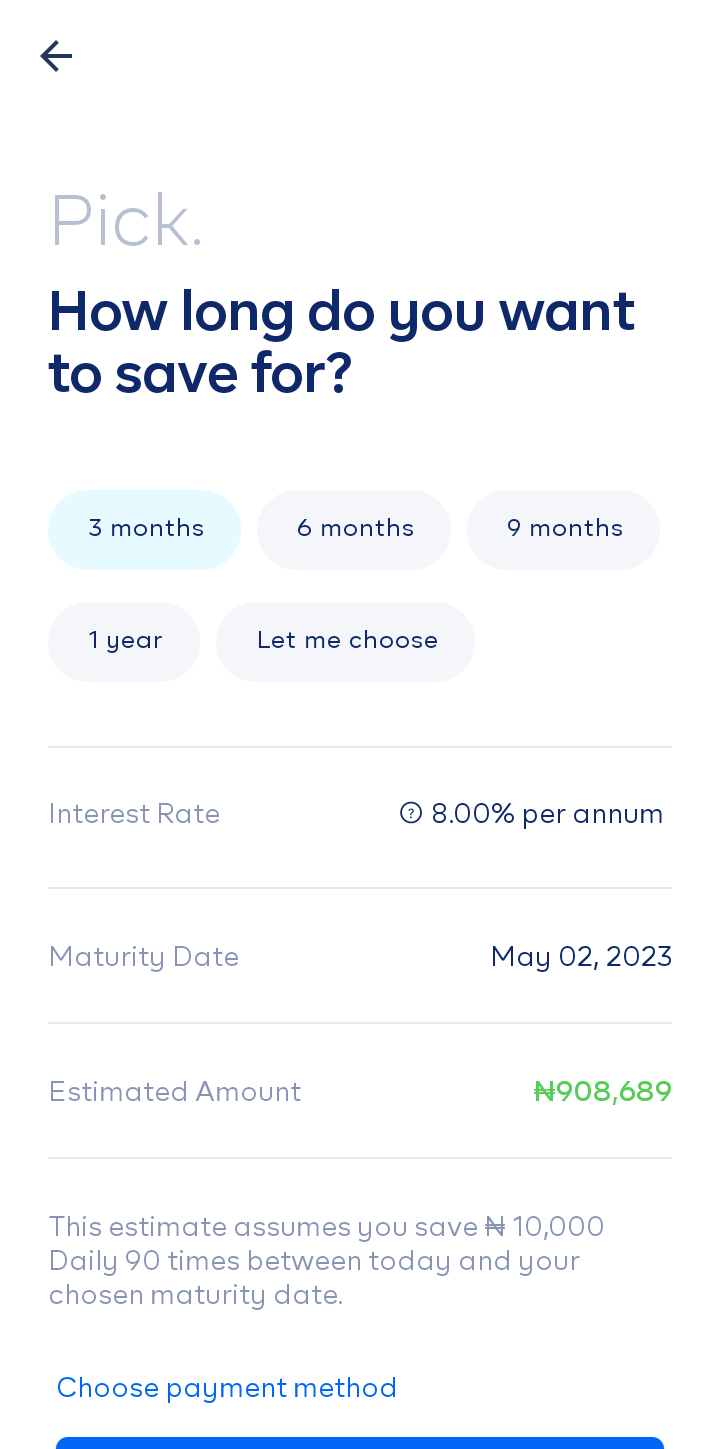
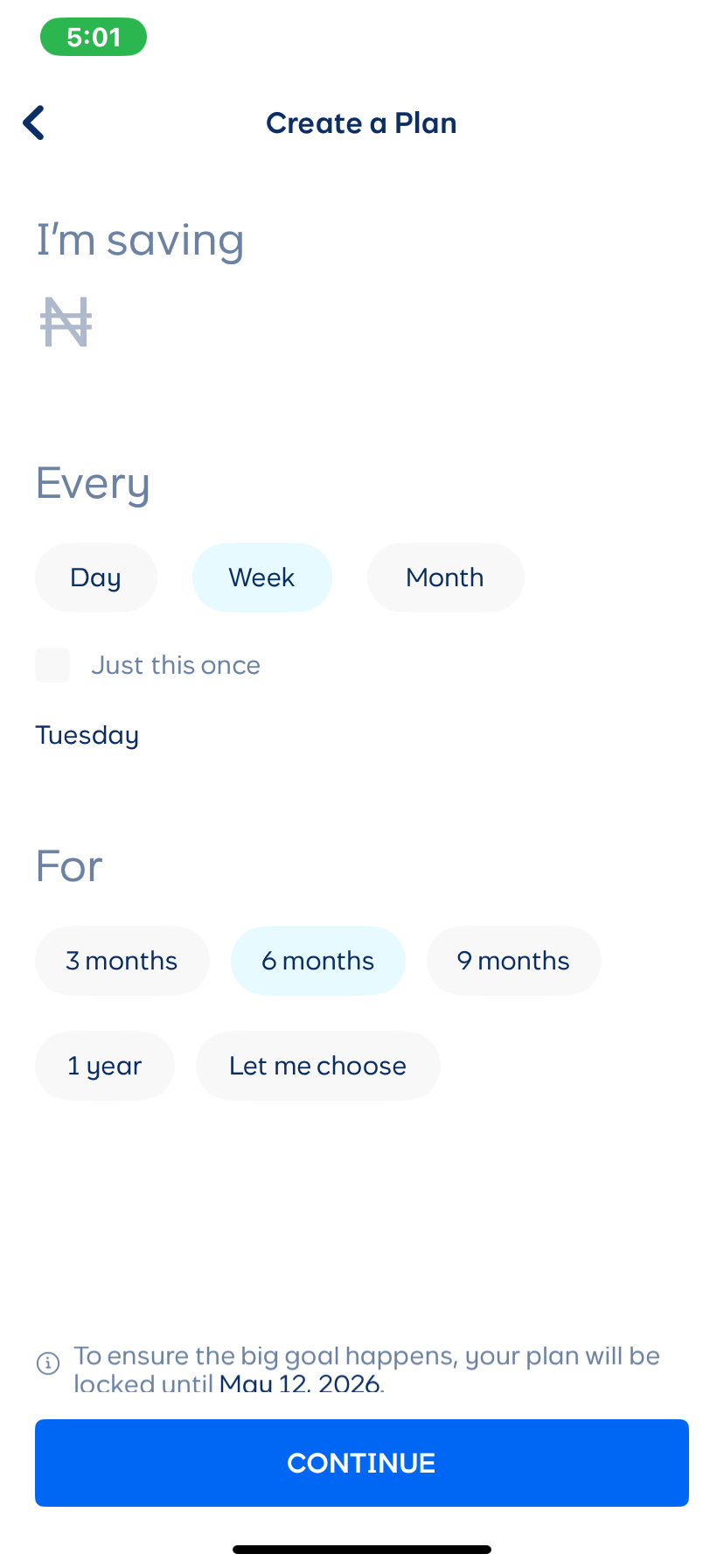
Cowrywise's published process asks you to set a new maturity date for subsequent savings and choose whether future saving should be automatic or manual.
Confirm the transaction using the security method required by Cowrywise.
From Stash, select the withdrawal option, choose the bank, enter the amount, review the applicable fee and confirm with your Cowrywise PIN.
Cowrywise's Help Center currently says the Stash-to-bank withdrawal is processed 24 hours after it is initiated. That means a person who expects money in the bank immediately after the plan matures can misunderstand the timeline.
Maturity day is not necessarily bank-credit day.
The exact experience can also depend on the bank transfer process and whether a transaction encounters an error or bank downtime.
For the official step-by-step instructions, use Cowrywise's own Help Center rather than relying on screenshots circulating on social media:
Cowrywise official guide: How to withdraw matured funds
Why Does the Money Go to Stash First?
If you expected the matured savings to go directly from the plan to your bank account, the Stash stage can look unnecessary.
But Stash is part of Cowrywise's account architecture. Cowrywise describes Stash as a wallet used to receive proceeds and manage money before another destination is selected.
For matured savings, this creates a two-stage movement:
- The matured savings leave the savings plan and move into Stash.
- You then instruct Stash to transfer the chosen amount to your eligible bank account.
This also explains why someone can truthfully say, “My Cowrywise money has matured,” while another person says, “I haven't received the money in my bank yet.” Both statements can be true at the same time.
The money can be accessible inside Cowrywise while the bank transfer has not yet been initiated or completed.
That distinction becomes especially useful when troubleshooting.
Which Bank Account Can Receive the Money?
Cowrywise says standard Nigerian bank accounts are accepted for withdrawals through its normal withdrawal process. It also states that the bank account must be linked to your BVN.
Cowrywise's documentation also says it does not process withdrawals to wallet or virtual account numbers through that route.
That means the safest assumption is not “any account number I type will work.” Instead, make sure the receiving account is a normal Nigerian bank account associated with the identity information Cowrywise has verified.
If your bank details have changed, do not wait until the maturity night to discover that the account information needs attention.
Check your payment or bank settings before maturity if you know you will need the money immediately.
| Receiving destination | What Cowrywise documentation says | Practical implication |
|---|---|---|
| Standard Nigerian bank account | Supported for withdrawals. | Use an eligible personal bank account. |
| BVN-linked account | Required for the withdrawal process. | Make sure identity details match. |
| Wallet or virtual account number | Cowrywise says these are not supported for this withdrawal route. | Use a standard Nigerian bank account instead. |
If you want the official explanation of acceptable receiving accounts, read Cowrywise's Help Center guidance rather than relying on a social media answer:
Cowrywise: What bank can I use to receive my funds?
Cowrywise Withdrawal Fees: What You Should Actually Check
Fees are one of the areas where old screenshots can become dangerous.
Cowrywise has published different explanations of Stash withdrawal charges over time, and its current withdrawal flow tells users to take note of the fee displayed before confirming the transaction.
That means you should not blindly rely on a fee screenshot someone posted months or years ago.
For example, Cowrywise's Help Center contains a published Stash fee explanation that describes charges based on transaction frequency and amount. Another withdrawal guide also tells users to take note of the fee during the bank-withdrawal stage.
The practical rule is simple:
- Check the amount being withdrawn.
- Check the destination bank account.
- Check the displayed fee.
- Check the amount you expect to arrive after applicable charges.
- Only confirm when those figures make sense.
This is more reliable than memorising a fee from an article because financial platforms can update their charges and transaction rules.
Daily Reality NG's position is therefore deliberately conservative: the fee displayed inside the current withdrawal flow should be treated as the transaction-specific figure you need to review before confirmation.
What Happens If You Roll Over the Plan?
Not every person wants to withdraw at maturity.
Suppose you started saving for a future business purchase. You reached maturity, but you have decided that you do not need the money for another six months. Or perhaps you are building a longer-term reserve and would rather keep the funds working than move them into a normal bank account.
Cowrywise provides a rollover option.
The published rollover process allows you to select the mature plan, choose “Continue saving,” set a new maturity date and decide whether subsequent savings should be automated or manual.
Rollover is not the same as an automatic disappearance of your money into another lock period.
You should understand the choice presented to you and confirm the new maturity date before completing it.
This matters because once a new maturity date is established, the money may again become subject to the lock conditions associated with that plan.
So do not roll over simply because you are unsure what else to do.
Ask yourself:
- When will I actually need this money?
- Do I have an emergency fund separate from this amount?
- Am I comfortable locking the money again?
- What return does the new plan show?
- Is the new maturity date appropriate for the goal?
If you cannot answer those questions, pause before committing the money to another lock period.
What If You Do Nothing After the Plan Matures?
This is where careful wording matters.
People often ask whether Cowrywise has a short “withdrawal window” after maturity and whether missing it means the money will be automatically rolled over.
Cowrywise's publicly accessible Help Center does not establish a universal short deadline after maturity within which you must withdraw.
Its documentation instead says that once the plan reaches maturity and unlocks, you can withdraw or roll over the funds.
That means Daily Reality NG will not invent a rule saying, for example, “you have 24 hours” or “you have seven days” unless Cowrywise publishes such a rule.
There is, however, an important practical warning.
Do not confuse “I can leave it there” with “the matured balance automatically continues earning the same rate.”
The public documentation we reviewed clearly explains what happens at maturity and how rollover works, but it does not provide a universal statement that every matured balance left untouched continues earning the original plan's rate indefinitely.
Therefore, if your goal is continued growth, check what the app currently says about the matured balance and consider the documented rollover route rather than assuming.
What Happens to Your Interest at Maturity?
This is another point where the word “maturity” matters.
Cowrywise's Help Center explains that savings-plan returns are reported daily. It also explains that once a savings plan matures, the current returns earned on the plan become added to the saved amount.
In simple terms, imagine a hypothetical plan with:
- Principal savings: ₦500,000
- Earned returns at maturity: ₦40,000
- Matured balance: ₦540,000
The figures above are only an illustration, not a statement of a current Cowrywise rate.
The point is that the maturity balance is not simply the amount you deposited. The earned returns form part of the matured amount according to Cowrywise's published explanation.
If you roll over the matured savings, the accumulated balance can become the basis for subsequent returns under the applicable new plan terms. This is where compounding can become relevant.
If you withdraw the money, however, you have converted the digital savings balance into cash that can be used elsewhere.
So the decision is not merely “withdraw or don't withdraw.” It is really a decision about what job you want the money to perform next.
What If You Reached Your Savings Target Before Maturity?
This question causes confusion because people naturally think a goal amount should determine access.
Suppose your target is ₦1 million and you reach ₦1 million four months into a nine-month plan.
You might reasonably think:
“I have achieved the target, so why can't I take the money?”
Cowrywise's answer is that the target and maturity are separate concepts.
The target tells you what amount you intended to build.
The maturity date tells you when the locked savings becomes accessible.
This is why you should not create a locked plan with a maturity date that is too far beyond the point at which you realistically need the money.
If you need flexibility, use a product designed for flexibility rather than expecting a locked plan to behave like an ordinary bank balance.
Can You Change the Cowrywise Maturity Date?
Cowrywise's published guidance says the maturity date of a locked savings plan can be extended, but not reduced to an earlier date.
That distinction is important.
If your original maturity date is December 31 and you realise you want the plan to mature in February, Cowrywise says an extension is possible.
But if the original maturity date is December 31 and you suddenly need the money in October, the normal process does not allow you to simply backdate the maturity date to October.
Cowrywise's documentation says users seeking an extension can contact support through the app or by email and provide the plan name, existing maturity date and requested new maturity date.
Do not extend a plan casually. Once extended, Cowrywise says you can only withdraw on the new maturity date.
That means an extension should match a genuine change in your financial timeline, not simply a desire to keep the money locked because you are unsure what to do.
What If Your Matured Withdrawal Fails?
A failed withdrawal can be frightening because the balance is no longer just an abstract savings goal. You have already decided that you need the money outside the platform.
Cowrywise's Help Center says failed withdrawals can be caused by factors including receiving-bank downtime, account limits or unsupported destination accounts. It also explains that an automated reversal can return funds to Stash when a withdrawal fails.
The first rule is therefore: do not panic and do not immediately assume the money is gone.
Check the transaction status.
Check your bank statement.
Check whether the money has returned to Stash.
Check whether the receiving bank is supported.
If the problem persists, contact Cowrywise through official support.
| Problem | What to check first | What not to do |
|---|---|---|
| Plan still looks locked | Confirm maturity date and allow the documented unlocking period. | Do not assume the funds have disappeared. |
| Withdrawal pending | Check the transaction timer/status. | Do not repeatedly cancel and recreate transactions without understanding the status. |
| Withdrawal failed | Check whether funds returned to Stash and whether the receiving bank is eligible. | Do not send money to an unofficial “support agent.” |
| Bank says no credit | Check the transaction/session details and bank statement. | Do not rely solely on an SMS notification. |
Security Checks Before You Withdraw
Maturity is also a moment when scammers can become particularly convincing.
Why?
Because a person approaching maturity is already expecting money. If someone knows that your plan is about to mature and sends a message saying, “Your Cowrywise withdrawal has been blocked; send your PIN so I can unlock it,” the message can sound believable.
It is not a legitimate reason to disclose your PIN.
Your PIN, OTP, password and security credentials should remain private.
Cowrywise's official app listing and website provide the legitimate support channels. Use those rather than numbers supplied by strangers.
Also check the app itself. The Google Play listing for Cowrywise was updated in August 2026 and continues to identify Cowrywise as the developer. The app listing also provides official support information.
For regulatory context, the SEC Nigeria's current operator directory lists Cowrywise Financial Technology Limited as a Fund/Portfolio Manager with active status in the directory reviewed for this article.
That regulatory verification does not mean investment returns are guaranteed or that every transaction will be error-free. It means the operator can be checked against the relevant regulator's public records.
| Security check | Correct action |
|---|---|
| Official app | Use the verified Cowrywise application from the official app store. |
| Support | Use Cowrywise's official in-app support, website or published support contacts. |
| PIN | Keep it private. Never send it to support agents, friends or strangers. |
| OTP | Never disclose a transaction OTP to another person. |
| Regulatory verification | Use the SEC's official operator directory when verifying regulated investment operators. |
Should You Withdraw, Roll Over or Leave the Money?
There is no universal answer because the correct decision depends on what the money is for.
| Your situation | Most logical direction | Reason | Main caution |
|---|---|---|---|
| You need the money for a bill or purchase | Withdraw | The savings goal has been reached and the money now has a defined purpose. | Check fees and receiving account before confirmation. |
| You still want to build the same goal | Consider rollover | It maintains the savings discipline and keeps the funds within the savings structure. | Understand the new maturity date and applicable rate. |
| You may need the money unexpectedly | Be cautious about another lock | Locking money you may need soon can recreate the same liquidity problem. | Keep emergency money separate. |
| You are unsure what you want | Pause and review | A mature balance gives you a decision point. | Do not roll over merely because it feels like the default option. |
The right question is not “Which option makes me richer?”
The better question is:
“What job does this money need to perform during the next period?”
If it needs to pay school fees, rent, business stock, medical expenses or another known obligation, withdrawing may be the sensible outcome.
If it is long-term money that you genuinely do not need, continuing the savings strategy may make more sense.
And if you have no emergency reserve outside the locked plan, that is a warning that the next savings cycle should be designed differently.
Real-Life Nigerian Examples
Example 1: The rent money
Imagine Ada saves ₦800,000 toward rent and her plan matures in August.
Her rent is due in September.
At maturity, there is little reason for her to roll the money over simply because Cowrywise gives her the option. The money has already completed its intended job.
Her priority is now safe access and correct transfer.
Example 2: The business capital
Imagine Chinedu has ₦1.5 million that he originally planned to use to buy equipment for his small business. The equipment supplier delays the project, and Chinedu no longer needs the money immediately.
Instead of automatically withdrawing or automatically rolling over, he should first review the new timeline.
If the money is genuinely not needed for the next savings period, a rollover could be considered.
If the supplier suddenly requires the money within weeks, locking it again could be a poor decision.
Example 3: The emergency problem
Imagine Bisi has ₦600,000 in a matured Cowrywise plan and only ₦40,000 in her bank account.
She is tempted to roll over the ₦600,000 because the money has been earning returns.
But her financial structure may have a bigger problem: almost all her accessible cash is gone.
In that situation, liquidity may be more important than chasing another period of locked savings.
The lesson is not that everyone should withdraw. It is that the maturity date is an opportunity to reassess the purpose of the money instead of continuing on autopilot.
Example 4: The target was reached early
Imagine Emeka's target is ₦1 million, but he reaches it four months before the maturity date.
He still cannot treat the target as the maturity date. Cowrywise's own guidance makes this distinction clear.
If his circumstances change, he should check the options available to him rather than assuming the target unlocks the plan.
What Cowrywise Maturity Does Not Mean
Several myths appear repeatedly in conversations about savings apps.
Myth 1: “Maturity means the money is automatically in my bank.”
Not according to Cowrywise's documented process. Maturity unlocks the plan. You still initiate the withdrawal.
Myth 2: “If I don't withdraw immediately, Cowrywise will automatically take the money away.”
Cowrywise's public documentation reviewed for this article does not establish such a universal rule. Do not invent a deadline that the provider has not published.
Myth 3: “Once I reach my target, I can withdraw.”
Not necessarily. For locked plans, Cowrywise says withdrawal is determined by the maturity date.
Myth 4: “Every matured plan automatically rolls over.”
The published documentation describes rollover as an option. It should not be presented as an automatic universal outcome without a current plan-specific confirmation.
Myth 5: “If my bank has not credited me immediately, Cowrywise has lost my money.”
Not necessarily. There are several stages between maturity and bank credit, including the Stash transfer and bank withdrawal processing.
Common Cowrywise Maturity Mistakes
| Mistake | Why it happens | Better approach |
|---|---|---|
| Waiting for an automatic bank credit | Confusing maturity with withdrawal. | Remember that bank withdrawal requires an instruction. |
| Panicking at midnight | Expecting instant unlocking at exactly 12:00 a.m. | Allow the documented unlocking process to complete. |
| Rolling over without thinking | Assuming continuation is always better. | Review your next financial need before locking again. |
| Ignoring the fee | Focusing only on the balance. | Review the current fee shown before confirmation. |
| Using an unsupported account | Assuming every account number works. | Use an eligible Nigerian bank account linked appropriately to your identity. |
| Giving PIN to fake support | Scammer creates urgency around maturity. | Use official Cowrywise support only. |
| Assuming target equals maturity | Confusing goal completion with the lock period. | Check the maturity date inside the plan. |
| Relying on old fee screenshots | Financial app rules change. | Check the live transaction screen. |
RWI — Read, Verify, Investigate
W — Verify: Verify the withdrawal destination and the fee shown by the current app before confirming.
I — Investigate: If something does not match your expectation, investigate through official Cowrywise support and the relevant regulator rather than trusting an unofficial explanation.
This three-part habit is particularly valuable in Nigerian digital finance because screenshots circulate long after the underlying product rules have changed.
The current Cowrywise app listing was updated in August 2026, while its Help Center remains the provider's detailed source for specific withdrawal procedures. That is why this article separates current platform information from older documentation instead of pretending every published page has the same publication date.
How Long Does a Matured Withdrawal Actually Take?
There are at least two timelines to understand.
Timeline one: unlocking. Cowrywise says the maturity unlocking process begins from 12:10 a.m. on the maturity date and that access can take a few minutes to a couple of hours after the notification.
Timeline two: Stash-to-bank withdrawal. Cowrywise's published matured-funds guide says the withdrawal from Stash to the bank is processed 24 hours after initiation.
Therefore, the statement “my plan matured today” does not automatically mean “my bank account must be credited today at midnight.”
The process has stages.
What If the Bank Transfer Is Delayed?
A delayed bank credit should be treated as a transaction-tracing problem, not immediately as a lost-money problem.
Cowrywise recommends checking the bank account or statement and, where necessary, using transaction information such as the session ID to help the receiving bank trace the transfer.
This is useful because the Nigerian banking system is not a single computer. A fintech instruction, payment processor and receiving bank can all be involved in moving one transaction.
If the transaction shows as successful but the receiving bank cannot locate it, the session or transaction reference becomes valuable evidence.
Keep screenshots of:
- The withdrawal amount.
- The destination bank.
- The transaction status.
- The transaction or session reference.
- The time the withdrawal was initiated.
- The bank statement showing whether the credit arrived.
Do not delete these details until the issue is resolved.
What About Emergency Access Before Maturity?
This article is about maturity, but understanding the opposite scenario helps explain why maturity exists.
Cowrywise's locked savings structure is designed around a chosen maturity date. Its Help Center explains that locked savings cannot normally be accessed before that date through the ordinary withdrawal route.
Cowrywise also offers a separate Emergency Plan designed for more accessible emergency savings.
The lesson is structural:
Do not use a locked savings product as though it were an ordinary emergency bank balance.
If money might be needed tomorrow, the plan should not be designed around a maturity date months away.
This is not a Cowrywise-specific criticism. It is a basic liquidity principle.
How to Prepare Seven Days Before Maturity
You do not need to wait until maturity night to think about the money.
A simple preparation routine can prevent avoidable problems.
Seven-day maturity checklist
- Confirm the exact maturity date.
- Check the current balance and displayed returns.
- Decide whether the money has a specific purpose.
- Confirm the bank account you expect to use.
- Check that your identity and BVN information are properly configured.
- Review the official Cowrywise withdrawal instructions.
- Decide whether you want withdrawal or rollover.
- Do not give anyone your PIN or OTP because they claim they are helping with maturity.
Doing these things in advance turns maturity day from a financial emergency into a routine transaction.
How to Decide Whether to Roll Over
Rollover should be based on purpose, not excitement about returns.
Ask four questions.
- When will I need the money?
- What is the new maturity date?
- What rate or return does the new plan currently display?
- Do I have enough accessible cash outside this plan?
If you need the money in three months but the new plan locks it for twelve months, the rollover may be inappropriate even if the displayed return looks attractive.
If you are saving for a long-term goal and have a separate emergency reserve, continuing may be more reasonable.
This is why the maturity date is not merely an administrative date. It is a financial decision point.
How Cowrywise Maturity Fits Into a Larger Nigerian Savings Strategy
A matured savings plan should not be considered in isolation.
Nigerian savers typically have several competing needs:
- Immediate spending money.
- Emergency reserves.
- Short-term goals.
- Longer-term savings.
- Investments.
These categories have different liquidity requirements.
Money for tomorrow should not be treated exactly like money for five years from now.
That is why Daily Reality NG has also covered the broader question of fixed deposits, Treasury Bills and money market funds in Nigeria. The maturity of one savings plan can be the moment when you reassess where the money belongs next.
You can also compare the broader high-yield savings and fintech landscape in Nigeria before making a new decision.
The important point is not to chase a headline rate. Liquidity, risk, fees, regulation and purpose all matter.
Daily Reality NG Analysis: The Real Question Behind Maturity
The question “What happens to my money when Cowrywise matures?” sounds like a technical question.
It is actually a decision question.
The user wants to know whether they are still in control.
The answer is yes: maturity creates access and a decision point. It does not mean your money should automatically disappear into a new plan or arrive in your bank without your instruction.
That is an important difference between an automated savings habit and an automated financial decision.
Automation can be useful while you are building the money. At maturity, however, your circumstances may have changed.
You may have a new business opportunity.
You may need school fees.
You may need rent.
You may have an emergency.
You may have decided to continue saving.
A mature plan gives you the chance to make that decision again.
Your 24-Hour Action Plan
- Open Cowrywise and identify the specific plan approaching maturity.
- Write down the maturity date.
- Record the current balance and returns displayed.
- Decide whether the money has a defined near-term purpose.
- If withdrawing, confirm your eligible Nigerian bank account.
- When the plan matures, follow Cowrywise's official transfer-to-Stash process.
- Review the current withdrawal fee before confirming the Stash-to-bank transfer.
- Save the transaction reference until the money arrives.
This is deliberately simple.
You do not need to make a complicated investment decision at midnight.
You need to know what matured, where the money is, what your next goal is and whether you actually need liquidity.
What Daily Reality NG Verified in August 2026
| Question | Verified position | Source basis |
|---|---|---|
| Does the plan unlock automatically? | Yes | Cowrywise Help Center |
| Does maturity automatically credit your bank? | No documented automatic bank payout | Cowrywise matured-withdrawal guide |
| Can matured funds be withdrawn? | Yes | Cowrywise Help Center |
| Can matured funds be rolled over? | Yes | Cowrywise Help Center |
| Can the maturity date be extended? | Yes, according to Cowrywise's published guidance | Cowrywise Help Center |
| Can the maturity date be reduced to an earlier date? | No, according to Cowrywise's published guidance | Cowrywise Help Center |
| Does target completion automatically unlock the plan? | No | Cowrywise Help Center |
| Is there a universal short post-maturity withdrawal deadline? | Not established in the public documentation reviewed | Daily Reality NG source review |
15 Frequently Asked Questions About Cowrywise Plan Maturity
What happens when my Cowrywise savings plan matures?
When a locked Cowrywise savings plan reaches its chosen maturity date, Cowrywise says the plan is automatically unlocked and the funds become accessible. The maturity itself does not mean the money is automatically transferred to your bank. You still need to initiate a withdrawal or choose to continue saving through a rollover.
Does Cowrywise automatically send matured savings to my bank account?
No. Cowrywise's published withdrawal process separates maturity from bank withdrawal. Your matured plan becomes accessible, then you transfer the matured funds to Stash and subsequently initiate a withdrawal from Stash to your eligible Nigerian bank account.
When exactly does a Cowrywise plan become unlocked?
Cowrywise says automatic unlocking begins from 12:10 a.m. on the maturity date. The company also says access may appear a few minutes to a couple of hours after the maturity notification, so a plan not being immediately available at midnight does not necessarily mean something has gone wrong.
What should I do if my Cowrywise plan has matured but I cannot withdraw?
First confirm that the maturity date shown on the specific plan has arrived and that the maturity notification has been received. Cowrywise says access can take some time after the notification. If the plan remains inaccessible after the expected unlocking period, use Cowrywise's official in-app support or support email rather than relying on unofficial contacts.
Can I withdraw my Cowrywise savings immediately after maturity?
Yes. Cowrywise states that withdrawals from locked Savings Plans can be made on or after the maturity date. The withdrawal is not the same as the automatic unlocking process, however. After maturity, you must give the instruction to move the funds to Stash and then complete the bank withdrawal.
Can I roll over a Cowrywise plan after it matures?
Yes. Cowrywise provides a rollover option for mature savings plans. You can select the mature plan, choose to continue saving, set a new maturity date and choose whether subsequent savings should be automated or made manually.
What happens to my interest when my Cowrywise plan matures?
Cowrywise's help documentation says that when a savings plan matures, the current returns earned on the plan become added to the saved amount. If you roll over the matured savings, the accumulated amount can then become the base on which future returns are earned according to the applicable plan terms.
Do I lose my returns if I withdraw immediately after maturity?
Maturity is the point at which the locked plan becomes accessible, and Cowrywise says you can withdraw matured savings together with the interest earned. The key issue is not losing already-earned returns simply because you withdraw at maturity, but understanding any applicable withdrawal or Stash processing fee.
What if I do nothing after my Cowrywise plan matures?
Cowrywise's public documentation confirms that a mature plan becomes unlocked and gives you options including withdrawal and rollover. It does not state a universal short deadline after which a matured plan disappears or becomes inaccessible. Do not assume that leaving funds untouched means they continue earning the same rate; check the plan's current status and applicable terms.
Does Cowrywise charge a fee when I withdraw matured savings?
Cowrywise's published withdrawal documentation says you should take note of the withdrawal fee when moving money from Stash to your bank. The Help Center has published fee schedules, but fees can change, so the amount displayed in your withdrawal screen should be treated as the operative amount before you confirm a transaction.
Can I withdraw Cowrywise matured funds to any bank account?
Cowrywise says standard Nigerian bank accounts are supported for withdrawals and that the bank account must be linked to the user's BVN. Cowrywise also says it does not process withdrawals to wallet or virtual account numbers through this withdrawal route.
Why does Cowrywise send matured funds to Stash first?
Cowrywise's withdrawal workflow uses Stash as the intermediate destination for matured savings. The matured plan is first moved into Stash, after which you can initiate a separate transfer from Stash to an eligible Nigerian bank account.
Can I change the maturity date of my Cowrywise plan before it matures?
Cowrywise's help documentation says the maturity date of a locked plan can be extended to a later date, but it cannot be reduced to an earlier date. Requests to extend a maturity date may require contacting Cowrywise support through the app or by email.
Does reaching my savings target mean I can withdraw before maturity?
No. Cowrywise distinguishes between reaching a target and reaching the maturity date. Its Help Center says withdrawal from a locked savings plan is determined by the maturity date, not simply by reaching the target amount.
What is the safest thing to check before withdrawing matured Cowrywise funds?
Before confirming a withdrawal, check the matured plan balance, the amount you intend to move, the receiving bank account, your BVN-linked account status and the fee displayed on the withdrawal screen. Use only Cowrywise's official app or verified support channels and never send your PIN or security credentials to another person.
15 Related Daily Reality NG Resources
If your Cowrywise plan is maturing because you are reassessing where your savings should go next, these Daily Reality NG resources provide broader Nigerian financial context.
Primary Sources and Verification Notes
Source 1 — Cowrywise Help Center: Official explanation of when matured savings become accessible and how the unlocking process works.
When Will My Matured Plan be Unlocked?
Source 2 — Cowrywise Help Center: Official step-by-step matured-funds withdrawal procedure.
How to withdraw matured funds on Cowrywise
Source 3 — Cowrywise Help Center: Official rollover instructions.
How to rollover a mature savings plan
Source 4 — Cowrywise Help Center: Official explanation of maturity-date changes and why an earlier maturity date cannot be selected after the plan is locked.
How to reduce the maturity date of your savings plan
Source 5 — Cowrywise Help Center: Official guidance on extending a maturity date.
How to extend the maturity date of your savings plan
Source 6 — Cowrywise Help Center: Official information about eligible Nigerian bank accounts and BVN requirements for withdrawals.
What bank can I use to receive my funds on Cowrywise?
Source 7 — Cowrywise Help Center: Current accessible withdrawal-fee guidance.
Source 8 — SEC Nigeria: Public operator directory used to verify Cowrywise Financial Technology Limited's regulatory listing.
SEC Nigeria — Find a Registered Operator
Source 9 — Cowrywise app listing: Current August 2026 application information and official support details.
Final Verdict: What Really Happens to Your Money?
Here is the entire article reduced to one accurate sequence.
Your Cowrywise plan reaches its maturity date.
Cowrywise automatically processes the unlocking of the plan.
Your money becomes accessible.
You then make a decision.
You can withdraw it or continue saving through the available rollover option.
If you choose withdrawal, Cowrywise's published process moves the matured money to Stash first.
You then initiate the Stash-to-bank withdrawal.
The bank transfer is subject to the processing timeline and applicable fee displayed in the current withdrawal flow.
And if you do nothing immediately, the public documentation reviewed for this August 2026 update does not establish a universal short deadline that causes matured money to disappear or automatically roll over.
That is the important truth.
Maturity is an unlock event, not an automatic bank payout.
Once you understand that, the entire process becomes much less confusing.
Editorial Conclusion
Cowrywise plan maturity should not be treated as a mysterious moment when the platform decides what happens to your money.
The maturity date is a boundary.
Before it, your locked savings are committed to the selected plan period.
After it, the funds become accessible and you regain the decision.
That decision might be a bank withdrawal. It might be a rollover. It might involve reviewing the money before choosing the next financial destination.
The biggest mistake is assuming that the maturity date itself completes the entire withdrawal process.
It does not.
The plan can mature automatically while the bank transfer still requires your instruction.
For Nigerian savers, that distinction is worth remembering because it prevents unnecessary panic, reduces confusion around transaction timing and makes it easier to spot suspicious messages from people pretending to “help” with a maturity withdrawal.
Daily Reality NG's recommendation is therefore simple: check the live plan, verify the maturity date, understand the available options, confirm the withdrawal fee and use only official Cowrywise channels.
Do not rely on an old screenshot. Do not rely on a WhatsApp explanation. Do not assume that reaching your target means maturity. And do not assume that a matured balance automatically means a bank credit.
Your money has matured.
Now the decision belongs to you.

Samson Ese
Founder & Editor-in-Chief, Daily Reality NG
Samson Ese is the founder of Daily Reality NG, an independent Nigerian digital publication covering fintech, personal finance, business, technology, law and everyday Nigerian realities. My editorial approach combines primary-source research, Nigerian context and practical explanations designed to help readers understand consequential decisions before acting.
Based in Warri, Delta State, Samson leads the publication's research and editorial verification process.


Comments
Post a Comment