10 Signs You Dey Waste Your Life For Internet in Nigeria 2025
🚨 Editorial Note — Real Talk From Daily Reality NG
This article was written by Samson Ese, Founder of Daily Reality NG, and updated on May 18, 2026, incorporating verified data from Krestel Digital Nigeria Social Media Statistics 2026, DemandSage Social Media Addiction Statistics 2025, SQ Magazine Screen Time Statistics (updated April 27, 2026), the World Economic Forum November 2025 Nigeria Youth Report, BusinessDay Nigeria editorial analysis, and peer-reviewed academic research from PMC/PubMed on Nigerian internet addiction and mental health. This article does not condemn internet use — the internet is Nigeria's most powerful economic equalizer. It confronts unproductive internet use: the scrolling, the drama-consuming, the passive watching that produces nothing and costs you years. If that hits differently for you, good. That is precisely the point of Daily Reality NG. Read honestly. Nobody is being judged. We are being called to account.
10 Signs Say You Dey Waste Your Life For Internet in Nigeria — And What To Do Instead
Nigerians spend an average of 29 hours and 6 minutes every week on social media. Nigeria ranks #1 globally for social media addiction. Youth unemployment sits at a combined 55%. The same device killing your time is the device that could change your life. This is the article that tells you the truth about your screen time — without sugarcoating a single word.
You are reading Daily Reality NG — an independent Nigerian publication that covers real Nigerian life without filter or flattery. This article was built from verified 2025–2026 global and Nigeria-specific data on social media addiction, internet use patterns, youth unemployment, and the psychological cost of unproductive online behaviour. Every statistic is sourced. Every observation is grounded in documented Nigerian reality. I am Samson Ese — I built this platform from zero, I know what productive internet time looks like because I live it daily, and I also know what getting sucked into the scroll looks like because I have been there. This is written for Nigerians by a Nigerian who understands the pull and the cost.
⏱️ Before You Scroll Past — Take the 30-Second Self-Test
How many hours did you spend on your phone yesterday? How much of that time produced something tangible — income, a skill, a connection that creates opportunity, a piece of content someone paid for? If your honest answer is "not much," then you already suspect what this article confirms. Before you read further, also see our guide on 7 ways digital life is secretly ruining your real life — and why your sedentary screen lifestyle is slowly killing you.
This is not a lecture. This is a mirror. Look into it honestly — then act on what you see.
Emeka graduated from the University of Lagos in 2022. Computer Science. A good degree from a good school. By 2025, he could name every skit maker, every viral drama, every trending Twitter thread — but he could not build a functional website, could not write a line of code without Googling every syntax, and had sent out zero freelancing applications. His phone showed 7 hours and 42 minutes of average daily screen time. He earned zero naira from the internet that same month.
His friend Ngozi — same graduation year, same type of phone, same data cost — had spent those same three years building a UI/UX design skill on YouTube tutorials. She was earning $800 a month from Upwork by 2024. Same internet. Same Nigeria. Different choices about what to do with the time online.
The internet is not the problem. The problem is what you are doing with it. Nigeria ranks number one in the world for social media addiction. Youth unemployment sits at a combined 55%. And the painful thing that nobody says out loud is this: both crises live on the same phone, fighting for the same hours. The signs that you are wasting your life online are specific, nameable, and fixable. Every single one of them.
⚡ Quick Diagnostic — How Many Apply to You Right Now?
| Sign | The Behaviour | Honest Self-Test | Severity |
|---|---|---|---|
| Sign #1 | You consume more than you create online | What did you build/create online this week? | 🔴 Critical |
| Sign #2 | Your phone is your first and last daily act | What time did you first and last check your phone yesterday? | 🔴 Critical |
| Sign #3 | You know everything about strangers, nothing about your goals | Name 5 things you learned online this month that changed something in your life | 🔴 Critical |
| Sign #4 | You compare your life to online highlight reels | Do you feel worse about yourself after scrolling? More than once a week? | 🟡 High |
| Sign #5 | You've been "about to start" for months | How long have you been planning to start that thing? | 🔴 Critical |
| Sign #6 | You cannot sit still without reaching for your phone | When last did you sit for 30 minutes with no screen? | 🟡 High |
| Sign #7 | Your data dies on entertainment, not education | What percentage of your data went to income-building activities this month? | 🟡 High |
| Sign #8 | You use the internet to escape, not to build | Do you scroll when you feel anxious, bored, or sad? | 🔴 Critical |
| Sign #9 | Zero naira earned from the internet in 6 months | Has your internet use produced any income at all this year? | 🔴 Critical |
| Sign #10 | You know you are wasting time but cannot stop | Have you tried to reduce your screen time and failed more than three times? | 🔴 Addiction |
| 💡 If 5 or more of these apply to you, this article is written directly for your situation. The data behind each sign is verified and specific to Nigeria. Source: Daily Reality NG editorial analysis; Krestel Digital Nigeria 2026; DemandSage 2025; SQ Magazine April 2026. | |||
📊 The Nigerian Internet Reality — What the 2026 Data Actually Says
| Metric | The Number | What It Actually Means |
|---|---|---|
| Nigerian daily internet time (all devices) | 6 hours 38 minutes | If you sleep 8 hours and work/study 8 hours — the internet has already claimed almost half your remaining waking life |
| Time dedicated specifically to social media (% of internet) | ~51% — over 3 hours | More than half your internet time is social media. Is that half being invested or spent? |
| Weekly social media hours (average Nigerian user, 2026) | 29 hours 6 minutes/week | That is equivalent to a 3-month online digital skills course — completed every 3 months — if those hours were redirected |
| Social media platforms used monthly (2026 average) | 8.1 platforms | Your attention is fragmented across 8 different dopamine machines simultaneously fighting for the same hours |
| Nigeria global ranking for social media addiction | #1 worldwide | Out of every country on earth, Nigeria is the most socially addicted. With 55% youth unemployment. These two facts are not coincidences. |
| Nigerian youth unemployment + underemployment | 55% combined (2025) | 23% actively looking for work. 32% entirely out of employment. Most have a phone. Many have data. The skill gap is the gap. |
| Minutes to refocus after a social media interruption | 23 minutes | Every time you check your phone during study or work, you do not lose 30 seconds. You lose 23+ minutes of deep concentration |
| Depression rate increase from 10+ hours/week social media | 40% higher in Nigeria | The scroll is not neutral. It is actively increasing depression risk among Nigerian youth who already live in high-stress economic conditions |
| ⚠️ Sources: Krestel Digital Nigeria Social Media Statistics 2025 & 2026; DemandSage Social Media Addiction Statistics 2025; World Economic Forum November 2025; SQ Magazine Screen Time Statistics April 2026; PMC systematic review 2025. | ||
📋 Table of Contents
- Sign #1 — You Consume More Than You Create
- Sign #2 — Your Phone Is the First and Last Thing You Touch Every Day
- Sign #3 — You Know Everyone's Business But Your Own Goals
- Sign #4 — You Compare Your Life to People Online and Feel Worse
- Sign #5 — You've Been "About to Start" for Over Three Months
- Sign #6 — You Cannot Sit Still Without Reaching for Your Phone
- Sign #7 — Your Data Runs Out on Entertainment, Not Skill-Building
- Sign #8 — You Use the Internet to Escape Pain, Not to Build Something
- Sign #9 — Six Months Online, Zero Tangible Result to Show
- Sign #10 — You Know You Are Wasting Time But You Cannot Stop
- What to Actually Do — The Nigerian Internet Reset Plan
- Real-World Implications — What This Costs You in Naira and in Years
- Key Takeaways
- FAQ — 15 Questions Answered

🚨 The 10 Signs — Broken Down Completely, Nothing Left Out
These are not opinions. Each sign is grounded in documented behavioural research, Nigerian-specific data, or lived economic reality. Read each one with your own life — not someone else's — in mind.
This is the foundational sign that all others grow from — and the most invisible one. Consuming content feels like doing something. Watching a tutorial feels like learning. Following entrepreneurship accounts feels like entrepreneurship. Reading about success feels like proximity to success. It is none of these things.
Think about what your internet time actually produces. Scrolling TikTok — consuming. Watching YouTube without applying — consuming. Reading WhatsApp broadcast messages — consuming. Watching Instagram Reels — consuming. Following Twitter (X) drama — consuming. Now think: when last did you use the internet to make something? A piece of writing someone would pay for. A design. A video that teaches. A business pitch. A skill demonstration that belongs in a portfolio. A product listed for sale on Selar or Expertnaire. A Fiverr gig. A Upwork proposal sent. For most Nigerians who are struggling economically while spending 6+ hours online — the answer is almost never.
Nigeria has 47.8 million TikTok users and 38 million Facebook users as of 2026. The vast majority are consuming. A small minority — the ones actually earning from the internet — are creating. The gap between consuming and creating is the exact same gap between being broke and building income online.
Apply the 80/20 creation rule: for every 10 minutes you spend consuming content in your niche, spend at least 2 minutes creating something — a comment that adds genuine value, a short post, a short-form video explaining something you know. Gradually shift that ratio until creation is the majority. The internet rewards creators, not consumers. You cannot earn your way out of consumption.
The first 60 minutes after you wake up is the single most cognitively powerful time of your entire day. Your prefrontal cortex — the executive thinking part of your brain responsible for decision-making, goal-setting, and focused problem-solving — is freshest, least fatigued, and most capable. What do most Nigerians do with this irreplaceable cognitive window? They hand it to TikTok, WhatsApp, and Twitter/X. They prime their brain with drama, notifications, other people's opinions, and algorithm-curated outrage — before they have made a single decision about their own day.
The same problem repeats at night. The last 60 minutes before sleep is when your brain consolidates the day — processing, organising, and settling into rest. Scrolling during this window — particularly doom-scrolling news, drama, or comparison-inducing content — disrupts sleep architecture, increases cortisol (the stress hormone), and leaves you exhausted the next morning before you have even started.
Nigerian network operators specifically offer cheap late-night data bundles — affordable data that activates from midnight to early morning. This deliberately exploits the biological reality that willpower is lowest and screen resistance is least at these hours. Many Nigerians are scrolling on night data until 2am–3am, destroying the very sleep that would give them the energy to build their future during daylight hours. The data is cheap. The cost to your life is enormous.
Institute a non-negotiable phone-free morning hour and phone-free pre-sleep hour. Use the morning for something that belongs to your future: journaling, reading, skill practice, exercise, or quiet planning. Use the pre-sleep hour for winding down without a screen. This single change — just two hours daily — reclaims 730 hours per year of your most cognitive premium time. That is 30 full days of prime brain time returned to your goals, not gifted to platforms that profit from your attention.
You know exactly what Bobrisky said. You know the full details of every Twitter fight between Nigerian celebrities. You know which influencer just bought a car, which skit maker is feuding with which, which pastor's private life just became public drama. You have a detailed mental map of strangers' lives, dramas, and preferences. But ask you: what specific skill are you developing this quarter? What is your 6-month financial target? What does your LinkedIn profile say? What freelancing platform are you active on? Silence.
This sign is about where your cognitive bandwidth is being invested. Your brain has limited working memory — the "RAM" of your mind. Every piece of celebrity gossip, drama update, and viral controversy you load into it is taking space that could hold skills, client knowledge, market insights, and strategic plans. The people you are following are using you as an audience. You are using them to fill time. Nobody is helping your life.
The desire to discuss opinions (51.4%), follow influencers (46.7%), and find interest groups (45.0%) shows that Nigerian users don't just consume content passively — they want to participate in conversation. This communal instinct is healthy and deeply Nigerian. The problem is when the community being built is around other people's drama rather than around skills, businesses, or goals that improve your life. Your community shapes your future. Choose it carefully.
Aggressively curate your following list. Unfollow or mute every account that primarily delivers gossip, drama, or entertainment with zero educational or professional value. Follow creators in your niche, successful people in your field, skill teachers, and people building things you want to build. Your algorithm will reshape to your goals within two weeks. What you feed your mind consistently is what you become. Feed it your future, not someone else's drama.
You see the influencer's new car. You see the "just got my first dollar" screenshot. You see the "how I made ₦500K in one month" thread. You see the vacation photos. You see the lavish birthday celebration. You see the lifestyle that looks nothing like yours — and you feel a hollow mixture of inadequacy, shame, longing, and a vague sense that you are doing something fundamentally wrong with your life. This is one of the most psychologically damaging effects of unregulated social media use, and it is almost entirely manufactured by design.
Every person you follow is showing you their highlight reel. The influencer's new car comes after years of hustle you never saw. The "first dollar" screenshot represents months of failed attempts that were never posted. The vacation is funded by credit or debt nobody mentions. The ₦500K screenshot is real — but the 50 similar screenshots of failed months that preceded it do not exist on their feed. You are comparing your raw unedited reality to everyone else's curated performance. That comparison is engineered to make you feel less — and then to scroll more for relief.
A peer-reviewed study found that in Nigeria, young people who spent more than 10 hours per week on social media showed depression rates 40% higher than the average, specifically linked to the internalisation of failure and pressure to emulate unrealistic lifestyles. This is not Western data applied to Nigeria — this is Nigerian-specific research documenting what excessive social comparison is doing to Nigerian youth mental health. The comparison is costing you your peace and your clarity.
The antidote to comparison is radical commitment to your own process. Every time you feel the pull of comparison, pivot immediately to a concrete action in your own life: write one paragraph, apply to one gig, complete one course module, make one phone call. Progress on your own path makes other people's path irrelevant. Also — follow people who show you their process, not just their results. The creator who shares failures alongside wins is showing you reality. The one who only shows results is selling you a feeling.
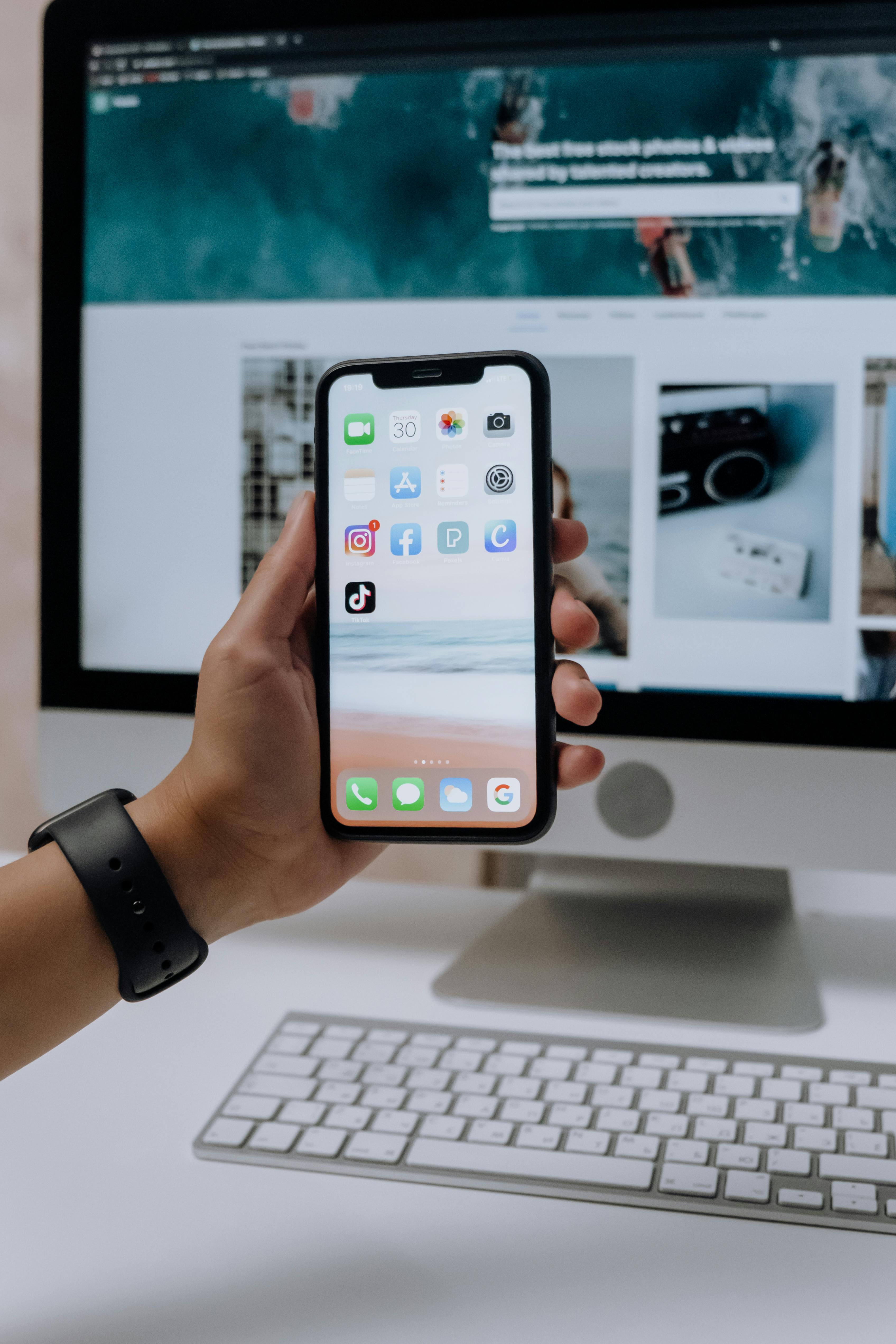
You have watched 47 YouTube videos about how to start freelancing. You have saved 30 tweets about how to make money online. You have joined 12 WhatsApp groups about digital business. You have downloaded 6 eBooks. You have attended 3 webinars. You have consumed enough content about starting to have actually started three times over — but you have not started. This is not information-gathering. This is productive-feeling procrastination, and the internet is the perfect environment for it.
The scroll provides a feeling of movement without actual movement. Every video you watch about building a freelancing career feels like progress toward building a freelancing career. It is not. Progress is the Upwork profile filled out. Progress is the first proposal sent. Progress is the first portfolio piece created. Progress is the first Selar product uploaded. Watching someone else do these things is not progress — it is spectatorship.
BusinessDay Nigeria's July 2025 editorial on Nigeria's TikTok generation stated directly: "Others, who waste these years scrolling, reposting skits, and blaming the government without building capacity, will face harsher truths." The World Economic Forum (November 2025) confirmed that Nigeria's scale makes the skills-employment mismatch especially urgent — 23% actively unemployed, 32% entirely out of work. Meanwhile, a phone and a data subscription are already in most of these hands. The start is possible. The start is just delayed — by the same device that could make it happen.
Start before you feel ready. Pick one skill — just one. Set a 30-day hard deadline. Use the next internet session not to consume more information about the skill — but to take the first small, concrete, embarrassing step toward it. Create the Fiverr account. Publish the first imperfect post. Send the first outreach message. Write the first terrible paragraph. Action always beats research. The skill builds in the doing, not the planning.
💡 Daily Reality NG Data Point — The Number That Should Wake You Up
If the average Nigerian uses 29 hours and 6 minutes of social media per week — and redirected just 10 of those hours weekly to learning a single marketable skill consistently for 12 months — they would accumulate 520 hours of deliberate skill practice. Research by Anders Ericsson (the scientist behind Malcolm Gladwell's "10,000 hours" theory) shows that 500+ hours of deliberate practice is enough to reach professional competency in most skills. In one year, on 10 hours of redirected weekly internet time, you could become professionally competent at UI/UX design, copywriting, video editing, coding, digital marketing, or any other skill that currently earns Nigerian freelancers ₦100,000–₦500,000+ per month. The 29 hours exist. The question is whether they are working for you or against you.
📎 Source: Krestel Digital Nigeria Social Media Statistics 2026 (29h 6min data) | skilllearning.org research on deliberate practice hours to competency
You are in a meeting. You check your phone. You are eating. You check your phone. Someone is speaking to you. You check your phone. You are watching a movie. You check your phone to check what other people are saying about the movie. You are trying to study or work. Every 8 minutes — sometimes less — your hand moves to the phone involuntarily, like a nervous reflex that you did not decide to make.
This is not weakness. This is engineering. Social media platforms have invested billions of dollars and employed the world's best behavioural psychologists to make their platforms as attention-capturing and as habit-reinforcing as a slot machine. Every notification is a deliberate dopamine trigger. Every infinite scroll removes a natural stopping point. Every "see what you missed" feature exploits the fear-of-missing-out hardwired into the human social brain. You are not failing to resist temptation — you are fighting a product engineered by the smartest people in the world specifically to defeat your resistance.
In Nigeria, the Krestel Digital 2026 report shows that Nigerians use 8.1 different social media platforms per month. That means 8 different notification systems, 8 different algorithms, 8 different habit loops are all competing to fragment your attention simultaneously. You are fighting 8 armies of behavioural engineers simultaneously. No wonder concentration feels impossible. It is being deliberately dismantled.
Rebuild your attention capacity deliberately: start with 25-minute undistracted work or study sessions (the Pomodoro technique — phone in a different room, notifications off, nothing open except the task). Build to 45 minutes over four weeks. Build to 90 minutes over eight weeks. Your capacity for deep focus — the only cognitive mode in which real skill, real work, and real income get built — will recover. But it requires turning off 8 different machines first. Use your phone's Digital Wellbeing (Android) or Screen Time (iPhone) settings to set daily time limits on your most addictive apps. These tools are on your phone for a reason. Use them on yourself.
Data in Nigeria is not cheap. A 10GB MTN data bundle costs between ₦3,000 and ₦5,000 depending on the plan. Airtel, Glo, and 9mobile pricing is similar. This money comes from somewhere — either earned, borrowed, or given by family. Now trace where that data actually went. Video streaming (TikTok, YouTube entertainment). WhatsApp groups where the same content circulates in 40 different threads. Instagram Reels of people whose life has nothing to do with yours. Twitter/X arguments that end with no resolution and no change. Downloading music, films, and series. Every gigabyte of that data was real money — and it produced nothing except entertainment.
Now imagine: what if 30% of that monthly data cost went to a Coursera course, a Google Digital Skills for Africa module, or YouTube tutorials that are directly building a skill you can charge for? What if 20% went to building your own content that attracts an audience? The rest could be entertainment — freely and without guilt — because the productive 50% would be building something real. Instead, for most Nigerians, 95%+ of data expenditure is pure consumption with zero return.
Nigerian data cost per gigabyte remains among the more expensive in Sub-Saharan Africa relative to purchasing power. Every wasted gigabyte is a fraction of your budget choosing entertainment over advancement. You are literally paying — in real naira — for the privilege of being distracted from your own future. That is not a metaphor. It is a monthly invoice you are settling without questioning what it bought.
Implement a data budget plan: mentally (or physically in a note) allocate your monthly data before it runs: 30% skill building and education (Coursera, YouTube tutorials, business tools); 20% income-generating activity (freelancing, content creation, client communication); 20% professional networking (LinkedIn, industry groups); 30% entertainment. Track your usage in your phone's settings weekly. Most Nigerians who do this are shocked at how completely their actual usage differs from their intended usage. See also: how to use budgeting apps in Nigeria — the same principle applies to data as it does to naira.
This sign requires the most honesty to face. When you feel stressed about money, you pick up your phone and scroll. When you feel overwhelmed by how far you are from where you want to be, you pick up your phone and scroll. When you feel the anxiety of not knowing what to do next, you pick up your phone and scroll. When boredom hits — that uncomfortable, directionless feeling between tasks — you pick up your phone and scroll. The scroll is not entertainment. It is a tranquiliser.
And like all tranquilisers, it dulls the pain temporarily — while the root cause continues untreated. The financial stress does not reduce because you scrolled for two hours. The distance between your current reality and your goals does not shrink because you watched other people live their best lives. The anxiety does not resolve because you immersed yourself in strangers' drama. When you put the phone down, all of it is still there — plus you have now lost two hours you could have used to actually address something. The internet becomes a way of doing nothing while feeling like you are doing something.
Nigeria's youth unemployment, economic pressure, housing costs, family obligations, and the general grind of Nigerian daily life create genuine, sustained stress and anxiety. Seeking relief is human and understandable. The danger is when the relief mechanism — scrolling — adds to the problem by stealing the time and mental energy needed to solve it. The money stress is partly a skills gap. The skills gap can be addressed in the same hours currently used to escape from it. This is the most brutal and most hopeful part of this sign.
The first step is awareness: notice the emotional trigger before the reach. When you feel the urge to scroll, pause for 10 seconds and ask yourself: what am I feeling right now? Name the emotion. Then make a deliberate choice — if you need a genuine break, take a real break (walk outside, drink water, call someone you actually love). If you have capacity to act, act on the smallest possible thing related to your goal. The scroll problem is almost never a technology problem — it is an emotional regulation problem. Addressing the emotion is more powerful than deleting the app. See our related guide: practical ways Nigerians can manage stress and anxiety.

Sit with this one honestly: look back at the last six months of your internet life. What do you have to show for it? Not feelings. Not entertainment memories. Not drama recalled. Tangible results — things that exist in the world because of your internet activity. A skill learned to demonstrable level. Income earned. A portfolio built. A client landed. A course completed. A product created and listed for sale. A business relationship formed. An audience built around genuine value. A network of industry contacts. Anything.
If the honest answer is effectively zero — if your internet activity for six months has produced nothing that materially changed your skills, income, or opportunities — then the time investment has a negative return. You paid for data. You spent hours. You received entertainment and the illusion of connection. That is a bad deal by any metric, and it compounds every six months that it continues.
Consider what six months of productive internet time could produce instead: 6 months × 10 hours/week of deliberate skill practice = 260 hours. At that pace: A Nigerian UI/UX design beginner can complete Google's UX Design Certificate on Coursera and have a portfolio ready for Upwork in that time. A writer can build enough published work to attract brand deals. A video editor can learn the craft well enough to charge ₦30,000–₦80,000 per edit. Six months is not nothing. Six months wasted is the exact same amount of time it takes to build something that changes your income trajectory.
Conduct a quarterly internet audit. Every three months, open a blank page and write down every tangible thing your internet time produced. If the list is empty or near-empty, that is your signal to restructure — not to feel guilty, but to redirect. The audit turns an abstract feeling ("I waste time online") into a concrete reality that demands concrete action. Set one measurable goal for the next 90 days: one skill to reach a demonstrable level, one income target to hit online, one portfolio piece to create. Then use your internet time in service of that goal rather than in spite of it.
This is the sign that takes the most courage to admit, and the most compassion to receive. You have thought "I need to stop wasting time on social media" more than three times. You have tried deleting apps. You have set screen time limits that you bypassed the next day. You have made promises to yourself that lasted 48 hours before dissolving. You know, clearly and consciously, that the hours you are spending are not serving your life. And yet the behaviour continues. This is not a character failure. This is addiction — as clinically real as nicotine or alcohol dependency.
Social media platforms are specifically designed using the same reinforcement mechanisms as slot machines: variable reward (you never know if the next scroll will bring something amazing or boring — this unpredictability is the core of addiction mechanics), social validation (likes and comments trigger the same neurological reward pathways as cocaine in brain imaging studies), and loss aversion (you fear missing something if you stop). Your inability to stop, despite genuine intention to stop, is not weakness. It is the product working exactly as designed.
In December 2025, TikTok suspended its late-night Live feature in Nigeria after authorities flagged over 49,512 live sessions in a single quarter for violating monetisation and decency rules. NITDA's Director-General Kashifu Inuwa Abdullahi stated: "We want to see Nigerians using technology to build skills for tomorrow, not to erode our cultural fabric for today's coins." The Nigerian government has recognised the addiction crisis. The question is whether individual Nigerians will act before regulation forces the issue. (Source: Nigerian Tribune, April 8, 2026)
If you recognise this sign strongly, standard willpower-based approaches have already failed you — and that failure proves the point. Try these structural interventions: (1) Environmental design — put your most addictive apps on a second phone or use a separate SIM with no data plan for daily internet; (2) Accountability partner — tell someone specific your usage reduction goal and check in weekly; (3) Replace, don't just remove — every time you would have scrolled, have a predetermined alternative ready (a physical book, a skill practice exercise, a podcast in your learning field); (4) Delete, don't just mute — apps on your phone are always only one tap away; a deleted app requires deliberate reinstallation, adding enough friction to interrupt automatic behaviour. You are not weak. You are fighting an engineering trillion-dollar weapon. You need strategic defenses, not willpower alone.
🚀 The Nigerian Internet Reset Plan — What to Actually Do Now
Reading 10 signs is not the point. The point is what happens after you recognise yourself in them. Daily Reality NG analysis of the most productive Nigerian digital workers reveals a consistent set of restructuring behaviours. Here is the verified reset plan:
| Week | Action | What It Produces | Time Required |
|---|---|---|---|
| Week 1 | Enable screen time tracking. Record your actual daily usage. Do not change anything yet — just observe what is true. | Honest baseline. Most people are shocked by what they see. | 5 minutes daily |
| Week 2 | Delete or disable your 3 most addictive apps from your home screen. Unfollow every account that is purely entertainment with zero educational value. | Immediate reduction in passive consumption. Cognitive space starts returning. | 30 minutes once |
| Week 3 | Pick ONE skill. Enroll in one free course (Coursera, Google Digital Skills for Africa, YouTube learning playlist). Dedicate 45 minutes daily to it — same time each day. | First momentum on something that compounds. Routine beginning to form. | 45 minutes daily |
| Week 4 | Create something with what you have learned. Publish it — even imperfectly. One portfolio piece, one post, one small product. | First proof of capability. The shift from consumer to creator begins in public. | 2–3 hours once |
| Month 2 | Set up one income pathway (Selar, Upwork, Expertnaire, freelancing platform, or WhatsApp-based local business). | First income pathway active. Even ₦0 the first month — the infrastructure is built. | 3–5 hours once |
| Month 3 | Review: how much has your productive internet time produced? First income or clear progress toward it. Reset for the next 90 days with a higher target. | First quarterly audit shows real return on internet time investment. | 1 hour quarterly |
| 💡 This reset plan is based on Daily Reality NG editorial analysis of what distinguishes productive Nigerian digital workers from those who remain stuck in passive consumption. It is not a theory — it is observed practice. Source: Daily Reality NG; Mauco Enterprises Nigeria digital skills research 2026. | |||
📊 Where Nigerian Internet Time Goes — The Honest 2026 Breakdown
Based on Krestel Digital Nigeria 2026 data and SQ Magazine global screen time statistics April 2026. Nigerian total internet: 6h 38min/day. Social media = ~51% of that. This is how the majority of that social media time is actually spent.
📊 Chart Takeaway: Only approximately 14.4% of Nigerian internet time goes to anything productivity or education-related. Over 66% is entertainment and social scrolling. If the average Nigerian could shift just 15 percentage points from entertainment to education — without adding any extra time online — they would effectively double their productive internet investment. That shift requires intention, not more data, not a better phone, not better circumstances. Just intention. Source: SQ Magazine Screen Time Statistics April 2026 (global category breakdown applied to Nigerian context); Krestel Digital Nigeria 2026 (total time data).
⚡ What Wasting Your Life Online Actually Costs — In Naira, In Years, and In Who You Could Have Been
💰 The Financial Cost — What the Hours Are Worth in Naira
Let us be specific about the math. If a Nigerian spends 29 hours per week on social media — the 2026 verified average — and even 10 of those hours were redirected to a billable digital skill at a modest Nigerian freelancer rate of ₦5,000 per hour, that would be ₦50,000 per week. ₦200,000 per month. ₦2.4 million per year. From redirecting 10 hours of the 29 already being spent online. The full 29 hours redirected at that rate would be ₦5.8 million per year — from the same phone, the same internet connection, the same Nigeria. The current 29 hours of scrolling produces ₦0. The opportunity cost of Nigerian internet time-wasting — measured across millions of users — is a number that redefines what is lost. (Source: Daily Reality NG editorial analysis; Mauco Enterprises Nigeria digital freelance market data 2026)
🗓️ Emeka and Ngozi — Three Years Later
In 2025, three years after graduation, Emeka had 7 hours 42 minutes of average daily screen time on record and zero naira earned from the internet. Ngozi — same phone, same Nigeria, same economic conditions — earned her first dollar from Upwork in 2023. By 2025 she was billing $800 per month. By early 2026 she had raised her Upwork rate twice and was building a team. Emeka knew more about Nigerian celebrity drama. Ngozi knew more about UI/UX design. Both spent the same years online. The difference was not talent, not connection, not privilege — it was what they chose to do with the hours. Same internet. Completely different futures.
🏢 The National-Scale Cost — What Nigeria's #1 Addiction Ranking Actually Means
Nigeria has 239 million people, 47.8 million TikTok users, 38 million Facebook users, and a combined youth unemployment rate of 55%. The World Economic Forum's November 2025 analysis confirmed that "employers report persistent shortages in technical and digital skills" — despite most Nigerian youth already having a device and internet access. The skill gap exists not because of access — it exists because of what the access is being used for. If Nigeria's youth redirected even 5% of their collective social media time into skill acquisition, the country's digital talent pool would experience the largest per-capita expansion of any developing economy in history. The capacity is already online. The intention has not followed it there yet. (Source: World Economic Forum November 2025; Krestel Digital Nigeria 2026)
🌍 The Identity Cost — Who You Could Have Been
This is the cost that is hardest to quantify and the one that stings longest. Every hour you scroll is an hour you are not becoming the person you could be. The skill you are not building. The portfolio piece that does not exist. The income that could change your housing situation, your family's stress, your options. The discipline and focus you could develop. The person who could have used these years to build something is a real person you are preventing from existing through the daily choice to scroll instead. That person does not have to be theoretical. But they are becoming more theoretical with every hour of unproductive use. (Source: BusinessDay Nigeria, July 2025 editorial)
📎 Source: BusinessDay Nigeria "Youthquake in Nigeria: Why the TikTok generation must shift from scrolling to skills" July 9, 2025 | businessday.ng
✅ Your 24-Hour Action — Start With Just This
Check your phone's screen time right now. Write down the actual number. Then ask yourself one question: if that number represented hours of deliberate skill practice instead, what would you be capable of today? The gap between your current capability and your potential capability is the exact size of your unconverted screen time. Pick one hour from tomorrow's screen time and use it for one concrete skill-building activity. Just one hour. Not a plan for hours. One hour. Today.
Also read: 7 daily habits of highly successful people in Nigeria — and how to build a personal brand online as a Nigerian professional.

✅ Key Takeaways — The Honest Summary
- Nigeria is #1 in the world for social media addiction — spending an average of 4 hours 49 minutes daily on social platforms, and 29 hours 6 minutes weekly across all social media. This is not a badge of honour. It is an emergency.
- The 10 signs are specific and nameable. Consuming more than creating. Phone first and last. Knowing strangers' business better than your own goals. Comparison-induced depression. Chronic "about to start" syndrome. Phone anxiety. Data dying on entertainment. Internet as emotional escape. Zero 6-month results. Inability to stop despite intention to stop.
- Youth unemployment in Nigeria sits at a combined 55%. The majority of those unemployed young Nigerians have a phone and data. The skill gap is not a device gap. It is a decision gap about what to do with the device.
- Nigerian youth who spend 10+ hours weekly on social media show depression rates 40% higher. The scroll is not neutral. It has documented mental health costs in the Nigerian context specifically.
- TikTok suspended Nigeria's late-night Live feature in December 2025 after 49,512 sessions in a single quarter were flagged for violation. The government is paying attention. The question is whether individuals will act before regulation forces the issue.
- The same 29 hours of weekly social media time, redirected to deliberate skill practice, would produce professional competency in a marketable digital skill within 12 months. The time exists. The decision to redirect it has not been made.
- The internet is not the enemy. The internet is the most powerful economic equalizer Nigeria has ever had. Ngozi used it to earn $800/month. Emeka used it to watch others earn. Same device. Radically different life outcomes.
- Your 24-hour action: check your screen time right now. Write down the actual number. Then redirect one hour of tomorrow's screen time to one concrete skill-building activity. Not a plan for hours — one hour. That is how it starts.
🔓 Editorial Disclosure: This article was independently researched and written by Samson Ese, Founder of Daily Reality NG. No social media platform, app developer, or technology company sponsored or influenced this content. All data cited is from publicly available reports including Krestel Digital Nigeria Social Media Statistics 2025 & 2026, DemandSage Social Media Addiction Statistics 2025, SQ Magazine Screen Time and Internet Addiction Statistics (updated April 27, 2026), World Economic Forum Nigeria November 2025, BusinessDay Nigeria July 2025, Nigerian Tribune April 2026, and peer-reviewed academic research from PMC/PubMed. This article represents Daily Reality NG's editorial analysis of Nigerian digital wellbeing realities. It is not clinical mental health advice. — Samson Ese, Founder, Daily Reality NG
📋 Content Note: This article discusses internet addiction and social media overuse. If you or someone you know is experiencing significant anxiety, depression, or psychological distress related to internet use or other factors, please reach out to a qualified mental health professional in Nigeria. The Federal Neuropsychiatric Hospital Yaba Lagos, LASUTH, and the Federal Medical Centre Asaba (Delta State) provide mental health services. This article is educational — for serious mental health concerns, professional guidance is appropriate.
📚 Related Articles From Daily Reality NG
❓ Frequently Asked Questions — 15 Answers on Nigerian Internet Time-Wasting
How many hours do Nigerians spend on the internet daily?
Nigerian internet users spent an average of 6 hours and 38 minutes daily using the internet across all devices in 2025, with approximately 51% of that time dedicated to social media platforms — more than 3 hours per day on social media alone. Nigerian social media users also spend an average of 29 hours and 6 minutes per week across social media, actively using an average of 8.1 platforms per month as of 2026. Separately, DemandSage's Social Media Addiction Statistics 2025 report states that Nigerians spend an average of 4 hours and 49 minutes specifically on social media platforms daily, making Nigeria the most socially addicted country globally by this metric.
📎 Source: Krestel Digital Nigeria Social Media Statistics 2025 and 2026 | DemandSage Social Media Addiction Statistics 2025 | demandsage.com
Is Nigeria the most addicted country to social media in the world?
According to DemandSage's 2025 Social Media Addiction Statistics report, Nigeria ranks first globally for social media addiction, with Nigerians spending an average of 4 hours and 49 minutes per day on social platforms — ahead of the Philippines (4h 1min) and South Africa (3h 56min). This is particularly significant given that 23% of young Nigerians are actively looking for work and another 32% are entirely out of employment, meaning millions of young Nigerians are spending nearly 5 hours daily on social media while struggling economically. The combination of #1 social media addiction and one of the world's highest youth unemployment rates is not coincidental — it represents a massive misalignment of available time and productive activity.
📎 Source: DemandSage Social Media Addiction Statistics 2025 | World Economic Forum November 2025 Nigeria Report
What are the signs that you are wasting your life on the internet in Nigeria?
The 10 key signs that you are wasting your life on the internet in Nigeria are: (1) You consume far more than you create online; (2) Your phone is the first thing you touch in the morning and the last at night; (3) You know everyone else's business but are a stranger to your own goals; (4) You regularly compare your life to people online and feel inadequate; (5) You have been "about to start" your digital skill or business for over three months; (6) You cannot sit still for 30 minutes without reaching for your phone; (7) Your data runs out on entertainment, not education or income-building; (8) You use the internet to escape pain and anxiety rather than to build something; (9) Six months online with zero tangible result to show; and (10) You know you are wasting time but cannot stop — which is the clinical definition of addiction.
How does internet addiction affect Nigerian students and workers?
Internet addiction has severe documented effects on Nigerian students and workers. A study published in Higher Learning Research Communications (2025) found significant links between internet addiction and academic fatigue, reduced engagement, and lower performance among undergraduates in southwestern Nigerian universities. Research from the University of Ibadan found that 42% of Nigerian adolescents showed mild internet addiction and 13% moderate addiction. In the workplace, social media interruptions take 23 minutes to fully recover from — meaning every phone check during work or study costs approximately 23 minutes of deep focus. A 2025 systematic review in PMC confirmed that Nigerian youth spending 10+ hours per week on social media show depression rates 40% higher than the average. Globally, social media distractions cost businesses $650 billion annually in lost productivity.
📎 Source: Higher Learning Research Communications 2025; PMC Systematic Review November 2025; SQ Magazine Screen Time Statistics April 2026
What happened with TikTok's late-night Live feature in Nigeria?
In December 2025, TikTok took the unprecedented step of suspending the late-night Live feature in Nigeria after authorities flagged over 49,512 live sessions in a single quarter for violating monetisation and decency rules. The suspension followed concerns from the Nigerian Information Technology Development Agency (NITDA) Director-General Kashifu Inuwa Abdullahi, who stated at a 2026 digital safety summit: "We want to see Nigerians using technology to build skills for tomorrow, not to erode our cultural fabric for today's coins. No matter how advanced technology is, it cannot deliver value without the right people and ethical processes." The suspension was also linked to reports of young Nigerians performing increasingly degrading acts to earn TikTok gifts, described by digital sociologists as "a new form of digital panhandling."
📎 Source: Nigerian Tribune "Digital panhandling or new-age entrepreneurship?" April 8, 2026 | tribuneonlineng.com
How much time does the average Nigerian spend on TikTok in 2026?
TikTok has the highest advertising reach in Nigeria in 2026, with 47.8 million Nigerian users — the largest reach of any social platform in Nigeria. Globally, SQ Magazine (updated April 27, 2026) revised average TikTok usage from 59 minutes to 1 hour and 37 minutes per day, reflecting a major increase in engagement intensity. In Nigeria specifically, TikTok closely rivals and in some metrics surpasses Facebook in user numbers, with 37.4 million users as of January 2025. TikTok's algorithm is specifically designed to maximise time-on-platform through an infinite scroll and variable reward system that makes it the primary mechanism through which Nigerian youth waste productive time. The platform's Creator Rewards Program explicitly excludes Sub-Saharan Africa — meaning Nigerian TikTok users are spending hours on a platform that will not pay them through its primary creator monetization scheme.
📎 Source: Krestel Digital Nigeria Social Media Statistics 2026; SQ Magazine Screen Time Statistics April 2026; Intelpoint Nigeria January 2025
Does social media use cause depression and anxiety among Nigerian youth?
Yes, with important nuances. A 2025 systematic review and meta-analysis published in PMC (November 2025) found that young people in Nigeria who spent more than 10 hours per week on social media showed depression rates 40% higher than the average, specifically linked to the internalisation of school failure and pressure to emulate unrealistic lifestyles seen on social platforms. Globally, adolescents who spend more than three hours daily on social media face double the risk of mental health problems including depression and anxiety. People who used between 7 and 11 different social media apps (Nigerians average 8.1 apps per month) were three times more likely to have symptoms of depression or anxiety. The singlecare.com 2026 mental health statistics compilation confirms that almost 1 in 2 teens say social media has a mostly negative impact on their peers.
📎 Source: PMC Systematic Review November 2025; Singlecare Social Media Mental Health Statistics 2026; SQ Magazine 2026
How can I tell if I am using the internet productively or wasting time?
The clearest test is a tangible output audit: at the end of any week or month, can you point to something the internet produced for you? Tangible outputs include a new skill demonstrated, money earned, a portfolio piece created, a course completed, a client acquired, or a business relationship formed. If your internet time has produced primarily entertainment, comparison feelings, and vicarious living through others' content — you are in consumption mode. The practical 50/50 test: for every hour spent consuming online content, spend at least one hour creating, building, or learning something that compounds over time. Nigerian creators earning real income online consistently report that their productive internet time is creation-heavy, not consumption-heavy. The ratio between consumption and creation in your own internet use is the clearest indicator of whether you are wasting time or building something.
What should Nigerians use the internet for instead of wasting time?
The internet is Nigeria's most powerful economic equalizer — available to anyone with a phone and a data plan. Productive Nigerian internet use includes: (1) Skill building on free platforms like Coursera, Google Digital Skills for Africa, YouTube tutorials, and ALX Africa; (2) Freelancing income on Upwork, Fiverr, Toptal for skills like writing, design, development, and video editing; (3) Content creation for income — YouTube (pays Nigerian creators), Facebook (opened monetization June 2024), Selar digital products, Expertnaire affiliate marketing; (4) Business development through LinkedIn and WhatsApp Business; (5) Financial literacy through Nigerian-specific financial education content; (6) Using AI tools like ChatGPT and Claude as free personal tutors for skill acceleration. The same device Nigerian youth use to scroll TikTok for 5 hours is the device that could teach them a dollar-earning skill in the same time.
Why do Nigerians spend so much time on social media despite knowing it is unproductive?
Social media platforms are engineered by teams of the world's best behavioural psychologists to maximise time-on-platform through dopamine-driven feedback loops that function like slot machines. In Nigeria's context, additional factors compound this: (1) Economic despair — scrolling provides emotional escape from financial anxiety without requiring the energy that productive action demands; (2) Cheap night data bundles — Nigerian telecom operators offer affordable late-night data, enabling extended late-night scrolling when willpower is lowest; (3) Algorithm exploitation — TikTok specifically optimises for engagement, showing increasingly engaging content to maintain attention; (4) Comparison culture — seeing others' success online creates anxiety temporarily soothed by more scrolling; (5) The communal instinct — Nigerians are culturally communal, and social media satisfies the desire for connection, even if that connection is primarily passive. Understanding these mechanisms is the first step to countering them.
📎 Source: Nigerian Tribune April 2026; SQ Magazine Screen Time Statistics April 2026; Krestel Digital Nigeria 2026
How much money does internet time-wasting cost Nigerians?
The financial cost operates on multiple levels. Direct data cost: the average Nigerian spending 4 hours 49 minutes daily on social media is consuming significant data that costs real naira monthly. Opportunity cost: the same time spent learning a marketable digital skill consistently for 6-12 months can produce income of ₦100,000 to ₦500,000+ monthly on freelancing platforms. If just 10 of the 29 weekly social media hours were redirected to billable work at a modest ₦5,000 per hour rate, that is ₦200,000 per month from redirected time alone. In macro terms, social media distractions cost global businesses $650 billion annually. For Nigeria's 239 million population with 47.8 million social media users, even a modest per-person productivity redirection would represent a transformative national economic gain. The data bundle is the smallest cost — the opportunity is the real cost.
📎 Source: SQ Magazine Screen Time Statistics 2026; Krestel Digital Nigeria 2026; Cropink Social Media Addiction Statistics 2025
What is doom scrolling and how does it affect Nigerians?
Doom scrolling is the compulsive habit of endlessly consuming negative, disturbing, or distressing online news and content — often late at night — despite the emotional harm it causes. For Nigerians, doom scrolling is particularly common around political news (especially during election periods), economic updates (dollar-to-naira rate anxiety), insecurity reports, and social media drama and cancel culture. Research shows doom scrolling activates the brain's stress response system (amygdala), keeping users in a state of chronic low-grade anxiety that disrupts sleep, concentration, and motivation. Technology addiction statistics show that 1 in 4 relationships is affected by phubbing (phone snubbing), and that employees switch tasks every 47 seconds due to notifications. For a population already dealing with documented mental health pressure from economic hardship, doom scrolling adds algorithmically amplified negativity to already stressful daily reality.
📎 Source: Virtual-Addiction.com Technology Addiction Statistics 2025; SQ Magazine Screen Time Statistics April 2026
How can I do a practical digital detox in Nigeria?
A practical Nigerian digital detox does not require extreme measures — it requires intentional restructuring of your digital environment: (1) Turn off all social media notifications — check on your schedule, not the algorithm's; (2) Delete the most addictive apps from your home screen — if TikTok or Instagram is your first morning tap, move or delete it; (3) Designate phone-free times — the first 60 minutes after waking and last 60 minutes before sleep should be screen-free; (4) Use your phone's screen time tools (Android Digital Wellbeing or iPhone Screen Time) to see actual usage — the number shocks most Nigerians; (5) Replace scrolling time with a skill-building activity — even 30 minutes daily of consistent learning compounds significantly; (6) Join skill accountability groups — Nigerian communities on Twitter/X and WhatsApp around specific skills provide social accountability; (7) Research shows those who took a week break from social media reported 32% improvement in mental well-being.
📎 Source: Cropink Social Media Addiction Statistics 2025
What platforms are Nigerians most addicted to in 2026?
According to Krestel Digital's Nigeria Social Media Statistics 2026 report, TikTok has the highest advertising reach in Nigeria at 47.8 million users, followed by Facebook at 38.0 million, YouTube at 30.5 million, and Snapchat and Instagram between 10 and 23 million. Average Nigerian users were active on 8.1 social media platforms per month in 2026, up from 5.0 platforms in 2024 — a 62% increase in platform diversity. Nigerian users spend 29 hours and 6 minutes weekly across all these platforms combined. TikTok's rapid growth from a newcomer to Nigeria's highest-reach platform represents the most significant shift in Nigerian digital consumption patterns, particularly among youth aged 16-30. WhatsApp remains the most used messaging app with near-universal adoption among smartphone owners.
📎 Source: Krestel Digital Nigeria Social Media Statistics 2026; Intelpoint Nigeria TikTok statistics January 2025
Is the internet itself bad for Nigerians, or just how it is being used?
The internet is categorically not bad for Nigerians — it is the most powerful economic equalizer Nigeria has ever had access to. The same device and data plan that a time-wasting Nigerian uses to scroll for 6+ hours is the same device and data plan through which another Nigerian earns $800 per month on Upwork, builds a brand on YouTube, sells digital products on Selar, or completes a Google-certified course. The internet's value is neutral — it amplifies whatever you bring to it. Bring passive consumption and you get entertainment and comparison-induced depression. Bring intentional creation, skill-building, and business activity and you get income, portfolio, and opportunity. BusinessDay Nigeria stated it directly: "We are not short on dreams in Nigeria. We are short on preparation." The internet cannot fix unpreparedness. But it can accelerate preparation for those who choose to use it that way. The tool is not the problem. The choice is.
📎 Source: BusinessDay Nigeria "Youthquake in Nigeria: Why the TikTok generation must shift from scrolling to skills" July 9, 2025

Get More Real Talk From Daily Reality NG
Subscribe to our newsletter for the kind of honest, verified, no-sugarcoating Nigerian content that actually helps you navigate life, money, technology, and decisions in Nigeria 2026. No hype. No generic advice. Just real.
📧 Subscribe Free — Get the Real Talk Weekly💬 15 Uncomfortable Questions — Answer Them Honestly in the Comments
- What is your actual average daily screen time right now — not what you think it is, the number your phone actually shows? Would you share it honestly?
- How many of the 10 signs apply to you? Be specific — which ones hit hardest?
- You have been online for months or years. What is the one most tangible thing your internet time has produced in the last 6 months?
- Nigeria is #1 globally for social media addiction. As a Nigerian, does that statistic embarrass you, explain something, or both?
- What is the one skill you have been saying you will learn online for over 3 months but have not started? Name it.
- Is there a specific emotional trigger — stress, loneliness, boredom, financial anxiety — that most consistently pushes you toward your phone? What would happen if you addressed that trigger directly instead?
- The article said: "Same internet. Same Nigeria. Different choices about what to do with the time online." Do you agree with this framing? Or do you think the barriers for some Nigerians are fundamentally different?
- TikTok suspended its late-night Live feature in Nigeria after 49,512 flagged sessions. Do you think more social media regulation is the answer — or is the answer individual choice? Or both?
- How do you feel about the 29 hours per week average Nigerian social media time? Is it shocking? Expected? Or do you think you use less than that?
- If someone paid you ₦10,000 to stay completely off social media for 72 hours, could you do it? What does your answer tell you about your relationship with your phone?
- Which is harder for you — reducing entertainment consumption or starting to create? Why?
- You read that Nigerian youth showing 10+ hours social media use per week have 40% higher depression rates. Does this change how you think about your own usage and mental state?
- The article described social media as a "tranquiliser" for Nigerian economic anxiety. Does that resonate? Are you using it to escape something specific?
- What would your life look like in 12 months if you redirected just 10 of your current weekly social media hours into deliberate skill-building? Be specific and honest.
- What is the one thing from this article you will actually do differently, starting in the next 24 hours? Not "try" — will actually do.
Drop your honest answers in the comments — or email dailyrealityng@gmail.com. The real conversations here matter more than any viral comment. Also share this with someone who needs to read it — not to shame them, but because you care about where they end up.
By early 2026, Emeka had changed. He read something like this — not this exact article, but something that finally made the mirror obvious enough that he could not look away from it. He spent two weeks deleting apps and redirecting 1 hour of his daily scroll to a video editing course on YouTube.
Six months later he was charging ₦35,000 per edit on WhatsApp. He still has social media. He still scrolls sometimes. But it is no longer the default — it is the break between sessions of building something real. The phone did not change. The data plan did not change. Nigeria did not change. He made a different decision about the same hours.
Check your screen time tonight. The number is there. So is the first hour of your redirect.
— Samson Ese | Founder, Daily Reality NG
Daily contact: dailyrealityng@gmail.com | WhatsApp Channel


Comments
Post a Comment