The Real Meaning of Peace After Years of Struggle — Daily Reality NG
The Real Meaning of Peace After Years of Struggle and Noise — Daily Reality NG
⚡ Quick Answer — What Peace Actually Means in 60 Seconds
Psychology defines inner peace as "a low-arousal positive emotional state coupled with a sense of balance or stability" (Cherif et al., 2022). It is not happiness. It is not the absence of problems. It is not silence. It is not numbness. It is a trained internal state of equanimity — calmness, serenity, and contentment — that can exist alongside ongoing difficulty. Research shows it is built from three dimensions: acceptance of loss, transcendence of materialism and external performance, and inner balance. Post-Traumatic Growth research (Tedeschi & Calhoun) shows that up to 89% of people who have survived significant struggle report at least one aspect of growth from it — including a renewed appreciation for life and greater inner strength. Peace is not found at the end of struggle. It is built inside it. And in Nigeria, where "survival itself became the goal" in 2025 (Punch Nigeria), building it is both harder and more necessary than almost anywhere else.
You are reading Daily Reality NG. This is not a motivational piece filled with calming imagery and generic affirmations about finding your centre. This is an honest analysis of what peace actually is — grounded in psychology research, located in the specific reality of Nigerian life, and written for people who are genuinely tired of surviving and want to understand what rest for the soul actually looks like. Some of this will resonate immediately. Some of it will challenge what you thought peace was. All of it is written with the understanding that in a country as loud and demanding as Nigeria, finding genuine peace is not a luxury or a weakness — it is one of the most courageous and necessary acts of self-preservation available.
Psychology Today (December 2024) — inner peace as low-arousal positive state (Cherif et al., 2022); International Journal of Wellbeing — inner peace as homeostatic psychological equilibrium (Ward, 2010; Barua, 2014); Tedeschi & Calhoun Post-Traumatic Growth framework (updated PMC 2023 editorial); IJIP 2025 — Self-Improvement and Inner Peace research (Kumar & Panigrahi); PMC/NIH — Nigerian adolescents in displacement and spiritual coping mechanisms; BusinessDay Nigeria April 2026 — "For many Nigerians, survival is not an occasional challenge; it is a permanent state of adaptation"; Punch Nigeria/TheCable December 2025 — Nigerian emotional fatigue documentation; AllAfrica September 2025 — Nigeria Global Peace Index 148th globally; UNDP — Integrating mental health and peacebuilding (2022); Psychology Spot — inner peace as stopping the war against one's own thoughts. All sources verified June 1, 2026.
⏱️ PRECHECK — Find Your Place in This Article
(1) You feel emotionally exhausted but cannot identify why — the Nigerian Noise section and the 5 things disguised as peace were written specifically for this experience. (2) You have survived serious hardship and want to understand what comes next — the Post-Traumatic Growth section and the 7 markers of genuine peace are your primary reading. (3) You confuse peace with happiness and wonder why you are not happy even when things are okay — the Peace vs. Happiness comparison table addresses this directly. (4) You want practical steps, not philosophy — the 24-Hour Action Plan and the Practices section give you five immediately actionable starting points.
🌿 What Brought You to This Article? Find Your Entry Point
This is documented emotional fatigue — Punch Nigeria named it the defining feature of Nigerian life in 2025. The Peace vs. Tiredness section and the Noise section explain what is happening and what begins to change it.
You may be experiencing Post-Traumatic Growth — a psychological state beyond recovery. Read that section. 89% of survivors report it. What you feel as "different" may be the beginning of something more valuable than returning to before.
Start with the scientific definition, then the 5 things disguised as peace. Most people are searching for something they have never clearly defined. This article defines it first so the search has a real target.
Read the full article from the beginning. "Just find peace" is the wellness equivalent of "just be rich." This analysis unpacks what that instruction actually requires — with honesty and specificity.
The Nigerian Noise section and the RWI section address this directly. Peace is harder in difficult circumstances — but the PMC Nigeria research documents it being found inside displacement camps. It is possible. This article shows how.
📍 Where Are You? — Reader Situation Snapshot
You have kept going through economic pressure, disappointment, loss, or relationship pain — and you are still going. But you feel hollow at the centre. You do not feel broken. You feel used up. The peace you need is not motivation. It is the recognition that you do not have to keep proving yourself to deserve rest.
You have built things. You have achieved things. You have ticked boxes. And none of it produces the feeling of enough that you expected. You are always moving toward the next thing because stopping feels dangerous. The peace you need is not more achievement. It is the discovery that you were enough before the achievement.
Social media, other people's opinions, family expectations, financial pressure, and constant news have colonised your internal space. There is no quiet. Even when everything is technically fine, something feels unsettled. The peace you need is not circumstances changing. It is reclaiming your own inner world from all the voices that have moved into it.
Something significant has passed — a loss, a failure, a season of real darkness. You are out the other side and you feel different. Not better, necessarily. Different. Quieter in some ways. More certain of some things. Uncertain about others. What you are feeling is not weakness. It is the earliest form of hard-won peace.
Adaeze had been working since she was nineteen. Not because she loved working, but because not working was not an option. University fees. Family contributions. The casual cruelty of the Nigerian economy toward people without backup plans. By the time she was twenty-eight, she had held four jobs, launched two businesses — one of which worked, one of which did not — moved apartments three times, and survived a relationship that ended in a way that still came to her on quiet evenings. She had also watched her father's health decline without the resources to do much about it.
She had never, as an adult, genuinely rested. She had been on holiday once, but she had brought her laptop. She had meditated twice before deciding it was not for her. She had read the books about peace and found them useful for other people. At twenty-eight, sitting in traffic on the Third Mainland Bridge on a Tuesday evening, watching the sun go down over Lagos Lagoon, she thought: I have never once not been waiting for the next hard thing.
That thought — not the beauty of the lagoon, not a breakthrough moment, but the honest recognition of perpetual bracing — was the first genuine movement toward peace Adaeze had experienced in years. Not because it resolved anything. But because it was the first honest sentence she had spoken to herself in a very long time. And peace, as it turns out, begins there.
📋 Table of Contents
- What Peace Actually Is — The Science Behind the Word
- Peace vs. Happiness, Silence, Numbness, and Giving Up — The Comparison Table
- The Nigerian Noise — Why Peace Is Harder Here Than Almost Anywhere
- Post-Traumatic Growth — How Struggle Can Build Peace That Was Impossible Before
- 5 Things Disguised as Peace That Are Not Peace
- 7 Markers That You Are Building Genuine Peace
- Forgiveness — The Heaviest Weight Peace Requires You to Put Down
- Practices — The Unglamorous Work of Building Inner Peace
- Real World Impact — What Peace Changes in Nigerian Life
- 24-Hour Action Plan
- Key Takeaways
- 15 Frequently Asked Questions
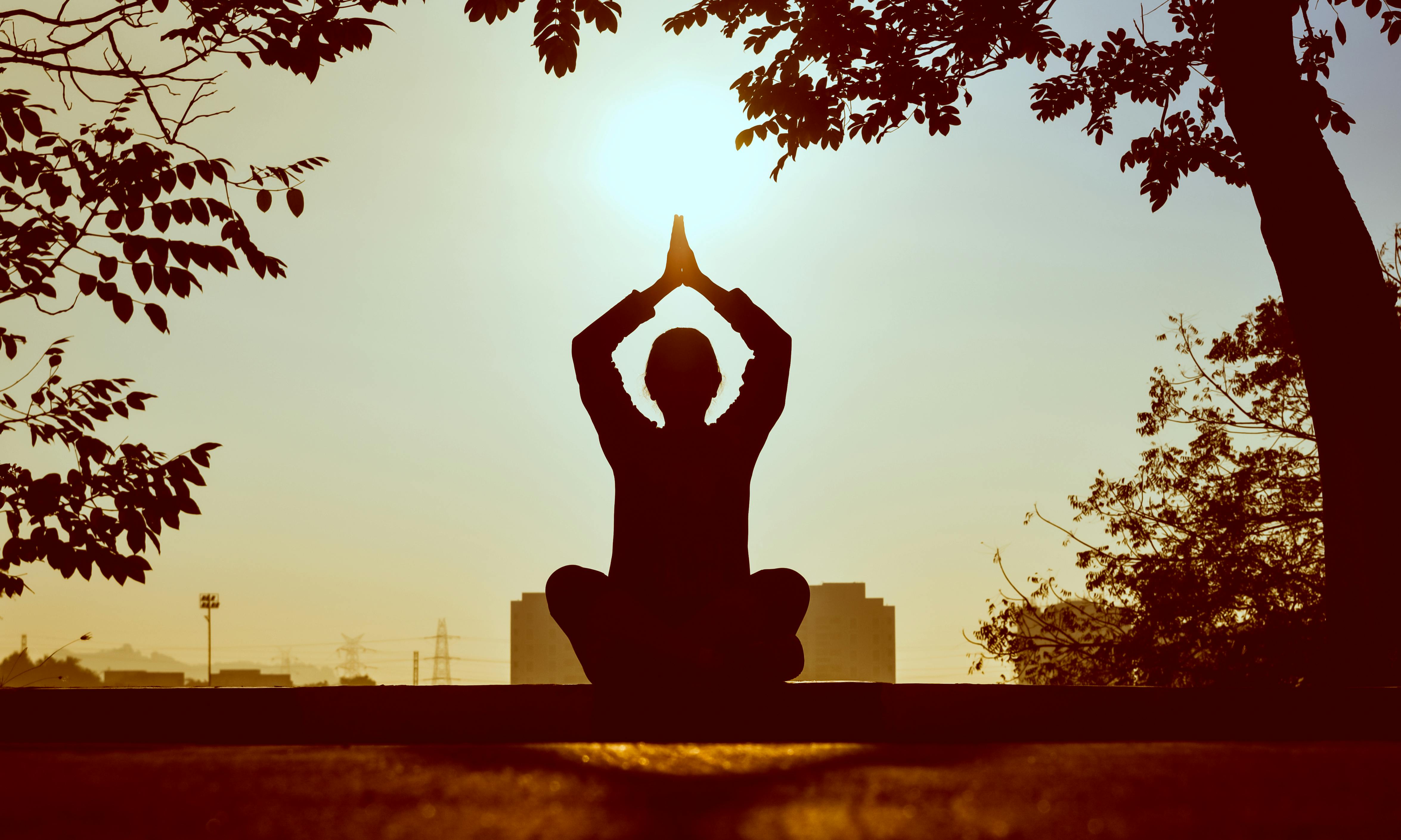
🌿 What Peace Actually Is — The Science Behind the Word
Before you can find something, you have to know what it is. Most people who say they want peace have never clearly defined what they are looking for. They know what they want to stop feeling — the anxiety, the noise, the constant bracing for the next difficulty. But they have not formed a clear picture of what they are building toward. Psychology offers that picture with unusual precision.
The scientific definition: Psychology Today summarises the research literature as follows: "Inner peace is defined as a low-arousal positive emotional state coupled with a sense of balance or stability." The International Journal of Wellbeing's research team (Juan Xi and Matthew T. Lee) identified three specific dimensions of inner peace from extensive cross-cultural study: acceptance of loss, transcendence of hedonism and materialism, and inner balance and calmness. The International Journal of Wellbeing also describes it as a homeostatic psychological state — the mind's natural equilibrium, functioning at its best when not disturbed by unprocessed emotion, anxiety, or external performance demands.
Notice what is absent from this definition: peace is not described as the absence of problems. It is not described as constant happiness. It is not the elimination of all negative thoughts. The 2025 research by Kumar and Panigrahi (International Journal of Indian Psychology) states that "inner peace means that we live happily in worries, anxieties, stressors, and fears — it is related to achieving self-actualization and controlling the body system in a way that only perceives and thinks positive without excessive concern with the surroundings."
Peace is not what you feel when everything is fine. Peace is what remains stable when everything is not fine. If your peace depends on circumstances being good, you do not have peace — you have comfort. Comfort is temporary and circumstance-dependent. Peace is portable. It travels with you into the hard places because it was built from within, not borrowed from outside. This distinction is the entire difference between people who survive difficulty and people who grow from it.
📊 Peace vs. Happiness, Silence, Numbness & Giving Up — The Full Comparison
One of the reasons people search for peace and cannot find it is that they are looking for something other than peace and calling it peace. This table clarifies the distinctions — which are not semantic but genuinely important for the search.
| State | What It Is | How It Feels | Is It Sustainable? | Is It Peace? |
|---|---|---|---|---|
| 🌿 Inner Peace | Low-arousal positive state; dynamic equilibrium; homeostatic stability (Psychology Today, Cherif et al. 2022) | Calm, grounded, steady. Present even during difficulty. Not excited, not numb — quietly present | Yes — it is an internal state that can survive changing circumstances | ✅ Yes |
| 😊 Happiness | High-arousal positive state; closely related to joy and excitement; driven by positive circumstances or achievement | Energised, elated, pleased. Dependent on the thing that triggered it remaining in place | Partially — happiness comes and goes with circumstances | ❌ Not the same as peace |
| 🔇 Silence / Calm Environment | Absence of external noise or demand; circumstantial quietness | Relieving when reached, but anxiety can exist inside complete external silence | No — it is circumstance-dependent; ends when the environment changes | ❌ Not peace; may accompany peace |
| 😶 Emotional Numbness | Suppression of emotion due to overload, trauma, or deliberate shutting down of feeling | Flat, disconnected, vaguely empty. Absence of distress but also absence of engagement | No — numbing delays processing and accumulates psychological cost | ❌ Often mistaken for peace |
| 🏳️ Resignation / Giving Up | Passive withdrawal from expectation; hopelessness that has been reframed as acceptance | Flat. Lacks the warmth or engagement of genuine peace. Often accompanied by unspoken bitterness | No — unresolved grief and disappointment remain underneath resignation | ❌ Often mistaken for peace by others |
| 😴 Physical Rest / Sleep | Biological recovery from fatigue; necessary and valuable but distinct from psychological peace | Restoring. You can wake from rest into anxiety — the body was restored but the psychology was not | Partially — physical rest supports but does not create inner peace | ❌ Not peace; supports peace |
| 📿 Spiritual Practice | Prayer, meditation, worship — activates low-arousal positive states similar to inner peace | Calming, centering, purpose-connecting. PMC Nigeria documents prayer producing "inner peace and hopeful" feelings in adolescents | Yes — when practiced consistently, builds the psychological infrastructure of peace | ✅ Contributes directly to peace |
| 📎 Sources: Psychology Today Dec 2024 (Cherif et al. 2022) | International Journal of Wellbeing (Ward, 2010; Barua, 2014) | PMC Nigeria adolescent displacement research | IJIP 2025 (Kumar & Panigrahi) | Psychology Spot inner peace definition | ||||
💡 DID YOU KNOW? — Peace Is the Most Common Global Conception of Happiness
A cross-cultural study by Delle Fave and colleagues — which investigated 12 different cultures across the world — found that for 11 out of 12 of them, harmony (the concept closest to inner peace) was the single most common conception of what a happy life means. Not achievement. Not wealth. Not excitement. Harmony. Inner peace. The low-arousal steady state. The research, cited in the International Journal of Wellbeing, directly challenges the high-arousal, achievement-focused concept of happiness that dominates modern culture — including Nigerian social media and aspirational culture. What most of humanity actually wants when it says it wants to be happy — is peace. And peace, unlike most happiness markers, is accessible regardless of circumstance. 📎 Source: International Journal of Wellbeing — Character Strengths & Inner Peace
📢 The Nigerian Noise — Why Peace Is Harder Here Than Almost Anywhere
It would be dishonest to write about peace without acknowledging that the Nigerian environment creates specific, compounding barriers that do not exist at the same intensity in more stable societies. These are not excuses — they are documented realities that explain why finding inner peace in Nigeria requires deliberate effort at a level that most wellness literature, written in Western contexts, does not adequately address.
🇳🇬 The Documented Nigerian Peace Deficit — What the Research Shows
1. Structural Emotional Fatigue
TheCable and Punch Nigeria's joint documentation of 2025 named emotional fatigue as the year's defining feature: "Beyond policies and prices, there was a collective weariness — a sense that life requires too much effort for too little reward." This is not individual weakness. This is a population-level psychological response to sustained, compounding pressure over years. Chronic emotional fatigue is one of the most significant barriers to inner peace because it depletes the cognitive and emotional resources needed to build it. 📎 Source: TheCable December 2025
2. Survival as the Permanent State
BusinessDay Nigeria (April 2026) documented a critical psychological reality: "For many Nigerians, survival is not an occasional challenge; it is a permanent state of adaptation." Trader Ajoke Bello in Lagos: "You just adjust. If you wait for things to get better before you act, you will go hungry." When survival mode is permanent rather than temporary, the nervous system remains in a state of sustained alert that is neurologically incompatible with peace. The body cannot find rest because the perceived environment does not signal safety. 📎 Source: BusinessDay April 2026
3. Peace as a Global Measure — Nigeria's Ranking
Nigeria ranked 148th out of 163 countries on the Global Peace Index in 2025 — 38th out of 44 Sub-Saharan African nations. Policy expert Pauline Nwosu stated: "Without peace, prosperity remains just out of reach." This is the macro context. Individual inner peace is harder to build when the environment surrounding the individual is persistently insecure, economically pressured, and institutionally unreliable. Acknowledging this is not defeatism — it is realism that makes the achievement of individual peace in this context genuinely remarkable. 📎 Source: AllAfrica September 2025
4. The Social Performance Pressure
Nigerian social culture carries specific expectations about visible success, marital status, educational achievement, and financial milestone timing. Social media has amplified these expectations by making everyone's comparative performance continuously visible. The person who does not meet these visible markers often internalises shame — a state that is one of the most powerful known barriers to inner peace. The constant performance of a version of yourself that matches community expectations is exhausting in a way that makes genuine rest impossible because the authentic self never gets to simply exist without performing. Read our full analysis of Nigeria's silent performance pressure.

🌱 Post-Traumatic Growth — How Struggle Can Build Peace That Was Impossible Before
One of the most important findings in contemporary psychology is that many people emerge from serious difficulty not just recovered but genuinely changed in ways that create a quality of peace they could not have accessed before the difficulty happened. This is what psychologists Richard Tedeschi and Lawrence Calhoun called Post-Traumatic Growth (PTG) — and it is relevant to every Nigerian who has survived something hard and wondered why they do not simply feel back to normal.
PTG is not resilience. Resilience is returning to your previous baseline after difficulty. PTG is growing beyond baseline — developing capacities, perspectives, and inner resources that the difficulty revealed were necessary and that you did not previously have access to. Research documents that up to 89% of survivors of significant life challenges report at least one aspect of PTG, including renewed appreciation for life, greater personal strength, and new possibilities they had not previously considered. Read our full guide on building resilience through life challenges.
Discovery of inner resources and capabilities not previously known to exist. "If I survived that, I can survive this" — not as performance but as genuine knowledge.
The collapse of one pathway often reveals another that would not have been considered. Difficulty creates openings as well as closings.
Deeper empathy, more authentic connection, greater selectivity about relationships — all grow from having needed genuine support through real difficulty.
The ordinary becomes visible and valuable in ways it was not before. Ordinary days look different to the person who has known days that were genuinely dangerous.
Deeper engagement with meaning, purpose, and values — not necessarily religious, but a more serious and personal relationship with what matters and why.
📎 Source: PMC Editorial on Post-Traumatic Growth (Tedeschi & Calhoun framework, updated 2023)
The peace that comes after struggle and PTG is qualitatively different from the peace someone might feel who has never been seriously tested. It is not more comfortable — it is more honest. It is the peace that knows what it costs. The person who has survived loss and found their way to equanimity carries that peace with a gravity that someone who has simply been fortunate cannot replicate. This is why the article's title uses the word "real" — because the peace that forms on the other side of genuine difficulty is not theoretical. It is tested. That makes it more durable than any peace built only in comfort.
🎭 5 Things Disguised as Peace That Are Not Peace
Before building genuine peace, you must be able to recognise its imposters. These five states are frequently mistaken for peace — both by the person experiencing them and by observers — but they are fundamentally different and ultimately unsustainable.
After sustained pressure, grief, or repeated disappointment, the human psychological system sometimes shuts down feeling as a protective mechanism. The person describes themselves as "at peace" or "over it" but what they are actually experiencing is a flattening of emotional responsiveness. They have not processed what happened — they have buried it under the weight of continuing to function. This is not peace. It is a survival mechanism that delays the cost without eliminating it. The sign that it is numbness rather than peace is the absence of warmth — the numb person does not feel distress, but they also do not fully feel joy, connection, or genuine presence.
The Nigerian cultural expectation to be "strong" — to not show grief, to move on, to not "wash your face in public" — creates enormous cultural pressure toward emotional numbness as performance. The person who says "I have given it to God" as a way of closing the emotional file on something that was never processed has not found peace. They have managed the social expectation of appearing at peace while carrying the unprocessed weight.
Many high-functioning Nigerians fill every hour with productive activity — work, hustle, service, family management, business building — and describe this as "keeping my mind off it" or "staying focused." This is not peace. It is the use of external momentum to prevent the inner world from surfacing. The sign is what happens when the activity stops — when the power goes out and the phone is dead and it is 2am and there is genuine quiet. The person who is at peace with themselves sits in that quiet and feels okay. The person who is using busyness to avoid themselves feels the weight immediately.
Nigerian hustle culture actively rewards busyness as a virtue. "I don't have time to be sad" is a statement of pride, not health. But the sadness — or the grief, or the unresolved question — is not eliminated by the absence of time. It is deferred. And deferred emotion accumulates interest.
Resignation is the cessation of active complaint while retaining the underlying resentment. The person has stopped fighting, stopped expressing grievance, stopped demanding change — and this looks, from outside, like peace. It is not. Genuine acceptance releases the emotional charge from what happened. Resignation keeps the charge locked silently inside while presenting a surface of calm. The difference is visible over time: the resigned person carries a subtle bitterness that surfaces in small ways — in cynicism, in the speed with which they dismiss hope, in the flatness of their engagement with the world. See our guide on recognising patterns that build resentment.
Solitude is the chosen, comfortable experience of your own company. Isolation is withdrawal from connection driven by pain, fear, or the sense that relationships cost more than they return. Both look like being alone. But solitude is peaceful and enriching; isolation is defended and accumulating. The person who withdraws after hurt and calls it "keeping my peace" may be protecting themselves — which is sometimes necessary — but they are not building peace. They are building walls. Walls feel like peace because they reduce immediate conflict, but they also reduce connection, growth, and the warmth that genuine peace includes.
Faith is a genuine pathway to inner peace — the PMC Nigeria research documents this clearly. But faith can also be used to bypass rather than process difficult emotional reality. "I have prayed about it" does not automatically mean the grief has been processed, the decision has been honestly assessed, or the wound has been genuinely addressed. When spiritual language is used to close an emotional conversation before the conversation has done its work, the result is not peace. It is spiritual performance in the place of genuine healing. Faith that produces real peace engages honestly with difficulty — it does not bypass it.
In a deeply religious Nigerian society, spiritual bypass is common and socially reinforced. "God has sorted it" or "I have left it at the altar" can be genuine experiences of peace — or they can be socially acceptable ways of refusing to engage with what actually needs attention. Only the person can know which one it is. The test: does the peace persist when the church is not there? Does the calm hold when alone on a Tuesday morning with no service to attend?
💡 DID YOU KNOW? — Nigerian Youth Found Peace Inside Displacement Camps Through Prayer
PMC/NIH research on Nigerian adolescents living in displacement settings after the Boko Haram conflict documented a remarkable finding: even in the most extreme deprivation — forced displacement, family separation, food insecurity, trauma — young Nigerians found genuine inner peace through prayer and faith practice. One participant stated: "If the fear of Boko Haram grasps me, I listen to Christian music, read my Bible, and pray to get rid of the thoughts; afterwards I will sense inner peace and feel hopeful." This is not spiritual bypass — it is genuine spiritual coping producing documented psychological relief. The significance for this article is this: if inner peace can be found in a displacement camp after violent trauma, then the barrier to peace in ordinary Nigerian difficulty is not circumstances — it is the trained practice of accessing it. The circumstances are hard. They are not impossible. 📎 Source: PMC Nigeria Adolescent Mental Health Research
🌿 7 Markers That You Are Building Genuine Peace
These are not end states. They are indicators that a genuine inner peace practice is developing — not completed, but active. The presence of any of these markers is evidence that something is building that was not there before.
Not indifference — you still hear what others say. But the hearing no longer automatically produces a crisis of self-assessment. Someone's disapproval is information you can receive without collapsing into self-doubt or immediately defending yourself. You have an inner anchor that criticism can test without uprooting.
Fifteen minutes without a phone, music, or entertainment — and you are okay. Not excited, not bored to distress, simply present. This is one of the most documentable markers of developing inner peace: the capacity for comfortable solitude, which the research literature consistently links to psychological wellbeing and emotional self-regulation. Read our guide on intentional solitude.
Not performance of acceptance. Not resignation. Not "I am fine with it" said through clenched emotional teeth. Genuine acceptance — where the thing that cannot be changed has been honestly integrated into your story without ongoing charge. The Oxford research on inner peace identifies acceptance of loss as the foundational first dimension of genuine peace. If even one thing has been truly accepted, the practice has begun.
The anxious person makes decisions primarily to avoid pain, disapproval, or imagined catastrophe. The person building peace makes decisions based on what they actually believe is right or important — even when that produces social friction. This is not recklessness. It is the beginning of a life that is genuinely yours rather than a performance for external approval. See our analysis of value-driven decision-making.
Psychology Spot's definition of inner peace describes it as "a sense of calm in which we stop fighting against negative and disturbing thoughts and emotions... they stop dominating us because we do not give them excessive importance." The person building peace feels sadness without becoming their sadness. They feel anger without being ruled by it. The emotion passes through without colonising the whole interior. This is emotional regulation — the most important psychological skill in wellbeing research — and its presence is one of the clearest markers of developing inner peace.
Not because you have stopped caring about your life — but because you have become more interested in your actual journey than in how it compares to the curated external performance of others. Social media comparison is one of the most powerful inhibitors of inner peace in the current era. Its reduction — not through suppression but through genuine shift in orientation — is a measurable marker of peace building.
There are people in every Nigerian's life who have formed their opinion and are not interested in revising it. The person chasing external validation keeps performing for this audience. The person building genuine peace recognises the futility of this performance — not with bitterness, but with the calm clarity that their worth is not validated or invalidated by this particular audience. Letting go of the need to prove yourself to the wrong people is one of the most liberating movements in the direction of peace.
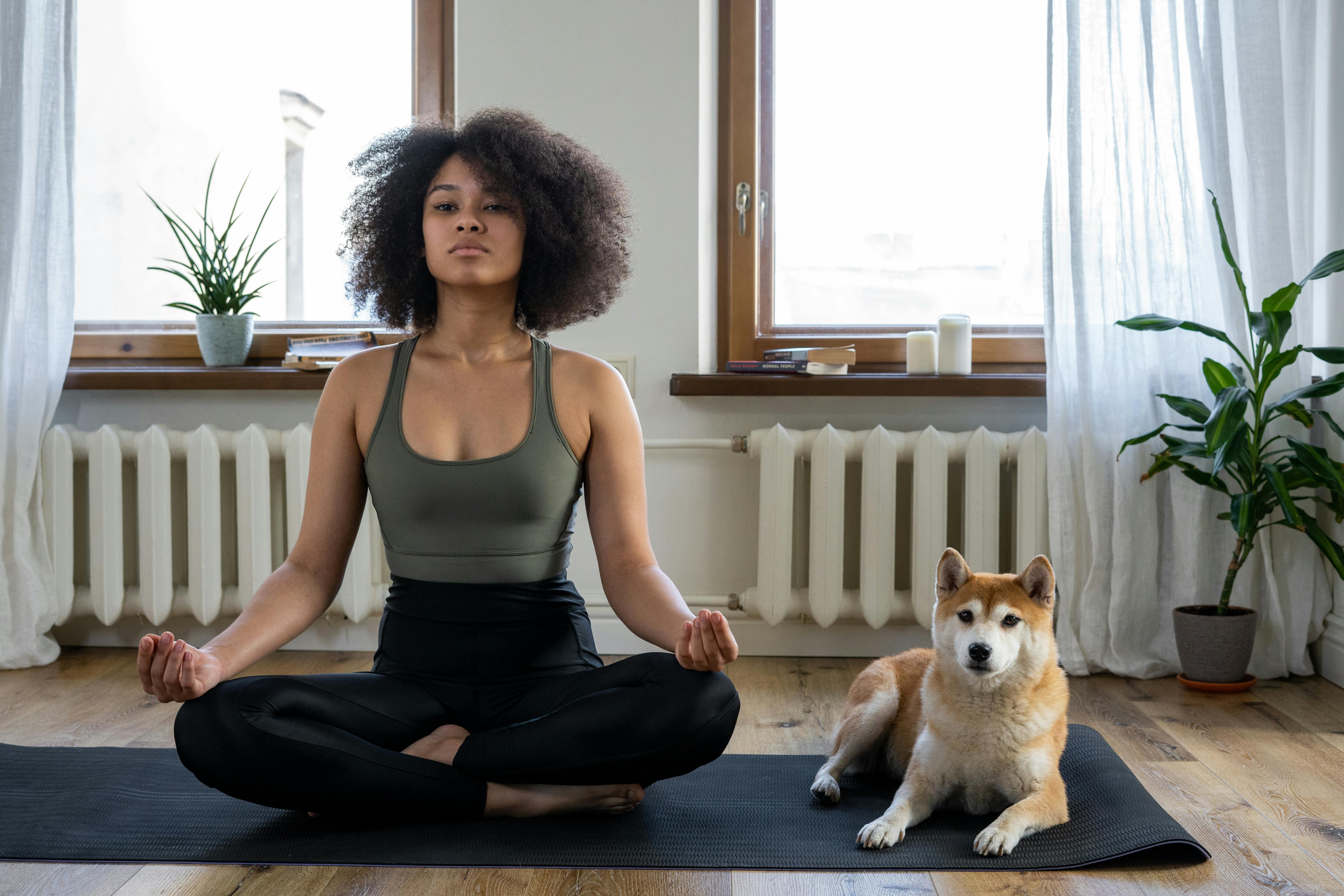
🤲 Forgiveness — The Heaviest Weight Peace Requires You to Put Down
No article on the real meaning of peace after struggle is complete without addressing forgiveness — because unprocessed resentment is among the heaviest known psychological weights, and carrying it indefinitely makes genuine peace effectively inaccessible.
- An internal release of the obligation to carry resentment
- Done primarily for yourself, not for the person forgiven
- Compatible with maintaining distance from someone harmful
- A process, not a single decision
- Documented as a catalyst for psychological and physical resilience (Journal of Psychology and Theology, 2016)
- Trust restoration — you can forgive without trusting again
- Reconciliation — you can forgive without resuming the relationship
- Declaring what happened was acceptable or did not matter
- Forgetting — memory of harm can remain; the charge is released
- Something that can be rushed or forced on a timeline
📎 Source: Worthington et al. (2016) — "Forgiveness as a catalyst for psychological, physical, and spiritual resilience in disasters and crises." Journal of Psychology and Theology. Cited in Springer Peacebuilding & Mental Health chapter (2025).
The most important thing to understand about forgiveness in the context of peace is this: the resentment you carry is a weight you are carrying alone. The person you resent is not carrying your resentment — they may not even remember what happened. Your continuation of the internal conversation, the internal trial, the internal sentencing — those cost only you. Releasing that is not justice denied. It is self-care executed at the highest level.
🛠️ The Unglamorous Practices That Build Real Peace
Peace is built in small, consistent, unspectacular acts — not in dramatic moments of breakthrough. The following practices are not new. They are unglamorous. And they work, not because they are magical, but because they are consistent with what psychology knows about how inner peace develops.
🛠️ Eight Practices That Build Peace — Research-Backed, Nigerian-Context Adapted
Practice 1 — Daily Silence (Non-Negotiable, Even 15 Minutes)
No phone, no music, no TV, no conversation. Just you and your own thoughts. This is the foundational practice because it builds the capacity for solitude, which is one of the most documented markers of inner peace. The discomfort you feel in silence is not a sign that you cannot do it — it is a sign that you need to do it. Start with 10 minutes and build from there. Our intentional solitude guide covers this in full depth.
Practice 2 — Honest Journaling (Writing Without an Audience)
Writing your actual thoughts — not your curated thoughts, not the version that sounds better — externalises the internal noise and reduces its psychological power. What exists on paper is no longer only existing inside your head, building pressure. Even three sentences of honest daily writing is more valuable than an hour of spiritual performance without honesty.
Practice 3 — Deliberate Gratitude (Not Performance — Recognition)
Not posting "grateful for today" on social media. Sitting privately and naming specifically what was good, or present, or functional today — even in a difficult day. Research links gratitude practice to activation of the low-arousal positive states that constitute inner peace. In Nigeria, where comparison culture makes it easy to focus only on what is lacking, deliberate recognition of what is present is a counter-cultural and psychologically significant act.
Practice 4 — Prayer or Meditation (Chosen by You, Practiced Consistently)
The PMC Nigeria research documents prayer specifically producing inner peace in the Nigerian context. Whether through prayer, meditation, or simple breathing practice — a regular, consistent engagement with quiet that is intentionally oriented toward the inner world builds the psychological infrastructure for peace. This is not instruction about which form is right. It is documentation that the practice matters more than the form.
Practice 5 — Reducing Comparison Exposure Deliberately
Social media is not the enemy — it is the unmanaged use of it that produces chronic comparison anxiety. Deliberately curating what enters your eyes and mind — and reducing time spent consuming other people's highlight reels while in your own ordinary day — creates space for peace that the comparison-saturated mind cannot access. This is not avoidance. It is intelligent management of your own attention resources.
Practice 6 — Completing One Unfinished Emotional Business at a Time
Every unprocessed grief, unresolved resentment, or unsaid essential thing is a psychological open tab. Too many open tabs slow any system. Identifying one — just one — piece of unfinished emotional business and bringing honest attention to it is not opening old wounds. It is the only way to actually close them. Closing a wound requires cleaning it first.
Practice 7 — Regular Physical Movement
The connection between physical movement and psychological wellbeing is one of the most extensively documented findings in health psychology. Walking, specifically, has been shown to activate the parasympathetic nervous system — the physiological state that makes peace accessible. You do not need a gym or a fitness plan. Walking, regularly, in a way that allows your mind to wander without a destination, is a genuine peace-building practice.
Practice 8 — Choosing Relationships That Do Not Require Performance
The people in your life whose presence requires you to perform a version of yourself — more successful, more spiritual, more together, more unbothered than you actually are — are a constant source of the exhaustion that prevents peace. At minimum, creating space for at least one relationship where you can be as you actually are — without performance — gives the inner self somewhere to exist authentically. Peace requires an authentic self to inhabit. Read our guide on setting healthy boundaries in Nigerian relationships.
💡 DID YOU KNOW? — Nigeria's Persistence Under Pressure as a Quiet Form of Peace
Punch Nigeria and TheCable's 2025 documentation of Nigerian emotional fatigue contained a remarkable observation: "Yet, Nigerians kept going. They showed up to work, cared for families, supported friends, and laughed when laughter felt almost rebellious. In that persistence lies a quiet form of victory." This is not motivational language — it is the documentation of something psychologically significant. The person who continues to function with love, humour, and care in the presence of sustained pressure is demonstrating the same qualities that psychology describes as the foundations of inner peace: equanimity in difficulty, continued engagement with life, and the maintenance of human warmth under pressure. Most Nigerians are already practicing the earliest forms of peace — they simply have not been told that what they are doing has a name, or that it is the beginning of something they deserve to develop fully. 📎 Source: Punch Nigeria December 2025
🔍 Peace Myths vs. Peace Truths — The Honest Assessment
"Peace means nothing bothers you anymore"
Peace does not produce emotional invulnerability. It produces the ability to feel difficult emotions without being governed by them. Things still bother a person at peace — they just do not stay as long or reach as deep.
"Peace can exist alongside ongoing difficulty"
Psychology defines inner peace as a state available in the presence of stressors — not exclusively in their absence. It is a homeostatic equilibrium that can be maintained even during hard circumstances if it has been deliberately built.
"Peace requires all your problems to be solved first"
This makes peace permanently unavailable, since human life is a continuous problem-solving exercise. Peace built on resolved problems is comfort, not peace. Peace as defined here is independent of circumstance resolution.
"Peace is a practice, not an arrival"
There is no destination called "peace reached." There is only the ongoing practice of returning to equanimity when disrupted — and that practice strengthening over time until the disruptions are shorter and less total in their effect.
"Anyone can find peace in any circumstance"
True that it is possible — the Nigerian displacement camp research proves this. But also honest that sustained external pressure makes inner peace harder to access and maintain. Both truths must be held: it is possible AND it requires more deliberate effort in harder environments.
"Struggle can produce a quality of peace that comfort cannot"
Post-Traumatic Growth research documents this. The peace that forms on the other side of genuine, processed difficulty carries a tested quality — a knowing that it has been tried and held — that comfort-only peace does not have access to.
🌿 Real World Impact — What Genuine Peace Changes in Nigerian Life
A person at genuine peace makes financial decisions from a fundamentally different psychological position. They do not buy things to relieve anxiety. They do not take loans to fund the performance of success. They do not make career decisions primarily out of fear of social disapproval. The anxious Nigerian professional spends significant financial and psychological resources managing the performance of a life they think others expect. The person building peace begins to spend those resources on what actually matters to them. This is not abstract — it is directly financial. The reduction of anxiety-driven spending and performance-driven purchasing frees resources that were being used for nothing except managing other people's impressions.
Adaeze's Tuesday evening realisation — that she had never once not been bracing for the next hard thing — did not immediately produce peace. But it opened the first honest conversation she had had with herself in years. Over the months that followed, she started spending 20 minutes every morning without her phone before the day began. She started writing three honest sentences at night, not for anyone, just for herself. She stopped measuring her career against her age-mates' LinkedIn profiles. And she had one conversation with her mother about something she had been carrying silently for four years — a conversation she had been avoiding because she knew it would be uncomfortable. The discomfort lasted two days. The weight had been there for four years. None of this resolved the economy, or made her father's health better, or changed the structural pressures of Nigerian life. But it changed how she moved through them. And that, it turns out, is what peace actually does.
Peace makes sustained creative and professional work possible in a way that anxiety cannot. Anxiety produces bursts of productivity driven by fear of failure — intense, unsustainable, and often followed by collapse. Peace produces consistent, purposeful engagement with work that is motivated by genuine interest or meaning rather than dread of consequences. Nigerian entrepreneurs and creators who have built something that lasts — not the ones who burned brightest for a season but the ones who have kept building for years — almost universally describe some form of this inner stability as the foundation. The work is the same. The sustainability comes from the internal state from which it is done.
The UNDP has stated: "Healing the conflicts within us helps resolve the conflicts around us." The connection between individual inner peace and collective social peace is not metaphorical — it is documented in peacebuilding research. A Nigerian population in genuine collective emotional fatigue, navigating survival mode as a permanent state, is not a population with the psychological resources to build the institutions, demand the accountability, and sustain the civic engagement that national transformation requires. Individual peace is not separate from national possibility — it is its foundation. Every Nigerian who moves from chronic anxiety toward genuine equanimity increases, in a small but real way, the psychological capacity of the country they inhabit.
You do not find peace. You build it. You build it in the 15 minutes of silence before the day starts. You build it in the honest sentence you write at night. You build it in the one thing you stop performing. You build it in the conversation you stop avoiding. You build it in the forgiveness you are not ready to give yet but have decided to begin moving toward. None of this is linear. None of it is permanent once established. All of it compounds over time into a quality of inner life that survives what Nigeria throws at you — not because the throws get lighter, but because you become more stable.
Adaeze, on the Third Mainland Bridge at sunset. That honest sentence. That is where peace starts — not in a breakthrough, but in honesty. And it starts today, or it starts some other day when today passes unused. Either is okay. The invitation remains.
⚡ 24-Hour Action — Five Things You Can Begin Today
- Choose one thing you cannot change — and write it down with one honest sentence about why you are releasing it. Not because it was okay. Because carrying it costs only you, and you have paid enough. This is the beginning of acceptance, which is the first dimension of genuine inner peace.
- Spend 15 minutes today with no phone and no entertainment. Just you and your thoughts. If the discomfort is significant, that is information — write down what came up in those 15 minutes immediately afterward. That is your first honest conversation with your actual inner world.
- Identify one relationship in your life where you consistently perform rather than exist. You do not need to change the relationship today. Simply name it to yourself, honestly. Awareness is the beginning of the choice about whether to continue or gradually shift toward authenticity.
- For the next 24 hours, notice every time you make a decision driven by fear of what someone else will think — rather than by what you actually believe is right. Do not change the decisions yet. Just observe the pattern. The pattern is what needs to be seen before it can be gradually replaced.
- Share this article with one Nigerian in your life who is tired in a way sleep doesn't fix. The word "peace" is overused and under-examined. This analysis — the psychology behind it, the Nigerian reality it addresses — may give them the framework they have been missing for what they are actually searching for.
🌿 Daily Reality NG Key Takeaways — The Real Meaning of Peace
- Peace is defined by psychology as a low-arousal positive emotional state of balance and stability — not the absence of problems, not happiness, not silence, and not numbness. It can exist alongside ongoing difficulty.
- Inner peace has three documented dimensions: acceptance of loss, transcendence of hedonism and materialism, and inner balance and calmness (International Journal of Wellbeing / Xi & Lee).
- Nigeria's 2025 was documented as a year of collective emotional fatigue — "survival itself became the goal, replacing growth and expansion" (Punch Nigeria / TheCable). This is the specific Nigerian context in which peace must be found — harder, but not impossible.
- Post-Traumatic Growth (Tedeschi & Calhoun) shows that up to 89% of survivors of significant challenge report psychological growth from it — including renewed appreciation for life and greater inner strength. The peace found after genuine difficulty has been processed is qualitatively different from peace built only in comfort.
- Five things are commonly mistaken for peace: emotional numbness, busyness used to outrun the quiet, resignation disguised as acceptance, isolation disguised as solitude, and spiritual bypass in place of emotional processing.
- Seven markers of genuinely building peace: not easily destabilised by others' opinions; comfortable with silence; able to accept what cannot be changed without bitterness; value-driven rather than fear-driven choices; feeling difficult emotions without being consumed; reduced comparison; no longer needing to prove yourself to the wrong audience.
- PMC Nigeria research documents Nigerian adolescents finding genuine inner peace through prayer and spiritual practice even inside displacement camps after violent trauma. Peace is possible inside difficulty — it requires more deliberate effort in harder environments, but it is not exclusively available to those who have escaped difficulty.
- Peace is built — not found. It is built in small, consistent, unglamorous daily practices. Silence, honest journaling, deliberate gratitude, prayer or meditation, reduced comparison exposure, completing unfinished emotional business, physical movement, and authentic relationship.

❓ Frequently Asked Questions — The Real Meaning of Peace (15 Questions)
What does inner peace actually mean according to psychology?
Psychology defines inner peace as a low-arousal positive emotional state coupled with a sense of balance or stability (Cherif et al., 2022). It includes calmness, serenity, tranquility, and contentment — distinct from high-arousal happiness. The International Journal of Wellbeing describes it as a homeostatic psychological state or dynamic emotional equilibrium achieved through emotional self-regulation. It has three documented dimensions: acceptance of loss, transcendence of materialism, and inner balance. 📎 Source: Psychology Today | International Journal of Wellbeing
Why is peace so hard to find as a Nigerian?
Nigeria's 2025 was documented by TheCable and Punch Nigeria as a year of collective emotional fatigue where "survival itself became the goal, replacing growth and expansion." Nigeria ranked 148th globally on the Global Peace Index (2025) — 38th out of 44 Sub-Saharan African nations. BusinessDay (April 2026) documented survival as a "permanent state of adaptation" for many Nigerians. Social performance pressure, economic instability, insecurity, and communal expectation create compounding barriers. Peace is possible — PMC Nigeria research proves this — but it requires more deliberate effort in harder environments. 📎 Source: BusinessDay April 2026
Is inner peace the same as being happy?
No. Research consistently distinguishes them. Happiness is a high-arousal positive affective state related to joy and excitement. Inner peace is a low-arousal positive state — calm, steady, stable. You can be at peace during difficulty. You can be happy without being at peace. Delle Fave's cross-cultural research found that for 11 of 12 cultures studied, harmony — the concept closest to inner peace — was the single most common conception of what a happy life means. Most people's deepest desire is peace, not excitement. 📎 Source: International Journal of Wellbeing | Psychology Today December 2024
What is post-traumatic growth and how does it relate to finding peace?
Post-traumatic growth (PTG), coined by psychologists Richard Tedeschi and Lawrence Calhoun, is positive psychological change from struggling with highly challenging life circumstances. Up to 89% of survivors report at least one aspect of PTG. PTG is distinct from resilience — resilience is returning to baseline; PTG is growing beyond it. The peace built through processed difficulty has a tested, durable quality that comfort-only peace cannot replicate. 📎 Source: PMC Post-Traumatic Growth Editorial 2023
How do I start finding inner peace when life is still hard?
Five starting points: (1) Accept that peace does not require your circumstances to change — it is internal. (2) Practice 15 minutes of daily silence without phone or entertainment. (3) Reduce social comparison exposure deliberately. (4) Identify one unprocessed grief or resentment and bring honest attention to it — start with the lightest one. (5) Distinguish what you can control from what you cannot, and invest energy only in the former. Peace is built in small, consistent practice — not found in a single breakthrough moment.
Why do people confuse silence with peace?
Silence is the absence of external noise — circumstantial. Peace is an internal psychological state. A person can be in complete silence and be in tremendous internal turmoil. Conversely, a person surrounded by noise and activity can maintain genuine inner peace if it has been internally built. The confusion matters because people who equate peace with silence can only access it when circumstances permit — which is not peace, it is comfort. Peace as a portable psychological state is available in any environment.
Can spiritual faith contribute to inner peace in Nigeria?
Yes, and there is documented Nigerian evidence. PMC/NIH research on displaced Nigerian adolescents found prayer, Bible reading, and spiritual music were consistently reported as producing genuine inner peace — participants stated: "afterwards I will sense inner peace and feel hopeful." Psychologically, spiritual practice activates the same low-arousal positive states that constitute inner peace. UNDP has also recognised culturally appropriate spiritual mechanisms as essential for sustainable peace in African contexts. 📎 Source: PMC Nigeria Adolescent Research
What are the signs that you have genuinely found peace?
Seven documented markers: (1) Not easily destabilised by others' opinions. (2) Comfortable in silence without urgency to fill it. (3) Able to accept what cannot be changed without bitterness. (4) Choices driven by values rather than fear of social consequences. (5) Feeling difficult emotions without being consumed by them. (6) Reduced anxiety from comparison with peers. (7) No longer needing to prove yourself to people who have decided not to see you. These are ongoing practices, not permanent states. Their presence indicates developing peace.
How is peace different from giving up or not caring?
Peace and giving up are fundamentally different in their motivational source. Giving up is driven by hopelessness — the cessation of effort because effort feels futile. Peace is driven by genuine acceptance of what is, while continuing to contribute to what can be. The person at peace can still be deeply ambitious, caring, and engaged. The difference is the quality of their engagement: motivated by purpose rather than anxiety. BusinessDay's documentation of Nigerian traders who "just adjust" and keep building despite sustained pressure is a form of active peace, not passive surrender.
What does noise mean in the context of this article?
Noise refers to both external and internal sources of disturbance. External noise: social media comparison, toxic relationships, others' expectations, economic anxiety amplified by constant news, social performance demands. Internal noise: unprocessed grief, resentment never examined, fear of the future, shame about the past, constant internal judgment and comparison. Peace develops not by eliminating all external noise but by developing an inner stability strong enough that the noise no longer determines your psychological state.
Why does peace feel like privilege in Nigeria?
Because genuine rest from economic pressure, insecurity, and social performance demands is unevenly distributed. But this contains a category error: peace as defined here — a psychological state of equanimity coexisting with ongoing difficulty — is not contingent on economic security. The displaced Nigerian adolescents documented by PMC who found inner peace inside displacement camps were not financially secure. Peace is harder in difficult circumstances. But it is not exclusively available to those who have escaped them.
Can you be at peace and still be ambitious?
Yes. Peace and ambition are not opposites. The difference is the quality: anxious ambition is driven by fear of failure and need for external validation — exhausting and never sufficient. Peaceful ambition is driven by genuine purpose and curiosity. A Nigerian entrepreneur who builds deliberately, adjusts without catastrophising when plans fail, and maintains their inner compass regardless of market or community opinion is demonstrating the co-existence of ambition and peace. Peace actually makes sustained ambition more effective, not less.
What is the relationship between forgiveness and inner peace?
Research links forgiveness directly to psychological wellbeing and resilience. A 2016 study (Journal of Psychology and Theology) found forgiveness to be a catalyst for psychological, physical, and spiritual resilience in crises. Forgiveness is the internal release of the obligation to carry resentment — done for yourself, not for the person forgiven. It does not require trust restoration or reconciliation. Unprocessed resentment is one of the heaviest barriers to inner peace. The person who genuinely forgives is not released from memory of harm — they are released from the ongoing psychological cost of being governed by it.
What practical practices build inner peace over time?
Eight research-backed practices adapted to the Nigerian context: (1) Daily 15 minutes of silence without phone or entertainment. (2) Honest journaling — three sentences at night, not for anyone, just yourself. (3) Deliberate gratitude practice — private, specific, daily. (4) Prayer or meditation consistently chosen and practiced. (5) Reducing social comparison exposure through deliberate curation. (6) Completing one piece of unfinished emotional business at a time. (7) Regular physical movement especially walking. (8) Choosing at least one relationship that does not require performance of a curated self.
Is it possible to find peace when you are still in the middle of the struggle?
Yes — this is precisely what the psychological definition of inner peace establishes. Peace as a low-arousal positive state of balance is defined as available "even in the presence of stressors" (Barua, 2014). The PMC Nigeria research documents it being found inside displacement camps after violent trauma. Adaeze's story in this article is about a Tuesday in heavy Lagos traffic — in the middle of the ordinary ongoing difficulty of Nigerian life — being the moment honest peace-building began. The struggle does not need to end. The practices can begin inside it.
💬 Your Turn — What Has Peace Meant in Your Nigerian Life?
This article has documented what peace is and is not. But the most important part of this conversation is what your experience has been — because peace in Nigeria looks, feels, and is earned in specific ways that no international research can fully capture. Your story is part of this analysis.
- Has there been a moment in your Nigerian life — a specific, ordinary moment — when you felt something that might be called genuine peace? Not happiness. Not relief. The quiet steadiness underneath everything. What was that moment? Where were you?
- Which of the five disguises of peace (numbness, busyness, resignation, isolation, spiritual bypass) have you used most — and are you willing to name it honestly, if only to yourself?
- The article argues that Nigerian traders and ordinary people who "just adjust" and keep going with humour and love under sustained pressure are already practicing the earliest forms of peace. Do you agree? Or is keeping going simply survival without any peace component?
- The forgiveness section makes a specific claim: that unprocessed resentment is one of the heaviest barriers to inner peace, and that it is carried alone regardless of how justified it is. Is there something you have been carrying that you know is costing you more than it is costing the person you resent?
- What is the noisiest thing in your life right now — the external or internal source of disturbance that most prevents you from accessing genuine quiet? Is it something you can reduce? Something you have accepted you cannot change? Or something you have not yet clearly named?
- Share this article with one person in your life who is tired in a way sleep doesn't fix — and who deserves to understand what they are actually searching for when they say they want peace.
 ✓ Verified
🌿 More Like This — Daily Reality NG Newsletter
Daily Reality NG covers Nigerian personal growth, mental wellbeing, relationships, and the realities of building a meaningful life in this country — with the same research-backed, honest approach applied in this article. Subscribe free for one verified article per week.
📧 Subscribe Free 📣 Join WA ChannelAdaeze sat in traffic on the Third Mainland Bridge, watching Lagos Lagoon turn orange, and thought: I have never once not been waiting for the next hard thing.
That sentence did not resolve the economy. It did not fix anything. But it was the first honest thing she had said to herself in years. And that honesty was the first movement.
Peace does not announce itself. It does not arrive after all the hard things are over. It grows, quietly, in the space between the hard things — in the 15 minutes of silence, in the honest sentence, in the thing you finally stop performing, in the weight you finally begin to put down.
Nigeria is loud. It is expensive and it is exhausting and it asks too much and it gives too little. All of that is true. And it is also true that the people who have built the deepest peace this country has produced built it inside that noise — not after it ended. Because the noise never ends. The inner world is what changes.
That is where peace lives. And it begins when you decide to go there.
— Samson Ese | Founder, Daily Reality NG | Warri, Delta State | June 1, 2026

Personal growth journalism built on verified psychology research | Updated June 1, 2026


Comments
Post a Comment