20 Toxic Friends to Delete for Success in Nigeria 2026
This article is editorial analysis and personal development content — not professional psychological or counselling advice. The research cited — including the 2025 systematic review on toxic relationships (Jurnal Psikologi), Psychology Today June 2026 analysis on toxic friendship patterns, and A Place of Hope's June 2025 crab mentality analysis — are verified published sources. Every person's situation is different. This article provides frameworks for reflection, not prescriptions for every friendship. If you are experiencing significant distress related to toxic relationships, please seek qualified professional support. Information verified and updated as of July 12, 2026.
📅 Originally published: November 29, 2025 | Updated: July 12, 2026
20 Toxic Friends to Delete Before 2026 for Success in Nigeria
🪞 Does This Sound Like Your Circle?
- You have friends who celebrate with you in public and question your decisions in private — and you sense the gap without being able to name it
- You notice that after certain friendships, you feel drained, small, or less motivated — but loyalty makes you stay
- You have lent money you never saw again, given advice that was never reciprocated, and carried emotional weight that was never shared
- You started something — a business, a plan, a goal — and your circle's response was subtle doubt, not genuine enthusiasm
- You have wondered if your environment is the reason your potential keeps being deferred — but you don't know how to change it without causing drama
✅ What This Article Delivers
All 20 toxic friend types — named, described in Nigerian voice, with specific signs for each, the real cost to your success, and exactly how to handle them. Plus: the psychology behind why they behave this way, the science behind why your circle determines your trajectory, a complete comparison table of all 20 types, and a 24-hour action plan that starts changing your environment before this week ends.
You are reading Daily Reality NG — Nigeria's independent, research-backed digital publication. This guide draws on a 2025 systematic review (Jurnal Psikologi) confirming toxic relationships produce measurable mental health and performance damage; Psychology Today's June 2026 analysis on toxic friendship patterns in university students; crab mentality research from A Place of Hope (June 2025, updated June 2026); and MindBodyGreen's therapist-backed toxic friendship framework. The 20 types in this article are not generic — they are built from verified psychological research and adapted to the specific Nigerian relational context. See: how this publication was built from Warri, Delta State with exactly the right circle.
🔍 Research foundation: Jurnal Psikologi 2025 — Systematic Review: Toxic Relationships, Depression, Anxiety (17 empirical articles); Psychology Today — 3 Key Patterns in Toxic Friendships, June 2026; A Place of Hope — Crab Mentality: Breaking Free, June 2025/updated June 2026; MindBodyGreen — 13 Warning Signs of Toxic Friends (Therapist-backed); Brian Dodd Leadership — Science Behind Jim Rohn's Five People Principle, November 2025; Zikoko — 6 Nigerians on Toxic Beliefs That Ended Friendships, May 2025.
In 2023, Tunde and Emeka were inseparable. Same university department. Same lunch spot. Same group chat. Tunde called Emeka his "day one." When Tunde started a small import business, Emeka was the first person he told. Emeka said the right things — "I believe in you," "let me know how I can help," "I'm always in your corner."
What Emeka did not say: he told two other friends that Tunde's business would fail within six months. He didn't share Tunde's business page when Tunde sent him the link. When a mutual friend asked Emeka if he knew anyone who imported the kind of goods Tunde imported, Emeka said no. He introduced someone else to a client who would have been perfect for Tunde's operation.
Two years later, Tunde's business was growing but smaller than it should have been. Emeka's circumstances were unchanged. And Tunde was still calling Emeka his day one, wondering why progress felt heavier than it should.
The problem was not Tunde's business model. It was not the market. It was not his capital structure. It was that the person with the most access to his time, his thinking, and his daily emotional energy was quietly committed — not out of malice, but out of fear and insecurity — to ensuring Tunde did not outpace him.
This is not a unique story. It is the most common story in Nigerian ambition — dressed in different names and different circumstances, but with the same architecture. Jim Rohn said it plainly: "You are the average of the five people you spend the most time with." The science says the same thing: Brian Dodd on Leadership (November 2025) cites a University of Arkansas study showing that proximity literally reshapes traits over time — the same way raccoons in urban environments developed measurably different physical characteristics from constant exposure to human environments.
Your inner circle is not just emotional company. It is an invisible curriculum shaping your habits, your expectations, your vocabulary for what is possible, and your ceiling for what you will allow yourself to achieve. These are the 20 types of people that curriculum should not include.
💡 What the Research Actually Says About Toxic Friendships
A 2025 systematic review published in Jurnal Psikologi analysed 17 empirical articles on the impact of toxic relationships on early adults. The findings: toxic relationships trigger mental health disorders (35%) of cases, decreased self-esteem (24%), reduced academic performance (18%), and interpersonal conflict (24%). Psychology Today's June 2026 analysis documented that participants in toxic friendships experienced "emotional exhaustion that compounded over time, leading to academic and social withdrawal, and even mental health crises." The same analysis found that people stayed in toxic friendships because they "feared becoming socially invisible" — belonging to a harmful peer group felt preferable to being alone. Understanding this is not just psychologically important. In Nigeria, where performance, productivity, financial discipline, and career advancement all depend on sustained cognitive and emotional energy — the cost of toxic friendships is direct, measurable, and compounding. *(Sources: Jurnal Psikologi 2025; Psychology Today June 2026)*
⚡ Quick Answer: The 20 Toxic Friend Types at a Glance
🎯 Where Do You Need This Most?
💸 My finances keep suffering because of my circle
Start with Friend Types 1, 4, and 18 — the financial toxic types with specific Nigerian money traps.
🚀 My ambition keeps getting discouraged
Start with Types 2, 3, 13, and 14 — the dream-killing and crab-mentality types.
😩 I feel drained and used by my friends
Go straight to Types 7, 11, and 15 — the energy-draining and one-sided friendship types.
🗣️ My reputation keeps getting damaged
Read Types 5, 12, and 19 — the gossip, reputation, and fake support toxic types.
📍 Quick Toxic Friend Audit Table
| Toxic Type | Primary Damage | Hardest to Spot Because | Danger Level |
|---|---|---|---|
| Sapa Enabler | Financial discipline collapse | They make spending feel like friendship | 🔴 HIGH |
| Dream Crusher | Ambition erosion | They call it "being realistic" | 🔴 HIGH |
| Crab in Bucket | Opportunity sabotage | The sabotage is subtle and plausibly deniable | 🔴 HIGH |
| Professional Borrower | Financial depletion | The stories are always believable | 🔴 HIGH |
| Gossip Factory | Reputation destruction | They're entertaining until the gossip is about you | 🔴 HIGH |
| Jealous Competitor | Psychological warfare disguised as friendship | Competition feels like motivation | 🟡 MEDIUM-HIGH |
| Energy Vampire | Mental capacity depletion | Emotional labour feels like caring | 🔴 HIGH |
| Peer Pressure Merchant | Poor decisions, compromised values | Pressure feels like inclusion | 🟡 MEDIUM-HIGH |
| Advice Giver Who Lives Badly | Misguided direction | Confidence can feel like authority | 🟡 MEDIUM |
| Access Denier | Opportunity invisibility | Silence about connections looks like nothing | 🔴 HIGH |
| Conditional Friend | False security | They're there when things are good | 🟡 MEDIUM |
| Reputation Destroyer | Professional and social network damage | The damage happens when you're not present | 🔴 HIGH |
| Progress Blocker | Development suppression | They frame obstruction as protection | 🔴 HIGH |
| Comfort Zone Enforcer | Identity stagnation | Resistance to your growth feels like loyalty | 🟡 MEDIUM-HIGH |
| Drama Addict | Time, energy, and reputation | Drama is entertaining until it consumes you | 🟡 MEDIUM |
| One-Upper | Achievement deflation, confidence erosion | They seem competitive not malicious | 🟡 MEDIUM |
| Boundary Ignorer | Personal autonomy erosion | Persistence looks like affection | 🟡 MEDIUM-HIGH |
| Liability Friend | Legal, financial, social contamination | The liability is someone else's — until it isn't | 🔴 HIGH |
| Fake Supporter | Strategic opportunity loss | The performance is convincing in person | 🔴 HIGH |
| Permanently Negative Friend | Mindset contamination, hopelessness | They can point to real reasons for pessimism | 🟡 MEDIUM-HIGH |
| 🔴 HIGH = direct, measurable damage to finances, career, or reputation. 🟡 MEDIUM-HIGH = consistent drain on mental capacity, productivity, and growth potential. Source: Daily Reality NG analysis using verified psychological research frameworks, July 2026. | |||
✅ PRECHECK — Before Reading the 20 Types
- You understand that identifying a friend as toxic is not the same as deciding to cut them off immediately — this article gives you frameworks to understand your circle, not a script for dramatic exits
- You understand that toxic behaviour is often unintentional — rooted in the other person's fear, insecurity, or unprocessed pain — and that this understanding changes how you respond without changing whether you protect yourself
- You are honest enough to also check yourself against these types — some people reading this have been, in some season, one of the 20 types described here
- You accept that Nigerian cultural loyalty expectations — "day ones," "we go way back," "he's my blood" — are not reasons to stay in relationships that are actively costing you your future
- You know that deleting toxic friends is not about becoming cold or anti-social — it is about creating the space for the right relationships to grow

🔬 The Science: Why Your Circle Determines Your Ceiling
Before the 20 types, the foundation needs to be set — because without understanding why your circle matters so fundamentally, the list of toxic types can feel like entertainment rather than urgent information.
📊 What Verified Research Confirms
The Jim Rohn Principle — Now Backed by Science: Jim Rohn's famous statement — "You are the average of the five people you spend the most time with" — has been substantiated by research published November 2025 by Brian Dodd on Leadership, citing a University of Arkansas at Little Rock study showing that raccoons living in urban environments developed measurably different physical traits (3.56% reduction in snout length) from extended proximity to humans. If proximity reshapes a raccoon's physical biology, it reshapes your habits, expectations, vocabulary, and ceiling for achievement with mathematical certainty. *(Source: Brian Dodd Leadership, November 2025)*
Toxic Friendships Produce Measurable Damage: The 2025 systematic review in Jurnal Psikologi — analysing 17 empirical articles — confirmed that toxic relationships produce mental health disorders (35%), decreased self-esteem (24%), reduced academic performance (18%), and interpersonal conflict (24%). These are not feelings. They are documented, measurable outcomes. *(Source: Jurnal Psikologi 2025)*
Crab Mentality Hinders Group and Individual Growth: A Place of Hope's June 2025 analysis (updated June 2026) confirmed: "research demonstrates that environments characterised by negative peer influence significantly hinder both individual and collective growth. When crab mentality becomes normalised within a group, it creates a culture where mutual support is replaced by mutual suppression." *(Source: A Place of Hope, June 2025/2026)*
🚫 All 20 Toxic Friend Types — Complete Breakdown
Every type below includes: who they are, the specific signs in Nigerian context, the real cost to your success, and exactly how to handle them.
The Sapa Enabler
Financial ToxicThe Sapa Enabler is the friend who has made poor financial discipline a shared group identity. Every outing is expensive. Every occasion requires spending. Saving is "stingy." Not owning the latest phone is embarrassing. They turn financial recklessness into the price of belonging — and then wonder why everyone in the group is always broke together.
🚩 Signs in Nigerian context:
- "You go form for house while person dey enjoy?" when you decline an expensive outing
- Encourages you to spend to "show you have arrived" when you can't afford it
- Makes you feel ashamed of careful spending or saving
- Is always broke themselves but always suggesting expensive things
Compounding financial indiscipline. The ₦5,000 you spend on an unnecessary outing is not the problem. The habit of normalising that choice — repeated weekly for three years — is what keeps you permanently in the sapa they named their lifestyle after.
"I'm on a budget right now" is a complete sentence. You do not need to explain, justify, or apologise for financial discipline. If this costs you the friendship, the friendship was always conditional on your financial availability — not on your personhood.
The Dream Crusher
Ambition KillerThe Dream Crusher has a highly developed talent for applying the brakes to every forward-facing idea you share with them. The packaging is usually "realism" — they tell themselves they are protecting you from disappointment. The effect is that you leave every conversation with them carrying more doubt than you arrived with. Over time, you stop sharing your goals with them. But you keep spending time with them — and their ceiling becomes your default expectation.
🚩 Signs in Nigerian context:
- "E no go work, Nigeria is not like that" before you finish explaining the idea
- "You know how many people have tried that?" as an argument rather than information
- Citing other people's failures as evidence that your situation is impossible
- Never having their own forward-moving goals — only expertise on why yours won't work
Research confirms that negative peer influence hinders individual achievement. The Dream Crusher's consistent input trains you to apply their doubt to every new idea before it even has a chance to survive your own honest evaluation.
Stop sharing your goals with them entirely. This is not dishonesty — it is protecting your ideas during their most vulnerable phase. Strategies and plans need oxygen, not criticism from someone who has never tried.
The Crab in the Bucket
Success SaboteurThe Crab in the Bucket is the most studied and most dangerous toxic friend type in Nigerian success psychology. As A Place of Hope (June 2025, updated 2026) documents: "crab mentality describes the mindset of trying to prevent others from gaining a favorable position, even when that person's success wouldn't directly impact them." The crab in your bucket doesn't physically pull you down — they use psychological warfare: subtle criticism, strategic silence, withheld connections, and attributing your success to luck rather than effort.
🚩 Signs in Nigerian context:
- Cold or silent when you announce a win — warmer when you share a setback
- Says "you're lucky" or "you had connection" when you succeed through genuine effort
- Refuses to share your page, refer clients to you, or mention your work to useful contacts — "forgetting" every time
- Subtle negative framing of your work when talking to others — "he's trying something..."
In Nigerian career and business contexts, where advancement is relationship-driven, a crab in your bucket who has access to relevant networks is one of the most economically damaging types. Their strategic silence about your work to useful contacts can cost you years of delayed opportunity.
Stop trying to get validation from someone who cannot celebrate you. Their inability to celebrate your success is about their fear — and it will not change when you succeed more. Protect your information and your plans from this friend specifically.
The Professional Borrower
Financial ToxicThe Professional Borrower has elevated financial extraction to an art form. The stories are always urgent and always compelling — rent crisis, medical emergency, business opportunity that needs just a small amount to work. The emotional calibration is expert: refusal feels selfish or heartless. The repayment almost never arrives — and when you raise it, the response is either evasion, a new story, or quiet resentment that you "brought money into friendship."
🚩 Signs in Nigerian context:
- Every time you speak, within ten minutes there is a financial request or preamble to one
- Owes multiple people in your shared circle — this is not bad luck, it is a pattern
- Has borrowed before without full repayment but presents the new request as different
- Uses emotional pressure: "I thought you were my person" when you hesitate
The accumulated financial loss can be enormous over years. More damaging: the relationship trains you to associate financial generosity with being exploited — which can eventually damage your healthy financial relationships too.
"I don't lend money to friends" is a complete, honest, non-negotiable boundary. Say it early, say it consistently, and do not negotiate exceptions. Some people will end the friendship over this boundary. Those people were only present for the money.
The Gossip Factory
Reputation DestroyerThe Gossip Factory treats other people's private lives as their primary social currency. Every conversation features detailed updates on other people's finances, relationships, failures, and personal crises. The entertainment is compelling. The trap is this: notice how freely they discuss others' private information with you — then ask yourself what they discuss about you when you are not present.
🚩 Signs in Nigerian context:
- Always the first to know and tell when something negative happens to someone in your shared network
- Your confidences surface later in modified forms in other conversations
- Cannot maintain the boundaries you set around personal information
- Presents gossip as "concern" or "you should know this about that person"
In Nigerian business and professional contexts where reputation travels faster than achievement, having a Gossip Factory in your inner circle who knows your finances, plans, relationships, and vulnerabilities is a career risk. The damage is happening in conversations you will never witness.
Keep your actual life — finances, plans, relationship status, vulnerabilities — firmly outside this friendship. Be cordial, be present where social context demands, but never share what you cannot afford to have modified and distributed.
The Jealous Competitor
Psychological WarfareThe Jealous Competitor cannot tolerate being in second place — even in a friendship where there is no race. Everything you achieve becomes a challenge to their self-worth. They cannot congratulate you without qualifying it. They cannot share your success without mentioning something they have done that is comparable or better. The friendship has the surface appearance of companionship but the underlying architecture of a competition you never agreed to enter.
🚩 Signs in Nigerian context:
- Every win you share is immediately followed by their win — bigger, better, or louder
- Your success prompts them to work harder — not to celebrate you, but to beat you
- They struggle to say "well done" without adding a comparative diminishment
- They withhold compliments as a matter of competitive principle
Chronic exposure to someone who treats your achievements as personal challenges redirects your energy from building to defending — from growth to comparison. Calmclinic.com documents this as a crab mentality signature: "withholding compliments as a defense mechanism against feeling inferior."
Stop sharing achievements with this friend. Not out of secrecy, but because their response consistently costs you more than it returns. Share your wins with people who can simply be happy for you.
The Energy Vampire
Capacity DrainerThe Energy Vampire is perpetually in crisis, perpetually processing the same problems in different forms, and perpetually needing emotional support they never return. Every conversation is about them. Their emotional regulation is outsourced to you. When you face a crisis, they are spectacularly unavailable. As MindBodyGreen's therapist analysis confirms, the reliable indicator of this friendship is how you feel after spending time with them: consistently emotionally exhausted, drained, or smaller than you were before the conversation.
🚩 Signs in Nigerian context:
- Every call or chat begins and ends with their situation — yours is never asked about
- You have been "supporting them through this" for the same problem for more than a year with no movement
- When you had a crisis, they were busy — their crises always take priority over yours
- You feel relief, not joy, when they cancel plans
Cognitive and emotional capacity depleted in supporting them is unavailable for building your own goals. This is not abstract — the mental energy required to process someone else's problems consistently is measurably reducing the bandwidth available for your own professional and creative output.
Reduce contact frequency. When they call in crisis mode, you are allowed to say: "I can't fully engage right now, I'm in the middle of something." You are not their therapist. Your care for them does not require your depletion.
The Peer Pressure Merchant
Value EroderThe Peer Pressure Merchant makes belonging conditional on compliance. Going out when you should be saving, making decisions that compromise your values, participating in activities that create legal or social risk — all of these are wrapped in the currency of belonging and the threat of exclusion if you decline. "You're forming" is their favourite tool. The price of their company is your personal standards.
🚩 Signs in Nigerian context:
- "Everybody is doing it" when you express discomfort with a decision
- Makes you feel like an outsider if you maintain your standards
- Uses social shaming — "why you dey form?" — when you decline
- Their own life's direction suggests their choices are not working — but the pressure to follow persists
Every compromise of your values in a group context makes the next compromise easier. The Peer Pressure Merchant is training you to override your own judgment on a regular basis — which, compounded over years, produces an adult who cannot trust their own instincts.
"No" is a complete sentence. You do not owe any peer group your personal standards as the price of membership. A group that requires you to be less than you are to belong is not a community — it is a ceiling.
The Advice Giver Who Lives Badly
Misguided AuthorityThis friend has strong opinions on everything — your business, your relationship, your career, your finances — and delivers them with the confidence of someone who has mastered all of the above. Their actual life, however, is a detailed exhibit of everything they advise against. Their business advice comes from someone who has never built one. Their financial advice comes from someone who is perpetually broke. Their relationship advice comes from someone with a track record of failed ones. The confidence is real. The expertise is fabricated from theory, not experience.
🚩 Signs:
- Confident, authoritative opinions on areas where their own life shows no evidence of success
- Advises you to do things they themselves are unwilling or unable to do
- Dismisses your decisions without having walked the path they're commenting on
- Their advice consistently points you toward their comfort level, not your potential
Taking financial, career, or relationship direction from someone who has not navigated those areas successfully is not just unhelpful — it can actively misdirect years of your life and effort toward conclusions they have not tested and cannot guarantee.
The rule: take advice only from people who have done the thing, or who have the formal training to advise on it. Confidence is not qualification. A warm opinion is not experience.
The Access Denier
Opportunity WithholderThe Access Denier has connections, information, or opportunities that would benefit you — and systematically keeps them to themselves out of competitive insecurity. As calmclinic.com documents: "some people might refuse to offer recommendations or introductions for a friend or peer because they worry that the person will become more successful." In Nigeria, where career and business advancement is heavily relationship-driven, a close friend who has relevant connections but withholds them is not a small inconvenience — they are a structural obstacle in your advancement.
🚩 Signs in Nigerian context:
- Works in a relevant industry but has never mentioned your name to anyone useful
- Knows about opportunities in your field but consistently "forgets" to mention them
- Has introduced other people to their contacts but not you — despite the obvious relevance
- "I'll link you up" has been said multiple times with zero follow-through
In Nigeria's relationship-driven economy, information and introductions from people in the right position can be more valuable than formal qualifications. A close friend who has this and consistently withholds it is costing you real career or business advancement.
Stop expecting introductions from someone who has demonstrated through repeated inaction that they will not provide them. Expand your network actively and independently. The connection you need is in a network this friend doesn't control.
The Conditional Friend
Fair-Weather TypeThe Conditional Friend is enthusiastically present when your life is going well and strategically absent when things are difficult. They are the first to celebrate with you when you get a new job, close a deal, or achieve something visible — and the least available when you are struggling, sick, in financial trouble, or navigating something hard. The friendship has the warmth of genuine connection but the structure of a transactional relationship.
🚩 Signs:
- Present for the wins. Silent or busy during the losses.
- Available for fun. Unavailable for struggle.
- You have never seen them inconvenience themselves for you when it mattered
- Their support is always available at zero personal cost — but never when it would cost something
A friendship that only works in fair weather is not a support structure — it is a social accessory. The Nigerian entrepreneurial, career, and life journey will include genuine difficulty. You need people who can be present in both seasons. The Conditional Friend is not one of them.
Enjoy the friendship at the surface level it actually is. Don't invest in it as a deep friendship. Don't share vulnerabilities with someone who disappears when you're vulnerable.
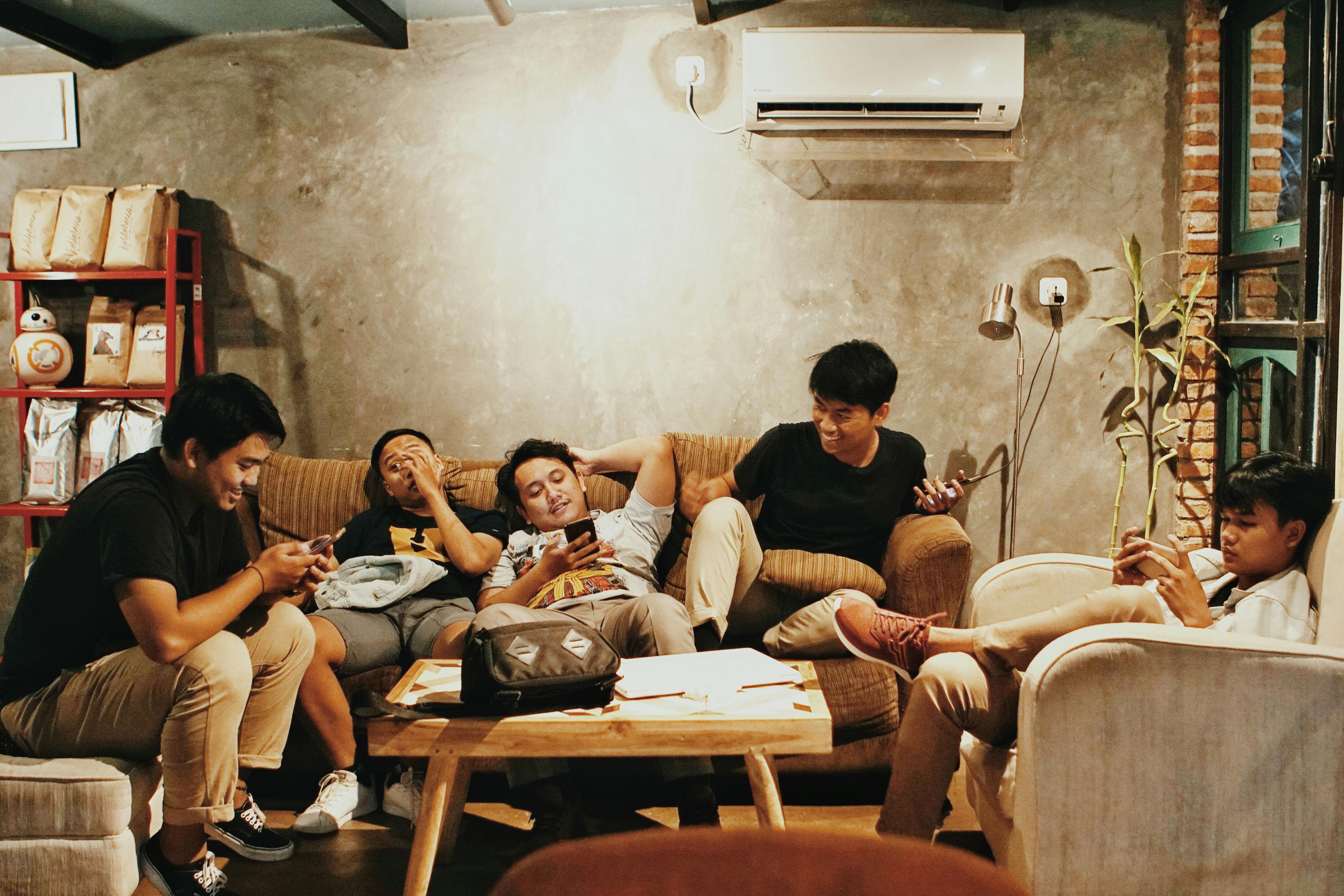
The Reputation Destroyer
Network ToxinThe Reputation Destroyer damages how others see you — sometimes through deliberate misrepresentation, more often through careless handling of your name in conversations where you are not present. They speak about your failures in networks where your name is associated with your professional future. They share your confidential information in contexts where it will change how powerful people think about you. And because the damage happens in rooms you never entered, you often don't discover it until you wonder why a door that should have opened didn't.
🚩 Signs:
- Your confidences surface in unexpected places in modified forms
- People you haven't met have preconceptions about you that match things only this friend would know
- They share "concerns" about you to mutual acquaintances "out of care"
- Their descriptions of you to others consistently undersell you or include qualifications that reduce trust
In Nigerian professional culture where reputation precedes opportunity, a Reputation Destroyer in your inner circle can silently close doors you don't even know are being discussed. This is career-level damage, not just personal inconvenience.
Share nothing you cannot afford to see publicly distributed. Distance quickly and completely. A reputation destroyed in Nigerian professional networks takes years to rebuild.
The Progress Blocker
Development SuppressorThe Progress Blocker actively discourages your growth — new skills, further education, business development, professional training, or any deliberate investment in your future. The discouragement is often framed as protection: "that school is expensive," "that course is a scam," "why do you need that certification?" The real dynamic: your progress makes their stagnation visible, and stagnation is more comfortable when everyone stagnates together.
🚩 Signs:
- Consistently discourages investment in your development with cost or scepticism as the justification
- Does not pursue their own development and is uncomfortable when you pursue yours
- Questions your motivation for growth rather than engaging with the substance of your plans
- "You're already good enough" when you express desire for further development — from someone who is not building either
The skill, qualification, or knowledge you didn't acquire because someone you trusted told you it wasn't worth it may represent multiple years of earnings and opportunity over a career lifetime.
Stop discussing your development plans with this friend. Their permission is not needed and their approval is not coming. Make the investment, do the course, get the certification — and let the outcomes speak.
The Comfort Zone Enforcer
Identity AnchorThe Comfort Zone Enforcer is the friend who is most attached to you remaining exactly who you were when the friendship began. Growth — any meaningful change in your ambition, direction, habits, or expectations — is experienced as a threat to the friendship's dynamic. "You've changed" is delivered as an accusation rather than an observation. "You're forming" is the sanction for upward movement. Their greatest fear is not that you will fail — it is that you will succeed and no longer fit the version of you they are comfortable with.
🚩 Signs in Nigerian context:
- "Since you started this new thing, you've changed" when you begin improving your habits
- "Remember when you were humble" when you develop confidence
- Nostalgia for the version of you that was less ambitious, less disciplined, less developed
- Social pressure from your mutual circle to remain "relatable" rather than grow
Psychology Today documents that the "crabs in a bucket" dynamic stems from fear of being left behind — and that understanding this doesn't reduce the damage. A Comfort Zone Enforcer's pressure to remain small is one of the most psychologically effective brakes on Nigerian ambition because it comes wrapped in the language of authenticity and loyalty.
Your growth is not a betrayal of anyone who genuinely cared about you. Real care celebrates change. The people who loved who you were will love who you are becoming. The ones who don't — never loved you; they loved their image of you.
The Drama Addict
Time ThiefThe Drama Addict lives in a permanent state of social conflict, emotional crisis, and interpersonal complexity. Their life is a continuous production — fights with co-workers, breakups with significant others, conflicts with family members, feuds with former friends. Being around them means becoming an unwilling member of the audience and, eventually, an actor in the production. Your time, energy, and sometimes reputation become part of their drama landscape whether you choose this or not.
🚩 Signs:
- There is always a new crisis — every week, without exception
- The crisis always requires your emotional labour and time
- Mutual friends regularly express fatigue with their situations
- When things are genuinely quiet, they find a way to stir up something new
Time is the one currency you cannot recover. The hours spent managing, processing, mediating, or discussing a drama addict's permanent crises are hours not available for building your goals. Over years, this represents a significant tax on your productive capacity.
Decline to be an audience. "I'm not the right person for this one" is a kind and honest response to being enlisted in their latest production. You can care about someone without making their drama your emergency.
The One-Upper
Achievement DeflatorThe One-Upper cannot allow your achievement to stand unchallenged in any conversation. You got a new job? They have a better offer coming. You closed a business deal? They closed a bigger one last week. Your child got into a good school? Their child already has three offers. The competition is automatic, reflexive, and entirely one-sided — because you are not competing. You are simply sharing good news and receiving a counter-bid.
🚩 Signs:
- Every positive thing you share is immediately followed by their comparable or superior version
- They struggle to simply say "congratulations" without adding their own win in the same breath
- You have stopped sharing wins with them because the response makes you feel worse than if you'd said nothing
- The competition applies to everything — possessions, achievements, suffering, hardship
Chronic exposure to someone who cannot celebrate your wins without competing with them trains you, over time, to pre-emptively diminish your own achievements before sharing them. This internal self-diminishment is one of the quietest ways a toxic friendship damages your relationship with your own success.
Share your wins with people who can simply be happy for you. The One-Upper is not trying to hurt you — their need to compete comes from their own insecurity. But compassion doesn't require you to subject your joy to their response.
The Boundary Ignorer
Autonomy EroderThe Boundary Ignorer treats your limits as suggestions and your discomfort as evidence that your limits are wrong. They call at 2am. They show up unannounced. They share information you asked them not to share. They re-raise topics you have clearly closed. MindBodyGreen's therapist analysis is direct on this: "Good friends understand and respect limits, and a person who continually ignores the limits you set is likely toxic." Every time a limit is violated and you absorb it without naming it, you teach them your limits don't matter.
🚩 Signs:
- Has been told — directly — about a limit and crosses it again within days
- Explains away your discomfort: "you're too sensitive," "I was just joking"
- Shows up uninvited to your personal space, workplace, or events you did not include them in
- Uses guilt or pressure when you enforce your stated boundaries
Every boundary repeatedly violated without consequence trains you that your own limits are not worth enforcing — which, over time, erodes your capacity to maintain healthy limits in professional and other personal contexts too.
Name the violation specifically, once, clearly. If it is repeated — it is not an accident. It is a statement about how they value your stated needs. Act accordingly.
The Liability Friend
Risk ContaminatorThe Liability Friend has problems — legal, financial, social, or reputational — that consistently spill onto the people around them. It might be legal issues that pull you into uncomfortable situations because you were present. It might be a financial reputation so damaged that association with them affects how potential business partners perceive you. It might be social controversies that, because of your visible association, become your problem to navigate too. The liability is theirs — until it isn't.
🚩 Signs in Nigerian context:
- Has ongoing legal or financial problems that require you to be present as a character reference, witness, or financial supporter
- Their business or social controversies regularly involve you in explanations you shouldn't have to give
- Mutual networks ask you to explain or account for their behaviour because of your association
- Your name appears in their narrative of their problems in ways that implicate you
Professional and social contamination. In Nigerian business contexts where trust is built relationship by relationship, being visibly associated with someone whose name carries negative connotations can close doors that had nothing to do with you.
Reduce public association specifically. You can care about this person privately without allowing their liability to become yours professionally. The distinction matters.
The Fake Supporter
Strategic UnderminerThe Fake Supporter is the most sophisticated and most damaging toxic friend type because their toxicity is invisible in the moments you would most feel it — in your presence. In public, they are enthusiastically supportive: first to share your post, first to say "I believe in you," first to be seen at your event. In private: they qualify your success to mutual contacts, withhold genuine promotional effort when it would cost them nothing, and respond to your real challenges with advice that subtly points toward giving up. Tunde's Emeka was this type.
🚩 Signs:
- Public enthusiasm but no follow-through on tangible support — referrals, introductions, real recommendations
- Mutual friends occasionally relay something they said about your work that contradicts what they say to your face
- Their support is loudest when it makes them look good as a supporter — quietest when actual help is needed
- After interacting with them, you feel slightly less confident about your work without knowing why
Strategic opportunity loss. In Nigerian business and career contexts, genuine referrals and recommendations from people in your close network are commercially valuable. The Fake Supporter's consistent failure to provide real support — while occupying the position of supporter — blocks better-placed people from occupying that role.
Test the pattern: ask for one specific, concrete act of support. If they decline, defer, or "forget" — you have your answer. A genuine supporter will find a way. A Fake Supporter will find an excuse.
The Permanently Negative Friend
Mindset ContaminatorThe Permanently Negative Friend is not simply going through a difficult season. They have settled, as a worldview, into the belief that life in Nigeria is impossible, that systems are rigged, that effort doesn't work, and that optimism is naivety. They can point to real evidence for every negative belief — Nigeria provides plenty. The problem is not that they are wrong about any specific thing. It is that consistent proximity to a mind that has closed its options trains your brain to do the same.
🚩 Signs in Nigerian context:
- "This country cannot change" said reflexively, about everything, as a worldview rather than an analysis
- Every positive development has a "but..." that erases it
- They are most animated when discussing failure — theirs, others', the country's
- You feel inexplicably less motivated after conversations with them — even when the conversation seemed harmless
Mindset contamination. The Nigerian entrepreneurial environment requires sustained optimism against significant evidence. A permanent pessimist in your inner circle is consistently applying friction to that optimism — and, over years, can genuinely erode the psychological resilience that separates those who build from those who don't.
Compassion without contamination. You can care about this person's wellbeing while limiting the volume of pessimism that reaches your daily thinking. Reduce the frequency and depth of conversations about the state of Nigeria, life prospects, and possibilities — specifically with this friend.
💡 The Crab Mentality Science Confirms It Is About Fear — Not Malice
A Place of Hope's analysis explains the root of crab mentality — the psychology behind most of the 20 types listed above: "crab mentality stems from deep stirrings of insecurity and fear — the belief that others shouldn't be allowed to have something if they can't also have it." Calmclinic.com adds: "In humans, this instinct stems from deep stirrings of insecurity and fear. It springs up in families, workplaces, social circles, and romantic relationships." This is not an excuse for the behaviour — the damage is real regardless of the motivation. But it is an explanation that allows you to remove toxic friends from your inner circle without bitterness and without personalising what is fundamentally their internal experience projected outward. They are not pulling you down because of who you are. They are pulling you down because of who they fear becoming if you rise.
✂️ How to Delete Toxic Friends Without Drama in Nigeria
The word "delete" in this article's title is intentional. But the method should be proportionate to the relationship and your goals.
| Approach | What It Looks Like | When It's Appropriate | Nigerian-Specific Note |
|---|---|---|---|
| Gradual Distance | Reduce response frequency, availability, and initiation consistently until the friendship naturally moves to the periphery of your social life | Friends embedded in shared social networks (church, family, work) where abrupt severance creates more drama than managed distance | Most effective in Nigerian contexts where shared networks make complete avoidance impractical. Cordial but peripheral is the goal. |
| Honest Conversation | "I need to be honest — I've felt [specific thing] in this friendship and I need it to change." Direct, specific, non-accusatory | Long-term friendships with genuine mutual history where the toxic pattern may be addressable through honest communication | Works when the other person has self-awareness and genuine investment in the relationship. Risky with defensive people who will turn the conversation into their grievance. |
| Information Quarantine | Maintain the surface friendship but keep your plans, finances, relationships, and vulnerabilities entirely out of the friendship | Gossip Factories, Fake Supporters, and Reputation Destroyers where the damage comes specifically from information access | Often the most practical option in Nigerian social contexts. You can be present without being exposed. |
| Clean Severance | Complete, deliberate end to the friendship with minimal explanation | Friendships where the pattern is severe, long-standing, or has produced concrete harm to your finances, reputation, or mental health | Accept the social discomfort that may follow. People who benefit from your presence will apply pressure to return. Consistency is the only response. |
| The approach is proportionate to the harm, the relationship's history, and your social context. Gradual distance handles most situations effectively in Nigerian contexts. Clean severance is reserved for clear and serious harm. | |||
🌱 What to Replace Toxic Friendships With
Deleting is only half the work. The deliberate investment in better relationships is what actually changes your trajectory. Jim Rohn's principle works in both directions — the right five people accelerate you just as the wrong five anchor you.
🧭 Mentors
People who have built what you are building. Their experience is worth more than theoretical advice from people who haven't tried.
🤝 Accountability Partners
Peers at a similar stage of building who hold you to your commitments and allow you to hold them to theirs.
🔗 Collaborative Peers
People whose skills complement yours and with whom genuine mutual opportunity is possible. See: how building the right tools and the right relationships compound.
🌍 Values-Aligned Community
Networks organised around shared ethical frameworks, work ethic, and long-term vision. Professional associations, alumni networks, industry communities.
💡 What 6 Nigerians Said Was Their Last Straw
Zikoko's May 2025 article asked six Nigerians the exact moment a friendship had to end. Amina ended hers when she discovered her close friend normalised domestic violence: "There was no need for goodbyes. I blocked him immediately." Mimi ended hers when her childhood friend — reconnected during university abroad — revealed he expected her to cook for him indefinitely because "his mum and sister cook for me at home. If you weren't here, I'd find another woman to feed me." The Mimi story is the Comfort Zone Enforcer and the Energy Vampire combined — a friend who expected her to remain in a role that served him rather than support her growth. Both of these examples confirm what the psychological research documents: the moment a toxic friendship reveals its true architecture clearly, the right response is often swift and non-negotiable. The clarity arrives. What you do with it is the decision.
⚡ What This Means for Your Nigerian Success Journey
🚫 The Hidden Cost Most Nigerians Don't Calculate
The financial cost of a Sapa Enabler over three years. The career cost of an Access Denier blocking every useful introduction for five years. The confidence cost of a Dream Crusher applying doubt to every new idea for a decade. The reputation cost of a Gossip Factory carrying your vulnerabilities into professional networks. None of these costs appear on any balance sheet. None of them are visible in the moment they are being incurred. But they compound — and by the time most Nigerians recognise the pattern, they have already paid an enormous price for the wrong circle. The calculation should happen now, not in retrospect. See also: why the people who take the most from your circle often value you least.
🌱 The Investment Side of the Same Equation
Every hour not spent managing a toxic friendship is an hour available for building a useful one. Every naira not lent to a Professional Borrower is a naira available for your own investment. Every meal not attended to satisfy a Sapa Enabler's financial pressure is capital available for your next business decision. The math of removing toxic friendships is not just about subtraction. It is about what becomes possible in the space created. See: what Nigerian investment discipline actually looks like in practice.
✅ The Most Important Thing
Tunde is still calling Emeka his day one. His business is still smaller than it should be. The relationship between those two facts is not coincidence. It is proximity. It is the invisible curriculum of the wrong inner circle. The 20 types in this article are not enemies to be feared — they are patterns to be understood and, where necessary, removed from the position of influence in your daily life. The question is not whether you have any of these people in your circle. The question is: which ones do you have, and are they in the five?
📢 Editorial Disclosure: This article was independently researched and written by Samson Ese of Daily Reality NG using verified psychology research sources. No mental health organisation, personal development company, or relationship platform has paid for or influenced this content.
⚠️ Content Disclaimer: This article provides psychology-backed frameworks for evaluating friendships — not prescriptions for ending specific relationships. All research cited is from named, peer-reviewed or therapist-backed sources. Individual situations vary. If you are experiencing significant distress related to toxic relationships, please seek support from a qualified mental health professional.
✅ Key Takeaways — 20 Toxic Friends to Delete for Success in Nigeria
- A 2025 systematic review (Jurnal Psikologi) confirmed toxic relationships produce mental health disorders (35%), decreased self-esteem (24%), reduced academic performance (18%), and interpersonal conflict (24%) — the damage is documented, measurable, and compounding
- Jim Rohn's principle — "You are the average of the five people you spend the most time with" — is supported by November 2025 research from the University of Arkansas showing that proximity literally reshapes traits over time; your inner circle is not emotional company, it is an invisible curriculum
- Crab mentality — the behaviour of pulling others down when they rise — stems from insecurity and fear, not malice; understanding the root does not reduce the damage but changes how you respond to it
- The 5 highest-danger toxic types in Nigerian success contexts are: The Crab in the Bucket, The Gossip Factory, The Professional Borrower, The Fake Supporter, and The Reputation Destroyer — all of which produce damage in invisible ways that are discovered late
- The Access Denier is the most economically under-discussed toxic friend type in Nigeria — where career and business advancement is relationship-driven, a close friend who consistently withholds relevant introductions and information is blocking real opportunity
- Psychology Today's June 2026 analysis documented that toxic friendship participants stayed in harmful relationships because they feared becoming "socially invisible" — belonging to a harmful group felt preferable to isolation; understanding this fear removes its power
- Deleting toxic friends requires four proportionate approaches depending on severity: gradual distance (most situations), honest conversation (long-term friendships with addressable patterns), information quarantine (gossip and reputation types), and clean severance (severe or harmful patterns)
- The replacement is as important as the removal: mentors, accountability partners, collaborative peers, and values-aligned community are the four categories of relationships that accelerate Nigerian success when given the space that toxic friendships previously occupied
- Toxic behaviour is often unintentional — rooted in fear, childhood conditioning, or unprocessed insecurity; this understanding allows removal without bitterness and without personalising what is fundamentally the other person's internal experience
- The question is not whether you have any of the 20 types in your circle — almost everyone does. The question is: which ones do you have, and are they in the five people who have the most access to your daily time, thinking, and energy?
📚 Related Reading on Daily Reality NG
- How I Built Daily Reality NG — 426 Posts, 150 Days: The Real Story
- Why People Only Value You After They Lose You — The Psychology
- Mental Wellbeing in Nigeria: Building the Right Foundation in 2026
- Before You Become a Sales Girl for ₦15,000 — Think About This First
- What Nigerian Graduates Should Know About Building Real Careers
- Banga Plantation Investment — Building Long-Term Wealth in Nigeria
- AI Tools That Save Lagos Businesses ₦200,000 Monthly in 2026
- How to Spot a Scam Before It Spots You in Nigeria 2026
📰 Related Articles

❓ Frequently Asked Questions (20)
What is a toxic friend and how do you know if you have one?
A toxic friend consistently damages your mental health, productivity, finances, reputation, or forward progress — even when unintentionally. MindBodyGreen's therapist-backed analysis says: how you feel after time with them is the clearest indicator. Consistently leaving their presence emotionally drained, anxious, or diminished signals toxicity. A 2025 systematic review (Jurnal Psikologi) confirmed toxic relationships produce measurable outcomes: mental health disorders (35%), decreased self-esteem (24%), reduced academic performance (18%), interpersonal conflict (24%). *(Source: Jurnal Psikologi 2025)*
Why is it so hard to delete toxic friends in Nigeria?
Cultural pressure around loyalty makes Nigerians tolerate harmful relationships longer. Extended family/community networks mean toxic friends have overlapping social connections. The fear of being seen as "proud" or "forming" when distancing from non-growing people is a powerful social sanction. Psychology Today June 2026 documented that people stayed in toxic friendships because they "feared becoming socially invisible" — belonging to even a harmful group felt safer than isolation. Understanding this fear removes its power. *(Source: Psychology Today June 2026)*
What is crab mentality and how does it show up in Nigerian friendships?
Crab mentality: trying to prevent others from gaining a favorable position even when their success wouldn't harm you. Signs in Nigerian friendships: subtle criticism of your ambitions, attributing success to luck rather than effort, withholding useful contacts or information, cold behaviour after your wins. A Place of Hope (June 2025, updated 2026) confirms: "research shows negative peer influence significantly hinders both individual and collective growth." *(Source: A Place of Hope June 2025/2026)*
What does Jim Rohn's quote about the five people mean and why does it apply to Nigerian success?
"You are the average of the five people you spend the most time with." Brian Dodd on Leadership (November 2025) cited University of Arkansas research showing raccoons in urban environments developed measurable physical differences from extended proximity to humans — proving proximity reshapes traits over time. Applied to Nigeria: if your five closest people are not building, not disciplined, and not expanding — you are statistically unlikely to sustain habits that require you to be significantly different from all five simultaneously. *(Source: Brian Dodd Leadership November 2025)*
What is the 'Sapa Enabler' toxic friend type and why is it dangerous in Nigeria?
The Sapa Enabler normalises financial recklessness and makes poor spending discipline a shared group identity. They make saving feel like stinginess, spending beyond your means feel like belonging, and financial pressure feel like friendship. The danger is not any single ₦5,000 outing — it is the habit of normalising financial indiscipline, compounded over years, that keeps you permanently in the sapa state they named their lifestyle after. Fix: "I'm on a budget" is a complete sentence requiring no justification.
How do toxic friends affect career success and professional development in Nigeria?
Five documented ways: (1) Energy drainage reduces cognitive capacity available for professional performance; (2) Reputation contamination in Nigeria's relationship-based business culture damages professional credibility; (3) Dream discouragement erodes the psychological resilience needed to persist through career building; (4) Time theft consumes time that would go into skill development and right-network building; (5) Access denial blocks relationship-driven opportunity by withholding useful connections. The 2025 Jurnal Psikologi review found toxic relationships reduced academic performance in 18% of cases — patterns that translate directly to professional performance. *(Source: Jurnal Psikologi 2025)*
Is it wrong to cut off a long-term friend who is toxic?
No. Duration is not the measure of a friendship's value. MindBodyGreen's therapist analysis confirms: "Even if you have been friends with someone for a long time, things can change. If your friendship is not making you a better version of yourself or lifting you up, it is probably time to let your friend go." Loyalty to a person who consistently works against your success, mental health, or integrity is not loyalty — it is self-abandonment.
What is the difference between a friend going through a difficult season and a genuinely toxic friend?
A friend in a difficult season: patterns are circumstantial, they are working toward change, they show genuine gratitude and reciprocity within their capacity. A toxic friend: patterns are consistent across all seasons, no genuine investment in their own growth, consistently dismissive of your ambitions regardless of their circumstances, incapable of genuine celebration of your wins. The test: if their difficult circumstances improved dramatically tomorrow, would their behaviour toward you change significantly? If no — you are dealing with character, not circumstance.
What is the Professional Borrower toxic friend type in Nigeria?
The Professional Borrower has perfected financial extraction through emotional leverage. Always a compelling story — medical emergency, rent crisis, business opportunity. The emotional calibration makes refusal feel selfish. The loan is rarely repaid. When raised, the response is evasion, a new story, or resentment at "bringing money into friendship." Fix: "I don't lend money to friends" said consistently — not case by case. Some people will leave over this boundary. Those people were only present for the money.
How do you cut off a toxic friend without drama in Nigeria?
Evidence-based Nigerian approach: (1) Gradual distance — reduce responsiveness and initiation consistently until friendship moves to periphery; (2) For long-term friendships — honest direct conversation naming what you've experienced; (3) Information quarantine — keep plans, finances, and vulnerabilities out of the friendship without ending surface contact; (4) For severe harm — clean severance with minimal explanation. Do not announce the separation to mutual friends. Accept the social discomfort. Be consistent. One return after "cutting off" is usually enough to restart the cycle.
What is the Gossip Factory toxic friend type and why is it career-ending in Nigeria?
The Gossip Factory treats others' private information as social currency. The test: how freely they discuss other people's private lives with you is exactly how freely they discuss yours when you're not present. In Nigerian professional contexts where reputation travels faster than achievement, a Gossip Factory in your inner circle who knows your finances, plans, and vulnerabilities is a career risk. The damage happens in conversations you will never witness. Fix: keep your actual life completely out of this friendship.
What is the 'Comfort Zone Enforcer' toxic friend and how do they slow Nigerian success?
The Comfort Zone Enforcer is most attached to you remaining exactly who you were when the friendship began. Any growth is met with "you've changed" (accusation) or "you're forming." Their resistance to your growth is about their own fear of being left behind — your progress makes their stagnation visible. A Place of Hope (June 2025) confirms: "crab mentality undermines mutual support, significantly hindering both individual and collective growth." Fix: your growth is not a betrayal of anyone who genuinely cared about you. Real care celebrates change.
What are the signs that someone is a toxic friend disguised as a supportive one?
Six signs: (1) Support is loudest in public and least visible when actual help is needed; (2) Their advice consistently points you away from opportunities that would make you more independent of them; (3) They know your sensitive points and deploy them in arguments; (4) Your confidences surface in other conversations in modified forms; (5) They are genuinely warmer when you fail than when you succeed; (6) Every achievement you share is immediately qualified — luck, timing, connections, "anyone could do it." Calmclinic.com documents this as crab mentality: "creating false reasons for why you succeeded rather than acknowledging your effort."
How many of your five closest friends should be at or above your ambition level?
At least three to four of your five closest should be at or actively moving toward the level you are aspiring toward. Brian Dodd (November 2025): "Every leader should refuse to be reduced to a level of mediocrity. They need people who challenge them to go higher." Practical audit: list your five most frequent contacts. For each: do you feel more ambitious, disciplined, and clear after time with them — or less? *(Source: Brian Dodd Leadership November 2025)*
What is the Energy Vampire toxic friend type?
The Energy Vampire is perpetually in crisis, perpetually processing the same problems, and perpetually absent when you need equivalent support. Every conversation is about them. Their emotional regulation is outsourced to you. MindBodyGreen's therapist analysis calls this a "one-sided friendship" where you "put a majority of the emotional labor into the friendship." In Nigeria where communal obligation makes protecting your emotional energy feel selfish, the Energy Vampire thrives. The protective measure: notice whether the friendship ever turns to face you. If rarely — you are functioning as an emotional service provider, not a friend.
What is the difference between crab mentality and healthy competition among Nigerian friends?
Healthy competition: produces motivation, mutual elevation, and genuine celebration of each other's achievements. Crab mentality: only works by making one person worse — it produces sabotage, resentment, and active undermining. Signs of crab mentality (not healthy competition): withholding contacts or information, passive-aggressive comments designed to reduce confidence, cold behaviour after your wins, attributing achievements to luck. Calmclinic.com documents information withholding as a specific crab habit — particularly damaging in Nigeria's relationship-driven economy.
What should you replace toxic friendships with for success in Nigeria?
Four specific replacement categories: (1) Mentors who have achieved what you are building; (2) Accountability partners at similar building stages; (3) Collaborative peers whose skills complement yours; (4) Values-aligned communities — professional associations, alumni networks, industry groups organised around growth. The key principle (Red Hot Mindset, February 2025): "Look for those who've achieved what you want to accomplish — they'll provide you with the tools, mindset, and habits for success."
Why do toxic friends become toxic in the first place? Is it always intentional?
No — MindBodyGreen's therapist analysis confirms: "a friend can be impacting you negatively even with the best of intentions." Toxic behaviour is most often rooted in: unprocessed insecurity and fear of being left behind; childhood scarcity conditioning that produced zero-sum thinking; cultural conditioning normalising certain forms of competition and emotional enmeshment; genuine love expressed through limiting protective behaviour. The unintentional nature doesn't reduce the damage — but it changes how you respond. A friend whose toxicity comes from fear may benefit from honest conversation. One whose toxicity is consistent across years and forms is unlikely to change through conversation.
What is the Fake Supporter toxic friend type in Nigerian contexts?
Fake Supporter: performs enthusiasm for your goals in your presence; undermines them in your absence. First to share your post publicly; withholds genuine follow-through — real referrals, introductions, recommendations that would cost them nothing. Their support is loudest when it makes them look good as a supporter; quietest when actual help is needed. Consistency test: ask for one specific, concrete act of support. A genuine supporter will find a way. A Fake Supporter will find an excuse. Tunde's Emeka was this type.
What should I do after identifying a toxic friend in my circle?
Three proportionate options: (1) Honest conversation — for long-term friendships with genuine history and addressable patterns; (2) Gradual distance — for friends embedded in shared networks where severance creates more disruption than managed distance; (3) Clean severance — for friendships where the pattern is severe or has produced concrete harm. After any of these: deliberately invest in healthy, reciprocal, growth-oriented relationships in the space created. The removal creates an opportunity. What you fill it with determines whether the decision produces lasting change.
⚡ The 24-Hour Action Plan
🕐 Before Tomorrow — Do This
- Write the five names: The five people you spend the most time with — calls, texts, in-person, WhatsApp. Write their names down. This is your current curriculum. Be honest.
- Run the audit: For each of the five, answer: do I feel more ambitious, disciplined, and clear-thinking after time with them — or less? Do they celebrate my wins? Do they have their own forward-moving goals? Are my finances, reputation, and energy better or worse because of this friendship?
- Identify which of the 20 types each one is — if any: Not to build a case against them. To see the pattern clearly. Many people will not fit any type. Some will fit multiple. The clarity is information.
- Decide on one name from the list that needs distance: Not necessarily the most dramatic action — just the first honest one. Which one of the five is costing you the most and giving you the least? What is the appropriate approach — gradual distance, honest conversation, information quarantine, or severance?
- Identify one person who should be in your five but isn't: Someone who is building, growing, or pursuing something aligned with where you want to go. How can you initiate or deepen that connection this week?
- Share this article with your most ambitious Nigerian friend: Not the toxic ones — the one who is actually building. Having this conversation together is the beginning of a different kind of accountability. See also: why the people around you either see your value or don't — and why that gap is predictable.

📧 Get Weekly Nigerian Life, Success, and Reality Intelligence
Honest, research-backed weekly writing on success, psychology, and Nigerian realities — free, written personally by Samson Ese from Warri, Delta State.
Subscribe Free →💬 Questions Worth Sitting With
- Write the names of your five most frequent contacts this week. Now, for each one — which of the 20 types on this list describes how they most commonly show up? Which ones are in the green, which ones are in the red?
- Tunde called Emeka his "day one" while Emeka was strategically withholding information and contacts that could have advanced Tunde's business. Do you have a Tunde-Emeka dynamic in your circle — someone you are loyal to who is quietly not loyal to your success?
- Which of the 20 types has been most consistently present in your Nigerian life — and what has it actually cost you in naira, in opportunity, in lost time, or in energy that should have gone elsewhere?
- Jim Rohn said you are the average of your five. If you averaged the ambition levels, financial discipline, reading habits, and forward-moving goals of your current five — is that average the version of yourself you want to be in 2027?
- Have you ever been one of the 20 types for someone else? Which type, and in what season? What produced that pattern, and what changed it — or has it not changed yet?
- The Fake Supporter is the most damaging type that is the hardest to spot. Is there someone in your five who has been loudly supportive in public and consistently absent in practice? What would it look like to test that pattern with one specific, concrete request this week?
Tunde eventually had the conversation. Not with Emeka — he was not ready for that one yet. He had it with himself, sitting with a list of the five people he spent the most time with and answering honestly, for the first time, what each one was giving and taking.
The list changed in the following six months. Slowly. Without drama. Without announcement. Three of the five shifted — not cut off overnight, but reduced from five-times-a-week contacts to once-a-month check-ins. The space was filled differently. A mentor he had been meaning to reach out to for two years. A peer building a complementary business. A community of people doing the specific kind of work he was trying to do.
Eighteen months later, his business was not just growing — it was growing at the rate it should have been growing for years. The external circumstances had not changed. The market had not changed. The only thing that had changed was his curriculum.
You are the average of your five. Choose them accordingly.
— Samson Ese | Founder, Daily Reality NG, Warri, Delta State, Nigeria, July 12, 2026
© 2025–2026 Daily Reality NG — Empowering Everyday Nigerians | Samson Ese, Warri, Delta State, Nigeria.


Comments
Post a Comment